
Andhra Pradesh
Rishi Valley School
medium confidence· 4/6 cats · 1.67 avg sourcesFounded by philosopher Jiddu Krishnamurti in 1926, this valley campus is both a certified bird sanctuary and a pioneering lab for rural education reform.
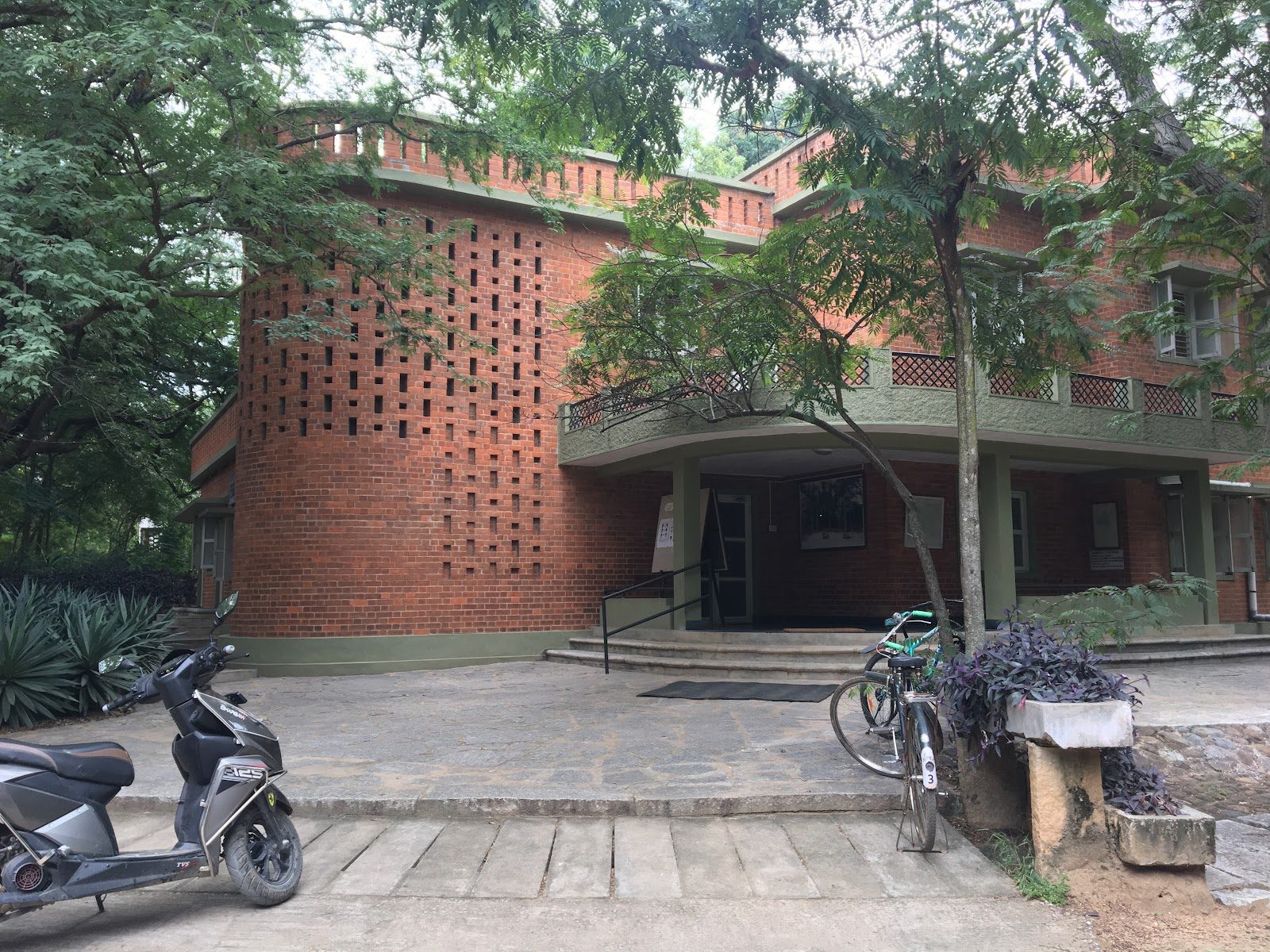
Photo © Karthik via Google Maps
Type
Boarding
Ages
9–18
Curriculum
Indian National
Qualifications
ICSE · ISC
Ratio
—
The Verdict
Editor's commitment
Right for
Boarders aged 9–18 who value a non-religious school founded in 1926, with CISCE academics and Krishnamurti’s educational philosophy.
Wrong for
Families wanting an urban campus, day schooling or a conventional metrics-heavy pitch; Rishi Valley sits 15km from Madanapalle in rural Andhra Pradesh.
Watch out for
The valley campus and 1991 bird sanctuary status are distinctive, but the school does not publish aggregate exam outcomes or university destinations.
Ranking breakdown
Rishi Valley School · #333 of 1591
Composite score 71.6. 8 weighted criteria.
By criterion
Academic Outcomes
Weight 20%
#450
of 1529 scored
University Placement
Weight 16%
#459
of 1529 scored
Prestige & Heritage
Weight 12%
#296
of 1571 scored
Alumni Network
Weight 12%
#195
of 1530 scored
Facilities
Weight 12%
#569
of 1533 scored
Transparency & Communications
Weight 8%
#554
of 1532 scored
Peer & Industry Review
Weight 10%
#533
of 1548 scored
Admissions Selectivity & Demand
Weight 8%
#334
of 1529 scored
Peer & Industry Review
How Rishi Valley School is regarded in the sector
60
Respected · medium confidence · editor-reviewed
Rishi Valley School is consistently cited in independent 'best schools in India' rankings and education press (e.g., Education World India School Rankings, where it regularly places in the top tier for boarding/alternative education) and is well regarded among educators for its Krishnamurti Foundation philosophy and environmental/rural outreach programs. It has a recognized alumni and peer network within India's progressive/alternative education circles, though it has less visibility in international expat-parent forums or Tatler-style global rankings compared to more internationally oriented Indian schools.
Editor's note
Philosophically important Krishnamurti school in India but tiny cohort; global peer signal is culturally strong, not academically standout.Evidence sources
Editors' overview
Rishi Valley occupies a niche that very few Indian boarding schools can claim. Founded in 1926 by Jiddu Krishnamurti, it is not a conventional high-pressure exam factory with a philosophy add-on; the philosophy sits at the centre. The campus, 15km from Madanapalle in rural Andhra Pradesh, is part school, part ecological project, part intellectual retreat. It was declared a bird sanctuary in 1991, and that fact matters because the place is built around stewardship of land, not cosmetic “green” branding. For parents, the draw is clear: a non-religious boarding school, teaching in English, following the Indian National curriculum under CISCE, with a long-standing commitment to community life, discussion, service and outdoor engagement. The sense of remoteness is real. The educational vision is serious. This is a school with a moral centre.
What sets Rishi Valley apart is the combination of austerity and ambition. The setting is quiet, rural and deliberate; the school’s own account stresses reforestation, water conservation and protection from unchecked development. That gives the campus an identity far stronger than the polished sameness of many premium boarding schools. The trade-off is obvious. Families looking for glossy facilities, aggressive university counselling theatre or a visibly corporate model of schooling will find a mismatch here. Rishi Valley sells no fantasy of frictionless success. It offers a thoughtful, self-questioning education shaped by Krishnamurti’s ideas, where assemblies, discussions, club meetings, extracurricular activity and community service carry real weight. That makes it distinctive in a market crowded with schools that promise “holistic” education and then revert to marks.
It belongs on a shortlist for parents who want an intellectually grounded boarding school with environmental seriousness and a clear educational philosophy, not a brand exercise. The strongest fit is a student aged 9 to 18 who can thrive in a spare, contemplative setting and does not need constant urban stimulation. Independent readers, reflective children, students drawn to nature, and those who value conversation over competition will fit best. Children who want relentless academic ranking, heavy polish or metropolitan bustle will not. *Rishi Valley asks for inwardness as well as effort.* For the right child, that is its strength; for the wrong one, it will feel isolated and exacting.
Academic Performance
Rishi Valley does not publish aggregate board results, grade distributions, university destinations or subject-by-subject outcome data. That is the central fact for any parent judging academic performance. In a market where many Indian boarding schools publicise toppers, averages and placement lists, this school leaves the public record thin and opaque. We have no published ISC/ICSE score profile to place against academic competitors, no trend line across cohorts, and no external benchmark that shows whether pupils finish at the top end of the CISCE field or simply perform solidly. If you want a school that leads with exam metrics, this one does not.
That absence of data does not mean weak academics; it means the school asks families to trust its educational philosophy more than its scorecard. The public picture points to a model where discussions, assemblies, club meetings, service and extracurricular life carry real weight alongside formal study. Relative to hard-driving Indian boarders that market results as proof of institutional quality, Rishi Valley sits in a different lane: idea-led, deliberately unshowy, and resistant to the performance theatre that surrounds school outcomes. For some families, that restraint reads as integrity. For others, it is a serious informational gap. On academic performance alone, the school remains difficult to rank because the school does not disclose the numbers that would settle the question.
Facilities
The defining facility here is the campus itself. This is not the polished sports-and-glass model sold by many premium boarders; it is a working landscape shaped by reforestation, water conservation and environmental protection. The school sits well away from town, and that remoteness changes what “facilities” mean. The bird sanctuary status, formalised in 1991, gives pupils daily access to a living ecology that most peer schools can only imitate with token green patches and environmental clubs. For students drawn to field observation, outdoor life and a campus with real ecological depth, that is a major asset. For families expecting an urban-style inventory of showcase buildings, specialist centres and hotel-grade boarding comforts, it is a clear constraint. The website foregrounds landscape, books, talks and school life; it does not publish the kind of exhaustive facilities list that more commercially minded competitors use to advertise every lab, pitch and studio.
That public emphasis tells its own story. Rishi Valley’s strongest physical assets are the valley setting, the protected natural environment and the wider education-centre atmosphere, not branded luxury or facility theatre. Peer schools at the expensive end of the Indian boarding market often compete through indoor sports complexes, high-visibility performing arts venues and aggressive campus polish. Rishi Valley competes through place, silence and seriousness of use. That gives it a rare coherence. It also leaves practical gaps in the public picture: we have not seen a detailed published breakdown of science spaces, arts infrastructure, boarding-house amenities or high-performance sports provision. Parents should ask those questions directly rather than assume parity with more infrastructure-led rivals.
That makes it distinctive in a market crowded with schools that promise “holistic” education and then revert to marks
Prestige
Rishi Valley carries real intellectual prestige, but not the glossy, status-signalling kind that dominates the Indian boarding market. Its standing rests on three things: a distinct educational lineage, a campus culture tied to Krishnamurti’s ideas rather than exam theatrics, and an identity that has held its shape over decades. That gives it weight with a narrow but serious audience: families, educators and alumni who value thought, restraint and moral seriousness over institutional swagger. The school’s setting reinforces that identity. This is not a manicured luxury enclave with “global” posturing bolted on; it is a place known for environmental stewardship, rural engagement and a bird sanctuary designation that dates back to 1991. That combination makes the school unmistakable.
Its prestige is therefore selective rather than mass-market. Among parents chasing board scores, brand display and university placement optics, Rishi Valley has less visible clout because it does not publish the outcome data that confer easy status. Among parents who know Indian education well, that same refusal to perform can read as principled rather than evasive. The school’s reputation also benefits from work beyond its own pupil body: the wider education centre, the Krishnamurti foundation link, and a long association with rural education reform all give it reach beyond a standard boarding school. We rate its prestige as high but niche: formidable in circles that care about ideas and institutional character, weaker in circles that equate prestige with numbers, polish and admissions theatre.
In a market where many Indian boarding schools publicise toppers, averages and placement lists, this school leaves the public record thin and opaque
Communications
Rishi Valley’s parent communication is low-gloss and institution-led. The public-facing site functions as a noticeboard more than a persuasion machine: admissions, the school handbook, alumni updates, weekly Valley News, talks, publications and teacher courses all sit in plain view. That gives parents a usable sense of the school’s priorities. The emphasis falls on school life, ideas and the wider education centre, not sales language. The tone fits the institution. It is serious, unvarnished and resistant to promotional clutter. A weekly news update is a good discipline, and the presence of a handbook matters because it signals that practical expectations are documented rather than left vague. The school’s distance from town — 15km — also raises the bar for communication; families need reliable information flow when daily informal contact is impossible.
Effective, then, but within limits. The school communicates ethos and community rhythm *better than it communicates operational detail*. Parents can see what the institution values; they get less help on the hard questions that modern families ask before and after enrolment. We have not seen a clear public architecture for parent portals, academic reporting cycles, leadership messaging, complaint routes or detailed boarding communication. Nor does the site carry the kind of transparent outcome data that would strengthen trust. For families already aligned with the school’s philosophy, this restrained style will feel coherent and adult. For parents who expect fast, granular, always-on communication, it will feel spare and, at points, opaque.
Uniqueness
What makes Rishi Valley distinct is not one feature but an unusual alignment of ideas, land and daily life. Many schools borrow the language of whole-child education; this one was built around it and has kept faith with it. The Krishnamurti foundation link matters because it gives the school a clear intellectual source rather than a vague pastoral mood. Discussions, assemblies, club meetings, service and extracurricular life are not decorative add-ons to classroom work; they are part of the educational core. The campus deepens that identity. Set 15km from the nearest town, in a protected valley that functions as a certified bird sanctuary, the school gives students a form of education that is quietly radical: sustained contact with solitude, landscape and community, without the churn of urban distraction or the status noise of high-end boarding.
That brings real gains for the right student. Children learn in a setting that treats attention, observation and responsibility as habits, not slogans. Environmental stewardship here has real institutional weight because it shapes the place pupils inhabit every day. The wider education-centre ethos and the school’s association with rural education work also widen a child’s sense of what schooling is for. This is not a conventional prestige machine. It is a school that tries to produce self-possessed, reflective young people with a stronger inner life, a clearer social conscience and a more grounded relationship with the natural world. That is rare.
Rishi Valley occupies a niche that very few Indian boarding schools can claim
Student Profile
The strongest fit is a child who can live productively inside quiet intensity. This school suits reflective students who do not need constant external reward, heavy supervision or the social buzz of a more performative boarding culture. Pupils who like reading, discussion, close observation and sustained time outdoors will gain most. So will children with a serious interest in service, clubs and community life, because those are built into the school’s conception of education rather than parked at the edges. The distance from the nearest town — 15km — matters here: a student who depends on frequent city access, high stimulation or endless organised entertainment will feel hemmed in.
Temperament matters more than polish. Rishi Valley will suit the self-possessed, the curious and the inwardly motivated; it will test children who measure themselves through constant comparison or who want school to operate as a prestige conveyor belt. This is not the right environment for a pupil who needs overt competition to stay engaged, or for one who expects luxury, spectacle and relentless affirmation. It is a strong match for students who can tolerate solitude, join discussions in good faith, and treat a protected campus as a place to pay attention rather than a backdrop. In age terms, that makes the school a better proposition for mature children than for those who still need a high-touch, high-noise atmosphere to stay steady.
Founded in 1926 by Jiddu Krishnamurti, it is not a conventional high-pressure exam factory with a philosophy add-on; the philosophy sits at the centre
Co-curricular strengths
Arts & sport, on a separate axis
Overall 8.58/10
Scored 0-10 from the school's own published evidence. This axis is editorial-only — it does not feed the main WTS ranking.
Sports
7.5/10
Drama
8.5/10
Dance
8.7/10
Music
9/10
Visual Arts
9.2/10
Editor first-pass · editor-reviewable · 7/30/2026
Strengths
- +Founded in 1926 by philosopher Jiddu Krishnamurti, giving the school a distinctive century-old pedagogical tradition rather than a generic curriculum overlay.
- +Small, low student-teacher ratio (roughly 6:1 to 7:1) with pupils housed in around 20 small boarding houses of 12-22 students under resident house-parents.
- +Junior and Middle School (grades 4-8) runs a flexible, exam-light curriculum intended to build intellectual foundations before formal board-exam pressure begins in grades 9-12.
- +Campus sits on roughly 375 acres of reforested land in a drought-prone valley and has been recognised as a bird sanctuary by the International Council for Bird Preservation.
- +Runs long-standing rural outreach programmes (RIVER, rural health and education centres) that give students exposure to community service beyond the classroom.
Considerations
- −Curriculum is limited to the Indian CISCE board (ICSE at grade 10, ISC at grade 12) with no IB or IGCSE option, which may concern internationally mobile families seeking a globally portable qualification.
- −Location is remote: about 15km from the nearest town of Madanapalle and roughly two-and-a-half hours from Bangalore and five hours from Chennai, making travel for visits or exeats time-consuming.
- −Very small total enrolment (around 360 students across grades 4-12) means a narrower range of subject options, activity choices and peer group size compared to larger schools.
- −Annual fees are reported in the region of INR 8.75-9 lakh, a significant sum by Indian schooling standards, and published figures vary by source so families should confirm current costs directly with the school.
Availability
Primary entry gate & tests
Internal Assessment
Gallery
Photo © Kuntal De via Google Maps
Photo © Kuntal De via Google Maps
Photo © Arijit Ganguly via Google Maps
Photo © Vamshi ! via Google Maps
Photo © Oopalee Operajita via Google Maps
Parent reviews
Have you sent your child here?
Voice reviews carry the strongest trust badge — we transcribe them for you to tidy up before they go live. Prefer to type? A written review is fine too.
Add your voice
In 60 seconds, tell other parents: what's the best thing about Rishi Valley School, and what surprised you when your child joined?
We ask for a Google sign-in so every review has a real face behind it — no anonymous drive-by attacks on schools, and no faked positive reviews. Your email is never shown publicly.
Send this profile to a friend
International parents rely on word-of-mouth. Share this review with someone weighing the same decision.
Schools with places
Similar schools to Rishi Valley School with places available now.
American Embassy School
New Delhi · India
- 2026-27
- WAITPOOLSpace-dependent
- 2027-28
- PLACES OPENRolling
UWC Mahindra College
Pune · India
- 2026-27
- CLOSEDStandard route closed
- 2027-28
- WAITPOOLVaries by National Committee
Oberoi International School
Mumbai · India
- 2026-27
- WAITPOOLSpace-dependent
- 2027-28
- PLACES OPENRolling
Dhirubhai Ambani International School
Mumbai · India
- 2026-27
- WAITPOOLVacancy-dependent
- 2027-28
- WAITPOOLEnquiry/app live (Dates TBC)
Availability first, then country, area, curriculum, price, co-curricular
Consider also
Also worth looking at alongside Rishi Valley School.
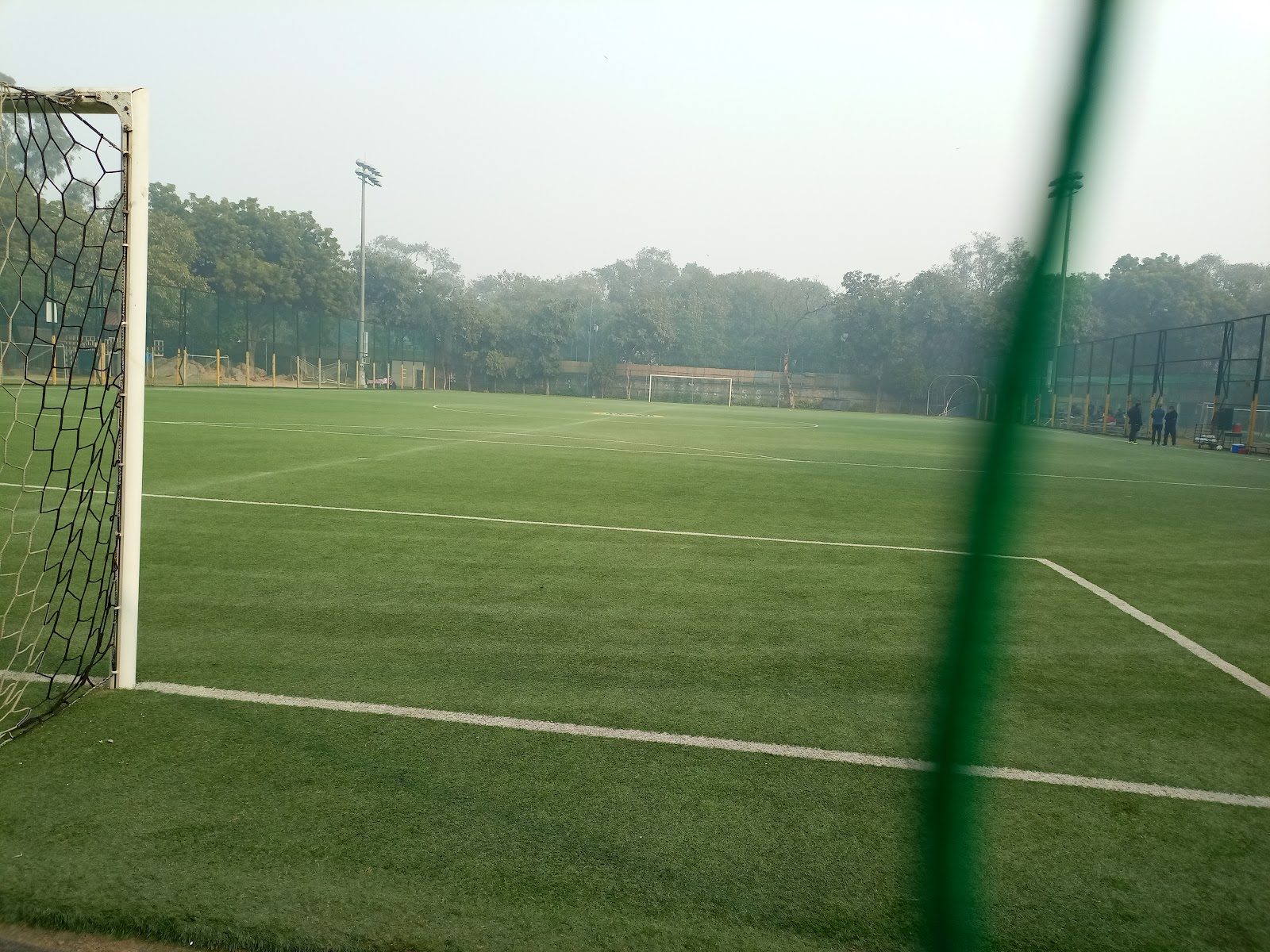
American Embassy School
New Delhi · India
Beside the U.S. Embassy in Chanakyapuri, a Joseph Stein-designed campus mixes American college prep with IB rigor for over 70 nationalities.
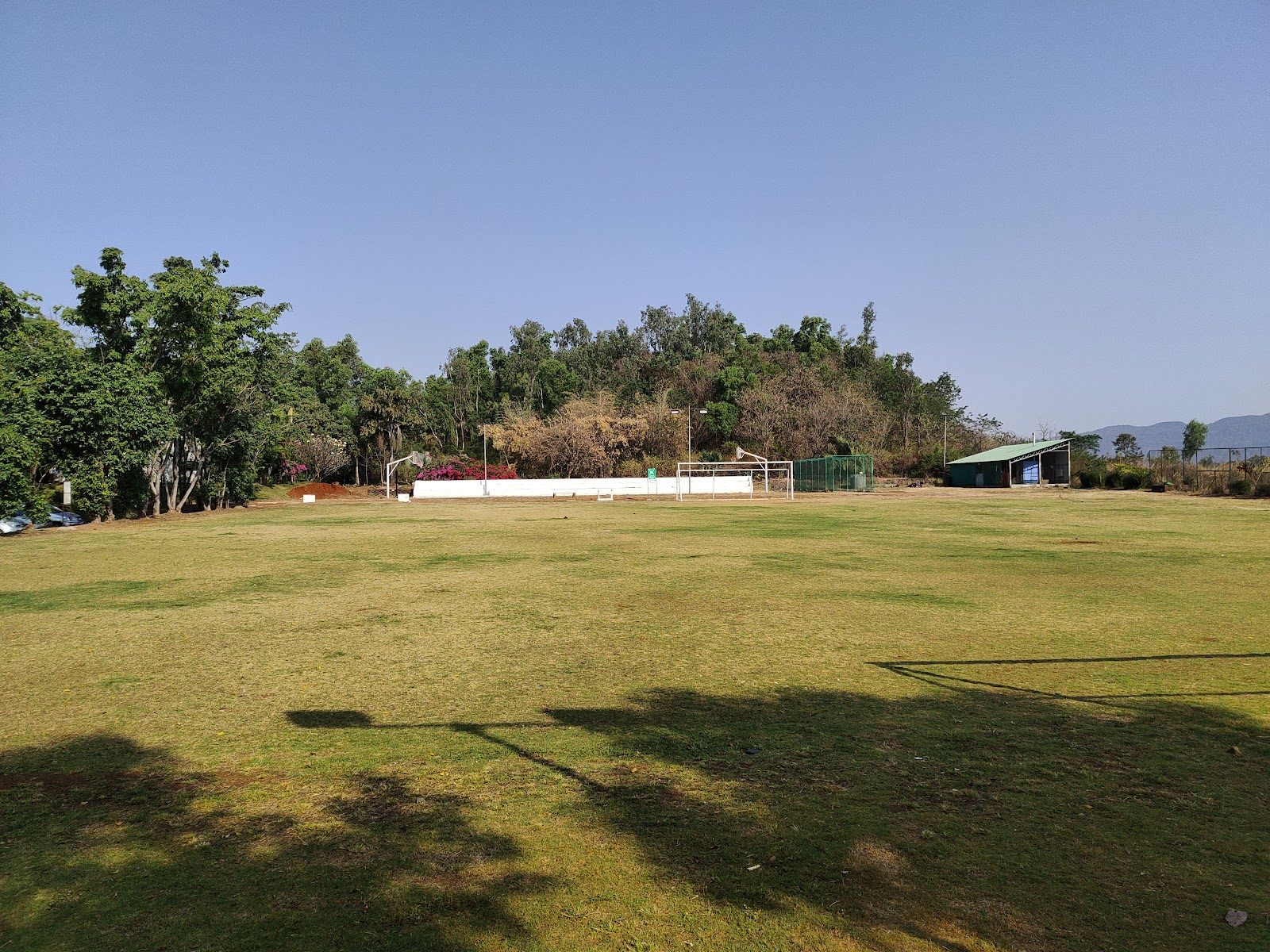
UWC Mahindra College
Pune · India
South Asia's only United World College, its 170-acre Western Ghats campus reforested tree by tree by its own students.
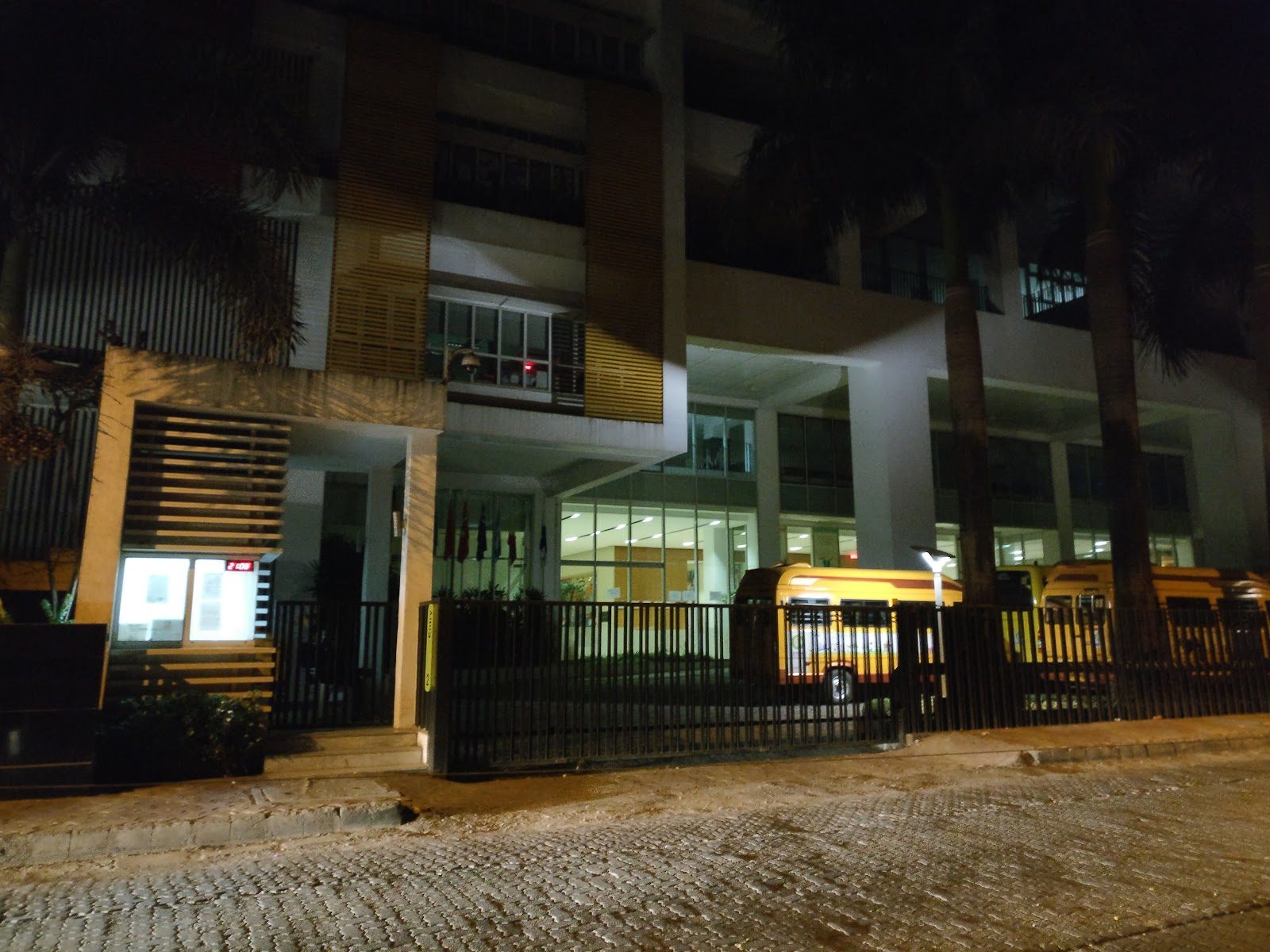
Oberoi International School
Mumbai · India
A full IB continuum from Nursery to Diploma, spread across twin Goregaon campuses inside Mumbai's Oberoi Garden City enclave.
Dhirubhai Ambani International School
Mumbai · India
In the heart of Bandra-Kurla Complex, three curricula converge to produce some of India's highest IB Diploma averages.
Same country and curriculum — closest matches within ±10 points either way