
Ontario
A lakeside Oakville campus where every senior boards by tradition, and leadership training unfolds on a private island in Temagami.
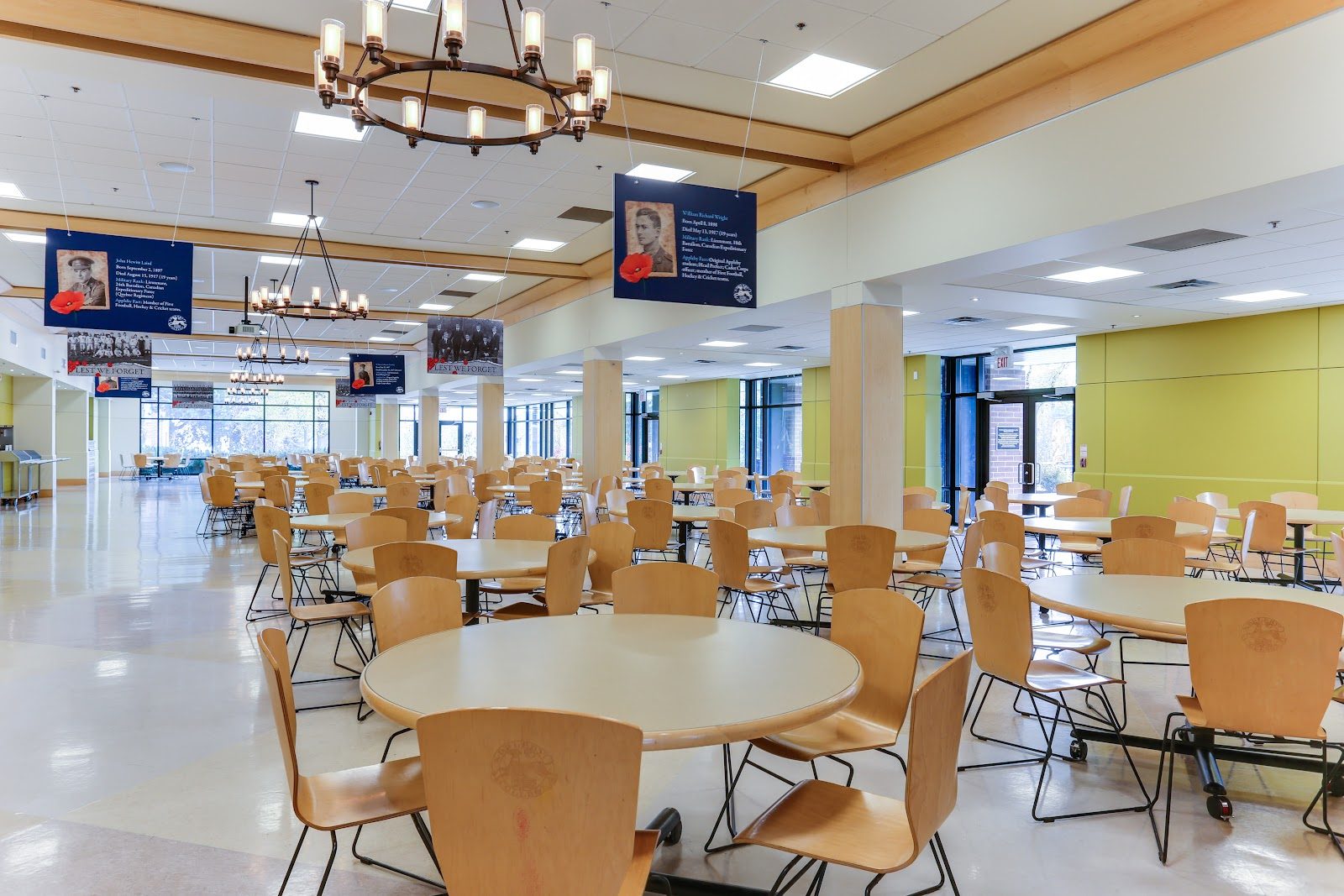
Photo © Appleby College via Google Maps
Type
Both
Ages
3–18
Curriculum
Canadian · IB · American
Qualifications
AP · IB Diploma
Ratio
—
The Verdict
Editor's commitment
Right for
Families wanting a co-educational Oakville school founded in 1911, with Canadian, IB and American pathways on a Lake Ontario campus.
Wrong for
Parents who dislike boarding culture: Appleby is both day and boarding, and senior boarding is part of the school’s identity.
Watch out for
This is expensive by Canadian standards: average annual fees are CAD 53,210 for day pupils and CAD 88,530 for boarders; CIS and IBO accreditations matter.
Ranking breakdown
Appleby College · #274 of 1591
Composite score 72.6. 8 weighted criteria.
By criterion
Academic Outcomes
Weight 20%
#386
of 1529 scored
University Placement
Weight 16%
#398
of 1529 scored
Prestige & Heritage
Weight 12%
#296
of 1571 scored
Alumni Network
Weight 12%
#195
of 1530 scored
Facilities
Weight 12%
#279
of 1533 scored
Transparency & Communications
Weight 8%
#515
of 1532 scored
Peer & Industry Review
Weight 10%
#533
of 1548 scored
Admissions Selectivity & Demand
Weight 8%
#308
of 1529 scored
Score history
Appleby College · 2026
Movement across 2024–2026. Peer average overlaid.
Overall — 2024–2026
72.6/ 100
▲ +7.7 vs 2025
year on year
Peer & Industry Review
How Appleby College is regarded in the sector
78
Strong · medium confidence
Appleby College is consistently referenced in Canadian independent school rankings and is a well-known member of Round Square and the Canadian Accredited Independent Schools (CAIS) network, benchmarked alongside peers like Upper Canada College and St. Andrew's College. It has a strong, visible alumni network including notable business and public figures, and is regularly cited in Canadian private-school comparison guides and expat parent forums as a top-tier GTA boarding/day school. However, it receives less specialist international press coverage (e.g., Tatler, Good Schools Guide) compared to leading UK or US institutions, limiting broader global visibility.
Evidence sources
Editors' overview
The setting does real work here. Appleby sits on Lake Ontario in Oakville, about 50 kilometres west of Toronto, and it uses that physical separation from the city to create a school with a strong internal culture rather than a commuter add-on to urban life. Founded in 1911, it has the age and continuity parents expect at this level, but the sharper point is its boarding structure: this is a co-educational day and boarding school where boarding is not an afterthought. Your verified context puts the average annual fee at CAD 53,210 for day pupils and CAD 88,530 for boarders, which places Appleby firmly in Canada’s top-fee independent bracket. For families comparing premium North American schools, that price only makes sense if the school offers a distinctive lived experience. Appleby does.
What marks it out is the combination of a Canadian base, IB accreditation and a boarding tradition that gives the senior school a more residential, self-contained character than many day-dominant independents. The curriculum context lists Canadian, IB and American strands; that breadth matters for internationally mobile families and for parents who want university preparation that is not locked into a single national system. The school also holds CIS and IBO accreditation, which gives it external validation beyond domestic reputation. This is not a loose international label pinned to a local private school; it has a defined global orientation, and the student body extends beyond Oakville, Burlington and Mississauga to boarders from across Canada and other continents. That mix can be genuinely broadening for the right child and socially demanding for the wrong one.
Appleby belongs on a shortlist for families who want a structured, high-expectation education with real boarding culture, not a token residence attached to a day school. The lakeside campus, the university-preparatory frame and the school’s liberal-arts emphasis point to an education that values breadth, articulation and leadership as much as examination technique. Its alumni footprint is also stronger than many Canadian peers, with 33 notable alumni catalogued in Wikidata across politics, business, science, writing, screen and sport. That does not prove teaching quality, but it does show durable reach. The child who will thrive here is ambitious, resilient and comfortable in a school with tradition, polish and a visible social mix. A student who wants anonymity, a loose pastoral culture or a low-pressure adolescence will find Appleby too tightly drawn. A student who wants a full-campus life, serious peers and a school that treats boarding as part of the education rather than a lodging arrangement will find a compelling fit.
Academic Performance
Appleby does not publish aggregate external-results data in the public domain in the sources we have seen here, and that limits any hard ranking against Canada’s top academic independents. There is no school-wide IB average, no full diploma pass rate, no AP score profile, and no university-destination breakdown in the source set. For a school charging premium fees and selling a serious university-preparatory education, that is a real omission. Parents comparing Appleby with competitors that publish clean headline outcomes will have less to work with here. The school’s academic frame is still clear: it runs a broad liberal-arts model and serves a cohort that includes internationally mobile families, so the academic offer is built for breadth and progression rather than narrow exam drilling.
Where does that leave it relative to peers? In market position, Appleby sits in the upper tier of Canadian independent schools: expensive, established and globally oriented. In published academic transparency, it sits behind the strongest operators, because undisclosed outcomes force parents to infer quality from context rather than test it against numbers. That does not make the academic standard weak; it makes it harder to verify. The school’s notable alumni count, at 33, points to durable reach over time, but alumni are not exam results. For families who want cold performance data before committing, Appleby asks for more trust than the best-disclosing schools.
Facilities
Appleby’s key facility advantage is not a single showpiece building but a fully inhabited campus. Many premium schools near major cities rely on strong classrooms plus after-hours transport logistics; Appleby offers the more old-school residential model in which academic, pastoral and extracurricular life happen in one place. That matters for senior pupils most of all: boarders are not tucked into a corner of a day school but folded into the daily rhythm of the institution. The Lake Ontario setting also gives the grounds real value rather than postcard value. Open space, waterfront access and a self-contained layout create room for sport, outdoor education and a campus life that runs beyond the timetable. The school’s standout specialist asset is its private island in Temagami, used for leadership development and outdoor learning. Very few peer schools can match that. It is a serious differentiator.
Against competitors, the facilities profile is strongest for families who want immersion, structure and breadth rather than urban convenience. In pure metropolitan terms, some Toronto-area rivals offer easier access to city partnerships, cultural institutions and high-performance training infrastructure off campus. Appleby counters with a deeper all-day environment: the kind of place where rehearsal, training, study and house life reinforce each other because pupils stay put. That does not suit every child. For students who want a looser day-school existence, the campus can feel enclosed and demanding. For families who want a school where facilities shape the culture rather than decorate it, Appleby ranks near the top of the Canadian field.
For families comparing premium North American schools, that price only makes sense if the school offers a distinctive lived experience
Prestige
Appleby carries real prestige in the Canadian independent-school market because its reputation rests on more than age, fees or a polished campus. It has a long-established university-preparatory identity, a genuine residential tradition, and an international reach that extends past its local catchment. That combination is rare. Many schools can claim heritage; fewer sustain a boarding culture that shapes the senior experience and draws families from across Canada and beyond. The alumni signal strengthens the case. 33 notable alumni catalogued in Wikidata is not a vanity metric: it points to a school with durable social reach across public life, business, scholarship, media, screen and sport. For parents, that matters less as bragging rights than as evidence that the school has long attracted ambitious families and produced graduates who move through influential circles.
The rating stops short of the very top global tier for one reason: public proof of academic outcomes is thin. Prestige built on tradition, selectivity and networks is still prestige, but the strongest schools back reputation with transparent results. Appleby does not do that in the source set here, and that weakens the case for calling it unambiguously elite on academics alone. Even so, in Canada it sits comfortably in the upper echelon: expensive, socially visible, and distinctive in a market where full-campus boarding schools are scarce. For families who value status, peer group and a serious all-round finishing ground as much as raw score disclosure, Appleby holds its ground.
That mix can be genuinely broadening for the right child and socially demanding for the wrong one
Communications
Appleby’s parent communications have one clear strength: the school has a defined institutional identity, and that tends to produce cleaner messaging than schools that try to be everything to everyone. Parents know the broad proposition they are buying into — a premium, highly structured education with a strong campus culture and an international intake — and that clarity matters. The website also does the core factual job: location, age range, school structure and overall educational frame are easy to grasp. Where the communication weakens is in the move from image to proof. For a school charging an average of CAD 53,210 for day pupils and CAD 88,530 for boarders, parents need more than atmosphere, heritage and general claims about preparation. They need hard academic reporting, clearer destination data and a more disciplined public account of outcomes.
That gap affects trust. Communications are most effective when a school answers the expensive questions before parents have to ask them, and Appleby does not do that well enough in public. The school communicates culture, setting and ambition with real confidence; it communicates measurable performance with frustrating restraint. For some families, especially those already comfortable with the independent-school world, that will feel perfectly legible: they will read the signals and accept the premium. For more analytical parents, or families comparing multiple top-fee schools across borders, the lack of published headline outcomes makes the communication package less convincing than it should be.
Uniqueness
Appleby’s distinctiveness lies in how thoroughly it commits to a residential idea of schooling. Plenty of schools offer boarding; far fewer let boarding shape the social and educational centre of gravity. Here, campus life does not switch off after lessons, and that changes the student experience. Friendships, routines, supervision and leadership all run through the same institution rather than splitting between school hours and home life. For day pupils, that creates a more cohesive peer culture. For boarders, it creates a school that feels fully inhabited rather than bolted together. Add an intake that stretches beyond the local commuter belt and you get a student body with wider reference points, more churn of perspective and a stronger requirement for social confidence. This is not a casual school.
The other genuine outlier is the school’s use of a private island in Temagami for leadership and outdoor education. That is not a glossy add-on. It gives students a version of character education that moves beyond prefect badges and house slogans into real expeditionary work, shared discomfort and group responsibility. In a market crowded with polished campuses and standard enrichment menus, that is unusually hard to copy. The result is an education with a distinct internal spine: formal, community-minded and geared towards producing young people who can cope away from home. The alumni footprint — 33 notable figures in Wikidata — reinforces that sense of long-range formation rather than short-term coaching.
For families who want a school where facilities shape the culture rather than decorate it, Appleby ranks near the top of the Canadian field
Student Profile
The best fit is a student who wants a high-structure, all-in school life and has the social stamina to live in a community where peers are a constant presence. Appleby suits children who are comfortable with expectations around routine, participation and visibility. It will reward the pupil who is willing to join in, hold their own with ambitious classmates and treat school as more than lessons plus clubs. The international intake matters here: students need curiosity about other people, resilience in mixed social groups and the confidence to navigate a culture that is polished, competitive and rarely anonymous. For day families, that means accepting a campus ethos shaped by boarders rather than a standard home-by-afternoon rhythm.
The child who thrives here is not just academic but self-possessed, organised and game for challenge beyond the classroom. Outdoor education and leadership work are not decorative extras; they favour students who can cope with discomfort, teamwork and close supervision without constant hand-holding. Appleby will work well for families who want their child pushed towards independence in a tradition-conscious, adult-run environment. It will work badly for pupils who want a looser adolescence, a low-pressure social scene or plenty of room to disappear into the background. At these fees — CAD 53,210 for day pupils and CAD 88,530 for boarders — the school makes sense for families actively choosing intensity, not merely buying prestige.
The rating stops short of the very top global tier for one reason: public proof of academic outcomes is thin
Co-curricular strengths
Arts & sport, on a separate axis
Overall 8.92/10
Scored 0-10 from the school's own published evidence. This axis is editorial-only — it does not feed the main WTS ranking.
Sports
9/10
High-performance Canadian athletic competitor, fielding highly competitive varsity squash, hockey, and rugby squads across extensive lakefront grounds.
Drama
8.8/10
Ambitious theater tracking staging complex contemporary plays and student-written works inside modern theater spaces.
Dance
8.8/10
Offered as a popular co-curricular activity providing core choreography assets for seasonal school showcases.
Music
9/10
Robust private vocal and instrumental infrastructure feeding active jazz big bands and full chamber symphonies.
Visual Arts
9/10
Highly structured fine art layout leaning heavily toward technical design, digital graphics, and portfolio mastery.
Editor-verified · 8/6/2026
Notable alumni · Wikidata
33notable alumni
5 historic (born pre-1930) · 18 modern (born post-1970)wikidata:2026-07-28 How we source this

WTS 300 badge
2025/26 editionAppleby College is one of the World's Top 300 Schools for 2025/26. Claim your listing to add it to your site →
Strengths
- +Founded in 1911 and located on a picturesque 60-acre campus in Oakville, Ontario, Appleby College is a university preparatory, coeducational day/boarding school for Grades 7-12, giving it over a century of institutional history.
- +A leading Advanced Placement (AP) and AP Capstone school with diploma specializations in Business, S.T.E.M., Creative Arts, and Global Leadership, offering a structured academic pathway beyond the standard Ontario diploma.
- +The school serves students in grades 7 through 12 and enrolls approximately 807 pupils as of the 2024-25 school year, including 537 day students and 270 boarders from 41 nationalities, indicating a genuinely international boarding community.
- +Hallmarks of the Appleby experience include a mandatory Grade 12 boarding program, global learning opportunities, and experiential learning at the McLaughlin Northern Campus in Temagami, giving the school a distinctive outdoor-education dimension rare among GTA day schools.
- +The school shows commitment to financial assistance with over $5.7 million in bursaries, loans and scholarships annually, a meaningful sum for a school of its size.
Considerations
- −Published tuition is high by Canadian standards: Tuition: $35,900 - 71,700, and third-party estimates put the all-in boarding cost for international families higher still.
- −Appleby College's admissions process is more competitive than most, with popular entry grades including 7, 9, and 10, meaning families applying outside these years or later in the cycle may find fewer places available.
- −Hallmarks of the Appleby experience include a mandatory Grade 12 boarding program, so day students who wish to remain at home through their final year of school do not have that option at Appleby.
- −The school's academic pathway is built around AP and AP Capstone rather than the IB Diploma Programme, which may not suit families specifically seeking an IB credential for university applications abroad.
Availability
Primary entry gate & tests
SSAT + Interview
Gallery
Photo © Appleby College via Google Maps
Photo © Appleby College via Google Maps
Photo © Appleby College via Google Maps
Photo © Appleby College via Google Maps
Photo © Appleby College via Google Maps
Photo © Appleby College via Google Maps
Photo © Appleby College via Google Maps
Photo © Appleby College via Google Maps
Photo © Ramon Almendro via Google Maps
Parent reviews
Have you sent your child here?
Voice reviews carry the strongest trust badge — we transcribe them for you to tidy up before they go live. Prefer to type? A written review is fine too.
Add your voice
In 60 seconds, tell other parents: what's the best thing about Appleby College, and what surprised you when your child joined?
We ask for a Google sign-in so every review has a real face behind it — no anonymous drive-by attacks on schools, and no faked positive reviews. Your email is never shown publicly.
Send this profile to a friend
International parents rely on word-of-mouth. Share this review with someone weighing the same decision.
Schools with places
Similar schools to Appleby College with places available now.
Ridley College
St Catharines · Canada
- 2026-27
- WAITPOOLLimited Lower/Middle day
- 2027-28
- PLACES OPENActive now
The York School
Toronto · Canada
- 2026-27
- CLOSEDRegular cycle closed
- 2027-28
- PLACES OPENActive now
University of Toronto Schools
Toronto · Canada
- 2026-27
- CLOSEDRegular cycle
- 2027-28
- OPENS SOONOpens Sept '26 (Closes 1 Dec)
Upper Canada College
Toronto · Canada
- 2026-27
- PLACES OPENBoarding open; Day closed
- 2027-28
- OPENS SOONOpens Sept '26
Availability first, then country, area, curriculum, price, co-curricular
Consider also
Also worth looking at alongside Appleby College.
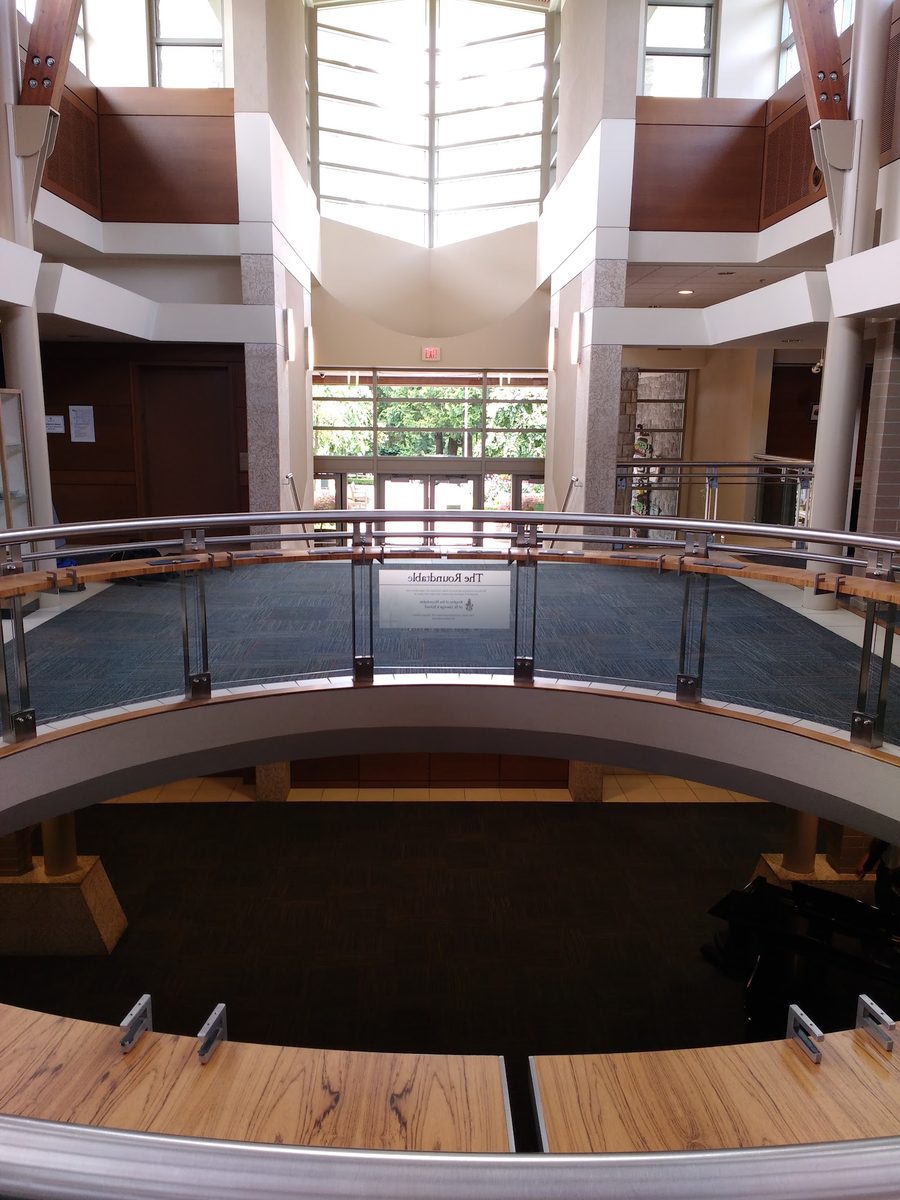
St. George's School
Vancouver · Canada
Vancouver's only boys' boarding house pairs BC's diploma with IB and AP courses, then swaps desks for weeks in the backcountry.
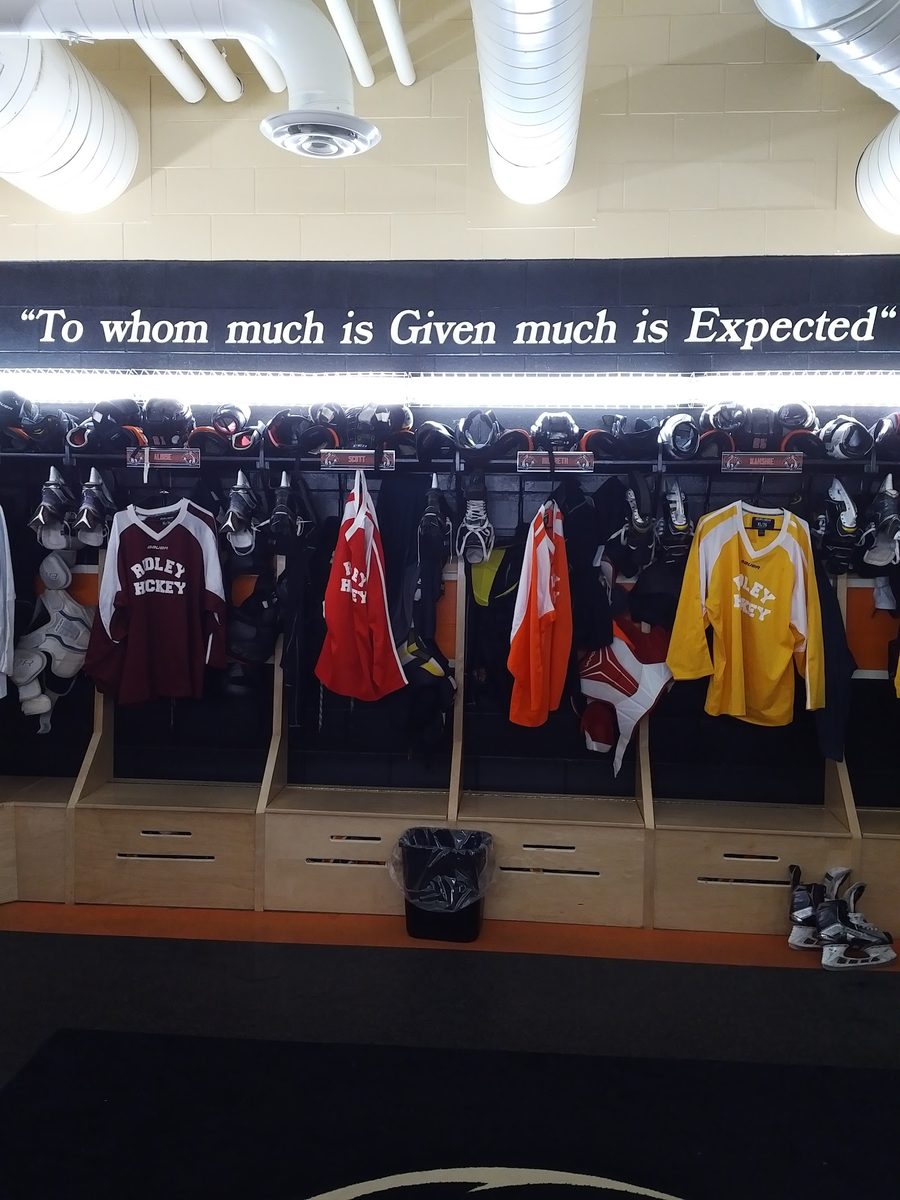
Ridley College
St Catharines · Canada
St Catharines day-and-boarding school blending Ontario's OSSD with the full IB continuum
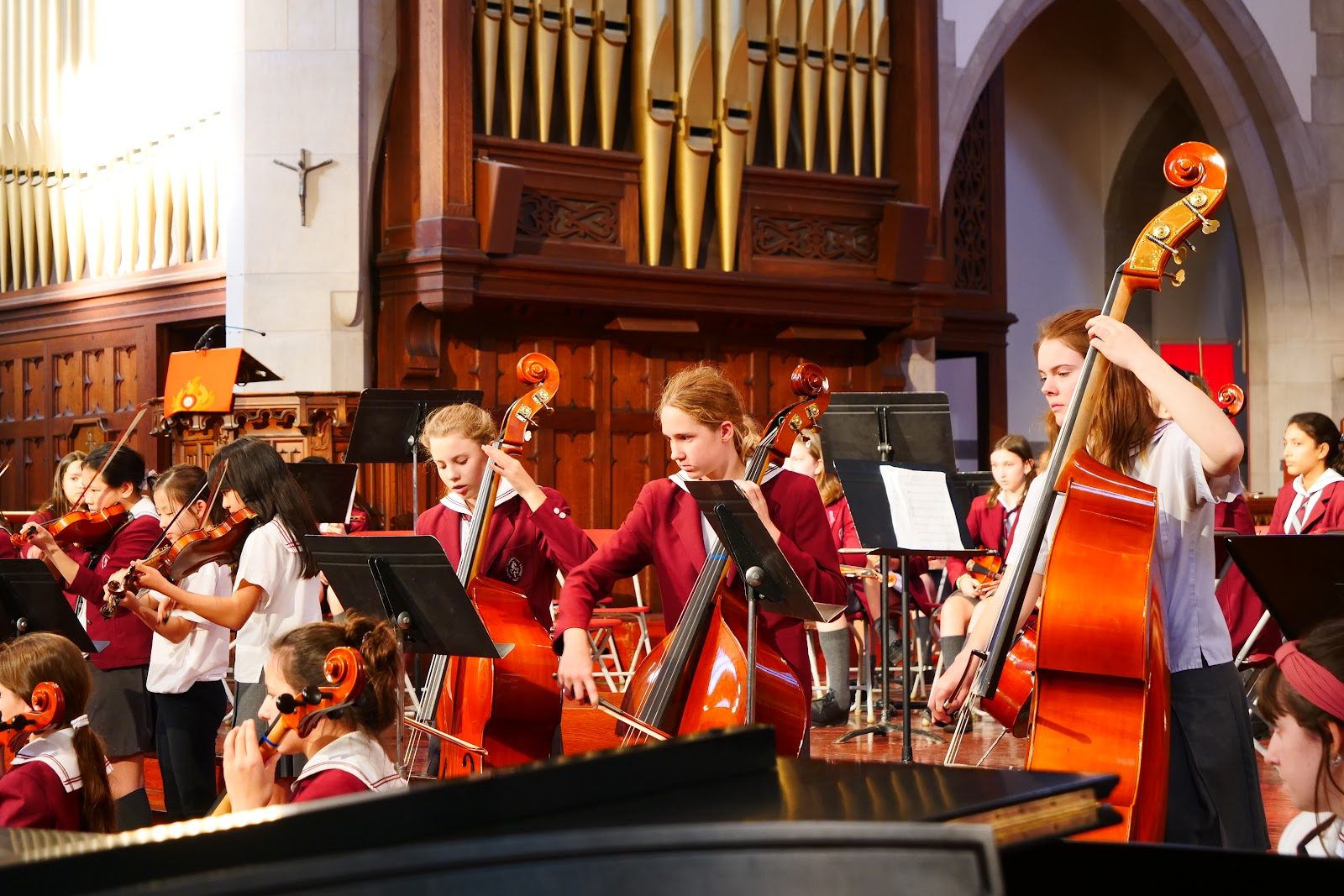
The Bishop Strachan School
Toronto · Canada
Founded in 1867 in Forest Hill, this Anglican school remains Canada's oldest continuously operating girls' day and boarding institution.
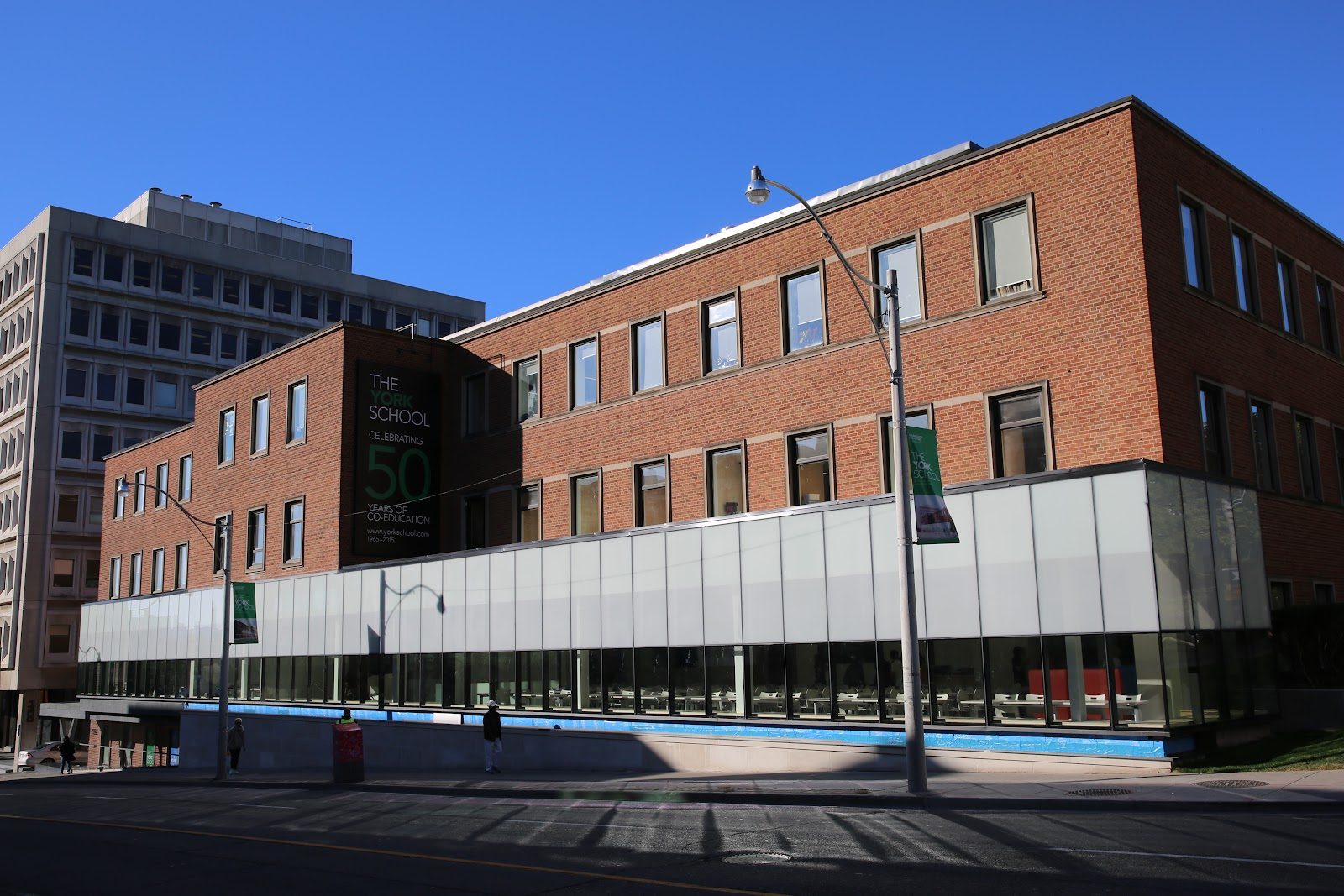
The York School
Toronto · Canada
First English-speaking school in Canada certified for the full IB continuum, JK to Grade 12, on midtown Toronto's Yonge Street corridor.
Same country and curriculum — closest matches within ±10 points either way