
North Holland
Het Amsterdams Lyceum
low confidence· 6/6 cats · 0 avg sourcesThe Netherlands' oldest lyceum, its landmark Amsterdam School building sends every class to a century-old forest retreat each year.
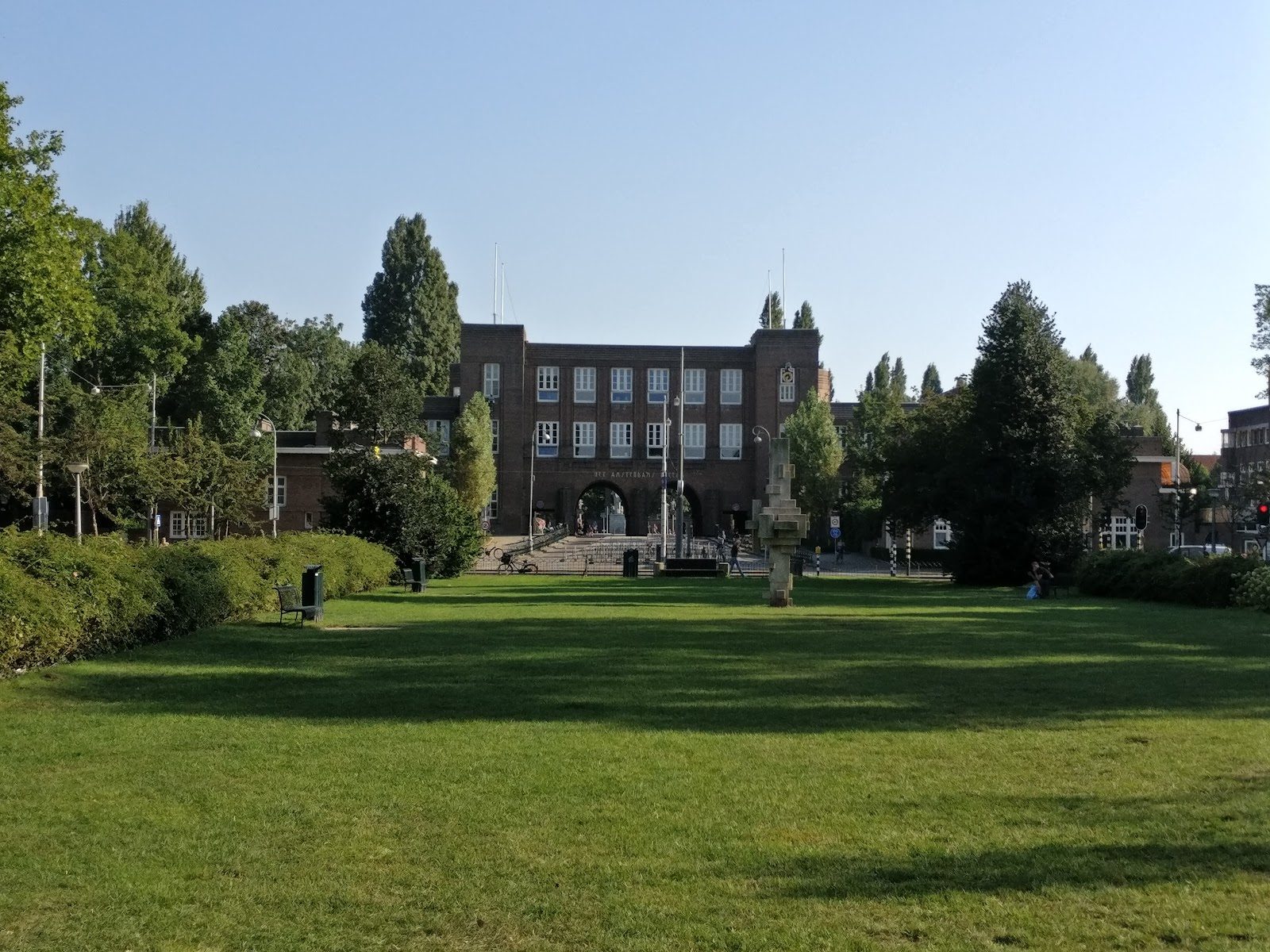
Photo © Andrej Sinicyn-Appleyard via Google Maps
Type
Day
Ages
3–18
Curriculum
Dutch Gymnasium · VWO
Ratio
14:1
The Verdict
Editor's commitment
Right for
Families wanting a non-religious Amsterdam day school founded in 1917, with 1,100 students and a direct Dutch university track.
Wrong for
Parents seeking small-scale pastoral handling: average classes run to 28, and the student-teacher ratio sits at 14:1.
Watch out for
This is a day school only, serving ages 3–18 in Amsterdam; its declared route is Dutch Gymnasium and VWO, not IB or A Levels.
Peer & Industry Review
How Het Amsterdams Lyceum is regarded in the sector
65
Respected · low confidence
Het Amsterdams Lyceum is a well-established, historic gymnasium/atheneum in Amsterdam with a reputation as one of the city's respected traditional secondary schools, frequently mentioned in Dutch education inspectorate (Onderwijsinspectie) reports as performing solidly, and it appears in Dutch-language 'best gymnasiums in Amsterdam' rankings and school-choice guides. However, independent English-language or international press coverage (Tatler, Good Schools Guide, etc.) is essentially absent, limiting verification of broader peer or expat-community reputation beyond local Dutch parent forums and Elsevier/Trouw school rankings.
Evidence sources
Editors' overview
Het Amsterdams Lyceum occupies a distinct place in the Dutch market. Founded in 1917, it is the country’s oldest lyceum, with the institutional confidence and civic profile that status brings. This is not an all-through international school built for expatriate churn; it is a rooted Amsterdam secondary school with around 1,100 students and a local intake, drawing mainly from the city and a smaller number from nearby municipalities. The academic offer is Dutch Gymnasium and VWO, so the proposition is clear: a university-preparatory route inside a long-established national framework. For parents who want depth over gloss, history with purpose and a school that belongs to its city, that matters.
What sets it apart is the combination of intellectual seriousness and ritual. The landmark Amsterdam School building gives the school immediate presence, but the more interesting differentiator is cultural rather than architectural: every class goes each year to the school’s century-old forest retreat. That annual retreat is not a decorative extra; it signals continuity, community and a school identity built over generations rather than assembled by branding. The numbers also tell a plain story. A student-teacher ratio of 14:1 sits alongside an average class size of 28, which points to a large, academically organised school rather than a boutique operation promising hand-holding. Families choosing Het Amsterdams Lyceum are choosing scale, tradition and expectation.
Why shortlist it? Because it offers something increasingly scarce: institutional gravity, a serious academic culture, and a Dutch university-prep education in a school with real local standing. It suits students who are comfortable in a structured environment, who value scholarship, and who do not need a school to entertain them into learning. It will appeal to ambitious, self-directed pupils who want the intellectual stretch of Gymnasium or VWO and who like the idea of belonging to a school with a strong sense of inheritance. It is less suited to families looking for small classes, pastoral intimacy or an overtly international atmosphere. This is a school for students who want substance, not theatre.
Academic Performance
Academic performance is hard to judge from published data because the school does not disclose aggregate external exam results, subject-by-subject outcomes, or university destinations. That opacity matters. In a market where academically ambitious schools can publish pass rates, score distributions and destination lists, the absence of those figures leaves parents without the simplest way to test claims of academic strength against peers. What we can say with confidence is structural rather than statistical: this is a selective university-preparatory Dutch secondary school with around 1,100 pupils, and schools of that type sit in the country’s more demanding academic tier. The presence of both gymnasium and atheneum routes points to a serious academic engine, not a broad church designed to accommodate every level.
Relative to peers, then, Het Amsterdams Lyceum fits the category of high-expectation, academically established Dutch schools rather than the softer end of the market. That does not make it easy to benchmark. Without published exam aggregates, there is no clean way to place it against other lycea on attainment, value added, or consistency at the top end. Parents should read that in a clear-eyed way: the school’s reputation and institutional standing carry weight, but reputation is not data. For families who want proof in numbers, this is a frustrating gap. For families already committed to the Dutch academic route, the school sits in the serious mainstream of university-bound secondary education.
Facilities
The school’s most distinctive facility is not a lab block or theatre but its own forest retreat, used by every year group each year. That is rare, and it matters. Few urban day schools can point to a dedicated off-site setting woven into school life rather than treated as an occasional trip venue. For parents, that signals organised outdoor provision, space away from the city, and a stronger communal culture than many academically driven peers manage. On the main site, the landmark Amsterdam School building carries real architectural presence. Older buildings of this kind bring atmosphere and identity, but also trade flexibility for character: they do not deliver the frictionless, purpose-built efficiency of newer international campuses.
Against peer Dutch academic schools, the facilities proposition looks distinctive rather than lavish. The school’s scale supports the core infrastructure a serious secondary school needs, but we have not seen published detail on specialist science spaces, performing arts provision, indoor sports, maker facilities or design technology. That absence matters because many competitors now spell out those assets room by room. Here, the strongest facility story is institutional and experiential: a historic main building, a dedicated retreat, and the physical confidence of a long-established school. Families looking for a polished premium campus with an exhaustive amenities list may find the public picture thin. Families who value place, ritual and permanence will read it differently.
What makes Het Amsterdams Lyceum distinctive is not novelty but continuity with teeth
Prestige
Het Amsterdams Lyceum has real prestige in its home market, but it is a Dutch civic prestige rather than an international-brand prestige. That distinction matters. This is a school with serious local standing: the oldest lyceum in the country, a well-known name in Amsterdam, and a place that carries cultural weight beyond raw marketing visibility. The school’s scale also feeds that status. With around 1,100 pupils, it is not a niche outpost trading on scarcity; it is a substantial, established institution whose name has travelled across generations of local families. The combination of gymnasium and atheneum sharpens that profile further. In Dutch terms, that places the school firmly in the university-preparatory camp, which gives the badge genuine academic cachet.
Why not rate it even higher? Because prestige without published outcomes has limits. The school’s reputation rests on history, architecture, selectivity of route and local esteem, not on transparent performance data or a polished global profile. That does not weaken its standing inside Amsterdam; it narrows the kind of prestige on offer. For Dutch families, or international families committed to the national system, the appeal is deep-rooted, old-guard and intellectually serious. For parents chasing the social signalling of a globe-spanning premium school brand, this is a different proposition: less glossy, more earned. That, in fact, is part of its attraction.
Het Amsterdams Lyceum occupies a distinct place in the Dutch market
Communications
Parent communication has the same character as the school itself: formal, institution-led and not built around concierge-style responsiveness. The public picture is thin. The school does not publish the kind of expansive, parent-facing communications architecture that many premium schools now treat as standard: no detailed news flow in English, no clear window into leadership messaging, and no obvious attempt to narrate school life for outsiders week by week. That does not make communication weak inside the community, but it does narrow what parents can verify before entry. In practical terms, families should expect a school that communicates because it needs to, not because it wants to perform openness. In a large secondary setting with average classes of 28 and a staffing ratio of 14:1, that matters: clarity, timeliness and administrative discipline carry more weight than warmth.
Effectiveness, then, rests on whether parents value precision over polish. The school’s identity is settled, its audience is local, and its systems are built for families who can navigate a Dutch academic institution without constant translation or reassurance. That works for confident parents who want information delivered plainly and do not need hand-holding. It works less well for internationally mobile families who expect exhaustive online detail, rapid pastoral visibility and a steady stream of curated updates. The verdict is straightforward: communication fits a serious, old-guard school, but it lacks the high-transparency standard that many parents now expect before committing.
Uniqueness
What makes Het Amsterdams Lyceum distinctive is not novelty but continuity with teeth. Plenty of schools trade on heritage; far fewer turn it into a living habit. Here, the annual journey of every class to the school’s own forest retreat gives tradition practical force. That ritual does more than decorate the calendar. It pulls pupils out of the city, resets social dynamics and builds a shared memory bank across year groups. In a large secondary school, that matters. It counters anonymity and gives students a stronger sense of belonging than the timetable alone can provide. The main building adds another layer: not a generic campus, but a school with architectural identity and civic weight. Students grow up inside an institution that feels established, not assembled.
Its other point of difference lies in market position. This is not a floating international brand school serving transient families; it is a rooted local institution with around 1,100 pupils and a predominantly local intake. That changes the student experience. Friendships and networks extend into the life of the city rather than ending at the school gate, and the culture carries the confidence of a place that knows exactly what it is. For the right student, that brings serious belonging, clear expectations and an education shaped by local intellectual tradition rather than global-school theatre. The trade-off is plain: families wanting constant hand-holding or a softer, more curated atmosphere will find a more demanding, less cushioned environment here.
Families choosing Het Amsterdams Lyceum are choosing scale, tradition and expectation
Student Profile
The student body is not transient and not built around expatriate turnover. Most pupils come from the city, with a smaller fringe from neighbouring municipalities, so the social fabric is local, settled and less forgiving of reinvention than in international schools where everyone arrives new. That shapes who fits. Students do well here when they are comfortable entering an existing culture rather than asking the school to adapt around them. Expect classmates with academic intent, decent self-management and a tolerance for structure. In a school of around 1,100, anonymity is easy for passive children; engaged pupils who can find their place without constant adult prompting will fare better. This is a grown-up, locally rooted environment, not a soft-landing school.
The best fit is a student who likes intellectual pace, can handle a robust peer group and does not need learning wrapped in entertainment. Confidence helps, but so does quiet steadiness: the school suits pupils who can absorb expectations, get on with the work and participate in a community with strong inherited habits. It is a weaker match for children who need intensive pastoral cushioning, high personal attention in class, or an overtly international social mix. Parents should read the average class size of 28 plainly: students need to speak up, organise themselves and cope with being one among many. For the right child, that produces independence, serious belonging and a stronger academic spine. For the wrong one, it feels impersonal and hard-edged.
Het Amsterdams Lyceum has real prestige in its home market, but it is a Dutch civic prestige rather than an international-brand prestige
Co-curricular strengths
Arts & sport, on a separate axis
Overall 7.94/10
Scored 0-10 from the school's own published evidence. This axis is editorial-only — it does not feed the main WTS ranking.
Sports
7.5/10
Drama
8.5/10
Dance
7.5/10
Music
8.2/10
Visual Arts
8/10
Strengths
- +Founded in 1917 by Dr. C.P. Gunning, it is documented as the oldest lyceum in the Netherlands, with over a century of continuous operation on the same site.
- +Housed in a protected Amsterdam School monument on Valeriusplein, designed by architects H.A.J. and J. Baanders, with stained-glass windows by artist R.N. Roland Holst in the assembly hall.
- +Runs enriched-language strands (Fast Lane English, Trayecto Espanol, Corso Italiano) alongside the standard gymnasium/atheneum curriculum, leading to internationally recognised language certificates from the fourth year with native-speaking teachers.
- +Owns Wolkenland, a private rural retreat in Montferland purchased in 1931, where each class spends a week a year on projects outside the standard syllabus.
- +The Education Inspectorate rates the school's exam outcomes as meeting the national norm, with an average VWO exam grade of 6.5 in line with comparable schools.
Considerations
- −Teaching is in Dutch within the national VWO/gymnasium curriculum, with no IB or English-medium stream, so relocating families need a child already competent in Dutch.
- −The school is categoraal VWO only, offering solely gymnasium and atheneum tracks with no HAVO or vocational route, limiting options if a child's level shifts.
- −Places are allocated through Amsterdam's centralised matching and lottery system, so even a VWO recommendation and top-ranked preference do not guarantee admission if the school is oversubscribed.
- −As a long-established, popular Amsterdam public school, open days and information evenings fill up quickly, and no distinct international-curriculum pathway is offered for non-Dutch-speaking newcomers.
Availability
Primary entry gate & tests
CITO Score / Central Match
Gallery
Photo © Stettiner Nederlander via Google Maps
Photo © Michel Swart Photography via Google Maps
Photo © Pixelcraft via Google Maps
Photo © Andrey Savvin via Google Maps
Photo © Danny Danckaert via Google Maps
Photo © Noor SdW via Google Maps
Photo © 鍾宇明 via Google Maps
Photo © Joep de Boer via Google Maps
Photo © Lars via Google Maps
Parent reviews
Have you sent your child here?
Voice reviews carry the strongest trust badge — we transcribe them for you to tidy up before they go live. Prefer to type? A written review is fine too.
Add your voice
In 60 seconds, tell other parents: what's the best thing about Het Amsterdams Lyceum, and what surprised you when your child joined?
We ask for a Google sign-in so every review has a real face behind it — no anonymous drive-by attacks on schools, and no faked positive reviews. Your email is never shown publicly.
Send this profile to a friend
International parents rely on word-of-mouth. Share this review with someone weighing the same decision.
Schools with places
Similar schools to Het Amsterdams Lyceum with places available now.
The British School of Amsterdam
Amsterdam · Netherlands
- 2026-27
- WAITPOOLSpace-dependent
- 2027-28
- PLACES OPENRolling
International School of Amsterdam
Amstelveen · Netherlands
- 2026-27
- WAITPOOLSpace-dependent
- 2027-28
- PLACES OPENRolling
Amsterdam International Community School
Amsterdam · Netherlands
- 2026-27
- WAITPOOLSpace-dependent
- 2027-28
- FUTURE CYCLERolling claim not independently verified for 2027/28
Availability first, then country, area, curriculum, price, co-curricular
Consider also
Also worth looking at alongside Het Amsterdams Lyceum.
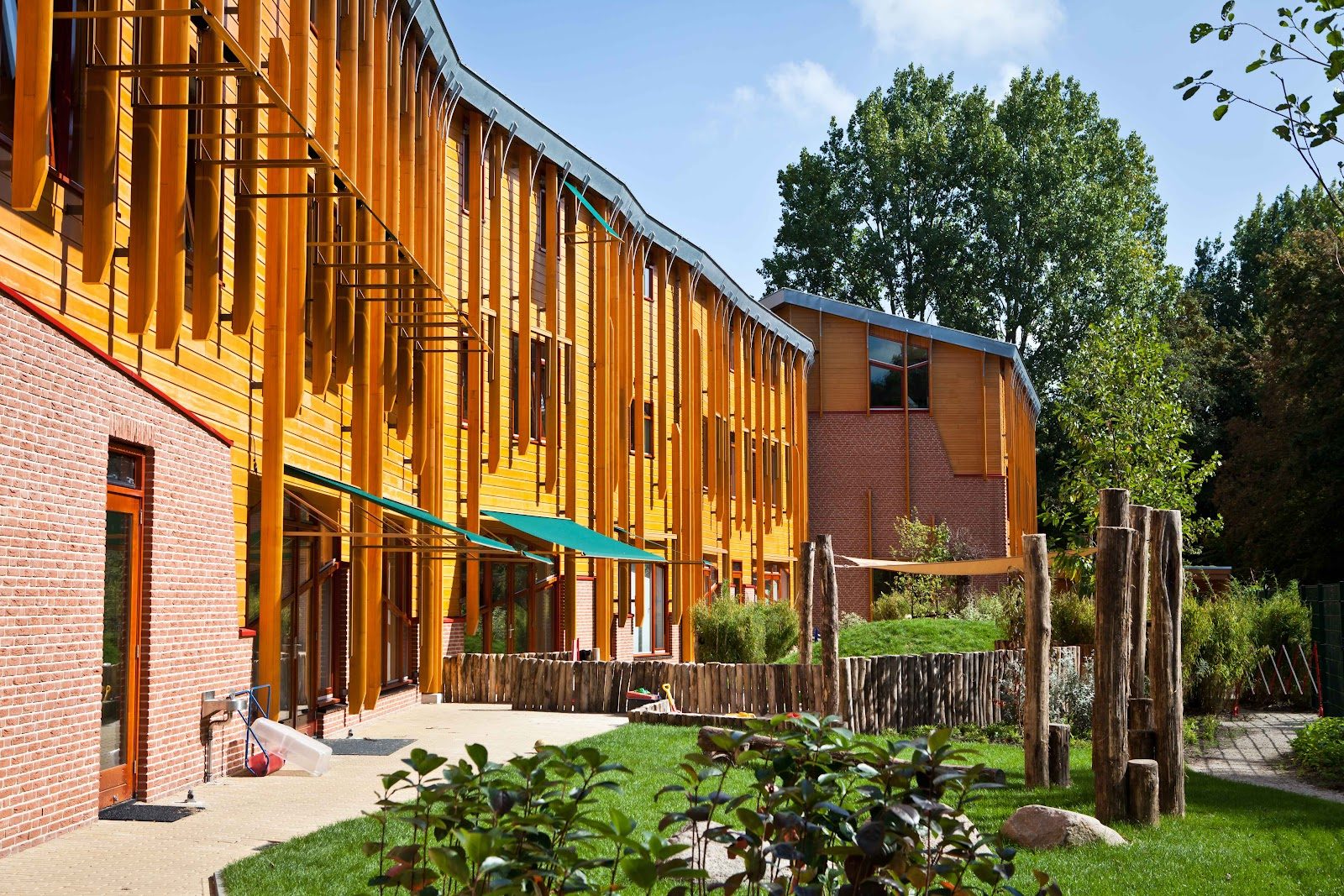
International School of Amsterdam
Amstelveen · Netherlands
Just outside Amsterdam, this 1964 founding became the first school anywhere to run the full IB continuum from age two to eighteen.
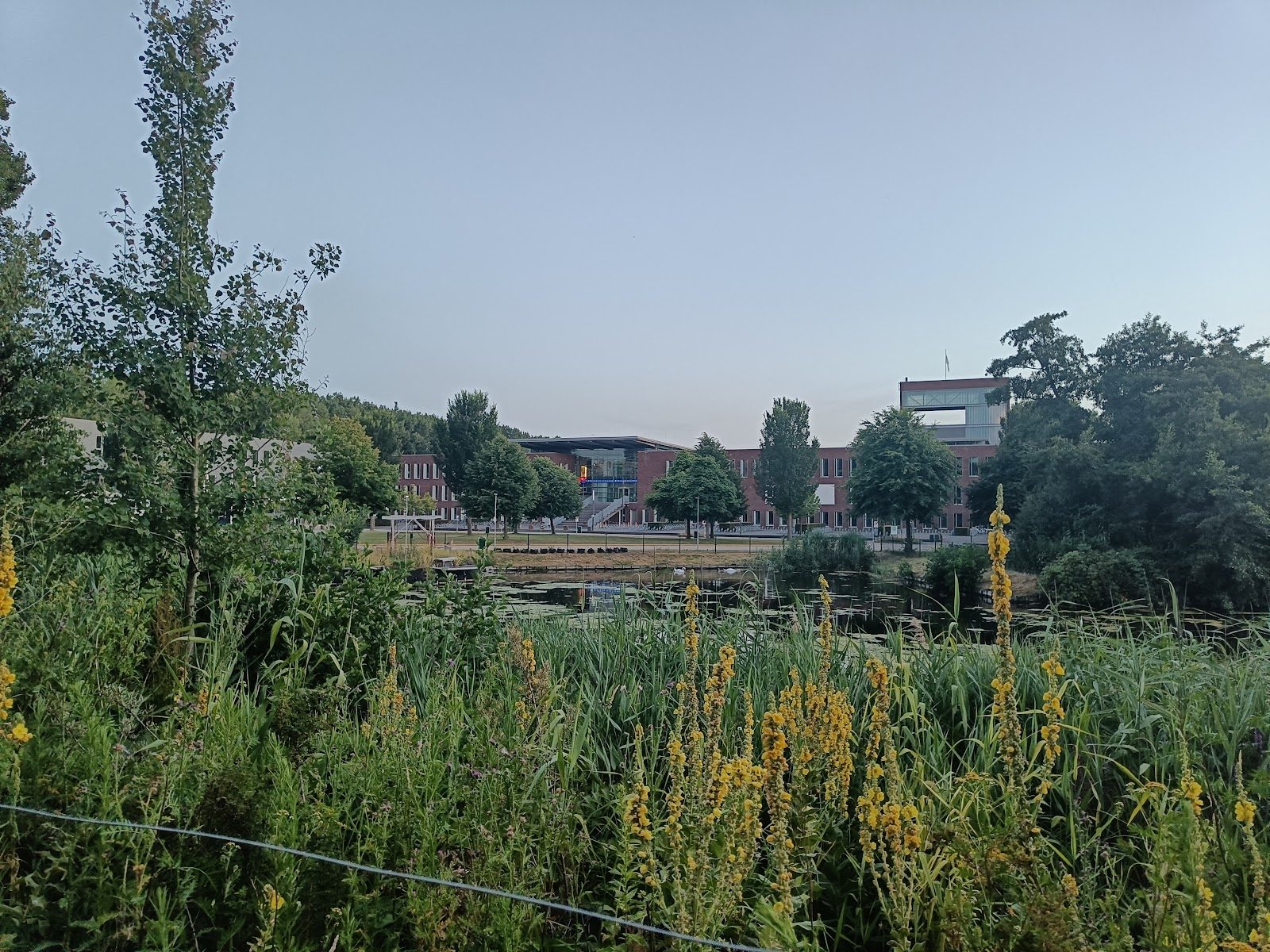
The International School of The Hague
The Hague · Netherlands
In the Kijkduin dunes, this IB day school runs MUNISH, Europe's second-largest student Model UN conference.

The British School in The Netherlands
Voorschoten · Netherlands
Since 1931, a Voorschoten campus near The Hague where sixth formers choose freely among A-Levels, BTEC, IB Diploma or IB Career Programme.
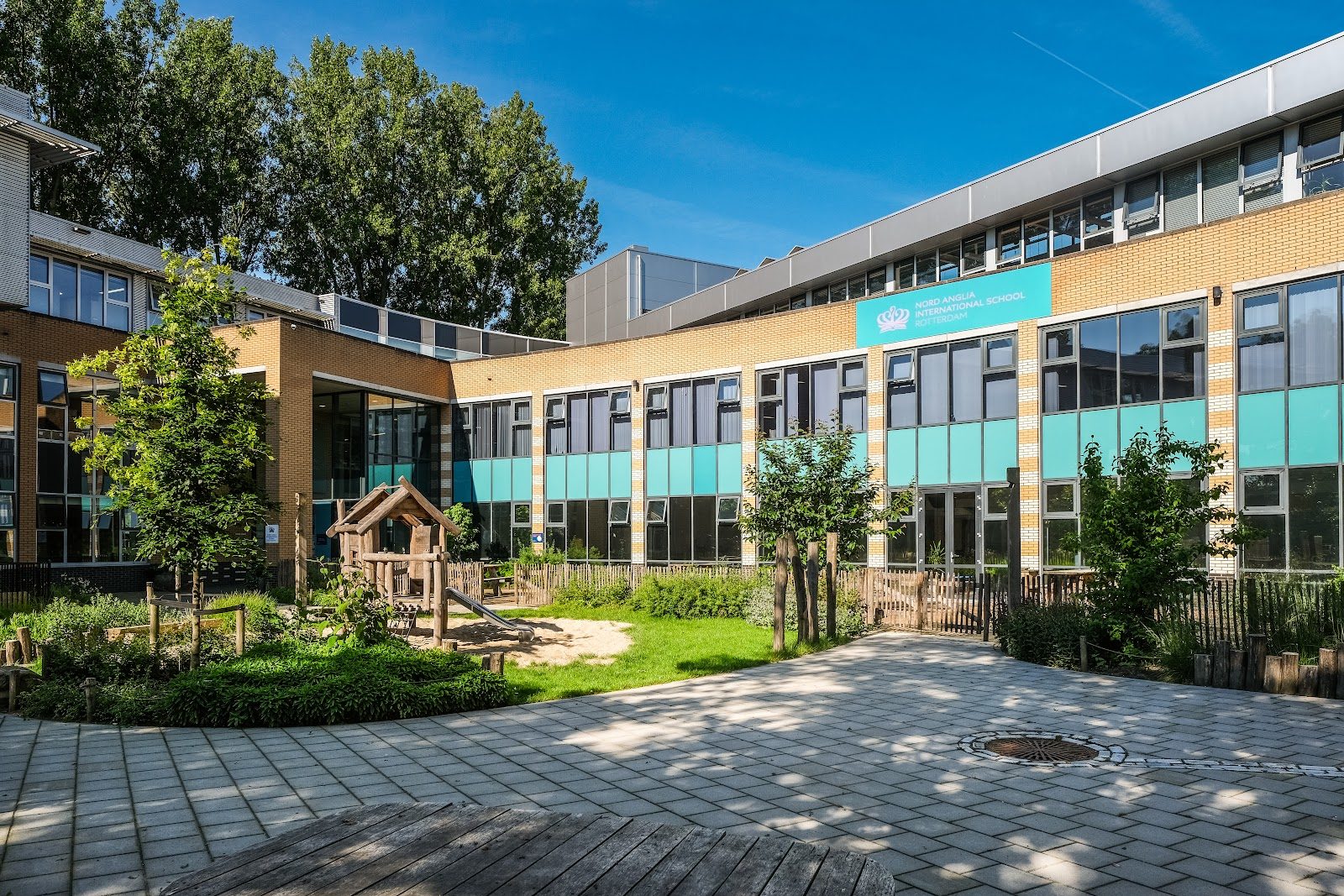
Nord Anglia International School Rotterdam
Rotterdam · Netherlands
Born from a 1959 American community, this Hillegersberg school pairs IB rigor with MIT-designed STEAM and Juilliard arts training.
Same country and curriculum — closest matches within ±10 points either way