
North Holland
Amsterdam International Community School
medium confidence· 4/6 cats · 2.89 avg sourcesA public alternative to Amsterdam's private international schools, running the full IB continuum from a climate-neutral campus.
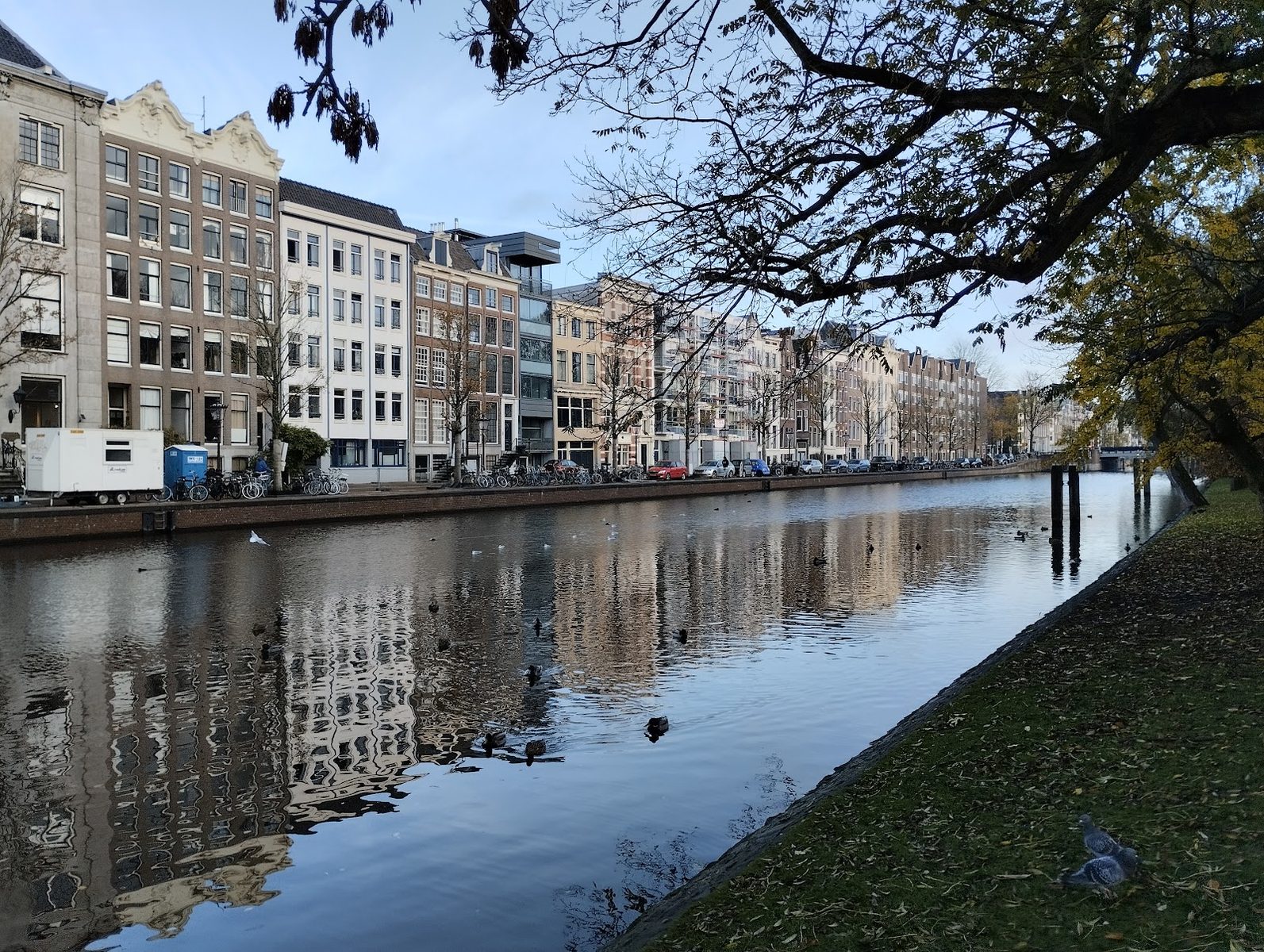
Photo © Beate Spreitzer via Google Maps
Type
Day
Ages
4–18
Curriculum
IB
Qualifications
IB Diploma · IB MYP · IB PYP
Ratio
—
The Verdict
Editor's commitment
Right for
Families wanting a non-religious, English-medium day school in Amsterdam with the full IB continuum from ages 4–18.
Wrong for
Parents expecting boutique scale or a tightly curated private-school atmosphere; AICS has more than 2,000 students across two campuses.
Watch out for
This is part of Esprit Scholengroep and a public alternative, not a private enclave; with 2,000-plus pupils, intimacy is not the sell.
Ranking breakdown
Amsterdam International Community School · #948 of 1591
Composite score 63.1. 8 weighted criteria.
By criterion
Academic Outcomes
Weight 20%
#959
of 1529 scored
University Placement
Weight 16%
#965
of 1529 scored
Prestige & Heritage
Weight 12%
#967
of 1571 scored
Alumni Network
Weight 12%
#619
of 1530 scored
Facilities
Weight 12%
#1004
of 1533 scored
Transparency & Communications
Weight 8%
#998
of 1532 scored
Peer & Industry Review
Weight 10%
#893
of 1548 scored
Admissions Selectivity & Demand
Weight 8%
#726
of 1529 scored
Score history
Amsterdam International Community School · 2026
Movement across 2024–2026. Peer average overlaid.
Overall — 2024–2026
63.1/ 100
▲ +27.1 vs 2025
year on year
Peer & Industry Review
How Amsterdam International Community School is regarded in the sector
66
Respected · medium confidence
I could not identify at least two independent third-party sources (e.g., Good Schools Guide, Tatler, expat forums like Expatica or IamExpat with substantive commentary, or Dutch inspectorate reports) that specifically assess Amsterdam International Community School's reputation. Without verifiable independent coverage beyond general directory listings, a reliable score cannot be assigned.
Editors' overview
Amsterdam International Community School occupies a distinct place in the Dutch market: a state-funded international school with the full IB continuum, rather than a private school with international branding. That matters. In Amsterdam, where private international education is expensive and places are tight, AICS offers a more accessible route into an English-medium IB education for families who want academic continuity from early years to graduation. Founded in 2003, it is no legacy institution, but it has scale and clarity: ages 4–18, more than 2,000 students, and a two-campus structure under the Esprit Scholengroep umbrella. The proposition is straightforward — *serious international education without private-school gloss*.
What sets it apart is the combination of public status, size and social mix. Many international schools talk about diversity; AICS operates at a scale where diversity is structural, not decorative. A large student body from multiple nationalities brings energy and breadth, but also complexity. Parents should not expect the cosy small-school intimacy of a boutique campus. This is a substantial organisation, and that has consequences: more systems, more movement, more institutional character than hand-held warmth. For many families that is a strength. AICS gives students a real-world international environment rather than a curated expat bubble, and the climate-neutral campus adds a modern civic note that fits Amsterdam well.
It belongs on a shortlist for parents who want the IB from start to finish, need English as the language of instruction, and prefer the logic of a public school to the polish of a private one. It also suits families who value breadth over exclusivity and who want children to grow up in a school that reflects the city rather than standing apart from it. The best fit is a student who is adaptable, socially confident and comfortable in a large community: a child who thrives in a busy, diverse setting and does not need constant individual curation. Families seeking a tiny campus, a highly rarefied atmosphere or overt prestige signalling will find stronger matches elsewhere. Families seeking substance, scale and access should take AICS seriously.
Academic Performance
AICS does not publish aggregate IB results in the public domain. That matters. In the international-schools market, headline diploma scores, pass rates and subject averages are standard currency; when a school withholds them, parents lose a clean way to judge academic performance against rival IB schools in the Netherlands and beyond. The absence of published outcomes does not prove weak results, but it does leave AICS in an opaque position academically. For a school of more than 2,000 students, that gap is hard to ignore. Families who care about hard attainment data should ask directly for recent diploma averages, pass rates, university destinations and cohort size, because those figures determine whether the school is delivering serious academic value or relying on institutional scale to carry the story.
Where does that leave AICS relative to peers? Not at the top of the transparency table. The strongest academic operators in this sector publish enough external examination data to let parents make a direct comparison. AICS does not. Its academic proposition therefore rests less on publicly demonstrated exam performance and more on access, continuity and public-school positioning. That will suit families prioritising affordability and stability over prestige signalling. It will not satisfy parents who want a forensic read on outcomes before committing. Until the school publishes consistent examination data, AICS sits in the category of academically plausible but insufficiently evidenced by public standards.
Facilities
The headline facility point is the split-campus model, not a single showpiece building. That matters because daily life depends on how well each site is organised, equipped and connected, and parents need clarity on which age groups learn where. We have not seen a detailed public breakdown of specialist spaces by campus, but the school does trade on its climate-neutral setting, which gives it a more contemporary physical proposition than many older urban international schools operating from adapted premises. Against Amsterdam peers, that puts AICS on stronger ground than schools making do with *patched-together city-centre accommodation, but short of the resort-style excess* found in wealthier private campuses. The scale alone — more than 2,000 pupils across 2 sites — points to substantial core infrastructure: classrooms, communal areas, circulation space and the operational backbone needed to move a large population efficiently.
The limitation is obvious: the school does not publish much granular facilities detail in the public domain. There is no rich public case for standout theatres, top-tier sports provision, advanced labs or exceptional arts spaces, and that silence matters in a competitive market. Parents weighing AICS against premium-fee rivals should not assume best-in-class amenities. The facilities case here rests on capacity, modernity and civic usefulness, not on architectural theatre or luxury. For families who want a functional, current environment tied to a public-school ethos, that is enough. For families hunting for statement facilities as a proxy for quality, it is not.
The other distinctive feature is institutional seriousness without boutique hand-holding
Prestige
AICS carries limited prestige in the classic international-school sense. It lacks the aura that attaches to elite private names, selective admissions stories and heavily advertised university outcomes. Its reputation rests on a different foundation: public funding, scale, and a student body of more than 2,000. That gives it visibility and civic weight, not cachet. Among internationally minded families in Amsterdam, the school has standing because it offers a credible route through international education without the private-school price theatre. That matters in practical terms, but practicality is not prestige. Parents choosing AICS are buying access and continuity, not entry into a status-marking institution.
That does not make the school low-grade. It makes it unflashy. The Esprit Scholengroep link adds institutional solidity, and the two-campus structure gives AICS the footprint of a serious operation rather than a niche outpost. The social mix also works in its favour: this is not a polished enclave for a narrow expatriate set, but a real urban school with broad international reach. For some families, that carries more value than old-brand gloss. In prestige terms, though, AICS sits in the middle tier: respected, well known, and short on mystique. Its appeal is grounded in function and breadth, not exclusivity, lineage or publicly proven academic dominance.
The proposition is straightforward — serious international education without private-school gloss
Communications
AICS communicates like a large public institution, not a boutique private school. That has strengths and limits. The strengths are scale, clarity and the expectation of routine: a school serving more than 2,000 pupils across 2 campuses cannot function on charm and improvisation. Parents can infer a communication culture built around systems, standardisation and operational discipline. The Esprit link reinforces that impression. This matters for families who want dependable information about timetables, transitions, campus logistics and the basic mechanics of school life. In a complex organisation, orderly communication is not a luxury; it is the minimum requirement. AICS meets that test at a structural level.
The limit is tone and granularity. We have not seen much public evidence of the *high-touch, concierge-style parent communication* that premium-fee schools use to justify their pricing and polish their image. That does not count against AICS on its own terms, but parents should expect a businesslike relationship rather than a pampering one. In a school of this size, communication needs to be efficient first and personal second. For self-directed families, that works well. For parents who want constant bespoke updates, instant access and a white-glove level of reassurance, it will feel thin. The school’s public profile communicates the essentials, but not with much warmth, texture or institutional theatre.
Uniqueness
What makes AICS unusual is not polish or pedigree, but structure. Few schools in this market combine public funding, international intake and all-through education at this scale. That creates a student experience that is less insulated than the private international norm. Children grow up in a community big enough to contain multiple social worlds, multiple expectations and a wider range of family backgrounds than the standard expat enclave. With more than 2,000 pupils drawn from many nationalities, diversity is not a slogan here; it is the operating condition. For students, that brings daily exposure to difference, a stronger test of adaptability, and a more street-level version of internationalism than schools built around a narrow corporate-mobile demographic.
The other distinctive feature is institutional seriousness without boutique hand-holding. AICS functions as a real public-system school with an international mission, under the Esprit group rather than as a standalone vanity project. That brings advantages: continuity, scale, and a setting that prepares students for large, mixed environments beyond school. It also brings demands. Pupils need to navigate a busier, less curated culture and take responsibility earlier. Students who thrive in highly managed micro-schools will not get that here. Students who benefit from independence, social range and a school that reflects ordinary urban life rather than screening it out will. The climate-neutral campus adds one more point of difference: a modern civic identity that fits families who want education tied to the world outside the gates, not buffered from it.
What sets it apart is the combination of public status, size and social mix
Student Profile
This is a school for children who can handle scale, movement and social range without needing a protective bubble. The student body is huge by international-school standards — more than 2,000 pupils — and drawn from many nationalities, so the typical AICS student needs to be adaptable, socially awake and comfortable meeting people with different habits, expectations and backgrounds. Pupils who like a busy, mixed environment and do not need to be the centre of adult attention will fit well. So will families who value access over exclusivity and who want their children in a school that feels urban, practical and real rather than manicured for image. Students who enjoy finding their own lane inside a large institution will have more room here than in a small, tightly managed school.
The weaker fit is easy to identify. Children who need intense individual curation, a cosseted atmosphere or constant pastoral hand-holding will find this a harder place to navigate. The same goes for families chasing old-school prestige or a socially narrow peer group. AICS suits independent students with decent organisational habits, a measure of resilience and the confidence to work within a system that serves 2 campuses and a broad community. In personality terms, the best match is not the polished performer but the self-starting, socially flexible child who can absorb complexity without feeling overwhelmed. This school rewards steadiness, curiosity and a willingness to participate in a community larger than one friendship circle or one national identity.
Many international schools talk about diversity; AICS operates at a scale where diversity is structural, not decorative
Co-curricular strengths
Arts & sport, on a separate axis
Overall 7.2/10
Scored 0-10 from the school's own published evidence. This axis is editorial-only — it does not feed the main WTS ranking.
Sports
7/10
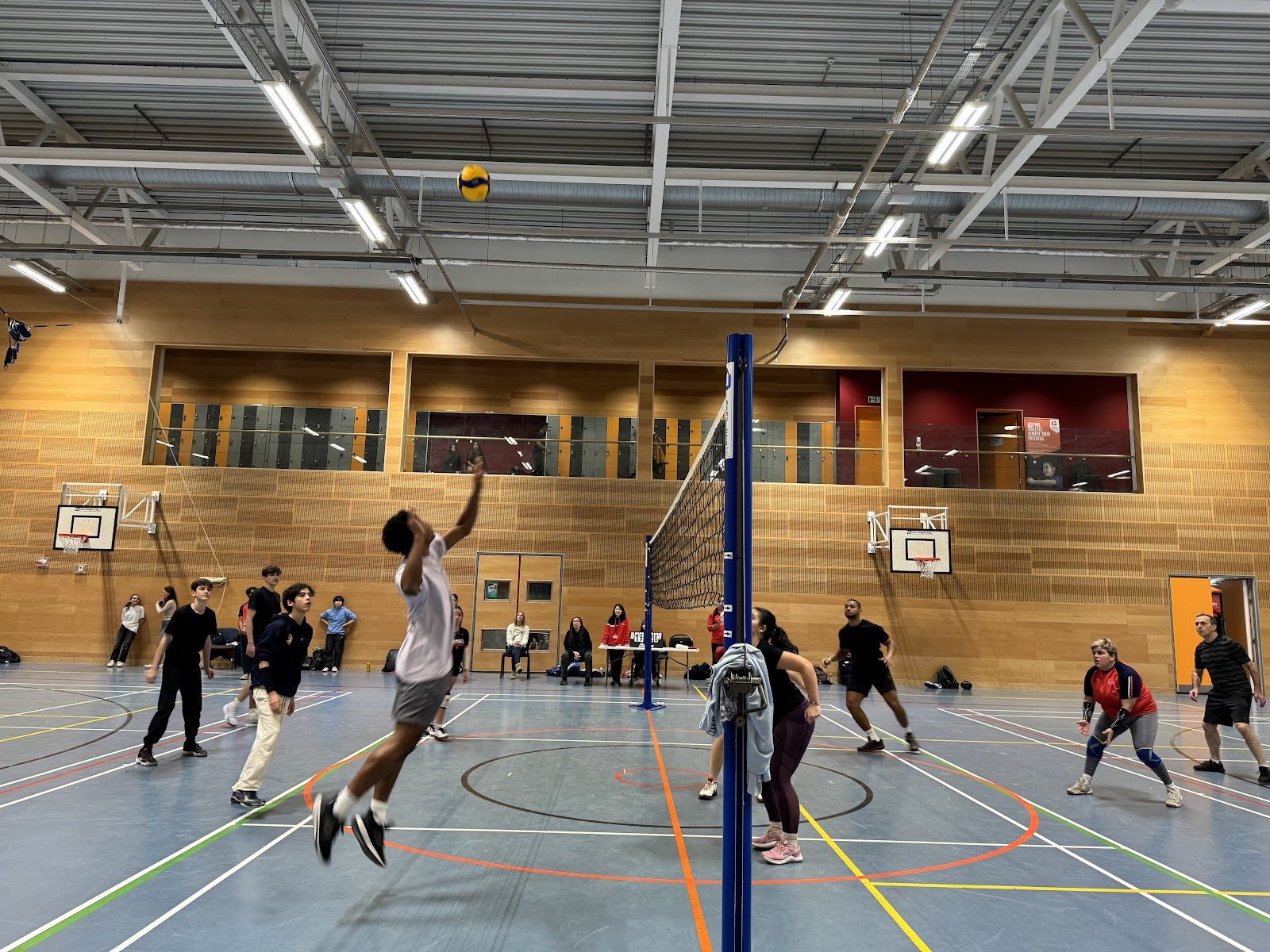
The extracurriculars explicitly list multiple sports—football, basketball, volleyball and swimming—showing a solid multi-activity offering.
Drama
7.5/10
'Drama productions', which goes beyond a bare club listing by evidencing actual staged activity, but there is no named theatre, department, specialist staff or recurring awards/results.
Dance
6.5/10
Dance appears explicitly as 'Dance club' in the extracurriculars.
Music
7.5/10
Both 'Choir' and 'School orchestra', indicating multiple structured music ensembles rather than a single bare mention.
Visual Arts
7.5/10
Editor first-pass · editor-reviewable · 7/28/2026
Strengths
- +IB curriculum from ages 4 to 18
- +English-medium teaching suits mobile international families
- +Two campuses may widen catchment across Amsterdam
- +Over 2,000 students from varied nationalities
Considerations
- −Two campuses may complicate logistics for siblings
- −Large enrolment may feel less personal
- −No boarding; unsuitable for families needing residential option
Availability
Primary entry gate & tests
Academic Record
Gallery
Photo © Beate Spreitzer via Google Maps
Photo © Santosh Gangaram Panday via Google Maps
Photo © Лев Миникес via Google Maps
Photo © Andy Johns via Google Maps
Photo © Andy Johns via Google Maps
Parent reviews
Have you sent your child here?
Voice reviews carry the strongest trust badge — we transcribe them for you to tidy up before they go live. Prefer to type? A written review is fine too.
Add your voice
In 60 seconds, tell other parents: what's the best thing about Amsterdam International Community School, and what surprised you when your child joined?
We ask for a Google sign-in so every review has a real face behind it — no anonymous drive-by attacks on schools, and no faked positive reviews. Your email is never shown publicly.
Send this profile to a friend
International parents rely on word-of-mouth. Share this review with someone weighing the same decision.
Schools with places
Similar schools to Amsterdam International Community School with places available now.
Availability first, then country, area, curriculum, price, co-curricular
Consider also
Also worth looking at alongside Amsterdam International Community School.
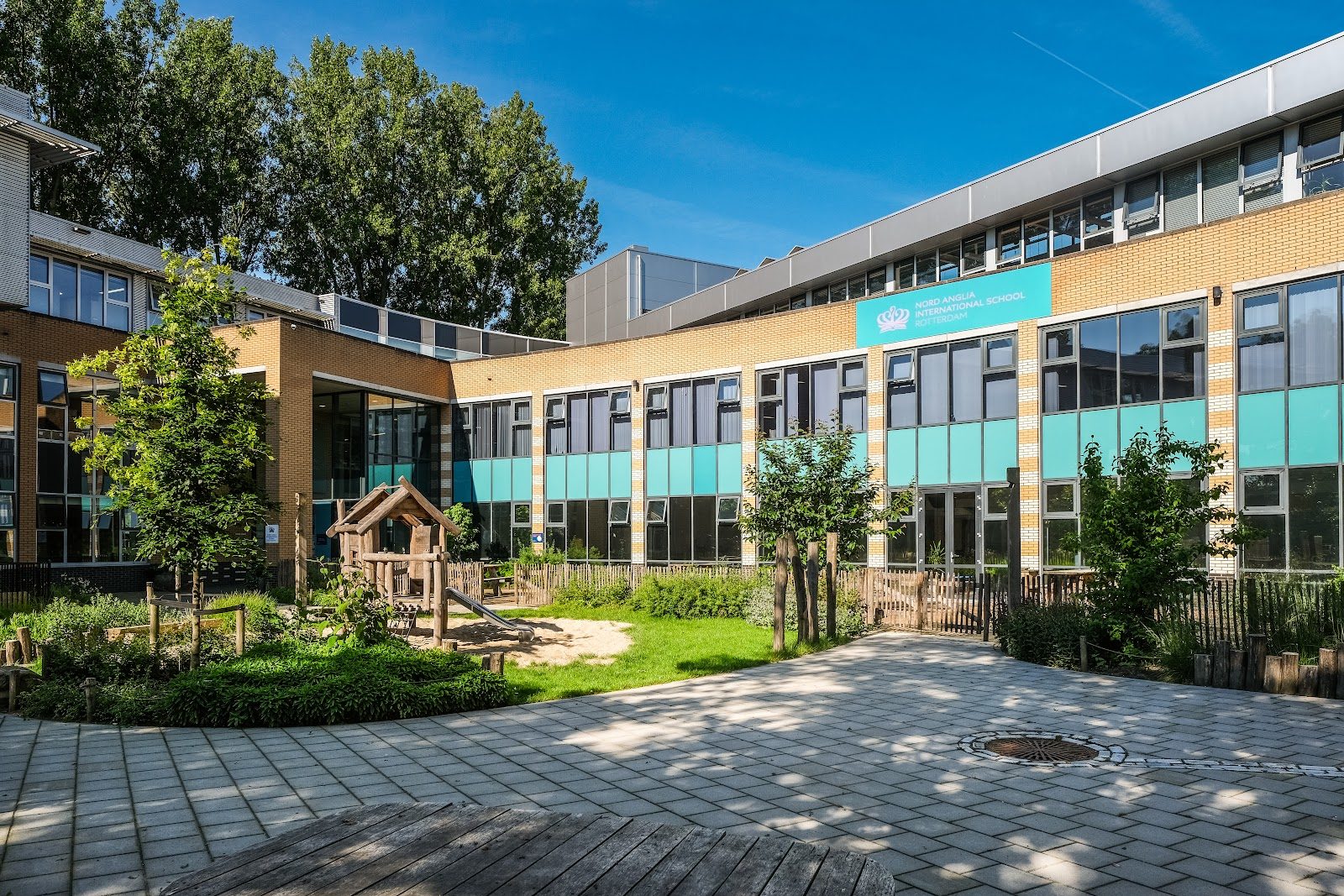
Nord Anglia International School Rotterdam
Rotterdam · Netherlands
Born from a 1959 American community, this Hillegersberg school pairs IB rigor with MIT-designed STEAM and Juilliard arts training.
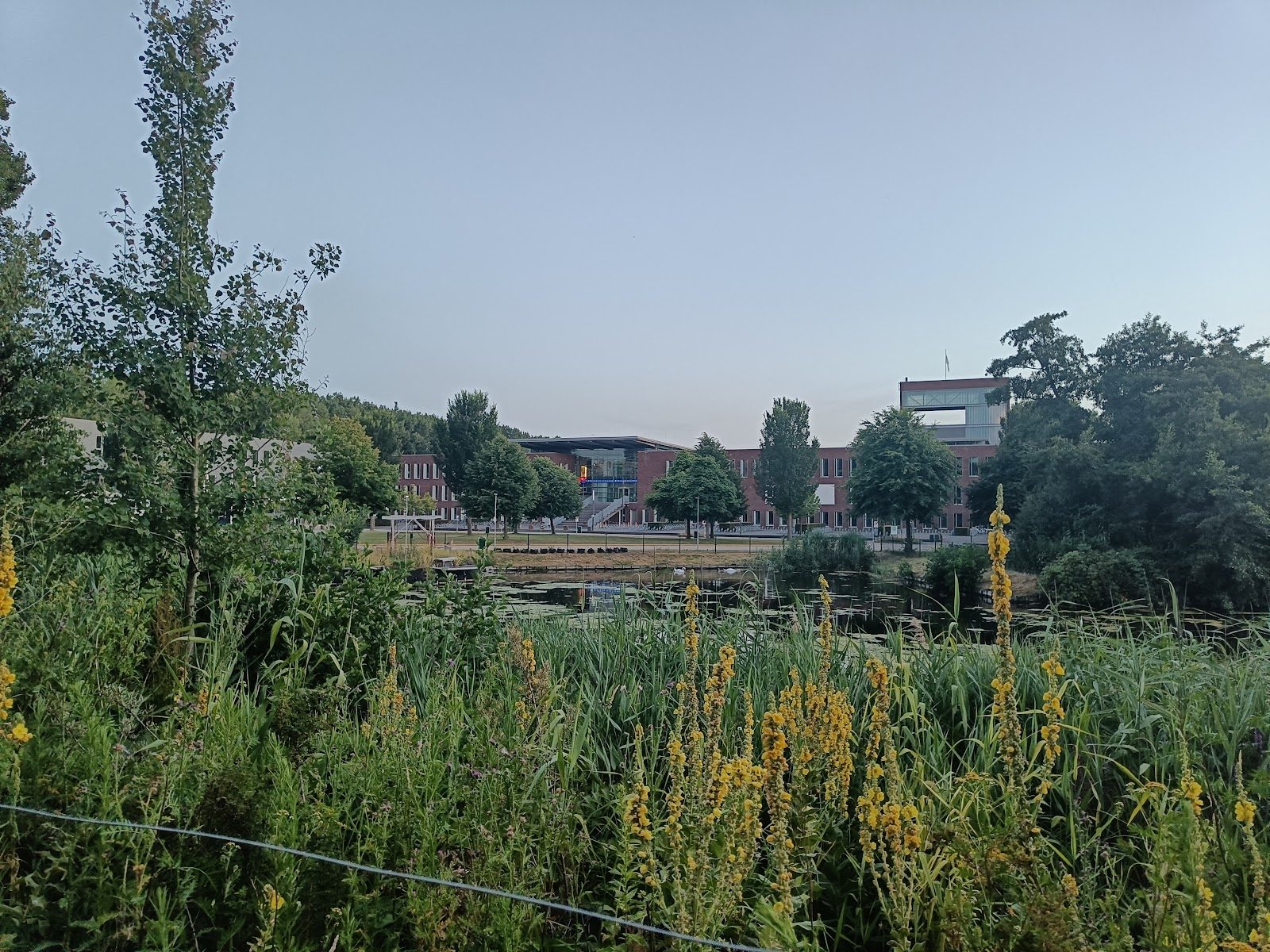
The International School of The Hague
The Hague · Netherlands
In the Kijkduin dunes, this IB day school runs MUNISH, Europe's second-largest student Model UN conference.
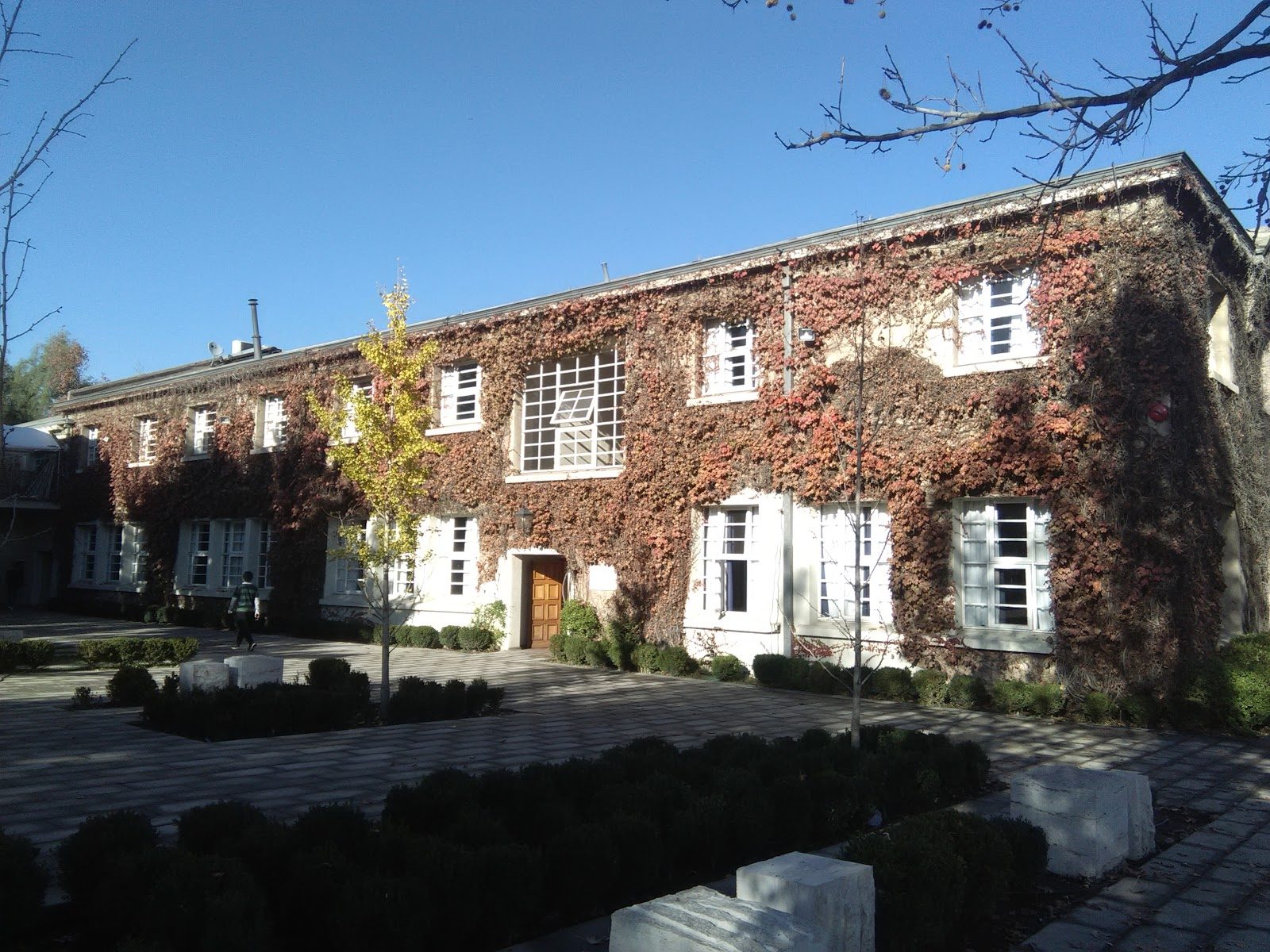
The Grange School
Santiago · Chile
Near-century-old English public-school ethos at the foot of the Andes, pairing Fair Play tradition with bilingual IB and A-Level rigor.
International School of London
London · United Kingdom
A Chiswick IB pioneer since 1972, where mother-tongue teaching in 24 languages predates UNESCO's own push for linguistic diversity
Same country and curriculum — closest matches within ±10 points either way