
Hanoi
Foreign Language Specialized School, VNU
Since 1969, this Hanoi magnet under Vietnam National University has drilled linguists in seven tongues, from Russian to Korean.
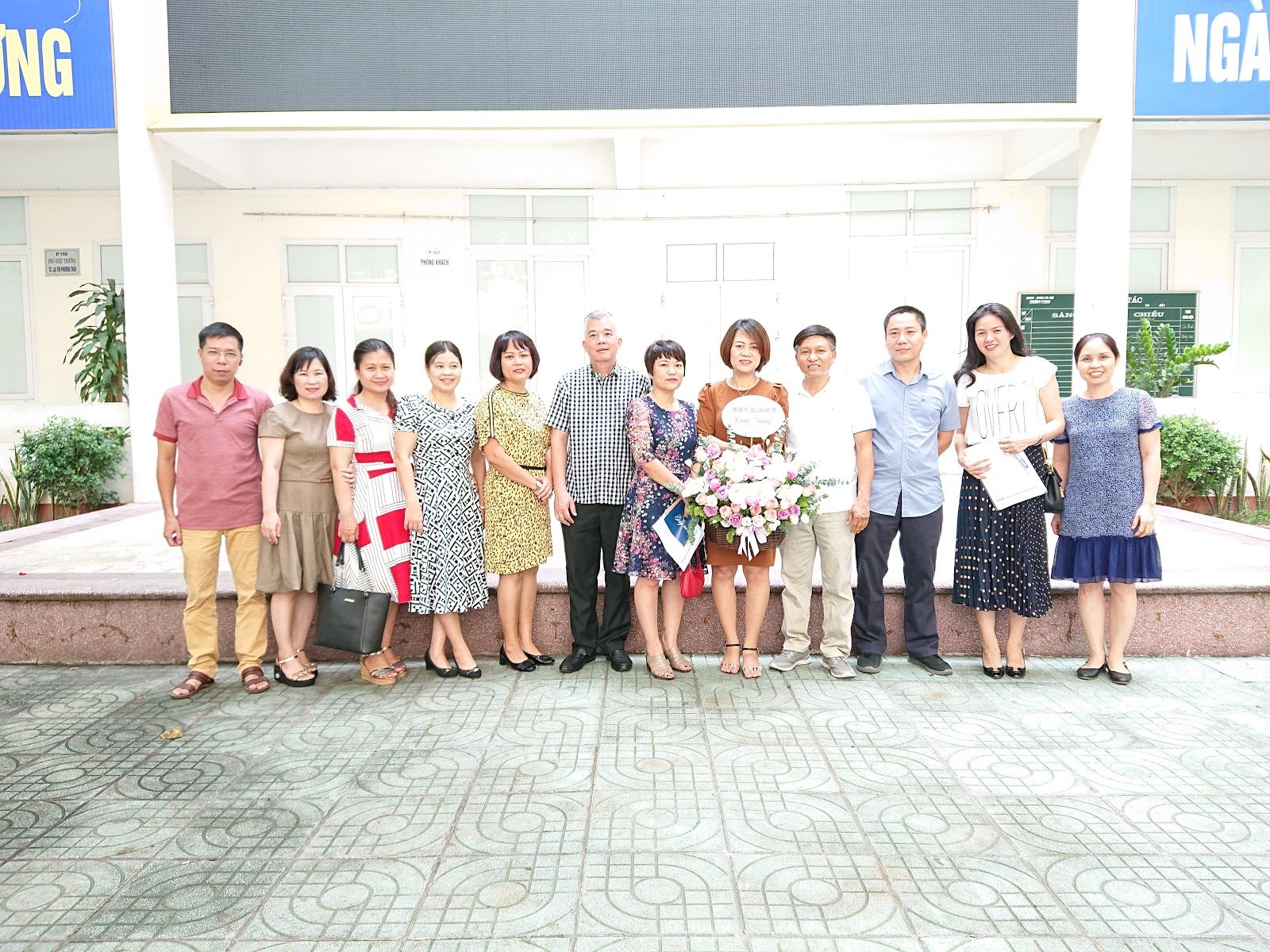
Photo © Trieu Le Hai via Google Maps
Type
Day
Ages
15–18
Curriculum
Vietnamese
Qualifications
Vietnamese national curriculum (foreign-language specialised)
Ratio
—
The Verdict
Editor's commitment
Right for
Linguistically driven teenagers aged 15–18 who want a secular Hanoi day school founded in 1969, with Vietnamese and English instruction.
Wrong for
Families expecting a functioning school website, published outcomes, or classes smaller than the stated average of 35 will find this thin.
Watch out for
The listed website routes to a Vietnamese loan-comparison platform, not a school; for a Vietnam National University magnet, that is a serious credibility failure.
Ranking breakdown
Foreign Language Specialized School, VNU · #1252 of 1591
Composite score 56.9. 8 weighted criteria.
By criterion
Academic Outcomes
Weight 20%
#1085
of 1529 scored
University Placement
Weight 16%
#1164
of 1529 scored
Prestige & Heritage
Weight 12%
#912
of 1571 scored
Alumni Network
Weight 12%
#1210
of 1530 scored
Facilities
Weight 12%
#1465
of 1533 scored
Transparency & Communications
Weight 8%
#1326
of 1532 scored
Peer & Industry Review
Weight 10%
#1438
of 1548 scored
Admissions Selectivity & Demand
Weight 8%
#198
of 1529 scored
Peer & Industry Review
How Foreign Language Specialized School, VNU is regarded in the sector
56
Credible · medium confidence
Within Hanoi's specialized-school tier, Foreign Language Specialized School (under ULIS, VNU) is consistently named alongside Hanoi-Amsterdam and Chu Van An as a top public 'truong chuyen', with VnExpress and Dan Tri regularly reporting its national high-school graduation and English-proficiency exam results among the highest in the city. Its direct affiliation with Vietnam National University, Hanoi gives it credibility with VNU's own member universities (ULIS, University of Economics and Business, VNU-IS), which routinely draw a large share of its graduates into direct-admission or priority tracks. Alumni also feature in domestic press coverage of Fulbright Vietnam, Foreign Trade University, and overseas scholarship placements (Australia, Japan, the US), reinforcing its feeder-school status for language- and international-relations-focused programs. However, because it operates within Vietnam's public specialized-school system rather than an IB/A-Level framework, it receives no coverage from international benchmarks like WhichSchoolAdvisor or the Good Schools Guide; its reputation is almost entirely domestic, exam-result-driven, and mediated through Vietnamese education press rather than global independent reviewers.
Editors' overview
Foreign Language Specialized School, VNU earns its place on a shortlist for one clear reason: depth of language specialisation at school age. Founded in 1969 and attached to Vietnam National University in Hanoi, it has a long institutional mandate to train high-performing linguists, not to offer a broad international-school imitation. The distinctive proposition is concentrated study across seven languages, from Russian to Korean, inside a selective day-school setting for ages 15–18. For families who want a school with a defined academic purpose rather than a grab-bag of activities, that focus has real force. This is a specialist machine, not a lifestyle campus.
What sets it apart in the local market is that linguistic intensity sits at the centre of the school’s identity, not at the edge of it. Instruction is in Vietnamese and English, the curriculum is Vietnamese, and the structure is unapologetically academic. An average class size of 35 tells you something important: this is not a boutique school trading on intimacy. It is a serious, high-pressure public magnet where students are expected to keep pace. Parents looking for small seminars, pastoral hand-holding or an English-medium international pathway need to look elsewhere. Parents looking for scholarly rigour, competitive peers and a school that treats languages as a discipline rather than an enrichment extra will find a stronger fit here.
There is, however, an obvious caution. The school’s website currently resolves to unrelated commercial content, which is a basic failure of public-facing credibility. For a school of this age and standing, that is poor. It does not erase the school’s reputation or history, but it does raise a practical concern for international and out-of-city families who need clear admissions and programme information. A school asking families to commit 3 important sixth-form years cannot afford a broken digital front door. Parents should note that sharply.
The right student for Foreign Language Specialized School, VNU is academically ambitious, language-driven and comfortable in a selective, exam-conscious environment. This is for teenagers who enjoy grammar, literature, translation, debate, close textual work and sustained memorisation; who want peers with the same intensity; and who do not need a glossy campus experience to stay motivated. It suits students who want intellectual seriousness, a strong linguistic identity and a school culture shaped by discipline more than display. At ages 15–18, that is a narrow market by design. For the right child, that narrowness is the attraction.
Academic Performance
Public evidence on academic performance is thin, and that matters. We have not seen published aggregate results for national examinations, university placements, subject distinctions, or cohort-wide score distributions. For a selective specialist school with an established reputation, that absence leaves parents without the data needed to judge output against peer magnet schools. The gap is sharper because the school’s current web domain does not function as a school website at all; it routes to a Vietnamese loan-comparison platform. That strips away the most basic channel for verifying results, subject outcomes, admissions selectivity and progression patterns. In plain terms, academic seriousness without public result reporting is an information deficit.
That does not place the school in a weak academic tier; it places it in an opaque one. Its standing rests on long institutional reputation, selective intake and specialist language focus, not on transparent publication of external examination performance. Relative to strong international schools in Vietnam, this is a disadvantage: many of those schools publish IB, A Level or AP outcomes in usable form. Relative to state selective schools, the benchmark is tougher still, because specialist public schools live or die by examination strength. Foreign Language Specialized School, VNU still reads as high-pressure and exam-oriented, but parents cannot test that impression against hard numbers. Until the school publishes cohort results and destination data, its academic profile remains credible but unverified.
Facilities
Facilities are the hardest area to judge because the school does not currently publish a functioning school website, and that blocks the most basic verification of classrooms, labs, library holdings, arts spaces and sports provision. We have not seen a campus map, specialist room list, photography of teaching spaces, or any usable public detail on language labs, performance venues or student commons. For a specialist language school, that gap matters. The key question is not whether the campus has decorative extras; it is whether it has the infrastructure for sustained listening, speaking, literature study, translation work and exam preparation. On that point, public disclosure is poor and below the standard set by strong peer schools, which now publish at least a basic account of their academic spaces and specialist resources.
That leaves parents judging by institutional type rather than hard facility evidence. A selective public magnet attached to a major university ecosystem carries a different facility profile from a premium international school: less polish, fewer lifestyle amenities, more functional teaching rooms and heavier daily use. Against fee-charging peers in Vietnam, this school does not offer a showpiece campus proposition. Against other academically selective state-sector schools, that is not fatal; families in this segment buy rigour first and architecture second. Still, for a school built around 7 language pathways and classes averaging 35, the absence of clear information on study spaces, technology and language-specific resources is a serious weakness. Parents deserve more than institutional prestige and inference.
Foreign Language Specialized School, VNU earns its place on a shortlist for one clear reason: depth of language specialisation at school age
Prestige
Foreign Language Specialized School, VNU carries real prestige inside its niche: selective public education for students whose strength is languages. That prestige does not rest on polished branding, glossy facilities talk or an international-school aura. It rests on institutional association with a major national university, a long-established specialist mandate, and the fact that language study here is the core business rather than a decorative extra. The breadth matters. A school built around 7 language tracks signals seriousness of purpose and a national, not merely neighbourhood, academic identity. In Vietnam, that gives the school earned specialist status. Among families who value philology, translation, literature and competitive academic culture, the name has substantial weight.
The limit to that prestige is also clear. This is disciplinary prestige, not broad social glamour. It speaks strongly to a narrow audience and far less strongly to families measuring status through international pathways, published global outcomes or premium-campus presentation. The school’s broken web presence damages confidence and undercuts the authority that its history and university ties ought to command. That does not erase the school’s standing, but it does place it in an old-school, high-rigour bracket rather than a modern, fully transparent one. My rating is therefore high but conditional: prestigious for the right academic tribe, less persuasive for parents who want visible proof, contemporary communication and status that travels cleanly across borders.
The distinctive proposition is concentrated study across seven languages, from Russian to Korean, inside a selective day-school setting for ages 15–18
Communications
Parent communication is the school’s weakest public-facing area, and there is no clean way to soften that. The listed website does not function as a school website at all; it resolves to a consumer loan-comparison platform advertising APRs from 8%–36%, repayment terms of 91–120 days, and 27 lending partners. For parents trying to verify admissions, calendars, leadership contacts, subject structures or notices, that is not a minor glitch. It is a serious credibility failure. A specialist upper-secondary school can run a demanding academic culture and still communicate plainly; this one does not. For international families and parents outside the immediate local network, the result is confusion, friction and avoidable mistrust.
That breakdown matters because selective schools ask families to navigate deadlines, examinations, subject choices and administrative procedures with precision. Communication needs to be direct, current and easy to find. Here, the most basic public channel is effectively unusable. We have not seen a working school portal, a reliable admissions page, published parent handbooks, or a clear archive of announcements attached to the official domain. That leaves communication dependent on informal networks, prior local knowledge or off-site channels, none of which serves new families well. In editorial terms, the verdict is blunt: internal communication may function for enrolled families, but external communication is poor, opaque and well below the standard a school of this standing should meet.
Uniqueness
What makes this school unusual is not international polish or broad sixth-form optionality. It is a state specialist institution built to produce serious teenage linguists across 7 language pathways, and that purpose shapes everything. Most schools treat languages as one department among many. Here, languages are the point. That creates a student culture centred on vocabulary acquisition, grammar control, close reading, translation, listening discipline and the stamina to work at pace with equally able peers. For the right student, that is rare intellectual concentration. It also gives language-minded teenagers something many schools fail to provide: a peer group that does not treat deep academic interest in language as eccentric, but as the norm. In market terms, that is a narrow but powerful proposition.
The benefit is depth, not comfort. Students get a school identity with real academic edge, a specialist lane early in upper secondary education, and a framework that rewards precision more than performance. That can sharpen analytical thinking, intercultural literacy and exam resilience. It also carries clear trade-offs. Families seeking broad extracurricular theatre, boutique pastoral care or a polished international-school experience will find this model hard-edged and unforgiving. The school’s distinctiveness lies in its refusal to dilute its mission. It trains a specific kind of student for a specific kind of academic life. For linguistically ambitious teenagers, that is the attraction, not the problem.
The school’s distinctiveness lies in its refusal to dilute its mission
Student Profile
The pupils who thrive here are not dabblers. They are adolescents who want language study to dominate their school life, who tolerate repetition, correction and memorisation without complaint, and who gain energy from academic comparison rather than shrink from it. In a cohort taught in classes of around 35, a student needs stamina, speed and the confidence to hold ground in a busy room. This suits teenagers with strong verbal memory, clean grammatical instincts and the patience for close textual work. It also suits students who are happy for school identity to rest on scholarship rather than spectacle. Children who need constant affirmation, wide personal choice or a softer tempo will find this place demanding, tight-framed and not for the faint-hearted.
The best fit is a student with a clear sense of purpose by the middle of secondary school: someone already drawn to literature, translation, debate, essay writing or the structure of language itself. There is room here for ambition, but not much room for drift. The school’s specialist design across 7 language tracks rewards teenagers who like precision, accept discipline and can live with a peer group full of other high performers. It will also suit families who value meritocratic pressure more than social theatre. Students looking for a broad identity built around sport, performing arts or a glossy campus life need a different school. Students who want serious intellectual competition and a scholarly tribe will fit.
For families who want a school with a defined academic purpose rather than a grab-bag of activities, that focus has real force
Co-curricular strengths
Arts & sport, on a separate axis
Overall 6.94/10
Scored 0-10 from the school's own published evidence. This axis is editorial-only — it does not feed the main WTS ranking.
Sports
6.5/10
Drama
7/10
Dance
7/10
Music
7/10
Visual Arts
7.2/10
Strengths
- +FLSS is Vietnam's only high school specialized in teaching foreign languages, covering Chinese, English, French, German, Japanese, Korean and Russian, with Italian and Spanish offered as second languages.
- +The school is one of four nationally-owned gifted high schools in Hanoi, giving it a long-established position within Vietnam's public magnet-school system.
- +FLSS is recognized for its strong academic programs and its large percentage of graduates attending prestigious universities in Vietnam and abroad.
- +FLSS ranks third nationally in the 2012 Vietnam university admission ranking, indicating a durable academic track record rather than a recent uplift.
- +Foreign-language specialized classes began in 1969 and the school was formally established under ULIS in 2009, giving it over five decades of institutional continuity under a university faculty of languages.
Considerations
- −Grades run only 10-12, so the school offers no primary or lower-secondary provision and cannot serve as a single continuous pathway for younger children.
- −Admission to FLSS is by competitive examination only, which until 2016 consisted of three subjects: Declared specialized foreign language, mathematics, and literature, meaning entry depends on strong prior Vietnamese-medium schooling rather than being open enrolment.
- −The school is subject to Hanoi's Department of Education and Training for curriculum, teaching plans, and the national high-school graduation exam and diploma, so students follow the Vietnamese national programme rather than an internationally recognised qualification such as IB or A-levels.
- −It operates as a public institution under the University of Languages and International Studies for organization, staffing, facilities and finance, so families should expect public-school-style facilities and funding rather than private international-school infrastructure.
Availability
Primary entry gate & tests
VNU Competitive Entrance Exam
Gallery
Photo © tung tran.thanh via Google Maps
Photo © tung tran.thanh via Google Maps
Photo © Anh-Tuan Do via Google Maps
Photo © Tủ sách nhỏ ở Bình Minh Ninh Bình via Google Maps
Photo © Do Van Dung via Google Maps
Photo © quỳnh đức via Google Maps
Photo © Hung Cuong via Google Maps
Parent reviews
Have you sent your child here?
Voice reviews carry the strongest trust badge — we transcribe them for you to tidy up before they go live. Prefer to type? A written review is fine too.
Add your voice
In 60 seconds, tell other parents: what's the best thing about Foreign Language Specialized School, VNU, and what surprised you when your child joined?
We ask for a Google sign-in so every review has a real face behind it — no anonymous drive-by attacks on schools, and no faked positive reviews. Your email is never shown publicly.
Send this profile to a friend
International parents rely on word-of-mouth. Share this review with someone weighing the same decision.
Schools with places
Similar schools to Foreign Language Specialized School, VNU with places available now.
Availability first, then country, area, curriculum, price, co-curricular
Consider also
Also worth looking at alongside Foreign Language Specialized School, VNU.
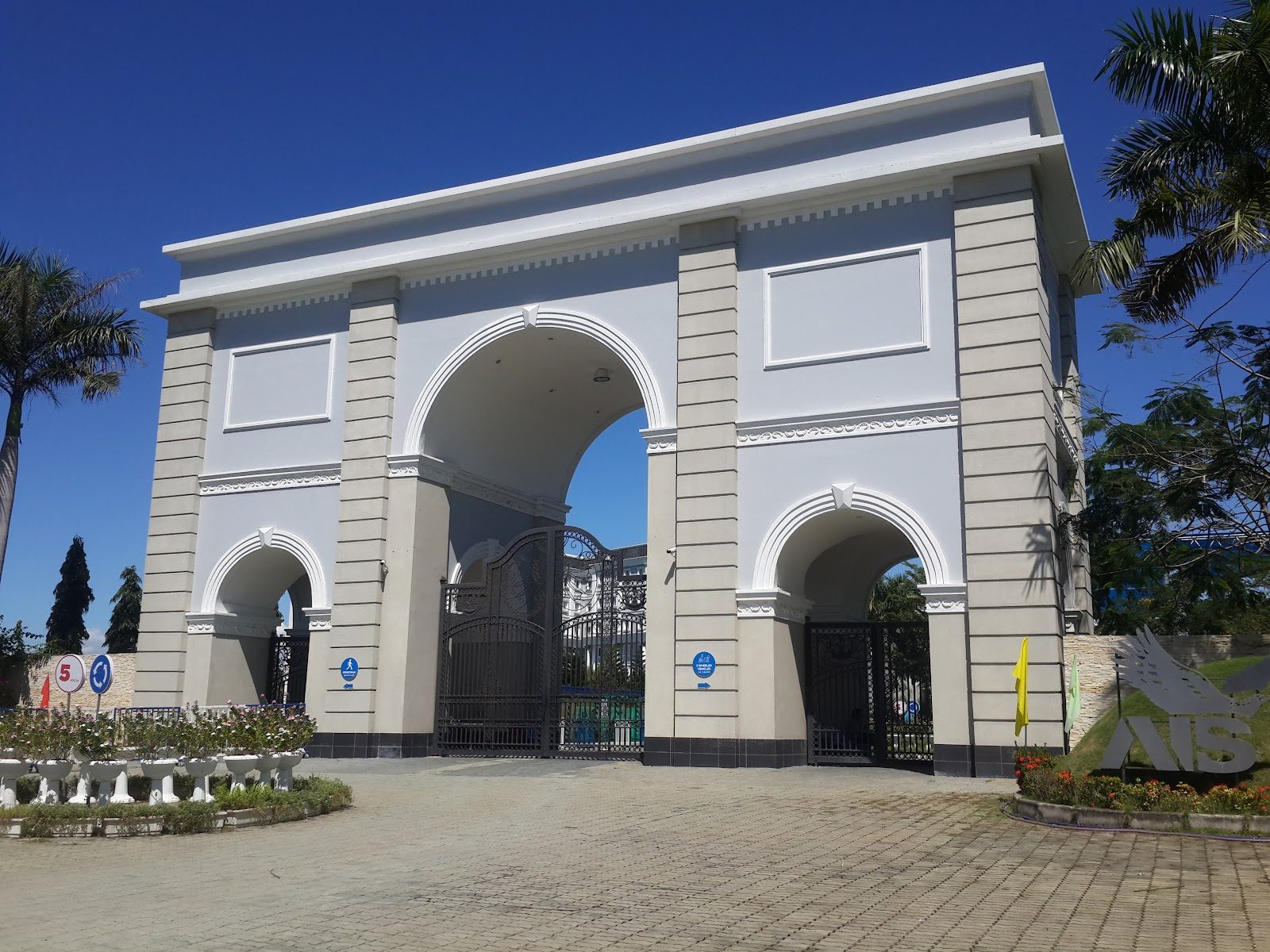
American International School Ho Chi Minh City
Ho Chi Minh City · Vietnam
South of Saigon in Nha Be, an American curriculum anchors a student body that is nine in ten Vietnamese by heritage.
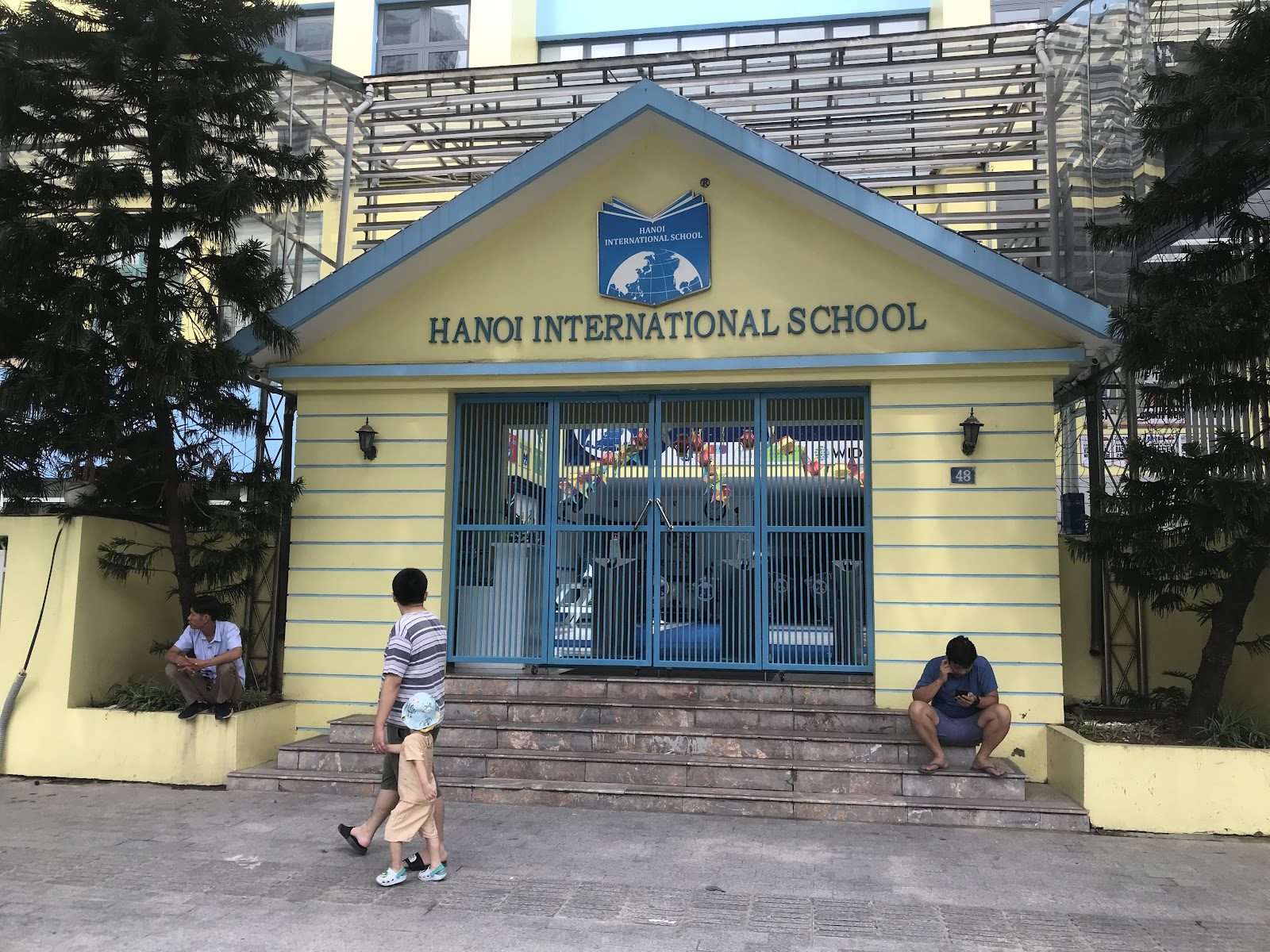
Hanoi International School
Hanoi · Vietnam
Since 1996, a full IB continuum from age four to eighteen anchors day-school life in Hanoi's diplomatic quarter.
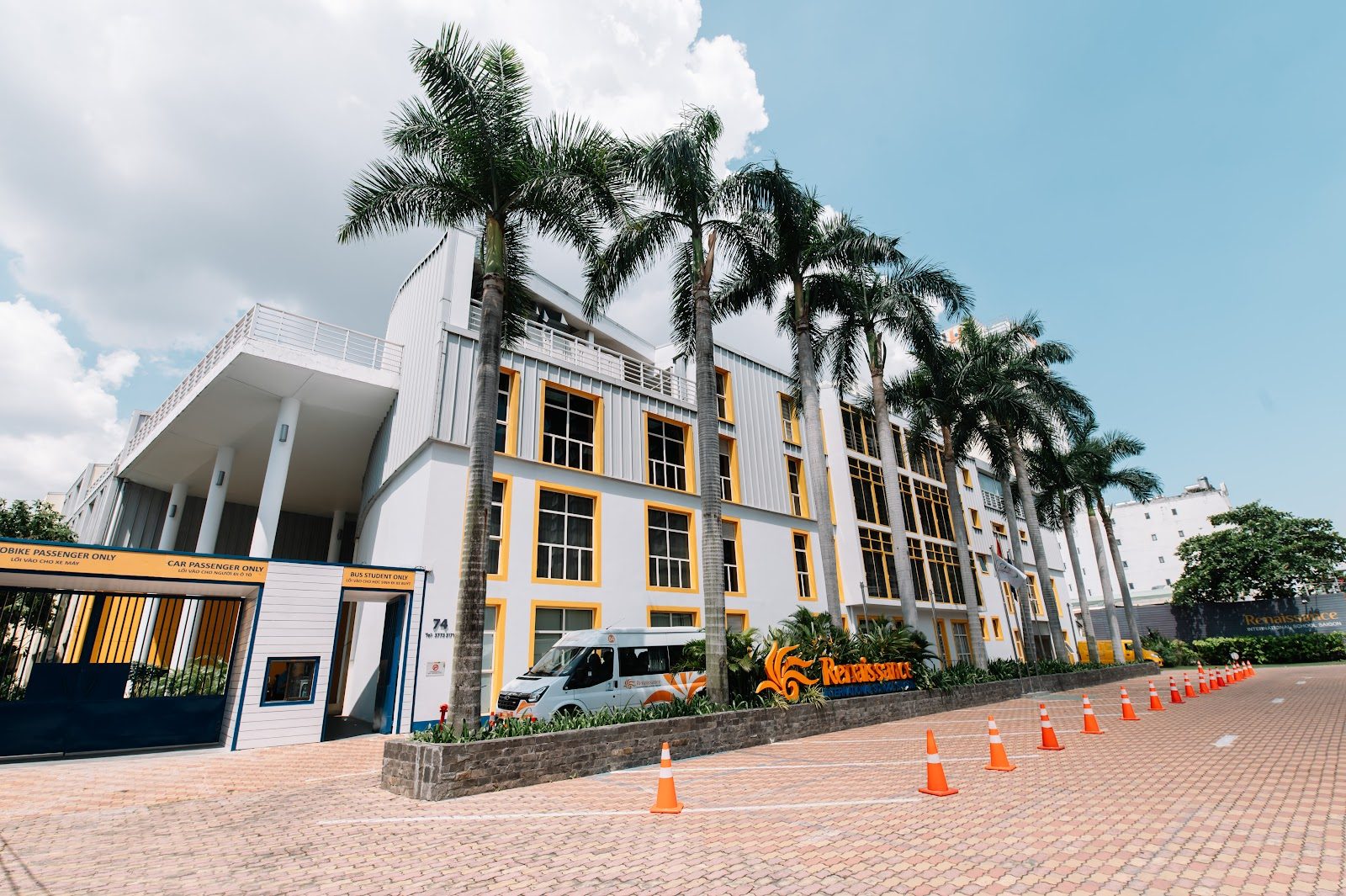
Renaissance International School Saigon
Ho Chi Minh City · Vietnam
Vietnam's only Round Square school pairs British rigor with a full IB continuum in District 7's riverside diplomatic quarter.
Internationella Engelska Skolan Stockholm
Stockholm · Sweden
Where up to half the school day runs in English, taught by native speakers, inside a house system built on discipline and high expectations.
Same country and curriculum — closest matches within ±10 points either way