
Leopards Hill Road
International School of Lusaka
low confidence· 4/6 cats · 1 avg sourcesOne of Africa's oldest international schools, running the full IB continuum with houses named for Zambia's rivers.
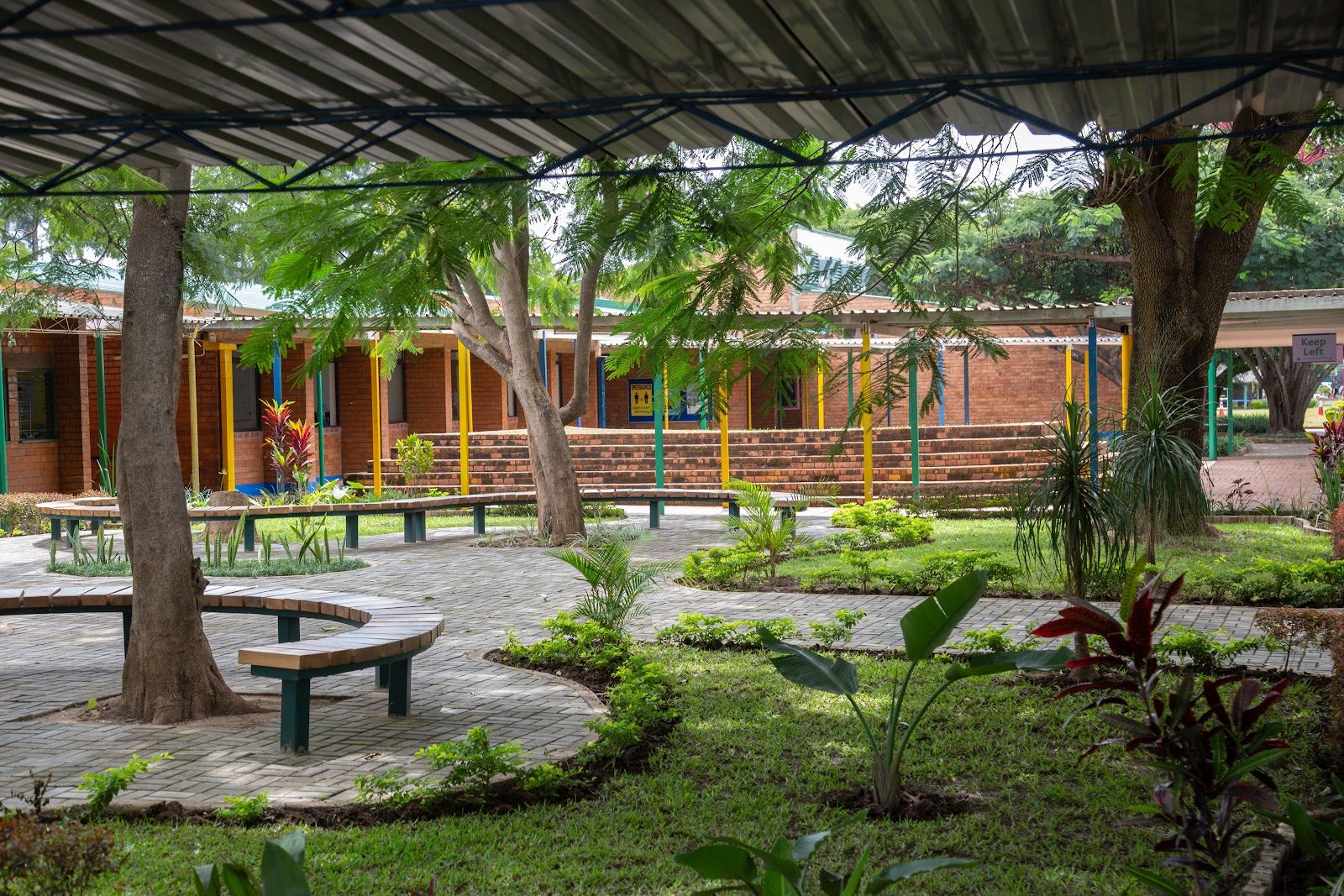
Photo © International School of Lusaka via Google Maps
Type
Day
Ages
3–18
Curriculum
IB
Qualifications
IB Diploma · IGCSE
Ratio
—
The Verdict
Editor's commitment
Right for
Families wanting a day school in Lusaka with the full IB continuum, English teaching, and the credibility of CIS and AISA.
Wrong for
Parents seeking boarding, a religious ethos, or a single national pathway; this 1963 school runs IB, not a conventional British model.
Watch out for
The school is old by regional standards and well accredited, but it does not publish headline outcomes here beyond IB World and Cambridge International badges.
Ranking breakdown
International School of Lusaka · #1177 of 1591
Composite score 56.9. 8 weighted criteria.
By criterion
Academic Outcomes
Weight 20%
#1220
of 1532 scored
University Placement
Weight 16%
#1227
of 1529 scored
Prestige & Heritage
Weight 12%
#1243
of 1573 scored
Alumni Network
Weight 12%
#805
of 1530 scored
Facilities
Weight 12%
#1185
of 1539 scored
Transparency & Communications
Weight 8%
#1209
of 1541 scored
Peer & Industry Review
Weight 10%
#1111
of 1555 scored
Admissions Selectivity & Demand
Weight 8%
#1077
of 1529 scored
Peer & Industry Review
How International School of Lusaka is regarded in the sector
62
Respected · medium confidence
International School of Lusaka is consistently cited as the leading choice for expat families in Zambia on forums such as ExpatArrivals and InterNations, and it holds dual accreditation from CIS and NEASC, which is frequently referenced in international-school directories. It lacks coverage in elite specialist press (Tatler, Good Schools Guide) but has a solid, consistent regional reputation among expat and diplomatic communities.
Evidence sources
Editors' overview
The International School of Lusaka occupies a rare position in the Zambian market: an established, non-religious day school founded in 1963, with the full IB continuum from ages 3–18. That matters. Plenty of schools claim internationalism; far fewer have sustained it over six decades while offering a coherent IB route from the early years to the Diploma Programme. The school’s age gives it ballast, and its houses named for Zambia’s rivers add a local frame that stops the place feeling like a generic expatriate transplant. For families who want institutional maturity, clear academic continuity and a school rooted in Lusaka rather than floating above it, ISL merits serious attention.
Its strongest selling point is structural rather than theatrical. ISL offers a complete pathway in English under one roof, backed by IB World School status and accreditations including CIS, AISA and Cambridge International. That combination places it in the top tier of internationally oriented schools in Zambia. It serves mobile diplomatic and corporate families well, but it also suits long-term residents who want an internationally legible education without sending children abroad too early. The school’s age range, day format and broad international profile create a stable social environment for children who value continuity, routine and a diverse peer group.
Parents should shortlist ISL for seriousness, not glamour. This is not a boutique school built around niche pedagogy or a highly selective academic hothouse trading on published headline results; the school does not publish aggregate exam outcomes in the public domain here, and that opacity matters. Families who need hard performance data before committing will want to ask direct questions about IB Diploma results, university destinations and cohort size. Even so, ISL stands out for credibility, staying power and a full-spectrum international curriculum in a market where that remains uncommon. The best fit is a student who thrives in a broad, internationally mixed community, wants the option of the IB to 18, and benefits from a settled, all-through school experience rather than repeated transitions.
Academic Performance
Academic performance is the area where ISL asks parents to trust its institutional reputation more than its published numbers. The school offers external pathways through IGCSE, the IB Diploma and its own diploma route, but it does not publish aggregate pass rates, average point scores, subject distributions or destination data in the public domain. That is a real weakness. In a market where top international schools use exam data to prove academic strength, this level of opacity leaves ISL harder to place with precision. Parents comparing it with stronger-reporting schools in Nairobi, Johannesburg or Cape Town will find the benchmarking frustratingly thin.
That does not push ISL into the weak-academics category; it places the school in the credible but unproven bracket on publicly available results. Its longevity and all-through structure carry weight, and schools that sustain multiple external examination routes over time do not do so by accident. Still, serious families need more than institutional confidence. Ask for recent IB Diploma averages, score ranges, IGCSE grade profiles, cohort size and university offers across the last 3 years. Without that, ISL fits below the continent’s data-forward academic leaders, and alongside schools whose reputation rests more on continuity, community and breadth than on hard published performance evidence.
Facilities
Facilities are not a major published selling point at ISL, and that matters. The school’s public profile does not trade on spectacle: no theatre-sized performance spaces, no elite-sport branding, no parade of specialist centres in the way wealthier flagships in Nairobi or Johannesburg now do. What we can say with confidence is narrower but still useful. As an all-through international school serving children from the early years to pre-university level, ISL needs the core mix: age-appropriate classrooms, science provision for secondary students, sports space, library access, and rooms for art and music. That places it in the competent, workmanlike bracket rather than the arms-race facilities tier. Parents hunting for campus theatre and architectural gloss will not find evidence of it here.
Against Zambian peers, that is not a disqualifier. In this market, consistency and breadth count for more than shininess, and older all-through schools often function well without broadcasting every square metre. Against the strongest regional competitors, though, ISL’s facilities picture is under-explained. The absence of detail leaves unanswered questions about laboratories, indoor sports provision, technology infrastructure, shaded outdoor play, sixth-form study space and performing arts rooms. Serious families should ask for a campus tour that tests substance, not brochure language: science labs in regular use, a library that supports independent study, sports areas that do not feel second-rate, and specialist rooms that match the demands of students staying through to 18.
The school’s age gives it ballast, and its houses named for Zambia’s rivers add a local frame that stops the place feeling like a generic expatriate transplant
Prestige
ISL carries real standing in Zambia and a respectable name within the African international-school circuit, but its prestige rests on durability and breadth rather than elite cachet. This is one of the region’s older international schools, and that matters: age in this market signals institutional memory, alumni depth and a level of parental trust that newer operators have not earned. The all-through structure also gives it a serious, established profile. Families do not read ISL as a fashionable newcomer or a glossy outpost of a global brand; they read it as a school that has been part of Lusaka’s professional and diplomatic landscape for decades. That produces quiet authority, not glamour.
The limit on prestige is plain. ISL does not sit in the category of African schools whose reputations are sharpened by published university destinations, standout exam averages or fierce selectivity. Its public profile is more muted than the continent’s headline-grabbing leaders, and the school does not disclose the kind of outcome data that turns local esteem into wider international prestige. For mobile families, that distinction matters. Within Zambia, ISL has top-tier recognition as an established international option; beyond Zambia, the name carries less automatic weight than the best-known schools in larger regional hubs. I rate its prestige as strong domestically, solid regionally, and short of the true elite level because the school asks parents to trust reputation without publishing the evidence that elite schools put front and centre.
That combination places it in the top tier of internationally oriented schools in Zambia
Communications
ISL’s parent communications read as functional rather than polished. The public-facing information we have seen is sparse, and that creates a problem in itself: schools that communicate well make the essentials easy to find, and ISL does not yet clear that bar. The most telling gap is academic reporting to the outside world. The school does not publish aggregate results, destination lists or other headline indicators that many serious international schools now treat as standard parent information. That does not just affect admissions; it shapes day-to-day trust. Parents infer a lot from what a school chooses to disclose, and ISL’s underpowered public communication leaves too much to private enquiry, campus visits and direct questioning.
That said, older all-through schools often communicate best inside the gate rather than on the open web, through regular operational updates, established routines and staff who know families well. ISL has the profile of a school that depends on relationship-based communication more than slick publishing. For some families, that works. For internationally mobile parents, or anyone comparing several schools across borders, it is not enough. Effective communication needs clarity, frequency and evidence. ISL offers the first only in part, and the third far too rarely. Ask pointed questions before enrolment: who answers parent concerns, how learning updates are delivered across phases, how quickly issues are resolved, and what hard data the school shares with families during the year.
Uniqueness
What sets ISL apart is not novelty. It is institutional depth in a market where many international schools are younger, narrower or more improvised. An all-through school that carries children from the early years to graduation changes the texture of daily life: older pupils are known, younger pupils are not swallowed by churn, and families avoid the stop-start disruption of changing schools at each stage. The house system, named for Zambian rivers, adds a piece of local identity that many international schools never bother to build. That matters. It gives students a school culture tied to place rather than a placeless expatriate template, and it gives long-term residents something sturdier than imported branding.
The other point of difference is breadth at the top end. ISL does not force every senior student through a single narrow finishing line; alongside external routes, it also offers its own diploma pathway. For students, that brings practical flexibility. Strong academic candidates can pursue the most portable options, while others still have a structured route to completion inside the same school community. Combined with service from pre-school through K-13, that produces a rare continuity in Zambia: one institution, one culture, multiple exit routes, and a student body shaped by both international mobility and local permanence. The benefit is straightforward: children grow up in a school with memory, ritual and earned stability, not one reinventing itself every few years.
In a market where top international schools use exam data to prove academic strength, this level of opacity leaves ISL harder to place with precision
Student Profile
The student body that fits ISL best is internationally minded without needing constant novelty. This suits children who can live comfortably in a mixed community of expatriate, diplomatic, NGO, business and long-term resident families, and who value staying in one school community from the early years to graduation. Students who like knowing people across age groups, joining in house events, and growing up in a school with shared ritual will settle well. So will families who want their children educated with a wider world in view, but not cut loose from the country around them. The school’s reach from preschool to K-13 matters here: it supports pupils whose confidence grows through familiarity, routine and steady belonging, not those who need a fresh institutional reset every few years.
The weaker fit is just as clear. ISL is not the obvious choice for children chasing a hard-driving, openly competitive atmosphere or for families who want prestige signalled through published outcomes and constant public proof. It suits students who are solid, adaptable and socially competent more than those who need a pressure-cooker academic culture to stay switched on. Independent learners will do better than children who need heavy external pushing at every stage. Parents also need a measure of patience: this is a school for families comfortable asking direct questions, reading the culture up close and judging substance for themselves. For the right child, that produces a grounded, grown-up education; for the wrong one, it feels too muted.
The International School of Lusaka occupies a rare position in the Zambian market: an established, non-religious day school founded in 1963, with the full IB continuum from ages 3–18
Co-curricular strengths
Arts & sport, on a separate axis
Overall 7.2/10
Scored 0-10 from the school's own published evidence. This axis is editorial-only — it does not feed the main WTS ranking.
Sports
7.5/10
Drama
7/10
Dance
6.5/10
Music
7.5/10
Visual Arts
7.5/10
Editor first-pass · editor-reviewable · 7/30/2026
Strengths
- +Offers the full IB continuum (PYP, MYP and Diploma Programme), giving continuity from early years through to university entry.
- +Holds dual accreditation from the Council of International Schools (CIS) and NEASC, indicating external quality review.
- +One of the longest-established international schools in Zambia, giving it institutional stability and a settled expatriate/diplomatic community base.
- +Single, purpose-built campus in Lusaka with space for sports fields and specialist facilities, unusual for the region.
- +Draws a genuinely international student and staff body linked to Lusaka's embassy, NGO and mining-sector expatriate population.
Considerations
- −Fees sit well above what most Zambian families can afford, making the school accessible mainly to expatriate or top-income local households.
- −As a single-campus day school in Lusaka, families relocating within Zambia have no alternate campus or boarding option if postings change.
- −Zambia's small international-school market means limited competitor schools for benchmarking, and fewer extracurricular fixtures against peer institutions.
- −Editorial rank (1223) suggests it is not yet a widely referenced or top-tier name outside the Southern Africa expatriate circuit.
Availability
Primary entry gate & tests
Academic Record
Gallery
Photo © Mwambi Lubozhya via Google Maps
Photo © Blessings Malama via Google Maps
Photo © Emmanuel Chileshe Lubumbashi via Google Maps
Photo © Emmanuel Chileshe Lubumbashi via Google Maps
Photo © Emmanuel Chileshe Lubumbashi via Google Maps
Parent reviews
Have you sent your child here?
Voice reviews carry the strongest trust badge — we transcribe them for you to tidy up before they go live. Prefer to type? A written review is fine too.
Add your voice
In 60 seconds, tell other parents: what's the best thing about International School of Lusaka, and what surprised you when your child joined?
We ask for a Google sign-in so every review has a real face behind it — no anonymous drive-by attacks on schools, and no faked positive reviews. Your email is never shown publicly.
Send this profile to a friend
International parents rely on word-of-mouth. Share this review with someone weighing the same decision.
Schools with places
Similar schools to International School of Lusaka with places available now.
Yew Chung International School of Chongqing
Chongqing · China
- 2026-27
- WAITPOOLSpace-dependent
- 2027-28
- WAITPOOLRolling / space-dependent
Bishop Cotton School
Shimla · India
- 2026-27
- WAITPOOLSpace-dependent
- 2027-28
- PLACES OPENRolling
Collège du Léman
Versoix · Switzerland
- 2026-27
- WAITPOOLSpace-dependent
- 2027-28
- PLACES OPENRolling
Christ's College
Christchurch · New Zealand
- 2026-27
- WAITPOOLVacancy-dependent
- 2027-28
- PLACES OPEN
Availability first, then country, area, curriculum, price, co-curricular
Consider also
Also worth looking at alongside International School of Lusaka.
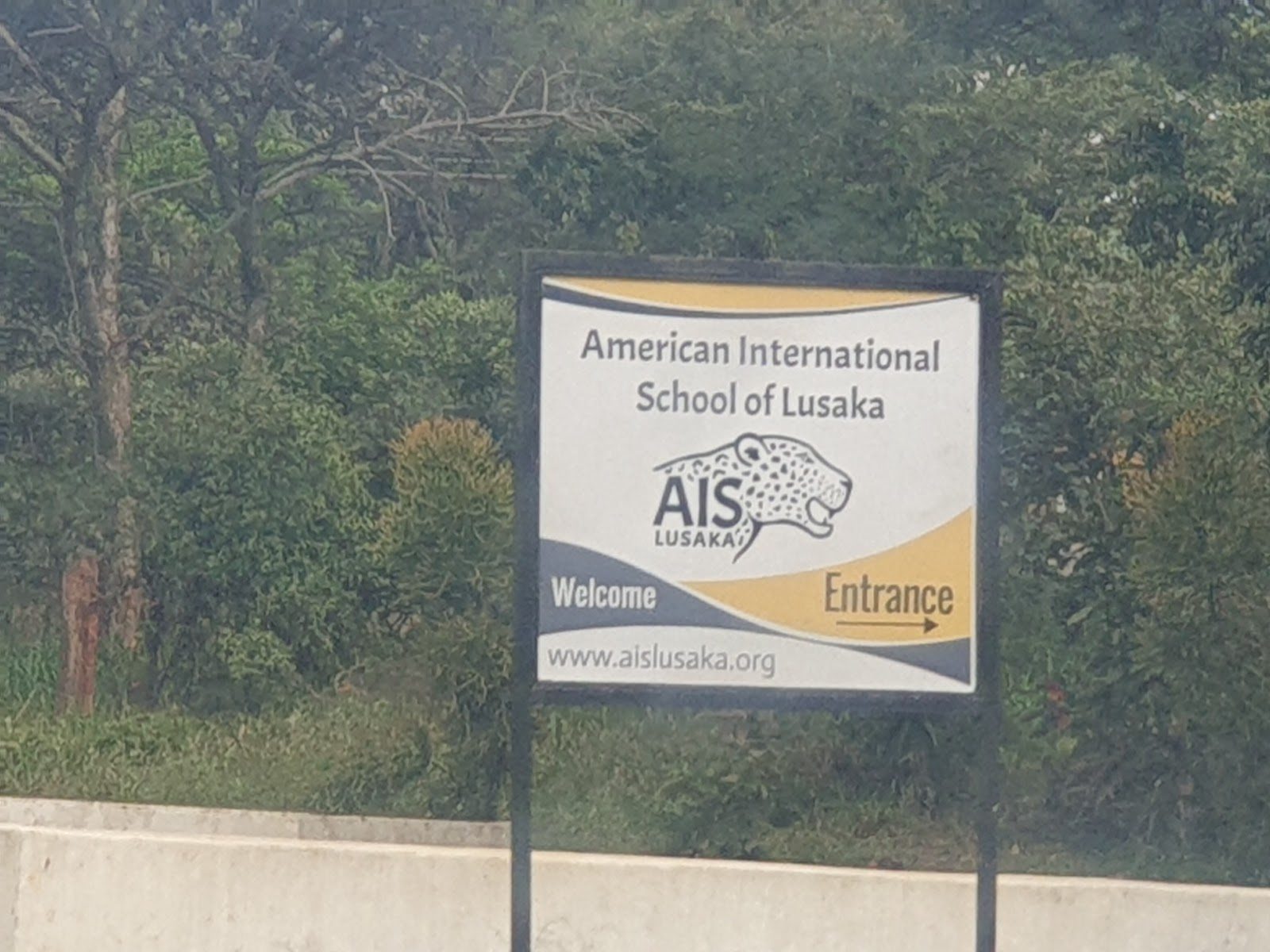
American International School of Lusaka
Lusaka · Zambia
One of a handful of African schools authorized for the full IB continuum, PYP to DP, on a 25-acre Lusaka campus with U.S.-embassy roots.

Lechwe School
Kitwe · Zambia
Born in a Copperbelt church hall in 1977, this Cambridge day school has tracked Kitwe's mining fortunes ever since.
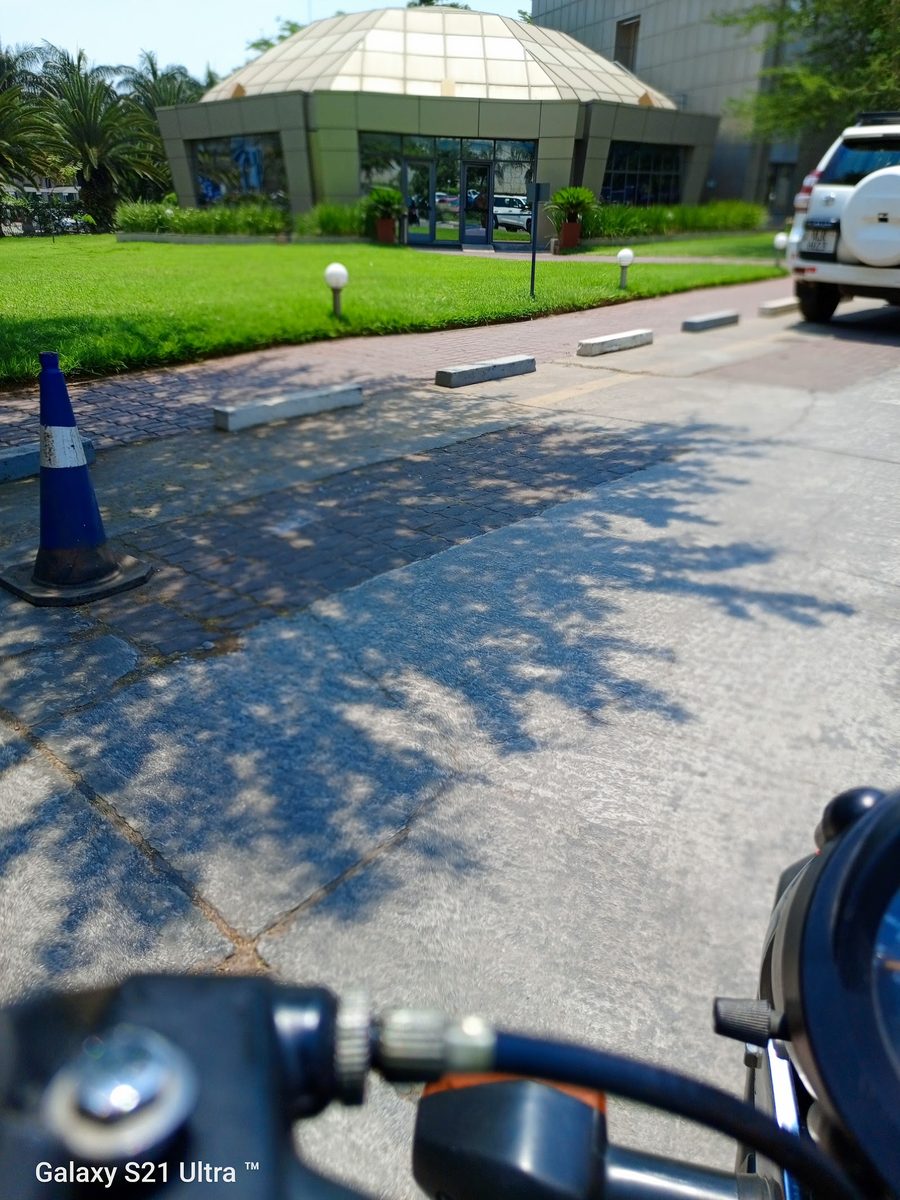
Baobab College
Lusaka · Zambia
South of Lusaka's green campus, an eight-lane pool hosted the Sub Saharan short course championships back in 2006.
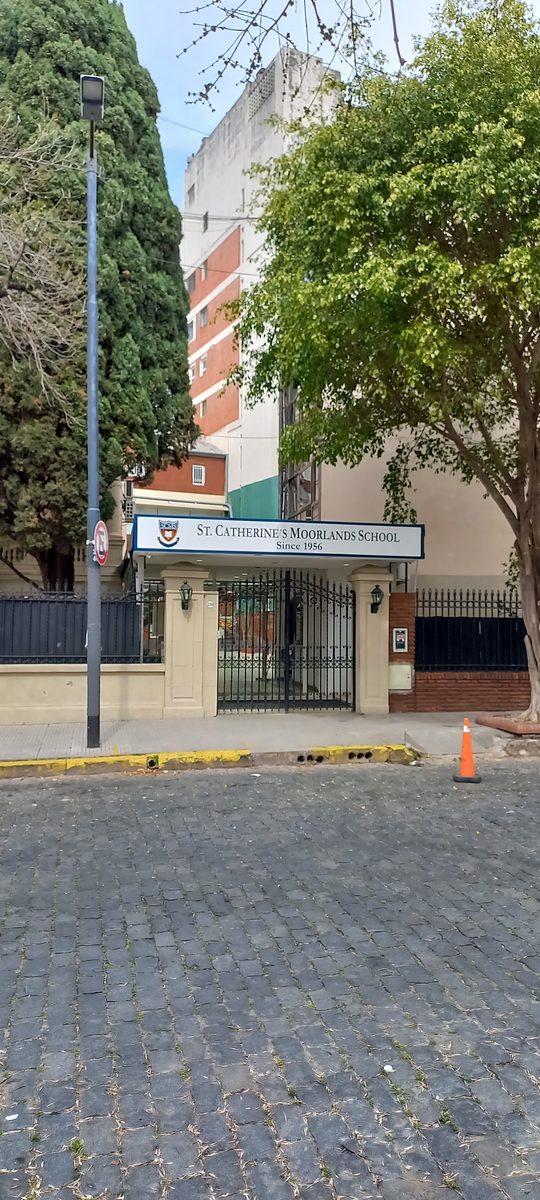
St. Catherine's Moorlands School
Buenos Aires · Argentina
Argentina's IB pioneer since 1973, pairing a British-rooted curriculum with a storied Buenos Aires hockey tradition
Same country and curriculum — closest matches within ±10 points either way