
Western Cape
Wynberg Boys' High School
Since 1841 in Cape Town's southern suburbs, a school where rugby festivals and nationally ranked hockey and cricket sides anchor campus life.
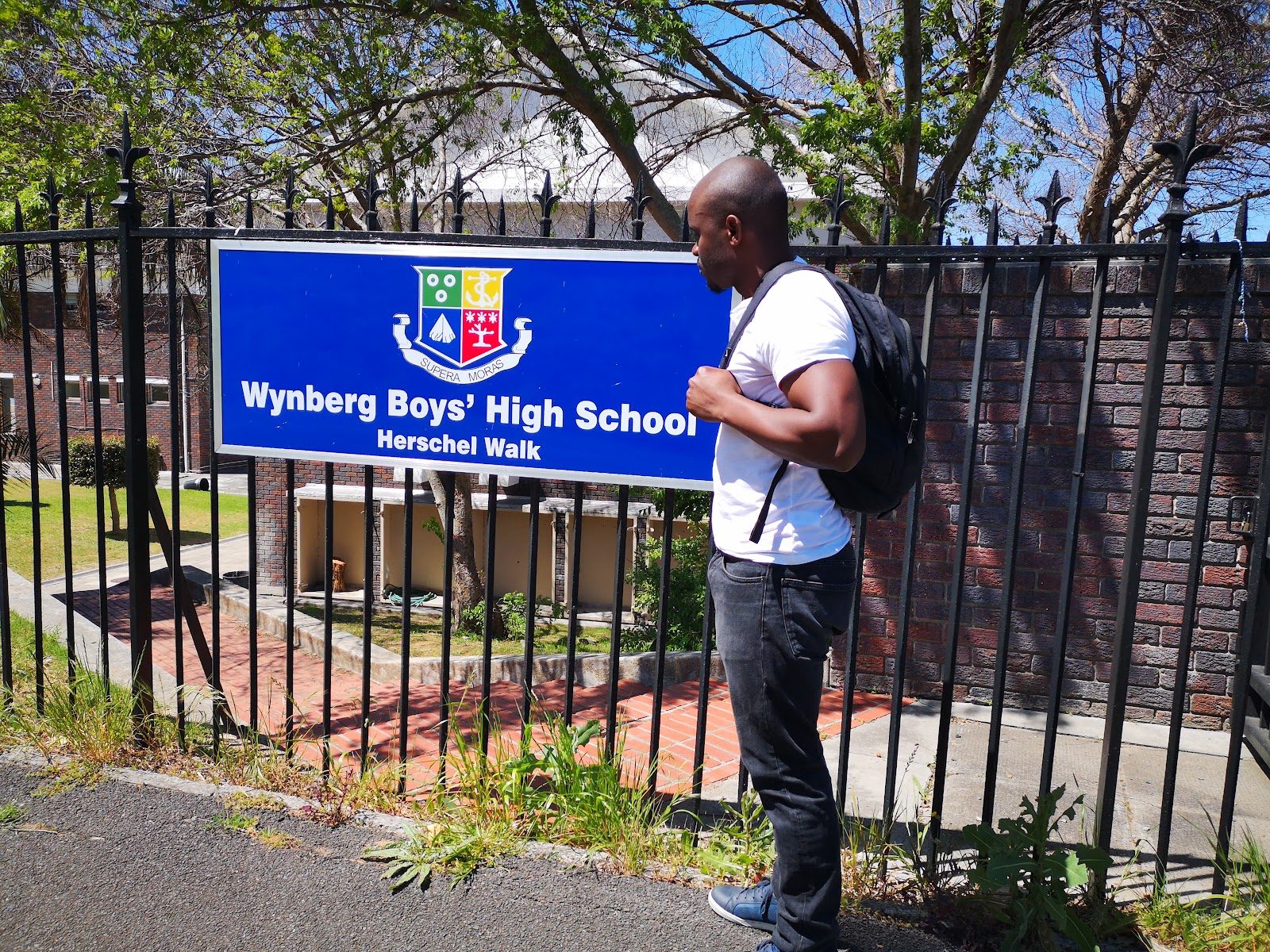
Photo © Lufuno Zacharia via Google Maps
Type
Day
Ages
13–18
Curriculum
NSC · IEB
Qualifications
NSC · IEB
Ratio
—
The Verdict
Editor's commitment
Right for
Cape Town families wanting a public, English-medium boys' day school founded in 1841, with NSC/IEB credentials and serious sporting weight.
Wrong for
Parents seeking co-education, boarding, religious formation or a broader curriculum menu than English-medium NSC and IEB for ages 13–18.
Watch out for
The school trades on 1841 heritage and sporting reputation, but it does not publish enough public academic detail to justify easy assumptions.
Ranking breakdown
Wynberg Boys' High School · #1371 of 1591
Composite score 52.2. 8 weighted criteria.
By criterion
Academic Outcomes
Weight 20%
#1087
of 1533 scored
University Placement
Weight 16%
#1089
of 1529 scored
Prestige & Heritage
Weight 12%
#728
of 1580 scored
Alumni Network
Weight 12%
#1354
of 1530 scored
Facilities
Weight 12%
#1311
of 1540 scored
Transparency & Communications
Weight 8%
#1120
of 1547 scored
Peer & Industry Review
Weight 10%
#1428
of 1564 scored
Admissions Selectivity & Demand
Weight 8%
#1497
of 1529 scored
Peer & Industry Review
How Wynberg Boys' High School is regarded in the sector
58
Credible · medium confidence
Among Cape Town's historic 'Southern Suburbs' schools, Wynberg Boys' High is consistently grouped with SACS, Bishops and Rondebosch Boys' as one of the region's leading government-sector boys' schools, particularly in inter-school rugby and cricket derbies that shape much of its public profile. Its academic standing is reflected in strong, consistent National Senior Certificate pass and bachelor-pass rates reported annually in Western Cape education department results, and it is regularly cited as a reliable feeder to the University of Cape Town and Stellenbosch University. As a public (Section 21) school rather than an independent institution, it falls outside international rankings such as WhichSchoolAdvisor or the Good Schools Guide, so most independent commentary comes from South African sports and education media, notably coverage of its Craven Week rugby representation, which reinforces its reputation as a traditional, athletically strong option rather than one marketed on elite academic league-table positioning.
- Trevor Manuel — Former Finance Minister of South Africa, Politics
- Antony Sher — Actor, Theatre/Film
- Mark Boucher — Cricketer, Sport
Editors' overview
Wynberg Boys’ High School occupies a rare position in Cape Town: an old public boys’ school with real civic weight, a long institutional memory and a sporting culture that shapes the daily rhythm of the place. Founded in 1841, it trades on heritage, but the stronger point is continuity: this is a school with a settled identity, not one still inventing itself. It teaches in English, runs as a day school for boys aged 13–18, and sits in Wynberg, in the southern suburbs, where access matters for families who want a serious school without the logistics and cost of boarding. The draw is plain: deep roots, institutional confidence and a campus culture where tradition still carries force.
What makes Wynberg special is the combination of academic seriousness and a public-school sporting machine. Rugby festivals, strong hockey and cricket programmes, and the social prestige attached to first-team sport are not side-notes here; they are central to the school’s market position. That gives Wynberg a clear edge for boys who want a competitive, high-participation environment with visible standards and a strong house or team identity. Parents looking for a gentler, looser, more experimental model of education should look elsewhere. This is a school for boys who thrive with structure, competition and the pressure that follows from being part of an established institution. Competitive energy, team-first culture and earned status define the experience more than pastoral language or progressive educational fashion.
Academically, Wynberg benefits from the credibility that attaches to a long-established Cape Town school, but families should keep their feet on the ground. The school offers the NSC and lists IEB in its declared curriculum context, yet its formal accreditation here is NSC; parents should ask directly how that works in practice and what examination pathway pupils actually follow. That matters, because prestige alone is not enough. Wynberg belongs on a shortlist for families who want a school with hard edges, serious sporting ambition and the social capital of one of the city’s best-known boys’ schools. The right student is a boy who wants to test himself daily, values belonging, and responds well to clear hierarchies, competitive peers and a culture that expects him to contribute rather than drift.
Academic Performance
Wynberg has academic credibility in Cape Town, but the public case for its examination strength is thinner than a school of this stature should allow. We have not seen published aggregate NSC outcomes, subject-level distinctions, university bachelor-pass rates, or multi-year trend data that would let parents place the school cleanly against the city’s strongest academic competitors. That absence matters. In this market, the top schools do not rely on reputation alone; they publish hard numbers. Without them, Wynberg sits in a category of high-trust but not fully transparent schools: respected, established, and plainly taken seriously, yet not easy to benchmark with precision.
Relative to peers, that leaves a mixed verdict. The school’s standing and selectivity point to solid outcomes, and its name carries weight with families who know the Cape boys’ school circuit. But weight is not data. Parents comparing Wynberg with more academically explicit rivals need to ask direct questions: how many pupils write the NSC, what share secure bachelor passes, which subjects produce the strongest distinction rates, and how consistent the results are across 3–5 years. Until those figures are published, Wynberg’s academic performance reads as credible but opaque, institutionally confident and short on the forensic clarity that serious fee-conscious families deserve.
Facilities
Facilities at Wynberg matter most in sport, because sport is not an accessory here; it drives status, time and school identity. Families should expect serious playing fields, hard-used training space and the support infrastructure needed for rugby, hockey and cricket to operate at a competitive level across age groups, not just for a ceremonial first team. Against Cape Town’s strongest boys’ schools, that puts Wynberg in the camp of institutions with real athletic backbone rather than token provision. The benchmark is not glossy architecture or resort-style extras. The benchmark is whether multiple teams can train and compete properly in the same week, and whether the grounds hold up under pressure. On that measure, Wynberg’s estate carries practical force and institutional intent.
Outside sport, the public picture is thin. We have not seen the level of published detail that would let parents judge science laboratories, design and technology space, music facilities, libraries, theatres or sixth-form social areas with confidence. That lack of specificity weakens the school against better-documented peers, especially independent schools that now treat specialist academic and creative facilities as a core part of the parent proposition. If your son’s priorities sit in the arts, advanced lab work or contemporary maker-space provision, ask for a direct tour and direct answers. Wynberg’s facilities case is strong where its culture is strongest and opaque elsewhere. That is workable for a sport-driven family. It is less convincing for one seeking visible breadth across every department.
In this market, the top schools do not rely on reputation alone; they publish hard numbers
Prestige
Wynberg carries real prestige in the Cape boys’ school hierarchy. That prestige rests on three things: age, public standing, and the social force of its sporting culture. In South African terms, an established public boys’ school with this kind of name recognition occupies a scarce category. It is not an aspirant brand and it does not need reinvention; families know what Wynberg stands for. The school also benefits from the status that attaches to a well-known old boys’ network and to inter-school sport that still matters beyond the touchline. For the right family, that translates into institutional gravitas, social currency and a strong sense that a boy is entering a recognised tradition rather than a transient school product.
The rating stops short of the very top tier because prestige without public academic proof has limits. Wynberg’s reputation is stronger than its published evidence base. In schools of this status, parents should not need to infer academic strength from history, confidence or sporting prominence. They should see clear examination data and trend lines. That missing transparency does not erase the school’s standing; it narrows it. Wynberg remains high-prestige, but in a specific register: a school admired for its name, its old public-school identity and its competitive culture, rather than one commanding unquestioned authority across every domain. That distinction matters, and serious parents will notice it within 1 visit and 1 round of direct questions.
The rating stops short of the very top tier because prestige without public academic proof has limits
Communications
Wynberg’s parent communications read as the output of an old, self-confident institution: functional, direct and built to keep a large school community moving, not to flatter prospective families. That has strengths. In a school where fixtures, timetables, co-curricular commitments and calendar discipline carry real weight, parents need dependable operational communication more than glossy storytelling. The school’s public voice fits that task. It conveys institutional certainty and a matter-of-fact tone that suits a tradition-heavy boys’ school. Families already inside the culture will value that economy. Families new to it may find the style brisk and less hand-holding than at schools that treat every notice as a customer-service exercise.
The weakness is transparency at the strategic level. We have not seen the kind of public academic reporting, performance dashboards or detailed departmental visibility that would mark out a school with first-rate communication habits. That gap matters because communication is not just about sending reminders; it is also about explaining standards, publishing outcomes and showing parents how the school measures itself. On that front, Wynberg does enough to function, but not enough to reassure a family that wants forensic clarity. In practical terms, communication looks strongest around day-to-day school life and weaker where scrutiny bites hardest. For established families, that is manageable. For newcomers making a high-stakes decision at 13 or across a 5-year school journey, it leaves too much to ask in person.
Uniqueness
Wynberg’s distinctiveness lies in the way an old public boys’ school still holds cultural power in daily life, not just in prospectuses or old boys’ dinners. At many schools, tradition is decorative. Here, it governs tempo, status and behaviour. Sport does more than fill afternoons: it sorts hierarchies, builds belonging and gives boys a public arena in which effort carries visible consequences. That produces a school life with hard edges, tribal loyalty and a competitive charge that many newer institutions cannot replicate. The benefit for students is plain. Boys who want clear standards, public accountability and a strong peer culture get them in full. They learn to handle pressure, selection, disappointment and collective expectation early, and those lessons travel well beyond school fixtures.
The other point of difference is that this sits inside the state sector rather than behind independent-school gates. That matters. Wynberg offers access to a level of institutional identity and social recognition that families often associate with fee-heavy private schools, but in a public-school frame. For students, that can mean a more grounded social mix and less of the curated polish that now defines much of the premium market. The trade-off is just as clear: boys who dislike hierarchy, ritual or public comparison will chafe. Wynberg is not a soft landing. It is a place that rewards resilience, appetite and the willingness to earn one’s place in front of other people, week after week.
Wynberg’s distinctiveness lies in the way an old public boys’ school still holds cultural power in daily life, not just in prospectuses or old boys’ dinners
Student Profile
The boy who fits here wants a school with pecking orders, public standards and no confusion about where status sits. He does not need coddling. He can take correction, absorb selection decisions and keep going after a poor match, a weak test or a bad week. Boys who enjoy team environments, respect established routines and gain energy from collective identity will settle faster than those who want constant personal tailoring. This is a good match for students who are competitive by instinct, thick-skinned under pressure and happy to measure themselves against strong peers across a full school week, not just in class. If your son dislikes being compared, dislikes noise, or resists authority on principle, the culture will grate.
There is also a social point that matters. At schools like this, belonging is earned through contribution: on the field, in the house, in the classroom and in the daily business of showing up properly from 13 onward. Boys who understand that institutions run on duty as much as talent do well. So do families who value discipline, predictability and a school community with old-school expectations rather than therapeutic language. The weaker fit is the boy who needs a gentle runway, abundant emotional framing or a wide margin for drift. Wynberg suits students with hard competitive wiring, durable self-command and a clear appetite for structured adolescent life over 5 years.
Founded in 1841, it trades on heritage, but the stronger point is continuity: this is a school with a settled identity, not one still inventing itself
Co-curricular strengths
Arts & sport, on a separate axis
Overall 8/10
Scored 0-10 from the school's own published evidence. This axis is editorial-only — it does not feed the main WTS ranking.
Sports
9.5/10
Drama
8.5/10
Dance
5.5/10
Music
9/10
Visual Arts
7.5/10
Strengths
- +Wynberg Boys' was founded in 1841 when John McNaughton opened the school in Glebe Cottage with 16 students, giving it one of the longest institutional histories of any Cape Town school.
- +The Class of 2024 matric cohort produced a 100% pass rate, 87% bachelors degree pass, 262 subject distinctions, 21 'A' aggregates, continuing a run of strong NSC results.
- +The cricket programme has fed first-class and international cricket, with international players including Kyle Verreynne, David Bedingham, former England captain, Allan Lamb, and Jacques Kallis among its alumni.
- +As a fee-paying public school, 2026 annual tuition is set at Grade 8 R75,300 per annum, grade 9-12 R71,300 per annum, well below typical independent-school fees in the region.
- +Sporting infrastructure is extensive, including sporting facilities such as an astro turf area, a swimming pool, tennis and squash courts, four rugby fields.
Considerations
- −It is a single-sex institution: Type: All-boys public school, so it will not suit families seeking co-education.
- −As with other Western Cape public schools, public school admissions prioritize applicants based on proximity to the school and the availability of space, rather than academic prowess, which can disadvantage relocating families without an address in the feeder zone.
- −Beyond standard fees, the school requests a tax-deductible Voluntary Capital Development Contribution... set at R3,500 per annum, an extra cost some public-school families may not anticipate.
- −Its identity is heavily built around competitive sport and a strong 'Wynberg Man' culture, which may feel intense for boys who are not sport-oriented or who prefer a quieter, purely academic environment.
Availability
Primary entry gate & tests
Internal Assessment (Boys)
Gallery
Photo © Michael Edward Manning via Google Maps
Photo © Derick Hayward via Google Maps
Photo © Michael Edward Manning via Google Maps
Photo © Reece Mulholland via Google Maps
Photo © Dawood Wepener via Google Maps
Photo © Salvador Nel via Google Maps
Photo © Michael Edward Manning via Google Maps
Parent reviews
Have you sent your child here?
Voice reviews carry the strongest trust badge — we transcribe them for you to tidy up before they go live. Prefer to type? A written review is fine too.
Add your voice
In 60 seconds, tell other parents: what's the best thing about Wynberg Boys' High School, and what surprised you when your child joined?
We ask for a Google sign-in so every review has a real face behind it — no anonymous drive-by attacks on schools, and no faked positive reviews. Your email is never shown publicly.
Send this profile to a friend
International parents rely on word-of-mouth. Share this review with someone weighing the same decision.
Schools with places
Similar schools to Wynberg Boys' High School with places available now.
Availability first, then country, area, curriculum, price, co-curricular
Consider also
Also worth looking at alongside Wynberg Boys' High School.
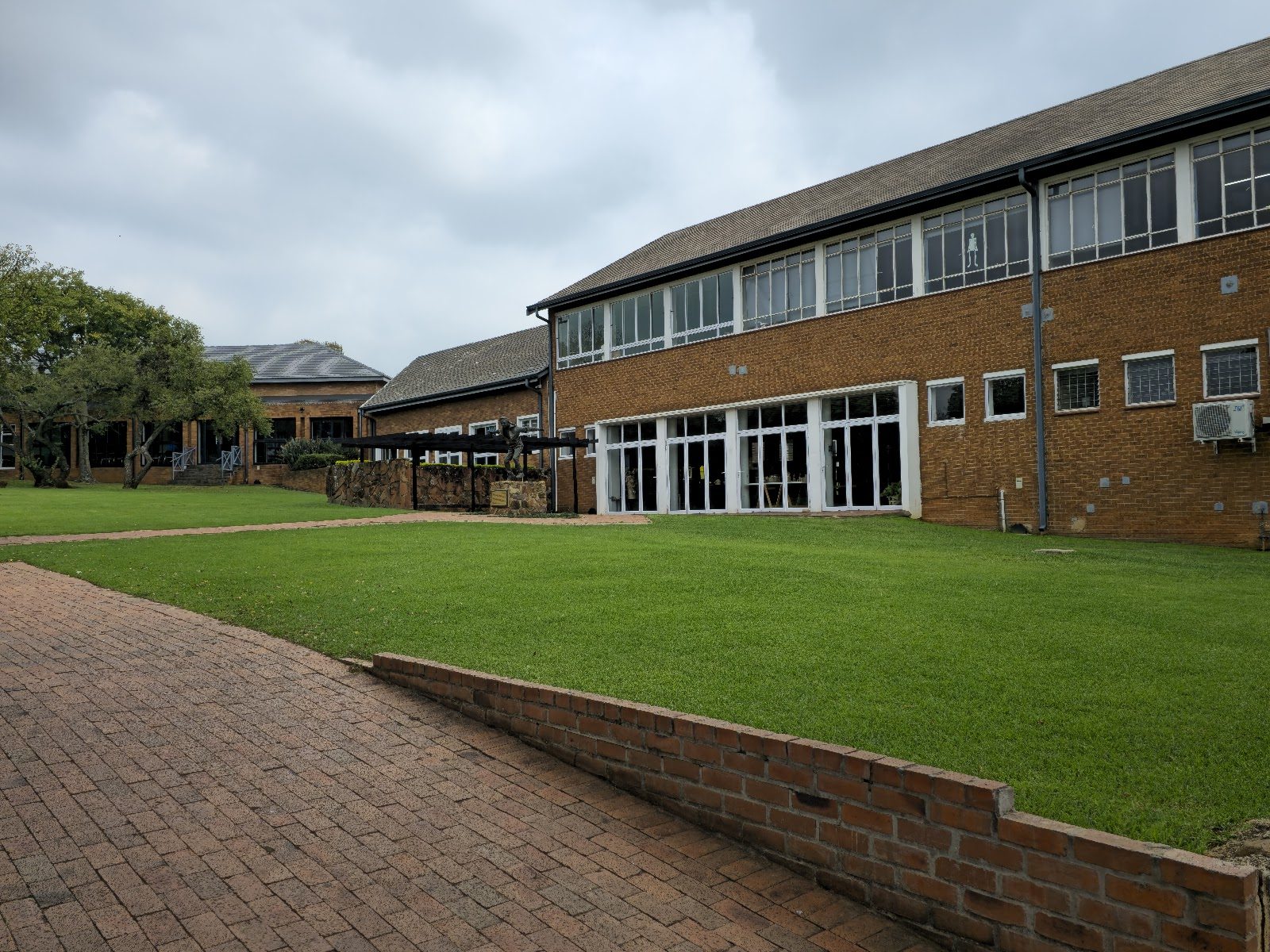
St. Alban's College
Pretoria · South Africa
In Pretoria, an Anglican boys' school founded by a Test cricketer that admitted boys of colour before the law allowed it.
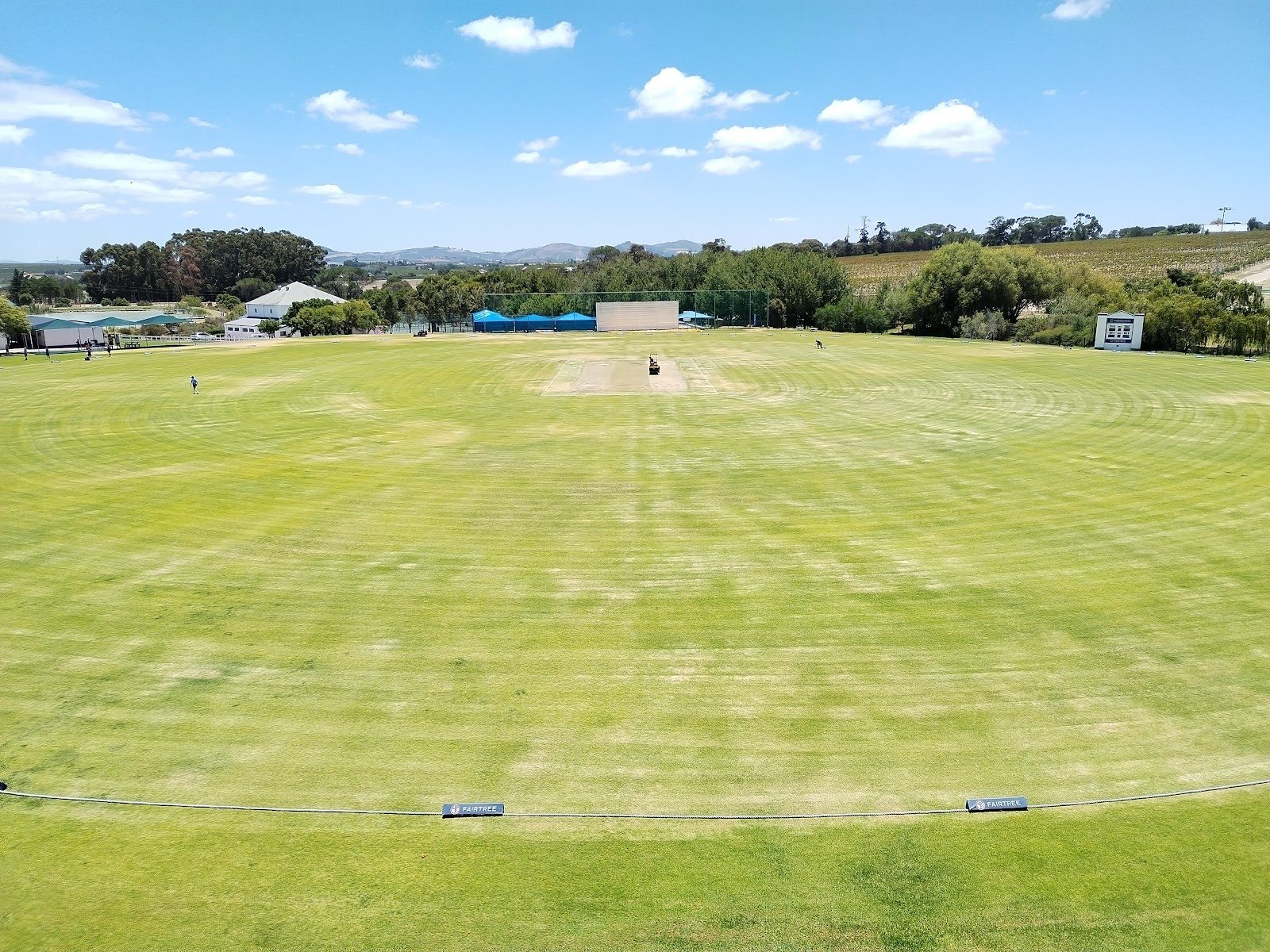
Somerset College
Somerset West · South Africa
Set on a 32-hectare Winelands farm between Somerset West and Stellenbosch, pupils choose IEB matric or Cambridge A-levels.
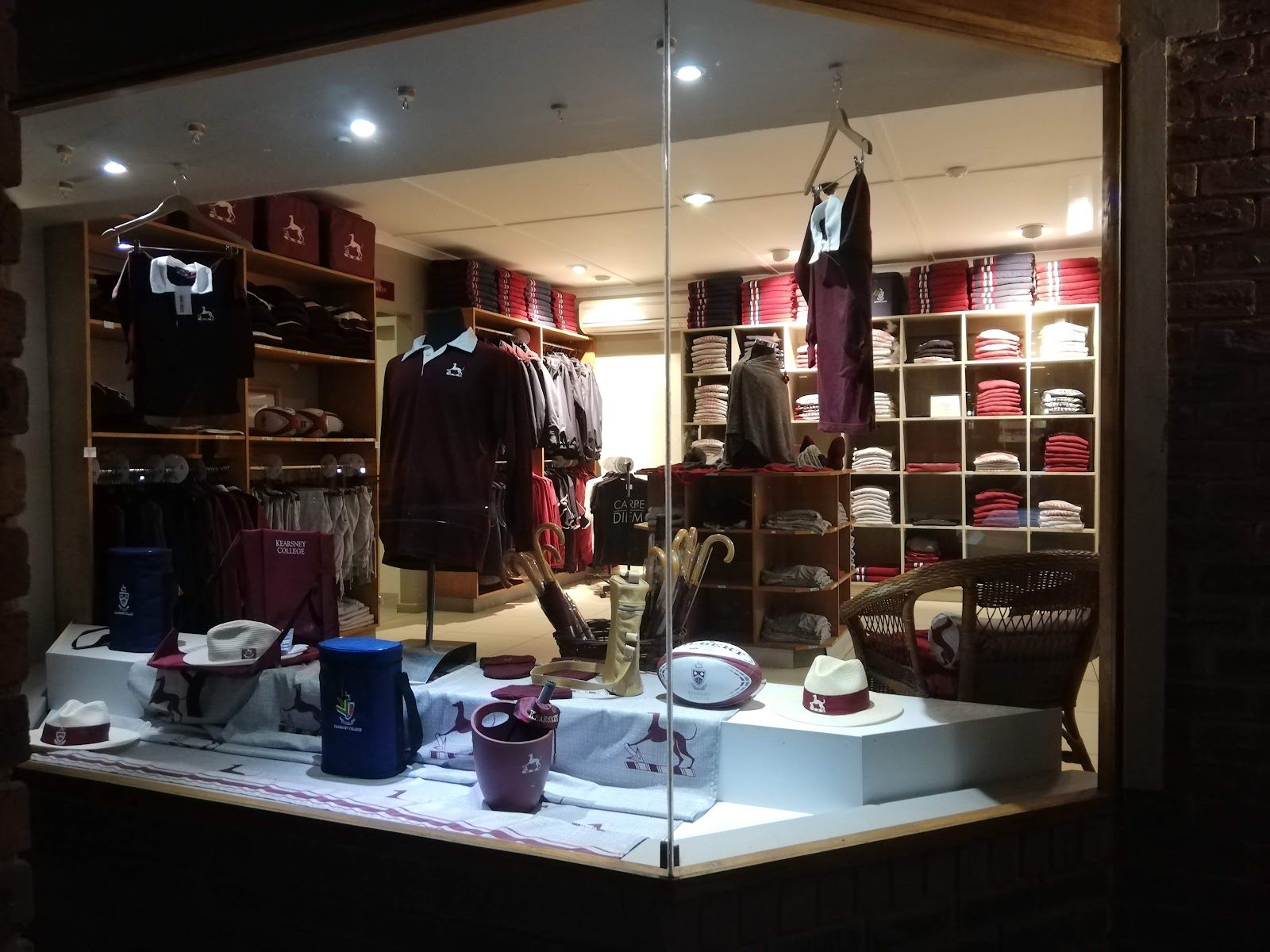
Kearsney College
Botha's Hill · South Africa
Perched above the Valley of a Thousand Hills, a Methodist boys' school whose choir has claimed world titles and mathletes lead KZN.

Gandhi Memorial Intercontinental School
Jakarta · Indonesia
Indonesia's oldest international school, where Gandhian ethics meet Pancasila values under an IB banner in central Jakarta.
Same country and curriculum — closest matches within ±10 points either way