
District 7
Renaissance International School Saigon
low confidence· 4/6 cats · 1.33 avg sourcesVietnam's only Round Square school pairs British rigor with a full IB continuum in District 7's riverside diplomatic quarter.
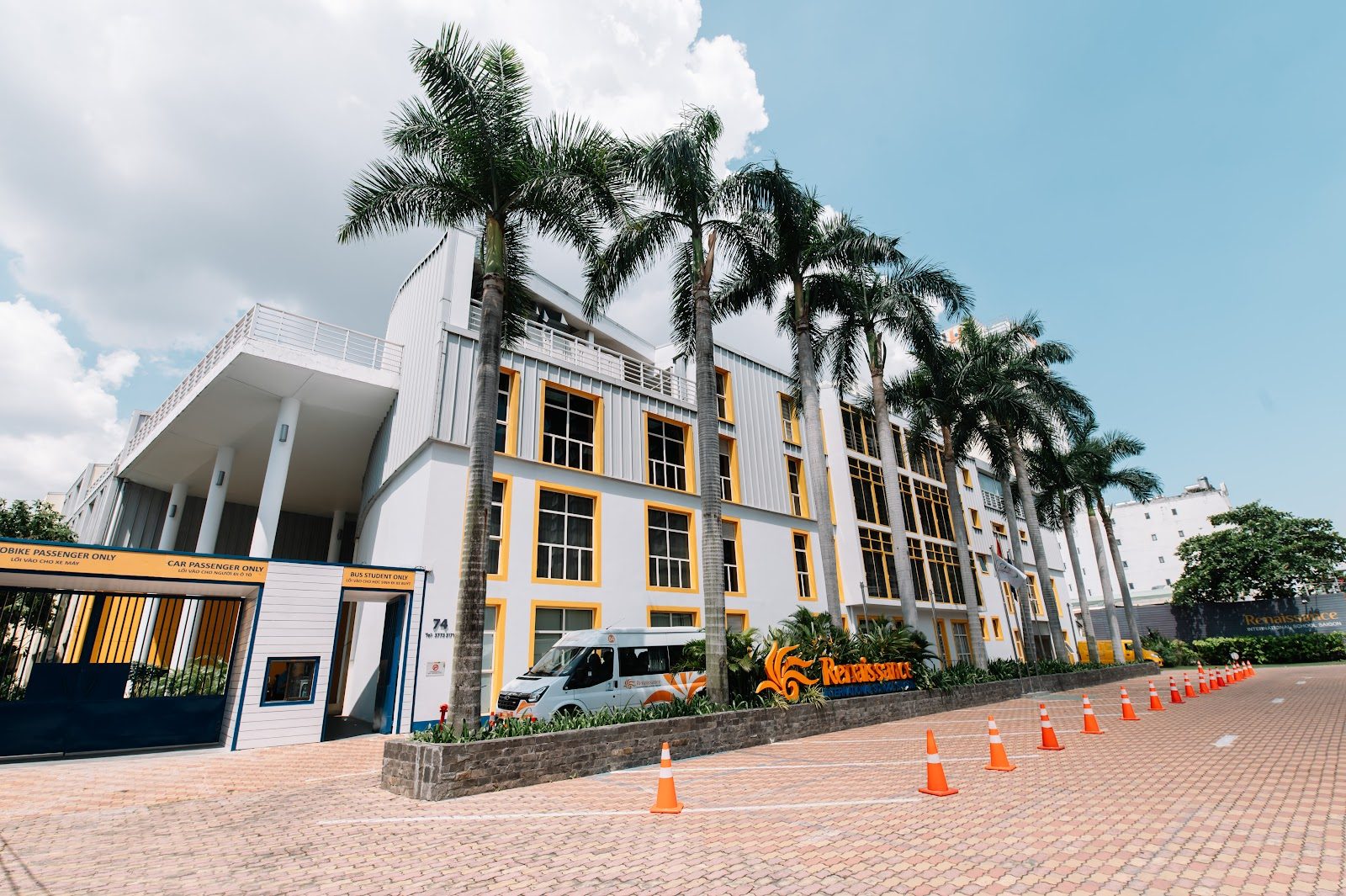
Photo © Renaissance International School Saigon - Trường Quốc Tế Renaissance via Google Maps
Type
Day
Ages
2–18
Curriculum
British · IB
Qualifications
IGCSE · A-Level · IB Diploma
Ratio
—
The Verdict
Editor's commitment
Right for
Families wanting British structure feeding a full IB continuum, in English, from age 2 to 18 in Ho Chi Minh City.
Wrong for
Parents who want boarding, a religious ethos, or a single-curriculum school; this is day-only, non-religious, British plus IB.
Watch out for
CIS, BSO and IB World School status give external validation, but the school does not publish headline academic outcomes here.
Ranking breakdown
Renaissance International School Saigon · #850 of 1591
Composite score 65.7. 8 weighted criteria.
By criterion
Academic Outcomes
Weight 20%
#333
of 1529 scored
University Placement
Weight 16%
#649
of 1529 scored
Prestige & Heritage
Weight 12%
#1155
of 1529 scored
Alumni Network
Weight 12%
#1091
of 1529 scored
Facilities
Weight 12%
#741
of 1529 scored
Transparency & Communications
Weight 8%
#594
of 1529 scored
Peer & Industry Review
Weight 10%
#523
of 1529 scored
Admissions Selectivity & Demand
Weight 8%
#1232
of 1529 scored
Peer & Industry Review
How Renaissance International School Saigon is regarded in the sector
58
Credible · medium confidence
Renaissance International School Saigon has built a credible, if second-tier, reputation among Ho Chi Minh City's international school set, valued more for its close-knit community than for academic firepower. The Good Schools Guide lists it among the established options for expat families in District 7, noting that many choose the not-for-profit SSIS or Renaissance International School. Tatler Asia's profile of founder Nguyen Thuy Quynh credits the school with a record-breaking IB Diploma cohort, reporting that the school achieved an average of 36 points, six above the global benchmark, as it approaches its 20th year. WhichSchoolAdvisor tracks its annual IB results alongside the city's other established international schools. Coverage is respectable rather than glowing, though, with aggregator reviews flagging inconsistent facilities upkeep and staff turnover as recurring parent concerns.
Editors' overview
Renaissance International School Saigon occupies a distinctive niche in Ho Chi Minh City: a mid-sized, all-through day school in District 7 that combines a British academic spine with the full International Baccalaureate journey from early years to diploma. That mix matters. Families get structured progression through primary and lower secondary, then the option of IGCSE before the IB Diploma, rather than a school trying to do everything without a coherent route. The other point of difference is concrete: it is Vietnam’s only Round Square school, which gives its service learning, student leadership and international outlook more substance than the standard global-citizen language found across the sector. For parents who want academic seriousness without an excessively corporate feel, Renaissance belongs on the shortlist.
The school’s appeal rests on balance. It serves ages 2–18, teaches in English, and covers the full span from nursery to university guidance in one setting. The website puts heavy emphasis on pastoral care, inclusive education, enrichment, the arts, sport, technology and service learning; that breadth fits a school competing for internationally mobile families who want more than raw exam drilling. The phrase full IB continuum is not cosmetic here: PYP, MYP and IBDP are all in place, with IGCSE in Years 10 and 11 adding British rigour at a key academic stage. That structure suits students who thrive with clear expectations, strong teacher support and room to develop in music, sport, leadership and creative work, not just in tests. The best fit is the child who is curious, articulate and outward-looking rather than narrowly exam-obsessed.
Renaissance also has limits, and parents should weigh them plainly. This is a day school, not a boarding campus, and it does not trade on century-old heritage or scale. Founded in 2008, it is young by regional standards. The public case for the school leans hard on ethos, community and experience; parents who judge schools by published aggregate outcomes will find that the school does not disclose headline IB score data on its public-facing pages. That makes it harder to benchmark academic performance against the city’s most results-transparent competitors. Still, its accreditations — BSO, CIS and IB World School status — give the school external validation, and the District 7 location places it squarely in the path of expatriate and internationally minded local families seeking a settled, cosmopolitan school life.
Why shortlist it? Because Renaissance offers a rare combination: British and IB pathways under one roof, a non-religious all-through structure, external accreditation, and a community model that still has human scale. It will suit families who want continuity from the early years to sixth form, who value close pastoral oversight, and who prefer a school where service, leadership and the arts sit alongside academic ambition. It is less suited to parents chasing only the biggest brand name in the market or those who want exhaustive public performance data. For the right student — engaged, community-minded, comfortable in English, and ready for a school that expects participation as well as attainment — Renaissance is a serious contender.
Academic Performance
Renaissance does not publish the data that would let parents judge external performance with confidence. We have not seen aggregate IB Diploma scores, pass rates, subject distributions, IGCSE grade profiles, or university destination breakdowns with enough detail to test academic strength against Ho Chi Minh City’s more transparent competitors. That matters. In the international-schools market, outcomes are the cleanest proof point, and Renaissance leaves that proof largely private. The school talks at length about challenge, rigour and preparation for higher education; without public score reporting, those claims remain hard to benchmark.
Where, then, does it fit relative to peers? Not in the camp of schools that trade on headline-grabbing results. Parents who want a public academic scoreboard will find stronger disclosure elsewhere in the city. Renaissance sits in the less quantifiable tier: schools whose case rests on programme breadth, continuity across phases, and a broad student experience rather than published exam metrics. That does not equal weak results; it means opaque results. For some families, that is acceptable if the child needs close support, steady teaching and a balanced school life. For academically aggressive families comparing IB and IGCSE outcomes school by school, it is a real handicap. The burden falls on admissions to provide cohort results directly, and parents should ask for the latest IB averages, pass rates and IGCSE grade distributions before drawing conclusions.
Facilities
Facilities are a visible part of Renaissance’s case, but the school gives frustratingly little detail. The site flags “First Class Facilities” and breaks out dedicated pages for the library, technology, STEM, physical education and sports, and the arts. That tells parents where the school has invested: not in a single trophy building, but in the core spaces that support day-to-day schooling across age groups. The practical advantage is coherence. In a through-school serving children from age 2–18, parents need specialist rooms that scale with the student journey, and Renaissance at least signals that range. The weakness is disclosure. There is no serious public inventory of labs, theatres, pitches, pools or specialist suites, so families cannot judge capacity, specification or breadth with real precision. For a school competing in a facilities-conscious market, that is a gap.
Against peer schools in the city, this places Renaissance in the credible middle ground. It does not project the vast sports-and-performance complexes or resort-style acreage that the biggest campuses use to justify premium positioning. Nor does it read as a stripped-down academic block with little beyond classrooms. The emphasis on arts, sport, technology and library provision points to a balanced, workmanlike campus built for regular use rather than spectacle. For many families, that is enough. For parents comparing specialist science infrastructure, elite sporting provision or major auditorium space, Renaissance needs to show more and say more. Right now, the facilities story is serviceable but under-evidenced.
Renaissance’s distinctiveness lies in balance, continuity and community with one unusually strong badge of international identity
Prestige
Renaissance carries selective local prestige rather than the automatic cachet of a legacy giant. In Ho Chi Minh City, its standing comes from shape and fit: an all-through international school in the expatriate belt, with external inspection and a coherent academic route that appeals to mobile professional families who want continuity without a sprawling, impersonal campus. The strongest status marker is its singularity. Being Vietnam’s only Round Square school gives it a point of distinction that is real, not invented by marketing. That matters more to internationally minded parents than vague claims about global outlook. The school also benefits from the social signal of its District 7 setting, where embassy, expatriate and upper-middle-class local families cluster. Prestige here is earned by association and consistency, not by old-money heritage or a marquee name.
That puts Renaissance in the credible but not dominant tier. It has enough institutional weight to reassure discerning parents, but not the public academic firepower that turns a school into a market leader. The missing ingredient is transparency: no published aggregate IB or IGCSE results means its reputation cannot rest on hard proof in the way top academic brands manage. University guidance is prominent, and the school points to graduates heading to renowned universities worldwide, but it does not publish the destination detail that would sharpen that claim. So the verdict is clear: Renaissance offers *solid prestige with a cosmopolitan polish*, strongest among families who value community, pastoral steadiness and a recognisable international profile over brute-name dominance.
Families chasing a single-minded exam factory or the social theatre of a giant flagship campus will find stronger fits elsewhere
Communications
Renaissance communicates with parents in a disciplined, service-led way. The website is comprehensive in structure: admissions, fees, calendars, policies, handbooks, year-group placement, scholarships, welfare, support services and contact routes are all easy to find from the main navigation. That matters more than polished slogans. Parents need the operational basics without a scavenger hunt, and Renaissance delivers that. The multilingual top-level navigation also signals a school that knows its audience includes internationally mobile families and non-native English-speaking parents. There is a parent portal, clear prompts to apply, book a visit and make enquiries, and a visible run of school events, news and blog content. Taken together, that points to orderly, parent-facing communication with a strong administrative backbone rather than the chaotic web sprawl that weaker schools tolerate.
The weak point is depth, not access. Renaissance publishes plenty of categories, but thinner substance where serious parents want hard proof. We have not seen public aggregate exam outcomes, detailed university destination lists, or a proper facilities inventory. That creates a two-speed communications model: efficient on process, guarded on performance. For day-to-day parent communication, the signs are good; a school that maintains an academic calendar, portal, policies and welfare architecture in plain view understands that families need regular information, not theatre. For strategic reassurance, the school is less forthcoming. The result is communication that feels competent and well-managed, but not fully transparent where it counts most.
Uniqueness
Renaissance’s clearest point of difference is structural. Very few schools in its market combine a British academic spine with the full IB journey in one place, and that matters more than brochure language about “pathways”. Students get a coherent academic route: inquiry-led learning in the early years, a broader middle phase, then the discipline of external examination before the final diploma stage. That sequence suits children who need both stretch and scaffolding. It also spares families the disruption of changing schools at key transition points. Add the school’s status as Vietnam’s only Round Square member and the model gains a second layer of distinction: service, leadership and internationalism carry institutional weight, not just decorative rhetoric.
What does that bring in practice? A student experience with more breadth than many academic grinders and more structure than looser progressive schools. The public emphasis on student leadership, service learning, educational trips, the arts, sport, technology and pastoral care points to a school that wants pupils to participate, not just perform. For confident, outward-facing children, that is a genuine advantage. They get room to speak, organise, create and contribute inside a school with human scale rather than corporate sprawl. The trade-off is clear. Families chasing a single-minded exam factory or the social theatre of a giant flagship campus will find stronger fits elsewhere. Renaissance’s distinctiveness lies in balance, continuity and community with one unusually strong badge of international identity.
For parents who want academic seriousness without an excessively corporate feel, Renaissance belongs on the shortlist
Student Profile
Renaissance suits the child who wants to do more than sit in class and collect grades. The school’s public priorities — student leadership, service learning, educational trips, the arts, sport, welfare and support services — point to a student body shaped around participation. The best fit is engaged, articulate and community-minded: pupils willing to speak up, join in, work across age groups and take adults up on support. Creative students have room here, not just the academic high-flyers. So do children who benefit from a school that treats pastoral care as part of the main job rather than an afterthought. Families looking for a balanced, all-rounder culture will find a stronger match than those hunting for a single-track exam hothouse.
It also suits internationally mobile families who want continuity from the earliest years to sixth form in one place, across ages 2–18. That all-through structure favours students who settle better with stable routines and familiar expectations over time. The social fit is less obvious for children who want anonymity or a hard-edged competitive atmosphere; Renaissance reads as a school where visibility and contribution matter. Students who thrive in big-brand peacocking or measure peers by status signals alone will find the culture too grounded. Students who are curious, decent with others and open to a more involved school life will fit well.
It serves ages 2–18, teaches in English, and covers the full span from nursery to university guidance in one setting
Co-curricular strengths
Arts & sport, on a separate axis
Overall 7.98/10
Scored 0-10 from the school's own published evidence. This axis is editorial-only — it does not feed the main WTS ranking.
Sports
8/10
Drama
8.2/10
Dance
7.5/10
Music
8.2/10
Visual Arts
8/10
Editor first-pass · editor-reviewable · 7/30/2026
Strengths
- +Offers a coherent through-train pathway from EYFS to IGCSEs and then the IB Diploma Programme in the Sixth Form, giving continuity across 14+ years.
- +Located in the established Phu My Hung expatriate and local-affluent enclave of District 7, a convenient base for families settled in that part of Ho Chi Minh City.
- +Combines British curriculum structure and assessment familiarity with the internationally recognised IB Diploma exit qualification, appealing to globally mobile families.
- +As a long-standing HCMC international school it has an established local track record rather than being a brand-new, unproven campus.
- +Day-school format keeps the community geographically concentrated, which some families prefer for after-school logistics and community ties.
Considerations
- −Sits outside the top tier of Ho Chi Minh City's international school market by reputation and scale, competing with larger, better-resourced campuses in District 2/Thao Dien.
- −District 7 location is inconvenient for expatriate families based in Thao Dien or other parts of the city, adding significant commute time.
- −As a smaller school its Sixth Form IB cohort is likely modest in size, which can constrain subject choice and peer breadth compared to larger IB schools.
- −Fee levels and value-for-money are not independently benchmarked in public rankings at the same level of scrutiny as the city's flagship international schools.
Availability
Primary entry gate & tests
Academic Record
Gallery
Photo © Heidi Nguyen via Google Maps
Photo © Heidi Nguyen via Google Maps
Photo © Heidi Nguyen via Google Maps
Photo © Mars Hartdegen via Google Maps
Parent reviews
Have you sent your child here?
Voice reviews carry the strongest trust badge — we transcribe them for you to tidy up before they go live. Prefer to type? A written review is fine too.
Add your voice
In 60 seconds, tell other parents: what's the best thing about Renaissance International School Saigon, and what surprised you when your child joined?
We ask for a Google sign-in so every review has a real face behind it — no anonymous drive-by attacks on schools, and no faked positive reviews. Your email is never shown publicly.
Send this profile to a friend
International parents rely on word-of-mouth. Share this review with someone weighing the same decision.
Schools with places
Similar schools to Renaissance International School Saigon with places available now.
Availability first, then country, area, curriculum, price, co-curricular
Consider also
Also worth looking at alongside Renaissance International School Saigon.
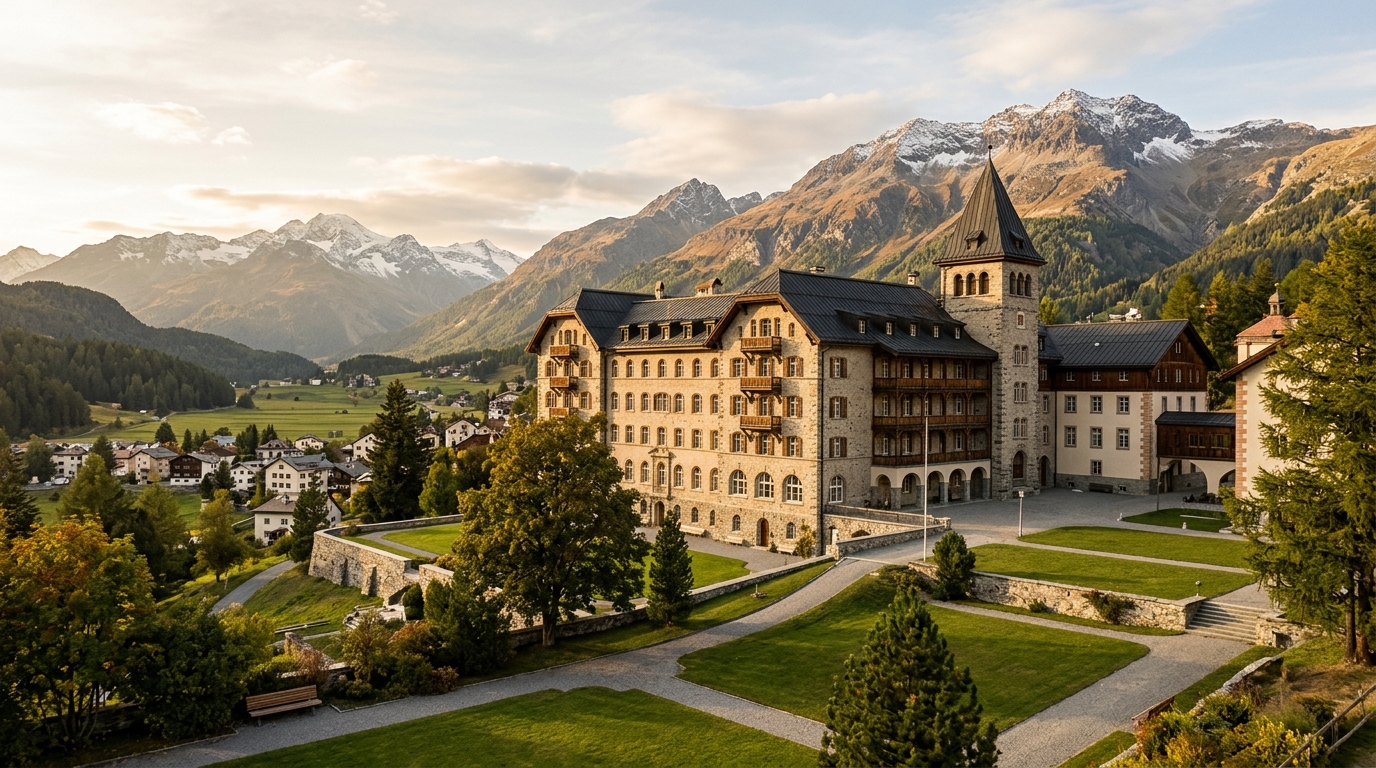
Lyceum Alpinum Zuoz
Zuoz · Switzerland
At 1,750 metres in the Engadine, IB and Swiss Matura classes share the calendar with cricket on Europe's highest pitch, in play since 1922.
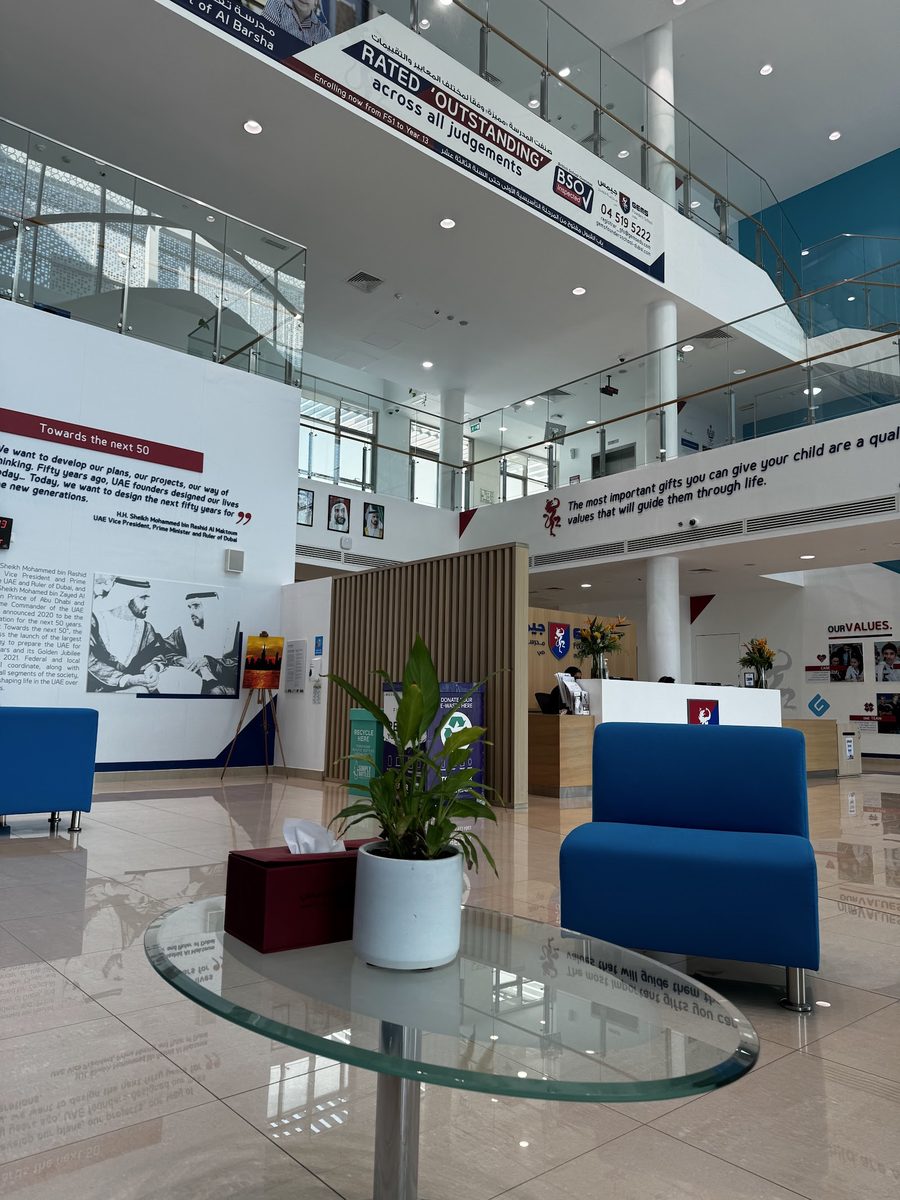
GEMS Founders School Al Barsha
Dubai · United Arab Emirates
Grown from a record-breaking 2016 launch into the UAE's largest National Curriculum for England school, now rated Very Good by the KHDA.
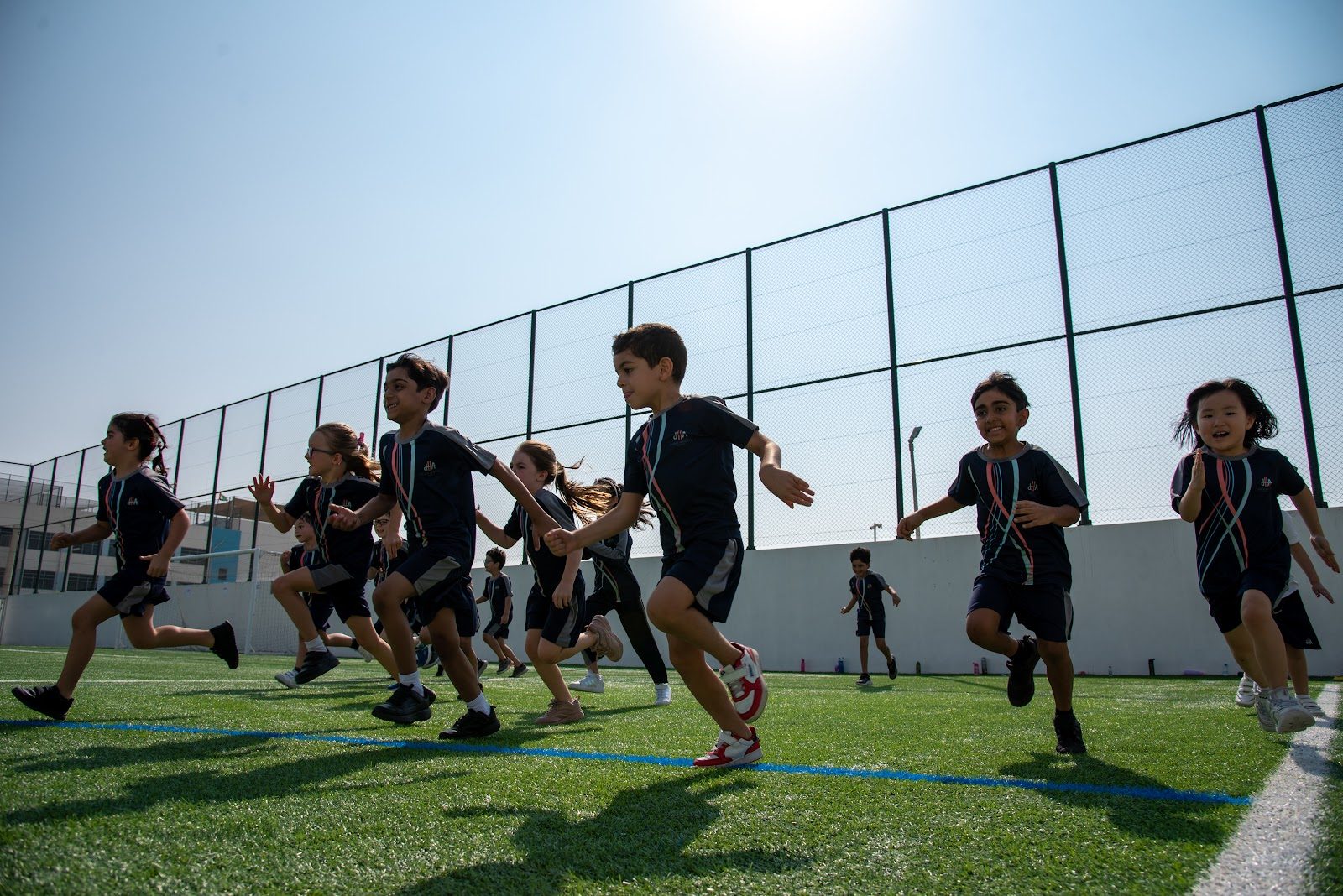
Dubai Heights Academy
Dubai · United Arab Emirates
In Al Barsha South, an MIT-built AI curriculum and a Tommy Fleetwood golf programme pair with top KHDA marks for pupil wellbeing.
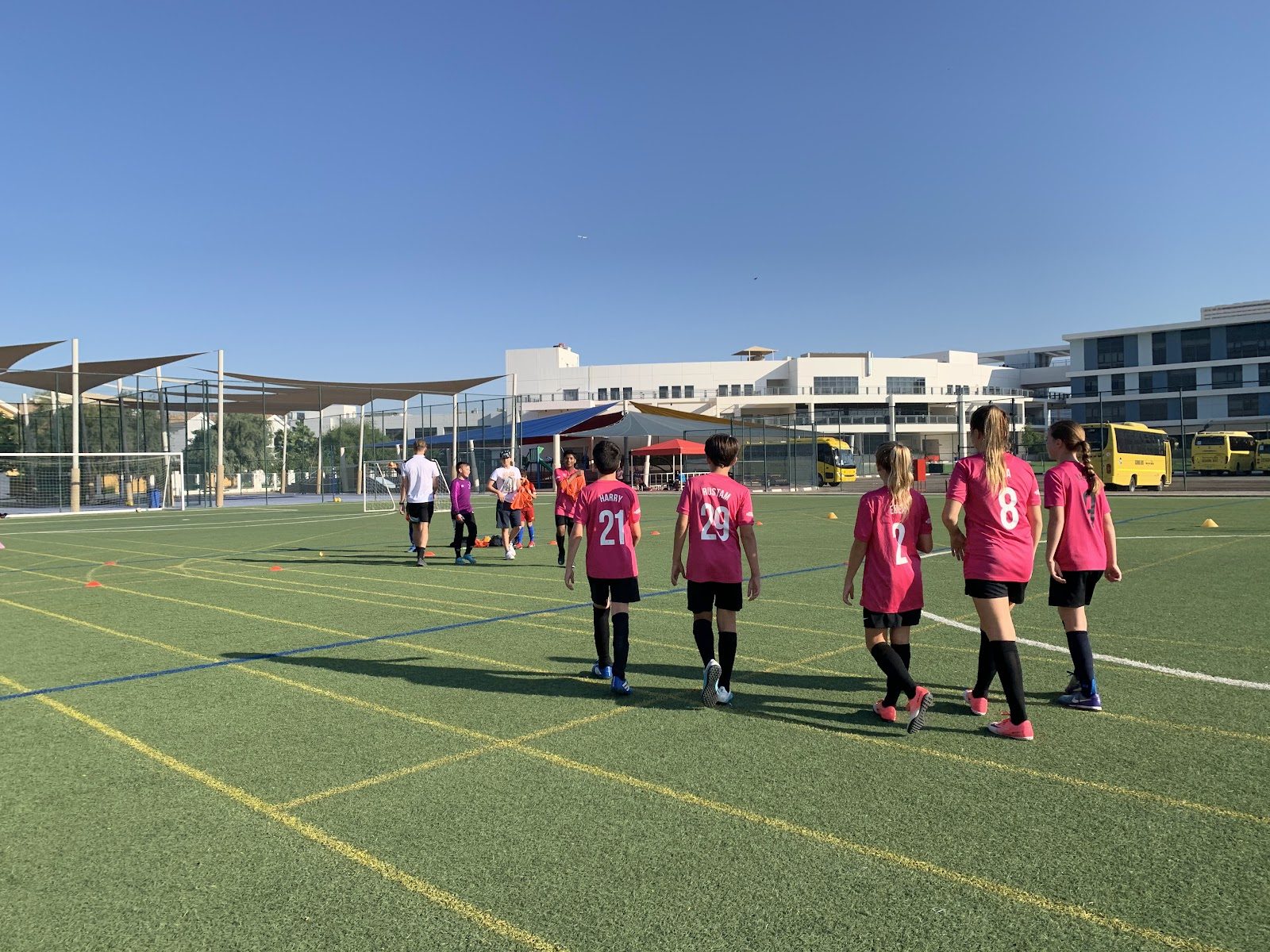
GEMS FirstPoint School
Dubai · United Arab Emirates
In Dubailand, a bespoke Golf Centre of Excellence lets elite junior players train while still sitting GCSEs and A-levels
Same country and curriculum — closest matches within ±10 points either way