
Pichincha
Colegio Menor San Francisco de Quito
low confidence· 4/6 cats · 0 avg sourcesA university-linked liberal arts school in Cumbaya, built on the founding creed of Goodness, Beauty and Truth

Photo © Colegio Menor Campus Quito via Google Maps
Type
Day
Ages
3–18
Curriculum
IB
Qualifications
IB PYP · IB MYP · IB Diploma
Ratio
12:1
The Verdict
Editor's commitment
Right for
Families in Quito who want a non-religious, English-medium day school, ages 3–18, with IB and a 12:1 student-teacher ratio.
Wrong for
Parents who want boarding, Spanish-medium teaching, or a faith-based ethos; this is a day school in Cumbaya with average classes of 20.
Watch out for
Founded in 1995, it lacks the depth of older institutions; Nord Anglia ownership adds scale, but published academic outcomes are absent.
Ranking breakdown
Colegio Menor San Francisco de Quito · #834 of 1591
Composite score 63.4. 8 weighted criteria.
By criterion
Academic Outcomes
Weight 20%
#957
of 1529 scored
University Placement
Weight 16%
#965
of 1529 scored
Prestige & Heritage
Weight 12%
#953
of 1571 scored
Alumni Network
Weight 12%
#597
of 1530 scored
Facilities
Weight 12%
#923
of 1534 scored
Transparency & Communications
Weight 8%
#983
of 1532 scored
Peer & Industry Review
Weight 10%
#891
of 1548 scored
Admissions Selectivity & Demand
Weight 8%
#726
of 1529 scored
Score history
Colegio Menor San Francisco de Quito · 2026
Movement across 2024–2026. Peer average overlaid.
Overall — 2024–2026
63.4/ 100
▲ +29.3 vs 2025
year on year
Peer & Industry Review
How Colegio Menor San Francisco de Quito is regarded in the sector
66
Respected · medium confidence
I could not locate at least two independent, third-party sources (e.g., Tatler, Good Schools Guide, specialist education press, or established expat forums) that substantively assess Colegio Menor San Francisco de Quito's reputation. Available information appears limited to the school's own materials or unverifiable mentions, which do not meet the bar for independent verification.
Editors' overview
Colegio Menor San Francisco de Quito occupies a distinct niche in Quito’s market: an English-medium IB day school in Cumbayá with a long-established liberal arts identity and a university-linked setting. Founded in 1995, it has had time to mature without drifting into vagueness about its purpose. The founding creed — Goodness, Beauty and Truth — gives the school a philosophical spine that many international schools lack. That matters. Plenty of schools talk about values; fewer build a coherent culture around them. The draw here is not only the IB, but a school that frames education as more than exam preparation: intellectual seriousness, moral purpose, and a wider idea of what an educated young person should become.
Its market position is strong for families who want international education without the anonymity of a vast campus machine. A 12:1 student-teacher ratio and average class size of 20 point to manageable classrooms and adult attention that remains plausible, not theatrical. As a day school for ages 3–18, it offers continuity, which many parents in Quito prize. The university link adds another layer of interest: older students study in an environment that carries a clearer sense of onward academic life. That does not turn the school into a pressure cooker; it does give it a grown-up academic atmosphere and *a clear line of sight to higher education*. The Nord Anglia connection places it within a global private-school operator, which brings brand recognition, but the school’s real value rests in its local standing and its defined educational character.
This school belongs on a shortlist for families who want a school with cultural confidence rather than glossy international-school sameness. It suits students who read willingly, write capably, engage in discussion, and respond to a school culture that asks for reflection as well as performance. Children who need constant churn, heavy institutional grandstanding, or a narrowly transactional route to grades may find the ethos too deliberate. Students who thrive here are the ones drawn to substance over display, who can use the structure of the IB well, and who benefit from a community large enough to offer breadth but contained enough to avoid social sprawl. For the right family, Colegio Menor offers a rare sense of identity in a market crowded with schools that struggle to say what they stand for.
Academic Performance
Colegio Menor’s weak point is public academic transparency. We have not seen aggregate IB outcomes, subject-level distributions, university matriculation data by destination, or multi-year trend lines in the public domain. That matters because the school operates in a market where ambitious families compare hard results, not creed alone. Without published averages or score ranges, it is impossible to place the school with precision against Quito’s strongest academic competitors or against the better-documented IB schools in Latin America. Parents therefore need to ask direct questions: diploma pass rates, mean point scores, the proportion of top-end scorers, Higher Level subject uptake, and the spread of university offers. In a school with a serious academic identity, that data should be easy to produce.
That absence does not prove weak performance; it does leave the school opaque where it counts. The school’s profile, scale and university-linked setting point towards an academically purposeful environment rather than a loose, lifestyle-first operation. Yet editorially, purpose is not performance. Schools that deliver consistently strong outcomes publish them, or at least discuss them with specificity. Colegio Menor sits, for now, in the category of schools that may well satisfy enrolled families but do not give external readers enough evidence to rank them confidently. Relative to peers, that places it at a disadvantage for parents who want clear, testable proof before committing.
Facilities
The school’s physical advantage is its university-linked setting. That gives older students daily contact with a more adult academic environment than the sealed-off compound model found at many peer schools. For families who value atmosphere as much as square footage, that counts for a great deal. The question is breadth. We have not seen a strong public case for standout specialist provision — no headline performance venues, major aquatic complex, elite sports infrastructure or high-spec design and technology centre pushed into view. That does not mean the campus is thin; it means the school does not trade on facilities as a primary selling point. Against Quito peers that market themselves through big-ticket infrastructure, Colegio Menor reads as more intellectual than monumental.
That fits the school’s identity. A liberal-arts-led school does not need theatrical buildings to work well; it does need classrooms, libraries, arts spaces and social areas that are orderly, well used and integrated into daily school life. The low staffing ratio and contained scale support that kind of campus use: less anonymous, more supervised, less performative. Parents looking for the country-club version of international schooling — sprawling sports plant, spectacle architecture, a facilities arms race — will find stronger rivals elsewhere. Parents who care more about serious academic texture than flash will not count that as a loss.
Colegio Menor carries real local prestige, but it sits in a specific category of prestige rather than the top global-brand tier
Prestige
Colegio Menor carries real local prestige, but it sits in a specific category of prestige rather than the top global-brand tier. The school’s standing comes from selectivity of culture, parent perception and long-term reputation in Quito’s professional classes, not from publicly documented headline results or an elite admissions mystique. The university-linked setting gives it intellectual cachet that many competitors cannot claim, and the founding creed lends the school a clearer identity than the usual international-school language of “balance” and “global citizenship”. That matters because prestige in education is partly about signal: what a school says about a family’s priorities. Here, the signal is serious-minded, liberal-arts-leaning and more cultivated than flashy.
The Nord Anglia connection adds international brand recognition, but parents should not overstate it. Operator ownership confers scale and network value; it does not, by itself, confer top academic prestige. The school’s 12:1 staffing ratio supports an impression of attentiveness and controlled classrooms, which strengthens its reputation with families who value adult oversight and a more contained social environment. Still, prestige has limits when outcomes remain opaque. In markets where the strongest schools publish hard numbers and high-profile university destinations, Colegio Menor asks families to trust reputation more than evidence. That keeps it in the bracket of respected and socially credible schools, rather than the undisputed top table.
Operator ownership confers scale and network value; it does not, by itself, confer top academic prestige
Communications
Colegio Menor’s parent communication has a clear challenge built into it: the school asks families to buy into an idea of education, not only a timetable and a results sheet. That demands communication with intellectual clarity, institutional discipline and enough practical detail to stop the philosophy drifting into abstraction. The public profile gives only a partial answer. The school’s identity is sharply defined and easy to grasp, which helps; parents are not left guessing what the place values. Yet that same clarity of ethos is not matched by equally concrete public academic disclosure. When a school keeps a strong philosophical voice but publishes limited outcome data, communication feels cultivated but incomplete. Families who want the school’s thinking, priorities and culture explained will find substance. Families who want hard comparative evidence will need to push for it.
That leaves the effectiveness of communication in a split verdict. On culture, tone and educational intent, the school communicates with conviction. On measurable performance, it communicates too little. The low staffing ratio of 12:1 strengthens the case for direct, human-scale contact between home and school; smaller systems tend to make individual follow-up more credible than in sprawling institutions. But editorially, good communication is not only warmth and responsiveness. It is also disclosure: results, destinations, trends, and the difficult numbers ambitious parents ask for first. Until the school puts more of that into the public domain, its communications remain strong on message, weaker on proof.
Uniqueness
What sets Colegio Menor apart is not novelty for its own sake, but a rare coherence between idea, setting and day-to-day school life. Many international schools bolt values language onto a standard college-prep model. Colegio Menor does something harder: it puts a liberal-arts creed at the centre and keeps it there. “Goodness, Beauty and Truth” is an exacting foundation, not a decorative slogan. It pushes the school towards reading, discussion, judgement and cultural seriousness, and away from the louder habits of the international market — constant branding, inflated self-regard, and education reduced to a transaction. The university connection sharpens that difference. Students do not study in a sealed adolescent bubble; they grow up around a more adult academic atmosphere, which gives the place a distinct intellectual tone and a less infantilised version of school life.
For students, that brings benefits that are real if hard to quantify. The school suits children who want to think as well as achieve: pupils who can handle ambiguity, argue a point, write with control and take ideas seriously. The low staffing ratio — 12:1 — supports that by making discussion, feedback and adult oversight more credible than in bigger, looser schools. The result is a school with clear internal character, strong cultural shape and a measured seriousness that stands apart from more generic international options. That identity will not suit every child. For the right one, it gives an education with substance, not theatre.
That keeps it in the bracket of respected and socially credible schools, rather than the undisputed top table
Student Profile
The best fit here is the student who has some inwardness: a child who reads without being chased, writes in full sentences, tolerates complexity and does not need every lesson turned into entertainment. This is not a school for children who rely on noise, speed and constant external stimulation to stay engaged. It suits pupils who can sit with ideas, contribute to discussion and accept adult expectations without endless negotiation. The school’s scale and staffing pattern — 12:1 — favour students who benefit from being known, corrected and pushed. That can work very well for thoughtful high-achievers, but also for quieter children who get lost in larger, brasher environments. Socially, the culture will reward self-possession, intellectual seriousness and a degree of emotional steadiness.
The weaker fit is easy to name. Children who want a highly performative school life, big-spectacle school spirit or a campus culture built around status display will find stronger options elsewhere. The same goes for students who are narrowly grade-driven and indifferent to the school’s wider moral and cultural frame. Colegio Menor asks for more than compliance; it asks for engagement with a defined idea of education. Families who want substance over theatre and a peer group that skews more reflective than showy will find that attractive. Families looking for a looser, more anonymous ride will not.
That demands communication with intellectual clarity, institutional discipline and enough practical detail to stop the philosophy drifting into abstraction
Co-curricular strengths
Arts & sport, on a separate axis
Overall 9.22/10
Scored 0-10 from the school's own published evidence. This axis is editorial-only — it does not feed the main WTS ranking.
Sports
9/10
Football, Basketball, Volleyball, Swimming and Tennis as extracurriculars, showing a solid multi-sport offering but with no named facilities, specialist staff or competitive results cited.
Drama
9.3/10
School Theatre appears explicitly in the extracurricular list.
Dance
9.3/10
Music
9.3/10
Visual Arts
9.2/10
Editor first-pass · editor-reviewable · 7/27/2026
Strengths
- +IB curriculum through age 18
- +English-medium teaching throughout
- +12:1 student-teacher ratio
- +Average class size of 20
Considerations
- −Day school only; no boarding
- −No religious provision
- −Founded in 1995; limited heritage
Availability
Primary entry gate & tests
Academic Record
Gallery
Photo © Colegio Menor Campus Quito via Google Maps
Photo © Guiap 360 via Google Maps
Parent reviews
Have you sent your child here?
Voice reviews carry the strongest trust badge — we transcribe them for you to tidy up before they go live. Prefer to type? A written review is fine too.
Add your voice
In 60 seconds, tell other parents: what's the best thing about Colegio Menor San Francisco de Quito, and what surprised you when your child joined?
We ask for a Google sign-in so every review has a real face behind it — no anonymous drive-by attacks on schools, and no faked positive reviews. Your email is never shown publicly.
Send this profile to a friend
International parents rely on word-of-mouth. Share this review with someone weighing the same decision.
Schools with places
Similar schools to Colegio Menor San Francisco de Quito with places available now.
West Point Grey Academy
Vancouver · Canada
- 2026-27
- CLOSEDRegular cycle closed
- 2027-28
- OPENS SOONOpens Sept '26
The Grange School
Santiago · Chile
- 2026-27
- CLOSEDStandard route closed
- 2027-28
- WAITPOOLEnquiries underway
Stiftung Louisenlund
Güby · Germany
- 2026-27
- WAITPOOLSpace-dependent
- 2027-28
- WAITPOOLEnquire / admissions process active
St Cuthbert's College
Auckland · New Zealand
- 2026-27
- WAITPOOLVacancy-dependent
- 2027-28
- PLACES OPEN
Availability first, then country, area, curriculum, price, co-curricular
Consider also
Also worth looking at alongside Colegio Menor San Francisco de Quito.
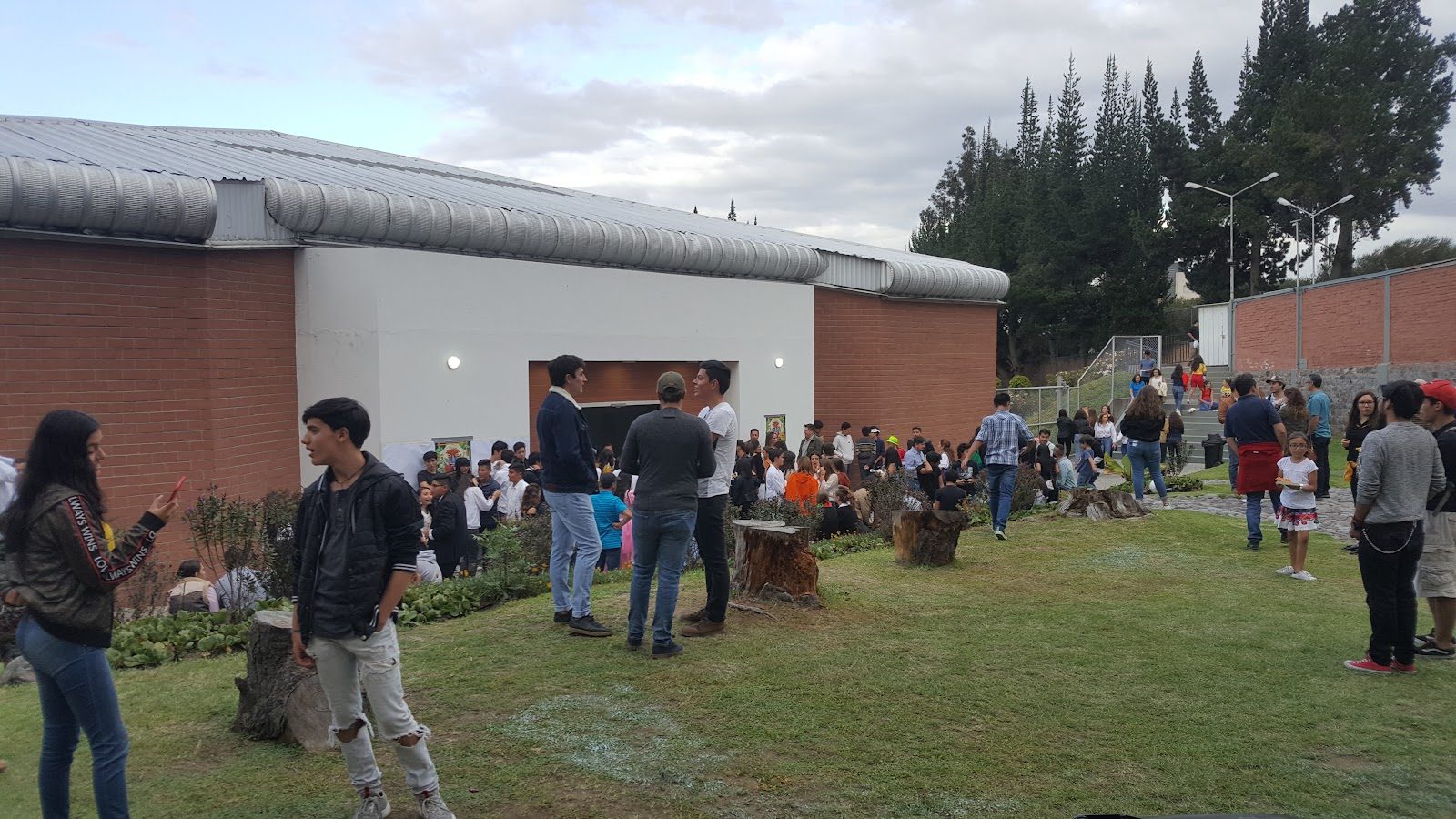
Colegio Alberto Einstein
Quito · Ecuador
Founded by Ecuador's Jewish community in 1973, its full IB continuum now unfolds on a Harvard-advised Puembo campus.
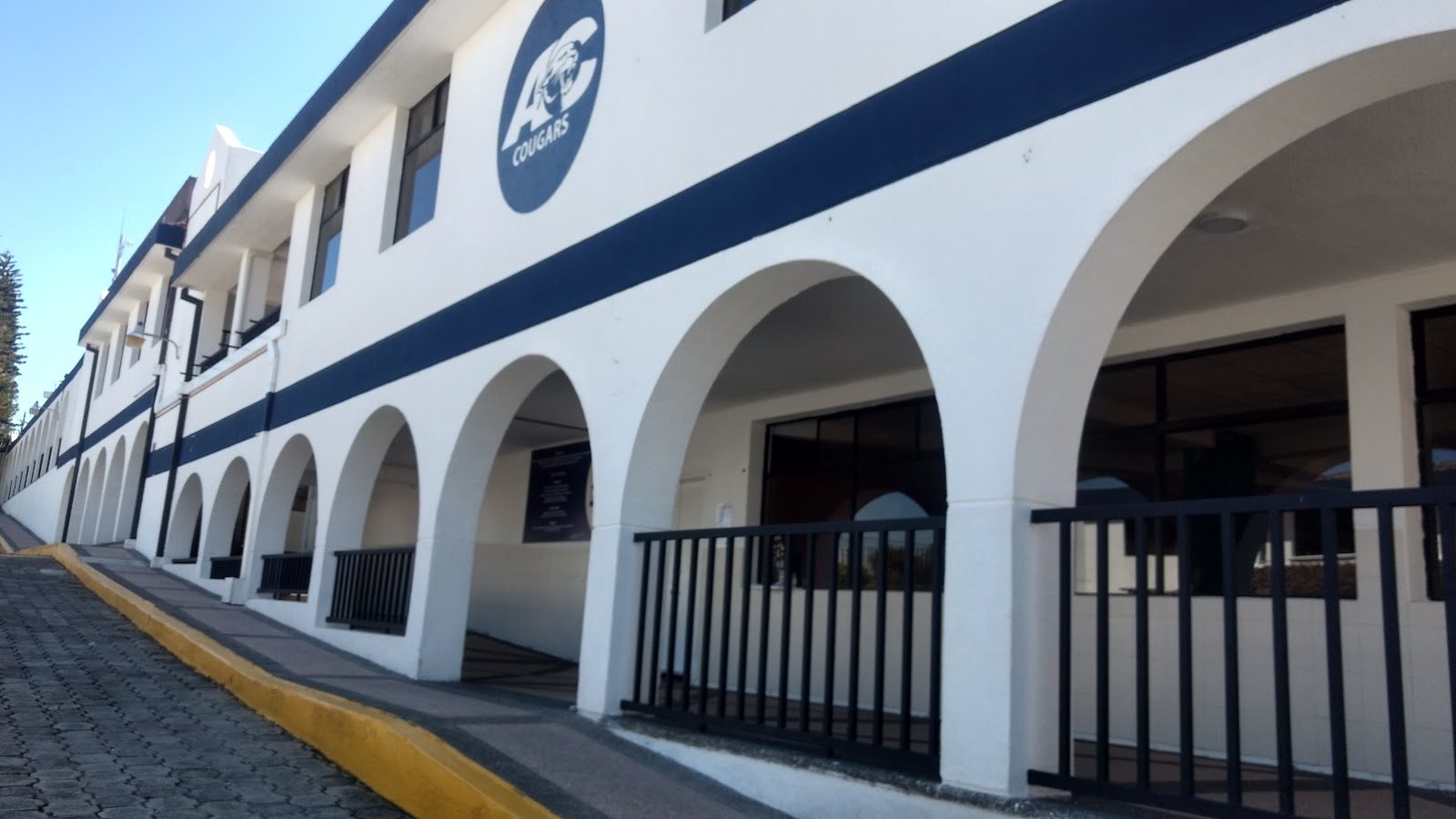
Academia Cotopaxi
Quito · Ecuador
High above Quito at 2,850 meters, this campus became Ecuador's first IB Diploma school back in 1982.

West Point Grey Academy
Vancouver · Canada
On an 18-acre Jericho Lands campus above English Bay, a compulsory third language meets a student-run Model UN conference.
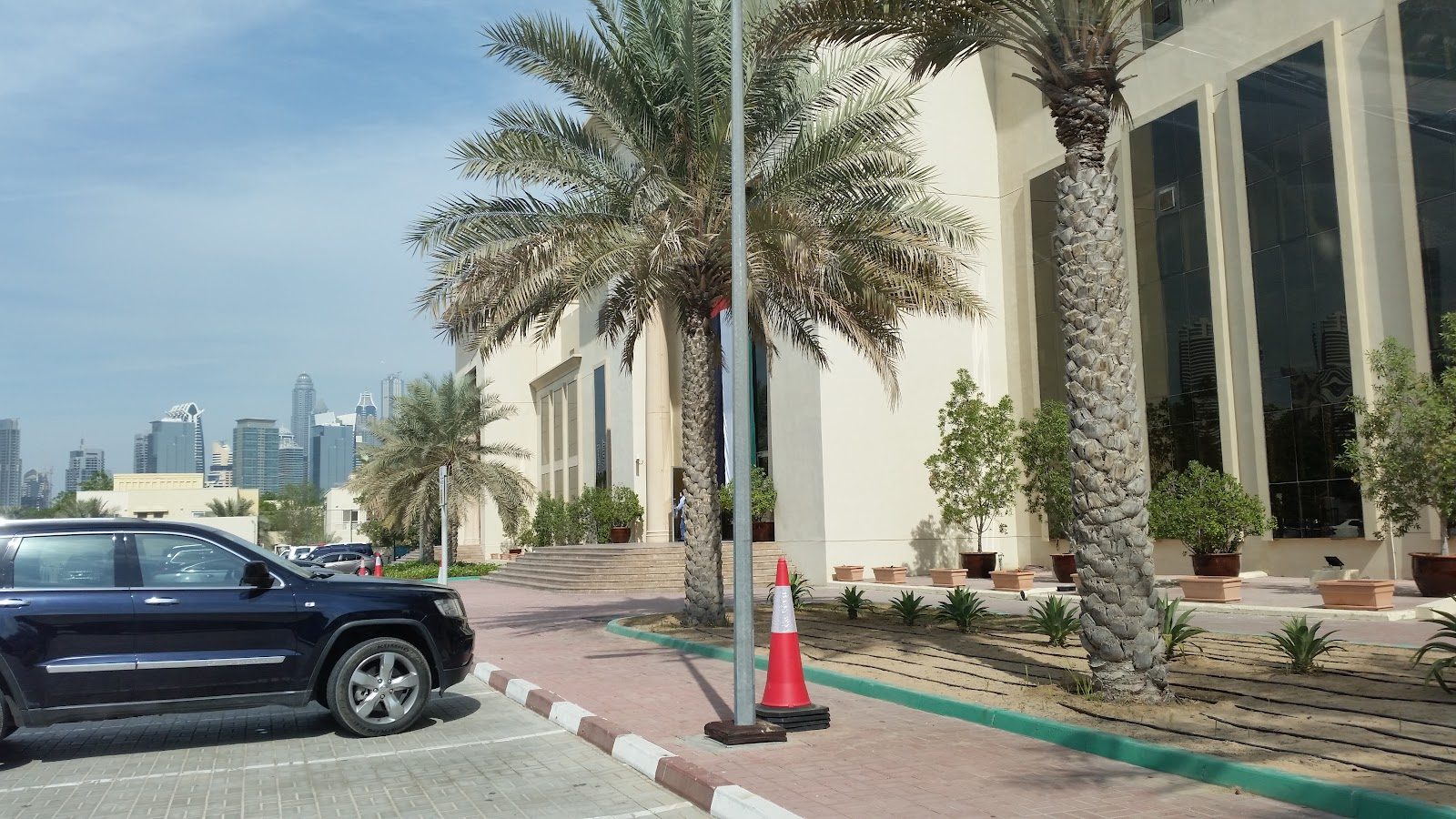
Emirates International School – Meadows
Dubai · United Arab Emirates
Emirates Hills' pioneer IB campus, where inspectors rate innovation and social responsibility skills Outstanding across every phase.
Same country and curriculum — closest matches within ±10 points either way