
New Jersey
A 1861-founded New Jersey day school whose soccer pitches were deemed fit to host Morocco's 2026 World Cup training camp.
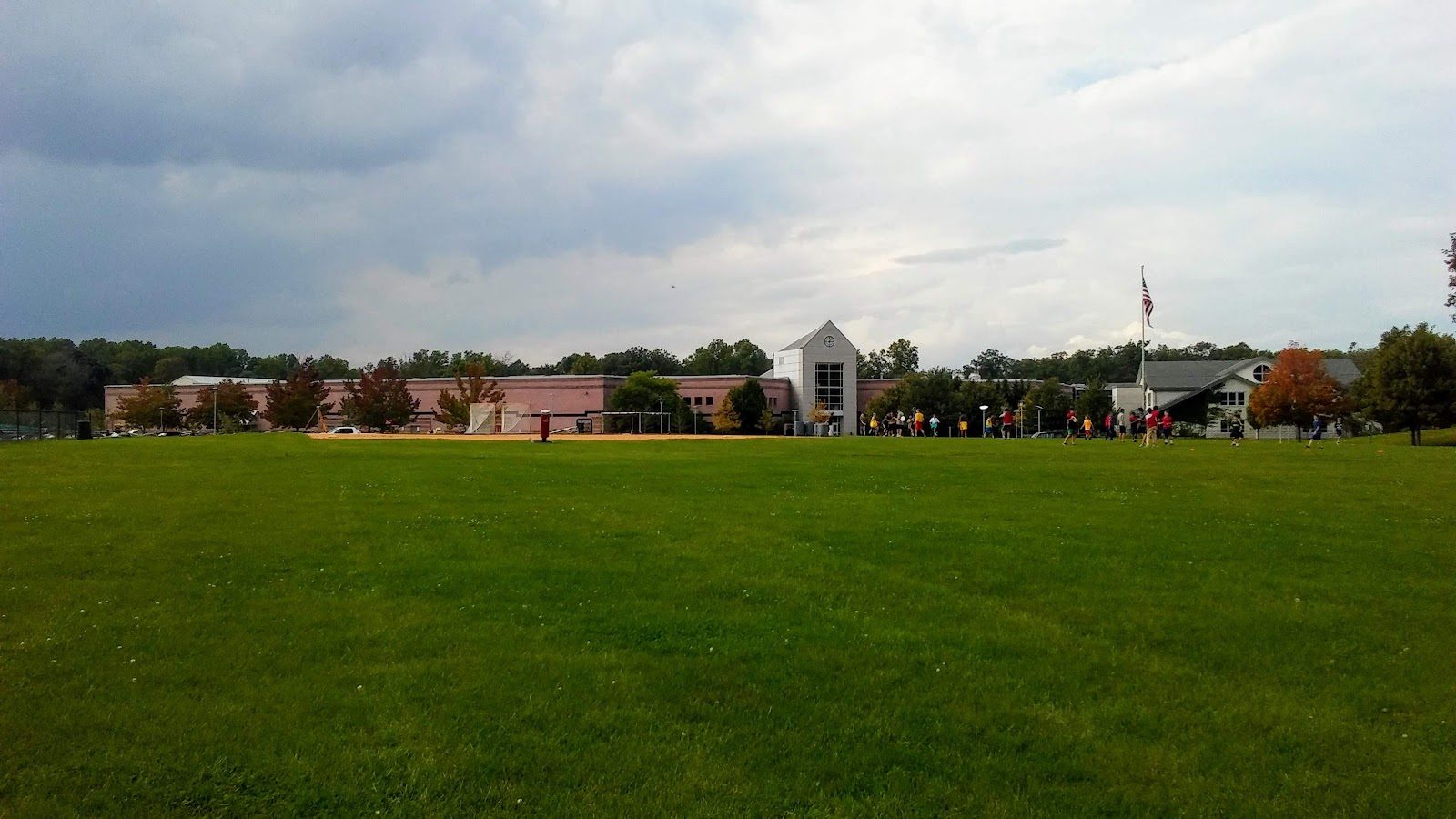
Photo © Illsoo Kim via Google Maps
Type
Day
Ages
5–18
Curriculum
American
Qualifications
AP
Ratio
10:1
The Verdict
Editor's commitment
Right for
Families wanting a serious American day school: founded in 1861, non-religious, with a 10:1 ratio and average classes of 18.
Wrong for
Parents seeking boarding, a single compact campus, or a cheap option: Pingry is day-only, split across three campuses, and averages $55,000.
Watch out for
NEASC and NAIS accreditation give reassurance, not transparency; the school publishes mission and campus gloss, but no public aggregate exam outcomes.
Ranking breakdown
The Pingry School · #286 of 1591
Composite score 72.4. 8 weighted criteria.
By criterion
Academic Outcomes
Weight 20%
#386
of 1529 scored
University Placement
Weight 16%
#354
of 1529 scored
Prestige & Heritage
Weight 12%
#377
of 1571 scored
Alumni Network
Weight 12%
#195
of 1530 scored
Facilities
Weight 12%
#406
of 1533 scored
Transparency & Communications
Weight 8%
#515
of 1532 scored
Peer & Industry Review
Weight 10%
#533
of 1548 scored
Admissions Selectivity & Demand
Weight 8%
#308
of 1529 scored
Score history
The Pingry School · 2026
Movement across 2024–2026. Peer average overlaid.
Overall — 2024–2026
72.4/ 100
▲ +8.5 vs 2025
year on year
Peer & Industry Review
How The Pingry School is regarded in the sector
68
Respected · medium confidence · editor-reviewed
Pingry is consistently ranked among New Jersey's top private day schools by Niche.com and similar education directories, and is frequently mentioned alongside peer institutions like Newark Academy and Delbarton in regional 'best private schools' coverage. It has a strong, visible alumni network with notable graduates in business, media, and public service, and is recognized in specialist college-counseling circles for strong Ivy League matriculation rates. However, it lacks the global brand recognition of elite boarding schools (e.g., Exeter, Andover) and has limited presence in international rankings like Tatler's guide, which focuses more on UK/international schools.
Editor's note
Top NJ day school but the algorithmic composite is over-lifting on partial subscores. PIR trim reflects true peer standing.Evidence sources
Editors' overview
The fact that Morocco chose Pingry’s soccer pitches as a 2026 World Cup training base tells you something useful at once: this is a school with serious grounds, serious upkeep and serious ambitions. Pingry runs across three campuses, with Lower School in Short Hills, Middle and Upper School in Basking Ridge, and an experiential learning site in Pottersville. That physical spread gives it more room than many north New Jersey independents, and it strengthens the sense that this is a school built for breadth as well as academic drive. Founded in 1861, non-religious, and operating as an American day school for ages 5 to 18, Pingry sits squarely in the old-established northeastern college-prep tradition: high standards, a strong institutional identity, and no need to apologise for being demanding.
The numbers back up the pitch. A 10:1 student-teacher ratio and average class size of 18 put Pingry in the zone parents expect from an expensive US independent school, and the average annual day fee of $55,000 confirms that it is expensive. The mission statement leans hard on honour, respect, intellectual exploration and social responsibility; that language can read pious at weaker schools, but at Pingry it fits an institution with the scale and history to make culture matter. Accreditations from NEASC and NAIS add reassurance, though parents should note that the school does not publish public exam data in the way an IB or A-level school might, so the academic case rests more on reputation, selectivity and structure than on transparent score tables. Its alumni record is also substantial, with 62 notable alumni catalogued in Wikidata across politics, finance, science, journalism, the arts and sport.
Why shortlist it? Because Pingry offers the mix many affluent families want and few schools execute cleanly: serious academics, strong athletics, visible institutional confidence and a large enough platform to let able children stretch in several directions at once. This is not the place for a child who needs constant hand-holding or a soft, low-pressure culture. It suits students who are bright, organised, competitive without being boorish, and ready to make use of a campus life with real range. For the right child, Pingry is high-octane, well-resourced and sharply run; for the wrong one, it will feel exacting and busy. That clarity is part of its strength.
Academic Performance
Pingry does not publish the kind of public score tables that make academic comparison easy. There are no aggregate AP results in the public domain, no school-wide SAT or ACT profile on the pages we have seen, and no equivalent external benchmark series set out in a way that lets parents rank it cleanly against peer independents. That matters. In a crowded US private-school market, opaque outcomes data force families to rely on institutional reputation, selectivity and college-placement confidence rather than hard comparative numbers. For a school charging an average of $55,000 a year, that is a real limitation, not a trivial omission.
Where does that leave Pingry relative to peers? In the upper tier of established north-eastern college-prep day schools, but in the camp where academic strength is inferred from structure and standing rather than proved through published exam statistics. The low staffing ratio, modest class sizes and long-entrenched college-preparatory model all point to a high-pressure academic culture with strong university ambitions. The alumni base adds weight: 62 notable alumni catalogued in Wikidata is not a gimmick figure and does not happen by accident. Still, families who want forensic clarity on external results will find stronger disclosure elsewhere. Pingry’s academic case is credible and serious; it is not numerically transparent.
Facilities
Facilities are one of Pingry’s strongest cards. The three-campus structure gives it more room and more specialisation than many metropolitan day schools can manage, and the Pottersville site adds something peers do not always offer: dedicated space for experiential work rather than a token outdoor programme bolted on to an urban campus. The standout, though, is the athletic estate. A school does not host a national team’s World Cup preparation by accident, and Morocco’s choice of Pingry’s football facilities is a serious external endorsement of pitch quality, maintenance and logistical competence. Against peer US independents, that places Pingry in the upper athletic bracket: not just good enough for school sport, but good enough for elite professional use.
That breadth matters because strong facilities shape daily life, not just brochure photography. Lower School children get a distinct environment rather than being folded into an all-through site, while older pupils gain the scale and separation that suit heavier academic and extracurricular loads. Parents comparing Pingry with other high-fee New Jersey day schools should read the campus spread as both asset and trade-off. The asset is real operational range across sport, outdoor learning and age-specific provision. The trade-off is less intimacy and more movement between sites over a child’s school life. Still, judged against schools charging an average of $55,000 a year, Pingry’s physical plant is *convincing, ambitious and genuinely differentiated*.
Still, judged against schools charging an average of $55,000 a year, Pingry’s physical plant is convincing, ambitious and genuinely differentiated
Prestige
Pingry carries real old-guard prestige in the north-east US independent-school market. That prestige rests less on glossy branding than on institutional durability, selective college-prep culture and the kind of family recognition that compounds over generations. In plain terms: among New Jersey day schools, this is a name people know. The breadth of its alumni footprint strengthens that standing. 62 notable alumni catalogued in Wikidata across politics, finance, science, journalism, the arts and sport give Pingry more than a narrow Wall Street-to-Ivy pipeline; they point to a school with reach, continuity and a habit of producing graduates who move into public view. The Morocco training-camp selection also matters. International football federations do not choose weak facilities, and that episode gives Pingry an unusual piece of status theatre grounded in something concrete.
I rate its prestige as high, but not untouchable. This is not St Paul’s, Exeter or Andover in global name recognition, and families relocating from London, Hong Kong or Singapore will not get instant brand conversion from the name alone. Within its home market, though, Pingry sits in the serious, socially legible tier: expensive, established, competitive and well connected. The average annual fee of $55,000 reinforces that positioning, but fee level alone never creates prestige; pedigree, outcomes and peer recognition do. Pingry has the pedigree and peer recognition in full. What it lacks is the near-mythic international aura of America’s most famous boarding schools.
Pingry runs across three campuses, with Lower School in Short Hills, Middle and Upper School in Basking Ridge, and an experiential learning site in Pottersville
Communications
Pingry communicates with the assurance of a school that expects parents to trust its judgement. The public-facing tone is polished, orderly and controlled: mission first, leadership visible, campuses framed with confidence, students presented through curated personal stories. That gives families a clear read on ethos and institutional priorities. It does not give them much operational candour. We have not seen the kind of granular public disclosure that answers practical parental questions before they need asking — detailed academic outcomes, fuller divisional specifics, or a dense bank of day-to-day explanatory information. For a school charging an average of $55,000 a year, that is a meaningful communications gap. The school tells you what it values; it tells you less clearly how it performs against hard external markers.
That does not make the parent experience weak. It points to a model built on high institutional confidence and a tight message. Families already comfortable with elite independent-school culture will read that fluently and may even prefer it to oversharing. Newcomers, international relocators and parents who want forensic transparency will find the communication more selective than expansive. The strongest signal is consistency: Pingry’s messaging around honour, excellence and community is disciplined and coherent, not noisy or confused. The weakness is breadth. This is effective communications for reputation management and culture-setting; it is less strong for evidence-led reassurance.
Uniqueness
What separates Pingry from the crowded field of American private day schools is not one headline feature but an unusually coherent combination: old institutional muscle, a genuinely multi-site footprint, and athletics strong enough to earn external validation far beyond school sport. Plenty of schools claim breadth. Pingry has the physical and organisational scale to deliver it. The Lower, Middle and Upper divisions live in settings that fit their ages, while the Pottersville site gives experiential learning a proper home rather than a once-a-term add-on. That structure brings students a school life with real range: formal academics, outdoor work, team sport and leadership all have space to count. The notable-alumni tally — 62 catalogued in Wikidata — reinforces the sense of a school that has been sending graduates into public life for a long time.
The sharper point is cultural. Pingry’s language of honour, respect and social responsibility is not unusual in itself; many schools write that way. What makes Pingry distinct is that it pairs that code with a high-drive, competitive environment and the resources to back both. Students get a setting that expects them to perform, contribute and cope with pressure without collapsing into macho posturing or empty status display. The result is a school for children who want to do a lot, and do it seriously. For the right student, that is energising and formative. For a child who needs a gentler rhythm, it is hard-edged.
Its alumni record is also substantial, with 62 notable alumni catalogued in Wikidata across politics, finance, science, journalism, the arts and sport
Student Profile
Pingry suits children who are able, self-propelled and comfortable in a culture that expects them to carry their own weight. The school’s stated language of honour, respect and social responsibility matters here, but so does its underlying temperament: this is a place for pupils who can handle standards, deadlines, team expectations and the social reality of an ambitious independent school without constant adult smoothing-over. The low staffing ratio and average class size of 18 point to real teacher access, but not to a hand-held experience. The best fit is a student who likes being busy, can manage competing commitments, and has enough confidence to take correction without drama. High-drive, organised and thick-skinned works well here.
It also suits children who want substance beyond the classroom. The school’s scale, athletic seriousness and alumni depth create a student body that will include strong sports players, academically competitive pupils and families with high expectations. A child who wants to test themselves across several fronts will find that energising. A child who needs a softer social rhythm, looser expectations or a more eccentric, less polished peer culture will feel boxed in. Pingry is not a haven for drift. It fits the student who is ready to contribute, perform and keep pace in an environment that is demanding, socially assured and not for the faint-hearted.
This is not the place for a child who needs constant hand-holding or a soft, low-pressure culture
Co-curricular strengths
Arts & sport, on a separate axis
Overall 9.24/10
Scored 0-10 from the school's own published evidence. This axis is editorial-only — it does not feed the main WTS ranking.
Sports
9.3/10
Powerful New Jersey athletic force utilizing a pristine 192-acre Basking Ridge campus; routinely dominates state tournament tables in soccer and track.
Drama
9.2/10
Highly developed theatrical workspace staging ambitious contemporary productions and student-directed short works.
Dance
9.2/10
Strong afternoon activity track providing structured modern and synchronization alignment components for musical theater ensembles.
Music
9.2/10
Active wind bands, select vocal choruses, and jazz combos supported by advanced acoustic practice wings.
Visual Arts
9.3/10
Exceptional multi-studio layout tracking high-end portfolios in fine oils, custom sculpture, and digital design suites.
Editor-verified · 8/6/2026
Notable alumni · Wikidata
62notable alumni
13 historic (born pre-1930) · 20 modern (born post-1970)wikidata:2026-07-28 How we source this

WTS 300 badge
2025/26 editionThe Pingry School is one of the World's Top 300 Schools for 2025/26. Claim your listing to add it to your site →
Strengths
- +Founded in 1861, Pingry is one of the oldest independent day schools in the region and has been Middle States accredited since 1998.
- +Offers a continuous K-12 pathway across three campuses (Short Hills for Lower School, Basking Ridge for Middle/Upper School, Pottersville for experiential residential programs).
- +Academic program includes 18 AP courses, 17 honors courses and five advanced-topics courses, with no cap on how many a qualifying student may take.
- +Fields 19 interscholastic varsity sports and maintains a roughly 7:1 student-teacher ratio, supporting close faculty contact in small classes.
- +College counseling office lists placements at a broad range of selective universities, and the school reports a 100% graduation rate.
Considerations
- −Tuition for grades 9-12 runs to about $54,795 a year, plus lunch and activity fees, placing it among the pricier day-school options in New Jersey.
- −Admissions are selective, with an estimated acceptance rate around 30% and required ISEE or SSAT testing plus an interview.
- −The school operates across three separate physical campuses (Short Hills, Basking Ridge, Pottersville), meaning families face a location change when children move from Lower to Middle School.
- −As a day school, Pingry offers no full-time boarding option, so families living far from central New Jersey face a daily commute rather than residential enrollment.
Availability
Primary entry gate & tests
ISEE/SSAT + Interview
Gallery
Photo © Illsoo Kim via Google Maps
Photo © Illsoo Kim via Google Maps
Photo © Illsoo Kim via Google Maps
Photo © Illsoo Kim via Google Maps
Photo © Illsoo Kim via Google Maps
Photo © Illsoo Kim via Google Maps
Photo © Illsoo Kim via Google Maps
Photo © Illsoo Kim via Google Maps
Photo © Illsoo Kim via Google Maps
Parent reviews
Have you sent your child here?
Voice reviews carry the strongest trust badge — we transcribe them for you to tidy up before they go live. Prefer to type? A written review is fine too.
Add your voice
In 60 seconds, tell other parents: what's the best thing about The Pingry School, and what surprised you when your child joined?
We ask for a Google sign-in so every review has a real face behind it — no anonymous drive-by attacks on schools, and no faked positive reviews. Your email is never shown publicly.
Send this profile to a friend
International parents rely on word-of-mouth. Share this review with someone weighing the same decision.
Schools with places
Similar schools to The Pingry School with places available now.
Delbarton School
Morristown · United States
- 2026-27
- CLOSEDRegular cycle closed
- 2027-28
- OPENS SOONOpens Sept '26
Newark Academy
Livingston · United States
- 2026-27
- CLOSEDRegular cycle closed
- 2027-28
- OPENS SOONOpens Sept '26
Blair Academy
Blairstown · United States
- 2026-27
- CLOSEDRegular cycle closed
- 2027-28
- PLACES OPENActive now — opened 1 Aug
Peddie School
Hightstown · United States
- 2026-27
- CLOSEDRegular cycle
- 2027-28
- PLACES OPENApplication portal live
Availability first, then country, area, curriculum, price, co-curricular
Consider also
Also worth looking at alongside The Pingry School.
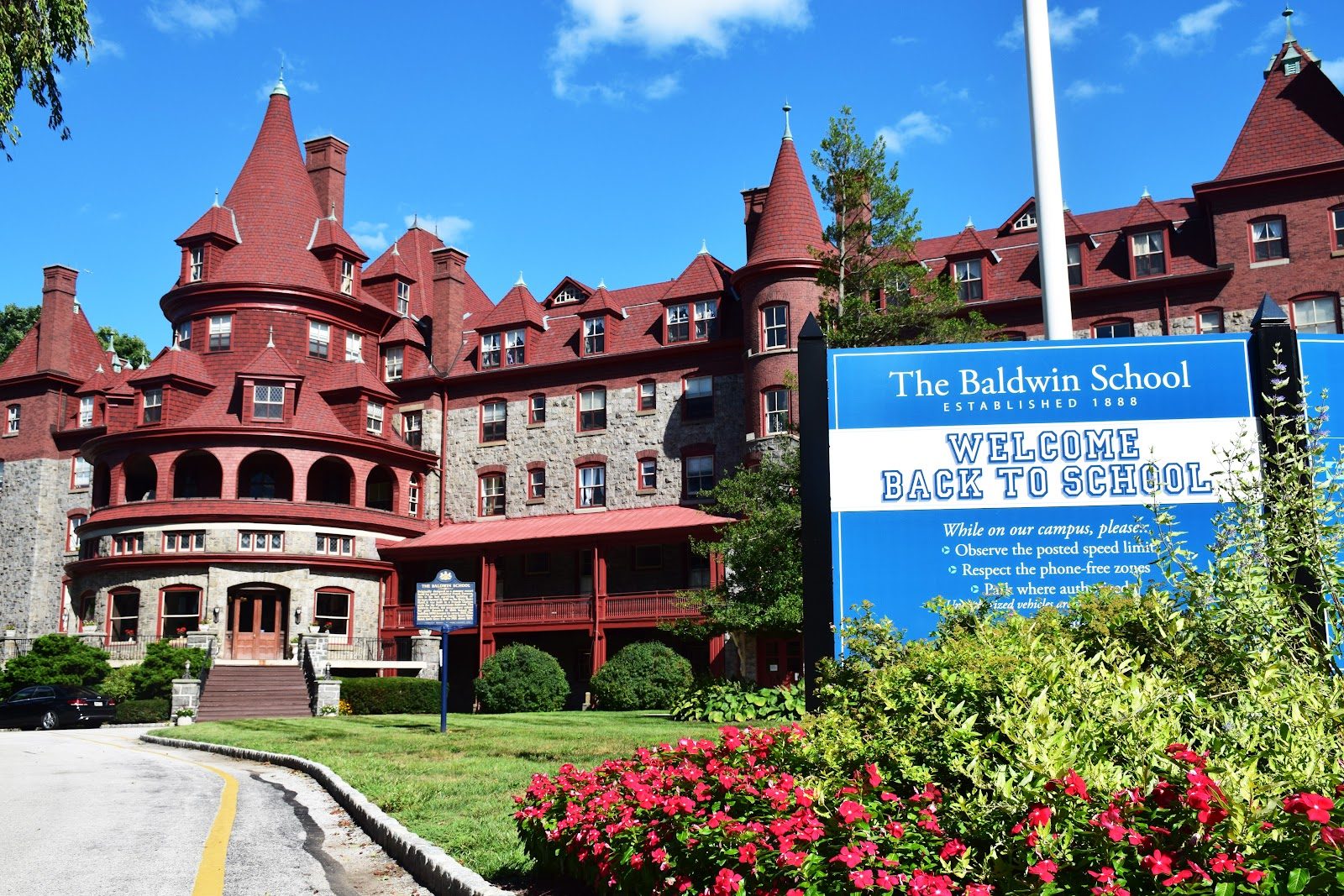
The Baldwin School
Bryn Mawr · United States
Since 1888, a single-sex college-prep tradition on Philadelphia's Main Line, housed in Frank Furness's landmark former Bryn Mawr Hotel.
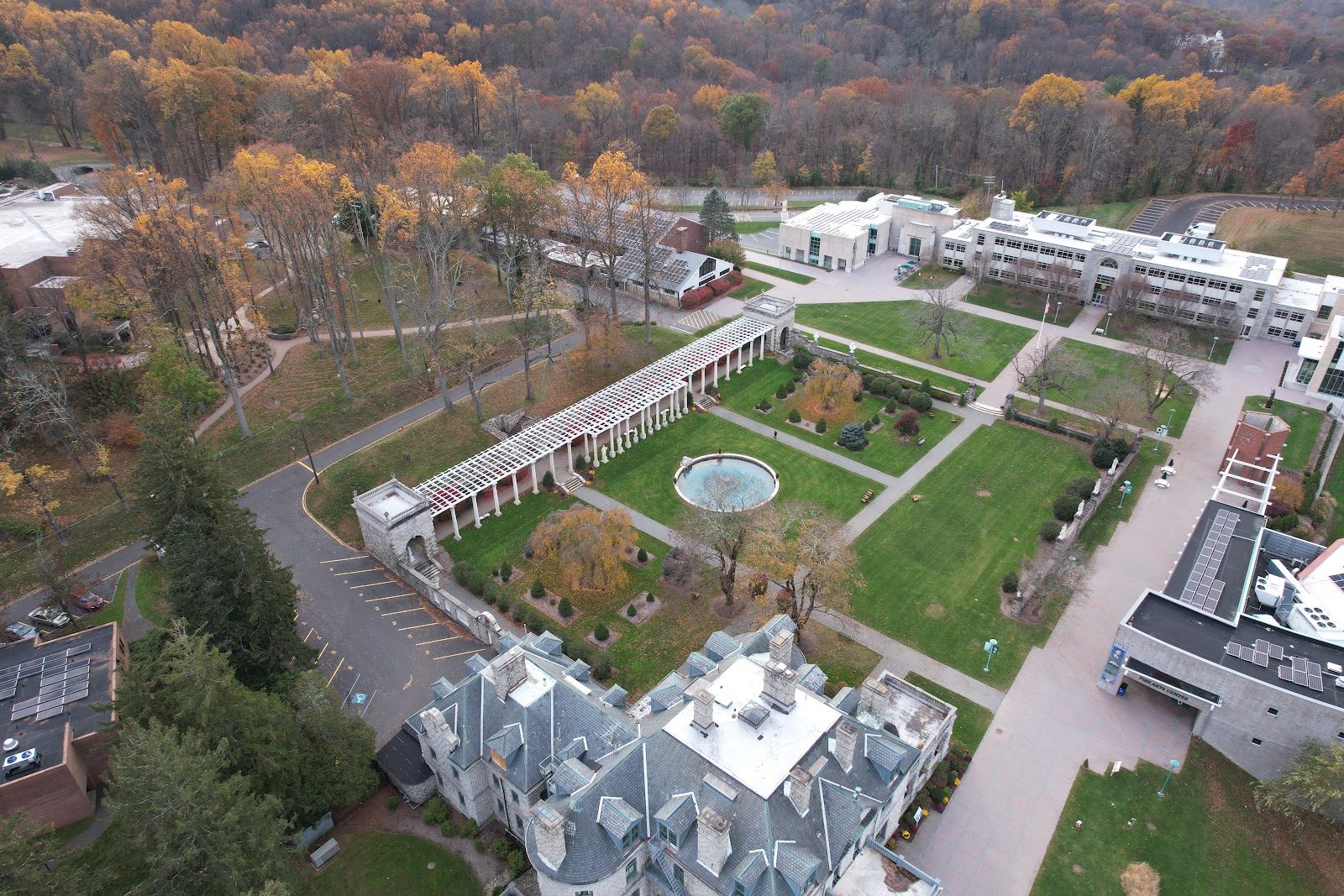
Delbarton School
Morristown · United States
On a 187-acre abbey campus outside Morristown, Benedictine monks still guide a rigorous, near-1,500-year-old liberal arts tradition.

Newark Academy
Livingston · United States
Founded in 1774, this Livingston day school remains New Jersey's only private IB Diploma provider
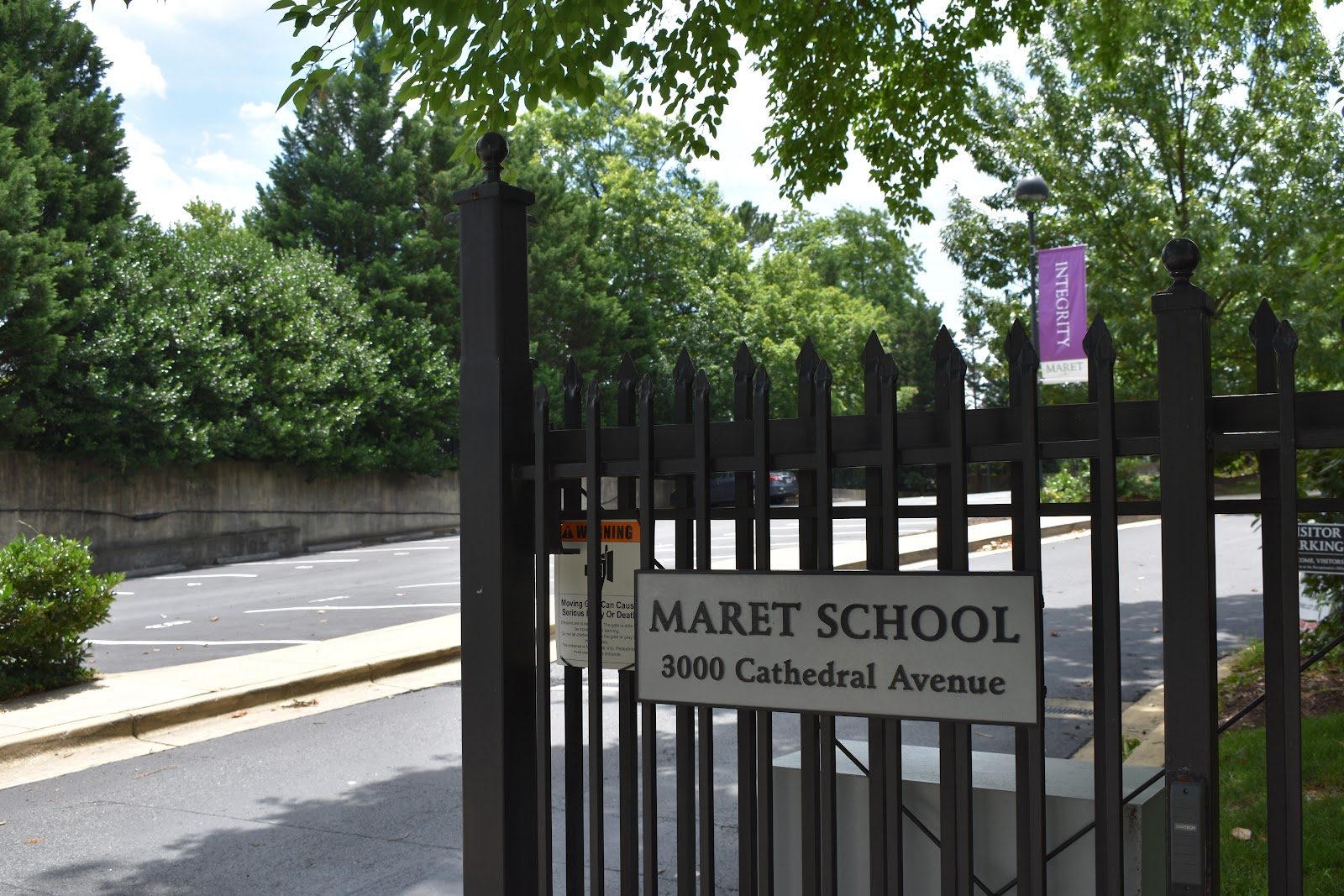
Maret School
Washington, D.C. · United States
A Federal-era Woodley Park estate carries forward the French-language roots planted by three immigrant sisters in 1911.
Same country and curriculum — closest matches within ±10 points either way