
Delhi
Delhi's first private co-educational school, holding its 27-acre Lutyens campus since 1920
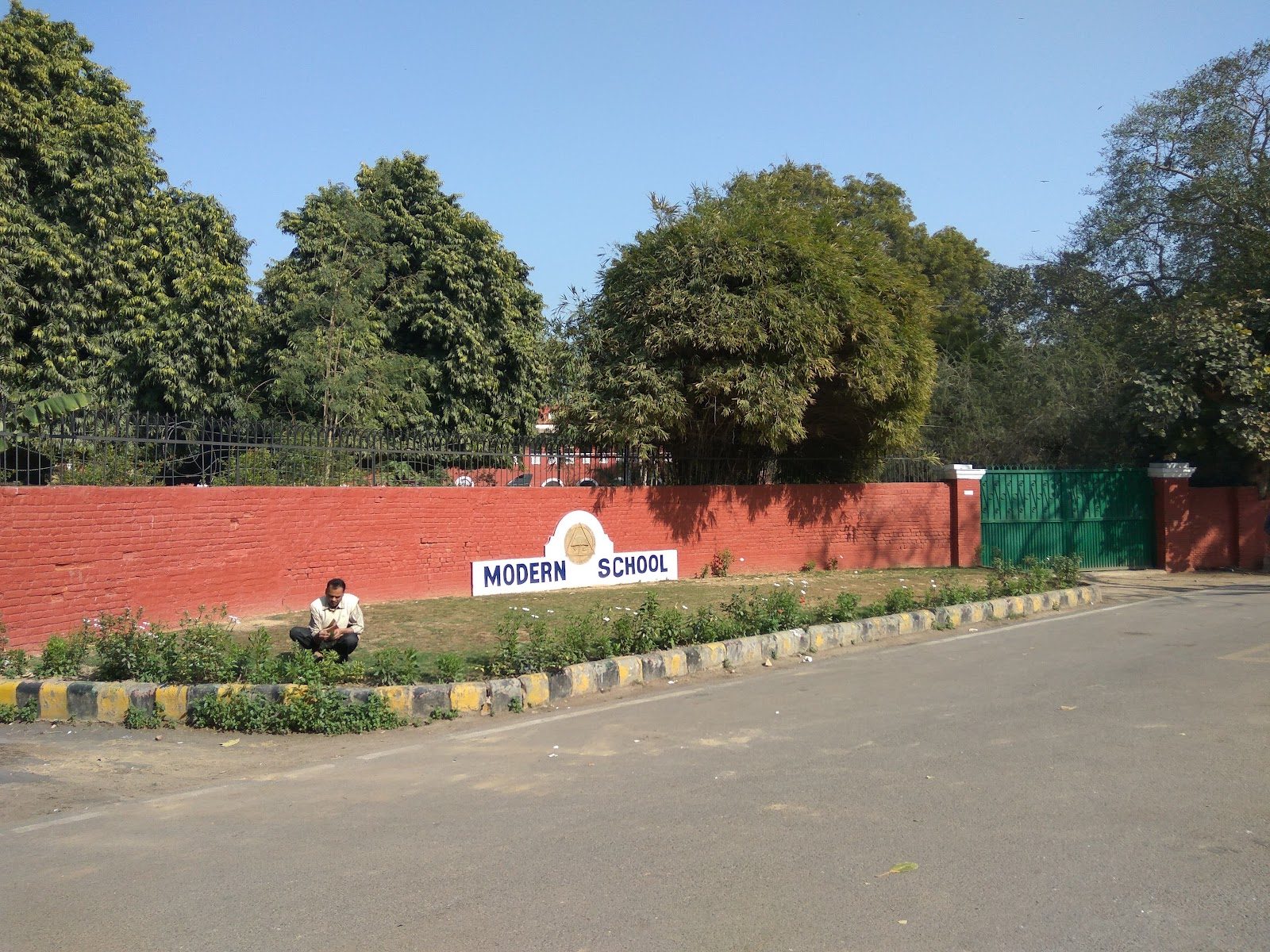
Photo © Sushil Raghav via Google Maps
Type
Day
Ages
3–18
Curriculum
Indian National
Qualifications
CBSE
Ratio
—
The Verdict
Editor's commitment
Right for
Families wanting a 3–18, CBSE day school on a 27-acre Lutyens campus, with English and Hindi in daily school life.
Wrong for
Parents chasing IB, A levels or a religious ethos; Modern School, founded in 1920, runs an Indian National curriculum and is non-religious.
Watch out for
The website now advertises boarding for boys and girls, yet the verified listing is Day; check exactly what Class 11 boarding means.
Ranking breakdown
Modern School, Barakhamba Road · #285 of 1591
Composite score 72.4. 8 weighted criteria.
By criterion
Academic Outcomes
Weight 20%
#333
of 1529 scored
University Placement
Weight 16%
#354
of 1529 scored
Prestige & Heritage
Weight 12%
#383
of 1571 scored
Alumni Network
Weight 12%
#237
of 1530 scored
Facilities
Weight 12%
#576
of 1533 scored
Transparency & Communications
Weight 8%
#517
of 1532 scored
Peer & Industry Review
Weight 10%
#532
of 1548 scored
Admissions Selectivity & Demand
Weight 8%
#266
of 1529 scored
Peer & Industry Review
How Modern School, Barakhamba Road is regarded in the sector
88
Strong · high confidence
Modern School, Barakhamba Road is consistently cited as one of India's most prestigious schools, frequently appearing in national media rankings (e.g., Education World's annual India School Rankings, where it regularly places in the top tier for Delhi/NCR) and is known for its notable alumni network including prominent business leaders, politicians, and public figures such as Rajiv Gandhi's contemporaries and industry heads. It is repeatedly referenced in Indian press coverage (Hindustan Times, Times of India, India Today) as a benchmark heritage institution alongside Doon School and other elite Indian schools, though it lacks the international expat-circuit visibility of Tatler or Good Schools Guide coverage typical of UK/global institutions.
Evidence sources
Editors' overview
Modern School, Barakhamba Road occupies rare ground in Delhi: a school with genuine historic weight and a central 27-acre Lutyens campus that few rivals can match. Founded in 1920, it was Delhi’s first private co-educational school, and that matters because the institution still trades on that founding idea of combining Indian tradition with a modern education. The school teaches in English and Hindi, follows the Indian National curriculum, and holds CBSE accreditation. Its public identity is unapologetically broad rather than narrowly exam-driven: academics, sport, co-curricular life and character formation all get equal billing. For parents, the attraction is clear — institutional gravitas, urban prestige, and a campus footprint that gives students room to do more than move from classroom to classroom.
What sets Modern apart is not novelty but continuity. This is an old Delhi school with a century of brand recognition, a strong sense of self and the confidence that comes with both. The website foregrounds experiential learning, flipped classes and reflection sheets, but the more important point is the school’s settled philosophy: education here is framed as formation, not just attainment. That gives it a different market position from schools that sell themselves through glossy globalism or imported branding. Modern sits in the upper tier of established Indian schools for families who want serious schooling with social cachet, a substantial co-curricular offer and a non-religious setting. It now also advertises boarding for boys and girls, with vacancies flagged only in Class 11, though the school context remains day school and day provision is still the core identity.
This school belongs on a shortlist for parents who value old-school stature over educational fashion, and who want a child educated in a place with visible civic and cultural confidence. It suits students who will use a large campus properly: children who want sport, activities and public-facing opportunities alongside classroom work, and who respond well to a school culture with expectations already baked in. It will appeal less to families seeking a small, intimate environment or a highly personalised boutique experience. Modern’s pull lies elsewhere — a strong centre of gravity, deep-rooted reputation, and the kind of institutional permanence that many newer schools spend decades trying to manufacture.
Academic Performance
Modern School’s public case on academics is strikingly thin where parents need hard evidence. The school states that it is affiliated to CBSE and gives broad language about holistic education, flipped classes and reflection sheets, but it does not publish board aggregates, subject toppers, distribution bands, university destinations, or any comparative data that would let families judge academic yield against Delhi’s strongest private schools. For a school with this level of profile, that gap matters. In a market where serious competitors now disclose at least some external results, Modern asks parents to rely on institutional reputation rather than verifiable performance. That is not the same thing.
Relative to peers, the school sits in the bracket of established, high-status Delhi schools whose name carries weight on its own. That gives it social authority; it does not answer the narrower academic question. We have not seen published Class 10 or Class 12 board outcomes, and the website does not offer the kind of transparent exam reporting that would justify calling the school open-handed on results. The strongest conclusion is therefore a restrained one: this is a school with a long-standing academic identity, but with opaque outcomes in the public domain. Parents who rank exam performance highly should press for recent board statistics, subject-level strength, and destination data before treating Modern as a top academic bet rather than a top prestige school.
Facilities
Modern’s facilities advantage starts with space. In central Delhi, very few peer schools can offer this kind of landholding, and that changes daily school life in practical ways: more room for sport, more room for large-scale activities, and less of the compressed, vertical feel that defines many urban campuses. The school itself gives sport prime billing and frames education as happening across the campus rather than inside classrooms alone. That matters. A campus of 27 acres in this part of the city is a serious physical asset, and against Delhi peers it places Modern in a scarce category: established schools with enough ground to support breadth rather than just adequacy.
What the school does not do is publish a clean, parent-useful inventory of specialist facilities. We have not seen a detailed breakdown of laboratories, performing arts spaces, libraries, design or technology provision, or dedicated sixth form areas. The website signals activity more than infrastructure. There is also a boarding offer for boys and girls, with vacancies flagged only in Class 11; that points to residential provision on site, though the public explanation of houses, pastoral staffing and boarding amenities is thin. So the facilities verdict is mixed but clear: Modern has a major campus advantage and the room to sustain a broad co-curricular life, but it is surprisingly opaque on the finer grain of what sits within that footprint. Against top peers, the land is a strength; the published detail is not.
A Modern School, Barakhamba Road education carries real social prestige in Delhi because the name is embedded in the city’s institutional life
Prestige
A Modern School, Barakhamba Road education carries real social prestige in Delhi because the name is embedded in the city’s institutional life. This is not prestige manufactured through imported branding or new-money polish; it is old establishment capital. The school’s claim to being the first private co-educational school in the city still matters, and so does the fact that it has retained a large Lutyens-zone campus while many urban schools work within tighter physical limits. That combination gives Modern a rare civic heft. The Prime Minister’s public message for the school’s centenary reinforces that status: this is an institution recognised well beyond its own parent body. For families, the signal is clear. A child educated here benefits from a school name that carries immediate recognition across Delhi’s professional, bureaucratic and cultural circles.
That prestige does not rest on transparent academic reporting; it rests on history, location, continuity and social standing. In plain terms, Modern is high-status and well-known, but its public case is stronger on reputation than on published outcomes. That distinction matters. Parents choosing the school for status, networks and institutional confidence will understand the appeal at once. Parents choosing for measurable academic edge need harder evidence. Prestige here is therefore substantial and durable, but it is reputational prestige first, not prestige earned through openly documented exam dominance.
Against top peers, the land is a strength; the published detail is not
Communications
Modern’s parent communication is functional, centralised and institution-first. The website pushes notices, circulars, book lists, fee payment, ERP access and app download links straight to the front page, which tells parents where the school expects routine business to happen. That is useful. Families do not need to dig through layers of branding to find operational items. The admissions warning is also blunt and valuable: the school publicly distances itself from middlemen and states that admissions run strictly under official guidelines. In an Indian private-school market where rumours and brokers flourish, that is properly clear-eyed communication. The school also publishes vacancy notices and recruitment emails in plain view, which adds to a sense of an administration that communicates through formal channels rather than polished storytelling.
The weakness is texture. The website reads like a noticeboard, not a well-shaped parent information system. Important practical tools are present, but the presentation is cluttered, repetitive and oddly rough for a school of this stature; even the visible contact details include a placeholder-style email address and a generic-looking phone number, which undermines confidence. We also do not see much published that helps a prospective or current parent understand the rhythm of school life in depth: who to contact for what, how pastoral concerns are handled, what response standards apply, or how communication differs across age groups. So the verdict is mixed but firm: day-to-day messaging is serviceable and administrative, but not especially polished or parent-friendly by top-tier standards.
Uniqueness
Modern’s distinctiveness lies in institutional inheritance that still shapes daily life. Many schools borrow the language of values; this one has a settled creed and repeats it without embarrassment: education should teach children how to think, not what to think. That matters because it gives the school a clear internal spine. The public emphasis on self-realisation, Indian ethos, creativity, sport and co-curricular life points to a culture that prizes formation as much as performance. Students benefit from a setting with strong built-in expectations: they are not entering a school still inventing itself, but one with routines, symbols and ambitions already fixed. For confident, high-functioning children, that can be powerfully enlarging.
The other point of difference is scale of institutional life rather than novelty of programme. Modern offers a campus culture with enough weight to sustain sport, activities, ceremonies and public occasions at a level smaller schools cannot match. Its centenary messaging, gallery-led event culture and visible administrative machinery all reinforce the same truth: this is a big civic institution, not a boutique school. The recent push around boarding places in Class 11 adds another layer, extending the school’s reach beyond the standard day-school rhythm. What students gain is exposure to a larger social world — more peers, more platforms, more collective identity. What they do not get is intimacy. Modern’s uniqueness rests in institutional heft, not softness.
So the verdict is mixed but firm: day-to-day messaging is serviceable and administrative, but not especially polished or parent-friendly by top-tier standards
Student Profile
The best fit at Modern is a student who can thrive inside a big-institution culture without needing constant hand-holding. This is not a school built around intimacy, therapeutic softness or close customisation for every child. It suits children who are comfortable in a visible, competitive peer environment and who want access to sport, activities and public occasions on a scale many schools cannot sustain. The school’s own language around creativity, reflection, self-realisation and thinking independently points to a student profile that is expected to do more than chase marks. Children who enjoy taking the field, joining events, handling responsibility and inhabiting a school with strong built-in norms will fit well. Sixth-form entry for boarding is restricted to Class 11, which also points to an older student cohort able to manage a more self-directed rhythm.
The weaker fit is just as clear. Children who need a small, protective setting, high pastoral visibility, or a quiet low-pressure social atmosphere will find this a harder place to read and navigate. A school with this kind of status attracts families who value reputation, and that shapes the student body: ambitious, socially aware, and accustomed to high expectations. For confident students, that can be energising and expansive. For more delicate temperaments, it can feel unforgiving. Modern works best for children with stamina, presence and enough independence to make full use of a school that offers a lot, but does not organise itself around personal reassurance.
Modern’s distinctiveness lies in institutional inheritance that still shapes daily life
Co-curricular strengths
Arts & sport, on a separate axis
Overall 8.5/10
Scored 0-10 from the school's own published evidence. This axis is editorial-only — it does not feed the main WTS ranking.
Sports
9/10
Drama
8/10
Dance
8.5/10
Music
8.5/10
Visual Arts
8.5/10
Editor first-pass · editor-reviewable · 7/30/2026

WTS 300 badge
Modern School, Barakhamba Road is one of the World's Top 300 Schools. Claim your listing to add it to your site →
Strengths
- +Founded in 1920 by Lala Raghubir Singh, making it one of Delhi's oldest private schools and a founding member of the Indian Public Schools' Conference (IPSC).
- +Sits on a large, leafy 27-acre campus in the heart of Lutyens' Delhi near Connaught Place, unusual for an urban day school of its size.
- +Counts former Indian Prime Minister Indira Gandhi among its alumni, alongside figures such as cardiac surgeon Naresh Trehan and Air Chief Marshal P C Lal.
- +CBSE-affiliated with a long, consistent academic record; Wikipedia notes the school is consistently ranked well among Indian schools.
- +Offers a day-cum-boarding option, with the boarding house facility currently open to both boys and girls.
Considerations
- −Follows only the Indian national (CBSE) curriculum, with no IB or Cambridge pathway, which may not suit families expecting international transferability.
- −Entry is effectively restricted to Class VI (mainly via its own junior wing, Raghubir Singh Junior Modern School) and Class XI, making lateral entry in other years difficult and dependent on vacancies.
- −Annual fees for Class 6 run to roughly Rs 1.47 lakh a year, notably above the average for other schools in the immediate Mandi House/Barakhamba area.
- −A large single co-educational campus enrolling over 2,500 students in central Delhi means families should expect big class cohorts and city-centre traffic congestion at drop-off and pick-up.
Availability
Primary entry gate & tests
CBSE Registration / Exam
Gallery
Photo © Awini Ambuj Shanker via Google Maps
Photo © Awini Ambuj Shanker via Google Maps
Photo © Tecknowledge via Google Maps
Photo © Awini Ambuj Shanker via Google Maps
Photo © PRASHANT CHANDRA via Google Maps
Parent reviews
Have you sent your child here?
Voice reviews carry the strongest trust badge — we transcribe them for you to tidy up before they go live. Prefer to type? A written review is fine too.
Add your voice
In 60 seconds, tell other parents: what's the best thing about Modern School, Barakhamba Road, and what surprised you when your child joined?
We ask for a Google sign-in so every review has a real face behind it — no anonymous drive-by attacks on schools, and no faked positive reviews. Your email is never shown publicly.
Send this profile to a friend
International parents rely on word-of-mouth. Share this review with someone weighing the same decision.
Schools with places
Similar schools to Modern School, Barakhamba Road with places available now.
Availability first, then country, area, curriculum, price, co-curricular
Consider also
Also worth looking at alongside Modern School, Barakhamba Road.
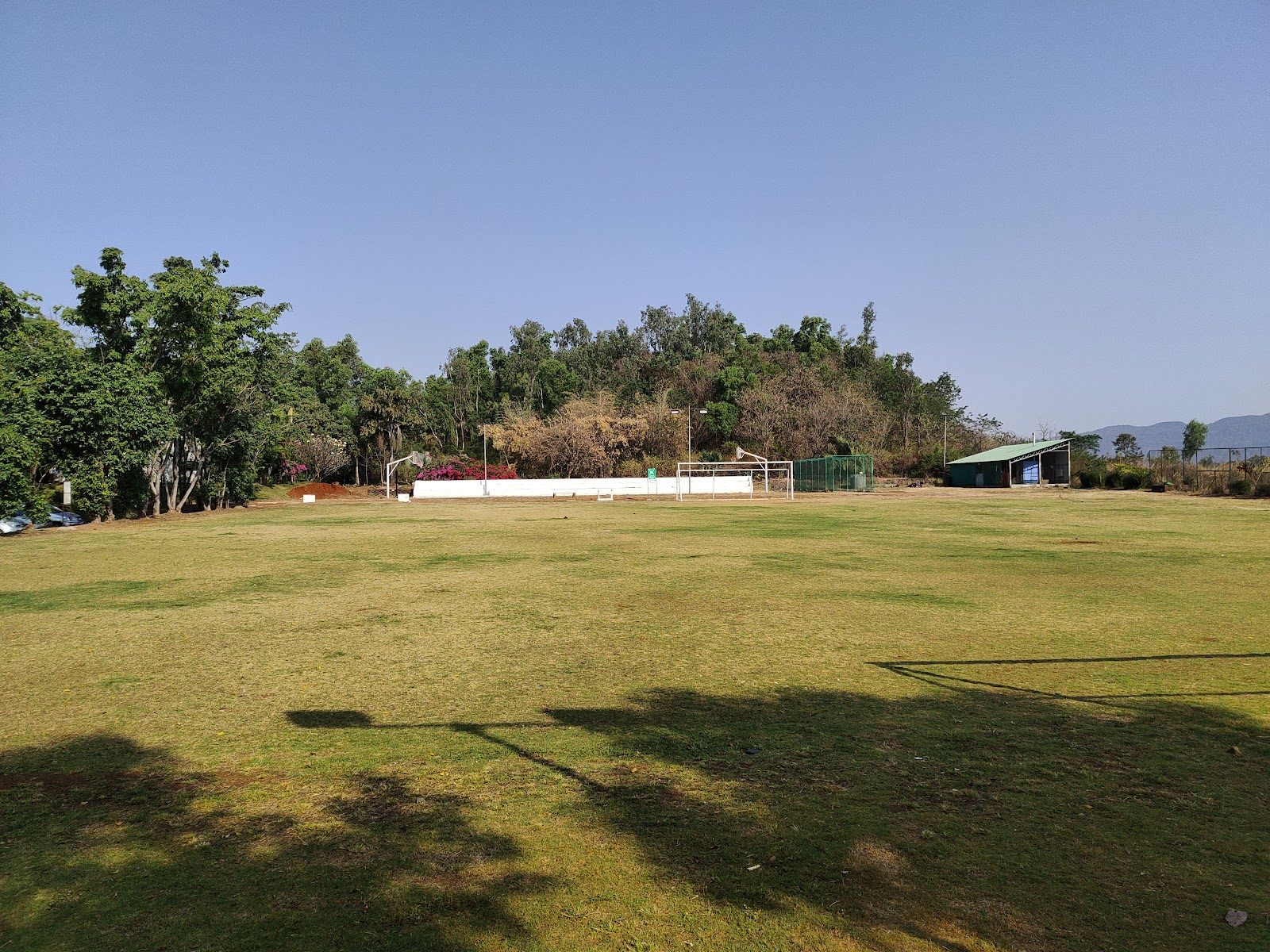
UWC Mahindra College
Pune · India
South Asia's only United World College, its 170-acre Western Ghats campus reforested tree by tree by its own students.
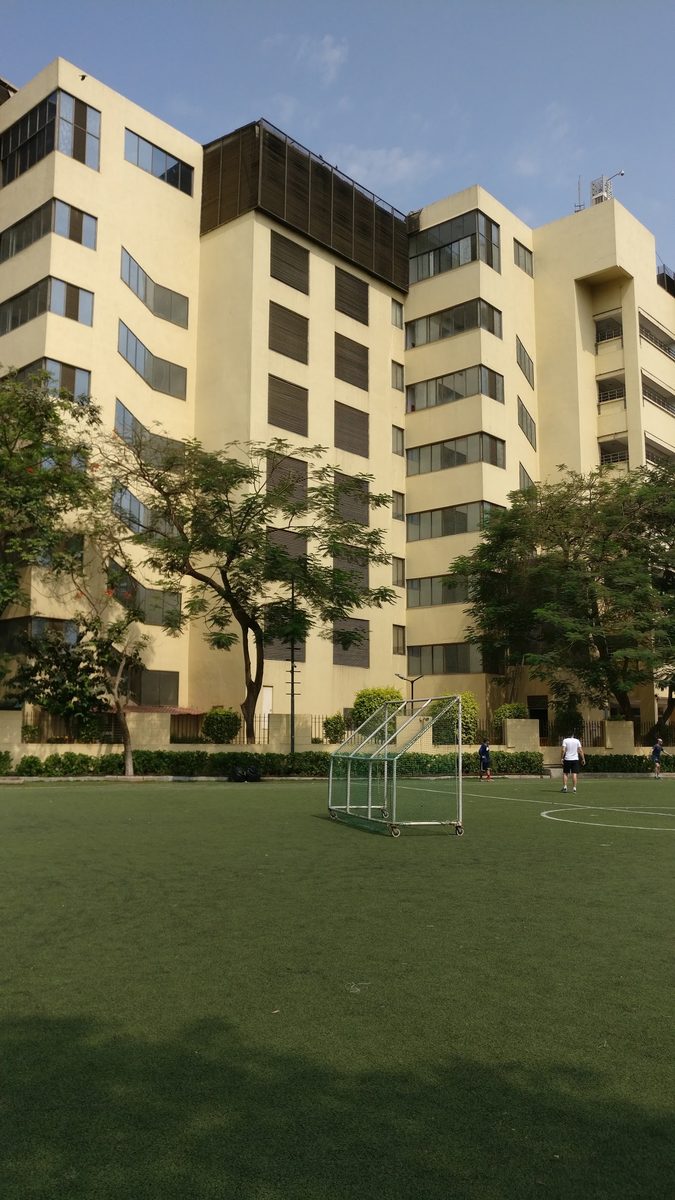
Dhirubhai Ambani International School
Mumbai · India
In the heart of Bandra-Kurla Complex, three curricula converge to produce some of India's highest IB Diploma averages.
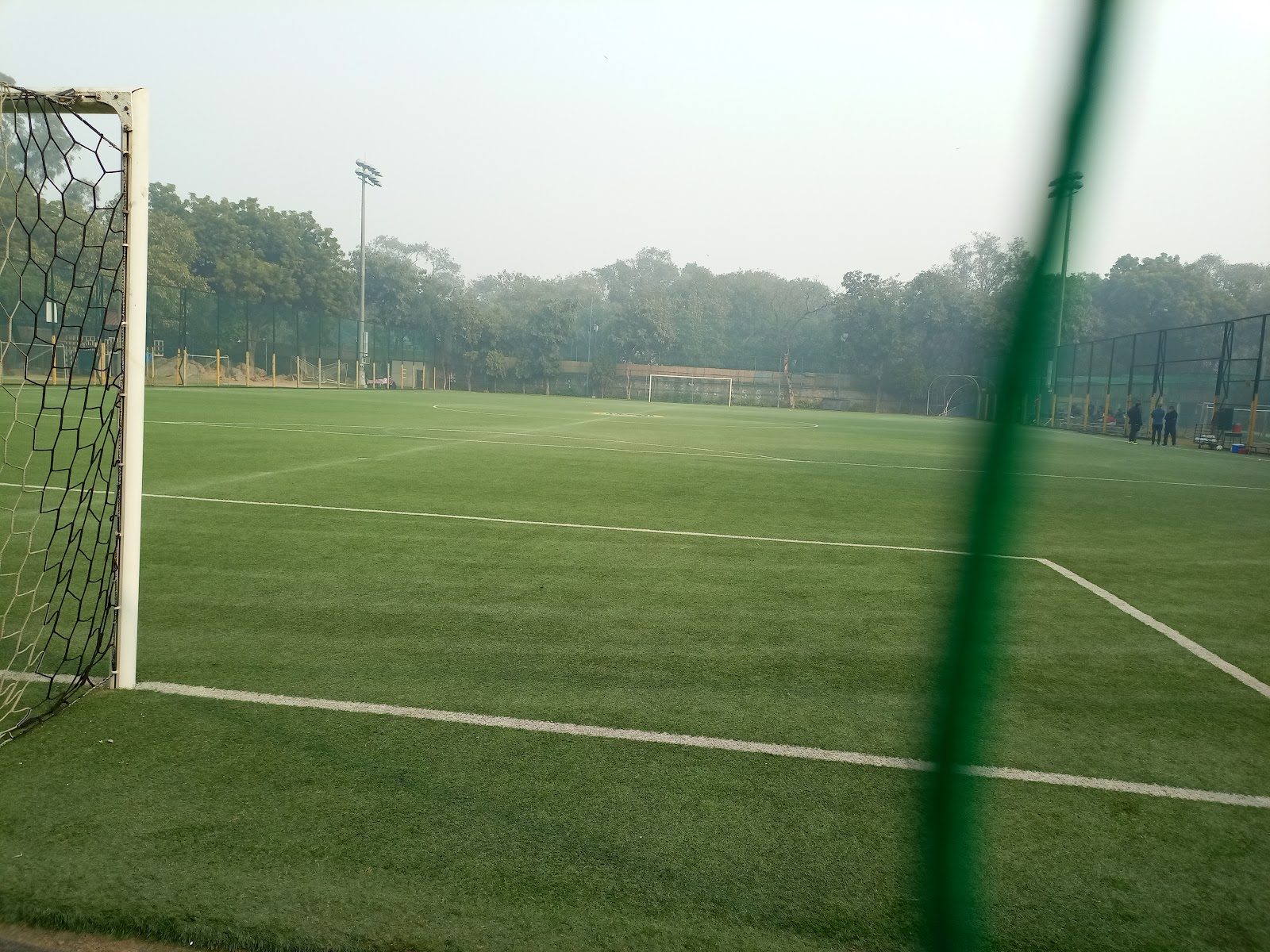
American Embassy School
New Delhi · India
Beside the U.S. Embassy in Chanakyapuri, a Joseph Stein-designed campus mixes American college prep with IB rigor for over 70 nationalities.
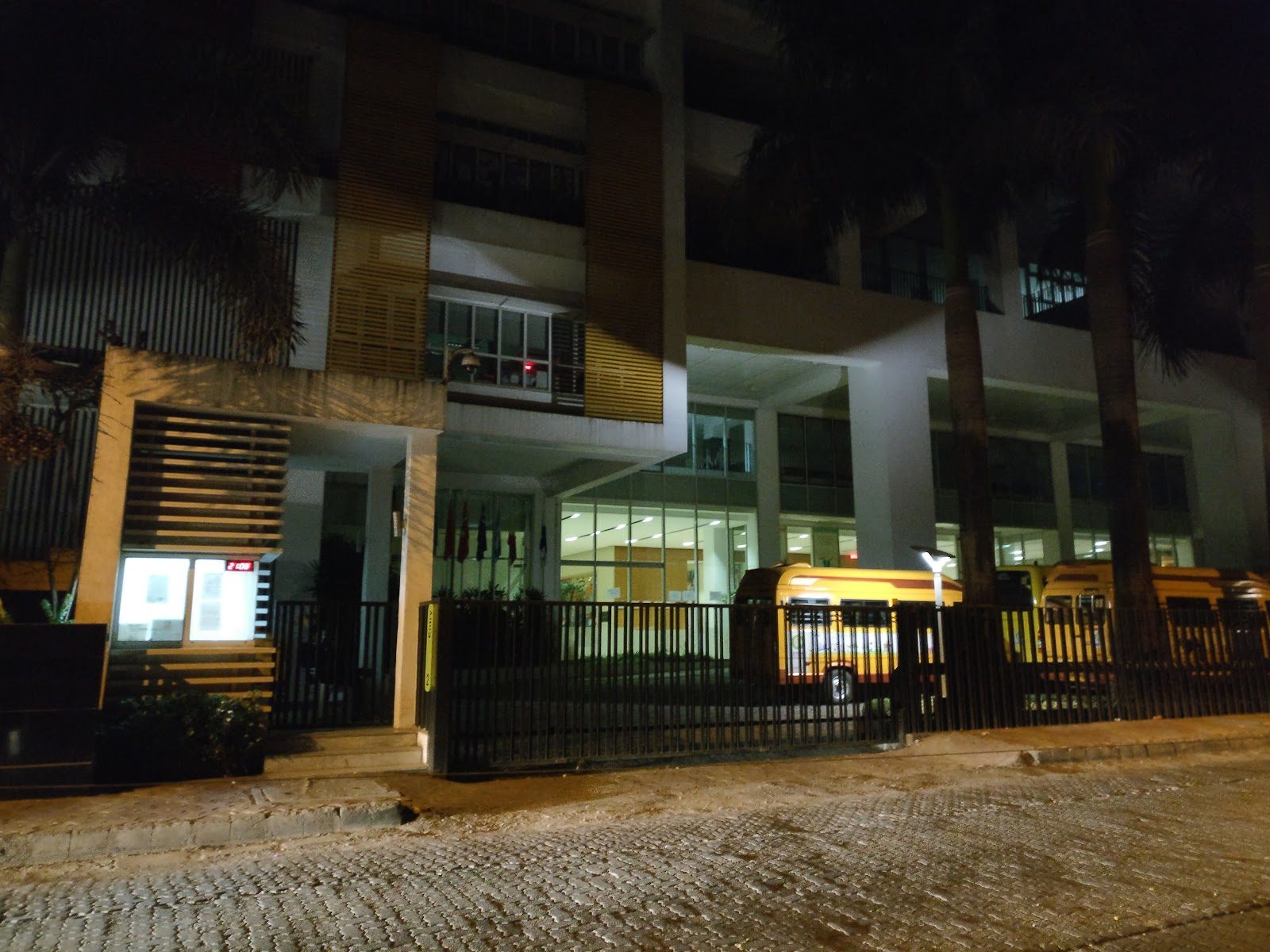
Oberoi International School
Mumbai · India
A full IB continuum from Nursery to Diploma, spread across twin Goregaon campuses inside Mumbai's Oberoi Garden City enclave.
Same country and curriculum — closest matches within ±10 points either way