
British Columbia
St Michaels University School
low confidence· 6/6 cats · 1.22 avg sourcesOn Vancouver Island, a AP pioneer school pairs Canadian, IB and American pathways with its own rowing centre on the Gorge Waterway.
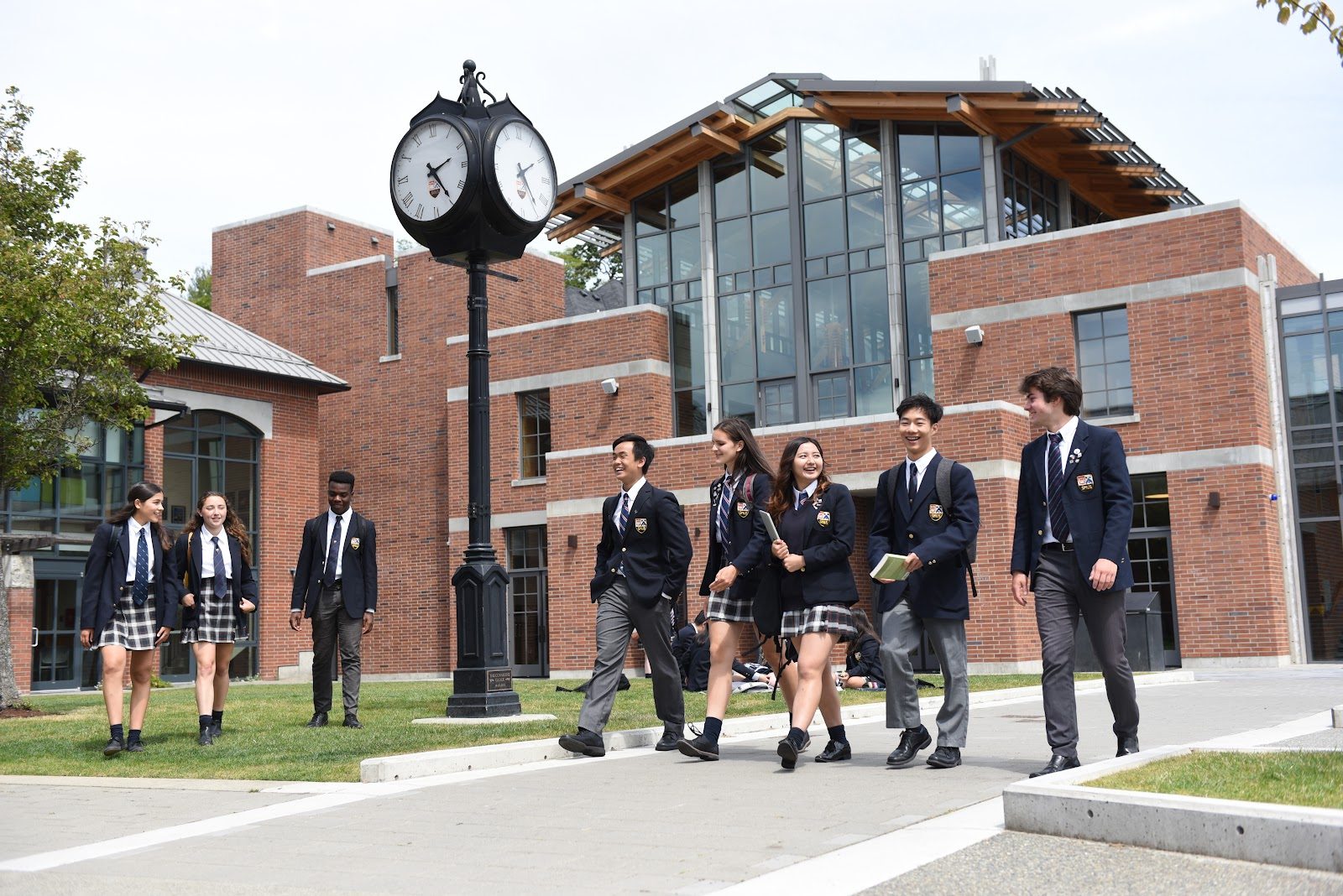
Photo © St. Michaels University School via Google Maps
Type
Both
Ages
3–18
Curriculum
Canadian · IB · American
Qualifications
AP
Ratio
—
The Verdict
Editor's commitment
Right for
Families wanting one school from age 3 to 18, with Canadian, IB and American pathways and boarding from Grades 9 to 12.
Wrong for
Anyone seeking low fees or a single academic track: day fees average CAD 42,270 and boarding averages CAD 85,300.
Watch out for
CIS and IBO accreditation add credibility, but the school does not publish headline academic outcomes in the public domain.
Score history
St Michaels University School · 2026
Movement across 2024–2026. Peer average overlaid.
Overall — 2024–2026
61.1/ 100
▲ +7.3 vs 2025
year on year
Peer & Industry Review
How St Michaels University School is regarded in the sector
68
Respected · medium confidence
SMUS is a well-established CAIS-accredited independent school with a Good Schools Guide International profile noting its strong IB and boarding programs, and it is regularly cited in Canadian independent-school and boarding-school comparison guides. Its rowing program has produced multiple Olympic and national-team athletes, giving it a recognizable alumni network in sporting press, though it receives less international media attention than top-tier UK/US or Toronto-area peer schools.
Evidence sources
Editors' overview
St Michaels University School has an unusual academic shape for Canada: one school, three declared pathways — Canadian, IB and American — with boarding from Grade 9 to 12 on Vancouver Island rather than in the usual Toronto or eastern Canada corridor. That mix matters. It gives families more than one route through the senior years, and it marks SMUS out from schools that lock every student into a single national system. The school dates to 1906, teaches in English, and holds both CIS and IBO accreditation, which gives it solid external anchoring. The fee level places it firmly in the premium bracket: an average annual day fee of CAD 42,270 and an average annual boarding fee of CAD 85,300 across the full age range it covers.
What puts SMUS on a shortlist is not only the curriculum spread, but the package around it. This is a co-educational day and boarding school for ages 3 to 18, with boarding confined to the senior years, which changes the social dynamic: younger children get a day-school structure, older pupils get a more internationally mixed environment. Victoria gives it a distinctive setting as well. For families who want a boarding school without the intensity, weather and urban sprawl of larger North American centres, Vancouver Island has real pull. The school’s own rowing centre on the Gorge Waterway adds a piece of infrastructure that few rivals can match; for a student with serious sporting intent, that is a genuine point of difference, not brochure filler. Its verified alumni footprint is also deeper than many Canadian schools of similar profile, with 25 notable alumni catalogued in Wikidata across politics, business, the arts and elite sport.
The trade-off is clarity. “Canadian, IB, American” is a strong proposition, but parents need the school to explain exactly how those pathways work in practice, who takes what, and where the academic centre of gravity sits. Multi-pathway schools can be richly flexible; they can also be operationally messy if the options are not sharply defined. Families who want a single, uncompromising academic model may prefer a school with one curriculum and one internal logic. SMUS suits a student who is ambitious, adaptable and comfortable in a campus culture that spans Junior Kindergarten to Grade 12, with a boarding layer added only in the senior years. It will appeal to families looking for high-cost, high-option schooling with a strong co-curricular identity, and to teenagers who want serious academics without giving up sport, outdoor access or the contained discipline of a boarding community.
Academic Performance
SMUS has a long-standing claim in North American advanced study: it was the first school in Canada to offer AP courses, and it now runs both AP and IB alongside its Canadian route. That breadth gives sixth-form families multiple exam end points, but it also complicates any clean read of performance. The school does not publish a single, school-wide set of external results that lets parents judge outcomes across all pathways at once. We have not seen aggregate AP score data, full IB diploma averages, cohort pass rates, subject-by-subject distributions, or university destination breakdowns published in one coherent results set. For a school charging at this level, that gap matters. Academic ambition is easy to advertise; results transparency is harder, and SMUS does not meet the standard set by the strongest reporting schools.
Relative to peers, that places it in an opaque middle ground: credible academic breadth, weak public disclosure. Families can infer that a school sustaining three senior academic tracks needs serious staffing depth and timetable control, and weak schools do not keep that model running for long. That still falls short of proof. The hard comparison point is missing. Schools at the top of the Canadian independent market publish headline IB means, AP participation and score distributions, and destination patterns that stand up to scrutiny. SMUS asks parents to trust the architecture more than the published outcomes. For some families, that is acceptable. For data-driven parents, it is a clear deficiency and a real mark against the school.
Facilities
The standout facility is the rowing centre on the Gorge Waterway. That is not a decorative extra. In Canadian independent-school terms, it is a serious competitive asset: purpose-built water access linked directly to a school programme, not a hired club arrangement or a generic boathouse relationship. For students targeting rowing at a high level, that puts SMUS ahead of many boarding peers whose sport provision is broad but less specialised. More broadly, the school runs across distinct junior, middle and senior campuses, with boarding attached to the upper end of the age range, which gives it the physical structure to separate younger children from older teenagers rather than forcing one shared site to do everything. That matters for atmosphere and logistics, and it tends to support a more orderly daily rhythm than compressed urban campuses manage.
Against direct competitors, the facilities profile looks selective rather than all-conquering. The public case for SMUS is strongest where sport, outdoor access and campus layout intersect; it is weaker on publicly documented specialist academic infrastructure. We do not see the kind of granular disclosure some top rivals give on laboratories, performing arts venues, design workshops or sixth-form study spaces. That does not mean those facilities are poor. It means the school has chosen not to make them a central part of its public proof. Parents who prize a distinctive sporting edge will find a clear point of difference. Parents shopping for the full arms-race version of facilities marketing will get less hard detail here than at the most aggressively polished peer schools.
We do not see the kind of granular disclosure some top rivals give on laboratories, performing arts venues, design workshops or sixth-form study spaces
Prestige
SMUS carries real prestige in the Canadian independent sector, but it is not the same kind of prestige as the old Central Canadian boarding brands that dominate international name recognition. Its status rests on a different mix: long institutional continuity, a premium fee base, selective independent-school positioning, and a stronger-than-average public alumni footprint. The verified alumni record matters here. 25 notable alumni in Wikidata is not trivial for a school outside the country’s main private-school axis, and the spread across politics, business, the arts and elite sport points to a school with genuine reach beyond one narrow field. That gives SMUS more than local cachet. It has produced people who travel into public life and visible professions, which is one of the clearest marks of a school with lasting social capital.
That said, prestige here is earned but uneven. The school has the price point, history and outcomes of an established top-tier independent school, but it lacks the automatic global shorthand of the best-known Anglo-American boarding names. Its public academic disclosure also weakens the case. Prestige today is not only about heritage and alumni; it is also about publishing results that can withstand scrutiny. SMUS still trades on institutional standing more than hard public proof. For families in western Canada, that standing is strong. For globally mobile parents comparing brand power across continents, it is substantial rather than dominant.
Parents who prize a distinctive sporting edge will find a clear point of difference
Communications
SMUS communicates like a modern independent school that expects parents to transact online first. The admissions pages are clean, easy to navigate and segmented by audience: day families, boarders, early years and senior entry points all have direct routes rather than one overloaded funnel. That matters because this school asks families to grasp more than a simple local day-school offer. The site does the practical essentials well — clear age ranges, clear application prompts, visible contact points and event signposting — and it keeps the front-end experience orderly rather than cluttered. The weakness sits one layer deeper. Once a parent moves past initial enquiry, the school gives less hard proof than the strongest competitors. Academic outcomes are the obvious gap, but the communications issue is broader: the public-facing case leans on aspiration, leadership language and community framing when many parents at CAD 42,270 day and CAD 85,300 boarding want sharper operational detail.
That makes SMUS effective at attracting attention and weaker at closing a forensic parent’s questions. A family can work out the school structure quickly and book the next step without friction. A family trying to test standards, compare pathways, or understand the day-to-day mechanics of school life hits more editorial fog than it should. The result is a communications style that is polished, serviceable and *less transparent than premium pricing warrants*. For confident families willing to ask direct questions, that is manageable. For overseas parents making a high-stakes choice at distance, it is a meaningful shortcoming.
Uniqueness
What separates SMUS from the Canadian pack is not one prestige signal but an unusual combination of structures that schools rarely hold together well: an all-through format from the early years to graduation, a senior boarding layer rather than whole-school boarding, and a three-track academic menu under one institutional roof. That creates a school with more internal variety than the standard independent model. A child can grow up in one community, then reach the later years with materially different academic routes and a more international peer mix without changing schools. For the right student, that continuity has real value. It reduces disruption, keeps long-term relationships intact and gives teenagers room to recalibrate their path as their strengths sharpen. The risk is obvious too: choice only helps when the school manages it with tight academic control and clear guidance.
The other point of difference is physical and cultural. SMUS has its own rowing centre, which is genuinely rare school infrastructure, and it sits on Vancouver Island rather than in the country’s more crowded private-school corridors. That produces a student experience with a distinct outdoor bias: more water, more space, less metropolitan churn. For ambitious rowers, the advantage is concrete, not cosmetic. For boarders, the effect is broader. A senior house environment in this setting can feel more self-contained and more disciplined than schools dispersed across a large city. Add the school’s verified alumni floor of 25 notable former pupils, and the picture is of a school that offers not only options, but a recognisable institutional identity built around continuity, sport and senior-level independence.
It gives families more than one route through the senior years, and it marks SMUS out from schools that lock every student into a single national system
Student Profile
The best fit is a student who wants range without losing structure. This school suits children who can move comfortably between a long-established local community and a more international senior cohort, and who do not need a single narrow school identity to feel secure. The all-through format attracts families who value continuity, but the atmosphere will not suit every child. Pupils need a degree of social confidence and organisational grip, because the school carries multiple academic routes, distinct age divisions and a boarding population layered into the older years. Students who thrive here tend to be adaptable, self-directed and willing to make use of the options in front of them rather than waiting to be carried by a fixed system.
It also suits teenagers with a serious co-curricular streak. Rowers stand out for obvious reasons, but the broader pattern matters more: SMUS fits students who want academics to sit alongside disciplined extracurricular commitment, not replace it. The fees set a clear social context — CAD 42,270 for day pupils and CAD 85,300 for boarders on average across the years covered — so families need to be comfortable with a high-expectation, high-cost environment where peers will include both affluent local families and internationally mobile boarders. This is a strong match for ambitious, balanced students who want independence before university. It is a weaker match for children who need heavy hand-holding, dislike institutional complexity, or want a single-track, academically monastic school culture.
The school dates to 1906, teaches in English, and holds both CIS and IBO accreditation, which gives it solid external anchoring
Co-curricular strengths
Arts & sport, on a separate axis
Overall 8.22/10
Scored 0-10 from the school's own published evidence. This axis is editorial-only — it does not feed the main WTS ranking.
Sports
8.8/10
Highly competitive independent school league performer, fielding historically dominant varsity rugby, squash, and basketball teams.
Drama
8.4/10
The magnificent performing arts facilities anchor an ambitious dramatic tracking program, mounting complex classical and modern plays.
Dance
6.5/10
Strong afternoon performance track providing core choreography assets for major collaborative musical theater shows.
Music
8.7/10
Outstanding symphonic wind bands, strings, and vocal troupes that routinely headline regional youth festivals.
Visual Arts
8.7/10
Highly structured fine art layout leaning heavily toward technical drawing, fine oils, and advanced portfolio mastery.
Editor-verified · 8/6/2026
Notable alumni · Wikidata
25notable alumni
2 historic (born pre-1930) · 10 modern (born post-1970)wikidata:2026-07-28 How we source this
Strengths
- +Offers both IB and AP programmes
- +Day and boarding for ages 3–18
- +10:1 student-teacher ratio
- +Average class size of 18
Considerations
- −High annual boarding fee: CAD 78,000
- −High annual day fee: CAD 38,000
- −English-only instruction may limit some families
Availability
Primary entry gate & tests
SSAT / Internal + Interview
Gallery
Photo © Joyce Wong via Google Maps
Photo © 张硕 via Google Maps
Photo © St. Michaels University School via Google Maps
Photo © June P via Google Maps
Photo © June P via Google Maps
Photo © St. Michaels University School via Google Maps
Photo © Local Buzz via Google Maps
Photo © St. Michaels University School via Google Maps
Photo © June P via Google Maps
Parent reviews
Have you sent your child here?
Voice reviews carry the strongest trust badge — we transcribe them for you to tidy up before they go live. Prefer to type? A written review is fine too.
Add your voice
In 60 seconds, tell other parents: what's the best thing about St Michaels University School, and what surprised you when your child joined?
We ask for a Google sign-in so every review has a real face behind it — no anonymous drive-by attacks on schools, and no faked positive reviews. Your email is never shown publicly.
Send this profile to a friend
International parents rely on word-of-mouth. Share this review with someone weighing the same decision.
Schools with places
Similar schools to St Michaels University School with places available now.
Ridley College
St Catharines · Canada
- 2026-27
- WAITPOOLLimited Lower/Middle day
- 2027-28
- PLACES OPENActive now
Upper Canada College
Toronto · Canada
- 2026-27
- PLACES OPENBoarding open; Day closed
- 2027-28
- OPENS SOONOpens Sept '26
Availability first, then country, area, curriculum, price, co-curricular
Consider also
Also worth looking at alongside St Michaels University School.
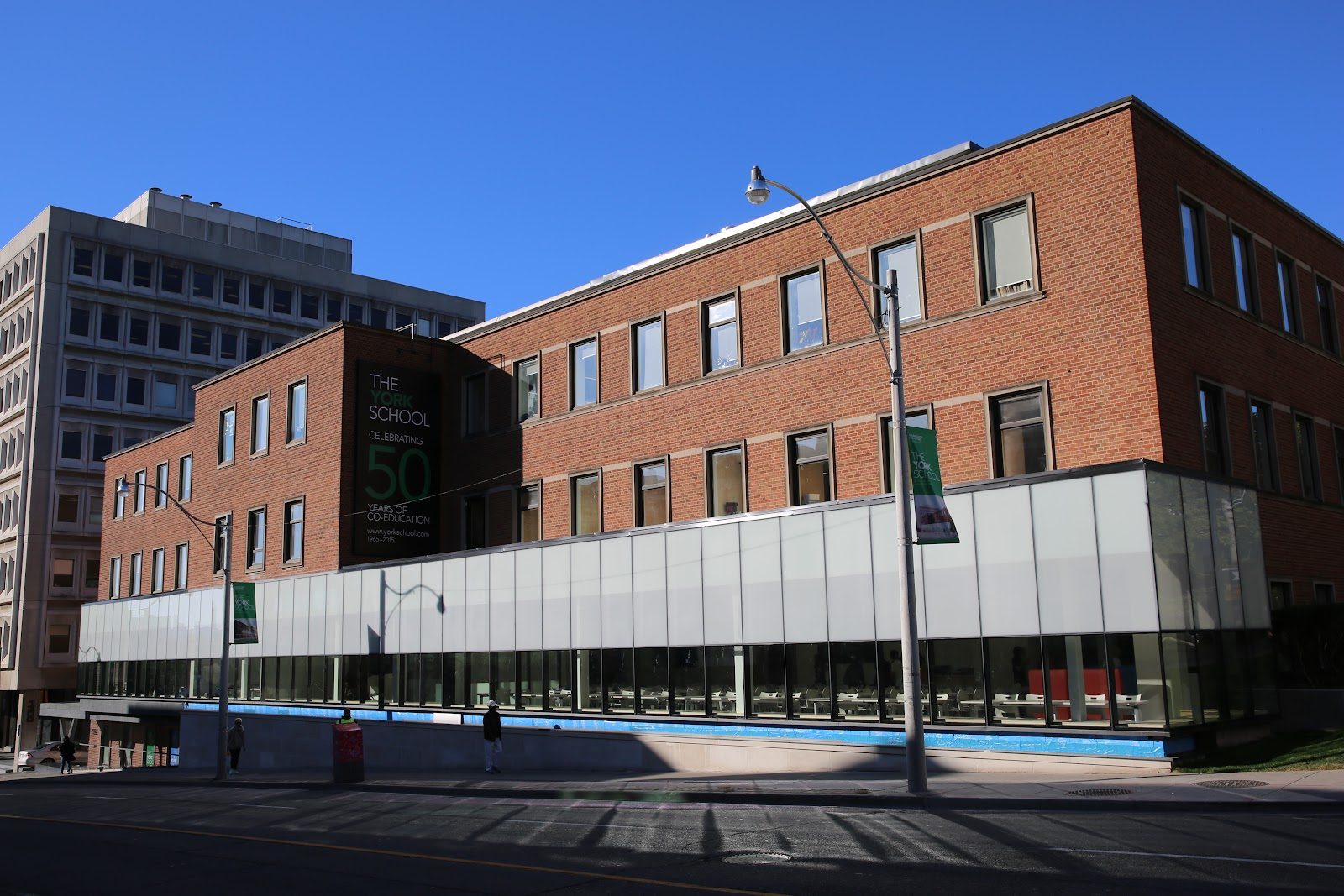
The York School
Toronto · Canada
First English-speaking school in Canada certified for the full IB continuum, JK to Grade 12, on midtown Toronto's Yonge Street corridor.
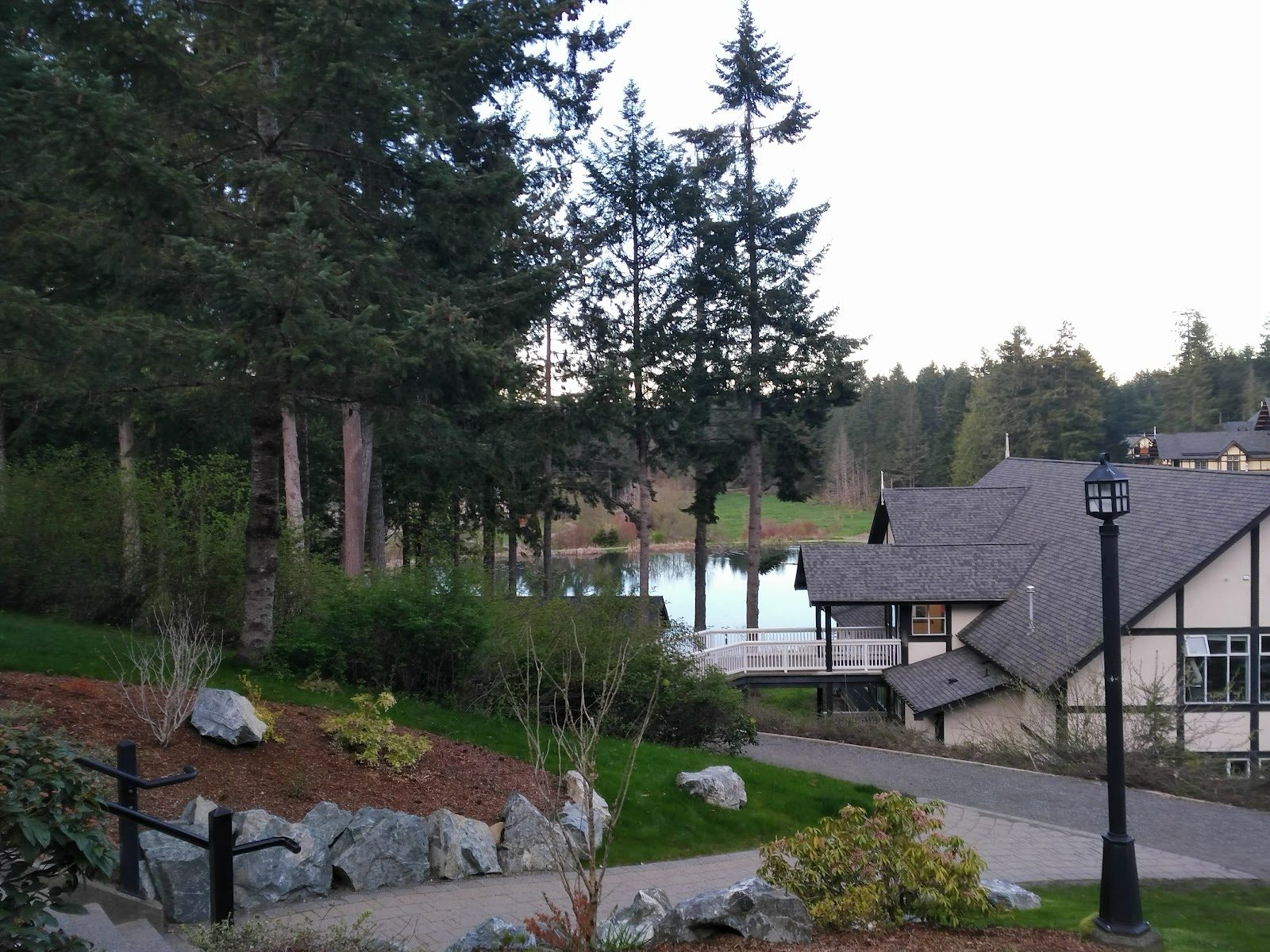
Shawnigan Lake School
Shawnigan Lake · Canada
On a 270-acre Vancouver Island campus, ten boarding houses hold Canada's largest full-time boarding community, a tradition since 1916.
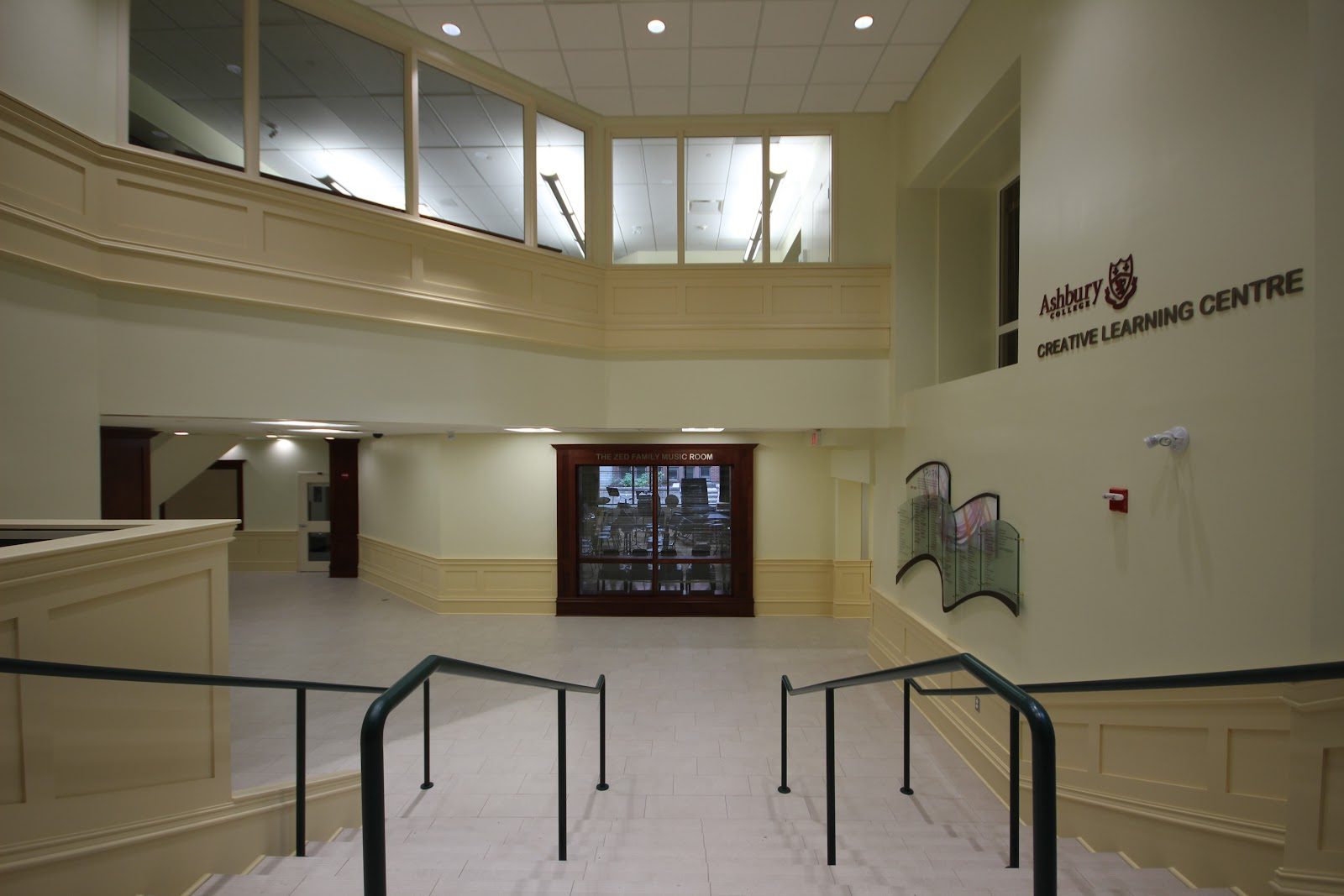
Ashbury College
Ottawa · Canada
Tucked among Rockcliffe Park's embassy residences, this century-old IB pioneer turns diplomatic proximity into a genuine global classroom.
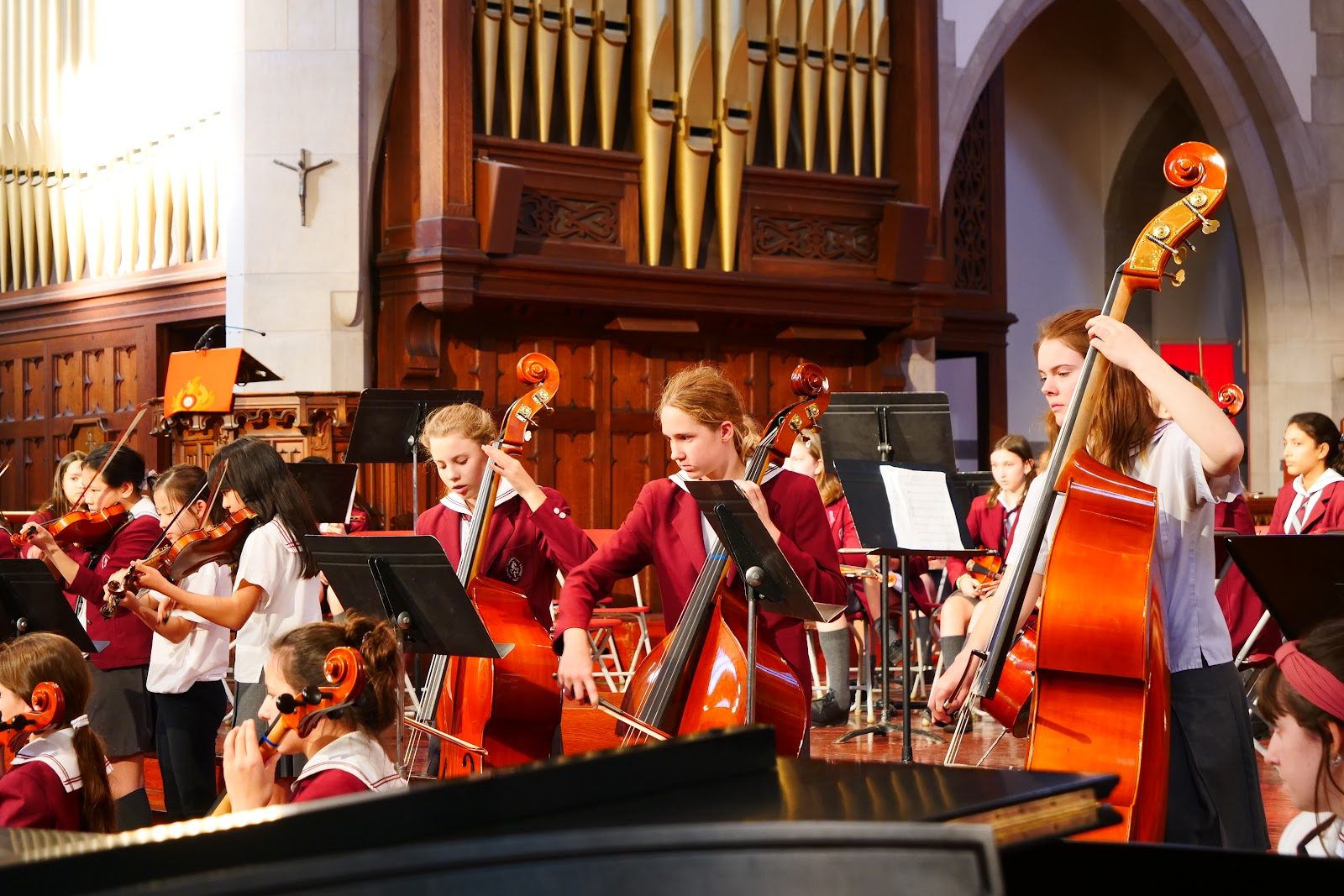
The Bishop Strachan School
Toronto · Canada
Founded in 1867 in Forest Hill, this Anglican school remains Canada's oldest continuously operating girls' day and boarding institution.
Same country and curriculum — closest matches within ±10 points either way