
Delhi
American Embassy School
medium confidence· 4/6 cats · 3 avg sourcesBeside the U.S. Embassy in Chanakyapuri, a Joseph Stein-designed campus mixes American college prep with IB rigor for over 70 nationalities.
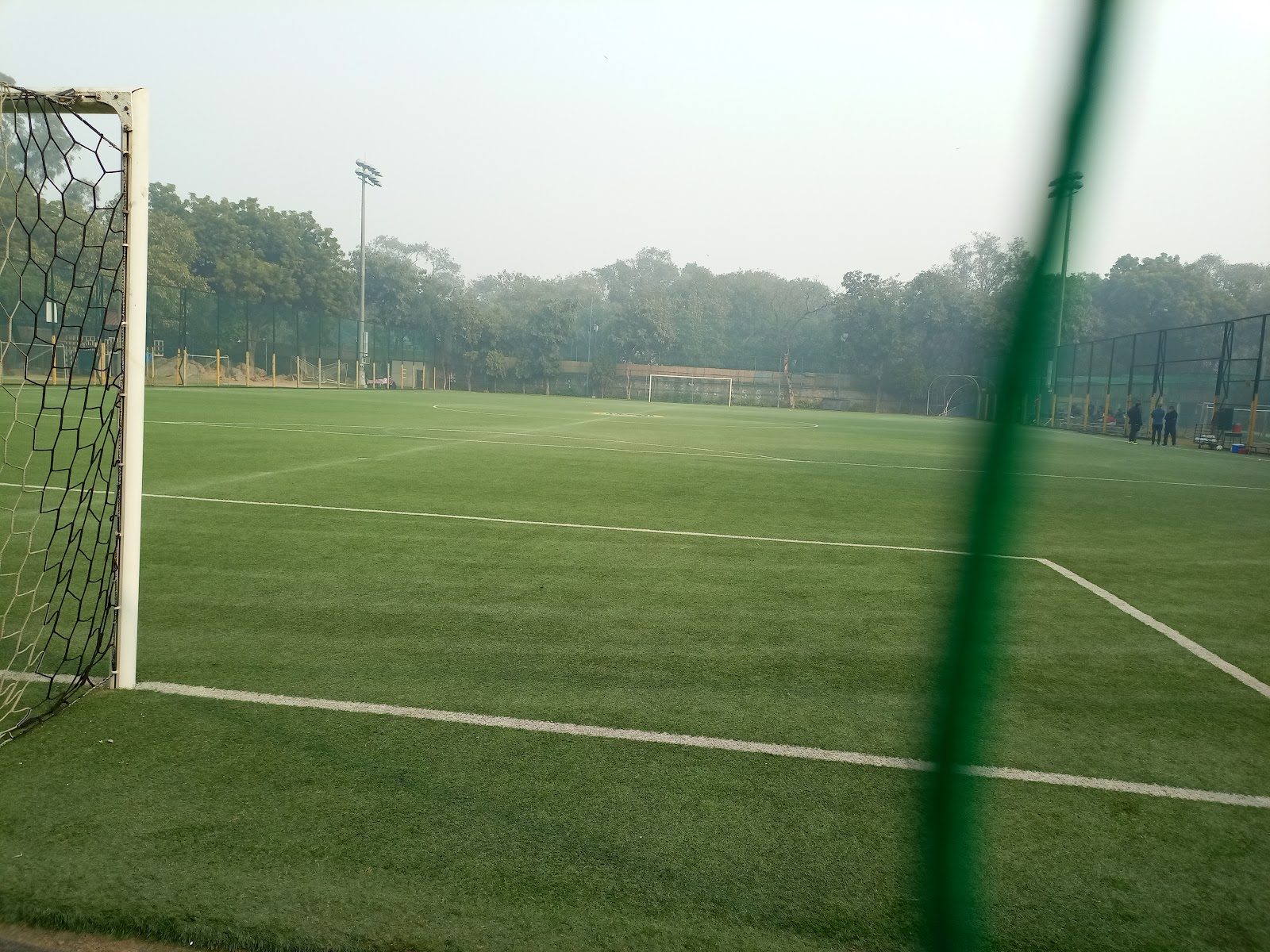
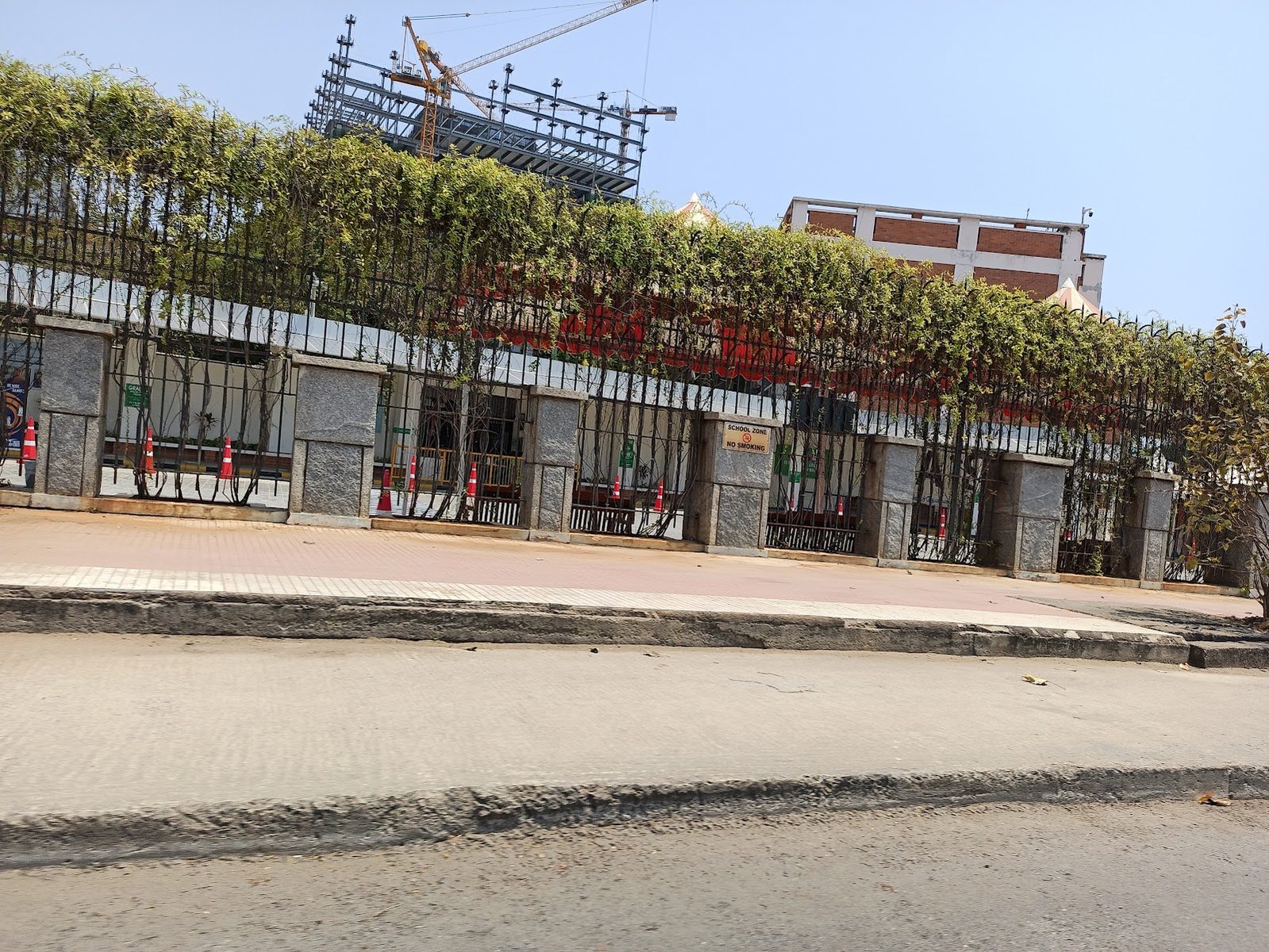
Photo © Ashmit Jaat via Google Maps
Type
Day
Ages
11–18
Curriculum
IB · Indian National · British
Qualifications
ISC · IGCSE
Ratio
—
The Verdict
Editor's commitment
Right for
International families in New Delhi who want ages 11–18 on a 13-acre Chanakyapuri campus, with IB teaching and CIS accreditation.
Wrong for
Parents who want boarding, a faith setting, or early years: AES is a non-religious day school and this listing covers 11–18 only.
Watch out for
At an average annual fee of US$35,875, AES sits in Delhi’s top tier; the school does not publish public exam outcomes here.
Ranking breakdown
American Embassy School · #385 of 1591
Composite score 70.8. 8 weighted criteria.
By criterion
Academic Outcomes
Weight 20%
#450
of 1529 scored
University Placement
Weight 16%
#459
of 1529 scored
Prestige & Heritage
Weight 12%
#537
of 1571 scored
Alumni Network
Weight 12%
#338
of 1530 scored
Facilities
Weight 12%
#489
of 1533 scored
Transparency & Communications
Weight 8%
#554
of 1532 scored
Peer & Industry Review
Weight 10%
#604
of 1548 scored
Admissions Selectivity & Demand
Weight 8%
#334
of 1529 scored
Score history
American Embassy School · 2026
Movement across 2024–2026. Peer average overlaid.
Overall — 2024–2026
70.8/ 100
▲ +30.1 vs 2025
year on year
Peer & Industry Review
How American Embassy School is regarded in the sector
90
Top-tier · high confidence
American Embassy School (AES) New Delhi is consistently cited as one of the top international schools in India and Asia, frequently referenced alongside other elite international schools like Singapore American School and International School of Beijing in expat education circles and State Department overseas schools coverage. It holds full accreditation from Middle States Association and CIS (Council of International Schools), and is widely benchmarked by peer American international schools abroad; alumni networks include diplomatic and business figures, and the school is a long-standing fixture in 'best international schools' discussions among expat parent forums (e.g., InterNations, ExpatArrivals) and educator networks.
Evidence sources
Editors' overview
Set beside the U.S. Embassy in Chanakyapuri, American Embassy School trades on two assets that matter: a serious international mix and a campus with real architectural pedigree. The school occupies 13 park-like acres and traces its design to Joseph Stein, which gives it a physical identity that many embassy-belt schools lack. It is a non-profit day school, founded in 1953, teaching in English and serving students from ages 11 to 18 in a non-religious setting. The curriculum mix is broader than the school’s American branding implies: this is an IB, Indian National and British-curriculum school, with CIS and IBO accreditation. That combination puts AES in a narrow bracket in Delhi: genuinely international in structure, not just in marketing.
The numbers reinforce the scale and shape of the place. The school’s published divisional enrolment runs to 506 in elementary, 281 in middle school and 332 in high school, for a total of 1,119 students across Pre-K to Grade 12. For families looking at the secondary years, that high-school population of 332 matters. It is large enough to support breadth in courses, activities and friendship groups, but not so large that students vanish into the machinery. The average annual day fee across the full ladder is $35,875, which places AES in the expensive end of the Delhi market. Parents are paying for a rare proposition in this city: an embassy-linked international community, established governance as a non-profit, and a sixth-form equivalent that sits within a full K–12 school rather than a bolt-on senior section.
Why shortlist it? Because AES offers a form of education that suits internationally mobile, academically ambitious students who want an American-style college-preparatory environment without giving up the option of IB rigour. It will also suit students who thrive in a visibly diverse community; the school itself points to an international population spanning over 70 nationalities, and that breadth is a substantive feature, not a decorative claim. This is not the right school for families who want a locally rooted Indian peer group, a traditional British-school identity, or a bargain. It is for students who want range, mobility and a campus culture with enough scale to be stimulating without tipping into anonymity.
Academic Performance
Academic transparency is the weak point. AES does not publish aggregate IB results, AP score profiles, SAT averages, university destination tables, or year-on-year attainment data in the public domain. For a school charging at the top end of the market, that is a material omission. Parents can infer academic seriousness from the size of the high school, the breadth implied by a full secondary programme, and the school’s long-established college-preparatory identity, but inference is not evidence. In a market where ambitious international schools use exam data to prove their case, AES asks families to trust reputation and community standing instead. That leaves its external performance opaque.
Relative to peers, that places AES in an unusual bracket: prominent, expensive, and under-disclosing. The school’s mix of IB, Indian National and British pathways gives it academic range, but no published results data shows how strongly students convert that range into top-end outcomes. Some Delhi competitors publish IB averages, score distributions, or destination lists; AES does not. That does not mean results are weak. It means parents cannot test the school’s claims against hard numbers. The school’s scale and international intake give it the ingredients of a serious academic operation. The absence of disclosed outcomes stops it short of the most evidence-led schools in this tier.
Facilities
The campus is the main facilities story. Those 13 acres matter in a capital where many international schools operate on tighter, more vertical sites. AES has room for sport, outdoor circulation and the kind of daily movement that stops a school day feeling compressed. The Joseph Stein design also counts for more than aesthetics: schools with a coherent masterplan age better, move better and create a stronger sense of place than campuses assembled piecemeal. That gives AES a rare physical identity and a settled, grown-in feel that many Delhi peers lack. For families used to embassy-compound schools and mature international campuses, this will read as properly substantial rather than improvised.
The school’s own account points to classrooms and labs as memorable parts of student life, which matters more than another generic claim about “world-class facilities”. Even so, AES is less publicly specific than the best-documented competitors. It does not publish a detailed facility inventory in the public domain, so parents do not get the usual checklist of theatres, pools, maker spaces or specialist centres. That leaves the picture strong in setting, thinner in detail. Against peer schools, AES wins on campus character and land use, and loses ground on public disclosure. If you value *space, architectural coherence and a campus with gravity*, it stands out. If you want a forensic room-by-room breakdown before booking a visit, the school does not provide it.
Embassy in Chanakyapuri, American Embassy School trades on two assets that matter: a serious international mix and a campus with real architectural pedigree
Prestige
AES carries real prestige in the international-school circuit, but its status rests on constituency and continuity more than on published academic proof. The address next to the U.S. Embassy matters. So does the school’s long-standing role in serving diplomatic, expatriate and internationally mobile families. That gives it a rarefied social position in Delhi that few schools can match. The student body itself strengthens that standing: a community drawn from over 70 nationalities confers the kind of everyday internationalism that many schools advertise and few deliver. Add a non-profit structure and a campus with recognised architectural identity, and AES has the ingredients of an institution that families know by name, not one that needs to manufacture cachet.
Why not rate it at the absolute top of the prestige table? Because prestige without disclosure has limits. AES has brand strength, a high-status parent base, and the advantage of being a fixture in a very specific diplomatic ecosystem. That counts for a great deal. Yet the school does not publish the outcome data that would convert social and institutional standing into fully evidenced academic prestige. In plain terms: AES has name recognition, serious international credibility and a premium fee point of $35,875, but it withholds the hard numbers that the most confident elite schools put into the open. The result is strong prestige, built on reputation and community, rather than the unimpeachable authority that comes from transparent results.
That combination puts AES in a narrow bracket in Delhi: genuinely international in structure, not just in marketing
Communications
AES communicates best when it sticks to the concrete. The website gives parents a clear sense of ethos, divisional structure and community scale, and it does so without burying the reader in jargon. Key navigation is straightforward, contact routes are visible, and the school states what it is in plain terms: a non-profit international school. The public voice, however, leans hard on sentiment. Phrases about joy, memory and belonging dominate the narrative. That creates warmth, but it also produces a soft-focus impression at the point where many parents want operational clarity. Families making a move across borders need more than atmosphere; they need detail on academic pathways, daily routines, leadership visibility and practical school life. AES gives the first and skimps on the rest.
That imbalance makes its communications persuasive in tone but thin on substance. The school is plainly speaking to a community that already knows the institution, or can access answers through existing networks. For embassy and expatriate families, that may work: reputation and word of mouth carry weight. For parents without that insider access, the public-facing communication leaves too much unsaid. The most telling example is the gap between a school community of 1,119 and the modest level of publicly available hard information about outcomes and operations. In communication terms, AES is confident, polished and selective. It tells you how the school wants to feel. It tells you less well how the school works day to day.
Uniqueness
What sets AES apart is not the American name on the gate but the constituency behind it. This is a school built around diplomatic and internationally mobile families, and that produces a student culture few Delhi schools can match: transient in the best sense, world-aware, socially agile, and used to classmates arriving from — and departing to — different systems and countries. The school itself points to an international community spanning more than 70 nationalities. That breadth gives students daily practice in reading difference without fetishising it. For the right child, that is real preparation for university and adult life across borders, not a token international day on the calendar. The non-profit status also matters. It anchors the institution in service rather than shareholder logic, which changes the texture of governance and, in strong schools, keeps decision-making closer to educational priorities.
The other point of difference is architectural and environmental. AES sits on a mature campus with a settled institutional presence that many urban international schools cannot fake. Joseph Stein’s involvement gives the place more than pedigree; it gives coherence. Students benefit from a school that feels planned rather than accumulated, with room for community life beyond the classroom. That physical confidence, paired with an embassy-adjacent parent body and a full-school community of 1,119, creates a distinct enclave: internationally minded, socially mixed at a global level, and insulated from some of the grind and narrowness that mark more exam-factory settings. For students who thrive on movement, diversity and a strong sense of place, that combination is hard to replicate.
For a school charging at the top end of the market, that is a material omission
Student Profile
The clearest fit is a student who is comfortable in an international peer group and energised by constant social turnover. With pupils drawn from more than 70 nationalities, AES suits children who make friends quickly, adjust without drama and do not need a settled local cohort to feel secure. This is a strong match for diplomatic, expatriate and globally mobile families, and for teenagers who already know what it means to arrive new and leave again. The social culture will reward adaptable, outward-facing students who enjoy hearing different accents, perspectives and family stories as part of ordinary school life. A child who wants one dominant national identity in the student body, or a tight local social scene rooted in Delhi, will find this environment less natural.
It also fits students who want a school with enough scale to avoid social claustrophobia without turning impersonal. The published divisional numbers point to a secondary community large enough to support varied friendship circles and activities, but still small enough for students to be known. That balance will suit teenagers who want breadth without anonymity. AES is less well suited to families who need heavy hand-holding, constant public proof of outcomes, or a rigidly traditional school culture. The right student here is self-possessed, internationally minded and ready to make use of a high-trust, adult environment. The wrong fit is a child who needs a narrow, familiar lane and a school that spells out every answer in advance.
The absence of disclosed outcomes stops it short of the most evidence-led schools in this tier
Co-curricular strengths
Arts & sport, on a separate axis
Overall 8.78/10
Scored 0-10 from the school's own published evidence. This axis is editorial-only — it does not feed the main WTS ranking.
Sports
9.2/10
Varsity Basketball, Football, and Swimming, showing multiple named sports with visible participation.
Drama
9/10
Drama Productions, which is stronger than a bare mention of drama because it indicates recurring staged activity.
Dance
7.5/10
Music
9.2/10
Jazz Ensemble, indicating an organised music activity beyond a vague arts reference, but provides no dedicated music facility, department, specialist staff, or competition history.
Visual Arts
9/10
Photography Club and the facilities reference to arts rooms together support an identifiable visual arts offering, but there is no named studio, department, specialist staff, exhibition programme, or notable recognition.
Editor first-pass · editor-reviewable · 7/27/2026
Strengths
- +Accredited by the Middle States Association of Colleges and Schools and the Council of International Schools, giving external quality assurance beyond the school's own claims.
- +Long-established IB Diploma Programme (authorized since 1982) with a 2025 average score of 34 and roughly 70 percent of candidates achieving the full diploma.
- +Sits on a 13-acre campus in the Chanakyapuri diplomatic enclave with facilities including a swimming pool, theatre, libraries and dedicated makerspaces.
- +Diverse international community drawing students from more than 70 nationalities, with dedicated English as an Additional Language support available.
- +Non-profit governance structure means, per the school, a large majority of tuition income is directed toward staffing and facilities rather than shareholder profit.
Considerations
- −Despite being catalogued here as a boarding option, AES is in fact a day school; no residential accommodation is offered, which matters for relocating families expecting boarding places.
- −Admission is not open on equal terms to all applicants: US citizens receive first priority, and Indian citizens must meet narrow Ministry of External Affairs eligibility criteria before they can even apply.
- −Fees sit at the premium end of the New Delhi market, quoted in US dollars with a separate non-refundable application fee and a substantial one-time registration charge that can run into the thousands of dollars.
- −Location in Chanakyapuri means families outside the immediate diplomatic enclave face Delhi's notoriously heavy traffic, lengthening the school run considerably.
Availability
Primary entry gate & tests
Academic Record
Gallery
Photo © American Embassy School via Google Maps
Photo © Priyanka Ramola via Google Maps
Photo © Raksha Singh via Google Maps
Photo © American Embassy School via Google Maps
Photo © American Embassy School via Google Maps
Photo © American Embassy School via Google Maps
Photo © American Embassy School via Google Maps
Photo © American Embassy School via Google Maps
Photo © American Embassy School via Google Maps
Parent reviews
Have you sent your child here?
Voice reviews carry the strongest trust badge — we transcribe them for you to tidy up before they go live. Prefer to type? A written review is fine too.
Add your voice
In 60 seconds, tell other parents: what's the best thing about American Embassy School, and what surprised you when your child joined?
We ask for a Google sign-in so every review has a real face behind it — no anonymous drive-by attacks on schools, and no faked positive reviews. Your email is never shown publicly.
Send this profile to a friend
International parents rely on word-of-mouth. Share this review with someone weighing the same decision.
Schools with places
Similar schools to American Embassy School with places available now.
Oberoi International School
Mumbai · India
- 2026-27
- WAITPOOLSpace-dependent
- 2027-28
- PLACES OPENRolling
UWC Mahindra College
Pune · India
- 2026-27
- CLOSEDStandard route closed
- 2027-28
- WAITPOOLVaries by National Committee
American International School Chennai
Chennai · India
- 2026-27
- WAITPOOLSpace-dependent
- 2027-28
- PLACES OPENRolling
Dhirubhai Ambani International School
Mumbai · India
- 2026-27
- WAITPOOLVacancy-dependent
- 2027-28
- WAITPOOLEnquiry/app live (Dates TBC)
Availability first, then country, area, curriculum, price, co-curricular
Consider also
Also worth looking at alongside American Embassy School.
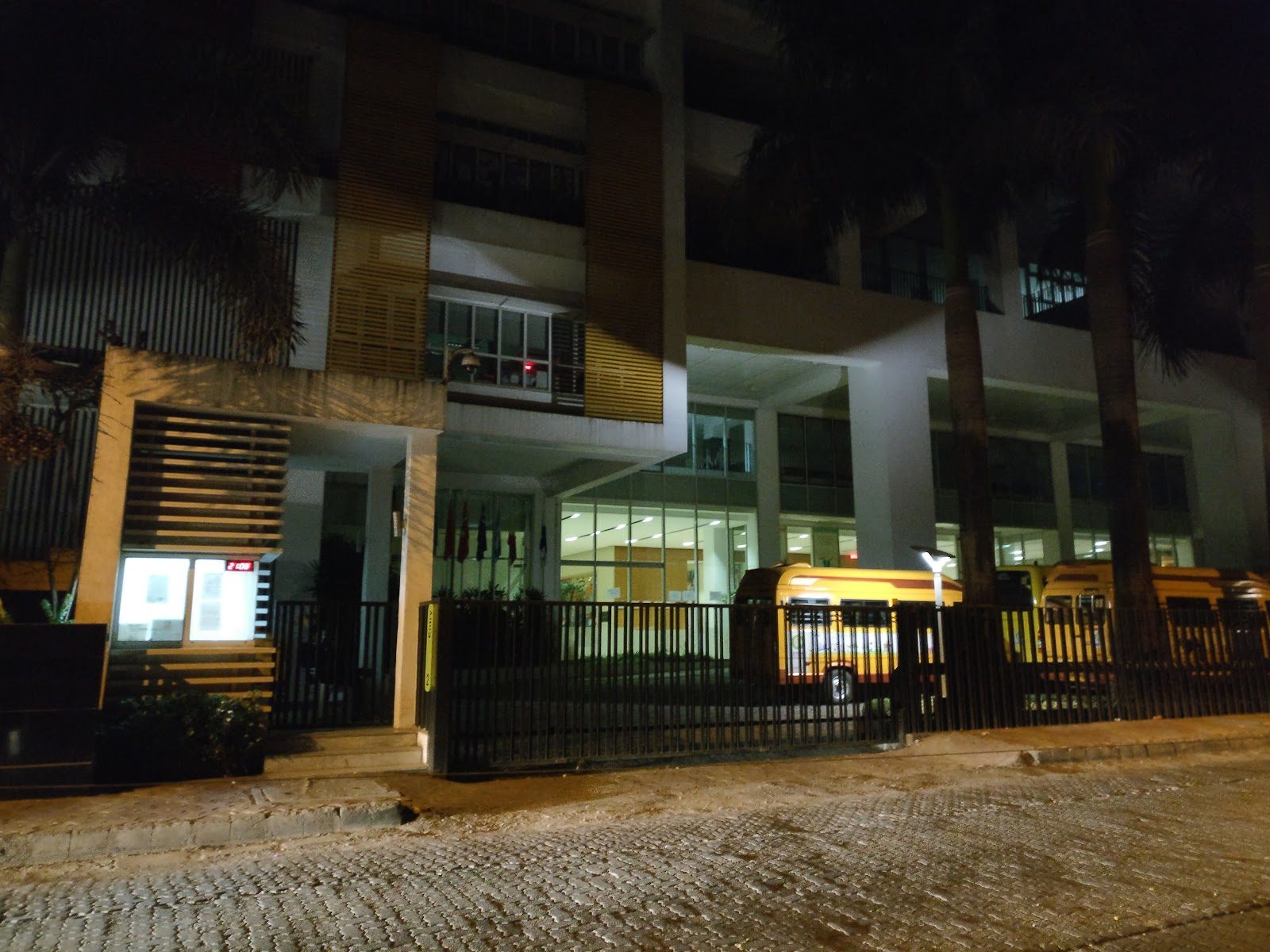
Oberoi International School
Mumbai · India
A full IB continuum from Nursery to Diploma, spread across twin Goregaon campuses inside Mumbai's Oberoi Garden City enclave.
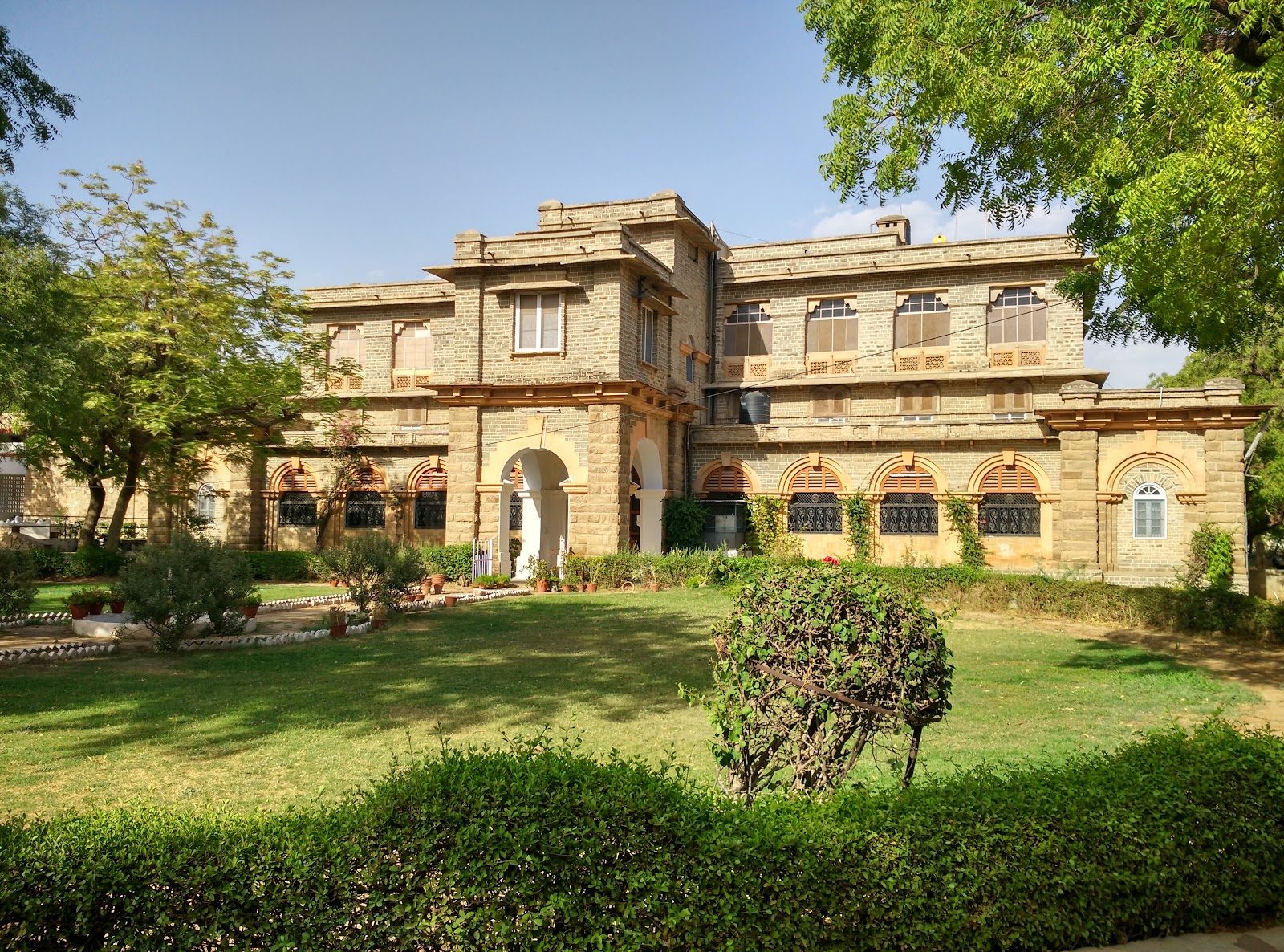
Mayo College
Ajmer · India
Historic all-boys boarding school in Ajmer offering the CBSE and Cambridge IGCSE curricula.
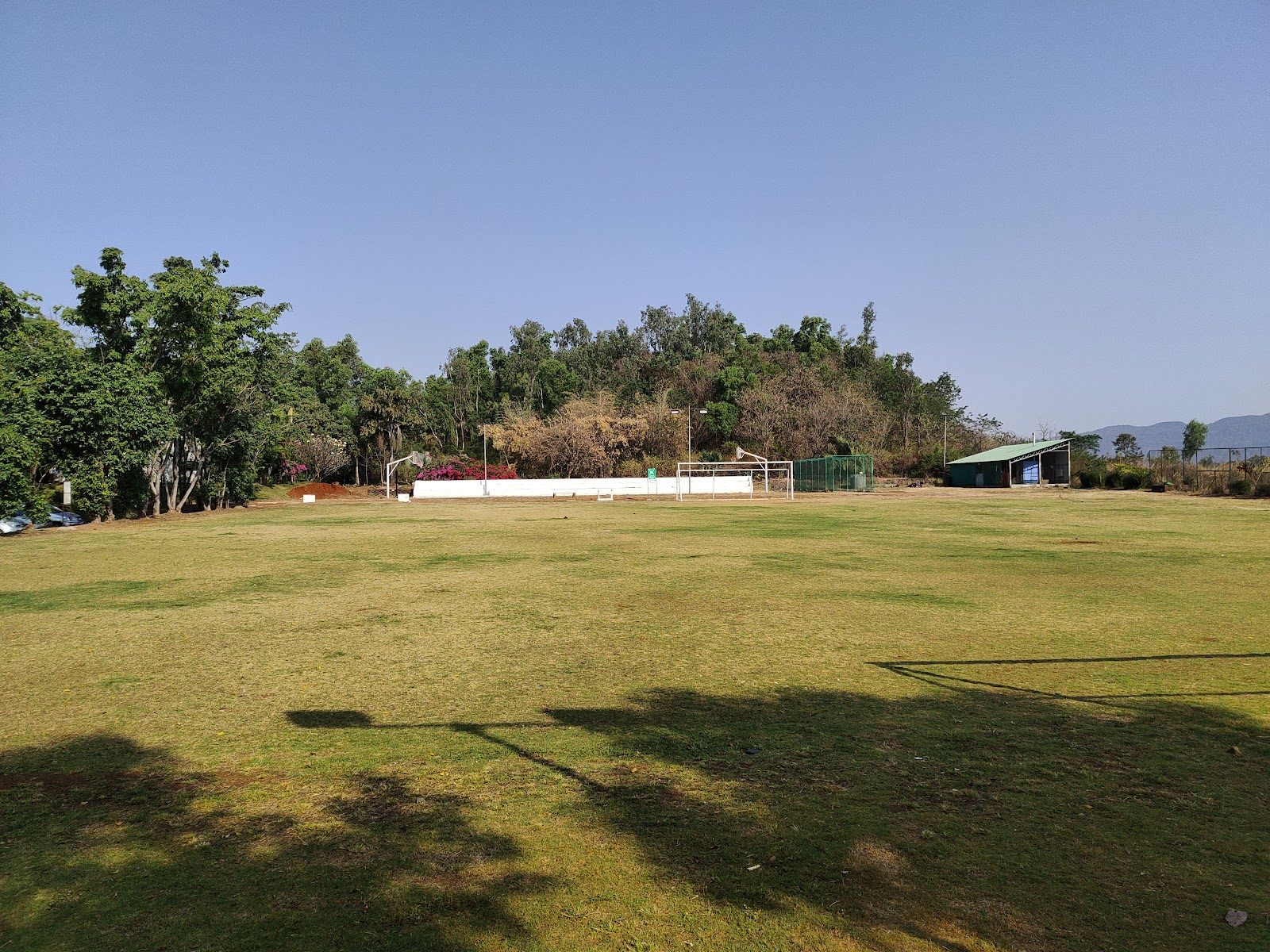
UWC Mahindra College
Pune · India
South Asia's only United World College, its 170-acre Western Ghats campus reforested tree by tree by its own students.
American International School Chennai
Chennai · India
Born of a 1995 US-India accord, this Taramani campus blends AP and IB rigor with the world's first K-12 LEED Platinum campus
Same country and curriculum — closest matches within ±10 points either way