
Singapore
Australian International School (Singapore)
low confidence· 6/6 cats · 0 avg sourcesA rare dual exit for seniors: the IB Diploma or Australia's HSC, the latter paired with vocational training in construction and hospitality.
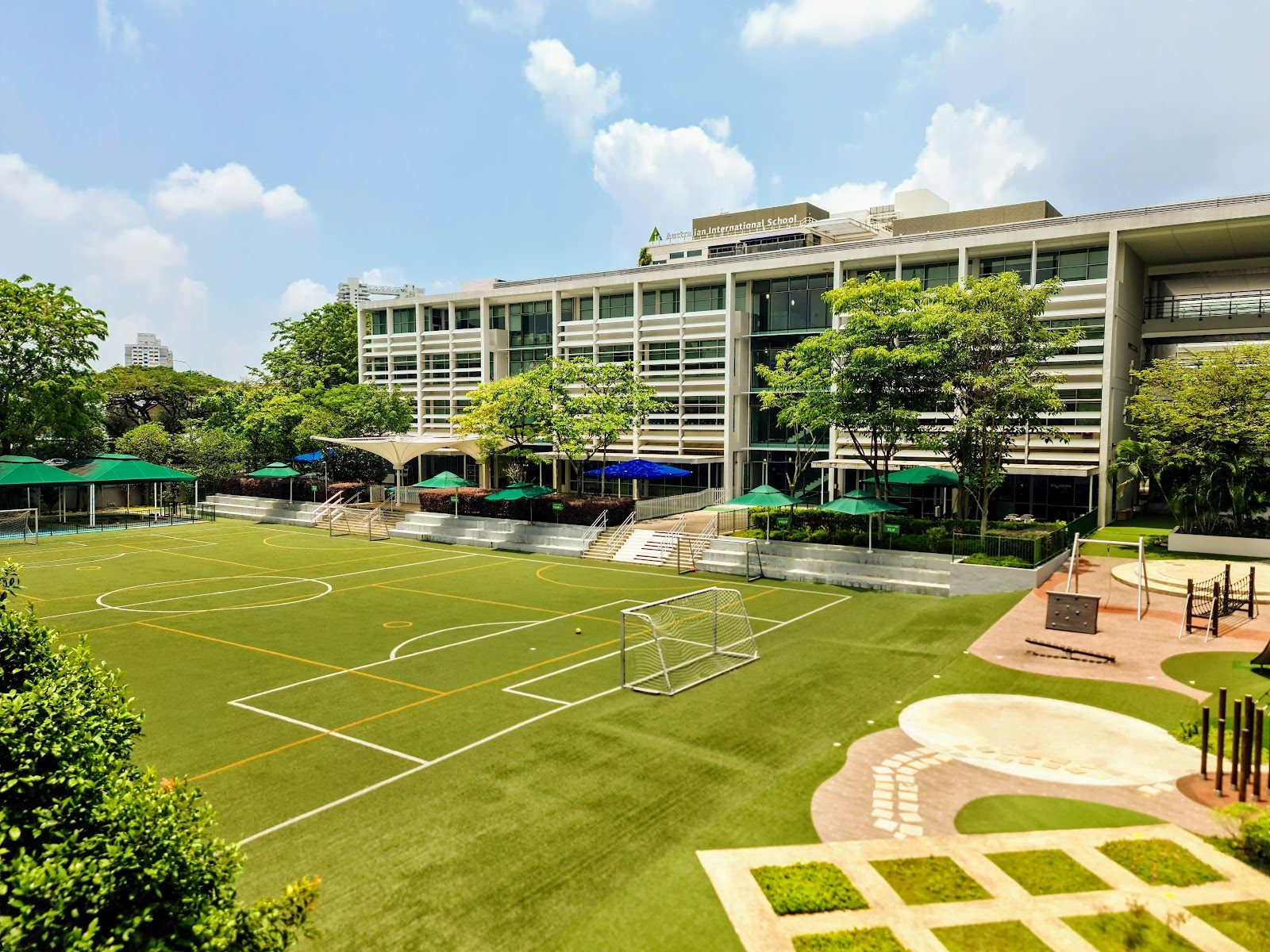
Photo © Kaptain Kerr via Google Maps
Type
Day
Ages
3–18
Curriculum
Australian HSC · IB (Diploma)
Ratio
—
The Verdict
Editor's commitment
Right for
Families wanting a 3–18 day school in Singapore with a real senior choice between the IB Diploma and the Australian HSC.
Wrong for
Parents who want boarding, a religious ethos or a single-curriculum school; AIS is non-religious, day-only, and runs HSC plus IB.
Watch out for
The average annual day fee is SGD 53,518, class size averages 25, and Cognita ownership brings scale that can blunt intimacy.
Ranking breakdown
Australian International School (Singapore) · #386 of 1591
Composite score 70.8. 8 weighted criteria.
By criterion
Academic Outcomes
Weight 20%
#450
of 1529 scored
University Placement
Weight 16%
#459
of 1529 scored
Prestige & Heritage
Weight 12%
#537
of 1571 scored
Alumni Network
Weight 12%
#338
of 1530 scored
Facilities
Weight 12%
#489
of 1533 scored
Transparency & Communications
Weight 8%
#554
of 1532 scored
Peer & Industry Review
Weight 10%
#604
of 1548 scored
Admissions Selectivity & Demand
Weight 8%
#369
of 1529 scored
Peer & Industry Review
How Australian International School (Singapore) is regarded in the sector
70
Respected · high confidence
Australian International School (AIS) has a solidly respected, if not top-tier, standing among Singapore's international school reviewers. WhichSchoolAdvisor's on-site verdict is warm throughout, noting that AIS has built a strong reputation for sport and co-curricular breadth, supported by high participation and extensive facilities, and singling out its defining dual senior pathway between the IB Diploma and the Australian HSC. The Good Schools Guide's independent, non-paid review echoes this, observing that Australian culture permeates through AIS in a warm and delightful way, while Tatler Asia continues to list it among Singapore's established prestigious schools. Wikipedia records a credible spread of notable alumni across sport, entertainment and business, reinforcing a genuine, if modest, sector footprint rather than the unanimous top-tier chatter reserved for the very biggest Singapore names.
Editors' overview
The Australian International School in Singapore earns its place on a shortlist for one reason above all: senior pupils get a genuinely unusual choice of exit routes. This is not another international school offering a single university-prep track dressed up as flexibility. AIS runs both the IB Diploma and the Australian HSC, and the HSC route is paired with vocational training in construction and hospitality. That dual structure matters. It gives sixth-form age students a clearer split between a conventional international academic pathway and a more applied Australian one, which is rare in Singapore’s crowded premium school market. Founded in 1993, non-religious and English-medium, the school has had time to settle into the city’s expatriate ecosystem without relying on heritage theatre.
The rest of the proposition is broad rather than intimate. AIS is a day school for ages 3 to 18, with an average class size of 25, so parents should expect a busy, full-scale international campus rather than a small boutique environment. That class size sits on the large side for families who want close tutorial attention, but it suits children who cope well in bigger peer groups and enjoy the social range that comes with them. As part of Cognita’s network of 100+ schools across 16 countries, AIS also has the backing and operating systems of a major international group. Some parents will value that scale; others will read it as a more corporate model. Both reactions are fair. What matters is that the school offers structure, continuity and a clear-eyed understanding of how to serve globally mobile families.
At an average annual day fee of SGD 53,518, AIS sits in Singapore’s expensive bracket, so it needs to justify itself on substance. Its strongest case is for families who want options at the top end of secondary school and do not want to force a child into a single narrow definition of success. This is a strong fit for internationally mobile families with Australian ties, for students who may prefer the HSC to the IB’s particular demands, and for teenagers who want a less orthodox senior pathway that includes vocational study without treating it as second-tier. It is a weaker fit for parents hunting for a tiny, intensely personalised school or for those who want a simple, one-curriculum identity. AIS is for students who benefit from choice, can handle scale, and want a school with practical breadth rather than cultivated exclusivity.
Academic Performance
AIS does not publish a full, current set of school-wide external results in the public domain, and that matters. For a school charging premium fees and offering two senior exit routes, parents need more than broad claims about outcomes. We have not seen a recent headline IB average, an HSC distribution, subject-level strength tables, or a clear university-destination breakdown tied to each pathway. That leaves academic performance hard to audit from the outside. In a market where the stronger operators put at least some headline attainment data on record, that level of opacity is a real weakness. It does not mean results are poor; it means parents must ask harder questions than the prospectus answers.
Relative to peers, AIS stands out less for published score dominance than for the structure of its senior offer. That distinction matters. Schools with a single, tightly defined academic route can benchmark themselves cleanly through one exam system; AIS splits its top-end story across two. That gives families flexibility, but it also makes like-for-like comparison harder and gives the school no excuse to be vague. A rigorous admissions conversation here needs direct answers on recent IB averages, HSC band profiles, vocational completion outcomes, and where leavers progress next. Until those figures are disclosed, AIS sits in the credible but unproven category on publicly visible academic performance.
Facilities
AIS benefits from the infrastructure and operating discipline of a large school group, and that matters on the ground. Parents should expect a full-service campus built to handle a busy all-through school, not an improvised collection of specialist rooms. The strongest facility advantage here is breadth: spaces that support academic teaching alongside sport, arts and the wider life of a large international intake. Against smaller premium schools in Singapore, that gives AIS a more comprehensive, more operationally robust offer. The trade-off is atmosphere. Big campuses can feel efficient rather than intimate, and families wanting a warmer, smaller-scale physical environment may find the estate more functional than charming.
Benchmarking against direct competitors, AIS sits in the upper band for range but not in the tiny group of schools whose facilities alone define the brand. The Cognita backdrop — 100+ schools across 16 countries — adds systems, safeguarding oversight and staff development pathways that many independents cannot match at the same scale. That strengthens day-to-day delivery, even if it does not create the lavish theatre some schools use to sell themselves. We have not seen a published, school-specific facilities inventory detailed enough to verify every specialist space, and that lack of precision is a weakness. At this fee level, parents deserve a clear account of labs, performance spaces, sports provision and senior specialist areas, not just a broad promise of breadth.
Schools with a single, tightly defined academic route can benchmark themselves cleanly through one exam system; AIS splits its top-end story across two
Prestige
AIS has market recognition, but not the kind that confers automatic elite status. Its strongest prestige marker is structural: a senior offer that gives families a genuinely uncommon degree of choice, backed by the reach of a group spanning 100+ schools in 16 countries. That matters for internationally mobile parents who value transferability, systems and corporate stability. In Singapore’s top-fee international sector, though, prestige is earned through selective scarcity, published results and a settled aura of academic authority. AIS does not dominate on those terms. It reads as a substantial mainstream operator with a distinctive senior proposition, not as a school that commands status through mystique or uncompromising academic cachet.
That puts its prestige in the upper-middle tier of the market: established, visible and credible, but not rarefied. The Cognita connection gives reassurance and operational heft; it does not, on its own, create the social pull of the city’s most coveted school names. The other limiting factor is transparency. When a school charges an average annual fee of SGD 53,518 yet leaves external outcomes hard to verify in public, prestige hits a ceiling. Serious prestige in this segment rests on results that can be inspected, not just on breadth of offer and polished infrastructure. AIS has a clear point of difference and a respectable standing. It does not carry the automatic premium aura of Singapore’s most reputation-driven schools.
In Singapore’s top-fee international sector, though, prestige is earned through selective scarcity, published results and a settled aura of academic authority
Communications
Parent communication has the stamp of a large operator: centralised, polished and geared to enquiry conversion as much as community information. The public-facing channels are easy to find, with direct admissions email, phone contact, tour booking, online consults and application routes all pushed to the front. There is also a conspicuous multilingual layer in the call-to-action prompts, which tells you the school understands an internationally mobile audience and does not rely on parents already knowing the system. The Cognita backdrop adds another clue. A group of 100+ schools across 16 countries does not run on improvised parent communication; it runs on process. That usually translates into cleaner workflows, faster routing of questions and more consistency than families get from owner-managed schools. For busy relocating parents, that is useful, reassuring and efficient.
The limit is depth. The school communicates access well; it communicates proof less well. Parents can reach the school without friction, but the harder evaluative information still needs chasing: concrete academic outcome data, sharper detail on specialist provision, and clearer public explanation of what day-to-day delivery looks like beyond the admissions funnel. That gap matters because slick contact pathways are not the same thing as transparent school communication. In other words, AIS handles front-end communications with corporate competence, but the public information architecture stops short of full candour. Families who ask direct questions will get more out of the process than those who rely on the website alone.
Uniqueness
What marks AIS out is not a glossy concept but a structural decision that few schools make: it keeps more than one serious definition of senior success alive inside the same institution. That matters because many international schools preach choice in the early years, then narrow sharply at the top. AIS does the opposite. Students do not face a single-track academic funnel in the sixth form; they can move towards a conventional university-prep route or an Australian pathway that includes vocational training in construction and hospitality. In practice, that gives teenagers with different strengths a more honest set of options. It reduces the pressure to force every able student into the same exam culture and gives applied learners a route with status, not stigma.
The other distinctive feature is scale with systems. Being part of a group with 100+ schools in 16 countries gives AIS access to shared professional development, cross-school practice and regular safeguarding review. For students, that brings consistency and institutional muscle rather than boutique charm. Families who relocate, or who want the reassurance of a highly structured operator, will value that. The downside is equally clear: uniqueness here comes from programme architecture and network backing, not from a romantic sense of identity or a singular local ethos. AIS stands out because it broadens the endgame for older pupils and does so inside a large, tightly run organisation. For the right child, that is genuinely useful.
In other words, AIS handles front-end communications with corporate competence, but the public information architecture stops short of full candour
Student Profile
AIS suits children who are comfortable in a busy, sociable environment and do not need a tiny adult-to-child circle to feel known. With average classes of 25, the peer group is large enough to reward confidence, adaptability and a willingness to find one’s place in a crowd. Students who enjoy meeting people, joining in and navigating a full calendar will cope well. More introverted children can still do well, but they will need to tolerate scale and noise rather than expect a cocooning atmosphere. This is not the obvious choice for families chasing a hushed, highly bespoke school day built around constant individual attention.
The best fit is a family that values options over purity. AIS works well for teenagers whose strengths do not sit neatly inside one narrow academic mould, and for parents who want a school that leaves room for decisions to change as a child matures. It also fits internationally mobile households that like the reassurance of a larger system behind the school rather than a founder-led personality. The weaker fit is the status-driven family hunting for a rarefied, ultra-selective social scene or a school with a single, hard-edged institutional identity. Children who thrive here will be pragmatic, open to difference and able to make use of breadth without getting lost in it.
That matters because many international schools preach choice in the early years, then narrow sharply at the top
Co-curricular strengths
Arts & sport, on a separate axis
Overall 9.24/10
Scored 0-10 from the school's own published evidence. This axis is editorial-only — it does not feed the main WTS ranking.
Sports
9.3/10
Drama
9.2/10
Dance
9.2/10
Music
9.3/10
Visual Arts
9.2/10
Strengths
- +AIS offers three distinct senior-secondary exit routes for Years 11-12 the IB Diploma, the Australian HSC, or IB Courses+ plus IGCSE in Year 10, a wider spread of qualification options than most Singapore international schools.
- +The school has operated in Singapore since 1993 and enrols students from over 50 nationalities on a single campus, giving it a long-established, genuinely international community.
- +AIS is owned by Cognita, a large global schools group, which gives the school institutional backing, investment capacity and continuity of governance rather than relying on a single independent operator.
- +Admissions run year-round with four official intakes (January, April, July, October), which suits expat families relocating mid-year rather than only at a single September start.
- +Siblings of currently enrolled students are given first priority for places, including in year levels where capacity is limited.
Considerations
- −Fees are substantial and rise sharply through the school: published figures show annual tuition moving from roughly SGD 22,000-26,000 in primary years to over SGD 34,000 for the IB Diploma year, before additional enrolment, facility and EAL charges.
- −The school operates from a single site in the Lorong Chuan/Serangoon area, which is less convenient for families based in western or southern Singapore compared with schools with multiple or more centrally located campuses.
- −Singaporean citizens and Permanent Residents aged six and above are not guaranteed a place: they require separate Ministry of Education approval and are placed on a waitlist rather than admitted directly.
- −Entry assessment at early years and beyond is described as informal and observation-based rather than a selective academic test, so the school does not position itself as an academically selective institution in the way some higher-tier rivals do.
Availability
Primary entry gate & tests
Academic Record + Assessment
Gallery
Photo © Australian International School Singapore via Google Maps
Photo © Australian International School Singapore via Google Maps
Photo © H 2 via Google Maps
Photo © H 2 via Google Maps
Photo © H 2 via Google Maps
Photo © Kaptain Kerr via Google Maps
Photo © Australian International School Singapore via Google Maps
Photo © Australian International School Singapore via Google Maps
Photo © The Ilyas via Google Maps
Parent reviews
Have you sent your child here?
Voice reviews carry the strongest trust badge — we transcribe them for you to tidy up before they go live. Prefer to type? A written review is fine too.
Add your voice
In 60 seconds, tell other parents: what's the best thing about Australian International School (Singapore), and what surprised you when your child joined?
We ask for a Google sign-in so every review has a real face behind it — no anonymous drive-by attacks on schools, and no faked positive reviews. Your email is never shown publicly.
Send this profile to a friend
International parents rely on word-of-mouth. Share this review with someone weighing the same decision.
Schools with places
Similar schools to Australian International School (Singapore) with places available now.
Singapore American School
Singapore · Singapore
- 2026-27
- WAITPOOLGrade-specific / Waitpools
- 2027-28
- PLACES OPENRolling
Tanglin Trust School
Singapore · Singapore
- 2026-27
- CLOSEDNo late apps
- 2027-28
- PLACES OPEN
United World College of South East Asia
Singapore · Singapore
- 2026-27
- CLOSEDStandard route
- 2027-28
- OPENS SOONOpens 1 Sept '26 (Closes 2 Nov)
Overseas Family School
Singapore · Singapore
- 2026-27
- WAITPOOLSpace-dependent
- 2027-28
- PLACES OPENRolling
Availability first, then country, area, curriculum, price, co-curricular
Consider also
Also worth looking at alongside Australian International School (Singapore).
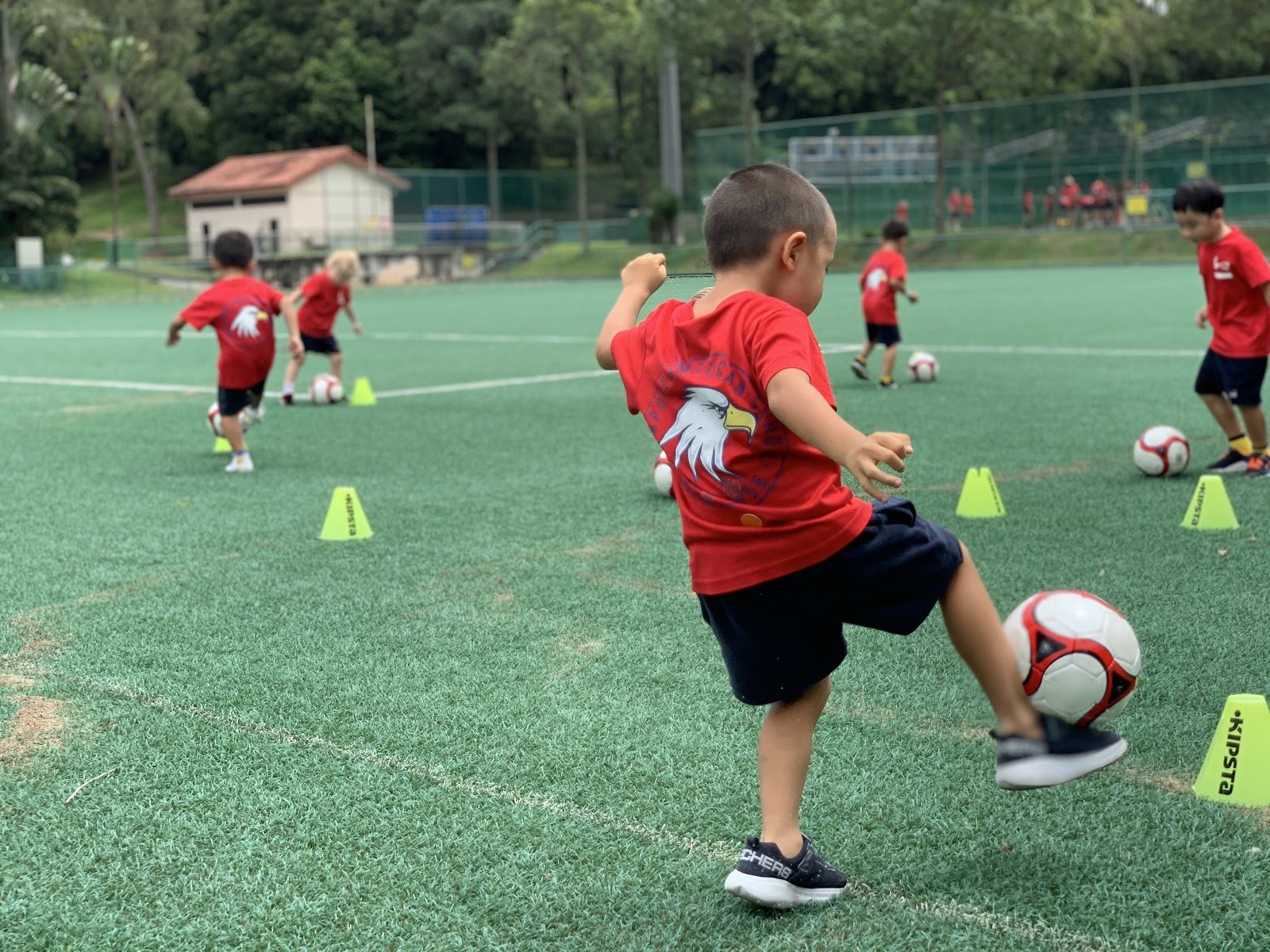
Singapore American School
Singapore · Singapore
A 36-acre Woodlands campus with a rainforest classroom and AP breadth, run on an American blueprint with IB rigor at the edges
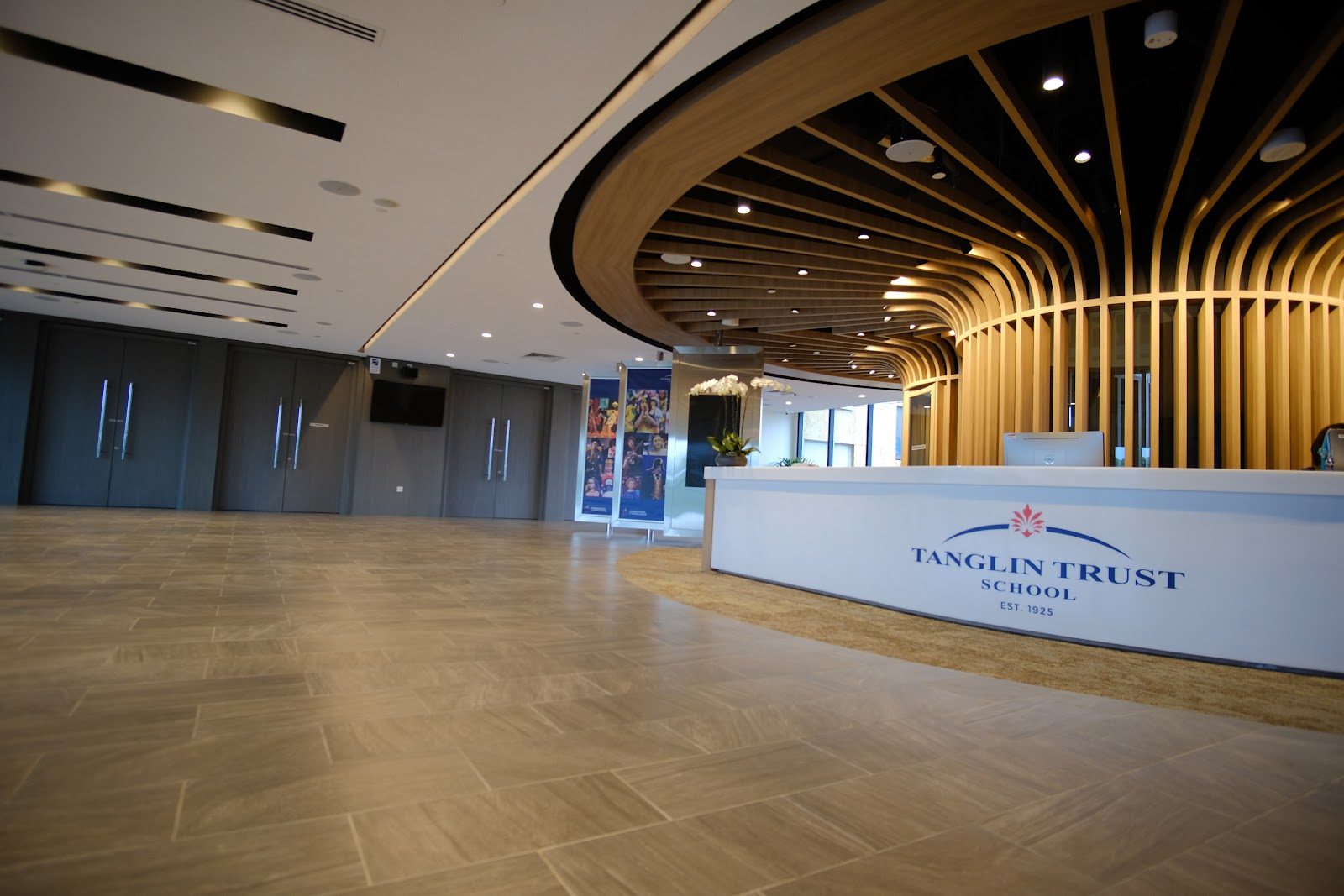
Tanglin Trust School
Singapore · Singapore
Southeast Asia's oldest British school pairs IB with A-Levels, then sends every Year 9 to the Australian bush for five weeks.
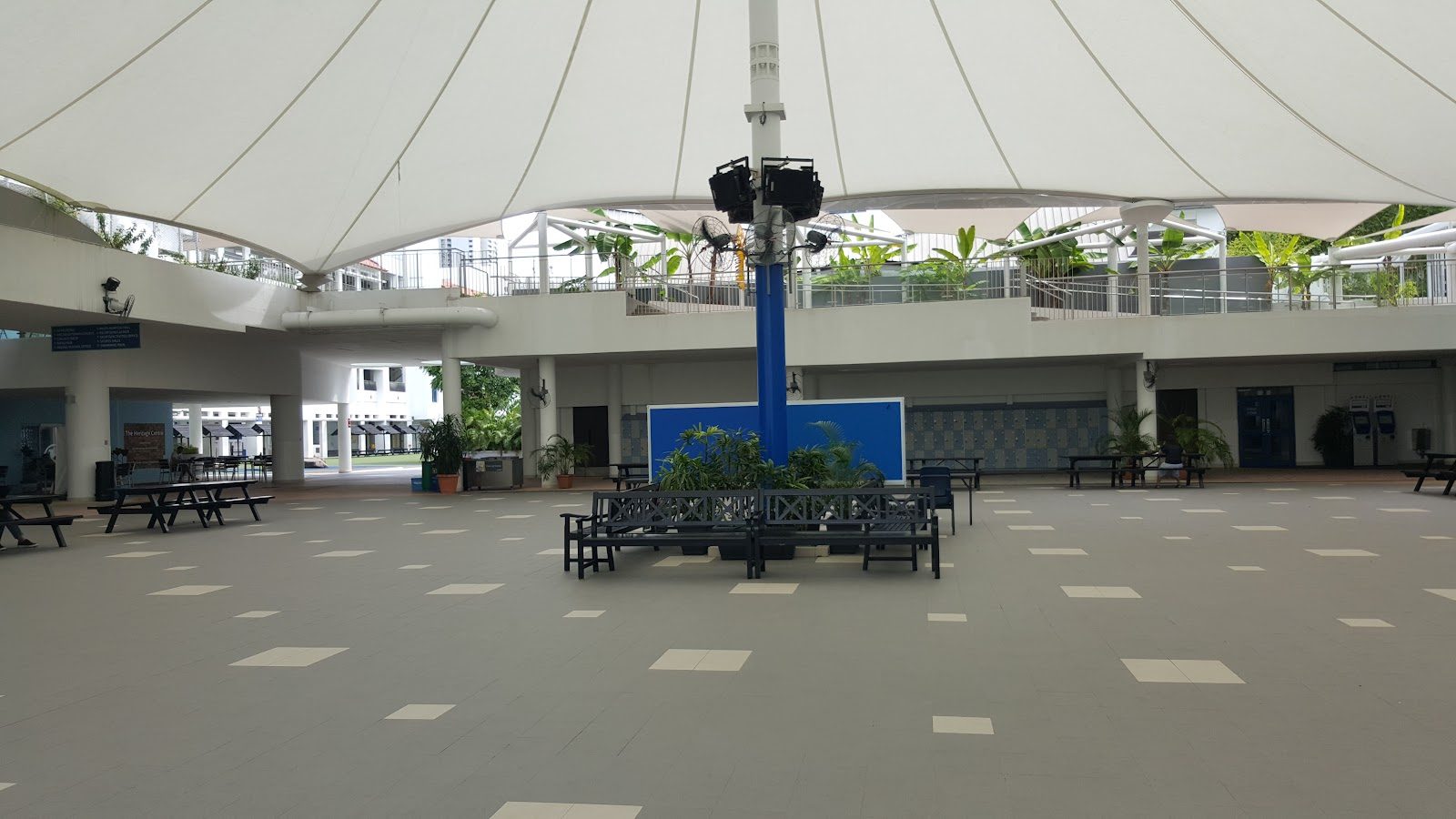
United World College of South East Asia
Singapore · Singapore
Across two Singapore campuses, service learning anchors an IB path capped by a rare Systems Transformation course for change leadership.
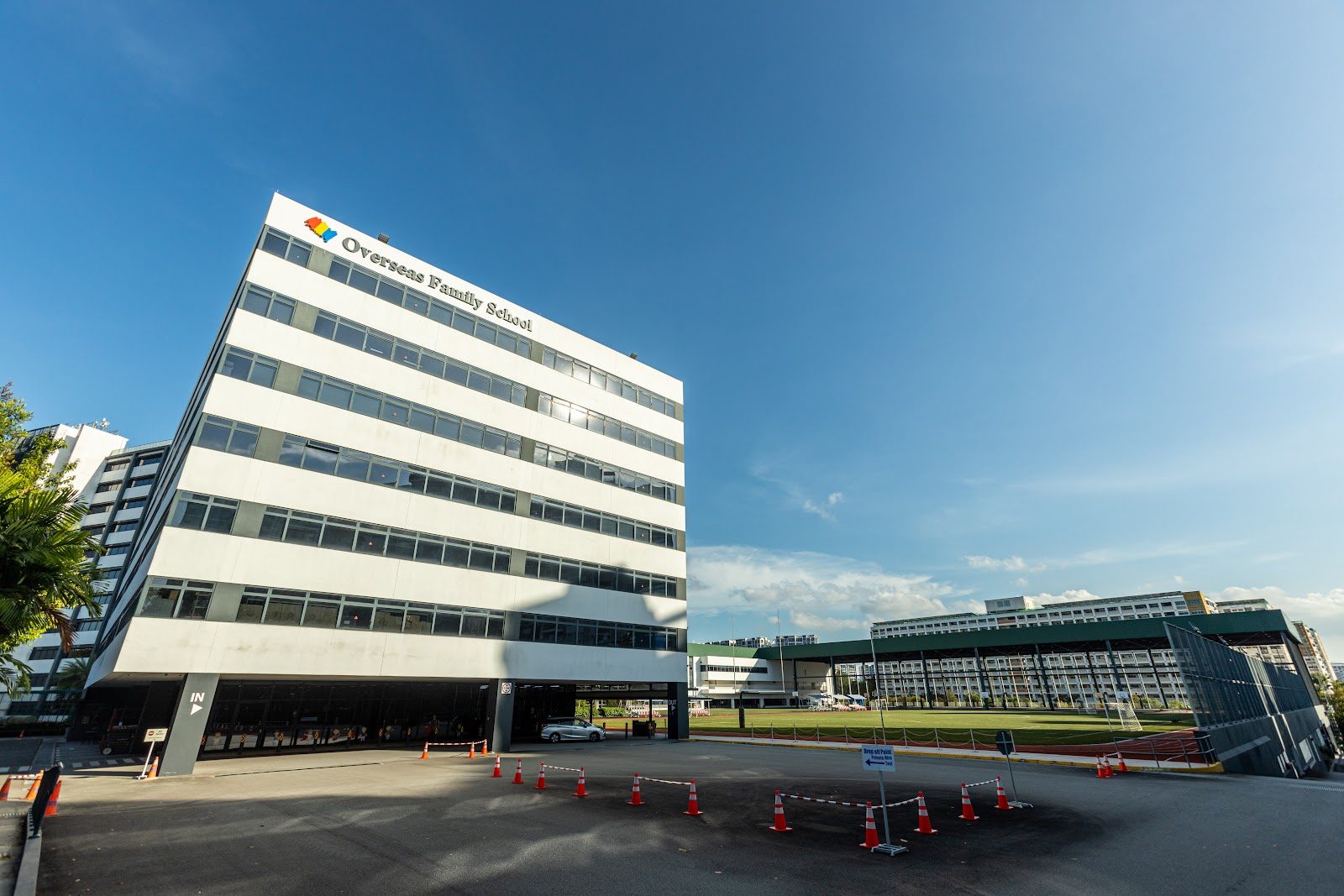
Overseas Family School
Singapore · Singapore
Open-access IB Diploma policy admits every student, no preselection, inside a 70-nation Pasir Ris campus.
Same country and curriculum — closest matches within ±10 points either way