
Maharashtra
Oberoi International School
medium confidence· 4/6 cats · 3.06 avg sourcesA full IB continuum from Nursery to Diploma, spread across twin Goregaon campuses inside Mumbai's Oberoi Garden City enclave.
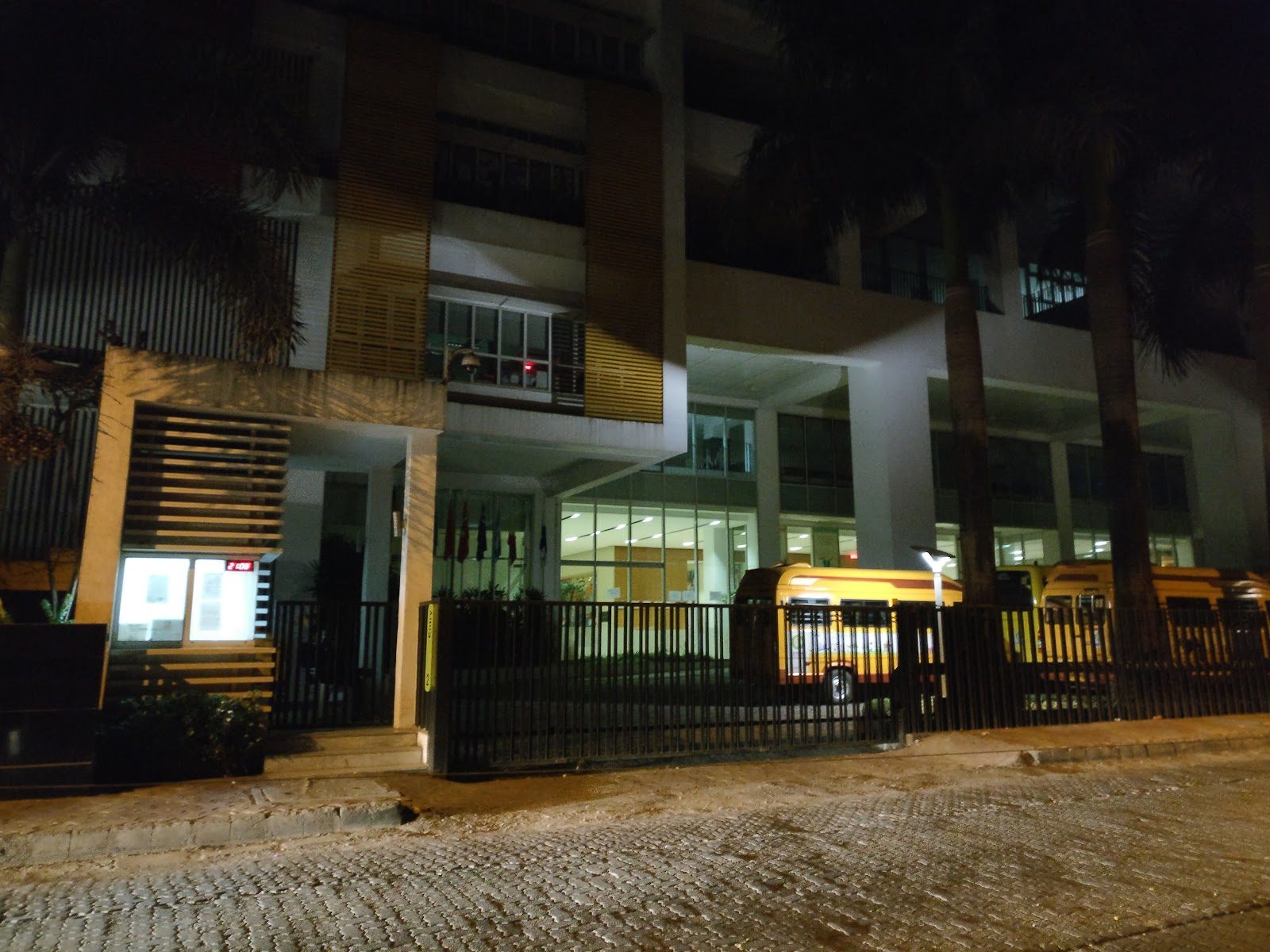
Photo © Neel Kolhe via Google Maps
Type
Day
Ages
11–18
Curriculum
IB · Indian National · British
Qualifications
ISC · IGCSE
Ratio
9:1
The Verdict
Editor's commitment
Right for
Families who want the full IB continuum in English across ages 11–18, with CIS accreditation and a lean 9:1 student-teacher ratio.
Wrong for
Parents seeking a cheaper Mumbai day school; the average annual fee is US$11,372, and this is a non-religious, no-boarding setup.
Watch out for
Scale matters: 3,100+ students across two Goregaon campuses brings breadth, but families need the One School, Two Campuses model to work for them.
Ranking breakdown
Oberoi International School · #434 of 1591
Composite score 69.9. 8 weighted criteria.
By criterion
Academic Outcomes
Weight 20%
#511
of 1529 scored
University Placement
Weight 16%
#516
of 1529 scored
Prestige & Heritage
Weight 12%
#597
of 1571 scored
Alumni Network
Weight 12%
#389
of 1530 scored
Facilities
Weight 12%
#478
of 1534 scored
Transparency & Communications
Weight 8%
#592
of 1532 scored
Peer & Industry Review
Weight 10%
#640
of 1548 scored
Admissions Selectivity & Demand
Weight 8%
#400
of 1529 scored
Score history
Oberoi International School · 2026
Movement across 2024–2026. Peer average overlaid.
Overall — 2024–2026
69.9/ 100
▲ +27.7 vs 2025
year on year
Peer & Industry Review
How Oberoi International School is regarded in the sector
68
Respected · medium confidence
I could not identify at least two independent third-party sources (e.g., Good Schools Guide, Tatler, specialist education press, or established expat forums) that specifically assess Oberoi International School Mumbai's reputation. My knowledge does not include verifiable independent coverage of this school beyond general awareness that it exists as an IB school in Mumbai.
Award

Elite Entrepreneurship, Economics & Finance 60
World's Top School · The Global Ranking
Oberoi International School is featured on our Global Top 60 ranking at #45. This seal is available for the school's marketing team to use on their website, prospectus and social channels.
Editors' overview
Oberoi International School trades on a structure few Mumbai schools can match: two full campuses, both inside the same Goregaon orbit, both running the complete IB continuum, and both tied together under a “One School, Two Campuses” model. That matters because this is not a junior section bolted onto a senior school, or one strong campus carrying a weaker sibling. The school states that both sites share the same programmes, administrative guidelines and fee structure, with students moving through an all-through system from Nursery to Grade 12. For families who want a coherent international education rather than a patchwork of stages, that is the core attraction. The scale is also striking: more than 3,100 students across the two campuses, more than 30 nationalities, and 21 graduating classes since opening in 2008.
The strongest reason to shortlist Oberoi is the combination of scale and control. Large schools can fragment; Oberoi has built its identity around avoiding that. It is fully authorised for the IB Primary Years, Middle Years and Diploma Programme, and it also holds CIS accreditation, which gives parents external reassurance on governance and school standards. The 9:1 student-teacher ratio points to serious staffing depth in a school of this size. This is a premium, highly organised operation rather than a boutique school running on charm. The average annual day fee is $11,372, which places it in the upper tier of the Mumbai market without straying into the kind of pricing that narrows the pool to only the ultra-wealthy.
This is a school for families who want the IB all the way through and do not want to gamble on a school still assembling its senior years. It suits students who thrive in a structured, internationally minded environment with a large peer group and a broad social mix. It will also appeal to parents who value institutional consistency: one board, one school identity, one framework across both campuses. Children who need a tiny, intimate setting or a more idiosyncratic, loosened culture may find Oberoi too systematic. Students who like clear expectations, strong academic architecture and the momentum of a substantial international school will find plenty to work with here.
Academic Performance
Oberoi’s academic case rests on programme continuity and institutional scale, not on public exam data. The school runs the full IB path through to the Diploma, which gives it the architecture for coherent progression in assessment, subject choice and skills development. That matters in a market where some schools offer an international label without a settled senior years structure. A low staffing ratio also points to the capacity for close tracking and intervention. But parents looking for hard proof of outcomes hit a clear limit: the school does not publish aggregate IB Diploma results, pass rates, average point scores, or university destination data in the public domain. That makes direct comparison with the city’s results-conscious international schools harder than it should be.
So where does that leave Oberoi relative to peers? In structural terms, it sits in the serious tier: large enough to sustain breadth, established enough to avoid the fragility of a newer senior school, and organised enough to support students through external examinations. In disclosure terms, it is less transparent than the strongest benchmark schools, which publish headline Diploma outcomes and placement patterns year after year. For some families, that opacity is a material weakness. For others, the draw of a full-school IB environment under one system across two campuses carries more weight. The academic promise is strong; the published proof remains thin.
Facilities
Facilities are a central strength here. Oberoi runs two purpose-built campuses under one operating model, and that matters because parents are not buying into a flagship site plus a compromise annex. The school’s own language stresses parity across the estate: the same educational experience, the same fee structure, the same administrative framework. In practical terms, that gives families a cleaner proposition than many large city schools, where facilities quality can vary sharply by section or site. With more than 3,100 students split across the two campuses, Oberoi has the scale to support specialist spaces that smaller international schools struggle to justify, and the phrase “premium, purpose-built facilities” is not trivial in a dense urban market where many schools work around inherited buildings.
Against Mumbai peers, the advantage is coherence more than spectacle. Some competitors have flashier selling points or a stronger habit of publicising individual labs, studios or sports assets in forensic detail. Oberoi does not disclose that level of inventory, which leaves parents without the room-by-room clarity the best school websites now provide. That is a weakness. But the broader picture still lands: these are serious, well-capitalised campuses built for a full through-school population, not improvised conversions. For families comparing metropolitan international schools, that places Oberoi in the upper tier for physical provision, even if its public detail is less transparent than the strongest operators in the category.
Oberoi runs two purpose-built campuses under one operating model, and that matters because parents are not buying into a flagship site plus a compromise annex
Prestige
Oberoi carries real status in Mumbai’s international-school market, but its prestige rests on infrastructure, continuity and parental confidence rather than on elite mystique. Two full campuses operating under one school model give it a scale and permanence that many competitors do not match. More than 3,100 students across the school and 30+ nationalities create the kind of social density that parents read as institutional weight: broad networks, deep staffing, strong peer continuity and a school community large enough to have a public profile beyond its own gates. Add a low 9:1 staffing ratio and the picture is clear: this is a serious, expensive, high-capacity operation with the resources to deliver on its promises.
That said, prestige here is earned through competence, not through scarcity or public academic theatre. Oberoi does not publish the headline outcome data that top-tier schools use to convert reputation into hard authority. That matters. In prestige terms, it sits below the small cluster of schools whose exam disclosure and university placements drive citywide bragging rights. But it sits well above the many schools trading on international branding without the same operational depth or whole-school coherence. The result is solid upper-tier prestige: a name that carries weight with internationally minded families, trusted for consistency and scale, but not one that dominates the market through published results or old-guard cachet.
Oberoi does not publish the headline outcome data that top-tier schools use to convert reputation into hard authority
Communications
Oberoi communicates like a large, disciplined institution. The public-facing site is clean, current and well structured, with basic navigation handled properly and a clear explanation of how the two-campus model works. That matters, because multi-site schools often leave parents to decode who studies where, under which leadership, and with what level of alignment. Here, the school answers that issue directly. It also puts useful top-line facts in plain view: a student body of more than 3,100, a community spanning 30+ nationalities, and an alumni count in the four figures. For a parent testing whether the school has scale, permanence and organisational grip, that is *effective, confidence-building communication*.
The weakness is depth. Oberoi explains its structure and ethos better than it discloses day-to-day evidence of school performance. We have not seen the kind of granular communications that strongest schools now use to reassure hard-nosed parents: published aggregate senior outcomes, detailed university destinations, or a forensic breakdown of facilities and academic life by phase. The tone is also institutional rather than intimate; families looking for a vivid sense of student voice, classroom texture or pastoral reality get less than they need. So the verdict is clear. Oberoi communicates well at the strategic level and gives parents a coherent picture of how the school is organised. It communicates less well at the proof level, where detail, transparency and routine disclosure carry more weight than polished framing.
Uniqueness
What distinguishes Oberoi is not the IB label on its own. Plenty of schools sell international credentials. Oberoi’s difference is operational: one school identity spread across two full campuses that are treated as equals, not as a senior site with a junior offshoot or a prestige campus carrying a weaker sibling. The school says both campuses share the same programmes, guidelines and fee structure, and that tight institutional alignment gives students something valuable: continuity without the usual compromises of a multi-site school. A child is not entering a fragmented system stitched together by branding. They are entering a deliberately standardised one, with enough scale to create a substantial peer environment across 30+ nationalities and a community that already counts 1612 alumni.
That structure brings practical benefits. It supports smoother progression through the school, stronger collaboration between teachers across sites, and a cleaner sense of what parents are buying into. It also reduces one of the common risks in expanding schools: uneven quality between campuses. For students, that means access to a more stable, less improvised educational experience than many urban rivals can offer. The trade-off is clear too. A model built on consistency and common systems leaves less room for campus-level eccentricity or the idiosyncratic charm some families actively want. Oberoi’s distinctiveness lies in disciplined replication at scale. For the right family, that is a serious advantage.
Oberoi’s distinctiveness lies in disciplined replication at scale
Student Profile
The student body suits families who want a child educated inside a large, orderly, internationally minded peer group rather than a tiny school built around intimacy. With 30+ nationalities across the community, Oberoi draws children who are comfortable around difference, quick to adapt socially and happy working within a shared institutional culture. This is not the place for students who need constant novelty or a loose, free-form atmosphere. It suits children who do well with routines, clear expectations and a school structure that values consistency across year groups and campuses. Parents who want a globally mixed social setting without sacrificing operational discipline will find the fit strong.
The strongest fit is the student who wants breadth of friendship, steady academic expectations and access to a sizeable school community that does not feel makeshift. Confident joiners, collaborative learners and pupils who like being part of something bigger than their own class will have more room here than in a small boutique setting. The lower staffing ratio strengthens that proposition: students get the advantages of scale without being left anonymous. The weaker fit is the child who needs a highly individual, eccentric or soft-edged environment to thrive. Oberoi caters better to students who can navigate a substantial institution, make use of its range, and respond well to a structured, adult-led culture.
That matters because this is not a junior section bolted onto a senior school, or one strong campus carrying a weaker sibling
Co-curricular strengths
Arts & sport, on a separate axis
Overall 8.22/10
Scored 0-10 from the school's own published evidence. This axis is editorial-only — it does not feed the main WTS ranking.
Sports
8.4/10
Olympic-size pools, a futsal court, rock-climbing wall, basketball and tennis courts, and 47 sports teams across numerous sports, which indicates purpose-built, high-level sports provision.
Drama
8.3/10
Drama Productions, plus dedicated drama studios plus an auditorium and speech-drama activities, giving multiple clear indicators of notable strength.
Dance
7.5/10
Wikipedia specifically mentions dedicated dance studios and named activities including ballet and rhythmic gymnastics, which supports a strong, specialised dance programme.
Music
8.2/10
School Orchestra and Choir Ensemble, plus music practice rooms and recording studios, evidencing both structured ensembles and dedicated specialist facilities.
Visual Arts
8.7/10
Visual Arts, plus art rooms plus art skills and photography activities, showing dedicated specialist space and named provision.
Editor first-pass · editor-reviewable · 7/27/2026
Strengths
- +The 2025 IB Diploma cohort of 204 candidates achieved an average score of 35.5 points against a global average of 30.58, with a 96% pass rate.
- +The school is IB authorised, part of the IB Preferred Partner network, and holds CIS and NEASC accreditation across both its campuses.
- +The two Mumbai campuses together enrol 3,100+ students drawn from over 30 nationalities, giving a genuinely international peer group for expatriate children.
- +Recent graduates have progressed to universities including Oxford, Imperial College London and King's College London, among other listed destinations.
- +The school has operated continuously since its founding in August 2008 with 38 students, later adding a second campus (JVLR) in 2017-18 as enrolment grew.
Considerations
- −OIS has no boarding or hostel facility of any kind; it operates strictly as a day school, despite sometimes being categorised otherwise.
- −The curriculum is IB-only across PYP, MYP and DP, with no parallel British (IGCSE/A-Level) or Indian national board pathway offered on site.
- −Annual tuition runs up to INR 1,090,000 for 2026/27, placing OIS in Mumbai's premium fee bracket alongside a small number of comparable IB schools.
- −Published admissions data (acceptance rates, fixed application-fee amounts) are limited, making it hard for prospective families to independently gauge selectivity.
Availability
Primary entry gate & tests
Academic Record + Interview
Gallery
Photo © Srikanth Velamakanni via Google Maps
Photo © Hiren Solanki via Google Maps
Photo © Nikita Govekar via Google Maps
Photo © Srikanth Velamakanni via Google Maps
Photo © Ashok via Google Maps
Photo © Srikanth Velamakanni via Google Maps
Photo © Chandrabhan yadav via Google Maps
Photo © SAHIL via Google Maps
Photo © Hasan Iftekhar via Google Maps
Parent reviews
Have you sent your child here?
Voice reviews carry the strongest trust badge — we transcribe them for you to tidy up before they go live. Prefer to type? A written review is fine too.
Add your voice
In 60 seconds, tell other parents: what's the best thing about Oberoi International School, and what surprised you when your child joined?
We ask for a Google sign-in so every review has a real face behind it — no anonymous drive-by attacks on schools, and no faked positive reviews. Your email is never shown publicly.
Send this profile to a friend
International parents rely on word-of-mouth. Share this review with someone weighing the same decision.
Schools with places
Similar schools to Oberoi International School with places available now.
UWC Mahindra College
Pune · India
- 2026-27
- CLOSEDStandard route closed
- 2027-28
- WAITPOOLVaries by National Committee
Dhirubhai Ambani International School
Mumbai · India
- 2026-27
- WAITPOOLVacancy-dependent
- 2027-28
- WAITPOOLEnquiry/app live (Dates TBC)
The Cathedral and John Connon School
Mumbai · India
- 2026-27
- CLOSEDStandard route
- 2027-28
- PLACES OPENActive now (Forms live)
Availability first, then country, area, curriculum, price, co-curricular
Consider also
Also worth looking at alongside Oberoi International School.
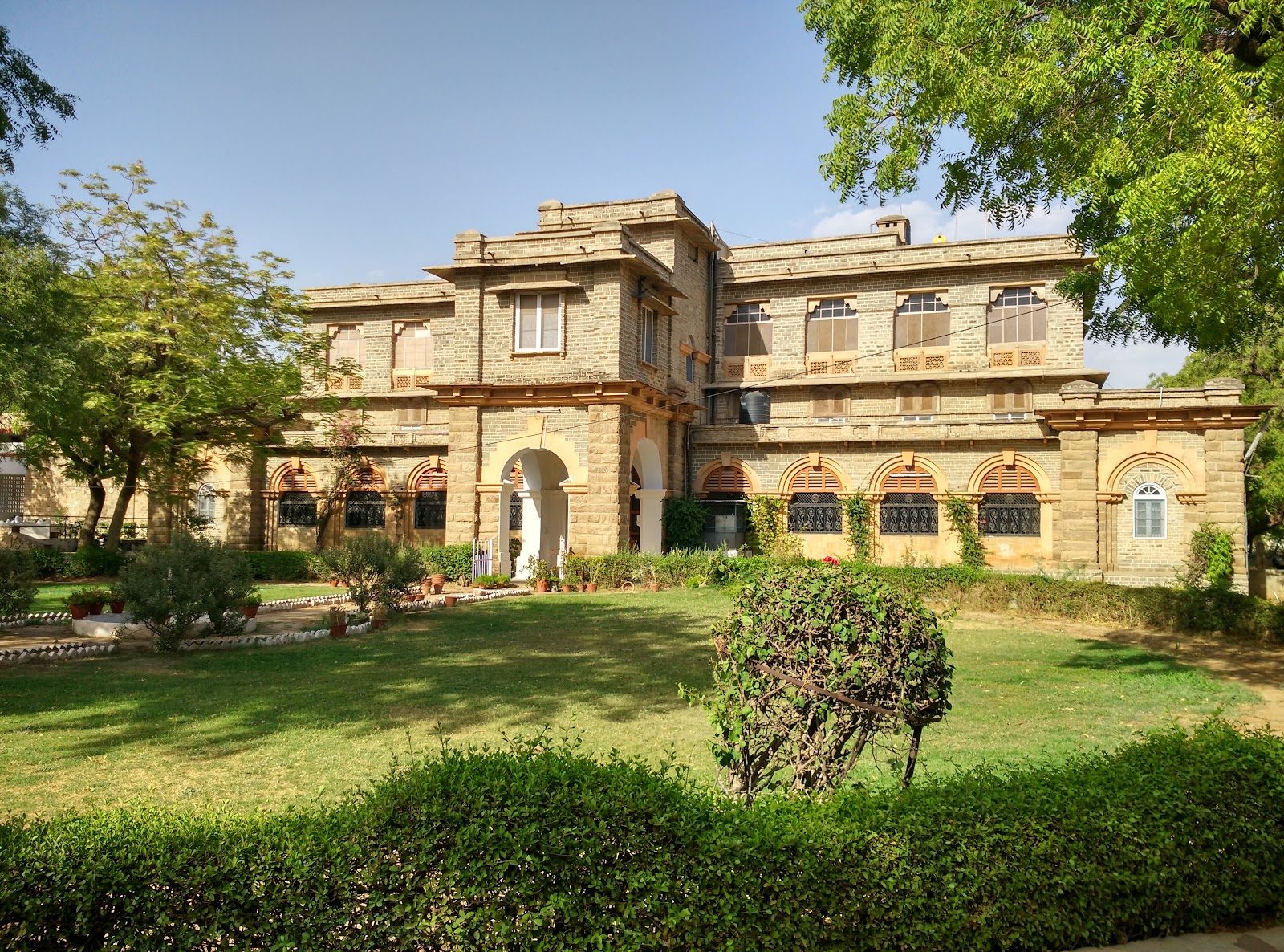
Mayo College
Ajmer · India
Historic all-boys boarding school in Ajmer offering the CBSE and Cambridge IGCSE curricula.
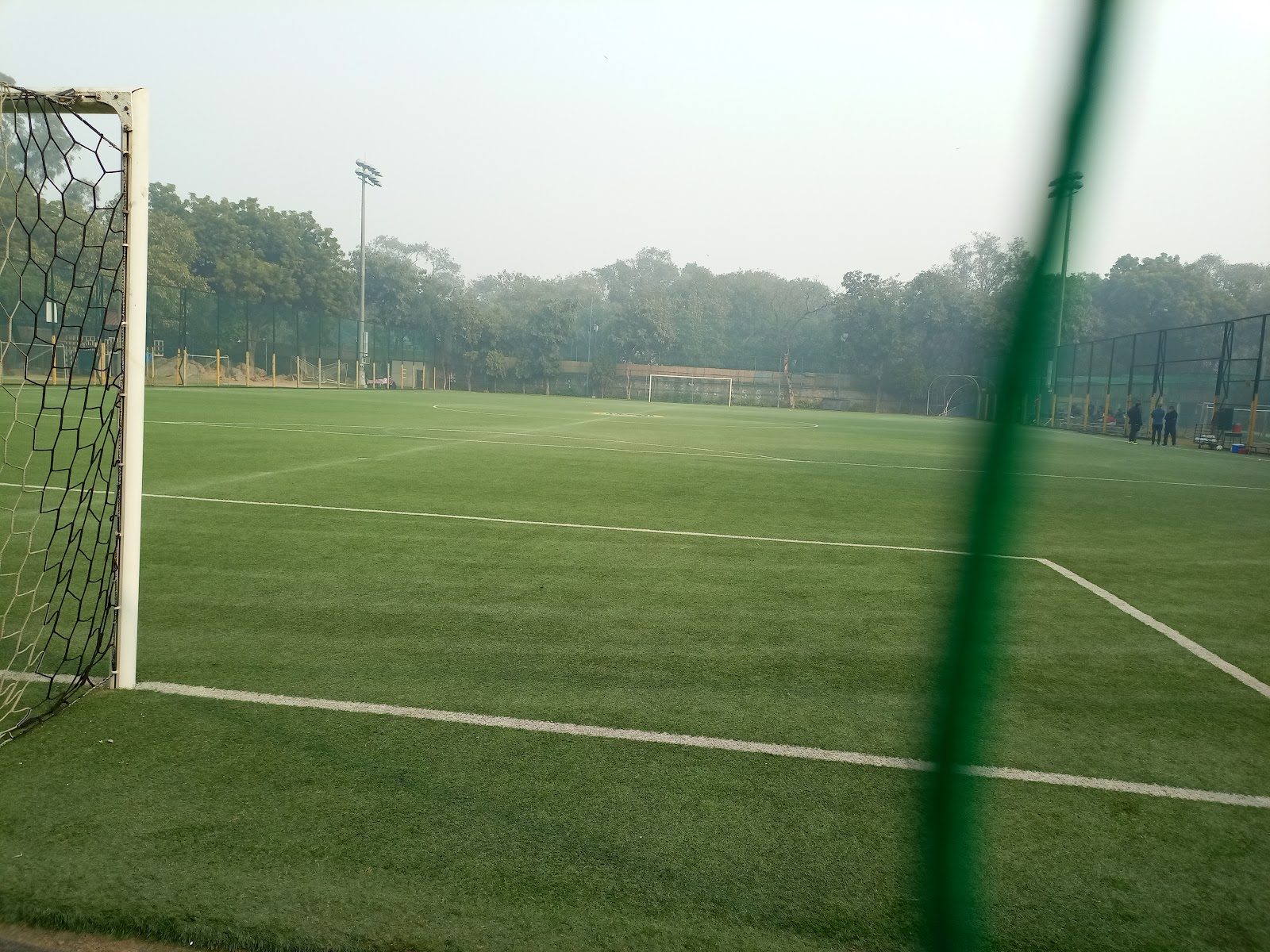
American Embassy School
New Delhi · India
Beside the U.S. Embassy in Chanakyapuri, a Joseph Stein-designed campus mixes American college prep with IB rigor for over 70 nationalities.
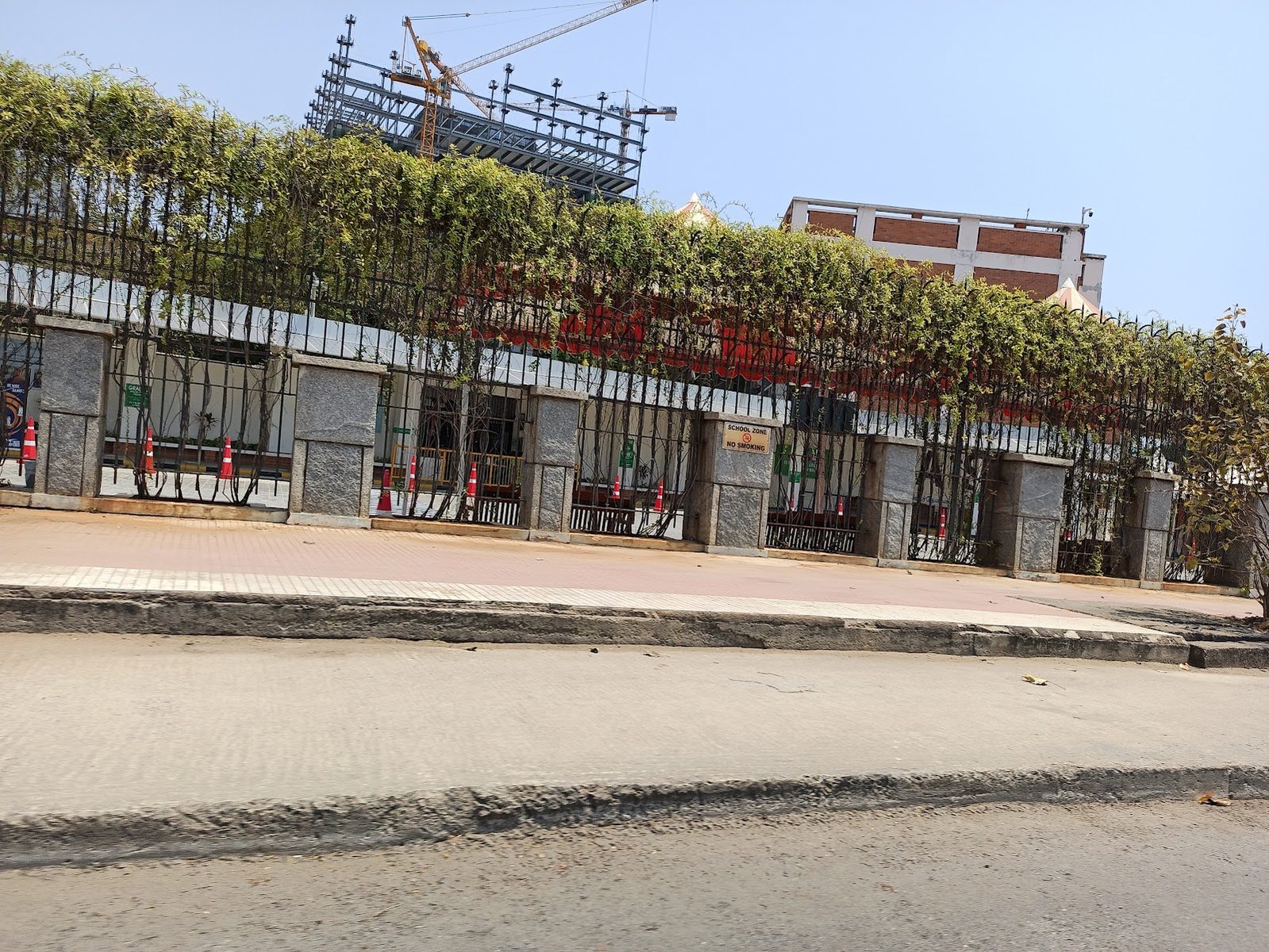
American International School Chennai
Chennai · India
Born of a 1995 US-India accord, this Taramani campus blends AP and IB rigor with the world's first K-12 LEED Platinum campus
Kodaikanal International School
Kodaikanal · India
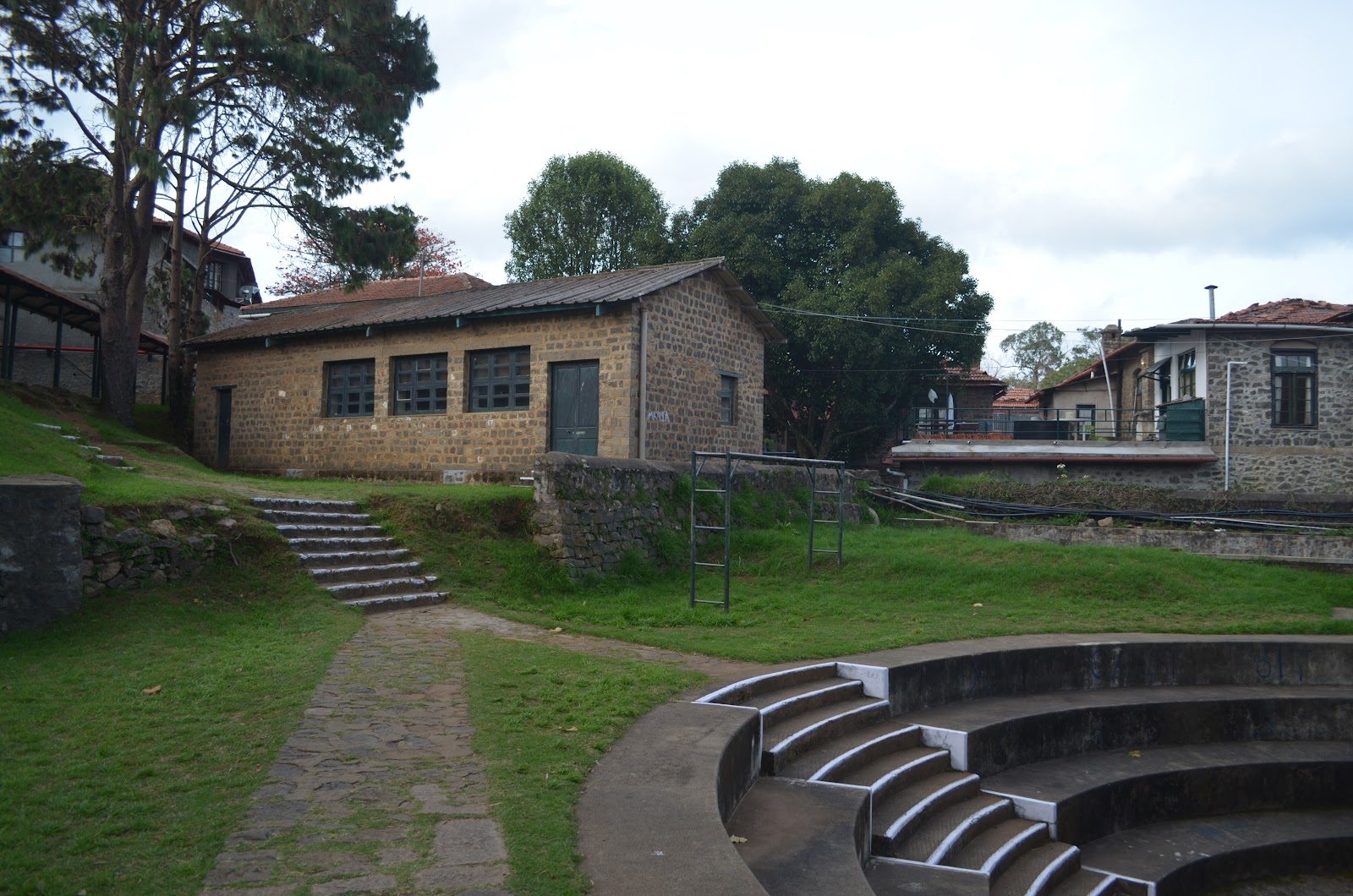
Founded in 1901 at 6,998 feet in the Palani Hills, it became India's first IB school and runs its own 135-acre wilderness campus for outdoor learning.
Same country and curriculum — closest matches within ±10 points either way