
Tamil Nadu
American International School Chennai
low confidence· 4/6 cats · 0 avg sourcesBorn of a 1995 US-India accord, this Taramani campus blends AP and IB rigor with the world's first K-12 LEED Platinum campus
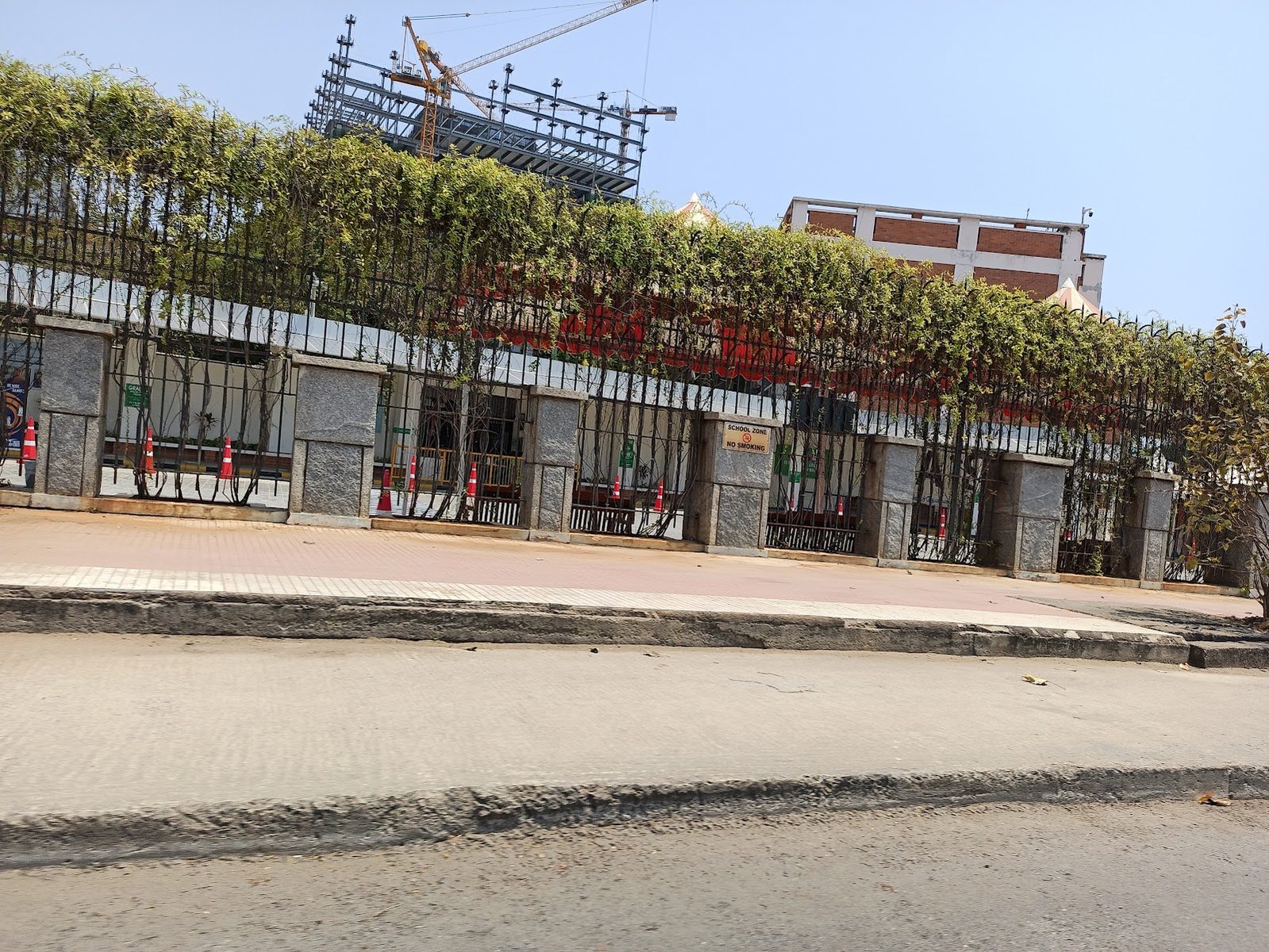
Photo © PARTHI BAN via Google Maps
Type
Day
Ages
3–18
Curriculum
American · IB
Qualifications
IB PYP · IB MYP · IB Diploma · US High School Diploma
Ratio
12:1
The Verdict
Editor's commitment
Right for
Families wanting a 1995-founded day school in Chennai with American plus IB pathways, CIS and NEASC accreditation, and a 12:1 ratio.
Wrong for
Parents seeking boarding, religious formation, or a low-cost proposition; this is a secular day school for ages 3–18 on a 20-student class model.
Watch out for
The headline campus claim is real — K–12 LEED Platinum — but environmental prestige does not replace hard published outcomes, which the school does not disclose here.
Ranking breakdown
American International School Chennai · #621 of 1591
Composite score 68.9. 8 weighted criteria.
By criterion
Academic Outcomes
Weight 20%
#585
of 1529 scored
University Placement
Weight 16%
#584
of 1529 scored
Prestige & Heritage
Weight 12%
#706
of 1529 scored
Alumni Network
Weight 12%
#579
of 1529 scored
Facilities
Weight 12%
#582
of 1529 scored
Transparency & Communications
Weight 8%
#688
of 1529 scored
Peer & Industry Review
Weight 10%
#637
of 1529 scored
Admissions Selectivity & Demand
Weight 8%
#438
of 1529 scored
Score history
American International School Chennai · 2026
Movement across 2024–2026. Peer average overlaid.
Overall — 2024–2026
68.9/ 100
▲ +30.8 vs 2025
year on year
Peer & Industry Review
How American International School Chennai is regarded in the sector
62
Respected · medium confidence
American International School Chennai (AISC) is consistently listed among the top international schools in Chennai by independent directories such as International Schools Database and ISC Research, and is frequently recommended in expat parent forums (e.g., InterNations, Expat.com) for its NEASC/CIS accreditation and American curriculum. It lacks coverage in prestige rankings like Tatler or Good Schools Guide, which rarely cover South Asian international schools, but it maintains a solid regional reputation among peer international schools and the expat community in Chennai.
Evidence sources
Editors' overview
American International School Chennai sits in a narrow but valuable niche: a non-sectarian, English-medium day school in Chennai that offers both an American pathway and the IB, with the institutional backbone of a school founded under a 1995 US-India accord. In a market where many schools promise “global” education in generic terms, AISC has a more concrete identity. It is an established international school with a clear expatriate-facing structure, a published 12:1 student-teacher ratio, and average class sizes of 20. That combination matters. It gives the school room to run a broad programme without the anonymity and crowding that weaken bigger campuses. The other obvious differentiator is the campus itself: the world’s first K–12 LEED Platinum campus. That is not a decorative sustainability claim; it marks AISC out as a school that built environmental design into the fabric of daily school life. For parents who care about operational seriousness, that carries weight. *This is a school with real institutional substance.*
What puts AISC on a shortlist is the blend of academic breadth and international-school maturity. The curriculum mix — American and IB — suits families who want flexibility through the secondary years rather than an early lock-in to one national system. The age range of 3–18 also gives it the continuity many mobile international families want. The public-facing structure of the school points to a full-spectrum student experience: athletics, aquatics, arts, service learning, English as an Additional Language, experiential learning, and a dedicated wellbeing framework. None of that is unusual in isolation. The distinction lies in the fact that AISC brings those pieces together on one campus with long-established international accreditation through CIS and NEASC. *The proposition is coherent, not improvised.* Chennai has strong schools, but fewer that package academic ambition, environmental design, and an internationally legible institutional model this cleanly.
The students who thrive here are those who want range, not just pressure. AISC will suit internationally minded children, third-culture families, and Indian families who want an outward-facing education without boarding. It will also suit students who benefit from structure but do not want a narrow exam factory. The school’s own language — personalised learning, discovery, experiential learning, service, wellbeing — points to a culture that values engagement across the day, not only raw scores. That will appeal to students who want to do serious academic work while staying active in sport, arts, leadership, and community life. *For the right child, that is a compelling mix.* The weaker fit is the student who wants a highly traditional, locally rooted Indian school culture or a stripped-down, intensely exam-drilled environment. AISC’s value sits elsewhere: global mobility, campus quality, curricular flexibility, and a well-built all-round education.
Academic Performance
AISC does not publish the exam data that would let parents judge academic performance with precision. We have not seen aggregate IB Diploma results, average point scores, pass rates, AP score distributions, or university destination breakdowns tied to actual cohort outcomes. That absence matters. In the international-school market, schools with genuinely strong external results tend to put at least headline figures in the public domain. AISC instead foregrounds “academic excellence”, personalised learning and broader programme architecture. That does not invalidate the academic offering, but it leaves the results picture opaque. Parents comparing AISC with more data-rich peers in India and across Asia will find less hard evidence here than they should.
Where does that leave the school relative to competitors? In structural terms, it has the ingredients of a serious academic operation: dual senior pathways, dedicated support for additional English needs, and a broad high-school ecosystem that gives students multiple ways to build strong applications. The Apple Distinguished School label signals digital competence, not exam strength, so it should not be mistaken for an academic outcome measure. The school’s low staffing ratio and average class size point to individual attention, which matters for AP and IB students, but inputs are not results. Until AISC publishes cohort-level outcomes, it sits in the category of schools with credible academic promise rather than schools with proven published performance. For exacting parents, that distinction is important.
Facilities
The campus is the headline facility here, and with reason. AISC’s claim to the world’s first K–12 LEED Platinum campus gives it a level of design ambition that most peer schools in India do not match. This is not a matter of decorative “green” branding; it points to a school built with environmental performance, day-to-day usability and long-term infrastructure quality in mind. Beyond that, the public school structure shows a campus with real breadth: dedicated spaces for athletics, aquatics, arts, library and technology, alongside specialist provision for experiential learning and English-language support. The presence of live events for bands, choirs and graduation also indicates facilities that are used, not merely listed. Against local competitors, that puts AISC in the upper tier for campus planning and programme support. It reads as a serious, well-equipped school rather than a school renting prestige from a smart façade.
The important caveat is detail. The school names its facility areas clearly, but does not publish the sort of hard campus specifications that make comparison easier: pool configuration, theatre capacity, lab count, studio provision or field inventory. That leaves parents with a strong sense of range and a weaker sense of scale. Even so, the combination of aquatics, arts, technology and outdoor learning infrastructure places AISC ahead of many day schools whose facilities concentrate on classrooms first and everything else second. In peer terms, this is a high-functioning campus with real operational depth. It does not trade on one showpiece building; it supports a full school day.
In the international-school market, schools with genuinely strong external results tend to put at least headline figures in the public domain
Prestige
AISC carries real prestige in the way that matters to internationally mobile families: not through inherited social cachet or local old-boy mythology, but through institutional credibility and recognisability. The school sits in the top tier of Chennai’s international options because it offers a full expatriate-facing model, established overseas accreditation, and the kind of programme architecture that universities and relocating employers understand at a glance. The campus adds another layer. Being the world’s first K–12 LEED Platinum school gives AISC a distinctive calling card that few competitors can match and that serious international parents will remember. So does the Apple Distinguished School label: not a proxy for academic outcomes, but a marker of competent, well-funded educational infrastructure. The published 12:1 staffing ratio also reinforces the impression of a school built on substance rather than display.
That said, AISC’s prestige has clear limits. It does not have the global halo of the oldest embassy-linked schools in Asia, nor the brute reputational force that comes from publishing standout exam results year after year. Its status rests on institutional quality, breadth, and stability, not on elite selectivity or publicly proven academic dominance. In plain terms, this is a serious, respected international school with strong name recognition in the right circles. It is not a trophy school. For many families, that is a strength: the prestige here feels earned, legible, and durable, not inflated by marketing.
Add the school’s explicit commitment to personalised learning, experiential learning and EAL support, and AISC’s distinctiveness sharpens further
Communications
AISC communicates with parents through a full, well-organised set of channels rather than a single admissions-first website. The public site is easy to navigate, with clear routes into parent resources, community information, live events, safeguarding, careers and school news. That matters. Schools that communicate well do not bury everyday life under brand language, and AISC gives parents multiple practical entry points into the institution. The presence of a dedicated Parent Community Association, a named wellbeing framework, live-streamed events, and visible sections for athletics, arts, activities and learning support all point to a school that treats communication as part of operations, not an afterthought. The login prompt also signals a functioning parent portal ecosystem beyond the brochure layer. This is a structured, adult communications model.
How effective is it? Strong on breadth and institutional clarity; weaker on hard accountability. Parents can get a solid sense of how the school is organised, what students do across the week, and which parts of school life carry weight. The tone is confident without lapsing into noise. Safeguarding is easy to find, which is a mark of seriousness. But the same communications apparatus stops short where demanding parents need it most: public academic outcomes, fuller performance data, and sharper operational detail. In that respect, AISC is transparent about culture and guarded about results. For current families, the day-to-day communication infrastructure looks well built. For comparing schools at a high level, it still leaves important questions unanswered.
Uniqueness
What makes AISC distinct is not one isolated feature but an unusually coherent mix: a school created through a bilateral government accord, a campus with a globally unusual environmental credential, and a programme architecture built for internationally mobile families rather than retrofitted for them later. Plenty of schools borrow the language of global education. AISC has a more hard-edged legitimacy. It carries the institutional habits of an established international school, yet avoids the anonymous feel that larger, more corporate campuses can acquire. The result for students is a school day with real breadth and a clear operating logic: academics, arts, aquatics, athletics, service, technology and wellbeing sit inside one system instead of competing for attention on the margins.
The student benefit is practical as much as philosophical. A child here gets access to a campus designed to shape behaviour, not just impress visitors: environmental design, specialist spaces and a broad co-curricular structure create a more deliberate, adult learning environment. The school’s published 12:1 staffing ratio and average class size of 20 strengthen that advantage by giving teachers room to know students well across classes, activities and support structures. Add the school’s explicit commitment to personalised learning, experiential learning and EAL support, and AISC’s distinctiveness sharpens further. This is a school for families who want international-school fluency without boarding and without the narrow culture of an exam factory.
In a market where many schools promise “global” education in generic terms, AISC has a more concrete identity
Student Profile
The best fit here is the student who wants a busy, outward-facing school life rather than a narrow classroom routine. AISC suits internationally mobile families, third-culture children, and locally based families who want a peer group shaped by global movement rather than one city’s social hierarchy. Children who enjoy switching between lessons, sport, arts, service, clubs and school events will have more room here than they would in a stripped-back, exam-drilled environment. The school’s own architecture of student life — Discovery, Week Without Walls, SEVAI, activities, aquatics, athletics and arts — points to a student body expected to participate, not just attend. With an average class size of 20 and a published staffing ratio of 12:1, the model also suits students who benefit from being known by adults across the day.
The weaker fit is clear. This is not the right school for a child who wants a hard-edged, locally traditional school culture or who measures school quality only through publicly posted exam tables. It will also frustrate families who want a socially exclusive enclave or a relentlessly competitive atmosphere built around rank and visible academic sorting. The strongest candidates for AISC are students who are curious, adaptable and comfortable in a cosmopolitan, programme-rich setting; students who need heavy external pressure to work, or who want a single-track academic identity, will find a mismatch. In short: this is a school for engaged generalists and globally minded strivers, not for children who want school reduced to marks alone.
It is an established international school with a clear expatriate-facing structure, a published 12:1 student-teacher ratio, and average class sizes of 20
Co-curricular strengths
Arts & sport, on a separate axis
Overall 8.2/10
Scored 0-10 from the school's own published evidence. This axis is editorial-only — it does not feed the main WTS ranking.
Sports
8.5/10
Basketball, Football, and Swimming as extracurriculars.
Drama
8.3/10
Drama is explicitly named in the extracurricular list.
Dance
7.2/10
Music
8.5/10
Choir and Band are explicitly listed as extracurriculars, but there is no additional evidence of facilities, specialist staff, or notable productions.
Visual Arts
8.5/10
Visual Arts is explicitly named in with no further detail about studios, exhibitions, or specialist provision.
Editor first-pass · editor-reviewable · 7/27/2026
Strengths
- +Offers American and IB curricula
- +English-medium throughout
- +Day school for ages 3–18
- +12:1 student-teacher ratio
Considerations
- −No boarding option
- −Average class size is 20
- −Founded only in 1995
Availability
Primary entry gate & tests
Academic Record
Gallery
Photo © UMAR FAROOK MOHAMED via Google Maps
Photo © Preetham Suvarna via Google Maps
Parent reviews
Have you sent your child here?
Voice reviews carry the strongest trust badge — we transcribe them for you to tidy up before they go live. Prefer to type? A written review is fine too.
Add your voice
In 60 seconds, tell other parents: what's the best thing about American International School Chennai, and what surprised you when your child joined?
We ask for a Google sign-in so every review has a real face behind it — no anonymous drive-by attacks on schools, and no faked positive reviews. Your email is never shown publicly.
Send this profile to a friend
International parents rely on word-of-mouth. Share this review with someone weighing the same decision.
Schools with places
Similar schools to American International School Chennai with places available now.
Oberoi International School
Mumbai · India
- 2026-27
- WAITPOOLSpace-dependent
- 2027-28
- PLACES OPENRolling
Welham Girls' School
Dehradun · India
- 2026-27
- WAITPOOLSpace-dependent
- 2027-28
- PLACES OPENRolling
The Scindia School
Gwalior · India
- 2026-27
- WAITPOOLSpace-dependent
- 2027-28
- PLACES OPENRolling
American Embassy School
New Delhi · India
- 2026-27
- WAITPOOLSpace-dependent
- 2027-28
- PLACES OPENRolling
Availability first, then country, area, curriculum, price, co-curricular
Consider also
Also worth looking at alongside American International School Chennai.
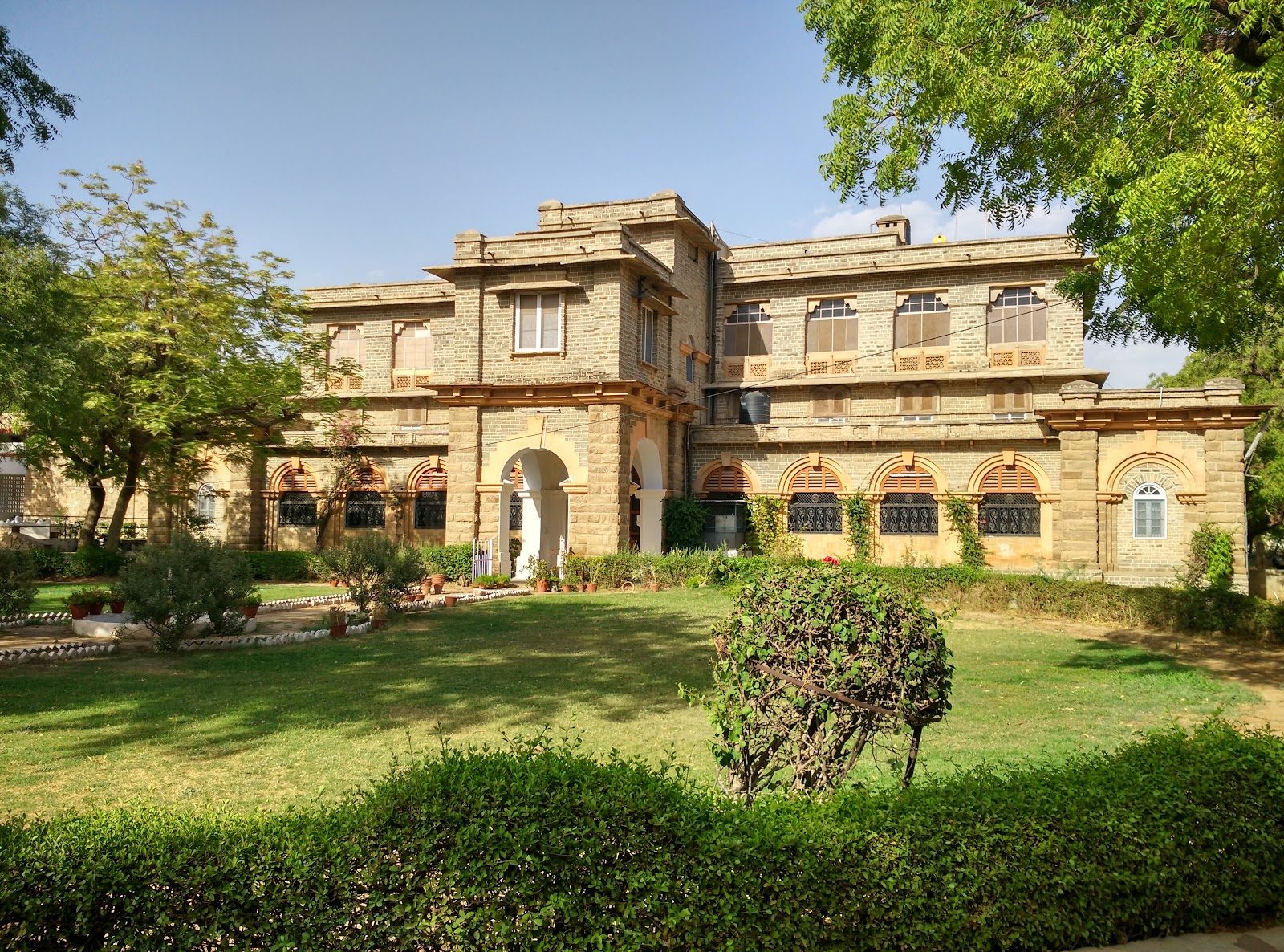
Mayo College
Ajmer · India
Historic all-boys boarding school in Ajmer offering the CBSE and Cambridge IGCSE curricula.
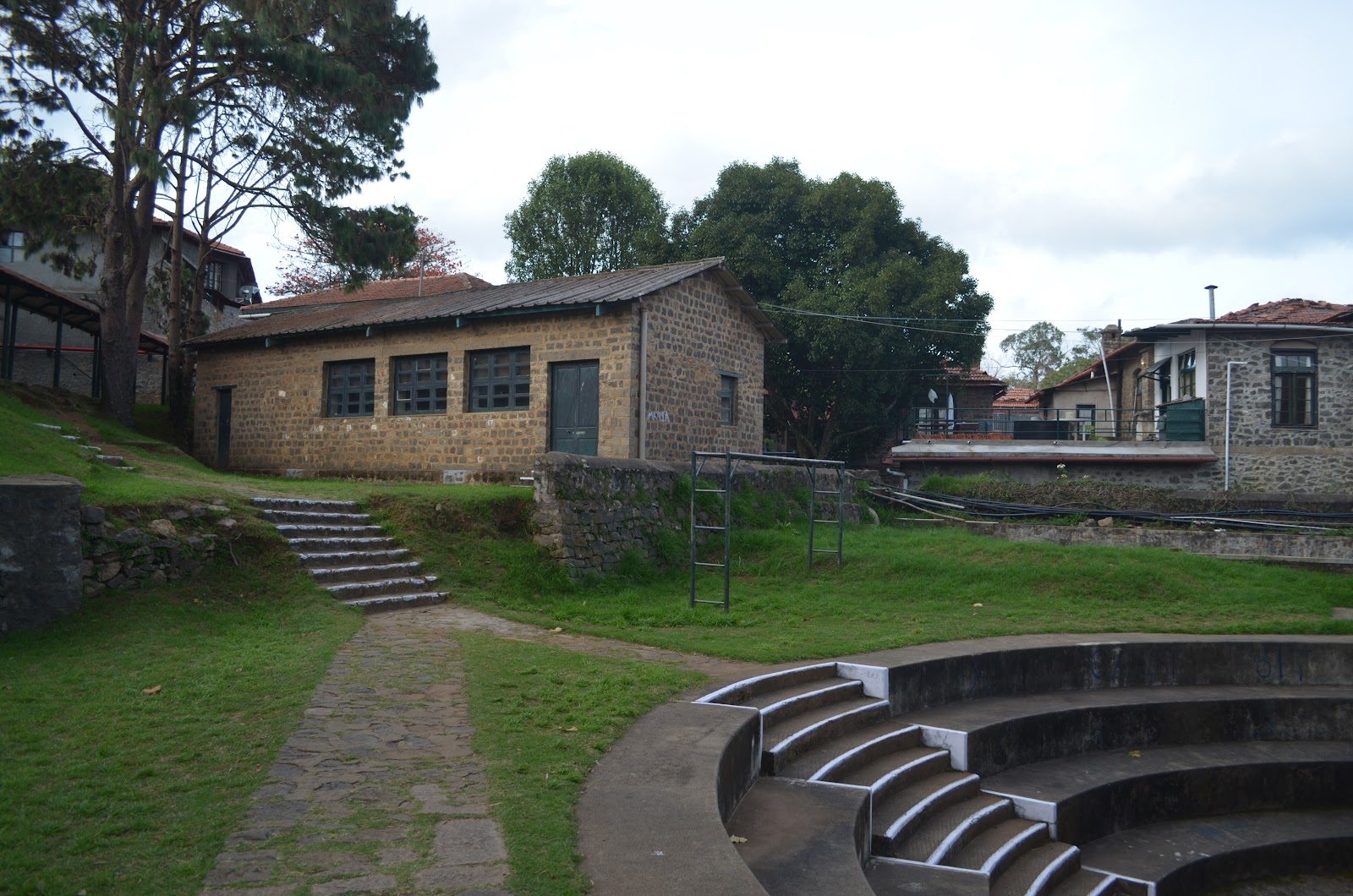
Kodaikanal International School
Kodaikanal · India
Founded in 1901 at 6,998 feet in the Palani Hills, it became India's first IB school and runs its own 135-acre wilderness campus for outdoor learning.
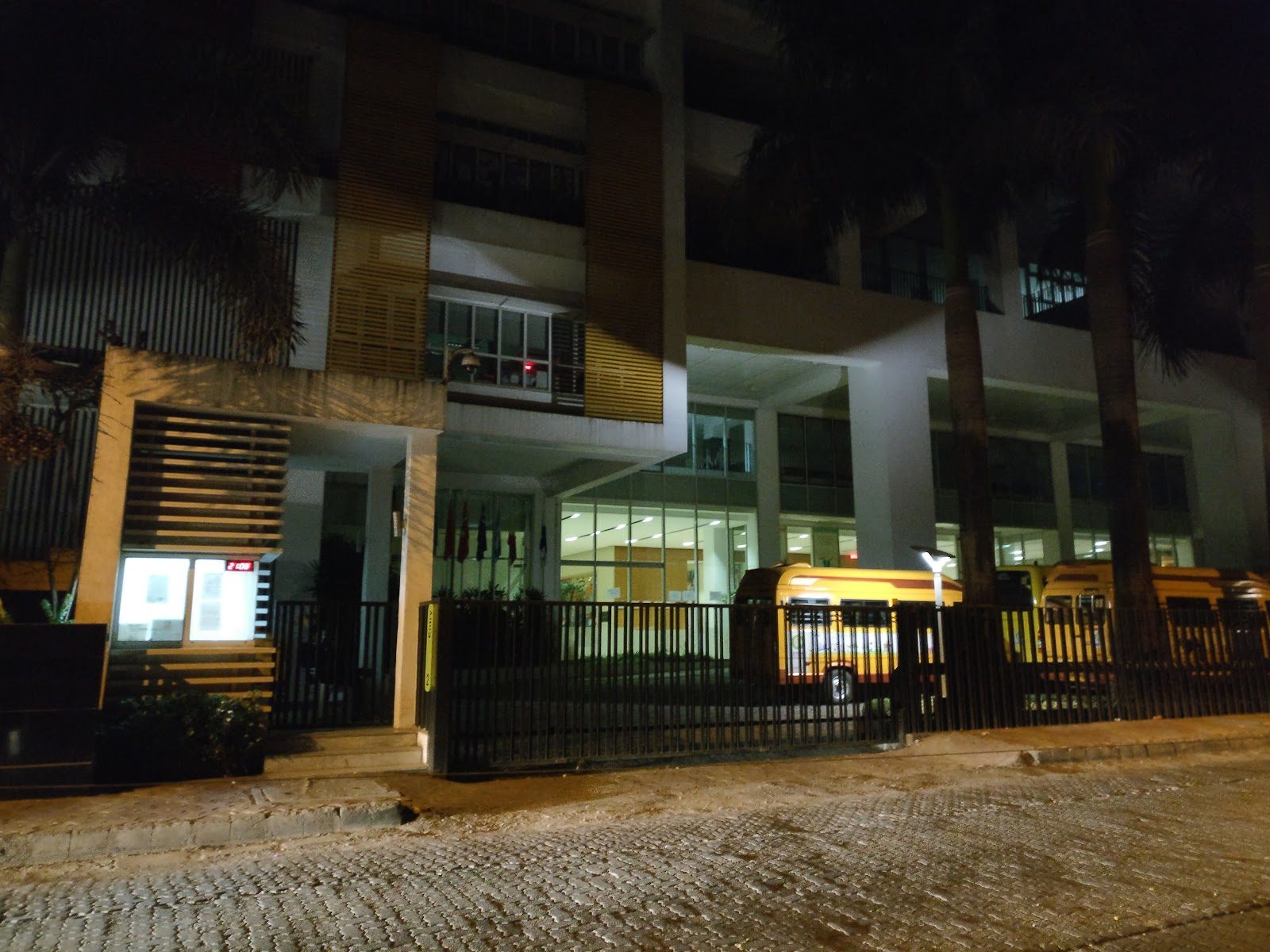
Oberoi International School
Mumbai · India
A full IB continuum from Nursery to Diploma, spread across twin Goregaon campuses inside Mumbai's Oberoi Garden City enclave.
Welham Girls' School
Dehradun · India
Founded in 1957 as a bold counterpart to boys-only boarding, with bird-named houses and a legacy museum honoring the women who dared.
Same country and curriculum — closest matches within ±10 points either way