
Bangkok
Founded on temple grounds by royal decree in 1885, this Bangkok boys' school still fields one of Thailand's oldest football rivalries.
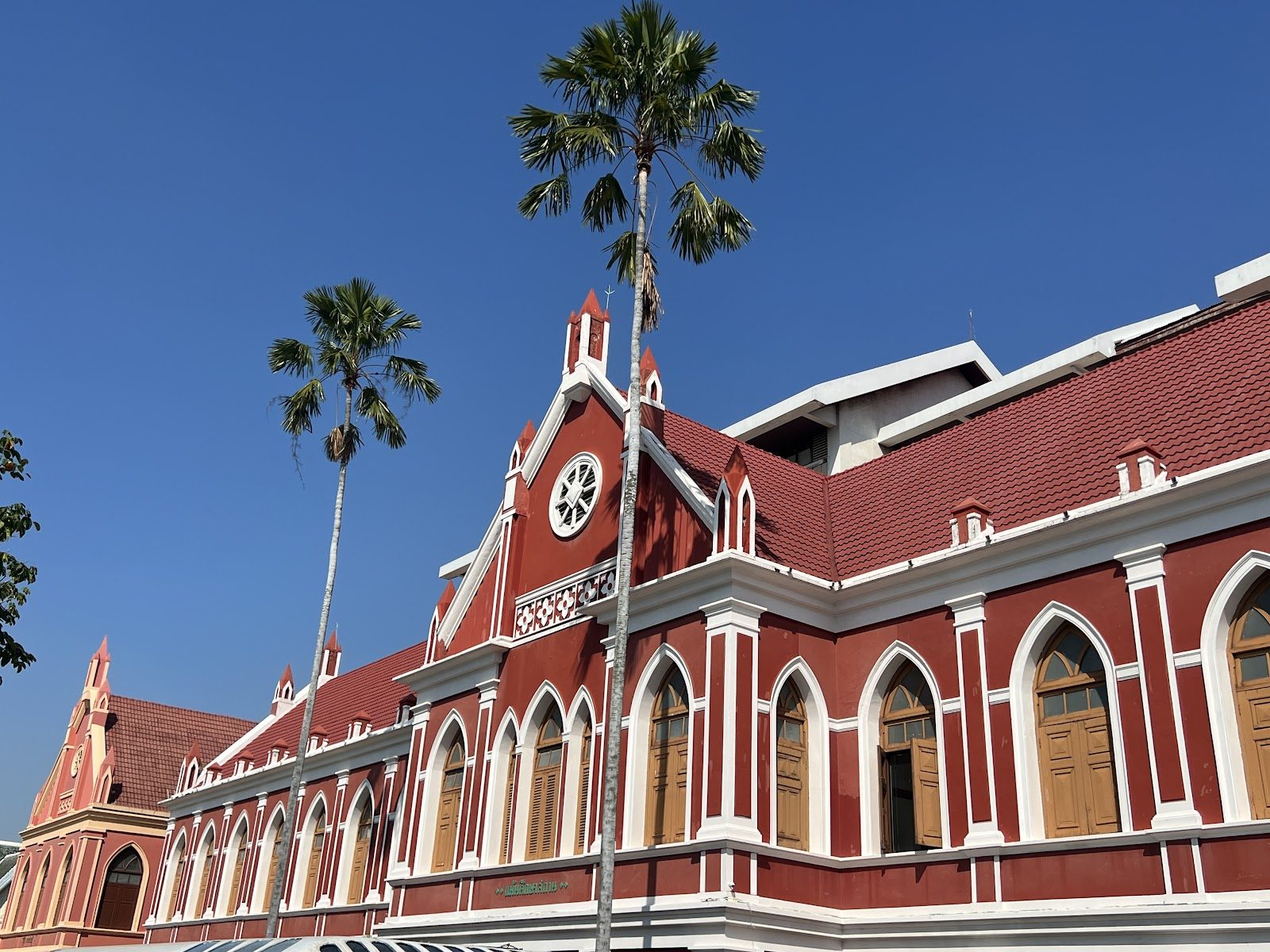
Photo © Pangkk Punyawat via Google Maps
Type
Day
Ages
12–18
Curriculum
Thai National
Qualifications
Thai Matthayom 6
Ratio
—
The Verdict
Editor's commitment
Right for
Families wanting a Bangkok boys' day school with real pedigree: founded in 1885 by King Chulalongkorn, teaching the Thai National curriculum.
Wrong for
Parents seeking a co-educational, international-curriculum route from age 12 to 18 will find a boys-only Thai system, not a globalised hybrid.
Watch out for
The average annual day fee is 43,550 THB, but the bigger issue is fit: Thai- and English-medium teaching inside a traditional secondary culture.
Ranking breakdown
Debsirin School · #1195 of 1591
Composite score 58.3. 8 weighted criteria.
By criterion
Academic Outcomes
Weight 20%
#1220
of 1529 scored
University Placement
Weight 16%
#1089
of 1529 scored
Prestige & Heritage
Weight 12%
#296
of 1571 scored
Alumni Network
Weight 12%
#785
of 1530 scored
Facilities
Weight 12%
#1422
of 1533 scored
Transparency & Communications
Weight 8%
#1437
of 1532 scored
Peer & Industry Review
Weight 10%
#1438
of 1548 scored
Admissions Selectivity & Demand
Weight 8%
#607
of 1529 scored
Peer & Industry Review
How Debsirin School is regarded in the sector
56
Credible · medium confidence
Debsirin is regarded within Thailand as one of the country's oldest and most prestigious royally-patronized boys' schools, founded in 1904, and is consistently grouped by Thai media (Bangkok Post, Matichon, Manager Online) alongside Suankularb Wittayalai and Triam Udom Suksa as a top-tier government secondary school. Its standing rests on strong O-NET and university-entrance results, with graduates regularly cited as gaining places at Chulalongkorn University, Thammasat University, and Mahidol University, and an alumni network prominent in Thai politics, military, and business circles. However, as a Thai-curriculum public school rather than an international school, it receives little to no coverage from Western-oriented outlets such as WhichSchoolAdvisor or the Good Schools Guide, which focus on international and bilingual institutions in Bangkok. Its reputation is therefore largely domestic: strong peer respect among Thai state schools and university admissions offices, but limited visibility in international independent education press or global school-peer forums, reflecting its role as a heritage national institution rather than an internationally benchmarked one.
- Kukrit Pramoj — Prime Minister, Politics/Writer
- Seni Pramoj — Prime Minister, Politics
- Anand Panyarachun — Prime Minister, Politics/Business
Editors' overview
Debsirin’s case for a shortlist place starts with history that still has force in the present. This is a boys’ day school in Bangkok for ages 12 to 18, founded in 1885 by King Chulalongkorn and still tied to one of the country’s best-known school traditions through Jaturamitr Samakkee, the biennial football competition between four of Thailand’s oldest boys’ schools. That matters because Debsirin is not selling a generic modern-school package. It offers entry into an old Bangkok institution with deep alumni reach, a strong sense of hierarchy and belonging, and the prestige that attaches to a school founded by royal decree. For families who value civic standing and historical weight, that is a real differentiator.
The school runs the Thai National curriculum, teaches in Thai and English, and holds accreditation from Thailand’s Ministry of Education. That places it firmly in the domestic academic mainstream, not the international-school market, even if English has a role in instruction. The average annual day fee across the full ladder is 43,550 THB, which makes Debsirin strikingly accessible for a school with this level of name recognition in Bangkok. Parents should still keep their eyes open: the school does not publish the kind of public academic outcome data international parents now expect, and families looking for IB, A-levels or a fully English-medium pathway need to look elsewhere. This is a school with a defined national identity, not a flexible global hybrid.
The student who will want Debsirin is a boy who thrives in an environment with tradition, competition and a clear collective culture. The age range, 12–18, and the all-boys format sharpen that identity. So does the alumni record: the school counts King Ananda Mahidol, Tunku Abdul Rahman, more than 70 cabinet members and five prime ministers among former students. That pedigree gives Debsirin serious establishment capital. It will suit families who want a high-status Thai education with strong symbolic value and a recognisable place in Bangkok’s elite school culture. It will not suit parents hunting for soft pastoral branding, international-style disclosure, or a curriculum designed first for overseas university mobility.
Academic Performance
Debsirin does not publish aggregate external examination results in the way international parents now expect. There are no public school-wide score distributions, university-placement tables or comparative outcome summaries to test its academic standing against Bangkok’s better-known selective peers. That leaves a clear transparency gap. For a school with this level of public prominence, the absence of hard attainment data matters. Parents can infer academic seriousness from its long institutional standing and the calibre of its alumni network, but inference is not evidence. If results drive your shortlist, Debsirin asks families to accept a closed-book proposition.
Where does that place it relative to peers? In the Thai state and state-linked sector, strong reputation and competitive student culture still carry weight, and Debsirin sits in that old-establishment bracket. In the international-facing market, the picture is less flattering: schools that publish IGCSE, A-level, IB or AP outcomes give parents a measurable basis for comparison, while Debsirin does not. That does not mean weak academics; it means opaque academics. The fee level also changes the comparison. At an average of 43,550 THB a year, Debsirin operates at a price point where families are buying access to a respected domestic institution, not a data-rich performance package. For parents content with that trade, the school remains credible. For parents who want published proof, it falls short.
Facilities
Debsirin’s facilities profile sits squarely in the Thai state-school tradition: functional first, heritage second, spectacle nowhere. The school’s public identity puts more weight on institutional culture than on selling specialist buildings, and that matters for parents used to international-school websites packed with theatres, black-box studios and innovation labs. What stands out here is the school’s place in a major inter-school football competition. That points to established sports provision and grounds robust enough to support serious training and mass-school events, not token PE space. For boys who want competitive team sport inside a high-pressure, tradition-bound school culture, that is a real asset. For families shopping for campus theatre or resort-style amenities, Debsirin is not in that lane.
Against Bangkok’s premium international schools, the facilities offer is plain rather than plush. At an average annual fee of 43,550 THB, that is no scandal; it is the model. You are paying for access to a long-entrenched domestic institution, not for a glass-walled performing arts centre or a designer STEM block. The school does not publish the kind of detailed campus inventory that would let parents assess labs, arts spaces or specialist teaching rooms with confidence, and that is a weakness. Peer schools at the top end of the market disclose more and build more. Debsirin’s strengths sit in collective identity, sporting tradition and institutional seriousness, not in showpiece infrastructure.
Peer schools at the top end of the market disclose more and build more
Prestige
Debsirin carries real establishment prestige in Thailand. That status rests on three things: royal origin, institutional age, and the reach of its alumni. This is not a school trading on a new-build image or imported branding. It sits inside Bangkok’s old hierarchy of respected boys’ schools, and that still counts. The alumni list gives that claim force: more than 70 cabinet members and 5 prime ministers is not decorative history; it is evidence of a school long tied to the country’s governing class. Add a former monarch and Malaysia’s founding father, and the school’s name lands with serious civic weight. For families who care about social capital, Debsirin offers deep-rooted status.
That prestige is reinforced by tradition in public life, not by glossy international signalling. Its place in Jaturamitr Samakkee keeps the school visible in one of Thailand’s oldest school rivalries, which matters because prestige in this market is collective and cultural as much as academic. Debsirin’s standing is high within the domestic mainstream and weaker outside it. International parents who measure prestige through published university destinations, global curricula or polished disclosure will find less to work with. Debsirin’s authority is old Bangkok authority: recognised, networked and symbolically powerful, but not built for families who need constant proof points.
Its uniqueness lies in offering a deeply local form of prestige: less curated, less explanatory, and more bound to Thailand’s own educational and social order
Communications
Debsirin communicates in the manner of a long-entrenched public institution: directly, functionally and with little interest in hand-holding. The school website has clear audience pathways for prospective families, current students and staff, plus a public-disclosure section and a published contact email. That gives parents the essentials. It does not give much warmth, narrative explanation or the polished reassurance common in fee-heavy international schools. The site also carries a full cookie-consent layer and basic structural organisation, which tells you the school has put effort into compliance and web housekeeping. What it does not offer is parent-friendly transparency. There is no rich public picture of academic outcomes, pastoral systems or day-to-day school life. For families used to high-service communication, that is a weak showing.
Effectiveness depends on what a parent wants. If your standard is timely access to core information and a route to contact the school, Debsirin clears the bar. If your standard is open-book communication with detailed explanations, regular evidence and confident public reporting, it falls short. That matters more because the school charges an average of 43,550 THB a year, which buys access to a respected domestic institution, not a concierge-style parent experience. The communication style fits the school’s old-guard culture: authority first, explanation second. Some families will read that as disciplined and serious; others will read it as closed.
Uniqueness
What marks Debsirin out is not novelty but inheritance with teeth. This is a school whose identity sits inside Thailand’s old male civic pipeline: monarchy, cabinet, military, public life. That kind of institutional role changes the student experience. Boys do not just join classes; they enter a status-conscious, ritual-heavy, high-expectation culture that has trained generations of the country’s elite. The alumni reach is not anecdotal. More than 70 cabinet members and 5 prime ministers point to a school that has functioned for decades as a feeder into national influence. For the right family, that brings access to a network, a code of conduct and a sense of belonging to something larger than the individual child.
Its other point of difference lies in collective tradition rather than personalised care. The football rivalry keeps school identity public, competitive and emotionally charged, which reinforces a tribal, old-school esprit de corps rare in softer modern brands. That can be formative for boys who respond well to hierarchy, loyalty and institutional pride. It can also be constraining. Families wanting a school that centres self-expression, flexible pathways or polished international-style transparency will find Debsirin unyielding. Its uniqueness lies in offering a deeply local form of prestige: less curated, less explanatory, and more bound to Thailand’s own educational and social order.
Debsirin’s case for a shortlist place starts with history that still has force in the present
Student Profile
The boy who fits Debsirin is drawn to belonging before self-display. This school suits students who can live inside a hierarchical, team-first culture where identity attaches to the institution, not to a personalised learning journey. The public life of the school matters here: boys who enjoy organised competition, collective rituals and the charge of representing something bigger than themselves will get more from Debsirin than boys who need constant individual affirmation. The all-boys environment from 12–18 sharpens that dynamic. Expect a student body that values loyalty, stamina and social fluency inside a well-established code. This is a good match for families who want their son shaped by structure, expectation and peer culture rather than sheltered from them.
It is a weaker fit for boys who need a soft-edged, highly personalised or overtly therapeutic school atmosphere. Debsirin has too much institutional gravity for that. Students who thrive here will tolerate formality, respond to competition and carry themselves with a degree of discipline in public settings. The school’s long reach into public life also gives it a status-conscious undertone: boys who are comfortable with ambition and with being measured against strong peers will cope better than those who want a low-pressure adolescence. In short, Debsirin works for resilient, socially aware boys with a taste for tradition. It is not for the faint-hearted.
That matters because Debsirin is not selling a generic modern-school package
Co-curricular strengths
Arts & sport, on a separate axis
Overall 6.9/10
Scored 0-10 from the school's own published evidence. This axis is editorial-only — it does not feed the main WTS ranking.
Sports
8/10
Drama
6.5/10
Dance
5/10
Music
8/10
Visual Arts
7/10
Strengths
- +One of Thailand's oldest state schools, established 15 March 1885 by founder King Chulalongkorn, giving it over a century of institutional history.
- +Alumni include King Ananda Mahidol, Malaysia's founding father Tunku Abdul Rahman, more than 70 cabinet members, including five prime ministers, and numerous military leaders and dignitaries.
- +Offers parallel bilingual pathways alongside the standard track: Lower Secondary (M.1-M.3) English Program (EP), Mini English Program (MEP), and Standard Curriculum Program.
- +The school also operates as a living museum, containing exhibits on the history of the school and the development of Thai education.
- +Debsirin School participates in Jaturamitr Samakkee, a biennial traditional football competition between the four oldest boys' schools in Thailand, giving students a well-known inter-school tradition and alumni loyalty network.
Considerations
- −Public all-boys secondary school - a single-sex environment that is not an option for families with daughters.
- −As a secondary-only institution, families must arrange separate primary schooling before students can enter at the lower-secondary intake point.
- −Debsirin School is a government school under the Department of General Education, Ministry of Education, meaning core instruction follows the Thai National curriculum in Thai, with English exposure largely confined to the EP/MEP tracks rather than full international immersion.
- −Campus sits on a compact, temple-donated plot in the older, dense Pom Prap Sattru Phai district of inner Bangkok - the school occupies a land area of 8 rai, 3 ngan, and 56 square wa, donated by the fifth abbot of Wat Thepsirin in 1902 - rather than a modern, purpose-built suburban campus.
Availability
Primary entry gate & tests
National Entrance Exam (Boys)
Gallery
Photo © Theerasak Sakhamula via Google Maps
Photo © Phansak พิพัฒน์ฯ via Google Maps
Photo © Kai Ie via Google Maps
Photo © Vipas S. via Google Maps
Photo © Pavielin 林美丽 via Google Maps
Photo © Phansak พิพัฒน์ฯ via Google Maps
Photo © Viroj Cc via Google Maps
Parent reviews
Have you sent your child here?
Voice reviews carry the strongest trust badge — we transcribe them for you to tidy up before they go live. Prefer to type? A written review is fine too.
Add your voice
In 60 seconds, tell other parents: what's the best thing about Debsirin School, and what surprised you when your child joined?
We ask for a Google sign-in so every review has a real face behind it — no anonymous drive-by attacks on schools, and no faked positive reviews. Your email is never shown publicly.
Send this profile to a friend
International parents rely on word-of-mouth. Share this review with someone weighing the same decision.
Schools with places
Similar schools to Debsirin School with places available now.
NIST International School
Bangkok · Thailand
- 2026-27
- WAITPOOLSpace-dependent
- 2027-28
- PLACES OPENRolling
Bangkok Patana School
Bangkok · Thailand
- 2026-27
- CLOSEDThai closed / Non-Thai open
- 2027-28
- OPENS SOONThai 1 Sept / Non-Thai rolling
Shrewsbury International School Bangkok
Bangkok · Thailand
- 2026-27
- WAITPOOLSpace-dependent
- 2027-28
- PLACES OPENRolling
International School Bangkok
Bangkok · Thailand
- 2026-27
- WAITPOOLSpace-dependent
- 2027-28
- OPENS SOONOpens Sept '26
Availability first, then country, area, curriculum, price, co-curricular
Consider also
Also worth looking at alongside Debsirin School.
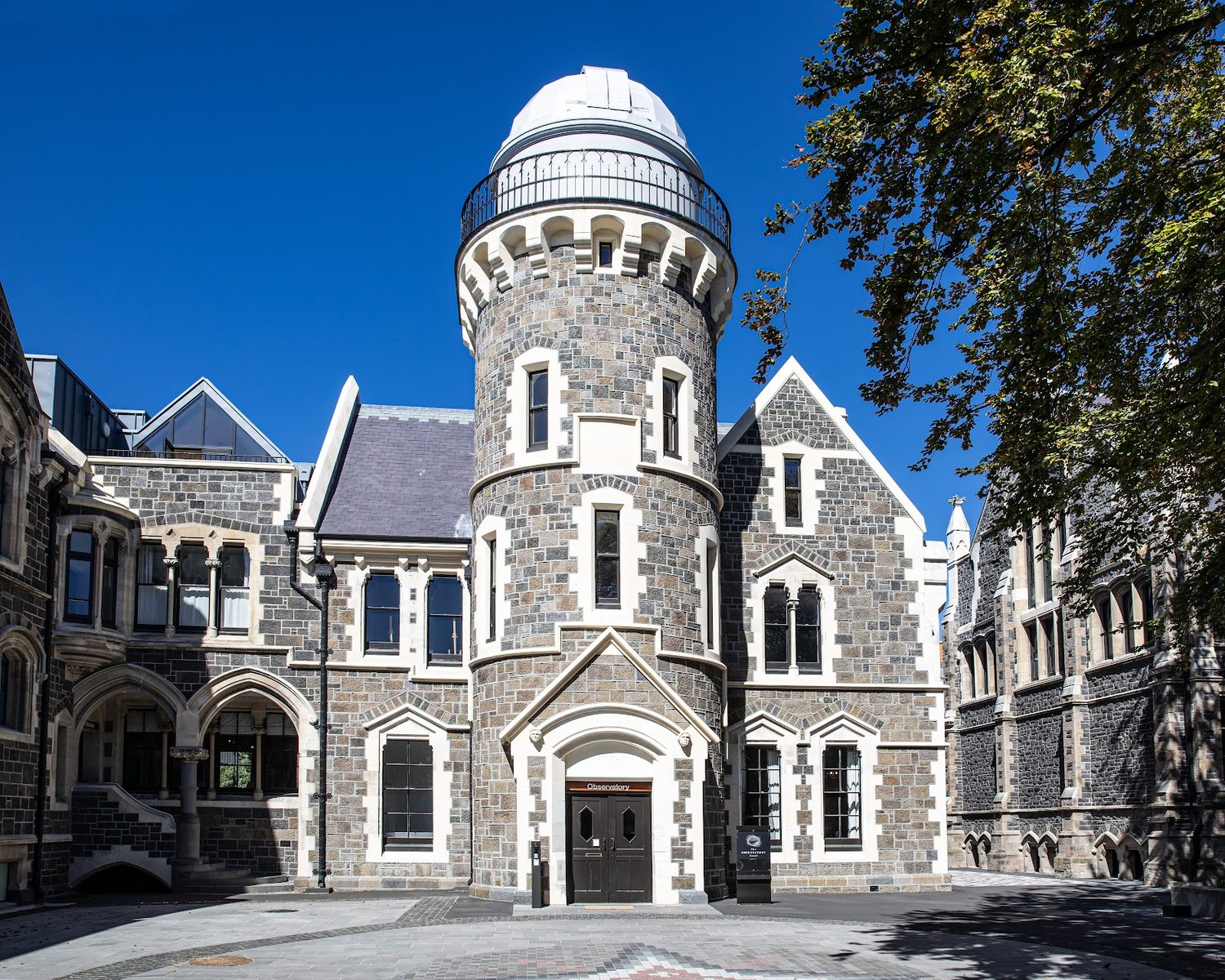
Christ's College
Christchurch · New Zealand
New Zealand's oldest independent school, its neo-Gothic quadrangle and chapel choir anchoring a boys' boarding tradition beside Hagley Park.
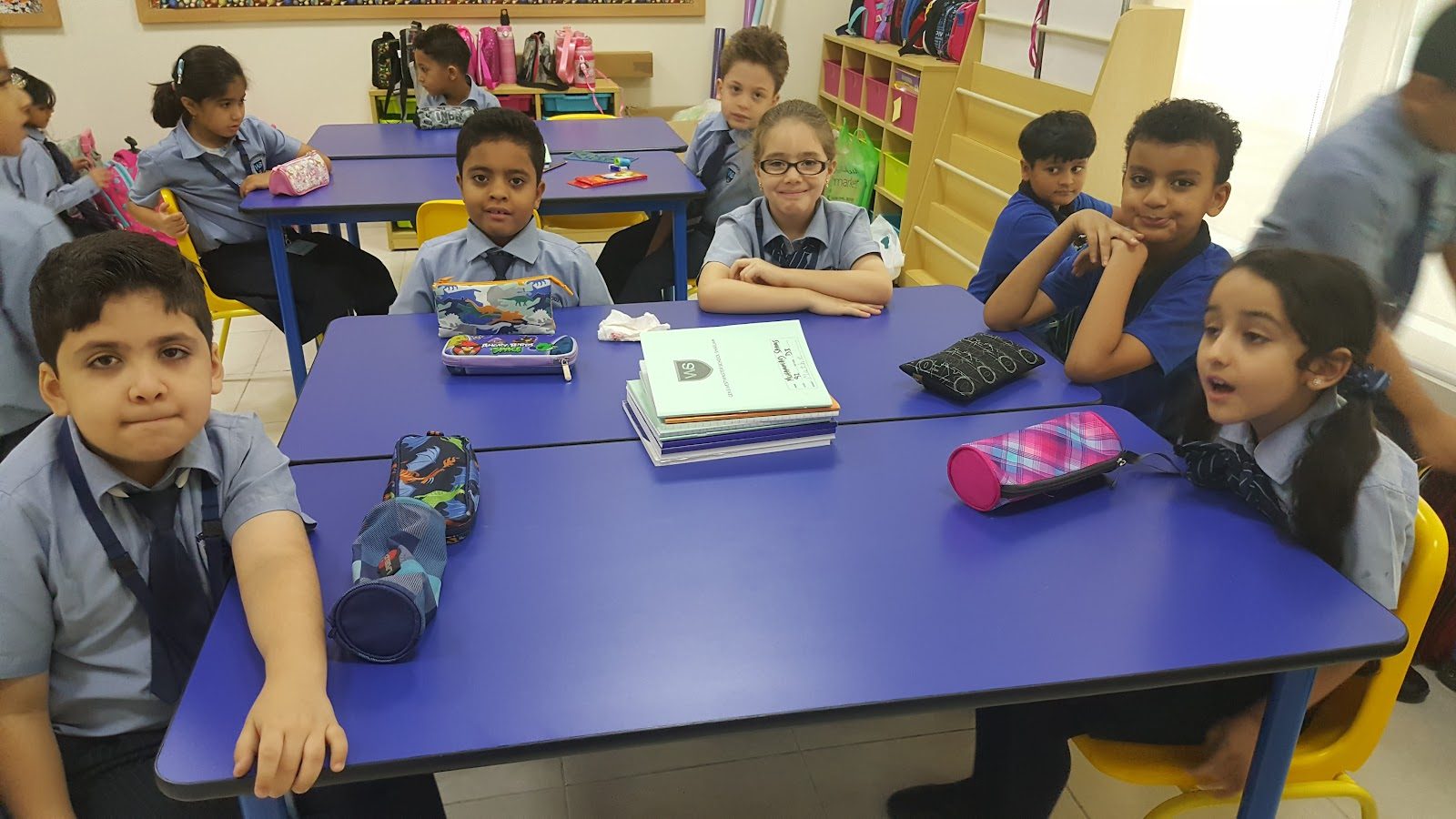
GEMS Westminster School - Sharjah
Sharjah · United Arab Emirates
A flexible two- or three-year IGCSE pathway in Muwaileh gives Sharjah families room to pace their children's British education.
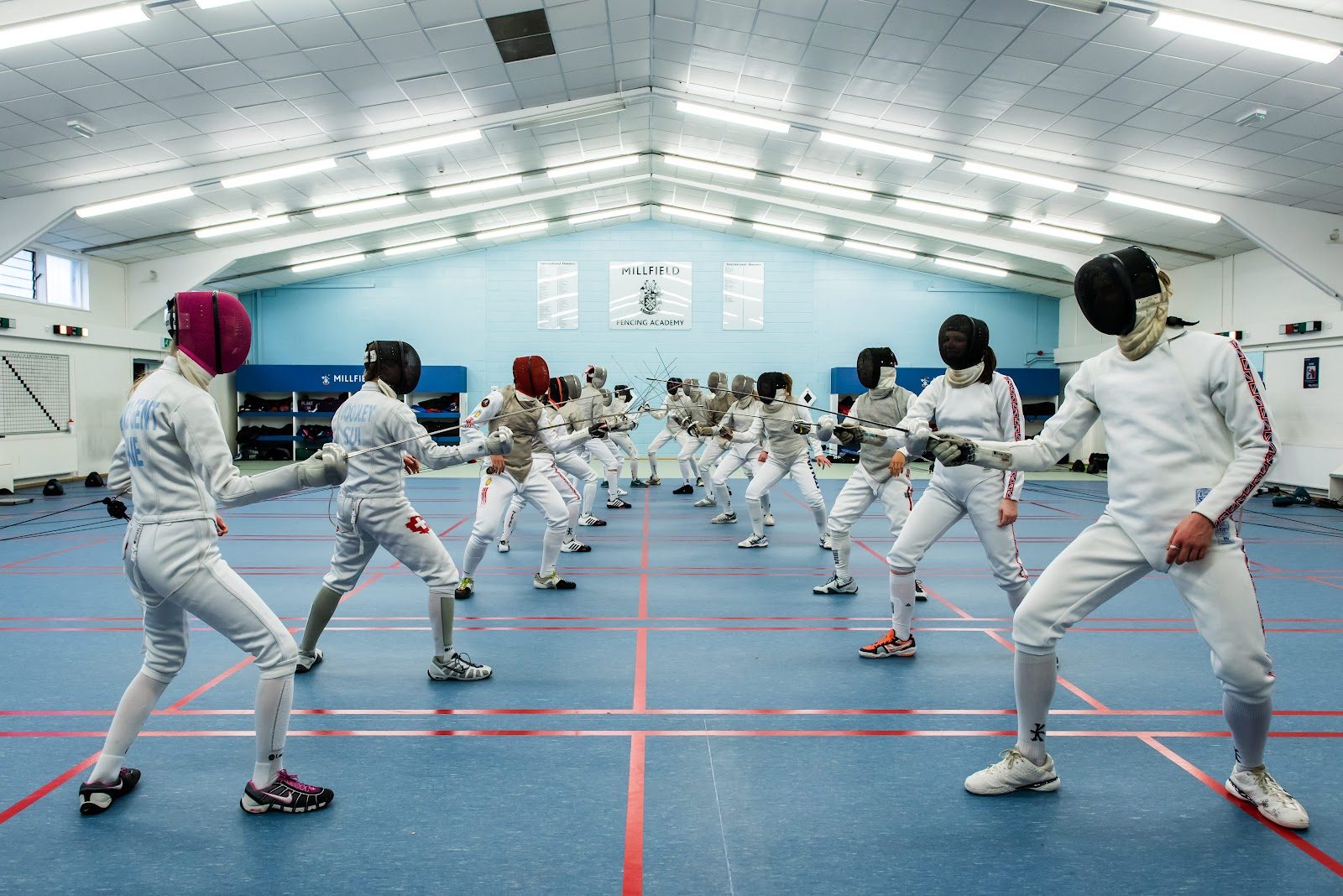
Millfield School
Street · United Kingdom
Sixty-plus sports and an Olympic-length pool anchor a 240-acre Somerset campus built for athletes and scholars alike.
Shanghai Singapore International School
Shanghai · China
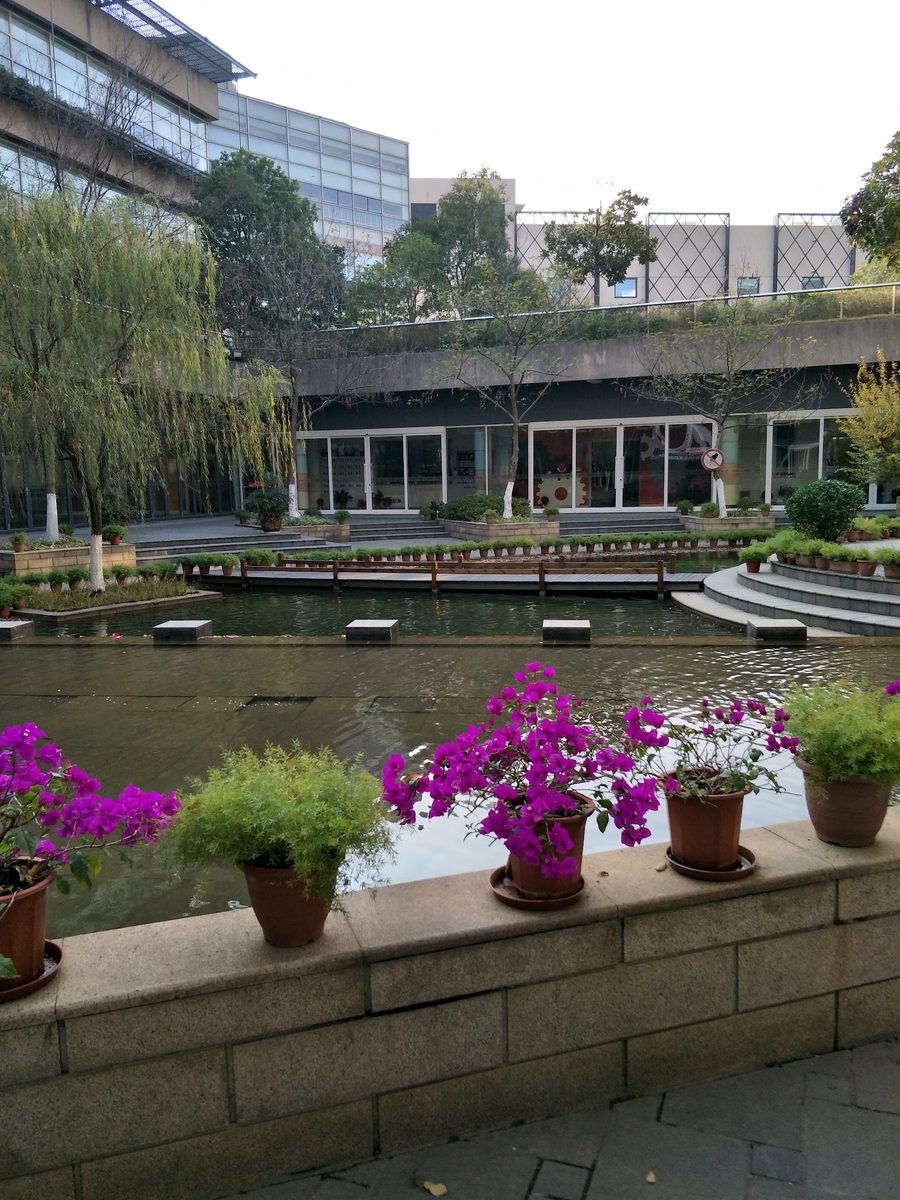
Singapore maths rigour anchors an IGCSE-to-IB pathway, threaded with banded Chinese immersion in Minhang's expatriate heartland.
Same country and curriculum — closest matches within ±10 points either way