
Canterbury
Christ's College
high confidence· 5/6 cats · 3.29 avg sourcesNew Zealand's oldest independent school, its neo-Gothic quadrangle and chapel choir anchoring a boys' boarding tradition beside Hagley Park.
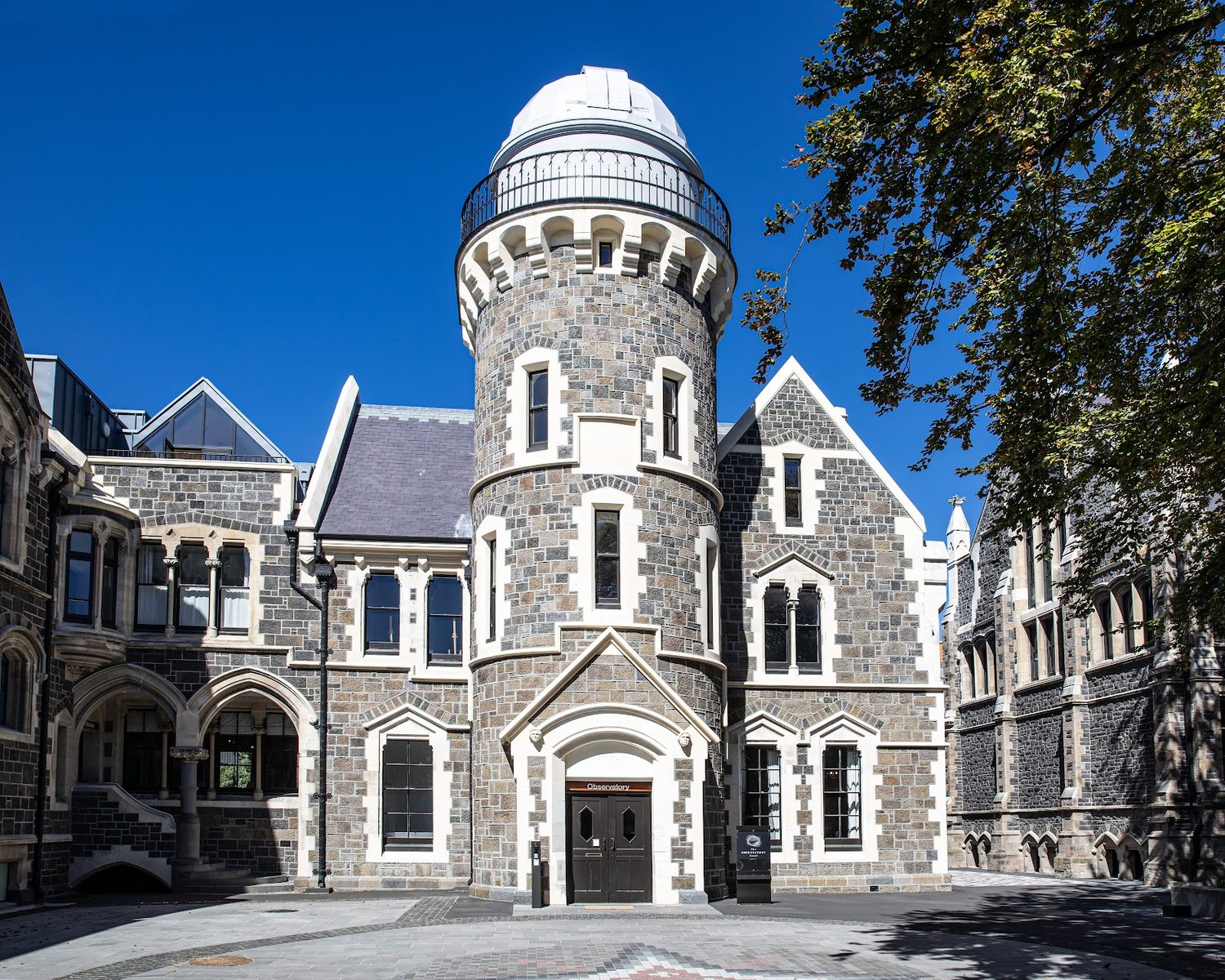
Photo © Stephen Cox via Google Maps
Type
Both
Ages
3–18
Curriculum
IB
Ratio
—
The Verdict
Editor's commitment
Right for
Families wanting a boys' Anglican school founded in 1850, with IB and rare reach to Cambridge, Oxford and Harvard.
Wrong for
Parents who want coeducation, a secular ethos or a cheap option: day fees average NZD 27,000 and boarding NZD 60,000.
Watch out for
This is a boys' school from age 3 to 18; the heritage, chapel tradition and boarding culture will dominate daily life.
Ranking breakdown
Christ's College · #886 of 1591
Composite score 65.1. 8 weighted criteria.
By criterion
Academic Outcomes
Weight 20%
#902
of 1529 scored
University Placement
Weight 16%
#911
of 1529 scored
Prestige & Heritage
Weight 12%
#706
of 1529 scored
Alumni Network
Weight 12%
#579
of 1529 scored
Facilities
Weight 12%
#942
of 1529 scored
Transparency & Communications
Weight 8%
#979
of 1529 scored
Peer & Industry Review
Weight 10%
#883
of 1529 scored
Admissions Selectivity & Demand
Weight 8%
#686
of 1529 scored
Score history
Christ's College · 2026
Movement across 2024–2026. Peer average overlaid.
Overall — 2024–2026
65.1/ 100
▲ +4.9 vs 2025
year on year
Peer & Industry Review
How Christ's College is regarded in the sector
65
Respected · medium confidence
Christ's College (Christchurch) is one of New Zealand's oldest and most established independent schools, regularly appearing in New Zealand media 'top private schools' round-ups (e.g. NZ Herald, Stuff.co.nz education features) and recognised for its historic Cambridge-style traditions, strong Oxbridge-style academic record and a notable alumni network including prominent New Zealand judges, politicians and business leaders. However, it receives little coverage in international specialist press such as Tatler or the Good Schools Guide, which focus predominantly on UK/US institutions, limiting its visibility as a globally benchmarked school despite strong domestic standing.
Evidence sources
- Francis Bell — Prime Minister of New Zealand, politics
- John Britten — engineer and motorcycle designer, business/engineering
- Miles Warren — architect, arts/design
Editors' overview
The neo-Gothic quadrangle next to Hagley Park does real work here: Christ’s College trades on place, ritual and continuity, and in this case the substance matches the image. Founded in 1850, it is New Zealand’s oldest independent school and remains a boys’ school with both day and boarding provision from ages 3 to 18. The school states that academic progress is its primary objective, and that matters more than the chapel-and-heritage gloss. Parents looking for a full-blooded traditional school, with clear expectations about conduct, discipline and scholarly effort, will find exactly that. This is an Anglican school with an unapologetically male ethos, and it will not suit families who want a loose, progressive culture or a co-educational social environment in the senior years.
What sets Christ’s College apart is the combination of old-school boarding culture and an IB offer in a New Zealand setting. The curriculum in the verified context is IB, and the school is accredited by the IBO. That gives the school a more internationally legible academic framework than many institutions built on inherited prestige alone. The boarding average of NZD 60,000 a year and day average of NZD 27,000 place it firmly in the premium bracket domestically, but not at the level of the most expensive British boarding schools; for the right family, that makes it a serious but not absurdly priced proposition. The school also pushes a heavy co-curricular line — sport, music, culture and service all feature prominently — but the central message stays fixed: learning first, activities second.
Parents should shortlist Christ’s College if they want a school with institutional weight, visible traditions and a strong sense of male formation rather than a broad church trying to be all things to all families. The recent destinations listed — Cambridge (1), Oxford (1) and Harvard (1) — show that top-end international progression exists, even if the school does not publish the wider destination pattern here. The boy who will thrive at Christ’s College is academically motivated, comfortable with structure, and willing to throw himself into boarding or house life, chapel culture, sport, music or service without needing endless hand-holding. For a bright boy who likes clear rules, collective identity and high-expectation schooling, Christ’s College has real pull. For a boy who resists hierarchy or wants a more relaxed, less tradition-bound education, it is the wrong fit.
Academic Performance
Christ’s College states plainly that academic progress sits at the centre of the school’s purpose, but public exam transparency is thin. We have not seen aggregate IB results, subject-level performance, cohort averages, top-score counts or multi-year trend data. That matters. In the absence of published outcomes, parents cannot place the school cleanly against the strongest academic competitors in New Zealand or against other internationally legible IB schools in the region. The recent university destinations already cited show that top-end attainment exists, but isolated elite offers do not amount to a full performance picture. A school with serious academic ambitions should publish that picture.
What can be said with confidence is that Christ’s College operates in the part of the market where families expect hard-edged academic accountability, not just heritage and co-curricular breadth. Its own language is uncompromising: learning first, activities second. That sets a clear standard by which it should be judged. Relative to peers, the school’s academic reputation rests more on institutional standing, selectivity and university anecdotes than on disclosed exam data. For some families, that opacity will be a real drawback. For others, the school’s long record and disciplined culture will carry weight. Editorially, the verdict is simple: strong academic intent, credible outcomes at the top, but no published dataset robust enough to prove where the school sits in the first rank.
Facilities
The key facility here is the campus itself. Christ’s College has the physical fabric many schools spend decades trying to fake: heritage buildings, a neo-Gothic quadrangle and chapel at the centre of daily life, all tied into a working boys’ day-and-boarding school rather than a museum piece. That matters because the architecture does more than decorate prospectuses; it shapes supervision, ritual, house identity and the social texture of the school day. The school also points parents towards an “extensive” co-curricular programme spanning culture, music, sport and community activity, which implies the supporting basics are in place across those areas. Against peer schools, the edge is atmosphere and institutional setting, not flashy novelty. Families looking for cutting-edge, resort-style campuses with headline design features will find stronger hardware elsewhere.
The limitation is just as clear: the school does not publish a detailed facilities inventory here. We have not seen the kind of granular disclosure serious comparison now demands — no clear rundown of science provision, performing arts spaces, sports infrastructure, boarding-house specifications, maker facilities or specialist centres. That leaves the campus open to heritage overhang: beautiful, resonant, and short on hard operational detail. Among old, high-status boarding schools, that is a familiar pattern. The strongest competitors now pair tradition with forensic transparency about what pupils actually use every day. Christ’s College wins on sense of place and ceremonial weight; it is less convincing on published evidence of best-in-class facilities depth.
We have not seen aggregate IB results, subject-level performance, cohort averages, top-score counts or multi-year trend data
Prestige
Christ’s College carries old-establishment prestige in New Zealand because its status rests on more than fees and selective admissions. The school has a recognisable social and cultural identity: Anglican foundation, chapel life, boarding tradition, heritage buildings and a public-school model drawn explicitly from England. That combination still signals class, continuity and institutional confidence. For many families, that cachet matters as much as academics. The setting beside Hagley Park and the famous quadrangle sharpen that effect; this is a school people know on sight and by reputation. The price point reinforces the message. An average of NZD 60,000 for boarders and NZD 27,000 for day pupils places it in the premium tier of the local market, and schools at that level trade heavily on network, tradition and long memory.
The rating stops short of the very top international bracket because the school’s prestige is strongest domestically and within old-boy circles, not through published academic dominance or a broad stream of headline global destinations. One Oxford, one Cambridge and one Harvard entrant is impressive at the margin, but prestige built on anecdote is thinner than prestige backed by a full run of disclosed results. Even so, Christ’s College remains *high-status, tradition-heavy and socially legible* in a way many newer schools are not. Parents who want a school with inheritance, ritual and name recognition will rate it highly. Parents who prize transparency over aura will ask harder questions.
The recent university destinations already cited show that top-end attainment exists, but isolated elite offers do not amount to a full performance picture
Communications
Christ’s College communicates like a school that values order, ceremony and institutional control. The navigation itself tells the story: term dates, uniform, fees, calendar, assembly notes, enrolments and tours all sit front and centre, which gives parents the practical essentials without rummaging. That is good basic discipline. The school also offers a prospectus, enrolment events and guided tours, so the admissions side covers the expected touchpoints. The tone is formal, self-possessed and old-school. It does not chase warmth or chatty accessibility, and some families will welcome that. Others will read it as stiff.
The weakness is depth. The site talks in broad institutional categories — academic programme, co-curricular life, governance, virtues, people — but stops short of the granular parent information that now marks out first-rate school communications. We do not see a rich bank of operational detail, no clear archive of leadership communications, and no serious public-facing disclosure of outcomes beyond the headline university destinations already cited. Even the values language leans abstract. “7 core virtues” gives a clear moral frame, but not much sense of how the school reports day-to-day pastoral issues, academic tracking or boarding routines to families. The result is coherent but controlled communication: strong on tone, decent on essentials, weaker on transparency. Parents who like hierarchy and brevity will find it efficient. Parents who want forensic clarity will ask for more.
Uniqueness
What makes Christ’s College distinct is not one feature but a tight, coherent stack: boys-only schooling, Anglican formation, a serious boarding culture, and a campus whose architecture still governs daily life instead of serving as backdrop. Many schools borrow the language of tradition; this one lives by it. The quadrangle, chapel, house structure and inherited public-school model create a high-ritual environment with clear codes of conduct, visible hierarchy and a strong collective identity. For the right boy, that brings real force: routines are fixed, expectations are legible, and belonging is built through participation rather than consumer-style choice. That can sharpen resilience, self-command and loyalty to the group. It also narrows the margin for boys who dislike institutional authority or chafe at conventional masculinity.
The other distinctive element is value for money within that traditional frame. At an average of NZD 60,000 for boarding and NZD 27,000 for day pupils, parents buy access to a school with deep historical ballast and social recognition that many newer competitors cannot manufacture. Students benefit from that in practical ways: stronger inter-year identity, more durable alumni ties, and a school culture that treats scholarship, service and co-curricular commitment as obligations, not branding lines. The payoff is a dense, all-consuming education with a clear moral and communal centre. The trade-off is just as clear: freedom, informality and ideological breadth are not the point here.
The other distinctive element is value for money within that traditional frame
Student Profile
The boy who fits Christ’s College is comfortable with structure and does not need his school to negotiate every boundary. This is a place for students who can live inside rules, ritual and collective expectations without treating them as a personal affront. A strong candidate values scholarship, accepts that adults will set the tone, and is prepared to join in rather than hover at the edge. The school’s own emphasis on academic progress, co-curricular commitment and 7 core virtues points to a student body shaped around duty as much as self-expression. Boys who thrive here tend to be self-disciplined, team-minded and responsive to hierarchy. They do not need a casual atmosphere to feel secure.
The weaker fit is just as clear. A boy who wants a highly individualised culture, resists organised community life, or dislikes the moral language of character formation will find the place constraining. The same goes for students who want a socially mixed senior environment rather than an all-boys setting anchored in chapel, house identity and inherited custom. Boarders in particular need a taste for immersion: this school asks for participation across the day, not selective attendance. Families drawn to clear standards, traditional masculinity and a high-expectation peer group will recognise the appeal quickly. Families looking for looseness, experimentation or low-friction adolescence should look elsewhere.
Founded in 1850, it is New Zealand’s oldest independent school and remains a boys’ school with both day and boarding provision from ages 3 to 18
Co-curricular strengths
Arts & sport, on a separate axis
Overall 3.8/10
Scored 0-10 from the school's own published evidence. This axis is editorial-only — it does not feed the main WTS ranking.
Sports
6/10
Multiple sports—rowing, rugby, cricket and hockey—and the review says sport is likely to be one of the school's stronger suits with expected playing fields, courts, rowing access and indoor training provision, which supports a notable strength.
Drama
3/10
Drama appears explicitly in the extracurricular list.
Dance
—
Music
4/10
Choir and orchestra and also implies dedicated arts spaces in the facilities review, indicating a solid music offering with visible ensemble participation.
Visual Arts
2/10
The facilities review refers broadly to dedicated arts spaces, but there is no explicit visual-arts programme, department, exhibition space or named activity.
Editor first-pass · editor-reviewable · 7/27/2026
Outcomes & destinations
Where students go next
Top destinations
4 placements
- Cambridge· 1
- Oxford· 1
- Harvard· 1
- Stanford· 1
Reported by the school. Confirm with admissions.
Strengths
- +Offers both NCEA and IB curricula
- +Low 10:1 student-teacher ratio
- +Average class size is 18
- +Boarding available from an Anglican school
Considerations
- −Boys' secondary school, not fully coeducational
- −Annual boarding fees reach 55,000 NZD
- −Annual day fees reach 26,000 NZD
Availability
Primary entry gate & tests
Academic Record + Interview
Gallery
Photo © Remy Fitzgerald via Google Maps
Photo © Dirk Vennik via Google Maps
Photo © Musashi All Around via Google Maps
Photo © Fernando Momberg via Google Maps
Photo © Remy Fitzgerald via Google Maps
Photo © Remy Fitzgerald via Google Maps
Photo © Charl Scheepers via Google Maps
Photo © Michael via Google Maps
Photo © Mingqiang Mao via Google Maps
Parent reviews
Have you sent your child here?
Voice reviews carry the strongest trust badge — we transcribe them for you to tidy up before they go live. Prefer to type? A written review is fine too.
Add your voice
In 60 seconds, tell other parents: what's the best thing about Christ's College, and what surprised you when your child joined?
We ask for a Google sign-in so every review has a real face behind it — no anonymous drive-by attacks on schools, and no faked positive reviews. Your email is never shown publicly.
Send this profile to a friend
International parents rely on word-of-mouth. Share this review with someone weighing the same decision.
Schools with places
Similar schools to Christ's College with places available now.
King's College (Auckland)
Auckland · New Zealand
- 2026-27
- WAITPOOLVacancy-dependent
- 2027-28
- PLACES OPEN
Auckland Grammar School
Auckland · New Zealand
- 2026-27
- WAITPOOLVacancy-dependent
- 2027-28
- PLACES OPEN
St Cuthbert's College
Auckland · New Zealand
- 2026-27
- WAITPOOLVacancy-dependent
- 2027-28
- PLACES OPEN
Availability first, then country, area, curriculum, price, co-curricular
Consider also
Also worth looking at alongside Christ's College.
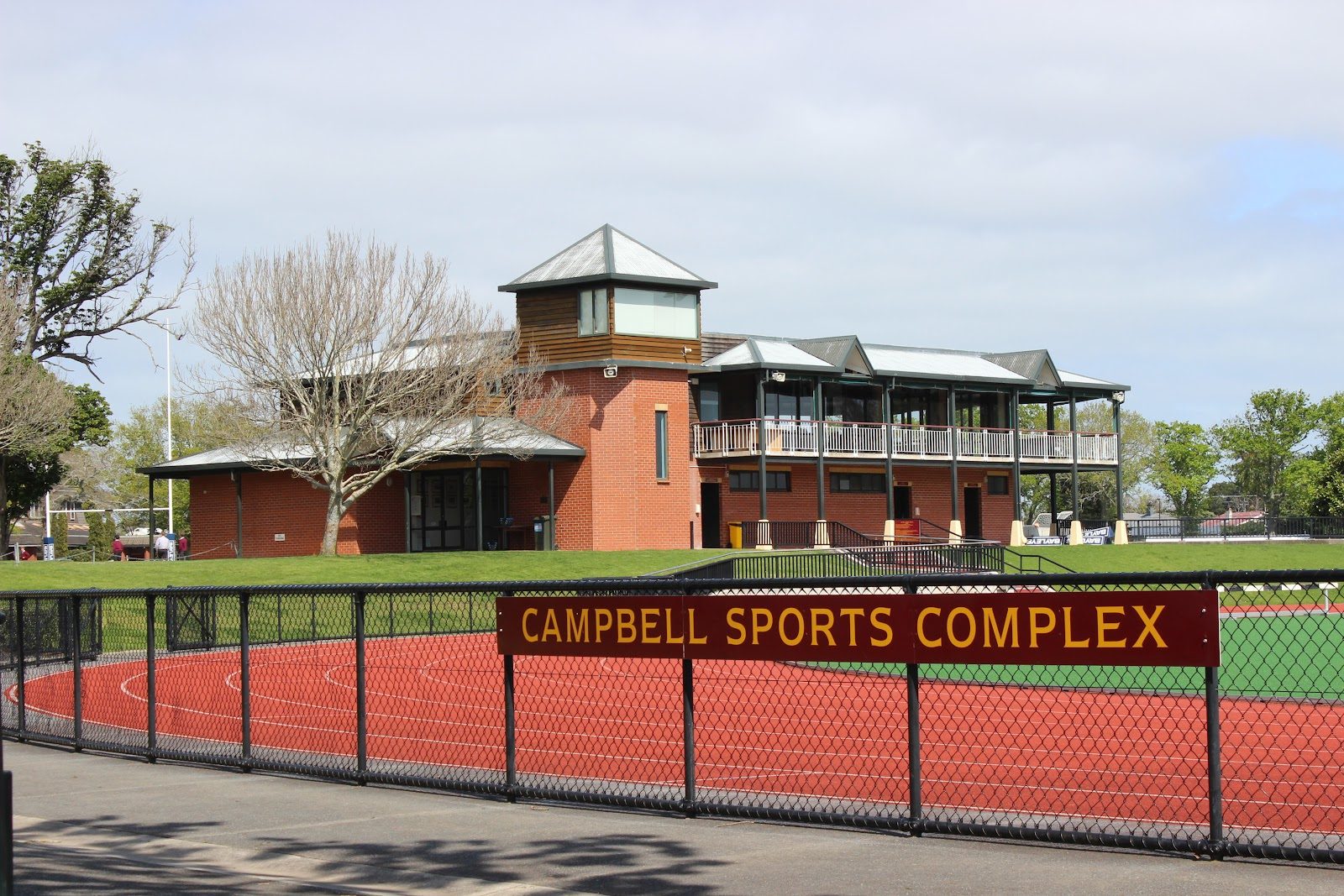
King's College (Auckland)
Auckland · New Zealand
Twelve houses anchor daily life on this Otahuhu campus, where mandatory alpine camps and blue-water sailing rounds out the classroom.
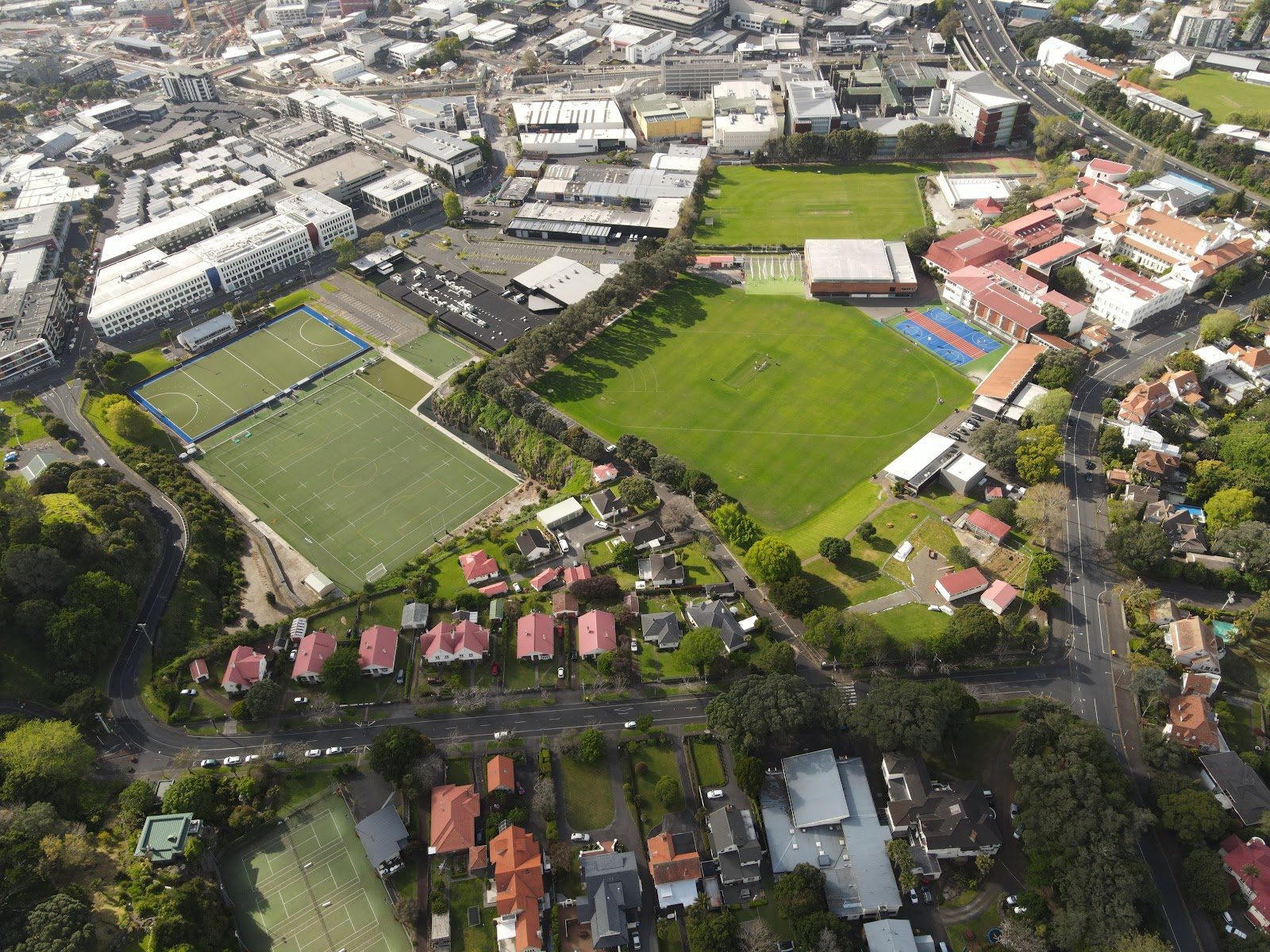
Auckland Grammar School
Auckland · New Zealand
New Zealand's largest boys' school, where a fiercely guarded Epsom enrolment zone and a long Rhodes Scholar lineage shape the Grammar way.
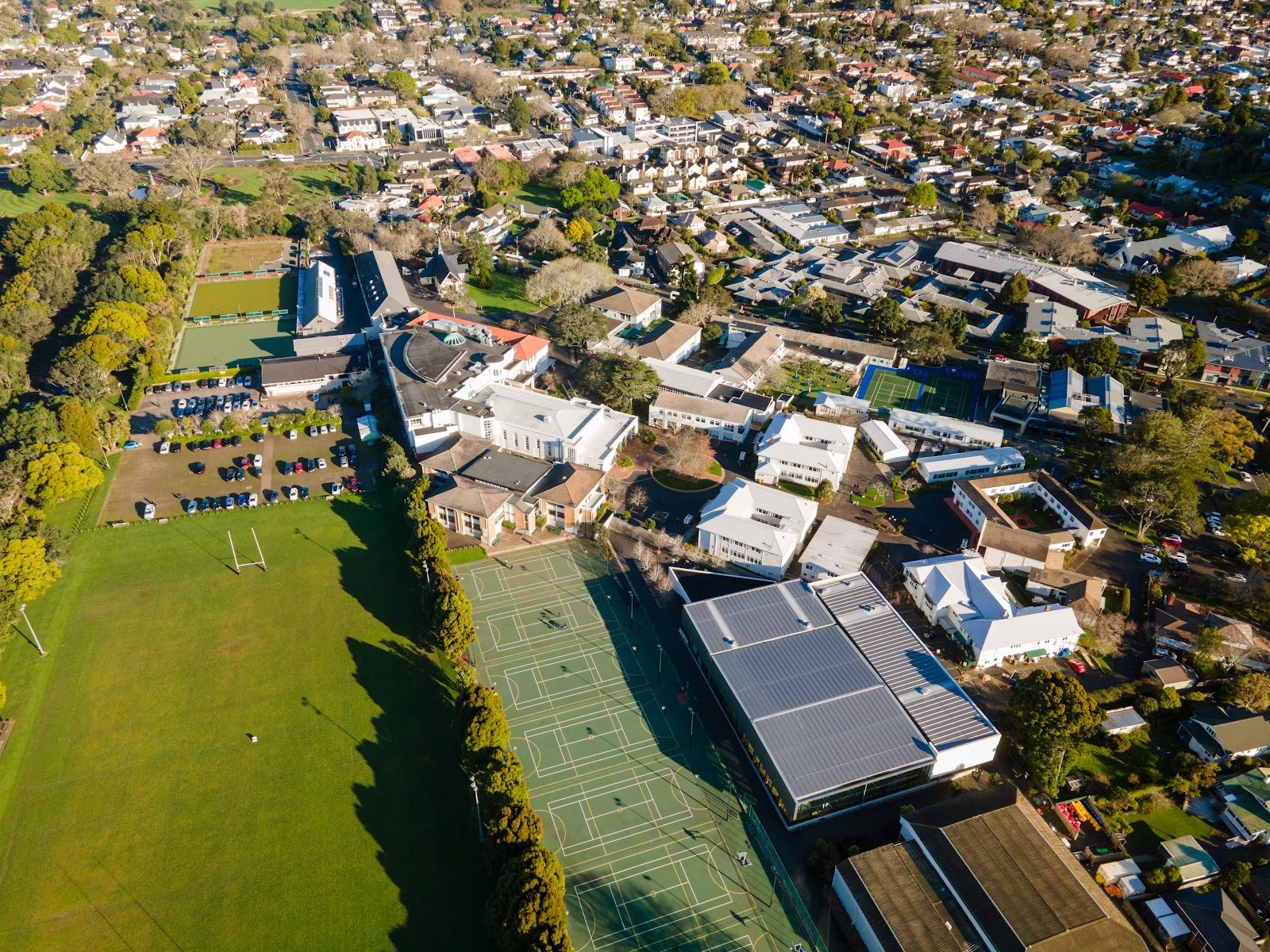
St Cuthbert's College
Auckland · New Zealand
An Epsom girls' school where a bespoke Year 11 diploma precedes the choice between IB and NCEA pathways
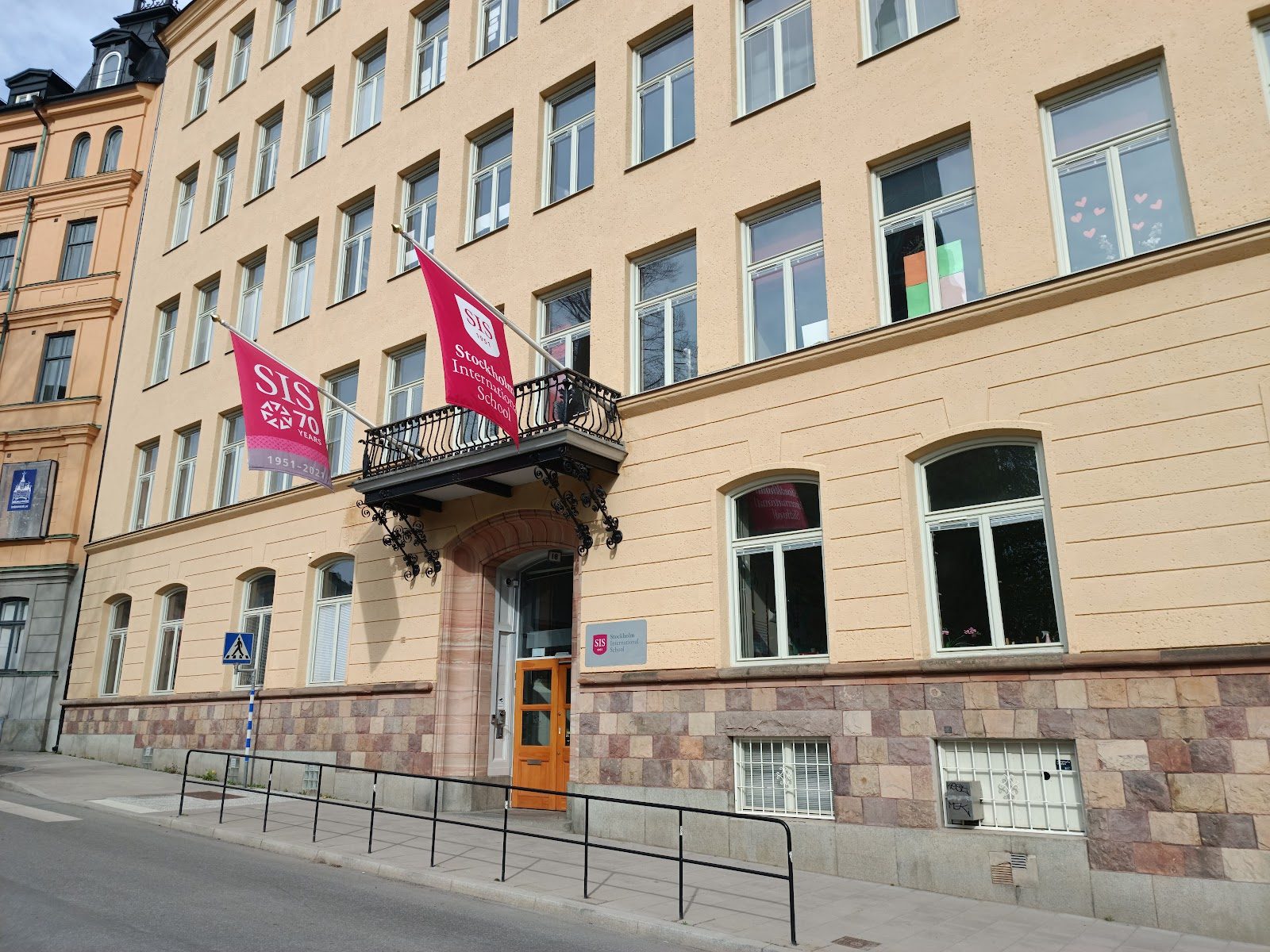
Stockholm International School
Stockholm · Sweden
Sweden's longest-running international school, teaching the full IB continuum from a historic Norra Latin campus in central Stockholm.
Same country and curriculum — closest matches within ±10 points either way