
South Australia
Westminster School
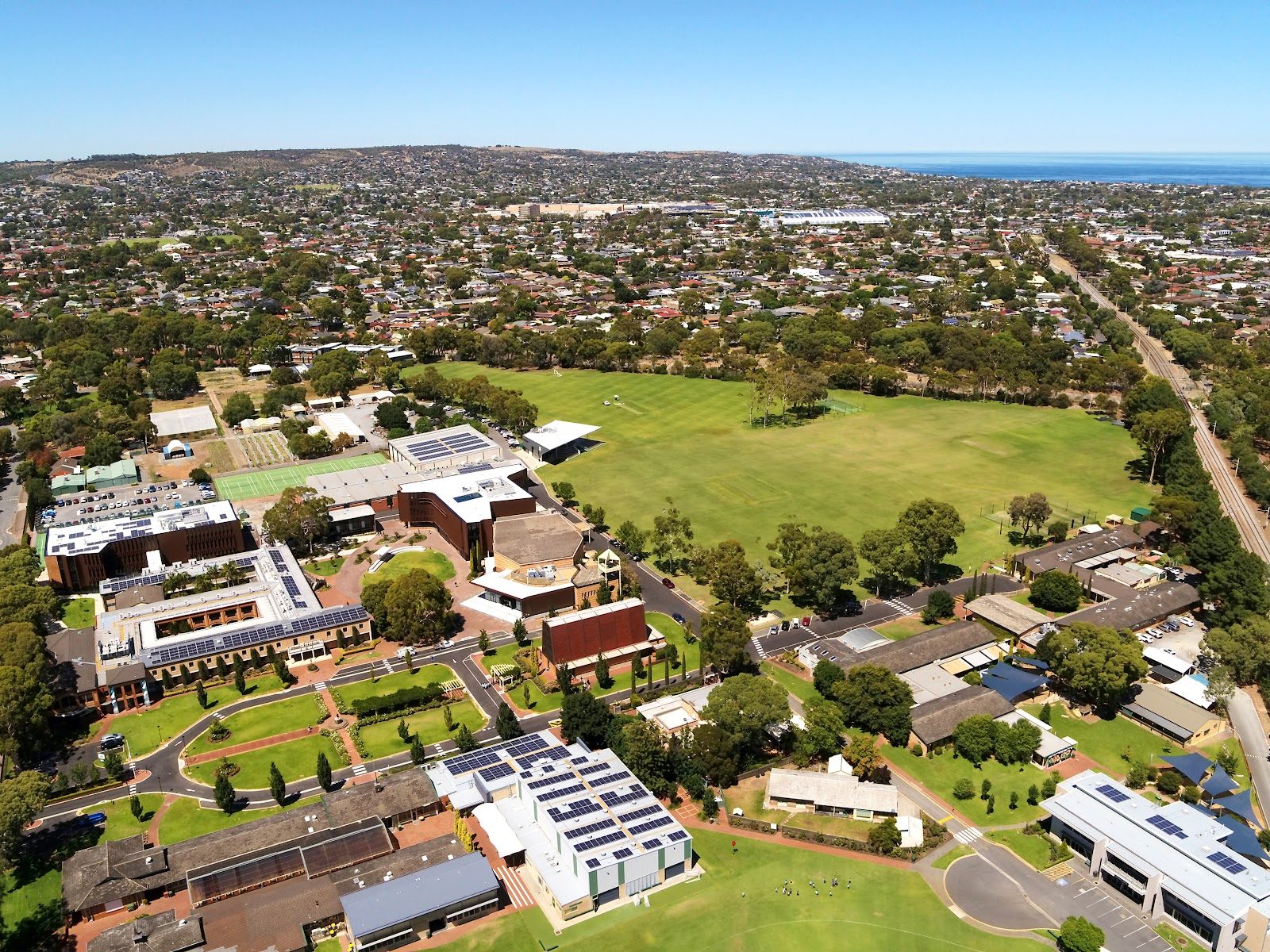
low confidence· 2/6 cats · 3 avg sourcesA Round Square campus minutes from Brighton beach, pairing global exchange ethos with Adelaide's southern coast
Type
Day
Ages
3–18
Curriculum
Australian
Qualifications
SACE · IB Diploma
Ratio
—
The Verdict
Editor's commitment
Right for
Families wanting a 1961 Uniting day school on one 23-hectare Adelaide campus, with Australian curriculum breadth and over 200 sporting teams.
Wrong for
Anyone needing boarding, a secular setting, or an exam-results-first school; Westminster sells outdoor education, Round Square ethos and 40 Year 12 subjects.
Watch out for
The average annual day fee is AUD 20,550; breadth is the draw, but the school does not publish aggregate senior outcomes here.
Ranking breakdown
Westminster School · #1204 of 1591
Composite score 58.3. 8 weighted criteria.
By criterion
Academic Outcomes
Weight 20%
#1194
of 1529 scored
University Placement
Weight 16%
#1164
of 1529 scored
Prestige & Heritage
Weight 12%
#1166
of 1571 scored
Alumni Network
Weight 12%
#841
of 1530 scored
Facilities
Weight 12%
#1122
of 1533 scored
Transparency & Communications
Weight 8%
#1019
of 1532 scored
Peer & Industry Review
Weight 10%
#1407
of 1548 scored
Admissions Selectivity & Demand
Weight 8%
#1205
of 1529 scored
Peer & Industry Review
How Westminster School is regarded in the sector
59
Credible · medium confidence
Within Adelaide's independent school landscape, Westminster is generally regarded as a solid but second-tier player, sitting outside the historic GPS cluster of St Peter's College, Prince Alfred College, Scotch College and Pembroke, which continue to dominate old-boy networks, sporting competitions and local media attention. It rarely features prominently in South Australian newspaper league-table coverage or in independent-schools press commentary, which tends to focus on the older Anglican, Catholic and Uniting Church heavyweights. University admissions patterns for its leavers are broadly consistent with mid-tier Adelaide independents, feeding into Adelaide and Flinders University pathways rather than generating distinctive commentary from admissions officers. Its dual SACE/IB offering earns it modest recognition among IB-focused school directories, but it is not a fixture at national independent-schools conferences or in Good Schools Guide-style rankings in the way its older, more prestigious neighbours are.
Editors' overview
Set on 23 hectares a few minutes from Brighton beach, Westminster has scale that many city schools cannot match and a programme that uses it. This is a Uniting day school in Adelaide for ages 3 to 18, founded in 1961, with the Australian curriculum and English as the language of instruction. The school’s pitch rests on breadth: 40 Year 12 subject choices, over 200 sporting teams, activity clubs, ensembles and a campus culture built around outdoor education, which it says it has run for 30 years. That combination gives Westminster a clear identity. This is not a tight, urban academic hothouse. It is a big-shouldered, all-through school built for families who want range, movement and co-curricular weight alongside classroom teaching.
What puts Westminster on a shortlist is that the proposition is coherent. “One school, one campus, one community” is not empty copy when the campus is this large and the age range runs from early learning to Year 12. Parents looking for continuity, easy logistics and a strong sense of belonging will find a lot to like. The school also belongs to AHISA, which places it firmly within Australia’s established independent-school market. At an average annual day fee of AUD 20,550 across the full age range, it sits in the serious independent bracket without reaching the price ceiling of the most expensive day schools. The school talks a great deal about wellbeing, culture and opportunity; what it does not publish in the information here is the hard academic detail many parents will want, such as Year 12 outcomes, university destinations or comparative attainment data. That opacity on results matters.
The right student for Westminster is busy, sociable and willing to use a large campus properly. Children who want sport, performing arts, outdoor education and room to try things will get more from this school than those who want a narrow, exam-drilled experience. It also suits families who value a grounded faith setting without choosing a school defined by doctrinal intensity. Students who thrive in a broad community, and who want school life to extend well beyond lessons, will fit. Students who need a small, highly specialised academic environment, or parents who will not commit without published outcomes data, have reason to look harder before signing on.
Academic Performance
Westminster does not publish the academic data that serious comparison needs. We have not seen ATAR distributions, median ATAR, the share of students above key benchmarks, subject-level distinctions, or university destination lists. That leaves parents with a blunt problem: the school asks families to trust a broad educational proposition without giving them the external-results evidence that would test it. The public case for academic strength rests instead on inputs and range — extensive subject choice in the senior years, named attention to teaching quality, and a campus model built around opportunity as much as examination performance. That is a real offering, but it is not the same thing as transparent outcomes.
Relative to peers, that places Westminster in the group of established independent schools whose reputation rests on breadth, community and co-curricular scale rather than published exam metrics. Some competitors in the same market disclose far more: top ATARs, high-achiever bands, merit counts, scholarship destinations. Westminster does not. That results opacity weakens its academic claim and makes precise ranking impossible. Parents seeking a hard-edged academic read will need to ask direct questions before enrolment: cohort size in the senior years, recent ATAR spread, performance in flagship subjects, and where graduates go next. Until the school publishes that data, Westminster fits best as a school with a broad programme and an unproven public academic profile, not as a transparent exam powerhouse.
Facilities
Facilities are one of Westminster’s strongest cards. The campus gives the school room to do things properly, and the headline facts matter: 23 hectares, a dedicated Preparatory project branded as “Future Foundations”, and a co-curricular operation large enough to sustain 200 sporting teams alongside clubs and ensembles. That points to serious sports provision, performance space and specialist teaching areas, even if the school does not publish a clean, itemised facilities map in the excerpts here. Against peer independent schools, that breadth puts Westminster in the upper tier for physical capacity. Many urban campuses trade convenience for constraint; Westminster trades density for space, which matters for younger children, team sports and any programme built around movement, outdoor learning and campus life beyond the classroom.
The more important question is whether the facilities serve a coherent educational model. Here, they do. Westminster’s site, outdoor education heritage and “one campus, one community” structure give it a joined-up physical environment from early years to senior school, not a patchwork of disconnected blocks. Families choosing between established Adelaide independents will read this as a substantive advantage, especially if they want sport, rehearsals, events and day-to-day logistics handled on one site. The limit is precision: the school advertises scale and opportunity better than it documents laboratories, libraries, theatres or high-performance sports assets in detail. That leaves Westminster with a *strong but not fully evidenced facilities story*: impressive in scope, less exact in specification.
Some competitors in the same market disclose far more: top ATARs, high-achiever bands, merit counts, scholarship destinations
Prestige
Westminster carries solid local prestige, but not the kind that settles every argument on name alone. In Adelaide’s independent-school market, status comes from institutional depth, campus scale, co-curricular reach and the confidence to run a genuinely all-through operation. Westminster has that. A school with 200 sporting teams, a deep activity programme and a full senior subject menu projects serious social weight: it can field, stage and organise at a level smaller schools cannot match. The Round Square connection also adds a layer of international polish that matters to globally minded families, because it ties the school to exchange, service and outward-facing educational culture rather than to narrow local cachet. This is established independent-school prestige, not insurgent upstart energy.
That said, Westminster’s prestige has limits, and they are clear. The school does not publish the hard academic outcomes that turn good standing into unambiguous academic authority. In practice, that means its reputation rests more on breadth, community, sport, outdoor education and a confident pastoral identity than on publicly evidenced examination dominance. For many families, that is enough. For parents chasing the social assurance of a known Adelaide name and a campus with real institutional heft, Westminster delivers. For parents who define prestige through published results, elite university pipelines and relentless academic signalling, the case is incomplete. Westminster is a respected school with reach and standing; it is not a school whose public academic prestige is beyond dispute.
What sets Westminster apart is not one flagship trick but a rarely coherent mix of scale, outdoor ethos and global-minded framing
Communications
Westminster communicates like a large independent school with a busy public calendar and a strong appetite for showing activity. The website is clean, current and parent-facing in the practical sense: book a tour, enquire, watch a video, scan upcoming events, and get a quick read on what the school wants families to value. That matters. Parents can see music performances, community events and year-group productions on the schedule rather than generic promises about “vibrant school life”. The school also pushes a steady stream of identity markers — campus life, wellbeing, co-curricular opportunity, preparatory provision — with enough repetition to make the message unmistakable. The line is coherent, but also carefully managed: Westminster tells you what it offers in abundance, and tells you far less about the areas where hard comparison gets uncomfortable.
That makes its communications effective for engagement and less convincing for scrutiny. Families who want warmth, momentum and a sense of belonging will get it. A school running over 200 sporting teams and 40 senior subjects has plenty to say, and Westminster uses that scale well. The weakness is transparency. The public-facing communication is strong on atmosphere, weak on proof. There is no equivalent prominence for attainment data, post-school destinations, or other hard measures that serious parents use to test a school’s claims. In editorial terms, Westminster communicates confidence, energy and community with professional polish; it does not communicate academic accountability with the same force.
Uniqueness
What sets Westminster apart is not one flagship trick but a rarely coherent mix of scale, outdoor ethos and global-minded framing. Many schools talk about breadth; Westminster has built a campus and timetable around it. The Round Square link matters here because it gives the school’s adventurous language an external reference point: exchange, service, leadership and outward-looking programmes sit naturally with a school that already pushes students beyond the classroom. Add a long-running outdoor education culture and the result is a school that treats growth as something earned through participation, challenge and contact with the wider world, not just through test performance. For the right child, that produces a big-life education rather than a narrow academic routine.
That distinctiveness brings clear gains. Students get unusual permission to try on different identities: athlete, performer, organiser, volunteer, expedition participant, subject specialist. With over 200 sporting teams and 40 senior subject choices, Westminster gives committed generalists real room to range before locking into one lane. That breadth also helps socially; large all-through schools can absorb different temperaments and talents better than tighter, more uniform institutions. The trade-off is plain. A school built this way rewards initiative and appetite. Self-starting, energetic students will flourish in its expansive, opportunity-rich culture. Children who want intense academic signalling, close public proof of results, or a more tightly controlled scholastic environment will find Westminster’s version of distinctiveness less persuasive.
Set on 23 hectares a few minutes from Brighton beach, Westminster has scale that many city schools cannot match and a programme that uses it
Student Profile
The pupils who fit Westminster best are high-participation children: the ones who want a full timetable, not a narrow one. This is a school for students who will join teams, rehearse, sign up, turn up and use the campus as more than a route between lessons. The school’s own priorities make that plain. With 200 sporting teams, a visible events culture and a long-running outdoor education strand, Westminster suits energetic children who are comfortable in a busy, communal environment and willing to test themselves in public, whether on stage, on a field or on expedition. It also works for families who want their child educated in a grounded, values-led setting without the atmosphere being dominated by religious intensity.
The less natural fit is just as clear. A child who wants a small social circle, a tightly monitored academic routine or a school culture built around published exam outcomes will find Westminster less exacting in tone than harder-edged competitors. The broad senior subject menu — 40 choices — gives intellectually curious students room to keep options open, but the school’s identity rests on range and involvement, not on a publicly evidenced culture of marks-first competition. Westminster therefore suits confident joiners, capable generalists and students whose strengths emerge through sustained participation. It is not an enclave for narrow specialists, and it asks students to contribute to the life of the place rather than stand back from it.
This is a Uniting day school in Adelaide for ages 3 to 18, founded in 1961, with the Australian curriculum and English as the language of instruction
Co-curricular strengths
Arts & sport, on a separate axis
Overall 8.94/10
Scored 0-10 from the school's own published evidence. This axis is editorial-only — it does not feed the main WTS ranking.
Sports
9.2/10
Absolute athletic powerhouse with massive acreage; fields historic, fiercely competitive football, netball, and cricket programs within the independent circuits.
Drama
8.8/10
The spectacular arts complexes anchor an ambitious dramatic tracking program, mounting complex classical and modern plays inside a professional-tier theater.
Dance
9.1/10
Active afternoon performance track providing core choreography assets for major collaborative musical theater shows.
Music
8.8/10
Robust private vocal and instrumental infrastructure feeding active jazz big bands and full symphonies.
Visual Arts
8.8/10
Studio-intensive fine arts focus housed within custom studio environments, prioritizing landscape painting and portfolio layout.
Strengths
- +Boarding available from ages 3–18 pathway.
- +23-hectare single campus offers unusual space.
- +Over 200 sporting teams suit committed athletes.
- +40 Year 12 subject choices broaden senior options.
Considerations
- −English-only instruction may limit non-native speakers.
- −Uniting identity may not suit secular families.
- −Marion location is suburban, not central Adelaide.
Availability
Primary entry gate & tests
Academic Record + Interview
Gallery
Parent reviews
Have you sent your child here?
Voice reviews carry the strongest trust badge — we transcribe them for you to tidy up before they go live. Prefer to type? A written review is fine too.
Add your voice
In 60 seconds, tell other parents: what's the best thing about Westminster School, and what surprised you when your child joined?
We ask for a Google sign-in so every review has a real face behind it — no anonymous drive-by attacks on schools, and no faked positive reviews. Your email is never shown publicly.
Send this profile to a friend
International parents rely on word-of-mouth. Share this review with someone weighing the same decision.
Schools with places
Similar schools to Westminster School with places available now.
Pymble Ladies' College
Sydney · Australia
- 2026-27
- WAITPOOLVacancy-dependent
- 2027-28
- PLACES OPEN
Ivanhoe Grammar School
Melbourne · Australia
- 2026-27
- WAITPOOLVacancy-dependent
- 2027-28
- PLACES OPEN
Ascham School
Sydney · Australia
- 2026-27
- WAITPOOLVacancy-dependent
- 2027-28
- PLACES OPEN
Wesley College
Melbourne · Australia
- 2026-27
- WAITPOOLVacancy-dependent
- 2027-28
- PLACES OPEN
Availability first, then country, area, curriculum, price, co-curricular
Consider also
Also worth looking at alongside Westminster School.
Loreto Kirribilli
Kirribilli · Australia
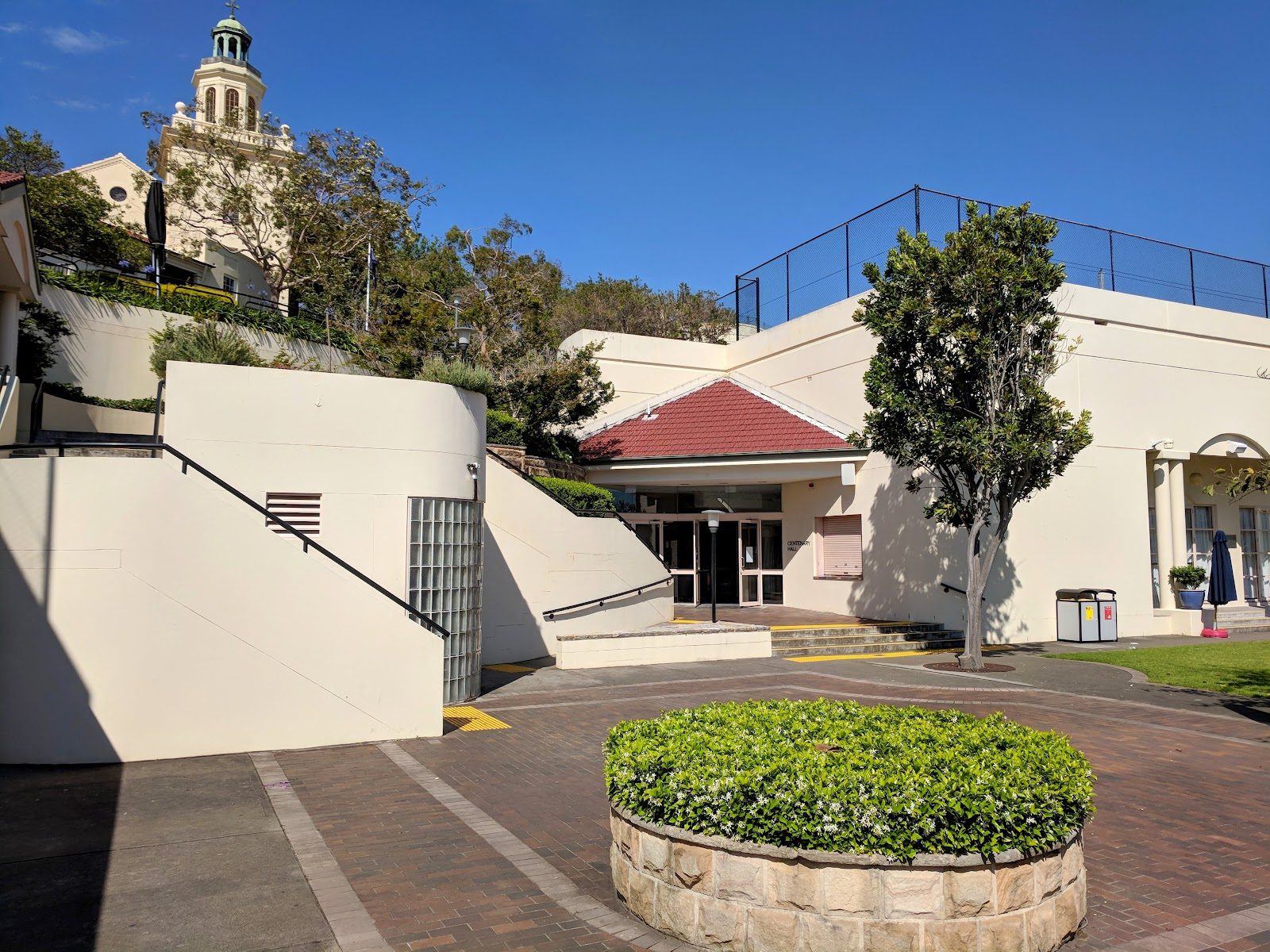
On Sydney Harbour since 1908, its chapel tower once guided sailors--now it anchors a top-performing Catholic girls' school.

Pymble Ladies' College
Sydney · Australia
On Sydney's Upper North Shore, a non-selective campus of five schools lets girls choose between the IB and HSC pathways.
Prince Alfred College
Adelaide · Australia
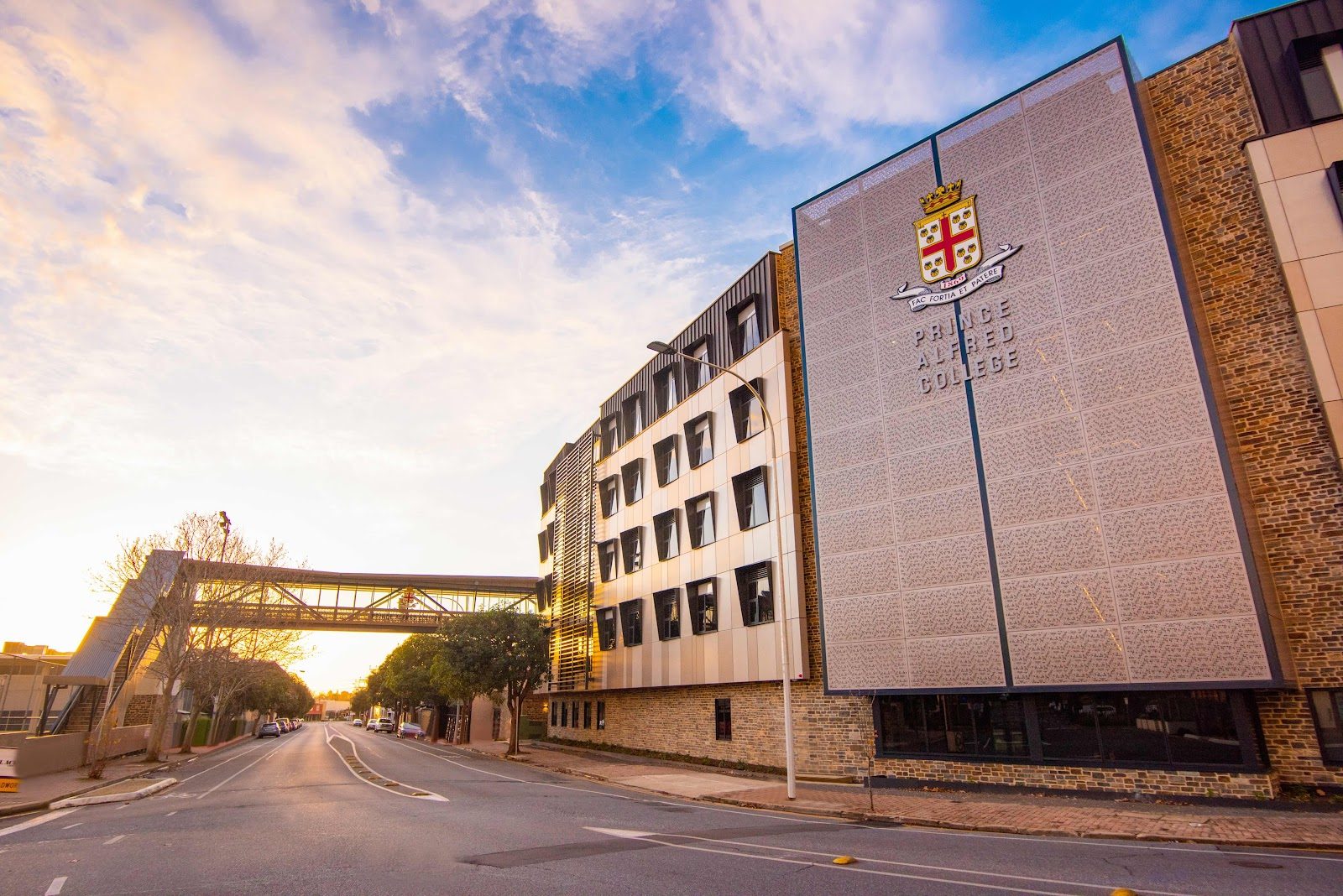
A Duke laid its 1867 foundation stone; today this Adelaide college ships Year 9 boys to riverside and peninsula campuses for a term outdoors.
Ivanhoe Grammar School
Melbourne · Australia
A Year 9 campus embedded at La Trobe University anchors a Round Square network across Melbourne's north, offering both VCE and IB pathways.
Same country and curriculum — closest matches within ±10 points either way