
Kilimanjaro Region
United World College East Africa
low confidence· 4/6 cats · 1 avg sourcesAt the foot of Kilimanjaro, Africa's first IB diploma school pairs mountain-named boarding houses with a hundred-nation community.
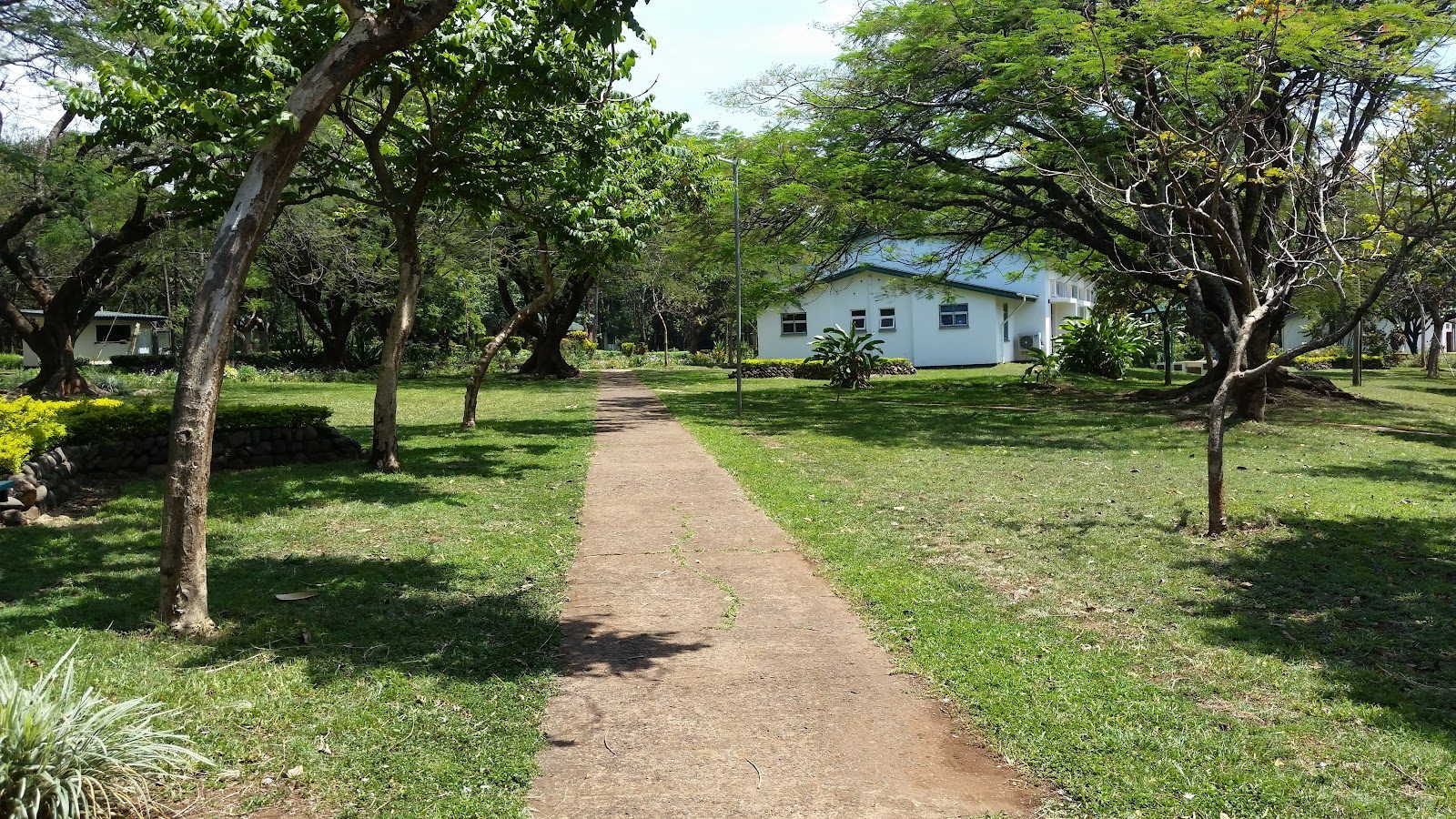
Photo © Abdul Mutashobya via Google Maps
Type
Both
Ages
3–19
Curriculum
IB
Qualifications
IB Diploma · IB MYP · IB PYP
Ratio
—
The Verdict
Editor's commitment
Right for
Families wanting a 1969-founded IB school with PYP, MYP and DP, 100+ nationalities, and boarding rooted in the UWC movement.
Wrong for
Parents after a single-campus school or a local cohort first; UWC East Africa runs across Moshi and Arusha with 700 students.
Watch out for
Average annual fees are steep by Tanzanian standards: $19,671 day and $42,200 boarding, and the school does not publish aggregate IB results.
Ranking breakdown
United World College East Africa · #449 of 1591
Composite score 69.7. 8 weighted criteria.
By criterion
Academic Outcomes
Weight 20%
#586
of 1529 scored
University Placement
Weight 16%
#584
of 1529 scored
Prestige & Heritage
Weight 12%
#608
of 1571 scored
Alumni Network
Weight 12%
#293
of 1530 scored
Facilities
Weight 12%
#489
of 1533 scored
Transparency & Communications
Weight 8%
#594
of 1532 scored
Peer & Industry Review
Weight 10%
#645
of 1548 scored
Admissions Selectivity & Demand
Weight 8%
#438
of 1529 scored
Peer & Industry Review
How United World College East Africa is regarded in the sector
68
Respected · medium confidence
I could not identify at least two independent third-party sources (e.g., Tatler, Good Schools Guide, specialist education press, or established expat forums) that specifically discuss the reputation of United World College East Africa in Moshi, Tanzania. The UWC network generally has strong global name recognition through its central organization, but I lack verifiable, independent coverage specific to this Moshi campus's standing among peers or in rankings.
Editors' overview
At the foot of Kilimanjaro, UWC East Africa offers a combination few schools can match: a full IB pathway from ages 3 to 19, a genuine boarding culture, and a student body drawn from over 100 nationalities. Founded in 1969 as International School Moshi, it became part of the UWC movement in 2019, and that matters. The UWC badge carries a distinct moral and educational proposition: internationalism with edge, not the polished neutrality of a standard premium international school. With around 700 students across its Moshi and Arusha campuses and more than 300 boarders, this is not a boutique school and not a generic expat compound either. It sits in a rare position: mission-driven, unusually cosmopolitan and geographically far from the over-supplied international school markets of Europe, Dubai or Singapore.
What puts it on a shortlist is the coherence of the offer. This is an IB World School across PYP, MYP and Diploma, with CIS and AISA accreditation as well as UWC membership. That combination gives it substance. Parents looking for a school with a serious international intake, not just an international curriculum, will find one here. Residential life is central rather than decorative, and the school makes that plain. The average annual fee is $19,671 for day pupils and $42,200 for boarders across the full age range, which places it in the premium international bracket but not at the extreme end of global boarding prices. For families who value breadth of nationality mix, boarding depth and an education tied to questions of culture, service and global responsibility, that is a compelling proposition.
This school will suit students who want more than a strong timetable and a safe campus. It will suit internationally mobile children, third-culture students and academically capable teenagers who thrive in a community with a clear collective ethos. It will also suit adventurous boarders: children happy to live intensely with peers from many countries, and to treat school as a full social and intellectual environment rather than a day school with dormitories attached. It will not suit families who want a conventional hothouse, a narrow exam factory or a socially insulated boarding experience. UWC East Africa trades on breadth of outlook, serious community life and a setting that asks students to engage with the world beyond their own bubble. For the right child, that is the point.
Academic Performance
UWC East Africa does not publish aggregate IB Diploma outcomes in the public domain. We have not seen an average Diploma score, a pass rate, a subject breakdown, or a share of students reaching the top bands. That is a real gap. For a school with a serious international remit and a senior programme that carries weight in university admissions, parents need harder academic evidence than mission language and institutional pedigree. In this respect, the school sits behind the best-run international competitors, which now treat headline results as standard disclosure rather than optional extra.
That said, the underlying conditions for credible performance are there. The school runs the full IB ladder, has a long relationship with the Diploma, and draws students into a high-intensity, globally mixed community that can sharpen classroom discussion and independent thinking. More than 100 nationalities and over 300 boarders create an academic culture closer to a residential sixth-form college than a transactional expatriate day school. That matters, especially for humanities-heavy IB students and for the extended essay, CAS and TOK demands that reward intellectual range and self-management. Relative to peers, then, UWC East Africa looks strongest as a place of educational depth and distinctive formation, not as a school that proves exam strength through transparent public data.
Facilities
The crucial facility here is not a single showpiece building but the residential infrastructure. More than 300 students live on campus, and the school names boarding houses after East African mountains, which gives house life a concrete identity rather than the generic dormitory feel common in many international schools. For families considering boarding, that matters more than a glossy sports complex: a school either has a real boarding culture or it does not. UWC East Africa does. The two-campus structure also broadens the physical offer. One site sits on the slopes of Kilimanjaro, the other near Mount Meru, and that geography gives the school direct access to outdoor education, trips and service work that urban peer schools cannot match. In this respect, the setting is a serious asset, not backdrop.
What we do not see in the public domain is the level of detail top-tier schools now publish on specialist facilities: libraries, science laboratories, theatres, maker spaces, music suites or elite sports provision. That opacity matters. At the premium end of the market, parents expect a clear account of what sits behind the timetable. So the facilities verdict is mixed but clear: residential life and landscape are distinctive strengths; the physical campus offer beyond that is under-explained. Against peer IB boarding schools, UWC East Africa competes best on community infrastructure and place, not on publicly documented bricks-and-mortar glamour.
We have not seen an average Diploma score, a pass rate, a subject breakdown, or a share of students reaching the top bands
Prestige
UWC East Africa carries real international prestige, but not the polished prestige of a Swiss finishing school or a London exam machine. Its standing rests on two things that matter more: the UWC name and the composition of the student body. A school that draws children from over 100 nationalities and sustains residential life for more than 300 students occupies a rare tier. That kind of community is difficult to manufacture and impossible to fake. It gives the school social credibility with globally mobile families, with universities that value international seriousness, and with parents who want more than a branded curriculum. The setting helps too. A campus on the slopes of Kilimanjaro and another near Mount Meru give the school a distinctive identity rather than the anonymous business-park feel of many international schools.
The prestige is strongest in values-led international education, not in raw academic cachet. UWC remains a high-status badge among families and educators who know the sector well, and this school benefits directly from that association. Its reputation is reinforced by the age range, the cross-campus structure, and a community of around 700 students that gives it scale without turning it into a chain-school outpost. There is, however, a clear limit. The school does not publish headline Diploma outcomes, and that weakens its claim to top-table academic prestige. So the verdict is precise: mission prestige, community prestige and global-minded prestige are all strong; prestige built on public exam dominance is not.
So the facilities verdict is mixed but clear: residential life and landscape are distinctive strengths; the physical campus offer beyond that is under-explained
Communications
Parent communication is competent on the essentials and thin where demanding families want depth. The website gives a clear top-line account of the school’s structure, ethos and scale across its two campuses, and it does not hide the centrality of residential life. That matters, because schools with a large boarding population need to explain not just academics but how daily life works. UWC East Africa does that better at the level of identity than at the level of operational detail. The public-facing message is coherent, values-heavy and easy to grasp: one school, two campuses, a strongly international community, more than 300 students in residence, and students from over 100 nationalities. For first contact, that is effective.
Where communication weakens is in disclosure and granularity. The school does not publish the kind of hard information that cuts through rhetoric: aggregate diploma outcomes, detailed facility breakdowns, or a fuller picture of academic performance by phase. That gap affects parent trust. Families paying an average of $42,200 for boarding are entitled to more than a persuasive statement of purpose. They need evidence, routine specificity and a stronger sense of how the school runs day to day. The result is a communications profile that is strong on narrative, weaker on proof, and less transparent than the best international schools in this fee bracket. Parents who prize mission and community will find enough to engage them; parents who want forensic clarity will hit limits quickly.
Uniqueness
What sets UWC East Africa apart is not a scenic campus or a branded mission statement. It is the combination of a full-school age range with a UWC culture embedded in daily life, across two sites, in a student community drawn from 100 nationalities. Many international schools talk about global citizenship; this one runs on the friction and reward of real difference. Students do not encounter internationalism as a poster on the wall but as roommate dynamics, classroom disagreement, friendship groups and house life. That gives the school a harder-edged, less sanitised education than the polished cosmopolitanism sold elsewhere. The East African setting sharpens that identity further. This is not a satellite campus in a financial hub. It has geographic character, moral seriousness and a relationship to place that feels lived rather than imported.
What this brings to students is formation as much as schooling. Children here get a stronger education in adaptation, perspective and communal responsibility than they get in comfort or social ease. That has real value. Students who thrive in high-intensity communities, and who want their education to stretch beyond grades into questions of culture and obligation, will get something distinctive from life here. They learn to live with difference, not just praise it. They learn that service, residence and study sit in the same frame. For the right student, that is transformative. For a child who wants polish, predictability and distance from other people’s demands, it is the wrong fit.
The school does not publish headline Diploma outcomes, and that weakens its claim to top-table academic prestige
Student Profile
This school suits children who gain energy from difference rather than retreat from it. The social environment is intense, international to the core and shaped by constant exposure to other people’s habits, values and expectations. With students from over 100 nationalities and a residential population above 300, peer life carries as much weight as formal teaching. The best fit is a young person with curiosity, stamina and social confidence: someone who can share space, handle disagreement, and live without the cushioning sameness of a narrow expatriate enclave. Third-culture children, internationally mobile families and teenagers with a genuine appetite for service, debate and communal responsibility will fit well. So will students who like a school with moral seriousness rather than social polish.
It is a weaker fit for children who want anonymity, soft edges or a purely transactional relationship with school. Life here asks for participation. Students who guard their privacy closely, resist communal norms, or want a quiet, conventional boarding routine will find the culture demanding. The same goes for families hunting a pure academic hothouse stripped of wider obligations. UWC East Africa asks students to stretch socially as well as intellectually, and that can be formative or exhausting, depending on temperament. The strongest candidates are resilient, open-minded and robust enough to live in a community where ideals are not wallpaper but daily expectations.
Founded in 1969 as International School Moshi, it became part of the UWC movement in 2019, and that matters
Co-curricular strengths
Arts & sport, on a separate axis
Overall 8.34/10
Scored 0-10 from the school's own published evidence. This axis is editorial-only — it does not feed the main WTS ranking.
Sports
8.8/10
Drama
8.8/10
Dance
6.5/10
Music
8.8/10
Visual Arts
8.8/10
Editor first-pass · editor-reviewable · 7/30/2026
Strengths
- +First school in Africa to offer the IB Diploma Programme, having introduced it in 1977, and played a role in developing the IB Middle Years Programme in the early 1980s.
- +Joined the UWC movement in 2019 as its 18th school globally, giving access to the UWC scholarship network in which over 80% of nationally-selected students receive full or partial funding.
- +Genuinely diverse community of around 700 students aged 3 to 19 drawn from more than 100 nationalities across two campuses.
- +Structured residential life from age eight upward, with dedicated houses, house parents, and weekly tutor mentoring alongside day-school options.
- +Location on the slopes of Mount Kilimanjaro and Mount Meru gives ready access to outdoor pursuits, safari parks, and the school's own coastal site at Pangani.
Considerations
- −Split across two campuses (Moshi and Arusha), which can complicate logistics for families and create variation in facilities and programme delivery between sites.
- −Full day/boarding fees run into the tens of thousands of dollars per year once tuition, residential and capital development charges are combined, before scholarships are factored in.
- −Diploma places are limited and competitive, with the school advising applicants to apply 9-12 months in advance to secure a spot.
- −Remote regional location in northern Tanzania means limited surrounding infrastructure and longer international travel times compared with capital-city international schools.
Availability
Primary entry gate & tests
Direct App / UWC National Committee
Gallery
Photo © Victoria Jensen via Google Maps
Photo © Victoria Jensen via Google Maps
Photo © Kevin D Sherman via Google Maps
Photo © Ally Mwasi via Google Maps
Photo © Victoria Jensen via Google Maps
Parent reviews
Have you sent your child here?
Voice reviews carry the strongest trust badge — we transcribe them for you to tidy up before they go live. Prefer to type? A written review is fine too.
Add your voice
In 60 seconds, tell other parents: what's the best thing about United World College East Africa, and what surprised you when your child joined?
We ask for a Google sign-in so every review has a real face behind it — no anonymous drive-by attacks on schools, and no faked positive reviews. Your email is never shown publicly.
Send this profile to a friend
International parents rely on word-of-mouth. Share this review with someone weighing the same decision.
Schools with places
Similar schools to United World College East Africa with places available now.
Schule Schloss Salem
Salem · Germany
- 2026-27
- WAITPOOLVacancy-dependent
- 2027-28
- WAITPOOLVacancy-dependent / Rolling
Ridley College
St Catharines · Canada
- 2026-27
- WAITPOOLLimited Lower/Middle day
- 2027-28
- PLACES OPENActive now
International School of Paris
Paris · France
- 2026-27
- WAITPOOLSpace-dependent
- 2027-28
- PLACES OPENRolling
Oberoi International School
Mumbai · India
- 2026-27
- WAITPOOLSpace-dependent
- 2027-28
- PLACES OPENRolling
Availability first, then country, area, curriculum, price, co-curricular
Consider also
Also worth looking at alongside United World College East Africa.
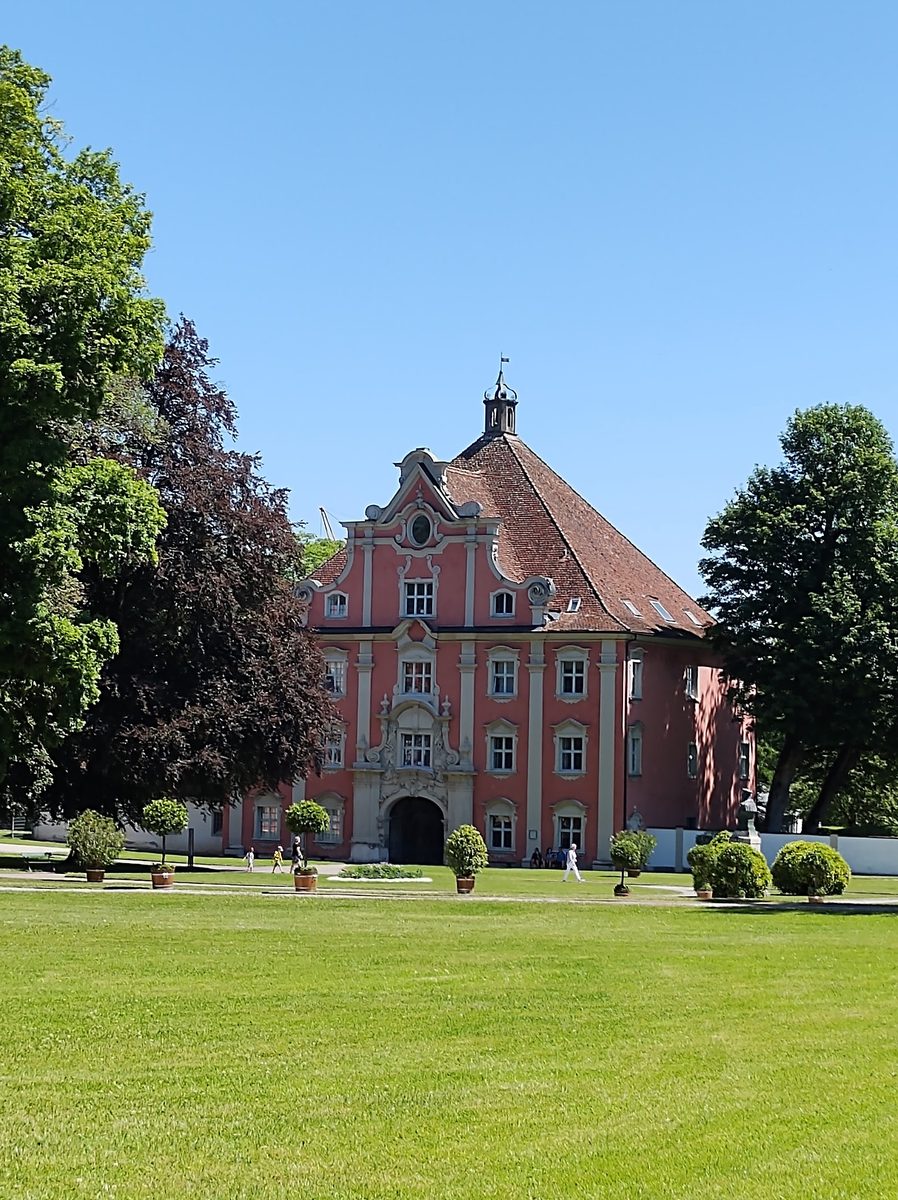
Schule Schloss Salem
Salem · Germany
Kurt Hahn's founding creed of head, heart and hand still means mandatory fire-brigade duty inside a former Cistercian monastery on Lake Constance.
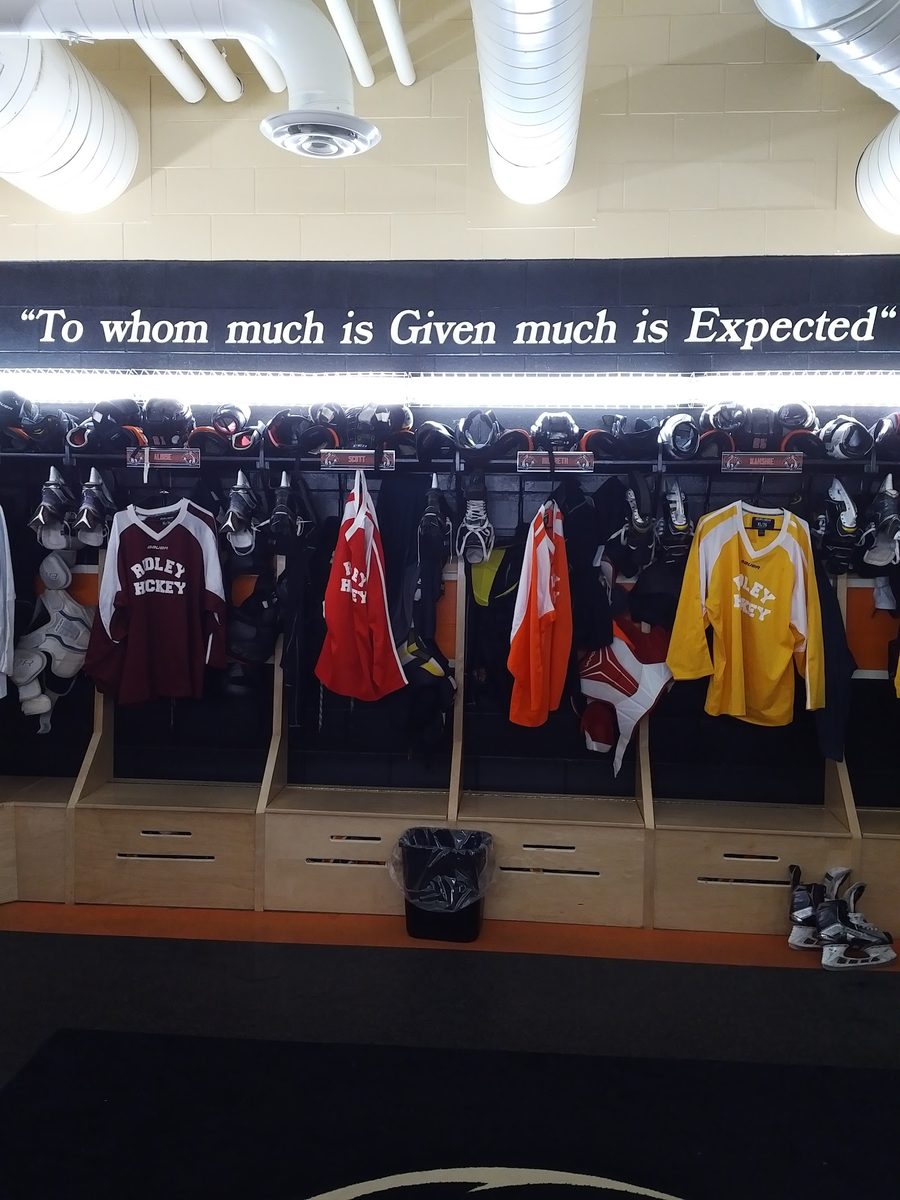
Ridley College
St Catharines · Canada
St Catharines day-and-boarding school blending Ontario's OSSD with the full IB continuum
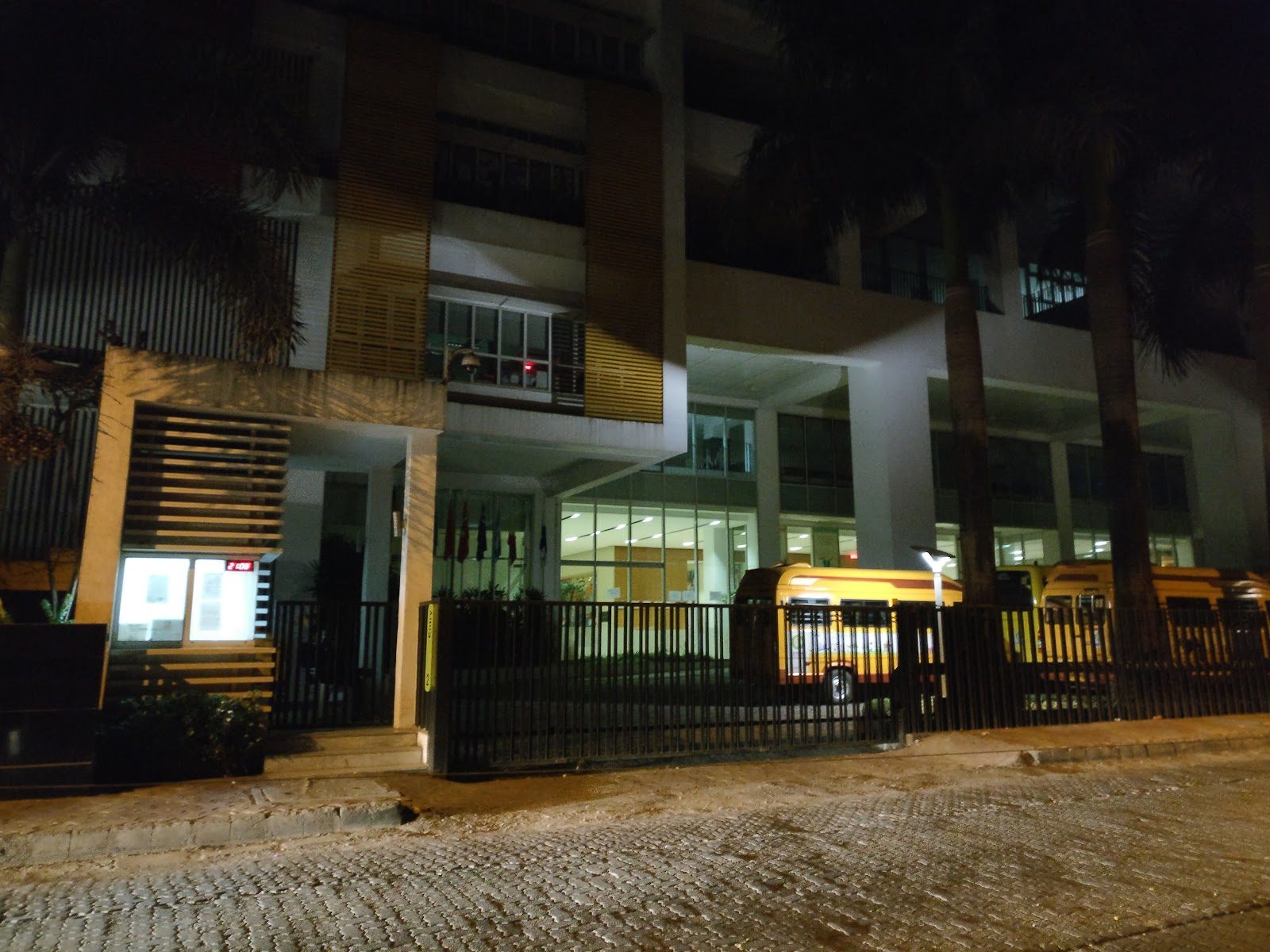
Oberoi International School
Mumbai · India
A full IB continuum from Nursery to Diploma, spread across twin Goregaon campuses inside Mumbai's Oberoi Garden City enclave.
Fettes College
Edinburgh · United Kingdom
Gothic turrets said to have inspired Hogwarts frame Scotland's only sixth form pairing A Levels with a full IB Diploma pathway.
Same country and curriculum — closest matches within ±10 points either way