
Delhi
St. Columba's School
low confidence· 6/6 cats · 0 avg sourcesAn all-boys Christian Brothers institution beside Lutyens' Delhi's Sacred Heart Cathedral, home to North India's premier school quiz.
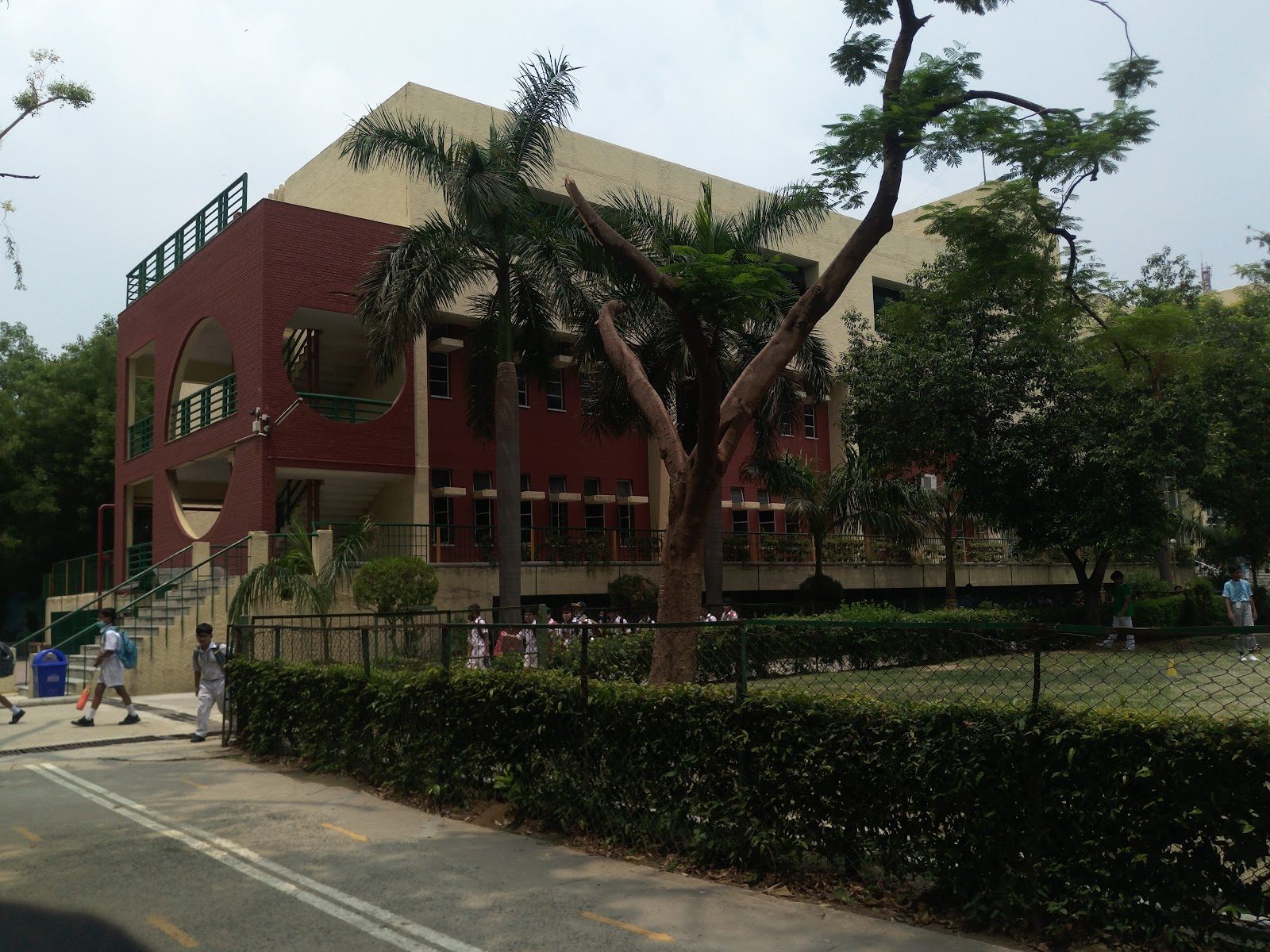
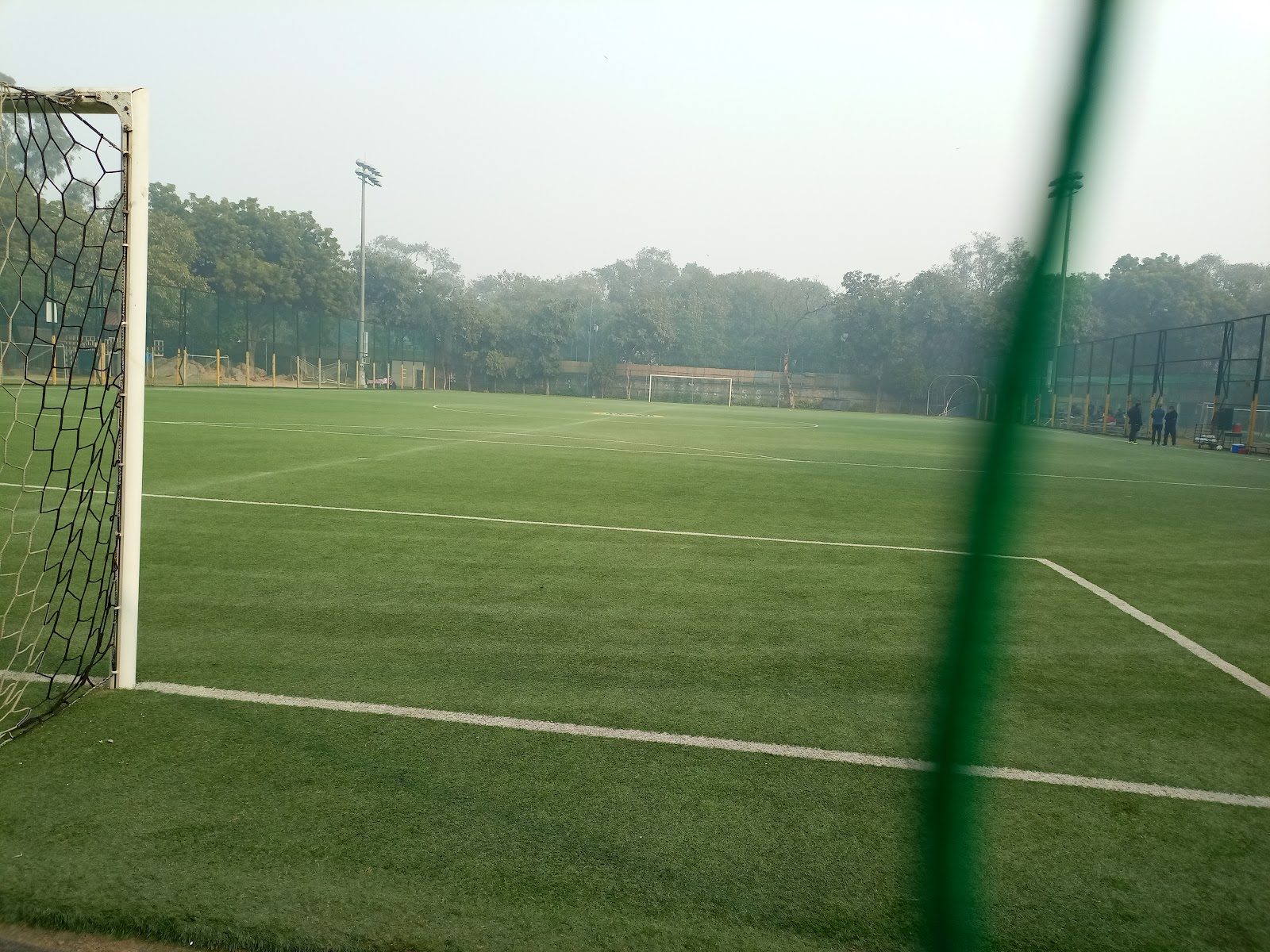
Photo © Pinki Kumari via Google Maps
Type
Day
Ages
5–18
Curriculum
CBSE
Ratio
17:1
The Verdict
Editor's commitment
Right for
Boys aged 5–18 who want a long-established 1941 Delhi day school with CBSE in English and a clear all-boys culture.
Wrong for
Families wanting co-education, boarding, or faith-led schooling; this is a non-religious day school with average classes of 34.
Watch out for
A 17:1 student-teacher ratio and 34 pupils per class mean scale over intimacy; individual attention is not this school's selling point.
Ranking breakdown
St. Columba's School · #448 of 1591
Composite score 69.7. 8 weighted criteria.
By criterion
Academic Outcomes
Weight 20%
#450
of 1529 scored
University Placement
Weight 16%
#516
of 1529 scored
Prestige & Heritage
Weight 12%
#537
of 1571 scored
Alumni Network
Weight 12%
#338
of 1530 scored
Facilities
Weight 12%
#857
of 1533 scored
Transparency & Communications
Weight 8%
#688
of 1532 scored
Peer & Industry Review
Weight 10%
#645
of 1548 scored
Admissions Selectivity & Demand
Weight 8%
#334
of 1529 scored
Peer & Industry Review
How St. Columba's School is regarded in the sector
78
Strong · medium confidence
St. Columba's School, New Delhi is consistently ranked among Delhi's top boys' schools in the Education World India School Rankings and similar annual 'best schools' surveys, and it has a well-documented alumni network including prominent public figures (e.g., Shashi Tharoor) frequently cited in Indian press profiles. It lacks Tatler/Good Schools Guide-level international coverage, but within Indian specialist education press and peer-school benchmarking it holds a strong, long-established reputation.
Evidence sources
Editors' overview
St. Columba’s School occupies a distinct niche in Delhi: an established all-boys day school in the capital’s old institutional heart, founded in 1941 and still carrying the weight of that history. It sits beside Sacred Heart Cathedral in Lutyens’ Delhi, which gives it a civic and architectural setting few schools can match. The school runs the CBSE curriculum in English for boys aged 5 to 18. With a student–teacher ratio of 17:1 and an average class size of 34, this is not a boutique school built around low-density pastoral care; it is a sizeable, mainstream academic institution that expects boys to function well in a busy, structured environment. The draw is not novelty. The draw is continuity, seriousness and a reputation that still means something in North India.
What marks St. Columba’s out is culture. This is a school with institutional confidence, old-Delhi gravitas and a long-established public identity. It is also home to North India’s premier school quiz, a detail that matters more than it first sounds: strong quiz culture points to intellectual competitiveness, general knowledge, quick thinking and boys who enjoy academic contest beyond the textbook. Parents looking for a school with a polished international veneer should look elsewhere. St. Columba’s trades on earned prestige, not cosmopolitan branding. Its market position is clear: a traditional, academically serious Delhi boys’ school with deep local recognition, strong co-curricular signalling in quizzing, and the kind of alumni-network effect that long-standing capital-city schools tend to generate, even when they do not market it aggressively.
It belongs on a shortlist for families who want a school with discipline without fuss, a clear academic spine and a social environment shaped by boys who can handle competition. It suits students who enjoy busy classrooms, are resilient rather than delicate, and want peers who will push them. A boy who thrives here will value routine, relish contests, and take pride in belonging to a school with a strong sense of place. A boy who needs intensive individual hand-holding, progressive pedagogy or a softer co-educational atmosphere will find better fits elsewhere. St. Columba’s knows what it is. For the right family, that clarity is its strength.
Academic Performance
St. Columba’s has a long record of strong board results, and its public record points to a school that sits in Delhi’s upper academic tier rather than the merely respectable middle. The headline numbers published by the school are hard to ignore: 100% pass rates in both Class X and Class XII, with recent cohorts also producing high proportions above the top grade bands. In one published set of results, 48.79% of Class X pupils scored above 90 per cent, while 37.5% of Class XII pupils did the same. Those figures place the school in serious company among established CBSE schools in the capital. This is not a niche school producing selective results from tiny cohorts; it is a mainstream boys’ school delivering consistently strong external outcomes at scale.
The sharper point is distribution. Plenty of schools advertise a clean pass rate; fewer show such a dense cluster at the top end. That matters for families aiming at competitive university pathways in India, where the difference between a pass and a high score is decisive. St. Columba’s looks strongest as a school for boys who can cope with pace, pressure and rank-conscious comparison. We have not seen the sort of granular subject-by-subject trend data that would allow a finer judgement across sciences, commerce and humanities, and the school does not publish the deeper analytical breakdown that the best data-led schools now provide. Even so, the published outcomes mark it as academically serious, exam-focused and plainly competitive with its better-regarded local peers.
Facilities
St. Columba’s does not trade on sprawling land or headline architecture. This is a central-city campus where space is constrained, and parents should calibrate expectations against that reality. The key assets are functional rather than lavish: science laboratories, computer facilities, a library, assembly and event spaces, and the sports provision needed to sustain a large all-boys school. The location beside the cathedral gives the campus a distinctive civic setting, but that is not the same thing as having the expansive grounds, specialist performance centres or resort-style sports infrastructure now used by newer premium schools on the edge of Delhi. Against long-established urban peers, though, the offer is perfectly credible: enough to support serious academics and a busy inter-school culture, without the showpiece excess seen in newer fee-driven campuses.
Where the facilities matter most is in what they enable. A school with strong quiz culture, organised competition and sustained academic pressure needs dependable rooms for preparation, events and whole-school routines, and St. Columba’s has long functioned as that kind of institution. The drawback is plain. With average classes of 34 and a student-teacher ratio of 17:1, no parent should expect low-density specialist spaces or the kind of indulgent premium-campus feel sold elsewhere. This is a school where facilities serve the programme, not the marketing narrative. For many families, that no-nonsense balance will do the job.
Plenty of schools advertise a clean pass rate; fewer show such a dense cluster at the top end
Prestige
St. Columba’s carries real local prestige and does not need glossy self-invention to prove it. In Delhi school circles, its name lands with weight: old families know it, professional families recognise it, and rival schools take it seriously. Part of that status comes from endurance, but endurance alone does not keep a school prominent. St. Columba’s has kept its standing through hard academic delivery, a disciplined public identity and the kind of inter-school visibility that builds reputation beyond its own gates. The annual quiz matters here. Schools do not dominate that arena by accident; sustained quiz stature signals an intellectual culture that values recall, range, speed and competitive composure. Combined with published board outcomes such as 100% passes and top-band scoring running to 48.79% in one senior cohort, the prestige rests on performance, not nostalgia.
This is not prestige in the polished, international-market sense. It is capital-city institutional prestige: traditional, male, competitive and socially legible to anyone who knows Delhi education well. That distinction matters. Families seeking progressive cachet, boutique pastoralism or global-brand sheen will not find it here. Families who want a school whose name still opens conversations, carries earned authority and signals that a boy has been educated in a serious, exacting environment will rate St. Columba’s highly. Its prestige is strongest inside North India’s established academic ecosystem, where reputation grows from results, continuity and peer regard, not marketing.
It sits beside Sacred Heart Cathedral in Lutyens’ Delhi, which gives it a civic and architectural setting few schools can match
Communications
St. Columba’s communicates in the way older Indian schools often do when they still trust institutional routine more than glossy parent management: direct notices, standard website information, calendar-driven updates and the formal architecture of a well-established school office. That has strengths. Parents are not left decoding a lifestyle brand or swimming through inflated messaging. The school’s public-facing communication is plain-spoken, orderly and built around function. Contact channels are visible, core information is easy to locate, and the tone fits the school’s wider culture of discipline and expectation. For families who value clarity over warmth, that works well. The drawback is just as clear. This is not a school that reads like a high-touch concierge operation, and nothing in its public communication points to white-glove responsiveness or a pastorally intimate parent experience.
Effectiveness, then, depends on what a family wants from school-home contact. For routine administration, events, term structure and institutional messaging, St. Columba’s does the job with minimal fuss. For parents who want detailed public data, richer insight into teaching practice, or more transparent analytical reporting beyond headline outcomes, the communication is thinner than the best modern schools now offer. We have not seen a deep culture of explanatory openness in the public domain; we have seen a school that expects parents to meet it on its own terms. That suits confident families who do not need hand-holding. It frustrates those who want constant visibility into school life.
Uniqueness
What sets St. Columba’s apart is not a gimmick or a glossy specialism. It is the combination of old institutional muscle, an all-boys culture that still has bite, and a public intellectual identity rare in Indian schools. The quiz tradition is the clearest marker. Plenty of schools host competitions; very few become synonymous with one. That matters because quizzing, at serious level, rewards memory, speed, range, curiosity and the confidence to think under scrutiny. Boys educated in that culture absorb more than facts. They learn to enjoy contest, speak without shrinking, and treat knowledge as something to wield, not just store for exams. In a school environment already running at scale, that creates a hard-edged academic atmosphere that pushes able students forward.
The other point of difference is social formation. St. Columba’s produces boys in a very specific mould: self-possessed, competitive, used to rules, and comfortable in institutions larger than themselves. With classes averaging 34 and a staffing ratio of 17:1, the school does not cushion every child or individualise every pathway. That is part of its character. Boys who thrive here gain resilience, stamina and a strong sense of belonging to a place with serious internal standards. They also gain entry into a networked Delhi school culture that still respects St. Columba’s name. The trade-off is plain: this is not a tender ecosystem. It is a school that expects boys to toughen, sharpen and keep up.
The school runs the CBSE curriculum in English for boys aged 5 to 18
Student Profile
The boys who fit best here are the ones who do not need coaxing to engage. St. Columba’s suits students who can handle a crowded, competitive peer group and who draw energy from comparison rather than shrink from it. Intellectual self-confidence helps. So does a taste for organised contest, whether academic, cultural or inter-school. This is a strong match for boys who enjoy being measured, who can take correction without drama, and who do not read structure as oppression. With classes averaging 34 and a staffing ratio of 17:1, the school rewards boys who can stay on top of their own work, recover quickly from setbacks and keep their footing in a system that runs at pace. The prevailing type is thick-skinned, status-aware and quietly ambitious.
The weaker fit is just as clear. A boy who needs intensive adult reassurance, highly personalised teaching or a gentle social climate will struggle. So will one who dislikes hierarchy, resists rules on principle, or wilts in male group dynamics that can turn blunt and competitive. This is not a protective bubble. It is a school for boys who are ready to be tested by their peers as much as by their teachers. Families who value resilience, routine and hard academic habits will find that attractive. Families looking for soft-edged pastoral culture or progressive emotional curation should look elsewhere.
The draw is continuity, seriousness and a reputation that still means something in North India
Co-curricular strengths
Arts & sport, on a separate axis
Overall 7.52/10
Scored 0-10 from the school's own published evidence. This axis is editorial-only — it does not feed the main WTS ranking.
Sports
7.8/10
Drama
7.4/10
Dance
7.3/10
Music
7.8/10
Visual Arts
7.3/10
Strengths
- +Founded in 1941 by the Congregation of Christian Brothers, making it one of Delhi's oldest continuously run Catholic boys' schools, located in the heart of Lutyens' Delhi.
- +Alumni include three Rhodes Scholars, a Pulitzer Prize winner and a Forbes 30 Under 30 honoree, alongside former Chief Justice of India Dhananjaya Y. Chandrachud.
- +Runs the Columban Open Quiz, described as the premier school quiz of North India, drawing more than 200 competing teams annually.
- +CBSE-affiliated since 1991 with a continuous K-12 structure and an enrolment of well over 3,000 boys, giving it institutional scale and stability.
- +Has an unusual social-outreach tradition, having provided on-campus shelter to homeless people since 2002 as part of its student social-responsibility program.
Considerations
- −Single-sex (boys only) from KG through Class 12, so it is not an option for families wanting co-education or with only daughters.
- −Class 1 monthly fees (around Rs 4,766) run higher than the Delhi private-school average of about Rs 3,965, so it is not a budget option.
- −As an unaided Christian minority institution, admission preference goes to Catholic/Christian applicants within designated parish areas; remaining seats are filled via a points system and lucky draw, making outcomes hard to predict for other applicants.
- −The school's own admission terms state that no additional facilities are available for children with special needs.
Availability
Primary entry gate & tests
Internal Assessment
Gallery
Photo © Jitender Kumar via Google Maps
Photo © Amit Bhardwaj via Google Maps
Photo © Veena Kumari via Google Maps
Photo © Deepak Massey via Google Maps
Photo © Vihaan via Google Maps
Photo © Sanjay agrawal via Google Maps
Photo © Pinki Kumari via Google Maps
Photo © Cartio via Google Maps
Photo © Harjeev S Chadha via Google Maps
Parent reviews
Have you sent your child here?
Voice reviews carry the strongest trust badge — we transcribe them for you to tidy up before they go live. Prefer to type? A written review is fine too.
Add your voice
In 60 seconds, tell other parents: what's the best thing about St. Columba's School, and what surprised you when your child joined?
We ask for a Google sign-in so every review has a real face behind it — no anonymous drive-by attacks on schools, and no faked positive reviews. Your email is never shown publicly.
Send this profile to a friend
International parents rely on word-of-mouth. Share this review with someone weighing the same decision.
Schools with places
Similar schools to St. Columba's School with places available now.
Availability first, then country, area, curriculum, price, co-curricular
Consider also
Also worth looking at alongside St. Columba's School.
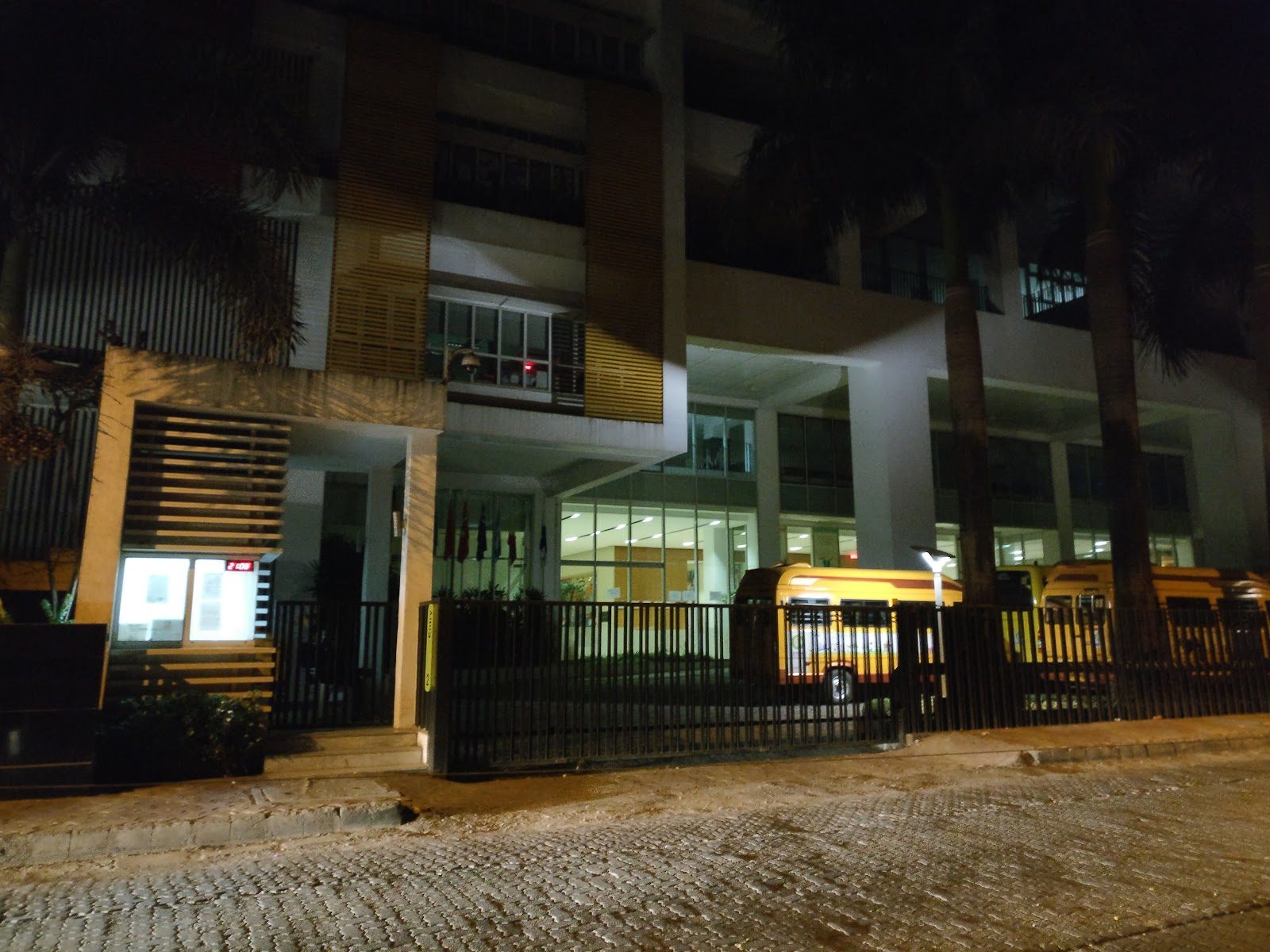
Oberoi International School
Mumbai · India
A full IB continuum from Nursery to Diploma, spread across twin Goregaon campuses inside Mumbai's Oberoi Garden City enclave.
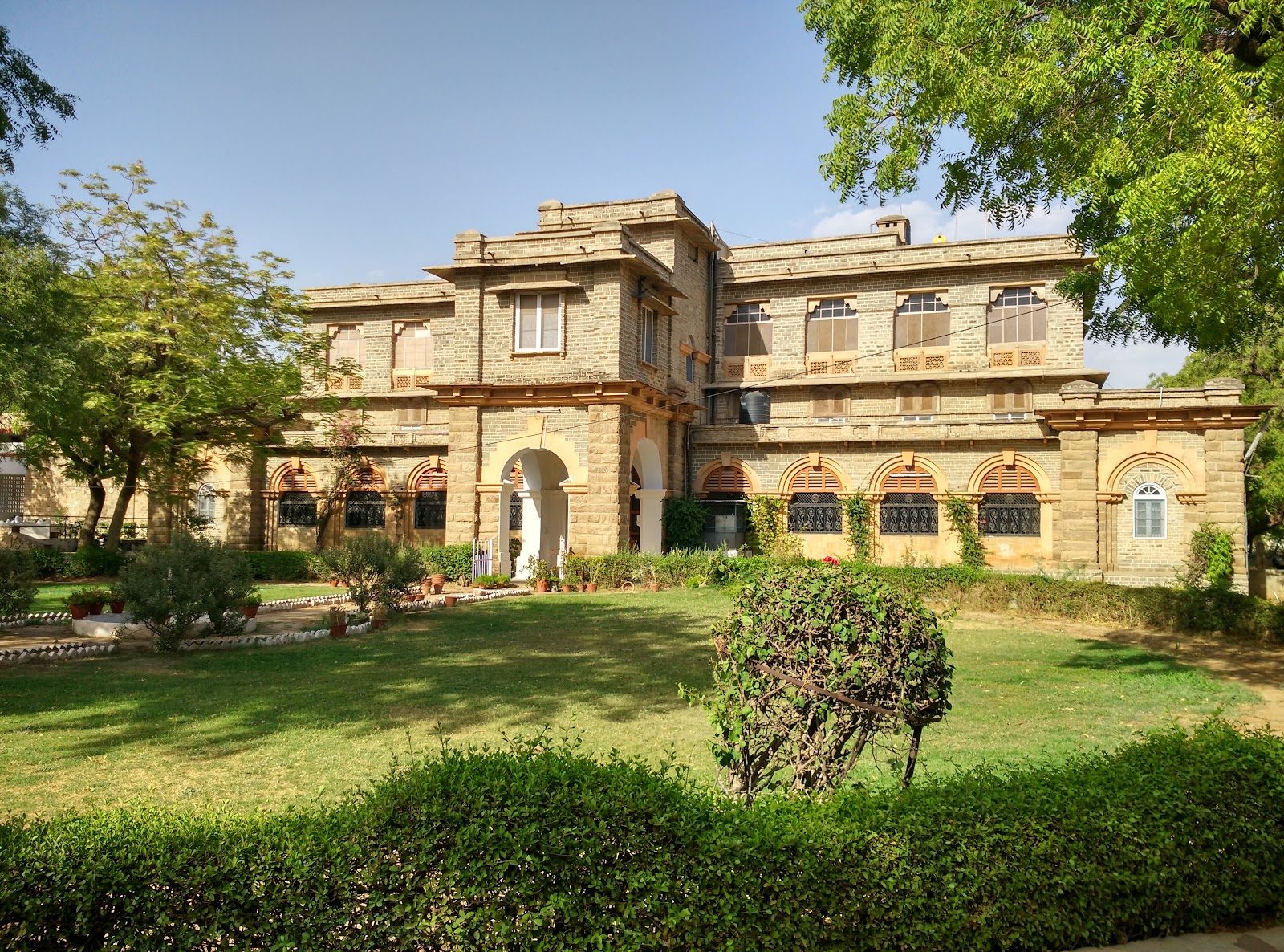
Mayo College
Ajmer · India
Historic all-boys boarding school in Ajmer offering the CBSE and Cambridge IGCSE curricula.
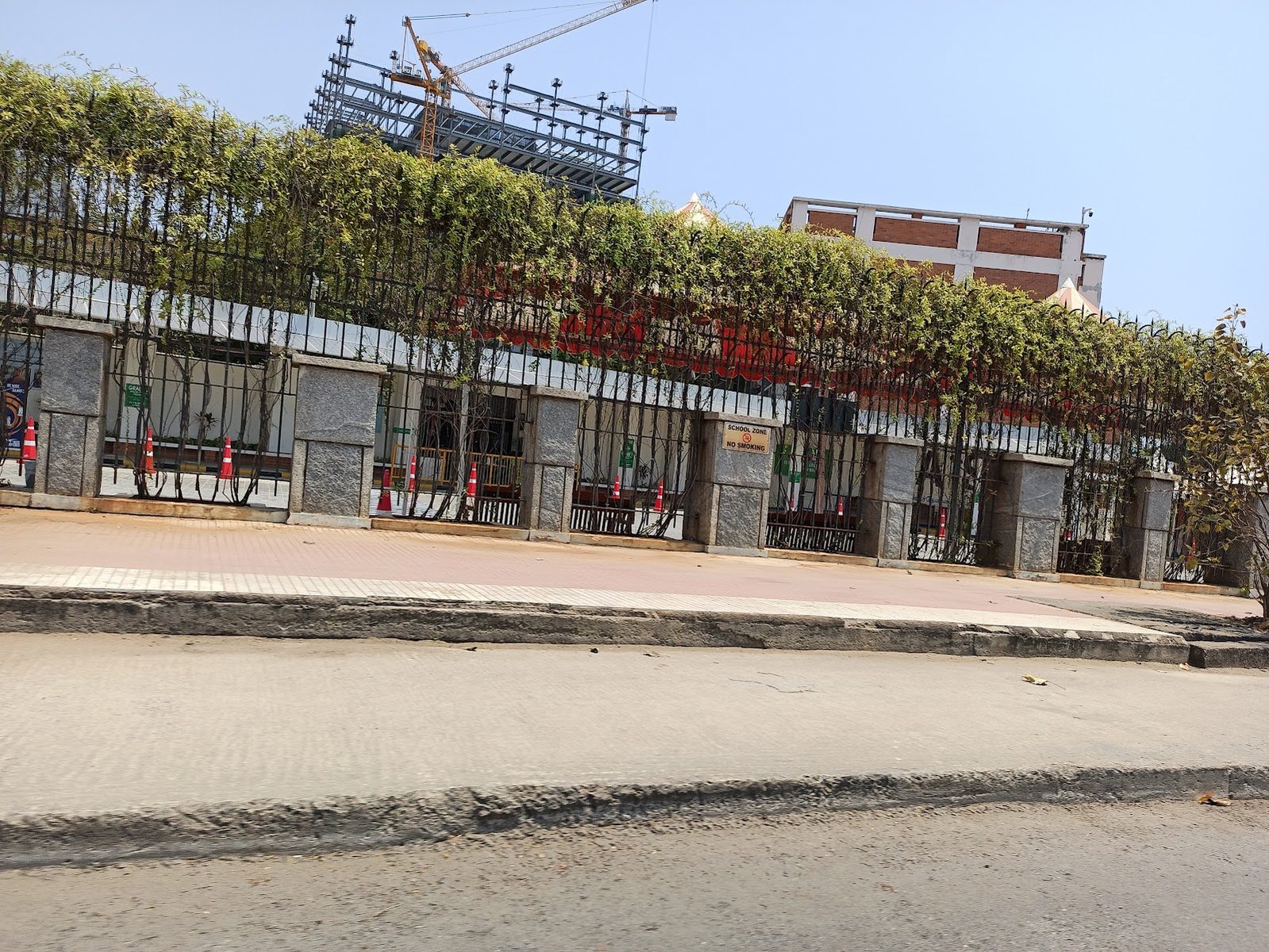
American International School Chennai
Chennai · India
Born of a 1995 US-India accord, this Taramani campus blends AP and IB rigor with the world's first K-12 LEED Platinum campus
American Embassy School
New Delhi · India
Beside the U.S. Embassy in Chanakyapuri, a Joseph Stein-designed campus mixes American college prep with IB rigor for over 70 nationalities.
Same country and curriculum — closest matches within ±10 points either way