
Claremont
Herschel Girls' School
low confidence· 4/6 cats · 1 avg sourcesNamed for the Cape astronomer who once mapped the southern stars, this Claremont school has posted the country's top matric results.
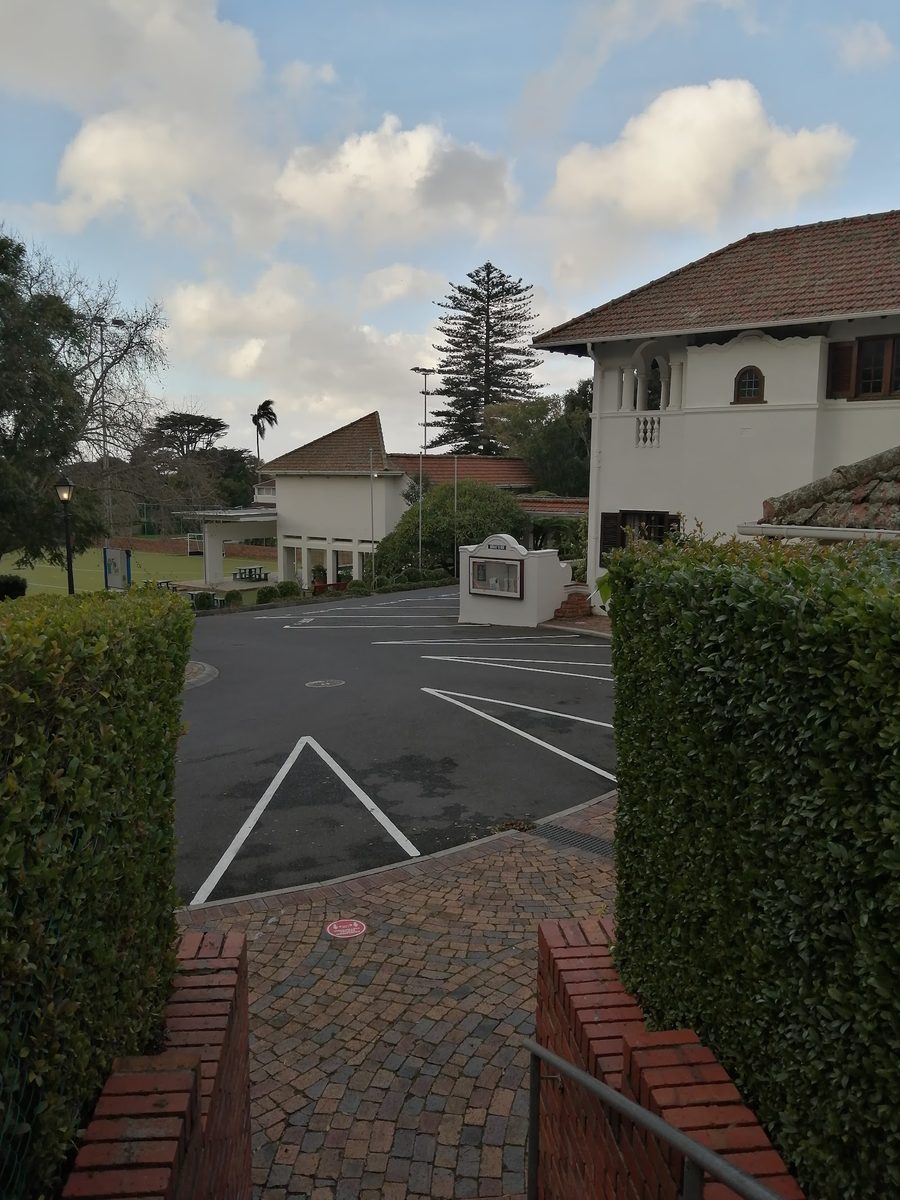
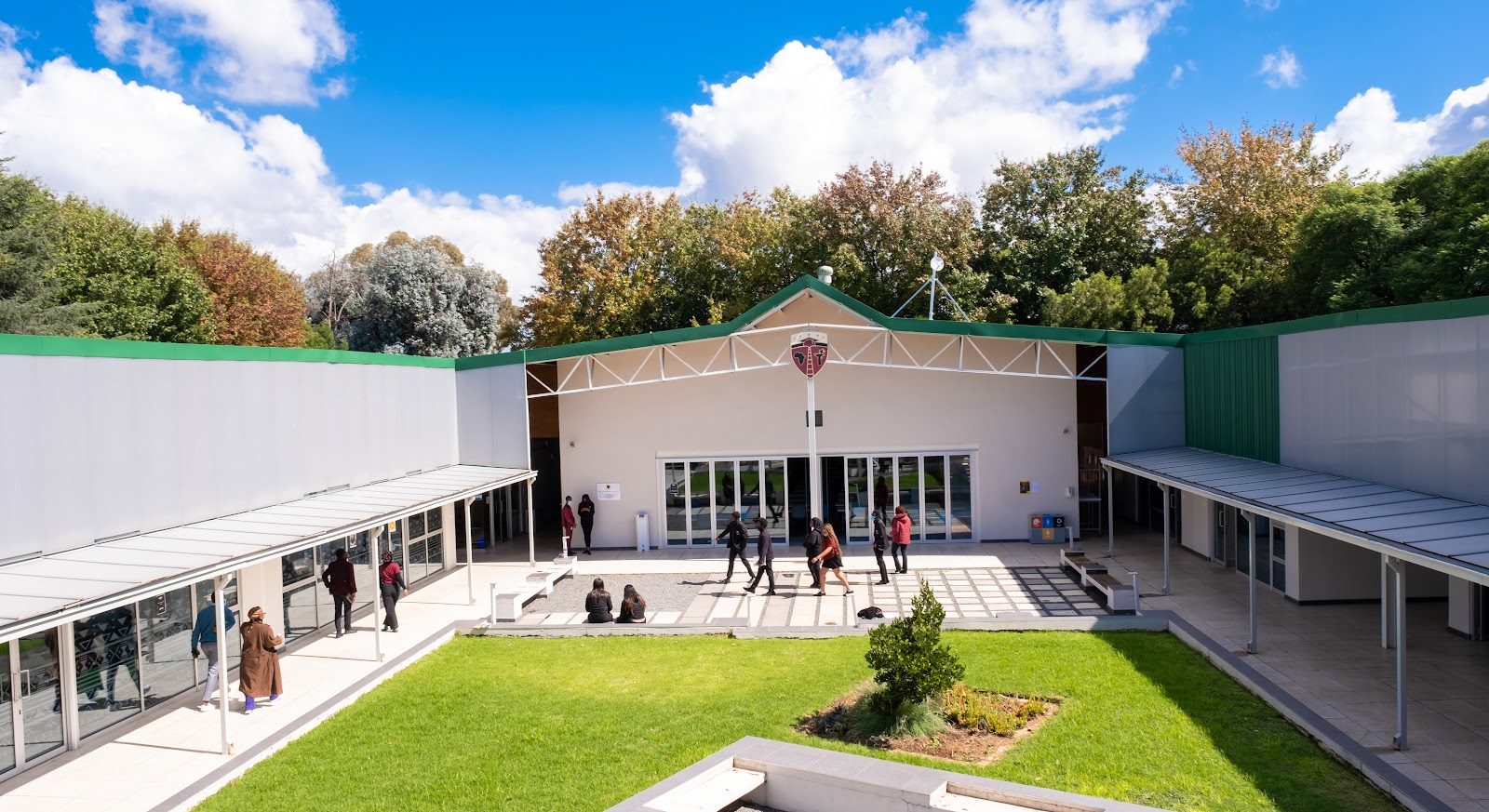
Photo © Ian Pells via Google Maps
Type
Both
Ages
3–18
Curriculum
National Senior Certificate
Ratio
—
The Verdict
Editor's commitment
Right for
Girls aged 3–18 who want an Anglican school in Claremont with IEB accreditation and a record of top South African matric results.
Wrong for
Families wanting co-education, a non-English classroom, or an international curriculum beyond the National Senior Certificate will need another school.
Watch out for
The average annual day fee is ZAR 125,370, and Herschel's 1922 pedigree brings a defined culture that rewards buy-in.
Ranking breakdown
Herschel Girls' School · #450 of 1591
Composite score 69.7. 8 weighted criteria.
By criterion
Academic Outcomes
Weight 20%
#511
of 1529 scored
University Placement
Weight 16%
#516
of 1529 scored
Prestige & Heritage
Weight 12%
#526
of 1571 scored
Alumni Network
Weight 12%
#334
of 1530 scored
Facilities
Weight 12%
#721
of 1534 scored
Transparency & Communications
Weight 8%
#650
of 1532 scored
Peer & Industry Review
Weight 10%
#640
of 1548 scored
Admissions Selectivity & Demand
Weight 8%
#400
of 1529 scored
Peer & Industry Review
How Herschel Girls' School is regarded in the sector
75
Strong · medium confidence
Herschel Girls' School is consistently listed among Cape Town's top independent girls' schools in South African private-school rankings and league tables, and is frequently mentioned alongside peer institutions like Rustenburg Girls' and St Cyprian's in local 'best schools' coverage and expat-parent forums discussing Cape Town schooling options. It has a long-established (since 1922) alumni network and is regarded as a strong academic and cultural feeder school, though it lacks the international press profile (Tatler, Good Schools Guide UK) that top-tier global schools receive.
Evidence sources
Editors' overview
Herschel’s hold on the Cape Town girls’ market rests on two things that matter: hard academic credibility and a settled institutional identity. This is an independent Anglican school in Claremont, founded in 1922, teaching girls from Grade 000 to Grade 12 in English and leading to the National Senior Certificate through the IEB. The school’s own language leans heavily on belonging, kindness and personal growth; the more telling point is that Herschel has the ballast to carry both high expectations and a broad co-curricular life without collapsing into slogan. For parents who want a girls’ school with serious academic intent and an older, established culture, Herschel belongs on the shortlist at once.
What marks it out is the combination of age range, consistency and market standing. A school that starts at age 3 and runs through 18 can shape habits early and keep momentum through the exam years, which suits families looking for a long runway rather than a tactical senior-school move. Herschel also carries real external markers of standing: ISASA, SAHISA, GSA and IEB accreditation place it firmly inside South Africa’s established independent-school network. The average annual day fee is ZAR 125,370, which puts it in the expensive bracket locally and tells you the comparison set is Cape Town’s top private schools, not the wider day-school market. Parents are paying for a high-trust, high-expectation environment with a strong all-through proposition.
The pupil who thrives here is bright, organised and comfortable in a school with a clear moral frame. Herschel talks openly about respect, equity, integrity, empathy and authenticity; in practice, that points to a culture with defined behavioural expectations rather than a loose, laissez-faire one. Girls who want to do everything at once — academics, music, drama, sport, community engagement, clubs and societies — have room to build a full school life. Girls who need a rougher, more anonymous environment, or who chafe at a school with a strong inherited identity, will find it a tighter fit. This is a purposeful, well-bounded school for families who want ambition without coarseness, tradition without stuffiness, and a girls’ education that takes intellectual life seriously.
Academic Performance
Herschel’s academic calling card is plain: public exam performance at the sharp end of the South African market. The school itself frames the current cohort in triumphant terms, and the editorial line attached to this listing goes further, stating that Herschel has posted the country’s top matric results. That places it in elite company among academically serious girls’ schools, and it changes the burden of proof. Parents do not need reassurance that standards are high; they need to ask how a school sustains them, how broad the sixth-form subject offer remains under that pressure, and how much support sits behind the headline outcomes. On raw reputation, Herschel sits with the top tier, not the merely solid.
There is, however, a gap between acclaim and disclosure. We have not seen published aggregate IEB statistics here — no full subject breakdowns, no run of cohort-wide distinctions, no comparative multi-year tables. That does not weaken the school’s standing; it does limit independent scrutiny of where the strength is concentrated. Some schools with strong matric brands publish enough detail for parents to judge depth as well as peak performance. Herschel’s public messaging leans more on celebration than forensic data. For families already sold on the school, that will pass. For the results-driven parent comparing it against direct competitors, more hard numbers would make an already formidable academic case stronger.
Facilities
The school foregrounds breadth of participation — music, drama, sport, clubs, societies and community engagement — and that tells you where the facilities burden sits. A serious all-through girls’ school needs more than competent classrooms; it needs enough specialist space to keep younger children, exam classes and co-curricular programmes from competing for the same corners of the day. Herschel clears that baseline by offering a full-spectrum school life rather than a narrow academic factory. The public signal on sport is strongest: the school highlights its first-team water polo title, which points to access to a proper aquatics set-up and the wider infrastructure that strong girls’ sport demands. That matters in a market where many schools talk expansively about opportunity but reserve their best physical resources for a handful of codes.
Against Cape Town peers, the picture is solid but not fully transparent. We have seen clear evidence of active provision across the arts, sport and societies, but not the kind of detailed campus inventory that lets parents judge scale with precision: no published rundown of theatres, labs, studios or specialist centres, and no hard data on what has been added or upgraded. That leaves Herschel short of the facilities-as-argument strategy used by some competitors. Still, for the parent who cares less about architectural showmanship and more about whether girls can actually rehearse, compete, perform and belong, Herschel reads as well-equipped where it counts rather than flashy for effect.
On raw reputation, Herschel sits with the top tier, not the merely solid
Prestige
A Herschel education carries serious social and academic cachet in Cape Town. The school sits in that narrow band of girls’ schools whose names travel well beyond their own parent body: universities know it, rival schools measure against it, and families treat an offer as a mark of arrival. Prestige here does not rest on surface gloss. It rests on sustained exam credibility, a selective-feeling market position and the self-confidence of an institution that does not need to shout. The all-through age range matters too. A school that takes girls from the earliest years to the end of school life builds a deep-rooted internal culture and a durable network among pupils, parents and alumnae. The average annual fee of ZAR 125,370 reinforces the point: this is premium territory, and the school competes for families who have choices.
Why rate it this highly? First, because prestige without outcomes is flimsy, and Herschel has outcomes attached to its name. Second, because its Anglican identity and settled traditions give it a clear social signature in a market where many schools sound interchangeable. Third, because the school’s reputation extends across academics, sport and the broader business of producing polished, capable young women. The caveat is worth stating. Herschel’s prestige is strongest in the Western Cape and among families already fluent in South Africa’s independent-school hierarchy. It is not a global brand school in the way a few international names are. Inside its own market, though, it stands in the top drawer.
The result is a distinctive kind of polish: students are pushed to achieve, but also trained to collaborate, perform, compete, serve and hold their ground
Communications
Herschel communicates with the tone of a school that expects an engaged parent body and knows its audience well. The public-facing site is orderly, current and easy to navigate: admissions, news, search and intranet access are all visible at once, and recent senior-school updates sit front and centre rather than buried in a generic feed. That matters. Schools with weak parent communication hide behind sentiment and glossy imagery; Herschel puts operational routes in plain sight. The messaging itself is high-control, values-led and unmistakably institutional. Parents get a strong sense of the school’s priorities — belonging, conduct, participation, achievement — and of the behavioural code wrapped around them. For many families, that clarity will read as reassuringly grown-up. For others, it will feel tightly managed.
Effectiveness is strong on culture and weaker on hard information. Herschel is good at telling parents what the school stands for and at marking moments of success with confidence. It is less good at publishing the kind of granular detail that helps a hard-nosed parent test substance: deeper academic data, fuller facilities disclosure, or a more forensic view of how the school performs beyond celebratory headlines. That does not make the communication poor; it makes it selective. The presence of an intranet points to a more functional parent-information system behind the public front door, which is where timetables, notices and day-to-day administration usually sit. At ZAR 125,370 on average each year, parents are buying into a school that communicates with authority and discipline, not warmth-first informality.
Uniqueness
What distinguishes Herschel is not novelty for its own sake but the rare coherence of the offer. Plenty of girls’ schools claim to combine academic ambition, pastoral care and co-curricular breadth; Herschel has a stronger right than most to make that case because its identity is unusually settled. The Anglican foundation is not decorative branding. It gives the school a moral vocabulary, a shared code and a clear view of the kind of young woman it wants to form: capable, self-possessed, socially responsible and able to contribute beyond her own advancement. Add the all-through structure from age 3 to 18, and students grow up inside one institutional culture rather than lurching between disconnected phases. That continuity builds confidence early, then hardens into poise.
For students, the gain is a school life with serious internal consistency. Values such as respect, equity, integrity and empathy are not fringe extras bolted on to an exam machine; they set the terms of daily life. Girls get a high-expectation education without the coarseness that can creep into aggressively competitive environments, and they get it in a setting built entirely around female participation and leadership. The result is a distinctive kind of polish: students are pushed to achieve, but also trained to collaborate, perform, compete, serve and hold their ground. That combination helps explain why Herschel carries such long-market authority. It does not produce generic high performers; it produces girls with a recognisable stamp.
Herschel’s hold on the Cape Town girls’ market rests on two things that matter: hard academic credibility and a settled institutional identity
Student Profile
The girl who fits Herschel best is able, conscientious and willing to participate. This is not a school for passengers. A pupil is expected to carry herself well, keep pace academically, and contribute beyond the classroom through sport, music, drama, service or clubs. The school talks about belonging, kindness and integrity; that translates into a community with clear behavioural standards and limited tolerance for swagger, cynicism or chronic disengagement. Girls who enjoy structure, respond to adult direction and want to build a full school life across the week will settle well. The all-through age span from 3–18 also shapes the profile: students grow up in a close institutional culture, so families need to be comfortable with continuity, visibility and a school that knows its pupils closely.
The strongest match is a girl who wants ambition without noise. Herschel suits students who are self-disciplined, socially fluent and happy in an environment that prizes both achievement and conduct. It will also appeal to families who want a girls’ education with a religious foundation that still leaves room for confidence, leadership and broad involvement. The less comfortable fit is easy to identify. A student who wants anonymity, resists community expectations or prefers a looser, more rough-edged social atmosphere will find Herschel tight-grained and demanding. At an average annual fee of ZAR 125,370, parents are not buying escape from pressure; they are buying a high-expectation culture with a strong idea of the kind of young woman it wants to form.
For parents who want a girls’ school with serious academic intent and an older, established culture, Herschel belongs on the shortlist at once
Co-curricular strengths
Arts & sport, on a separate axis
Overall 8.9/10
Scored 0-10 from the school's own published evidence. This axis is editorial-only — it does not feed the main WTS ranking.
Sports
9/10
Drama
9/10
Dance
8.5/10
Music
9/10
Visual Arts
9/10
Editor first-pass · editor-reviewable · 7/30/2026
Strengths
- +Herschel Girls' School is an independent Anglican day school founded in 1922, giving it more than a century of continuous operation in Cape Town's southern suburbs.
- +The school is described as one of the country's best-known schools for girls and was noted as one of the top performing schools in South Africa, achieving the highest academic results in the country for National Senior Certificate exams in 2019.
- +Herschel spans the full schooling continuum from Pre-Nursery through Grade 12, allowing continuity of education on a single historic Claremont campus without a school change at age 13.
- +The Preparatory School was awarded Platinum Status plus a Diamond Decade Award by the Eco-Schools Assessment Team, and Herschel is one of only three schools in the Western Cape to have reached this level.
- +The school operates with a relatively low staff-to-pupil ratio, with roughly 100 full-time staff for an enrolment of around 927 girls.
Considerations
- −As a single-sex institution, Herschel is not an option for families wanting co-education or for families with sons who want siblings at the same school.
- −Tuition fees run from roughly R80,000 to R170,000-R178,800 a year depending on grade, placing it firmly in the premium private-school bracket for Cape Town.
- −The school is a day school only, with no published boarding option, which is a limiting factor for relocating expat families without a settled local base.
- −Its Anglican religious affiliation and chapel-centred traditions may not suit families seeking a strictly secular or multi-faith environment.
Availability
Primary entry gate & tests
Academic Record (Girls)
Gallery
Photo © Ian Pells via Google Maps
Photo © Ian Pells via Google Maps
Photo © Ian Pells via Google Maps
Photo © Ian Pells via Google Maps
Photo © Ian Pells via Google Maps
Parent reviews
Have you sent your child here?
Voice reviews carry the strongest trust badge — we transcribe them for you to tidy up before they go live. Prefer to type? A written review is fine too.
Add your voice
In 60 seconds, tell other parents: what's the best thing about Herschel Girls' School, and what surprised you when your child joined?
We ask for a Google sign-in so every review has a real face behind it — no anonymous drive-by attacks on schools, and no faked positive reviews. Your email is never shown publicly.
Send this profile to a friend
International parents rely on word-of-mouth. Share this review with someone weighing the same decision.
Schools with places
Similar schools to Herschel Girls' School with places available now.
Availability first, then country, area, curriculum, price, co-curricular
Consider also
Also worth looking at alongside Herschel Girls' School.
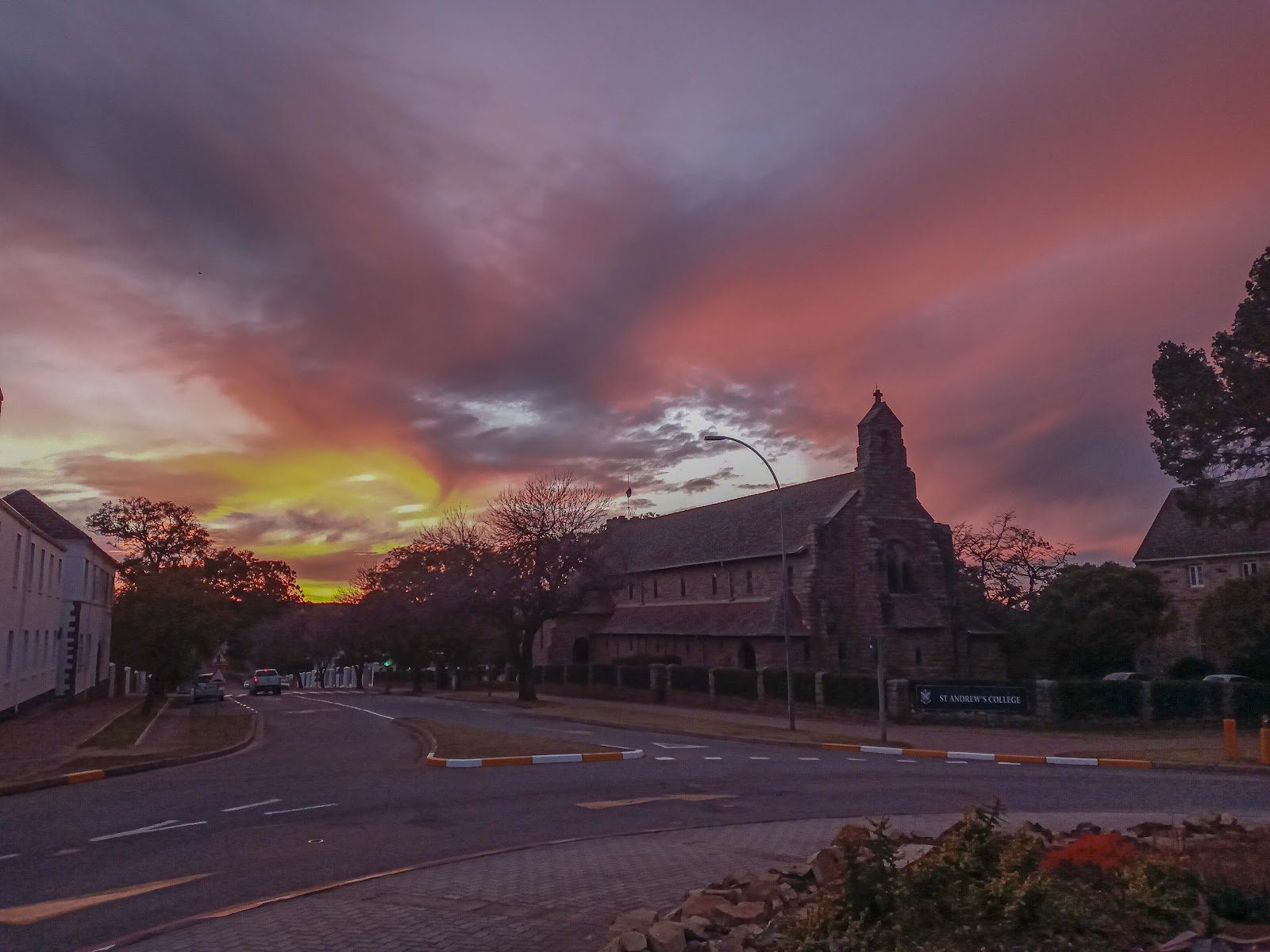
St Andrew's College
Makhanda · South Africa
On the Eastern Cape frontier since 1855, house tradition and shared classes with a sister school shape a distinct boarding life.
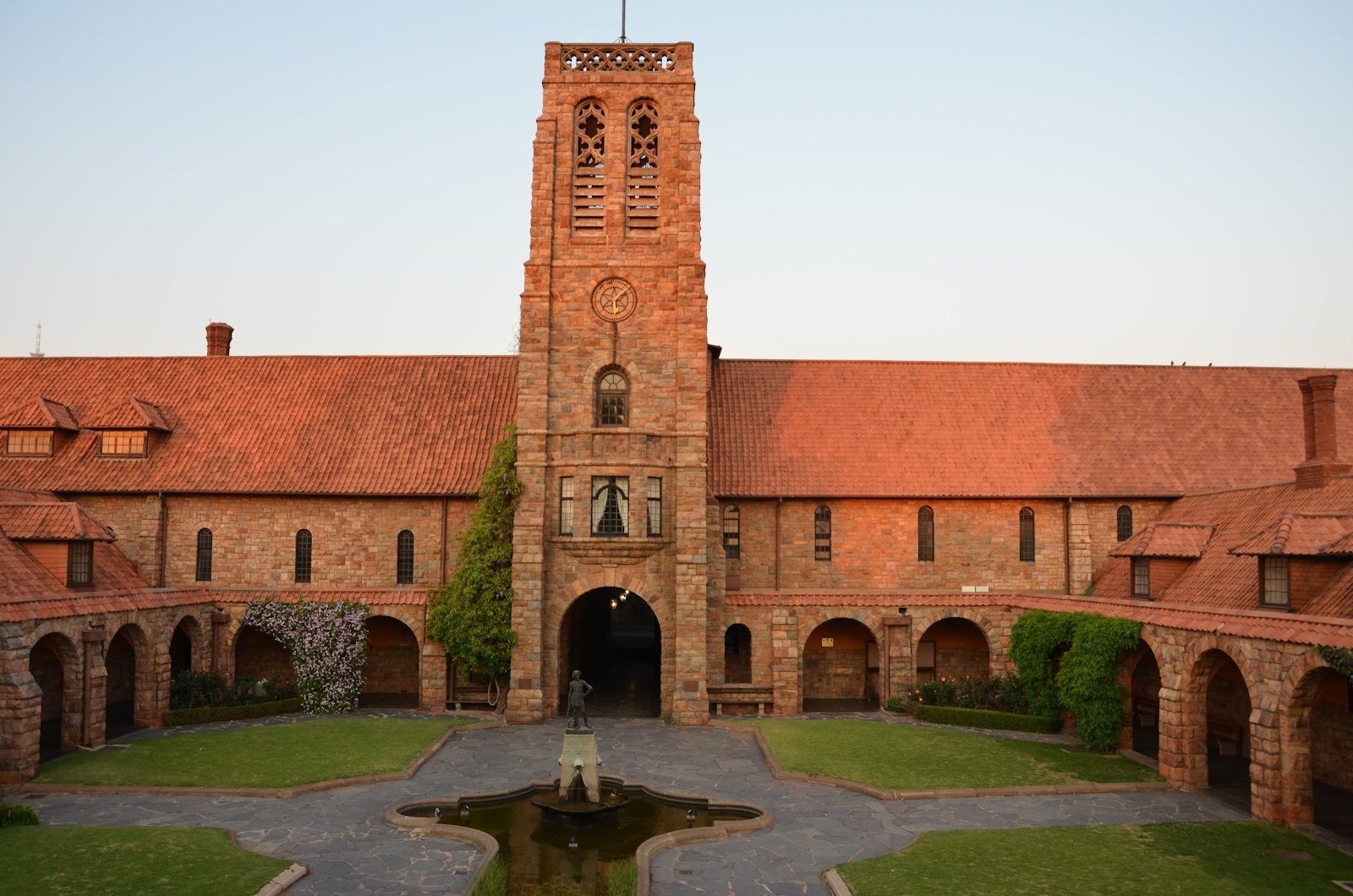
St John's College
Johannesburg · South Africa
Founded twelve years after the Witwatersrand gold rush, this Anglican boarding college blends Herbert Baker quadrangles with a four-house pastoral tradition
Roedean School South Africa
Johannesburg · South Africa
Founded in 1903 by two Cambridge-educated pioneers, this all-girls boarding school still occupies its original Herbert Baker campus in Parktown.
African Leadership Academy
Johannesburg · South Africa
A Johannesburg boarding campus where teens from 47 African nations run real ventures under a pan-African, entrepreneurship-driven curriculum.
Same country and curriculum — closest matches within ±10 points either way