
Dubai
Dubai English Speaking College
high confidence· 6/6 cats · 3.17 avg sourcesSecondary heir to Dubai's oldest British school, pairing a not-for-profit ethos with a Sixth Form spanning A Levels to vocational BTECs.
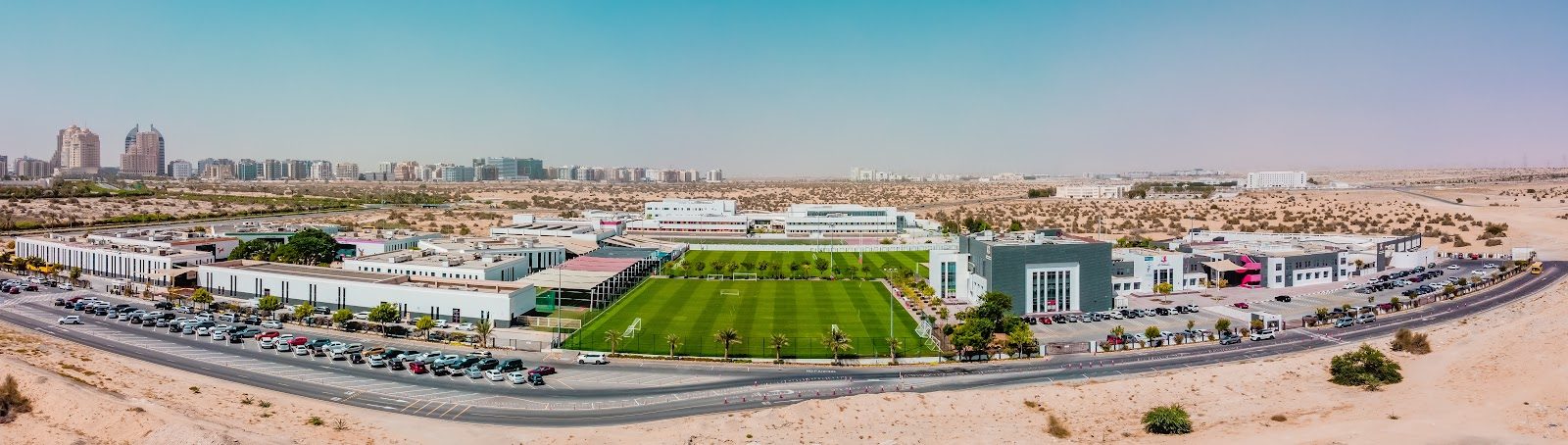
Photo © DESS College via Google Maps
Type
Day
Ages
3–18
Curriculum
British · American · IB
Ratio
10:1
The Verdict
Editor's commitment
Right for
Families wanting KHDA Outstanding British schooling with a 10:1 ratio and a sixth form that extends beyond A Levels into BTECs.
Wrong for
Parents chasing a pure IB pathway or lower fees: the regulator attests British curriculum, and the average annual fee is AED 86,128.
Watch out for
CIS and IBO accreditation add credibility, but this is a large 3–18 organisation split across sites, not one compact all-through campus.
Ranking breakdown
Dubai English Speaking College · #237 of 1591
Composite score 73.6. 8 weighted criteria.
By criterion
Academic Outcomes
Weight 20%
#209
of 1533 scored
University Placement
Weight 16%
#219
of 1529 scored
Prestige & Heritage
Weight 12%
#529
of 1580 scored
Alumni Network
Weight 12%
#470
of 1530 scored
Facilities
Weight 12%
#119
of 1540 scored
Transparency & Communications
Weight 8%
#206
of 1547 scored
Peer & Industry Review
Weight 10%
#311
of 1564 scored
Admissions Selectivity & Demand
Weight 8%
#725
of 1529 scored
Score history
Dubai English Speaking College · 2026
Movement across 2024–2026. Peer average overlaid.
Overall — 2024–2026
73.6/ 100
▲ +27.9 vs 2025
year on year
Peer & Industry Review
How Dubai English Speaking College is regarded in the sector
78
Strong · high confidence
Dubai English Speaking College enjoys a strongly regarded position among the Emirate's not-for-profit British schools, with SchoolsCompared declaring it "one of the most impressive, inspirational and highest performing schools" in the UAE and noting its status as a multiple winner at its Top School Awards. WhichSchoolAdvisor corroborates this standing, ranking the college alongside Dubai College and JESS Arabian Ranches as among the most transparent schools on exam results and confirming its Outstanding KHDA rating since 2012-13. Parents cited by SchoolsCompared value its "steady and trustworthy" GCSE and A-Level outcomes over Oxbridge-chasing pressure, while its expanding Academic City campus and long waiting lists reflect sustained sector demand rather than marketing spin. Governance as a genuine not-for-profit, stable leadership under Andy Gibbs, and consistent inclusion in Dubai "best schools" guides round out a solid, well-established reputation just below the very top tier.
Evidence sources
Editors' overview
Dubai English Speaking College sits in a rare position in Dubai: an old-established, non-religious day school with a British regulator-attested curriculum, an unflashy seriousness about academics and a Sixth Form that extends beyond the standard A Level track into vocational BTECs. That matters. Too many schools talk breadth and then funnel nearly everyone down one narrow route. DESC gives families a clearer spread of options at the top end, while retaining the discipline and structure parents expect from a British secondary school. The KHDA’s Outstanding rating for 2023/24 reinforces that this is not nostalgic reputation trading. Nor is it a budget play: the average annual day fee across the full age range is AED 86,128, which places it firmly in Dubai’s premium bracket.
What marks the school out is not gimmickry but institutional ballast. Founded in 1963, it is the secondary counterpart to Dubai’s oldest British school, and that long lineage still carries weight with expatriate families who want continuity, predictable standards and a school that understands the city beyond the latest master-planned district. The published 10:1 student-teacher ratio points to real staffing depth, not just scale. English and Arabic are both listed as languages of instruction, the school is accredited by CIS and the IBO, and the student body draws from over seventy countries according to the school. That makes DESC genuinely international in composition, without losing the cultural grammar of a British school: houses, pastoral structure, formal expectations and an academic core that puts pressure on students to organise themselves well.
This is a strong shortlist school for parents who want a high-expectation environment without boarding, and who value proven regulatory standing over glossy novelty. It suits students who thrive on structure, can handle pace, and want a Sixth Form with both academic and applied pathways. It also suits families who care about pastoral order; the school puts its house system and student welfare front and centre, and schools do not sustain an Outstanding inspection grade without operational competence behind those claims. The less natural fit is the child who needs a loose, progressive atmosphere or a highly bespoke alternative model. DESC is for students who want a serious school, clear standards and a peer group that treats achievement as normal.
Academic Performance
Academic performance is central to DESC’s pitch, and the school leans on that hard. It states that assessment outcomes are “consistently of a high standard” and that its examination results place it among the best international schools in the region. That is a confident claim, but the useful test is disclosure. The school does publish a dedicated results section and foregrounds examinations prominently within its College pages, which counts in its favour. Schools with weak outcomes tend to bury the numbers. DESC does the opposite. The inclusion of A Levels, BTECs and the EPQ in Sixth Form also matters: this is not a narrow results factory built on one academic route, but a more elastic senior offer that can still deliver strong headline outcomes if managed well.
Relative to Dubai peers, DESC sits in the serious end of the market: academically ambitious, inspection-backed, and clearly intent on competing with the city’s top British schools on results. What we have not seen here are the actual aggregate public figures — no headline A*–A rate, no GCSE top-grade profile, no value-added data, no university destinations table. That opacity stops short of a full top-tier verdict. The school’s language is self-assured; the proof parents need is the published spread of grades over time and, for a non-selective intake, evidence of how much progress students make by the end of Sixth Form. Without that, DESC reads as high-performing but under-evidenced rather than conclusively dominant.
Facilities
Facilities matter more at a secondary school than glossy prospectuses admit, and DESC gives them unusual prominence. The school flags sport, performing arts, technology and enterprise as areas supported by spaces and equipment, and says it invests continuously in both new and existing provision. That points to a campus built for full secondary use rather than a junior school that has stretched upwards. In market terms, that is important: many mid-tier British schools in Dubai cover the basics, but fewer deliver the proper breadth older students need once timetables split, option blocks widen and Sixth Form study becomes more specialised. The existence of a dedicated virtual tour and a standalone facilities section also signals that the estate is a selling point, not an afterthought.
Against premium British peers, the verdict is strong but not absolute. DESC’s public language on facilities is confident to the point of chest-thumping — “among the best in the region” — yet the school does not publish the kind of detailed, room-by-room inventory that would let parents test that claim precisely. We do not see hard public detail here on theatre scale, specialist lab count, pool provision, maker spaces or elite sports infrastructure. That keeps the judgement at high-grade rather than category-defining. Still, for a not-for-profit school charging an average annual fee of AED 86,128, the operational picture is persuasive: this is not a scrappy campus making do, but a well-resourced secondary environment designed to support both mainstream academic study and a broader co-curricular life.
DESC gives families a clearer spread of options at the top end, while retaining the discipline and structure parents expect from a British secondary school
Prestige
DESC has real prestige in Dubai, but it is earned rather than theatrical. The school benefits from deep local recognition through its connection to Dubai’s oldest British school and from the kind of alumni continuity, parent word-of-mouth and trustee-governed stability that newer campuses cannot manufacture. Its regulatory standing matters too: an Outstanding KHDA rating still carries weight with families who know the market well, and the school’s public confidence in its examination record reinforces that status. Add a student body drawn from more than 70 nationalities and you get a campus with broad expatriate credibility, not a niche following built around one passport group or one corporate catchment. In Dubai terms, that is serious social capital.
That said, DESC’s prestige has a ceiling. It does not trade on old-world British brand theatre, vast legacy estates or the global glamour of a famous boarding name. Its reputation rests on substance, not spectacle: strong oversight, a disciplined academic culture, and a Sixth Form that gives status to both conventional academic study and vocational routes. That makes it more credible than schools that rely on marketing gloss, but also less fetishised by families chasing name-signalling above all else. The fee level — an average of AED 86,128 across the full ladder — places it firmly among Dubai’s premium schools, and parents paying that expect proven outcomes. DESC’s standing is high because it has become a trusted institution in a crowded market, not because it has mastered the luxury-school performance.
Too many schools talk breadth and then funnel nearly everyone down one narrow route
Communications
DESC communicates with parents in the way a mature school should: through a clear, functional website architecture, visible admissions routes, and distinct information channels for day-to-day school life, facilities, inspections, results and Sixth Form choices. That structure matters. Parents are not left digging through one generic landing page to piece together how the school works. The split between the college section and the linked prep-school sections is also handled cleanly enough to make the all-through story legible without collapsing everything into one blur. Public-facing navigation is strong on the practical essentials — tours, fees, application forms, leadership, facilities, alumni, reports — and the Sixth Form offer gets its own space, which tells families that post-16 decision-making is treated as a serious process, not an afterthought.
The effectiveness is good, but not flawless. The school is confident, sometimes to the point of self-congratulation: phrases such as “among the best in the region” and “second to none” do not do much work without hard comparative data beside them. Where DESC is strongest is operational clarity; where it is weaker is evidential sharpness. Parents can find the routes into the school and the broad shape of provision without fuss, and that already puts DESC ahead of many competitors. But a school with this level of market standing needs harder-edged communication on outcomes, student progress and destinations, not just uplift and institutional pride. In short: well-organised, credible communication with a lingering taste of marketing gloss.
Uniqueness
What separates DESC from a crowded Dubai field is the combination of institutional memory and structural restraint. This is not a trophy campus built to manufacture status on opening day. It is the secondary arm of a school community with deep roots, governed on a not-for-profit basis and explicit about reinvesting in students rather than owners. That changes the feel on the ground. Families get a school with less theatre, more ballast: clearer continuity between phases, stronger confidence in routines, and a culture that does not need to reinvent itself every admissions cycle. The school also draws students from over 70 countries, which gives the community genuine range without turning the place into a loose, culture-free international blend.
The other point of difference sits in the senior years. DESC does not force prestige through one narrow academic route; it gives Sixth Form students a more adult set of choices, combining conventional academic study with BTECs and the EPQ. For the right student, that is quietly powerful. It allows ambition without uniformity and gives applied learners a route with real standing inside the same school rather than on a lesser track elsewhere. Pair that with a low staffing ratio of 10:1 and a regulator grade at the very top end, and the benefit to students is clear: serious support inside a school that expects maturity, rewards commitment and treats multiple forms of achievement as valid.
The KHDA’s Outstanding rating for 2023/24 reinforces that this is not nostalgic reputation trading
Student Profile
The best fit at DESC is the student who does not need coaxing into taking school seriously. This is a place for children who can work within clear routines, absorb high expectations and live comfortably in a culture where effort, manners and follow-through carry weight. The school’s own language points to students who are “caring, polite and grounded”, and that rings true for the kind of environment it runs: orderly, high-pressure in a productive way, and geared towards teenagers who can balance lessons with a broad menu of activities. With students drawn from over 70 countries, the social mix is wide, but the dominant tone is not loose or experimental. It is international without being rootless, and students who value structure more than self-expression for its own sake will fit better here.
The strongest match is the child who wants challenge with guardrails. DESC suits able all-rounders, diligent grafters and sensible adolescents who will use the pastoral systems, not fight them. The Sixth Form breadth also makes room for students whose strengths are not identical: conventional academic high-achievers, focused subject specialists, and teenagers who want a more applied route without dropping into a second-tier culture. The less comfortable fit is the student who resists discipline, needs constant novelty, or wants a free-form, progressive atmosphere with few hard edges. At DESC, the peer group sets a serious tone, and the low staffing ratio of 10:1 means disengagement is harder to hide.
Nor is it a budget play: the average annual day fee across the full age range is AED 86,128, which places it firmly in Dubai’s premium bracket
Co-curricular strengths
Arts & sport, on a separate axis
Overall 8.84/10
Scored 0-10 from the school's own published evidence. This axis is editorial-only — it does not feed the main WTS ranking.
Sports
9.2/10
Substantial dedicated sports facilities on campus including 4 pitches, 2 swimming pools and 4 netball courts, alongside multiple school teams and a named competitive result in winning the 2017 Dubai Rugby 7s U19 tournament.
Drama
9/10
Drama Productions, and an arts department and an auditorium on campus while also showing Drama as an offered subject, which clears the threshold for a notable drama programme.
Dance
8/10
Music
9/10
School Orchestra and Choir, and Music as an offered subject, indicating a solid music programme with visible participation but no clearly named dedicated music facility or specialist distinction.
Visual Arts
9/10
External evidence places art within the Earth Block and also refers to an arts department, while Art is offered as a subject, which is sufficient evidence of a named departmental provision for visual arts.
Editor-verified · 8/5/2026
Official inspection · Dubai
KHDA report · 2023/24
Official · KHDAInspectorate
Knowledge & Human Development Authority
Dubai's mandatory education regulator; annual DSIB inspections.
Curriculum
British
Held vs previous cycle
Full report
KHDA report finderRating history

WTS 300 badge
2026/27 editionDubai English Speaking College is one of the World's Top 300 Schools for 2026/27. Claim your listing to add it to your site →
Strengths
- +Holds a KHDA rating of Outstanding, held since 2012-13, one of the stronger regulatory records among Dubai secondary schools.
- +Operates as a not-for-profit college with an explicitly inclusive, non-selective admissions ethos, stating it does not select on academic ability.
- +Draws a genuinely international cohort within a long-established Dubai school community.
- +Offers a full secondary pathway from Year 7 through Sixth Form under the English National Curriculum, including GCSE, A Level and BTEC routes.
- +World-class co-curricular provision in sports, drama, music and visual arts, with dance rated outstanding.
- +Publishes examination and inspection results on its own website, with verified 2025 GCSE, A Level and BTEC data available externally.
Considerations
- −Secondary-only campus (Year 7-13, ages 11-18): families need to arrange primary schooling separately, typically at a sister DESS primary campus or elsewhere.
- −No IB Diploma or American high-school pathway is offered; the academic backbone is exclusively British (GCSE, A Level, BTEC).
- −Popular year groups fill quickly, with entry to the College increasingly prioritised for students from the sister primary schools, limiting places for external applicants.
- −Independent listings place annual fees in the ultra-premium band, and even at the lower figure the school sits close to academically selective competitors.
Availability
Primary entry gate & tests
CAT4 / Internal Assessment
Gallery
Photo © Baraa Najjar via Google Maps
Photo © Carmella Hunt (Marcomms) via Google Maps
Photo © Dubai English Speaking Schools via Google Maps
Recommended reading
Independent write-ups of this school from editorial outlets we trust.
- Dubai English Speaking CollegeSchoolsCompared
Parent reviews
Have you sent your child here?
Voice reviews carry the strongest trust badge — we transcribe them for you to tidy up before they go live. Prefer to type? A written review is fine too.
Add your voice
In 60 seconds, tell other parents: what's the best thing about Dubai English Speaking College, and what surprised you when your child joined?
We ask for a Google sign-in so every review has a real face behind it — no anonymous drive-by attacks on schools, and no faked positive reviews. Your email is never shown publicly.
Send this profile to a friend
International parents rely on word-of-mouth. Share this review with someone weighing the same decision.
Schools with places
Similar schools to Dubai English Speaking College with places available now.
American School of Dubai
Dubai · United Arab Emirates
- 2026-27
- WAITPOOLWaitpool applications accepted
- 2027-28
- OPENS SOONOpens Sept '26
Safa Community School
Dubai · United Arab Emirates
- 2026-27
- PLACES OPENApps open / space-dependent
- 2027-28
- PLACES OPEN
Dubai International Academy Emirates Hills
Dubai · United Arab Emirates
- 2026-27
- WAITPOOLSpace-dependent
- 2027-28
- PLACES OPENRolling
Jumeirah College
Dubai · United Arab Emirates
- 2026-27
- CLOSEDStandard route closed
- 2027-28
- OPENS SOONOpens Sept/Oct '26
Availability first, then country, area, curriculum, price, co-curricular
Consider also
Also worth looking at alongside Dubai English Speaking College.
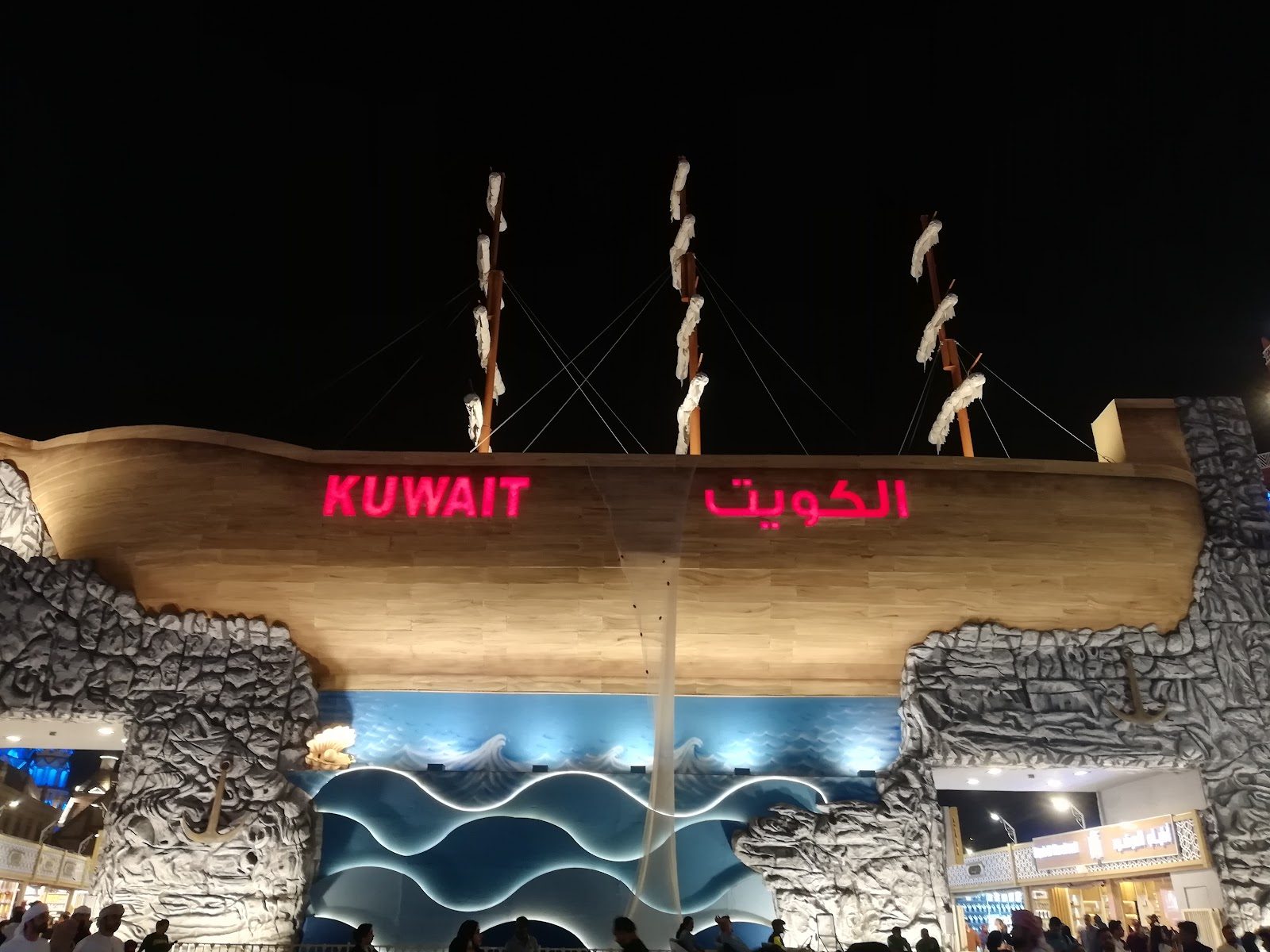
American School of Dubai
Dubai · United Arab Emirates
Founded in 1966 by Dubai Petroleum, predating the UAE itself, this not-for-profit campus champions the AP Capstone diploma.
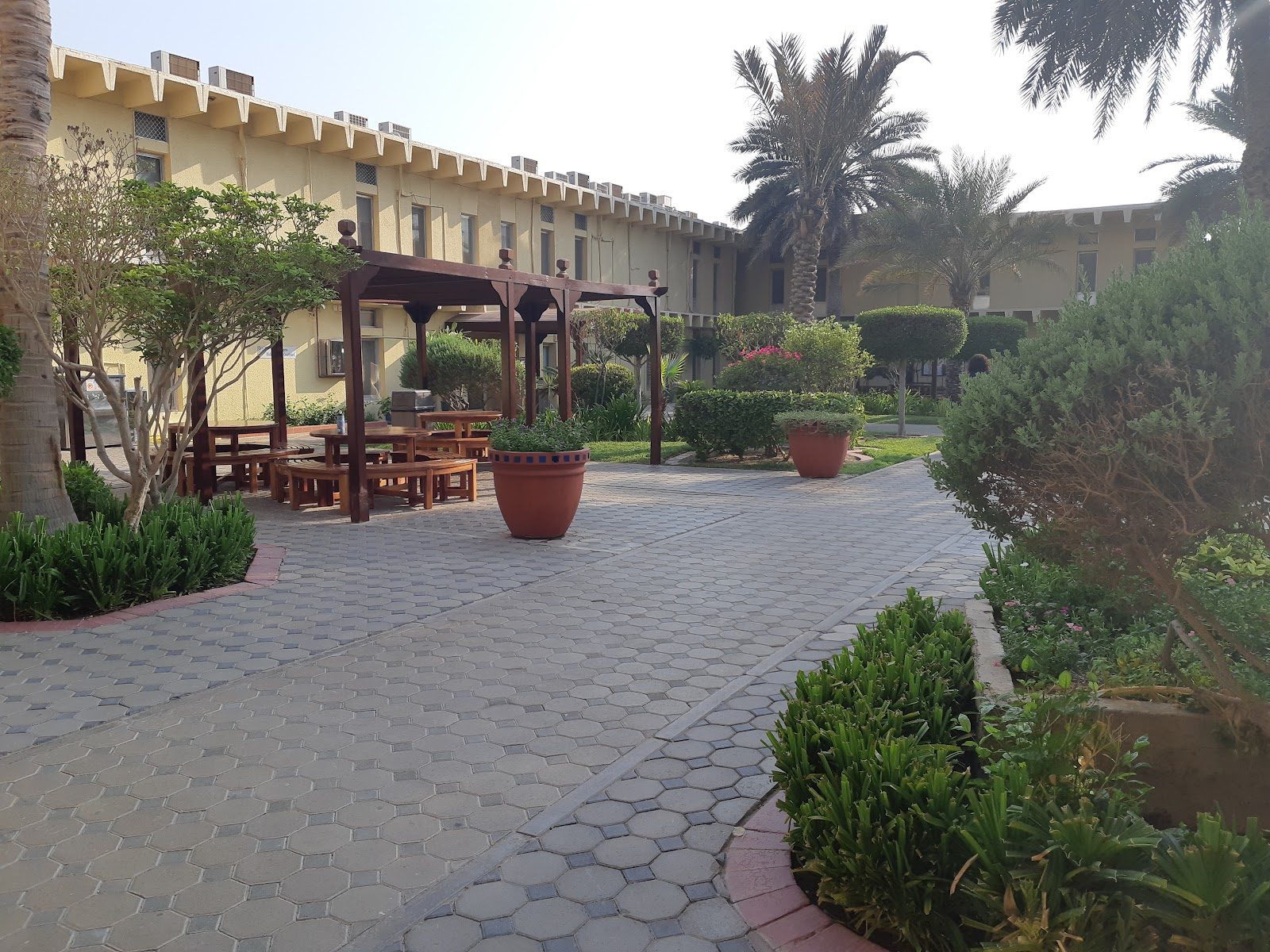
American Community School of Abu Dhabi
Abu Dhabi · United Arab Emirates
On Saadiyat Island, a nonprofit American campus lets seniors pick IB Diploma or AP -- a dual pathway rare in Abu Dhabi
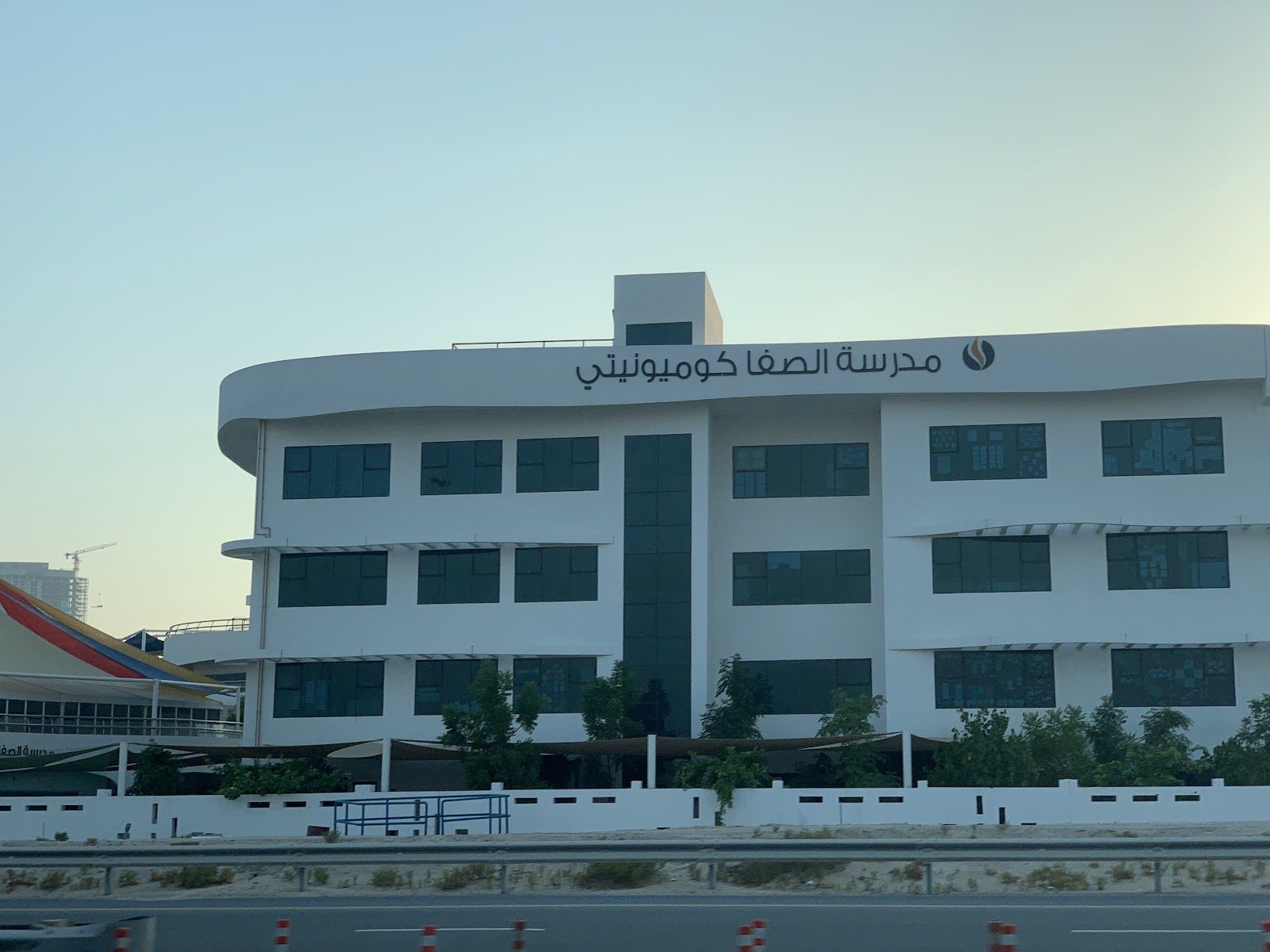
Safa Community School
Dubai · United Arab Emirates
An all-through British curriculum in Al Barsha South that rose from Good to KHDA Outstanding without filtering for its brightest students.
Jumeirah English Speaking School Arabian Ranches
Dubai · United Arab Emirates
A not-for-profit British day school in Arabian Ranches, its IB Diploma average of 37 outpacing the global mean of 30.
Same country and curriculum — closest matches within ±10 points either way