
Europe
Kingston Grammar School
Kingston’s co-educational grammar school on the Thames since 1561

Photo © Ivan S via Google Maps
Type
Day
Ages
11–18
Curriculum
British
Ratio
—
The Verdict
Editor's commitment
Right for
Families wanting a non-denominational British day school in Kingston upon Thames, ages 11–18, with 1561 roots and co-educational intake.
Wrong for
Parents seeking boarding, a faith framework, or anything other than English-medium British schooling from 11 to 18.
Watch out for
The average annual day fee is £29,250; the school foregrounds values and facilities, but publishes no exam results in the source here.
Ranking breakdown
Kingston Grammar School · #364 of 1591
Composite score 71.2. 8 weighted criteria.
By criterion
Academic Outcomes
Weight 20%
#386
of 1529 scored
University Placement
Weight 16%
#263
of 1529 scored
Prestige & Heritage
Weight 12%
#967
of 1571 scored
Alumni Network
Weight 12%
#584
of 1530 scored
Facilities
Weight 12%
#279
of 1533 scored
Transparency & Communications
Weight 8%
#93
of 1532 scored
Peer & Industry Review
Weight 10%
#645
of 1548 scored
Admissions Selectivity & Demand
Weight 8%
#369
of 1529 scored
Peer & Industry Review
How Kingston Grammar School is regarded in the sector
Insufficient peer signal
We couldn't find enough independent third-party evidence to score this school's peer & industry standing with confidence. It doesn't mean the school isn't well regarded — only that public reputation sources we trust don't yet cover it. This axis is left blank for now and the composite score is median-imputed from the other six categories.
Editors' overview
Kingston Grammar School occupies a strong niche in south-west London: an academically serious independent day school with genuine local roots and a clear co-educational identity. Founded in 1561, it trades on neither faux tradition nor progressive theatre. The proposition is simpler than that: a long-established school in Kingston upon Thames, on the river and in the town, serving pupils aged 11 to 18 in English through a British curriculum. The school’s own language leans hard on values and character, but the sharper point for parents is this: KGS combines urban energy, historic continuity and a full senior-school experience without boarding and without religious framing.
What puts it on a shortlist is the balance it strikes. This is not a country-house school insulated from daily life; it is a day school embedded in a busy, affluent, intellectually competitive part of London. That matters. Pupils get access to the intensity and breadth of an established independent school, then go home at the end of the day. For many families, that mix of high expectation and normal family life is the draw. The school also signals substance in the areas that matter to ambitious pupils: lower school, GCSEs, sixth form, academic enrichment, futures provision, sport, drama, music, trips, wellbeing and learning support all have visible space in the school’s structure. The average annual day fee across Years 7 to 13 is £29,250, which places KGS firmly in the expensive end of the day-school market, though below the level of many London boarding and day-boarding rivals.
The special quality here is cultural rather than gimmicky. KGS has history, but it also has movement: girls joined in 1978, and the school now speaks in the language of co-education rather than inherited boys’ school hierarchy. Parents looking for polished confidence, intellectual stretch and a school that treats sixth form as a serious phase rather than a holding pen will find that attractive. Parents who want acres of grounds, boarding infrastructure or a highly sheltered campus model should look elsewhere. KGS is a town school, and its setting forms part of the education.
The pupil who will want KGS is bright, organised and ready for a competitive peer group. This suits students who enjoy being busy, who will use enrichment rather than avoid it, and who want a school with clear standards and a visible sense of purpose. It also suits families who value independence of mind over doctrinal identity, and who want a child educated in a place with earned self-belief rather than manufactured gloss. For the right student, Kingston Grammar offers exactly what its best rivals promise and not all deliver: seriousness, breadth and momentum in one of London’s most established day-school settings.
Academic Performance
KGS gives academic performance unusual prominence: exam results sit in the main navigation, not buried in a compliance archive, and the sixth form offer includes named strands such as Academic Enrichment, Futures and The KGS Accelerator. That matters because selective day schools in this bracket sell two things above all: strong public exam outcomes and credible preparation for university. KGS signals a hard-driving academic culture with a sixth form treated as a destination, not an afterthought. The school’s structure points to serious attention to stretch, extension and post-school planning, which places it firmly in the top-tier day-school conversation in south-west London.
What the school does not disclose in the source extracts here is the crucial hard data: no published GCSE profile, no A-level grade spread, no Oxbridge or medical admissions figures, and no longitudinal destination breakdown. That leaves a gap. For parents comparing KGS with benchmark independents, opaque outcomes data is a weakness, full stop. The school’s reputation and selective admissions indicate a high-attaining peer group, but reputation is not a result set. Relative to peers, KGS sits in the academically ambitious independent day-school market, yet the absence of headline numbers in the public-facing information blocks any tighter verdict on whether it outperforms, matches or trails its strongest local competitors.
Facilities
The school’s site makes one point plain: KGS runs a full senior-school operation, not a stripped-back academic shop. Facilities matter here because the offer extends well beyond lessons, and the navigation gives that away. Drama, music, sport, trips, venue hire and a named range of lower school, GCSE and sixth form programmes all sit in clear public view. That points to a campus with real operational breadth rather than a token hall and a few playing surfaces. The school’s “town on the Thames” identity also matters. This is not an estate school with sweeping grounds on the edge of nowhere; it is an urban day-school environment, woven into daily life, which brings convenience and energy but not the acreage some competitors trade on. Families wanting country-house spectacle will not find it here.
Against peer schools in south-west London, that puts KGS in a familiar but strong bracket: facilities that support a serious all-round education, without the inflated sprawl of boarding campuses. The presence of dedicated sections for sport, drama and music indicates those departments have enough weight to justify them; the sixth form’s separate life and academic enrichment strands do the same. Still, the school does not publish a hard public inventory in the extracts here — no theatre specification, no sports-centre detail, no studio count, no grounds breakdown. That absence matters. Schools at the top of the market often itemise major assets because they know parents compare line by line. KGS communicates substance without exhibitionism, but it also leaves important practical detail off the table.
For parents comparing KGS with benchmark independents, opaque outcomes data is a weakness, full stop
Prestige
Kingston Grammar carries real local prestige and solid wider name-recognition in the independent day-school market. That status rests on three things: long institutional continuity, selective entry at two key points, and the confidence of charging an average annual fee of £29,250 without the theatre of boarding, religion or a country-estate setting. The school’s identity is plain: academically ambitious, urban, and established enough not to over-explain itself. For families in south-west London, that gives KGS the feel of a serious destination school rather than a fashionable newcomer. The fact that it sits in Kingston rather than one of the capital’s more socially performative postcodes also works in its favour; the brand carries earned standing, not just address value.
That prestige has limits, and the limits matter. KGS sits below the tiny group of British schools with global shorthand status: the names that carry automatic recognition from Hong Kong to New York. Its cachet is strongest with families who know the London day-school market, the grammar-school inheritance and the value of a high-performing peer group in a non-boarding setting. The school’s co-educational identity also feels modernised rather than museum-piece, which broadens its appeal. Still, prestige without published headline outcomes data loses force. KGS has substantial social and academic capital, but not the all-weather aura of the top national brands. That leaves it in a strong tier: respected, competitive, and credibly elite in its home market, without claiming a larger crown.
Schools at the top of the market often itemise major assets because they know parents compare line by line
Communications
KGS communicates in a clean, disciplined way. The website architecture does a lot of the work: admissions, fees, travel, policies, reports, term dates, safeguarding, wellbeing, equality, learning support, calendar and contact routes all sit in plain sight, not hidden behind a maze of branding. For parents, that signals a school that understands the practical business of family life. Open events are promoted prominently, and the admissions cycle is handled with useful specificity, down to a registration deadline for 2027 entry. The parent area and publications sections point to a school with established channels rather than improvised updates. The tone, though, runs institution-first. There is plenty on values, aspiration and character; less in the extracts about the nuts and bolts of day-to-day parent communication, response times, leadership visibility or how difficult news is handled.
That leaves the verdict at competent rather than exceptional. KGS gives parents the essentials: structure, access points and clear signposting across the major operational areas. That already puts it ahead of schools with glossy front pages and thin substance underneath. But the communication style also feels controlled and corporate, with slogans doing more lifting than plain explanation in parts of the public-facing site. For a school charging an average annual fee of £29,250, parents have a right to expect precision, transparency and a strong flow of concrete information. KGS delivers the first two unevenly and the third only in part. Efficient, yes. Warm, expansive and deeply transparent, no.
Uniqueness
What distinguishes KGS is not novelty but combination. Few schools unite a grammar-school inheritance, a fully independent structure, and a settled co-educational culture in one proposition. That mix brings a specific kind of student experience: high academic pressure without boarding-school insulation, and social breadth shaped by a town rather than a closed campus. The school’s motto, “WORK WELL AND BE HAPPY”, captures the balance it wants to strike, but the more telling point lies in the architecture of the offer. Entry points at 11+ and 16+, a lower and upper school split, dedicated sixth form life, academic enrichment, futures provision and a branded accelerator programme all point to a school built around momentum. Pupils do not drift through KGS; they move through a sequence designed to stretch, sort and prepare.
The other distinctive feature is setting. KGS is a true urban day school on the Thames, with identity tied to Kingston itself rather than to an isolated estate. That gives students a more adult rhythm: independence, movement, and a daily connection between school life and ordinary life beyond the gates. For the right pupil, that breeds earned self-possession. The co-educational dimension matters too. A school that admitted girls only from 1978 has had time to move beyond token integration into a normalised mixed environment, yet it still carries some of the old selective steel of its earlier history. That blend — local rootedness, academic seriousness and a sixth form with real shape — is KGS’s edge.
KGS has substantial social and academic capital, but not the all-weather aura of the top national brands
Student Profile
The KGS pupil is bright, quick-moving and comfortable in a high-pressure peer group. This is not a school for children who need endless coaxing, loose structure or protection from comparison. The right student has intellectual stamina, can manage a busy week, and wants more than classroom competence: sport, drama, music, trips and sixth-form enrichment all carry weight here, so the best fit is someone ready to join in rather than watch from the edge. The admissions architecture, with entry at 11+ and 16+, reinforces that selective, self-starting culture. Pupils who thrive here will value sharp teaching, strong competition and a school day with real pace. Those who wilt under constant benchmarking, or who prefer a gentler social and academic climate, will find KGS demanding.
Socially, this suits students with grounded confidence rather than swagger. The school’s town setting and independent day-school rhythm favour pupils who can move between a serious academic environment and ordinary family life without needing the cocoon of a boarding campus. Co-education matters too: this is not a performative finishing school for girls or a relic of boys’ school machismo, but a settled mixed environment with standards. The strongest candidates will be energetic, organised and emotionally steady. They do not need polish on arrival, but they do need resilience, curiosity and enough self-command to use the opportunities on offer. For able children who want stretch without boarding, KGS is a strong fit.
That leaves the verdict at competent rather than exceptional
Co-curricular strengths
We haven't scored this school on the arts & sport axis yet. Our editorial team is working through the fleet — the school's public evidence will earn its own score, not a guess.
Gallery
Photo © Ivan S via Google Maps
Photo © Park watching around world via Google Maps
Photo © Park watching around world via Google Maps
Photo © n s via Google Maps
Photo © Leeton via Google Maps
Photo © Leeton via Google Maps
Photo © Leeton via Google Maps
Photo © Marnanel Thurman via Google Maps
Photo © Kingston Grammar School via Google Maps
Parent reviews
Have you sent your child here?
Voice reviews carry the strongest trust badge — we transcribe them for you to tidy up before they go live. Prefer to type? A written review is fine too.
Add your voice
In 60 seconds, tell other parents: what's the best thing about Kingston Grammar School, and what surprised you when your child joined?
We ask for a Google sign-in so every review has a real face behind it — no anonymous drive-by attacks on schools, and no faked positive reviews. Your email is never shown publicly.
Send this profile to a friend
International parents rely on word-of-mouth. Share this review with someone weighing the same decision.
Schools with places
Similar schools to Kingston Grammar School with places available now.
Availability first, then country, area, curriculum, price, co-curricular
Consider also
Also worth looking at alongside Kingston Grammar School.
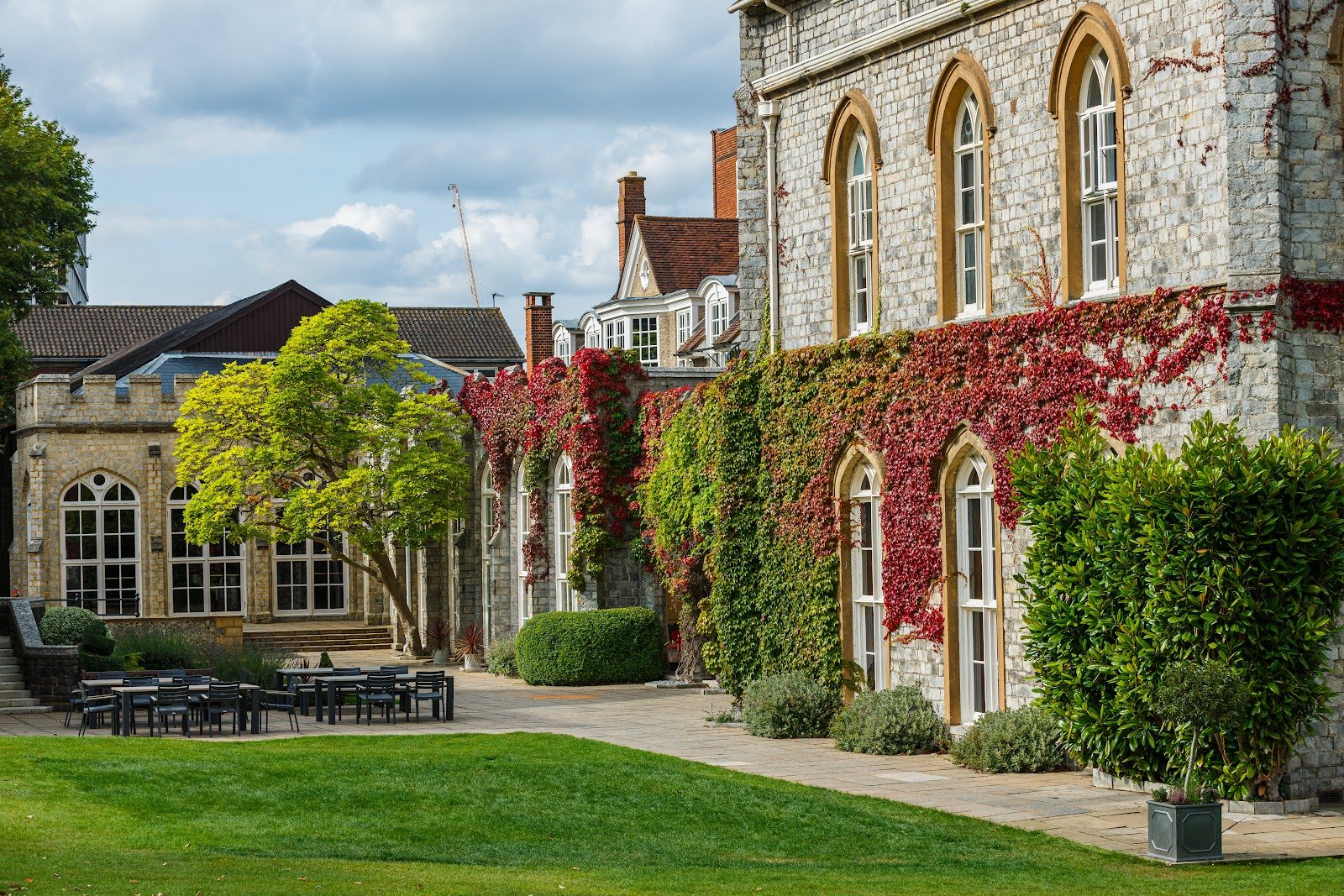
Wycombe Abbey
High Wycombe · United Kingdom
A Victorian pioneer's 1896 foundation, this Chiltern hills estate blends mixed-age boarding houses with one-in-five Oxbridge offers.
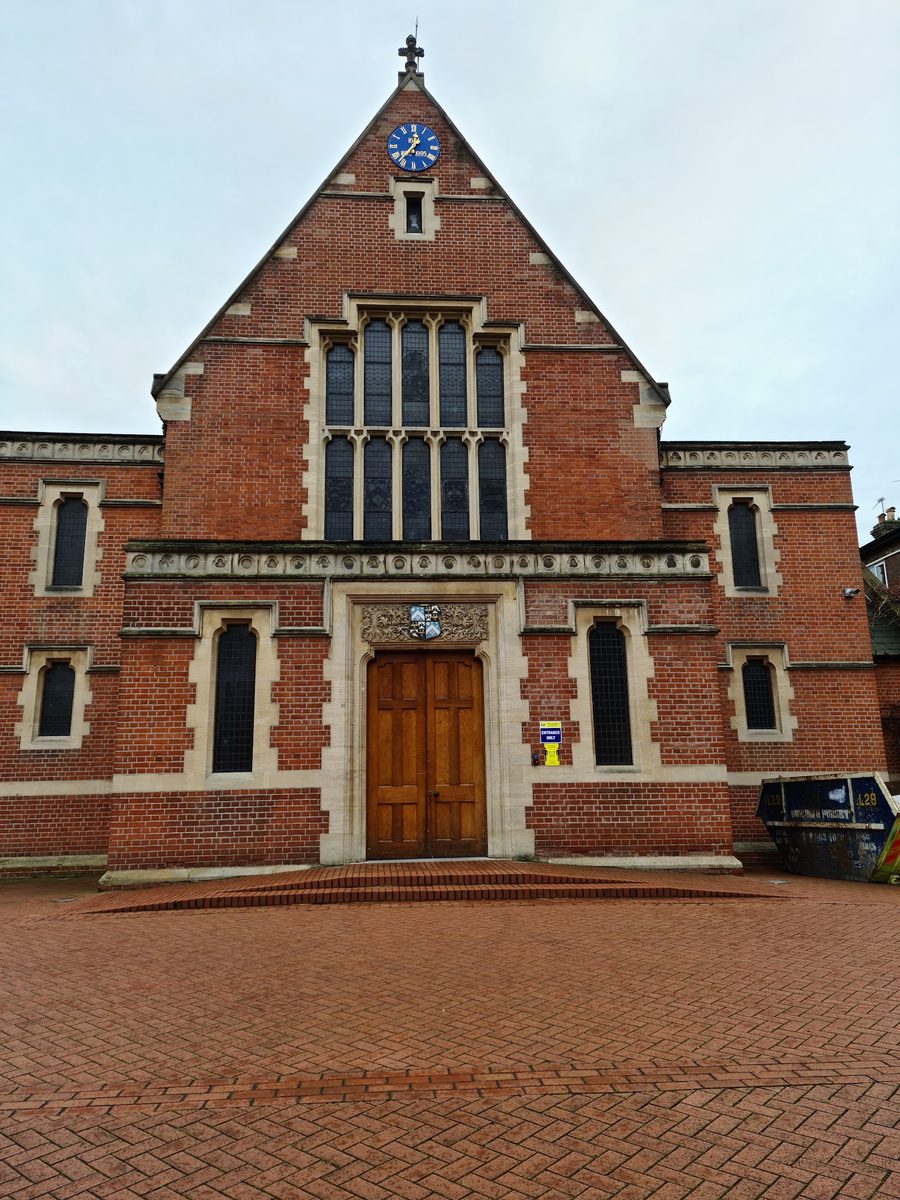
Latymer Upper School
London · United Kingdom
A 1624-founded, non-denominational day school in Hammersmith prized for its stellar Oxbridge and Russell Group outcomes.
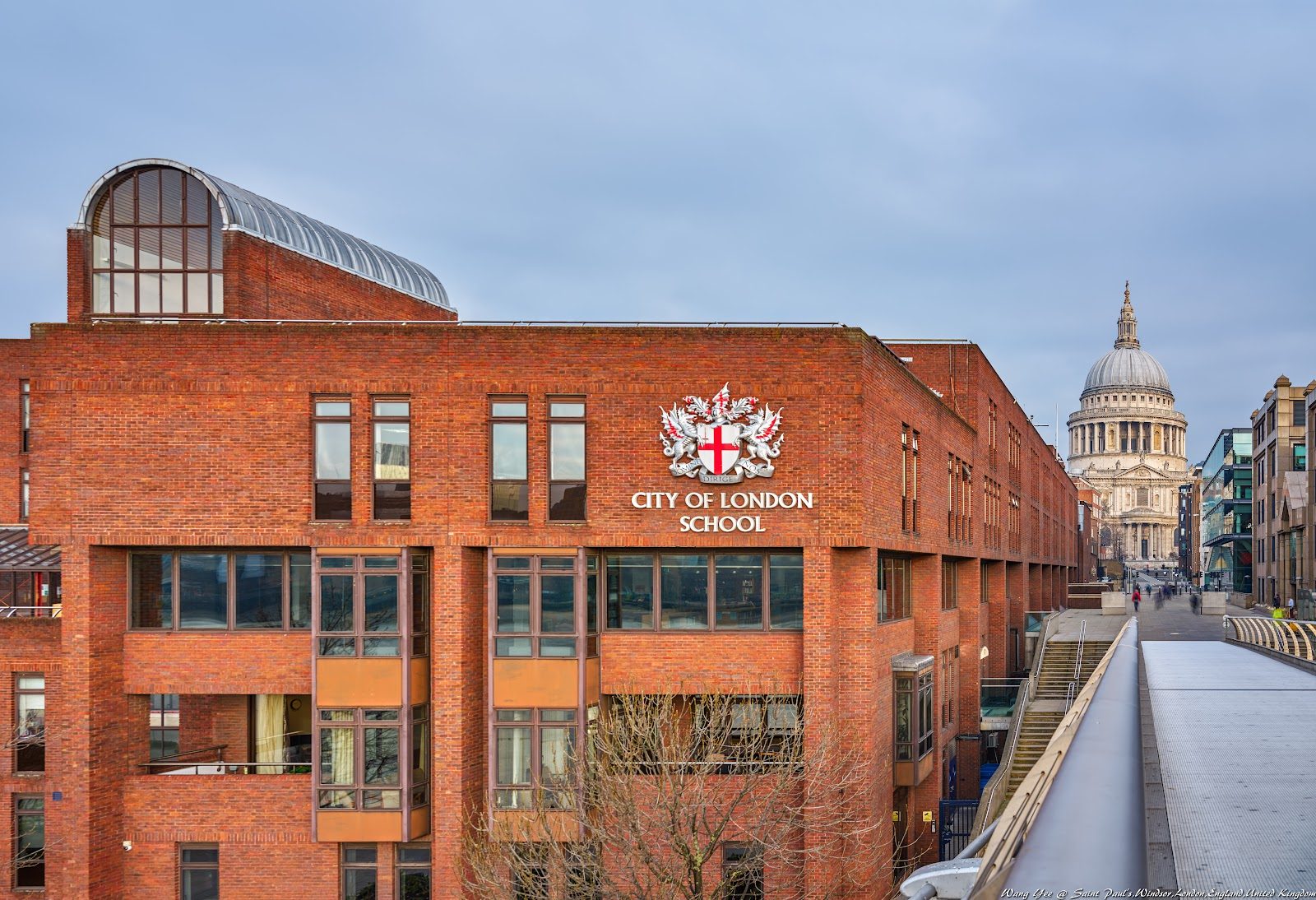
City of London School
London · United Kingdom
A 1442 bequest from the City's own Town Clerk still funds this rigorous day school perched on the Thames at Blackfriars.
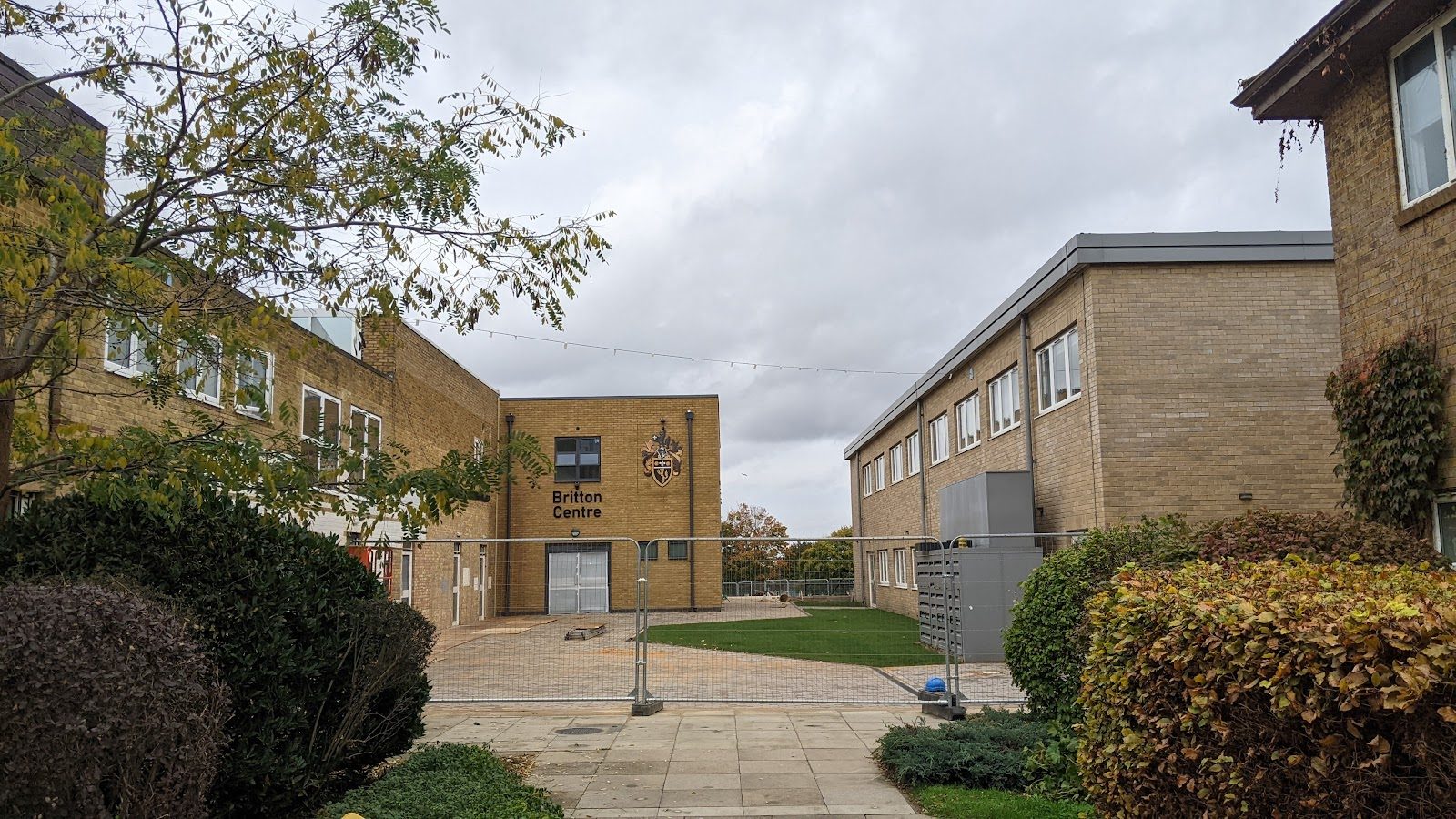
Wilson's School
Sutton · United Kingdom
A 1615 charity foundation turned super-selective grammar, thriving on a former Croydon airfield with a sharp focus on maths and computing.
Same country and curriculum — closest matches within ±10 points either way