
Virginia
St. Christopher's School
low confidence· 3/6 cats · 3 avg sourcesVirginia's largest all-boys campus, a National Register landmark pairing Episcopal tradition with a research-based Center for the Study of Boys.
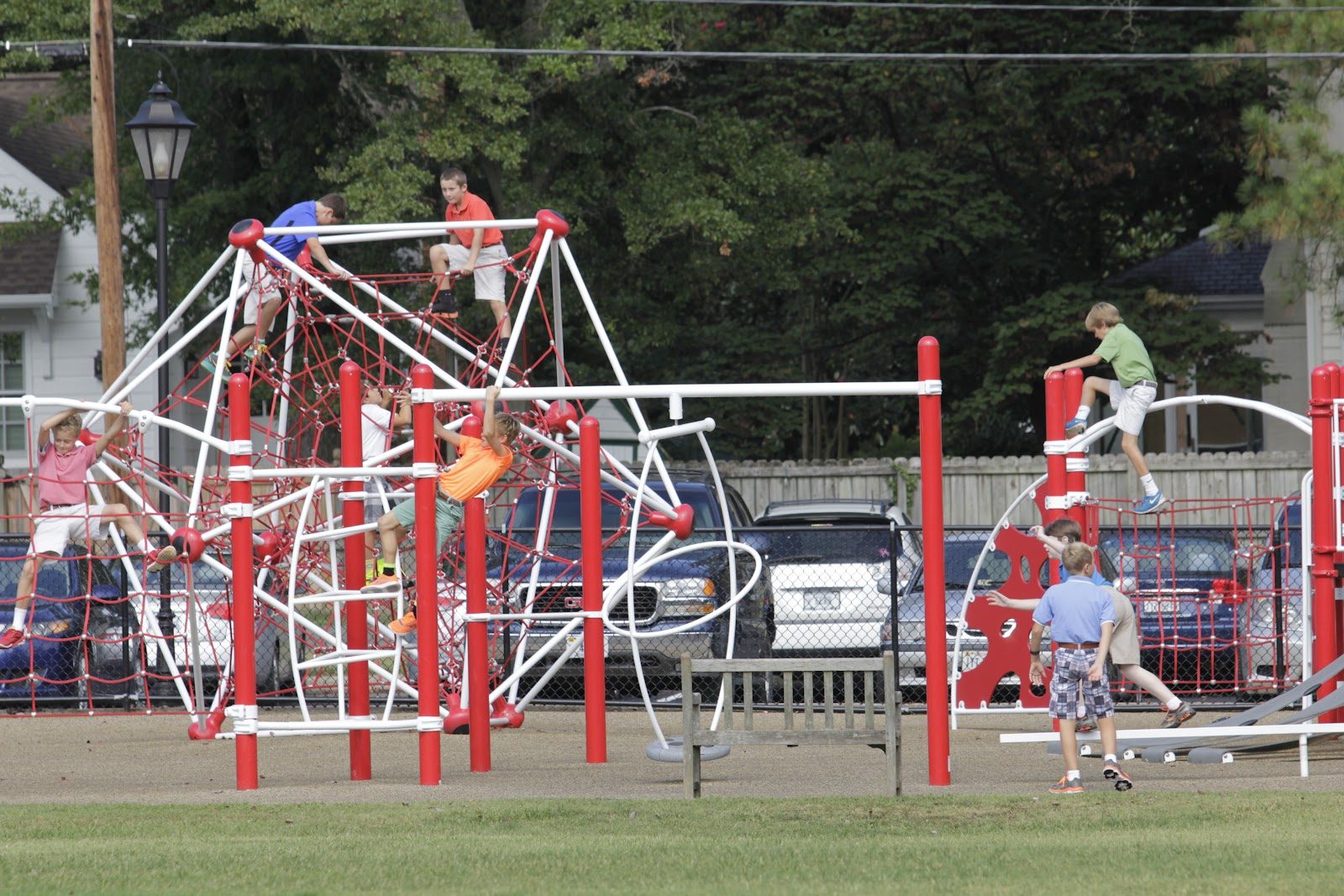
Type
Day
Ages
4–18
Curriculum
American
Qualifications
AP · US High School Diploma
Ratio
1:8
The Verdict
Editor's commitment
Right for
Richmond families wanting a boys' day school from age 4 to 18, Episcopal in character and grounded in American curriculum.
Wrong for
Families wanting co-education, boarding or non-religious schooling; St. Christopher's is boys-only, day-only, Episcopal and in Richmond.
Watch out for
At an average annual fee of $30,974 and VAIS accreditation, this is a serious local independent, not a casual private-school add-on.
Ranking breakdown
St. Christopher's School · #493 of 1591
Composite score 70.4. 8 weighted criteria.
By criterion
Academic Outcomes
Weight 20%
#585
of 1529 scored
University Placement
Weight 16%
#516
of 1529 scored
Prestige & Heritage
Weight 12%
#462
of 1529 scored
Alumni Network
Weight 12%
#306
of 1529 scored
Facilities
Weight 12%
#502
of 1529 scored
Transparency & Communications
Weight 8%
#457
of 1529 scored
Peer & Industry Review
Weight 10%
#523
of 1529 scored
Admissions Selectivity & Demand
Weight 8%
#607
of 1529 scored
Peer & Industry Review
How St. Christopher's School is regarded in the sector
70
Respected · medium confidence
Within Virginia's independent-school circuit, St. Christopher's is treated as a stable, second-tier-but-respected peer to Collegiate School and its own sister institution, St. Catherine's, rather than a rival to national boarding names like Woodberry Forest or Episcopal High School. Its coordinate model with St. Catherine's is frequently cited in regional education commentary as a workable compromise on the single-sex question, and it draws steady interest from state flagship admissions offices, notably the University of Virginia, William & Mary and Washington and Lee, which regard it as a reliable, well-prepared applicant pool. Independent education press coverage is largely local (Richmond magazine, Style Weekly) rather than national, and it rarely appears in Good Schools Guide or WhichSchoolAdvisor-style international rankings, reflecting its day-school, non-boarding profile. Its NAIS membership and presence at regional heads' conferences confirm institutional standing without signalling nationally disruptive reputation.
- Thomas J. Bliley Jr. — U.S. Representative, Politics
Editors' overview
St. Christopher’s School occupies a distinctive niche in Richmond: an Episcopal boys’ day school founded in 1911, serving ages 4 to 18 on what the school bills as Virginia’s largest all-boys campus. That matters. Single-sex schools are common enough; campuses built at this scale for boys are not. The National Register landmark status adds another layer of identity, giving the place a sense of permanence that newer American independents cannot manufacture. This is not a generic college-prep operation with a chapel attached. It is a school with a defined tradition, a public religious character and a campus story that carries weight.
What lifts St. Christopher’s above the level of mere heritage is the Center for the Study of Boys. That is the school’s most useful point of difference and the strongest reason for parents to keep it on a shortlist. Plenty of boys’ schools claim expertise in how boys learn; St. Christopher’s has built a research-based centre into the proposition. That signals a school that has spent time interrogating its own practice rather than relying on old assumptions about discipline, sport and masculine confidence. For families who want an all-boys education with an intellectually serious rationale, this is the hook. The academic frame is American, the language of instruction is English, and the school holds VAIS accreditation, which gives parents at least one external marker of institutional seriousness.
The average annual day fee is $30,974, which places St. Christopher’s in the expensive end of the Richmond day-school market without pushing into the rarefied fee levels seen at elite boarding schools or top-tier coastal independents. That positioning makes it a focused choice rather than a vanity purchase: parents are paying for a boys-only environment, a long-established Episcopal culture and a campus with scale. Boys who thrive here will want structure, tradition and a school that treats male development as a subject worth studying, not a slogan. Boys who want a co-educational social environment, a looser culture or a less institutionally defined identity will find the model restrictive. For the right family, though, St. Christopher’s offers something unusually coherent: a clear educational philosophy, a long-established Richmond base and a school identity that knows exactly what it is.
Academic Performance
St. Christopher’s does not publish the kind of headline examination data that makes peer comparison easy. We have not seen aggregate SAT or ACT averages, AP participation rates, AP score distributions, National Merit counts, or a full university matriculation table. That matters. In the American independent-school market, academic performance is easiest to judge when schools disclose a run of hard numbers across several graduating classes. Here, the public picture is thin. Parents can infer a college-preparatory culture from the school’s longevity and institutional confidence, but inference is not evidence. On external metrics, St. Christopher’s asks families to trust the school more than the school earns through published data.
That places it in a less transparent position than the strongest academic independents, which release enough results to show whether top-end attainment is routine or confined to a small slice of the cohort. The absence of public figures does not mark weak outcomes; it marks opaque outcomes. For a school with a clear educational identity and substantial parental investment — an average annual fee of $30,974 — that is a real gap. Relative to peers, St. Christopher’s sits in the broad middle on disclosure: not uniquely secretive, but nowhere near the data-forward end of the market. Parents who care about measurable academic stretch should ask for AP results by subject, test-score ranges and recent matriculation patterns before treating the academic case as proven.
Facilities
Facilities are central to the St. Christopher’s proposition. The school trades on scale, and that matters in an all-boys setting where sport, movement and informal space shape daily life as much as classrooms do. The headline fact is the size of the estate: 43 acres on a single campus. That puts it above many urban American day schools, which work with tighter footprints and more fragmented provision. Add the National Register status and parents get a campus with real architectural presence, not a stitched-together collection of later additions. The school also highlights a dedicated arts wing and a major athletics complex, including 14 tennis courts, a wrestling room and multiple playing fields. Against peer boys’ day schools, that is serious physical plant: enough breadth to support depth in sport without forcing every square metre into double duty.
The balance across disciplines matters too. Plenty of traditional boys’ schools build lavishly for athletics and leave the arts looking secondary; St. Christopher’s signals a more deliberate spread of resources. The presence of a centre devoted to the study of boys adds a different kind of facility advantage: not bricks, but institutional infrastructure tied to the school’s educational model. That does not replace hard academic assets such as published lab or library detail, which the school does not foreground. Still, as a campus offering, this is well above the local norm and stronger than many day-school rivals that charge comparable fees while delivering far less space, less coherence and a more compressed student experience.
Christopher’s sits in the broad middle on disclosure: not uniquely secretive, but nowhere near the data-forward end of the market
Prestige
St. Christopher’s carries real local weight. In Richmond independent-school circles, a place at this school signals entry into an established social and educational network, not just enrolment at another private campus. The all-boys format sharpens that identity: it narrows the audience, but it also gives the school a clearer profile than many broad-market day schools. Prestige here rests less on public exam swagger than on institutional standing — a long-entrenched presence, an Episcopal foundation, a landmark campus and the kind of community recognition that accumulates over generations. The fee level — an average of $30,974 a year — reinforces that status. This is expensive enough to function as a marker of privilege, but not so extreme that it turns into a pure luxury badge.
The rating stops short of top-tier national prestige because the school does not publish the hard outcome data that would justify that claim. Families can buy into a well-established, socially legible Richmond institution with a distinctive boys’ education model, but they cannot point to a public run of academic metrics that places it among America’s most formidable independents. That matters. Prestige built on history, community standing and confidence in mission is still prestige; it is not the same thing as the hard-edged prestige earned through transparent results and national academic visibility. St. Christopher’s has strong regional cachet and a clear internal identity. It does not have indisputable national academic lustre.
Christopher’s above the level of mere heritage is the Center for the Study of Boys
Communications
St. Christopher’s communicates like a mature independent school with an established parent body: formal, orderly and institution-led rather than chatty or app-driven in tone. The public-facing side is clean enough to handle the essentials — admissions, giving, school life, news and calendar functions — and the school’s identity is stated without waffle. That matters because parents do not need another private school drowning them in lifestyle language; they need dates, expectations, contact points and a reliable sense of how the place runs. On that front, St. Christopher’s looks disciplined and institutionally confident. The risk sits elsewhere. The same controlled tone can read as top-down and guarded, especially at a school charging an average of $30,974 a year and asking families to buy into a strong internal culture.
Effectiveness, then, is mixed in a very specific way. Operational communication looks competent: the school gives the impression of systems, routine and adult oversight. Strategic communication is weaker. The school does not publish the level of academic outcome data that demanding parents now expect, and that limits trust. When a school communicates warmly about mission, community and student development but leaves hard attainment in the shadows, parents get a polished account of ethos and a thinner account of results. That is not a messaging failure; it is a transparency problem. Families who value order, tradition and clear institutional boundaries will tolerate that. Families who want forensic clarity on performance will press harder than the school’s current public communication invites.
Uniqueness
What marks St. Christopher’s off from the crowded field of American college-prep schools is not single-sex education on its own. It is the combination of a boys-only environment, an openly Episcopal frame and a school-built research function devoted to how boys learn. That last element matters most. The Center for the Study of Boys gives the school a more intellectually defensible case for all-boys schooling than the tired stock claims about confidence, leadership and energetic classrooms. Students benefit when a school treats male development as something to examine, test and refine, not just inherit. That can produce teaching with greater intentionality, sharper pastoral judgement and a more coherent account of why the school does what it does.
The physical setting strengthens that identity. A landmark campus of 43 acres gives boys room to move, train, gather and grow without the cramped feel that dogs many city day schools. In practice, that supports a student experience with real spatial freedom and a stronger sense of institutional life beyond the classroom. For the right child, the result is strikingly coherent: faith, tradition, research and space all pulling in the same direction. The trade-off is clear. This is a school with a defined male culture and a strong internal logic, not a broad church designed to suit every temperament. Boys who want a mixed-sex social world or a less structured identity will find that limiting.
Christopher’s has built a research-based centre into the proposition
Student Profile
The boys who fit best here are those who respond to structure, clear expectations and a school culture with firm edges. This is not a neutral social environment where students drift in and out of multiple identities. It is an all-boys community with a public religious frame, a strong sense of institutional habit and enough scale to make participation hard to avoid. That suits boys who want to be known, directed and drawn into the life of the school — in the classroom, on the field, in chapel and in the routines that hold the place together. Families looking for a loosely defined adolescence or a more casual relationship between school and home will find the culture too prescriptive.
The strongest fit is the boy who benefits from adult oversight without needing therapeutic hand-holding, and who can use a large campus constructively rather than vanish inside it. The research focus on boys’ learning gives the school a more deliberate understanding of male development than the standard prep-school formula, but it does not turn the place into a soft landing for every temperament. Boys who are energised by tradition, group belonging and healthy competition will do well. Boys who want a mixed-sex social life built into the school day, resist authority on principle, or chafe at institutionally defined cultures will not. At an average annual fee of $30,974, this is a school for families making a high-conviction choice, not testing an option.
Christopher’s does not publish the kind of headline examination data that makes peer comparison easy
Co-curricular strengths
Arts & sport, on a separate axis
Overall 8.3/10
Scored 0-10 from the school's own published evidence. This axis is editorial-only — it does not feed the main WTS ranking.
Sports
9/10
Absolute all-boys athletic powerhouse; fields nationally dominant wrestling, track, and lacrosse programs across state-of-the-art turf grounds.
Drama
8.7/10
The school's performing arts tracks function like a professional conservatory environment, mounting elite, large-scale theater productions.
Dance
7.2/10
Offered primarily as a movement asset within theatrical physical training rather than an independent classical track.
Music
8.4/10
Exceptional music wing supporting top-tier youth orchestras, chamber groups, and elite choirs with deep civic pipelines.
Visual Arts
8.2/10
Highly disciplined fine arts track emphasizing technical portfolio mastery and advanced graphic design suites.
Strengths
- +Founded in 1911 and one of the oldest and largest all-boys schools in the Mid-Atlantic, with a historic campus listed on the National Register of Historic Places.
- +Small classes with a student-teacher ratio of about 9 to 1, according to Niche's published enrollment data.
- +Strong standardized-testing record, with the school citing 31 National Merit or National Achievement semifinalists over a decade and roughly 20% of each graduating class recognized annually.
- +100% of graduates go on to attend a four-year college, per Niche outcome data.
- +Financial aid is need-based only (over $4.1 million awarded for 2025-2026) and admissions decisions are made independently of a family's ability to pay.
Considerations
- −Single-sex, all-boys school (JK-12), which rules it out for families wanting a coeducational environment.
- −Upper-school tuition runs into the low-to-mid $30,000s depending on grade and source, a significant recurring cost for relocating families.
- −The student body remains predominantly White (63%), which may matter to internationally diverse families weighing cultural fit.
- −No merit, academic, artistic or athletic scholarships are offered; all aid is strictly need-based, so high-achieving but non-need families pay full tuition.
Availability
Primary entry gate & tests
ISEE/SSAT + Interview (Boys)
Gallery
Parent reviews
Have you sent your child here?
Voice reviews carry the strongest trust badge — we transcribe them for you to tidy up before they go live. Prefer to type? A written review is fine too.
Add your voice
In 60 seconds, tell other parents: what's the best thing about St. Christopher's School, and what surprised you when your child joined?
We ask for a Google sign-in so every review has a real face behind it — no anonymous drive-by attacks on schools, and no faked positive reviews. Your email is never shown publicly.
Send this profile to a friend
International parents rely on word-of-mouth. Share this review with someone weighing the same decision.
Schools with places
Similar schools to St. Christopher's School with places available now.
BASIS Tucson North
Tucson · United States
- 2026-27
- PLACES OPENFall 2026 apps / open enrollment active
- 2027-28
- FUTURE CYCLEDates TBC
Friends Seminary
New York City · United States
- 2026-27
- WAITPOOLLate/held pending openings
- 2027-28
- OPENS SOONExpected Sept '26
Saint Ann's School
Brooklyn · United States
- 2026-27
- WAITPOOLLate / attrition-dependent
- 2027-28
- OPENS SOONOpens 8 Sept '26
Ethical Culture Fieldston School
New York City · United States
- 2026-27
- WAITPOOLLimited late availability
- 2027-28
- OPENS SOONOpens post-Labor Day '26
Availability first, then country, area, curriculum, price, co-curricular
Consider also
Also worth looking at alongside St. Christopher's School.
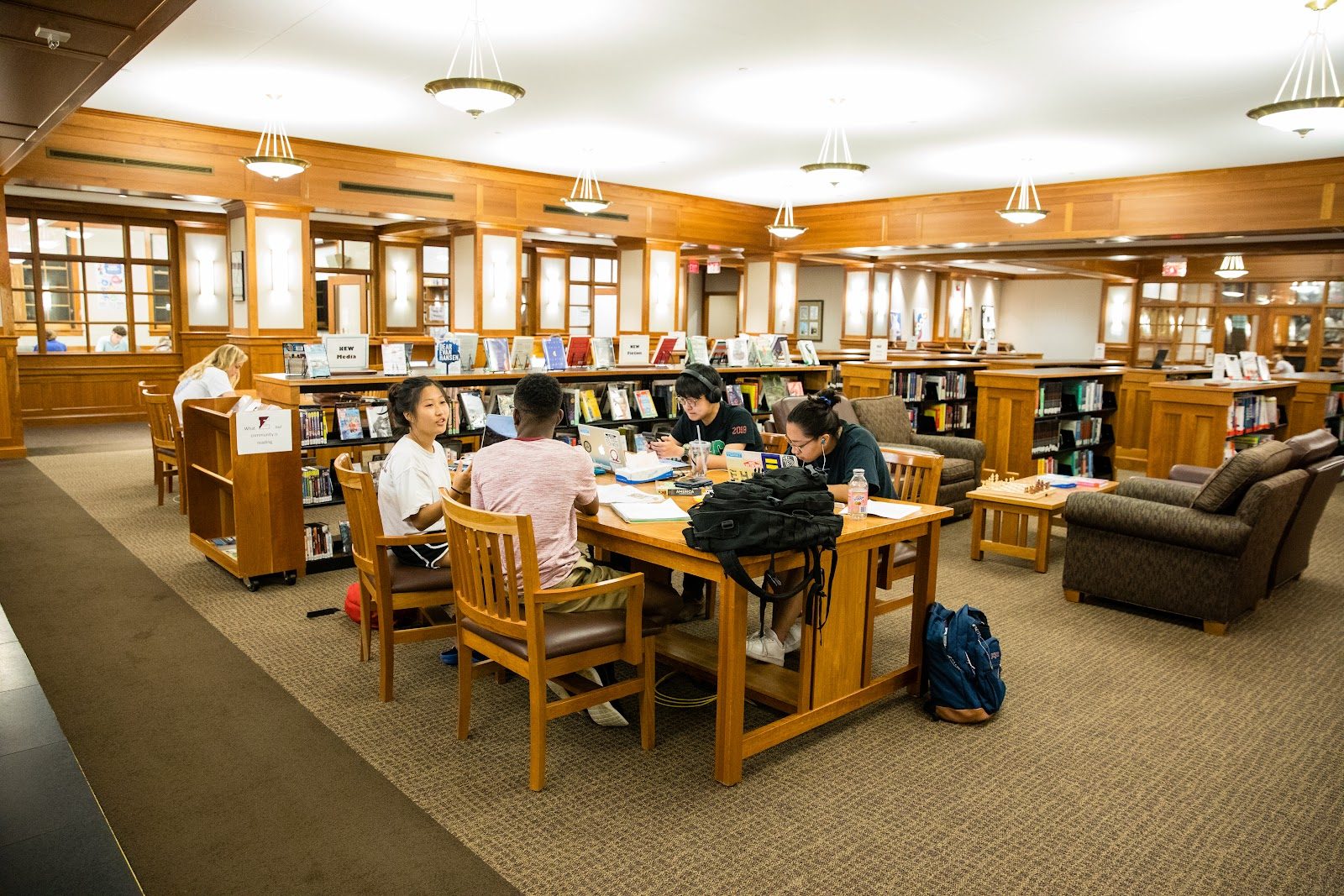
Episcopal High School
Alexandria · United States
A 130-acre hilltop campus 10 minutes from the Capitol, running America's only fully residential school of its caliber in a major metro area.
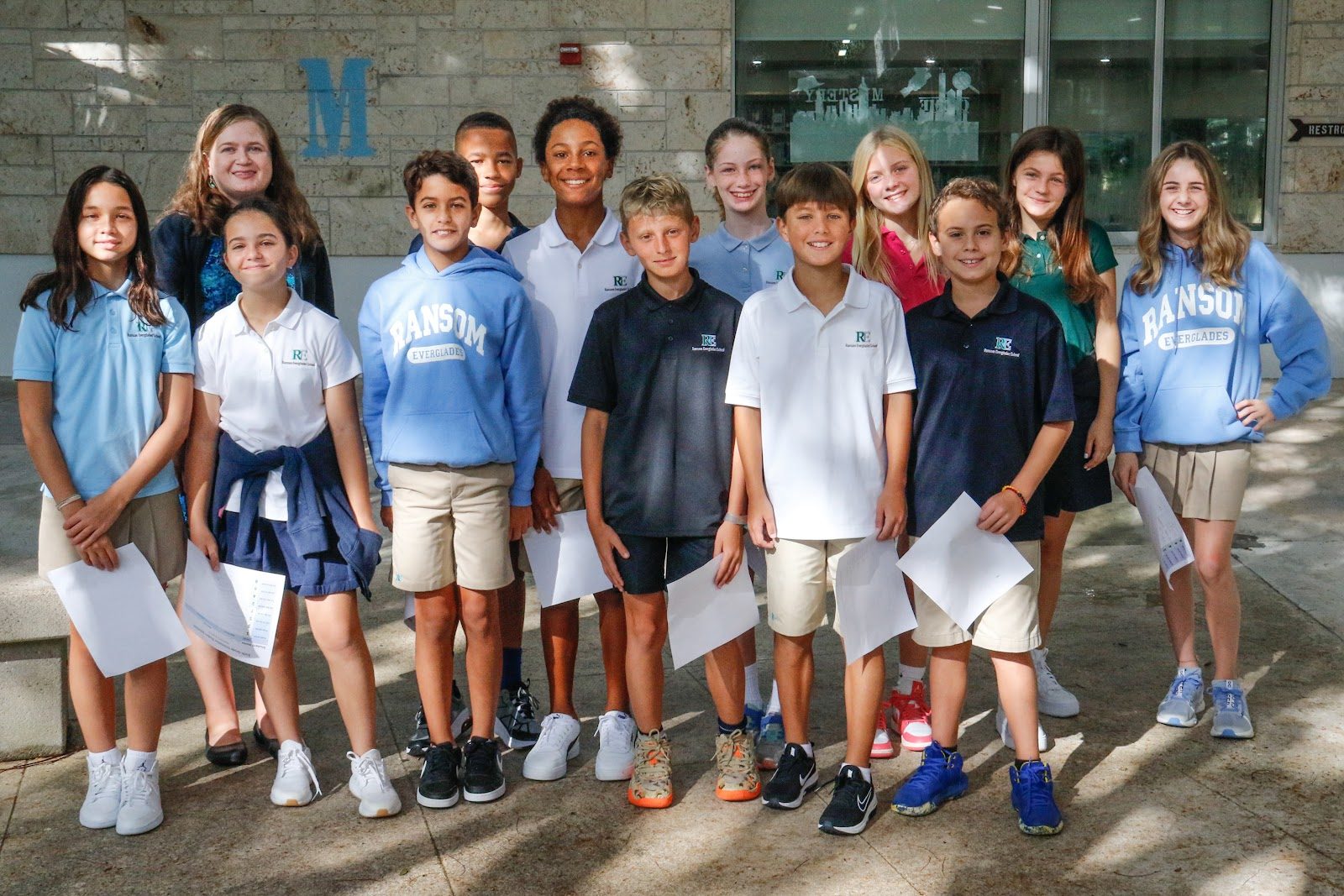
Ransom Everglades School
Miami · United States
On Biscayne Bay since 1903, where sailing and marine science turn the water itself into a classroom
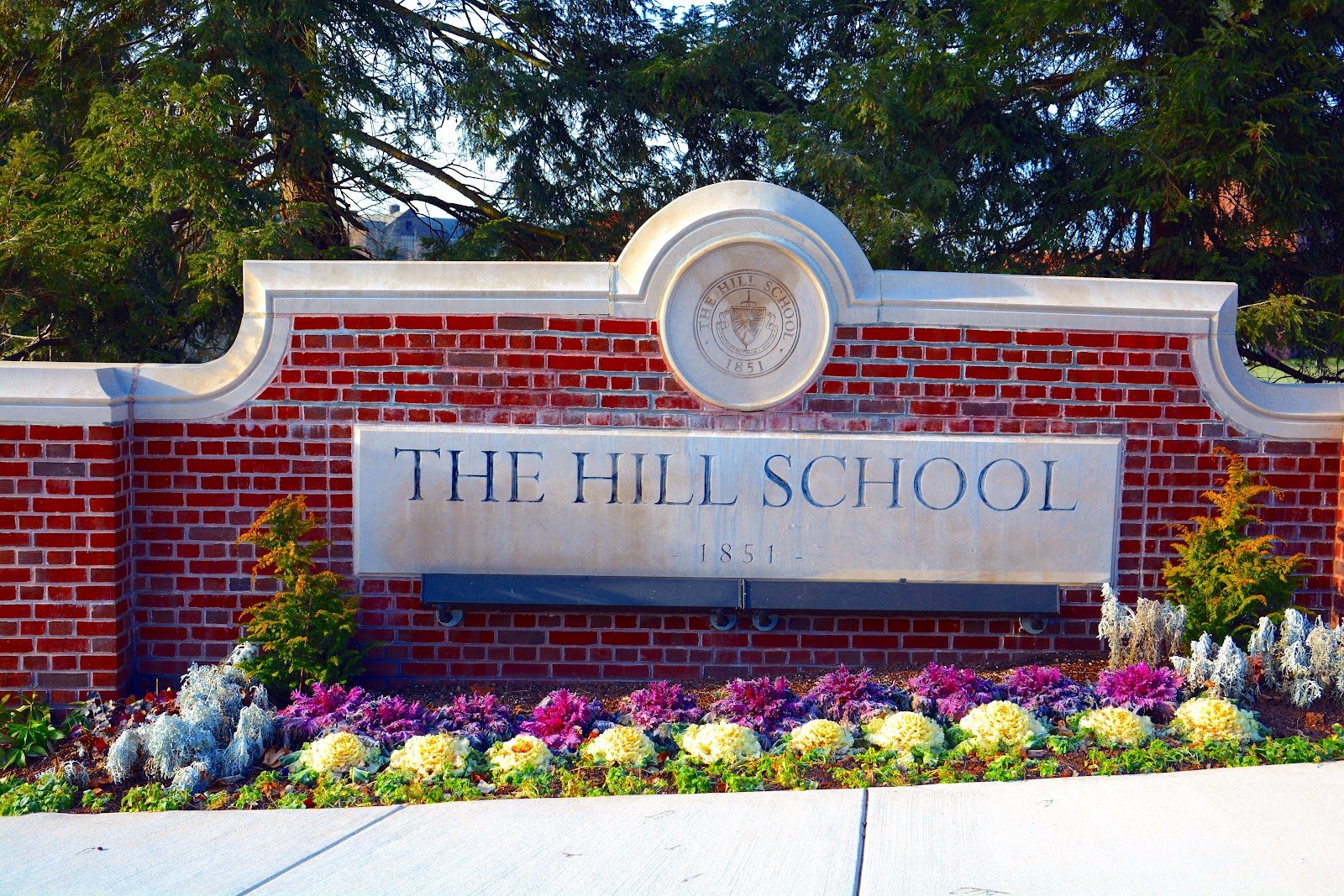
The Hill School
Pottstown · United States
Born in 1851 as the nation's first family boarding school, still pairing faculty and students under one roof on a Pottstown hilltop.
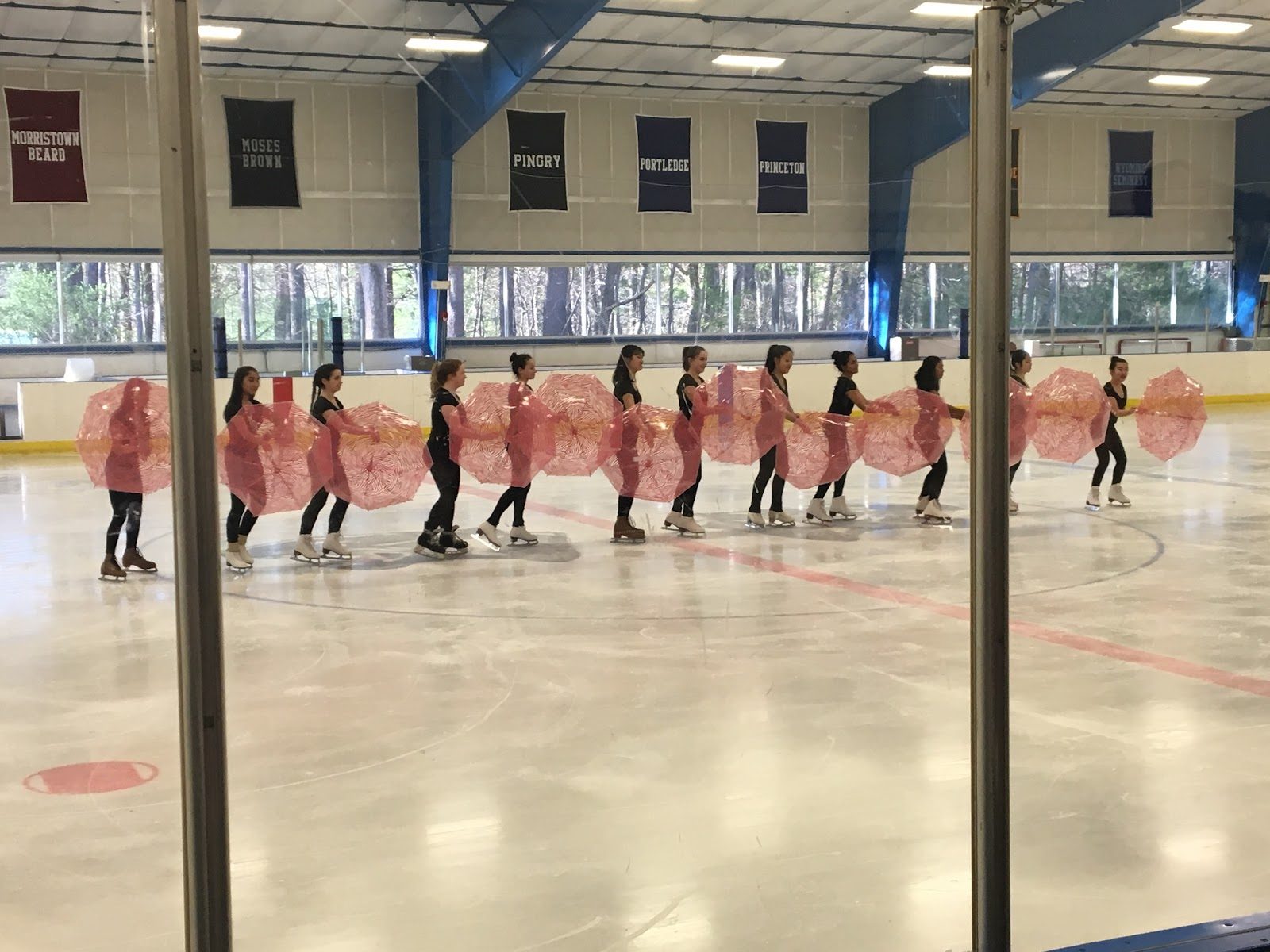
Princeton Day School
Princeton · United States
Formed by a 1965 merger of two century-old Princeton schools, pairing STEAM rigor with a rare four-year architecture program across 106 acres.
Same country and curriculum — closest matches within ±10 points either way