
Andalusia
Founded in 1982 by six teachers as a parent-run, not-for-profit trust, among the first in Spain to teach the IB Diploma.
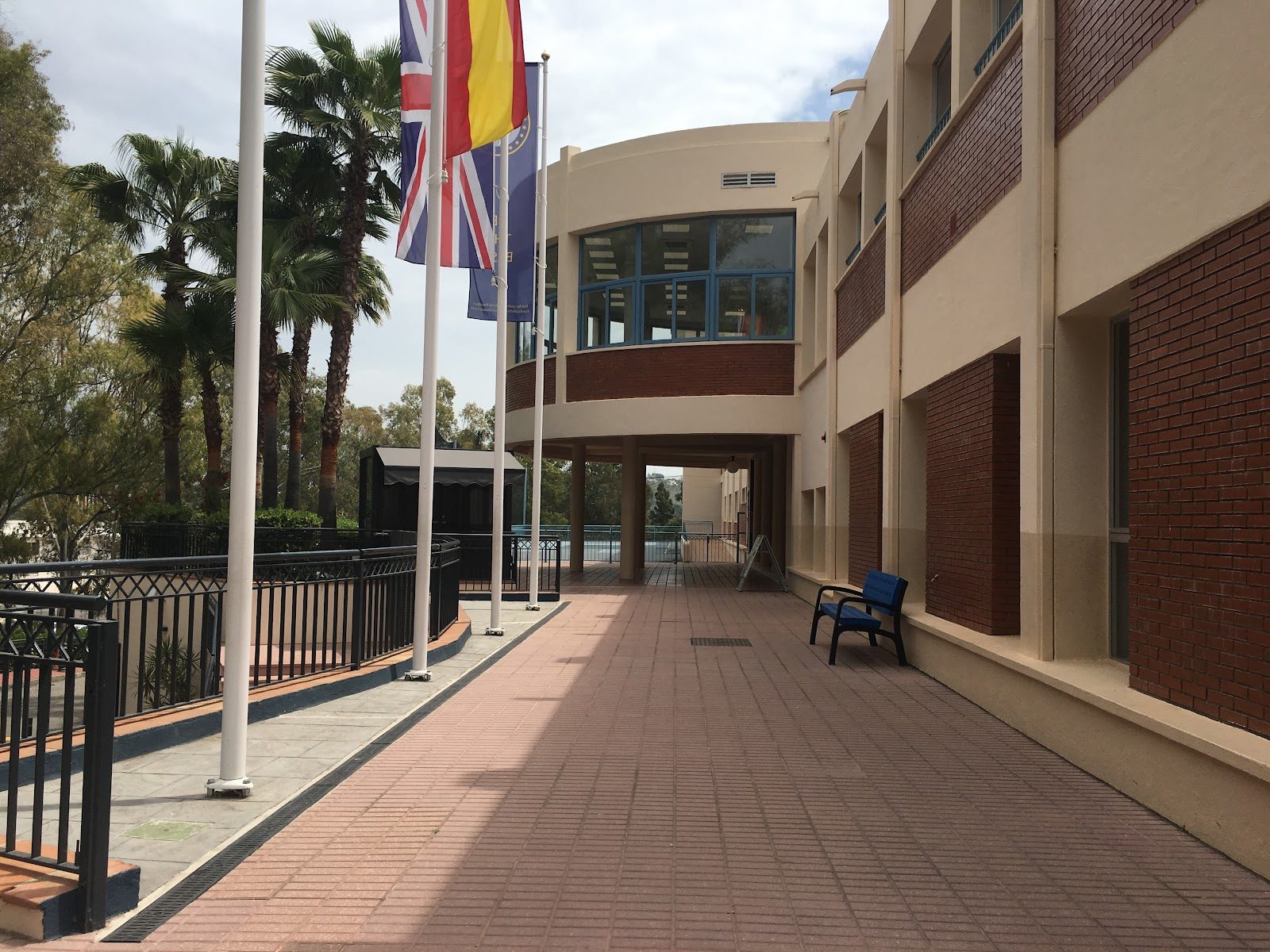
Photo © Malena García via Google Maps
Type
Day
Ages
3–18
Curriculum
British
Ratio
—
The Verdict
Editor's commitment
Right for
Families in Marbella wanting a 3–18 English-and-Spanish day school with British curriculum roots, ISI oversight and Oxford among recent destinations.
Wrong for
Parents chasing boarding, religious ethos or bargain fees: Aloha is day-only, non-religious and averages €15,000 a year.
Watch out for
Founded in 1982 and parent-run as a not-for-profit trust, it claims strong IGCSE, A-Level and IB results but publishes no aggregate figures.
Ranking breakdown
Aloha College · #826 of 1591
Composite score 64.8. 8 weighted criteria.
By criterion
Academic Outcomes
Weight 20%
#902
of 1529 scored
University Placement
Weight 16%
#911
of 1529 scored
Prestige & Heritage
Weight 12%
#854
of 1571 scored
Alumni Network
Weight 12%
#544
of 1530 scored
Facilities
Weight 12%
#857
of 1533 scored
Transparency & Communications
Weight 8%
#922
of 1532 scored
Peer & Industry Review
Weight 10%
#793
of 1548 scored
Admissions Selectivity & Demand
Weight 8%
#686
of 1529 scored
Score history
Aloha College · 2026
Movement across 2024–2026. Peer average overlaid.
Overall — 2024–2026
64.8/ 100
▲ +26.0 vs 2025
year on year
Peer & Industry Review
How Aloha College is regarded in the sector
60
Respected · low confidence
Aloha College is a well-established British international school on the Costa del Sol frequently mentioned in expat-parent forums (e.g., Expat Forum, Marbella parent Facebook groups) and local 'best international schools in Marbella' round-ups, generally regarded as a solid, respected option among the Marbella British-curriculum schools alongside Swans and The English International College. However, it lacks consistent coverage in major independent rankings like Good Schools Guide International or Tatler, and there is limited specialist education press analysis beyond regional expat community sources.
Editors' overview
Aloha College has a structure that still matters: it was founded in 1982 by six teachers and it remains a parent-run, not-for-profit foundation, with surplus reinvested into the school rather than extracted for owners. In an international market crowded with corporate operators, that gives it a distinctly different proposition. The school teaches children aged 3 to 18, delivers a British education and was among the first in Spain to introduce the IB Diploma in English. That combination matters for parents who want a British route without closing off the IB at sixth form. It is also a sizeable school, with over 900 students and 57 nationalities, which puts it in the camp of established international schools rather than boutique outfits trading on intimacy.
What sets Aloha apart is not novelty but durability. It has been doing this for a long time, and the offer is clear: British international schooling, serious academic intent, strong pastoral infrastructure and a broad enough co-curricular programme to keep the school from becoming a results factory. The school makes heavy claims for academic outcomes in IGCSE, A-Level and IB Diploma, but it does not publish aggregate results figures in the information here, so parents will need to ask for hard numbers rather than settle for adjectives. Even so, the route to university reads credibly, with recent destinations including Oxford, Manchester and Edinburgh. ISI accreditation adds a layer of external scrutiny, and the scale of the campus provision — science laboratories, art studios, sports fields and performance spaces — points to a school built for a full 3–18 operation, not an improvised villa-school model.
At an average annual day fee of €15,000, Aloha sits in an interesting middle ground: expensive by local standards, but not at the top of the international-school market for a school with this age range, governance model and scale. That makes it a strong shortlist school for families in Marbella who want an English-medium education with both local and international reach, and who value substance over polish. The right child for Aloha is not one who needs a tiny, highly curated environment. This is better for students who thrive in a busy, internationally mixed school, can make use of a broad activity programme, and want either the British route or the IB kept open deep into the senior years. For families who prize transparency, one caveat stands out: the school talks confidently about standards and care, but it needs to publish more hard outcome data to match that confidence.
Academic Performance
Aloha talks up strength across IGCSE, A Level and the IB Diploma, and that breadth matters: schools that run all three at senior level can offer real academic flexibility rather than forcing every pupil through one mould. The problem is opacity. The school does not publish aggregate pass rates, top-grade distributions, cohort averages or subject breakdowns for any of those examinations. That leaves parents with no clean way to judge whether “well above global averages” means a genuinely high-performing senior school or a competent one with selective case studies. For a school of this maturity and scale, that is a material weakness. Strong schools publish hard data. Schools that do not publish hard data ask parents to trust the narrative.
What can be said with confidence is narrower. The recent university destinations cited here include 1 place at Oxford and single places at Manchester and Edinburgh, which points to credible university advising and at least some students reaching selective UK admissions. It does not, on its own, prove elite academic depth across the year group. Relative to direct competitors in the international sector, Aloha sits in the camp of schools with a plausible academic case but insufficient public disclosure. That places it below the most transparent operators, which publish full exam summaries, and above weaker schools that offer neither outcomes nor recognisable destinations. Parents considering Aloha for sixth form need the missing numbers: IB average, A Level grade profile, IGCSE top-grade rates, cohort size and multi-year trends.
Facilities
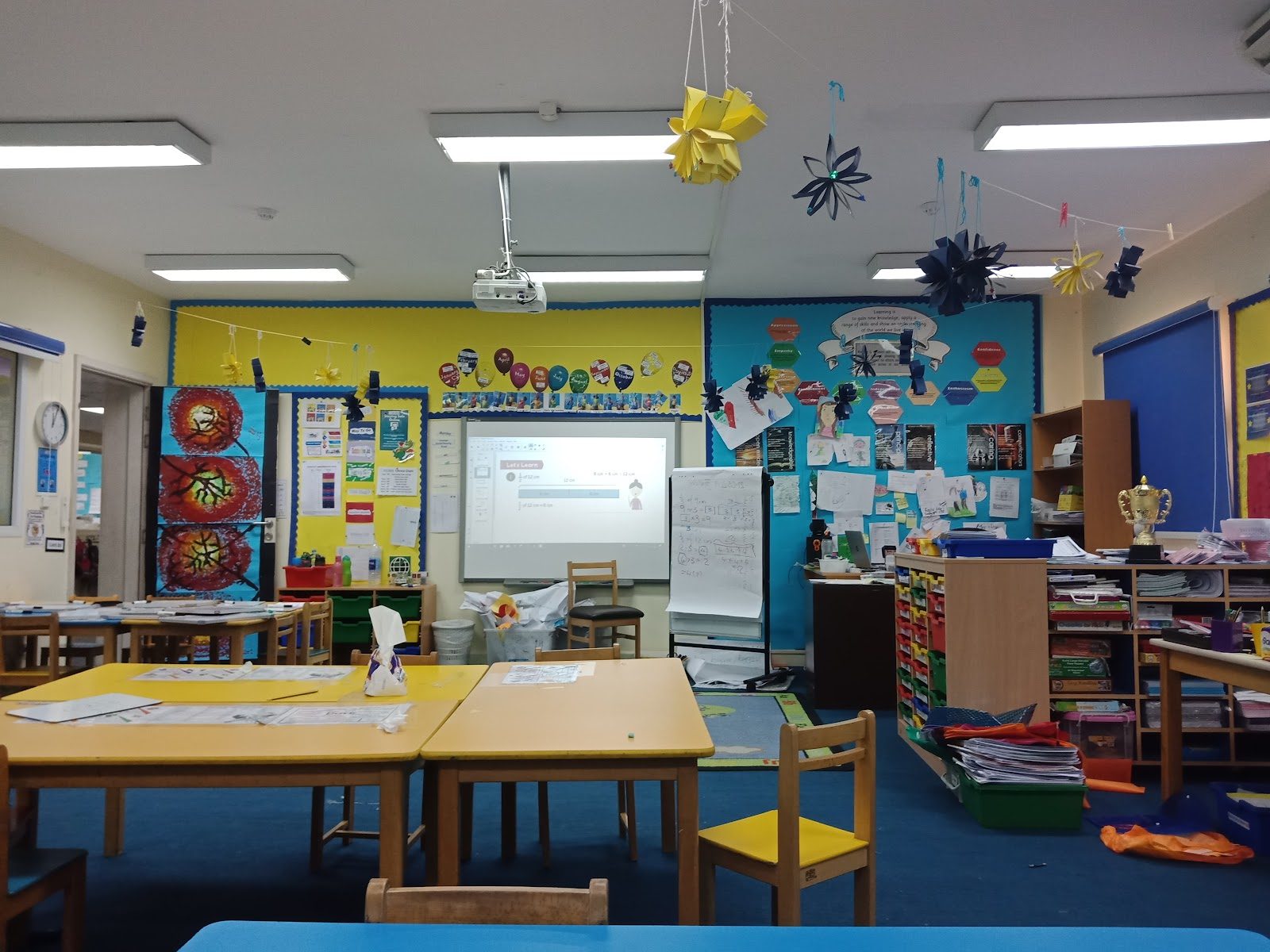
Aloha’s campus offer covers the essentials a full all-through school needs, and then goes beyond the bare minimum. The school points to purpose-built science laboratories, art studios, sports fields and performance spaces. That matters because too many international schools on the Costa del Sol still operate with a patched-together feel: adequate classrooms, limited specialist rooms, and sports provision outsourced or compressed. Aloha reads as a properly equipped school rather than a stopgap operation. For families with children spanning multiple ages, that breadth counts. It supports laboratory science, sustained art teaching, field sport and staged performance without forcing everything through a handful of multipurpose rooms. In a school of over 900 pupils, anything less would feel thin.
Against peers, the strength here is range, not spectacle. There is no published claim of Olympic-scale aquatic provision, theatre complex, design centre or the kind of arms-race infrastructure top-fee schools use to signal status. Parents chasing architectural theatre or resort-style sports amenities will find grander campuses elsewhere. Parents who care more about whether the school can deliver day-to-day teaching, rehearsals, matches and practical work at scale will rate this more highly. The facilities profile fits the school’s wider character: serious, serviceable and substantial, with reinvestment directed into core educational use rather than glossy excess. That is a good trade if your benchmark is educational function, not vanity build glamour.
The school does not publish aggregate pass rates, top-grade distributions, cohort averages or subject breakdowns for any of those examinations
Prestige
Aloha has solid local standing and credible international recognition, but it does not sit in the top prestige tier of European international schools. The reasons are clear. Its governance still carries weight: parent-run, not-for-profit schools attract confidence because families know surplus goes back into the school rather than into shareholder returns. Its scale also matters. A community of more than 900 pupils and 57 nationalities gives it visibility, network effects and a broad social mix that smaller expatriate schools cannot match. Add the fact that it has been established for decades and offers multiple senior academic routes, and you get a school with institutional heft rather than a fashionable newcomer trading on branding.
That said, prestige in this market rests on public academic proof as much as on structure and reputation. Here Aloha falls short of the strongest names. It talks in confident, high-status language about academic excellence and pastoral distinction, but it does not publish the hard exam data that top-tier schools now treat as standard. Nor do the university destinations listed here establish a deep pattern of elite placements across whole cohorts. One Oxford place helps; it does not confer automatic cachet. The result is a school with real respectability and a durable reputation in its region, but not one with the global pull or evidential firepower of the sector’s most prestigious operators.
Parents considering Aloha for sixth form need the missing numbers: IB average, A Level grade profile, IGCSE top-grade rates, cohort size and multi-year trends
Communications
Aloha communicates like an established school rather than a start-up learning how to talk to parents. The public-facing message is orderly, coherent and easy to follow: mission, pastoral care, co-curricular life, facilities and governance all sit in plain view, without the scattershot clutter that weak school websites fall into. The school also gives parents concrete structural facts that matter — a pupil body of over 900 and 57 nationalities, plus clear statements about reinvestment and board oversight. That helps. Parents can see the shape of the institution without digging through layers of branding. The tone, though, drifts into self-congratulation. Claims of academic excellence and exceptional care are repeated with confidence, but the supporting evidence is too thin.
That gap limits trust. Effective school communication does not stop at warm tone and tidy presentation; it publishes the numbers that let parents test the sales line. Here, the missing pieces are obvious: no aggregate exam summaries, no published trend data, no serious public accounting of outcomes beyond a handful of university destinations. For current parents, the internal communication may well be stronger than the external picture, but the public-facing standard still matters because it signals how candid a school is when scrutiny rises. Aloha clears the first bar — clarity, structure, consistency — and misses the second, which is full transparency. The result is communication that is competent and controlled, but not fully convincing.
Uniqueness
What distinguishes Aloha is not a gimmick but its ownership and governance. This is a school run through a parent trust, with surplus fed back into the institution rather than siphoned off as profit. In a sector full of branded operators and investor-backed expansion, that remains genuinely uncommon. It gives families a school with a different set of incentives: spending can be directed towards teaching, staffing, student support and campus upkeep rather than sales, franchising or shareholder return. That does not guarantee brilliance, and parents should not romanticise the model, but it does produce a school with a clearer educational centre of gravity than many commercial rivals.
The other point of difference is scale married to international breadth. Aloha is large enough to sustain multiple academic pathways, specialist teaching and a broad activity programme, but still anchored by a community that draws students from 57 nationalities. That mix brings practical gains to students: wider friendship groups, stronger day-to-day intercultural fluency and a school culture that is less parochial than the local market can be. The pastoral emphasis also matters here. In a busy all-through school, serious pastoral provision is not decorative; it is what keeps a diverse student body functioning well. Put together, Aloha offers something *harder to manufacture than glossy branding: a durable*, internationally mixed school with parent-led governance and enough institutional depth to give students both breadth and continuity.
Aloha reads as a properly equipped school rather than a stopgap operation
Student Profile
Aloha suits children who are comfortable in a busy, mixed, outward-facing school rather than a small enclave with tightly managed social circles. The pupil body spans 57 nationalities, and that changes the day-to-day experience: friendship groups shift across countries, families bring different expectations, and students need social agility as much as confidence. The fit is strongest for children who like having options — in friendships, activities and senior academic direction — and who benefit from a school large enough to avoid the fishbowl effect that can define smaller expatriate settings. It also works well for families who want a school with a clear pastoral spine but not an overly cosseting culture. Children who need constant hand-holding or a very intimate environment will find this a harder match.
The school will also suit families who place weight on governance and community tone, not just outcomes. A parent-run foundation attracts households that care about stewardship, continuity and a school culture with less corporate varnish. That does not make the student body uniformly scholarly or understated; this is still a fee-paying international school on the Costa del Sol, and parents should expect a socially varied intake with ambition, polish and a degree of affluence in the mix. The strongest fit is a student who can navigate that confidently, make use of broad provision, and thrive in a community of over 900 pupils without disappearing into it. For the right child, that scale brings room to grow; for the wrong one, it brings anonymity.
Aloha has solid local standing and credible international recognition, but it does not sit in the top prestige tier of European international schools
Co-curricular strengths
Arts & sport, on a separate axis
Overall 8.1/10
Scored 0-10 from the school's own published evidence. This axis is editorial-only — it does not feed the main WTS ranking.
Sports
8.5/10
Multiple sports (football, tennis, swimming, basketball, volleyball, golf and horse riding), plus two all-weather sports pitches plus regular use of nearby tennis, swimming, golfing and riding facilities, which evidences both breadth and dedicated provision.
Drama
8/10
Drama is explicitly offered through a drama club, and a theater, two drama studios, strong emphasis on drama tuition, and official LAMDA examination-centre status, giving multiple indicators of notable strength.
Dance
7.5/10
Examiners from the British Ballet Organization regularly visit the college to assess pupils, which is specialist external dance evidence, though the profile gives little further detail on the programme itself.
Music
8.2/10
Choir, and Wikipedia describes a strong emphasis on music tuition, a named Music Department with a tiered performance area, and regular Associated Board of the Royal Schools of Music assessments.
Visual Arts
8.3/10
The facilities evidence includes three art studios / two art and design studios, giving clear dedicated specialist provision beyond a bare mention of art spaces.
Editor first-pass · editor-reviewable · 7/27/2026
Outcomes & destinations
Where students go next
Class of 2024
Top destinations
4 placements
- Oxford· 1
- University of Manchester· 1
- University of Edinburgh· 1
- University of Bristol· 1
Reported by the school. Confirm with admissions.
Strengths
- +Not-for-profit school, established 1982
- +British curriculum plus Spanish Bachillerato
- +English and Spanish instruction
- +10:1 student-teacher ratio
Considerations
- −Day school only, no boarding
- −Annual day fees: 15,000 EUR
- −Average class size: 18
Availability
Primary entry gate & tests
Academic Record
Gallery
Photo © Aloha College Marbella via Google Maps
Photo © Aloha College Marbella via Google Maps
Photo © Aloha College Marbella via Google Maps
Photo © Malena García via Google Maps
Photo © Aloha College Marbella via Google Maps
Photo © Aloha College Marbella via Google Maps
Photo © rob dee via Google Maps
Photo © rob dee via Google Maps
Photo © Aloha College Marbella via Google Maps
Parent reviews
Have you sent your child here?
Voice reviews carry the strongest trust badge — we transcribe them for you to tidy up before they go live. Prefer to type? A written review is fine too.
Add your voice
In 60 seconds, tell other parents: what's the best thing about Aloha College, and what surprised you when your child joined?
We ask for a Google sign-in so every review has a real face behind it — no anonymous drive-by attacks on schools, and no faked positive reviews. Your email is never shown publicly.
Send this profile to a friend
International parents rely on word-of-mouth. Share this review with someone weighing the same decision.
Schools with places
Similar schools to Aloha College with places available now.
The British School of Barcelona
Sitges · Spain
- 2026-27
- WAITPOOLSpace-dependent
- 2027-28
- PLACES OPENRolling
King's College, Soto de Viñuelas
Madrid · Spain
- 2026-27
- WAITPOOLSpace-dependent
- 2027-28
- PLACES OPENRolling
Availability first, then country, area, curriculum, price, co-curricular
Consider also
Also worth looking at alongside Aloha College.
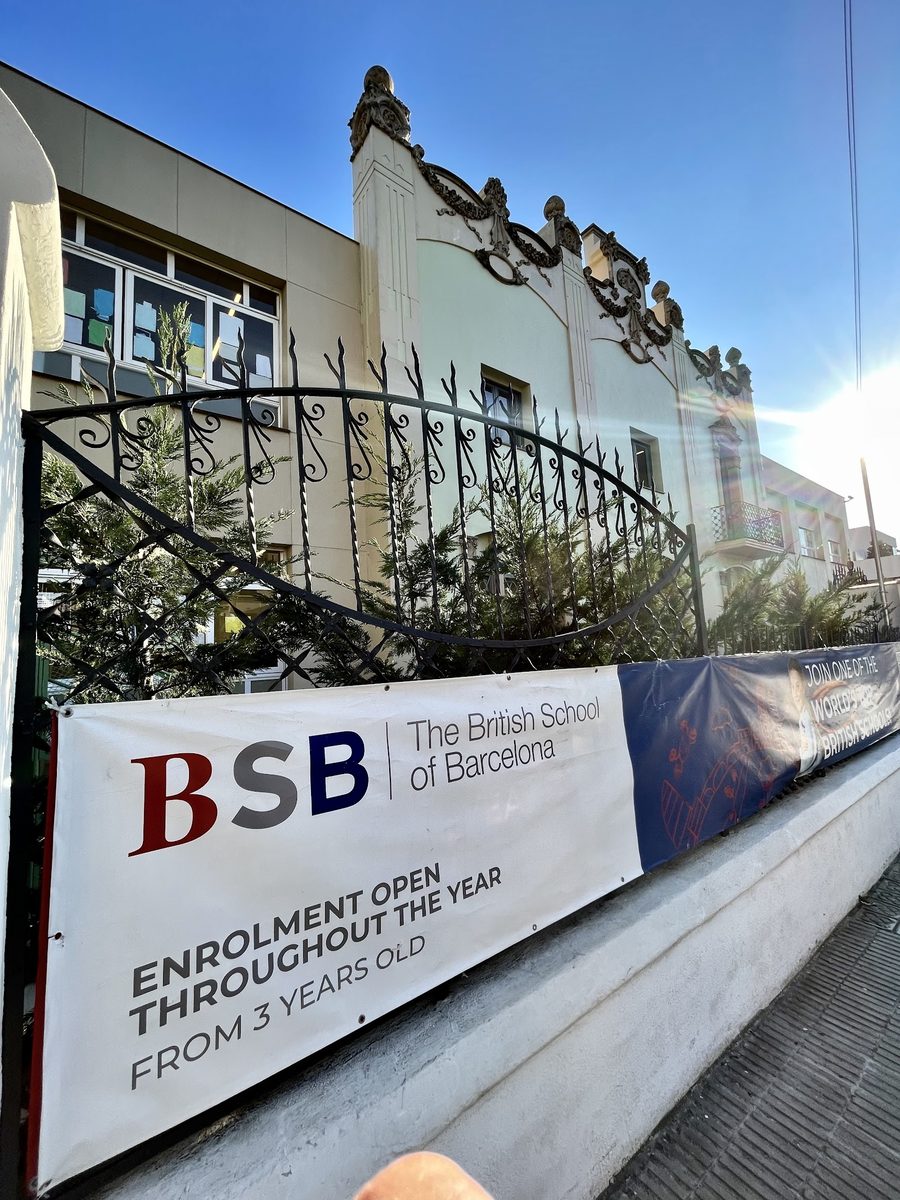
The British School of Barcelona
Sitges · Spain
An intimate Sitges campus for the early years, delivering the English National Curriculum minutes from the beach.
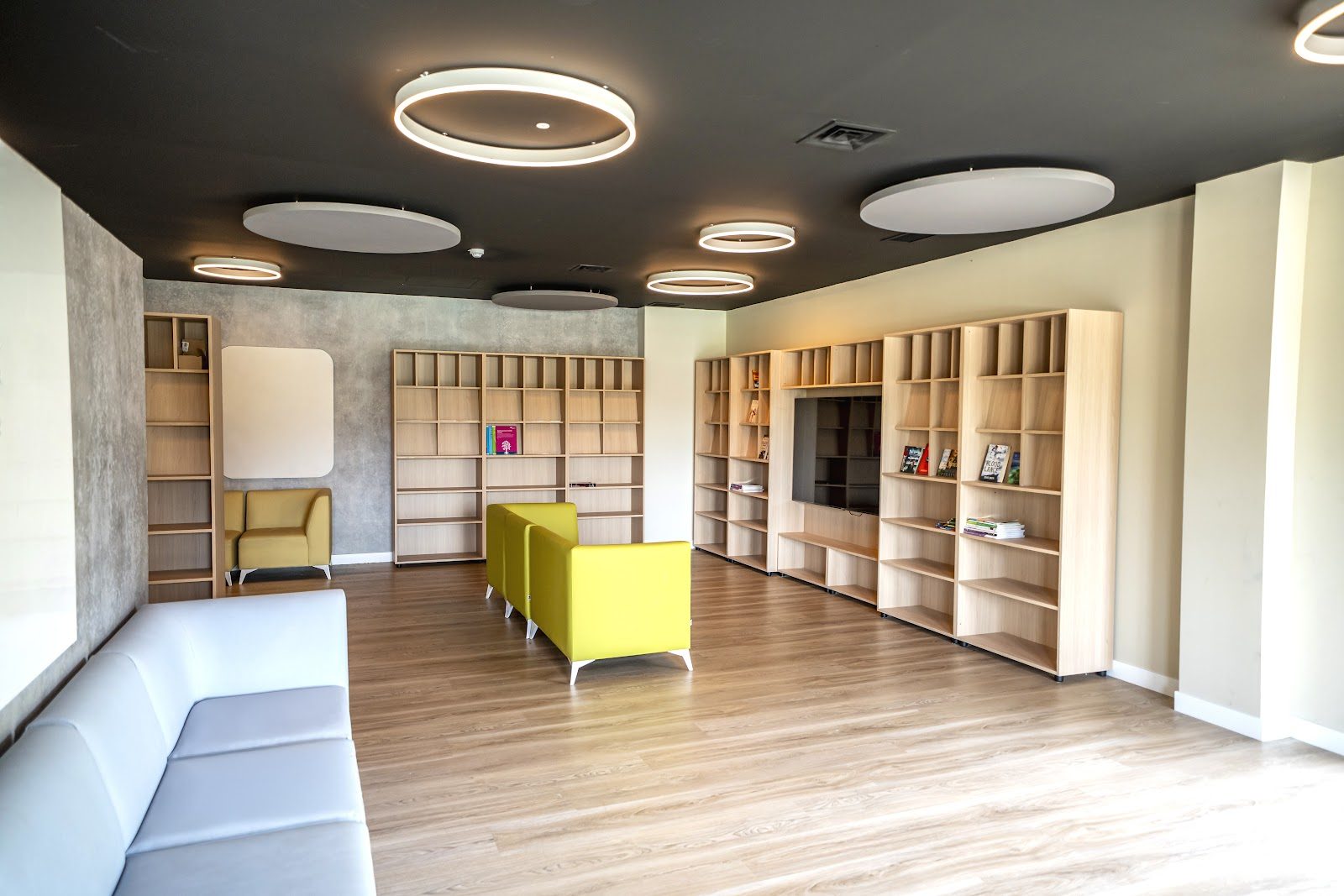
King's College, Soto de Viñuelas
Madrid · Spain
On a 12-acre campus between Madrid and the Sierra de Guadarrama, the only school in the capital offering both A-Levels and the IB in English.
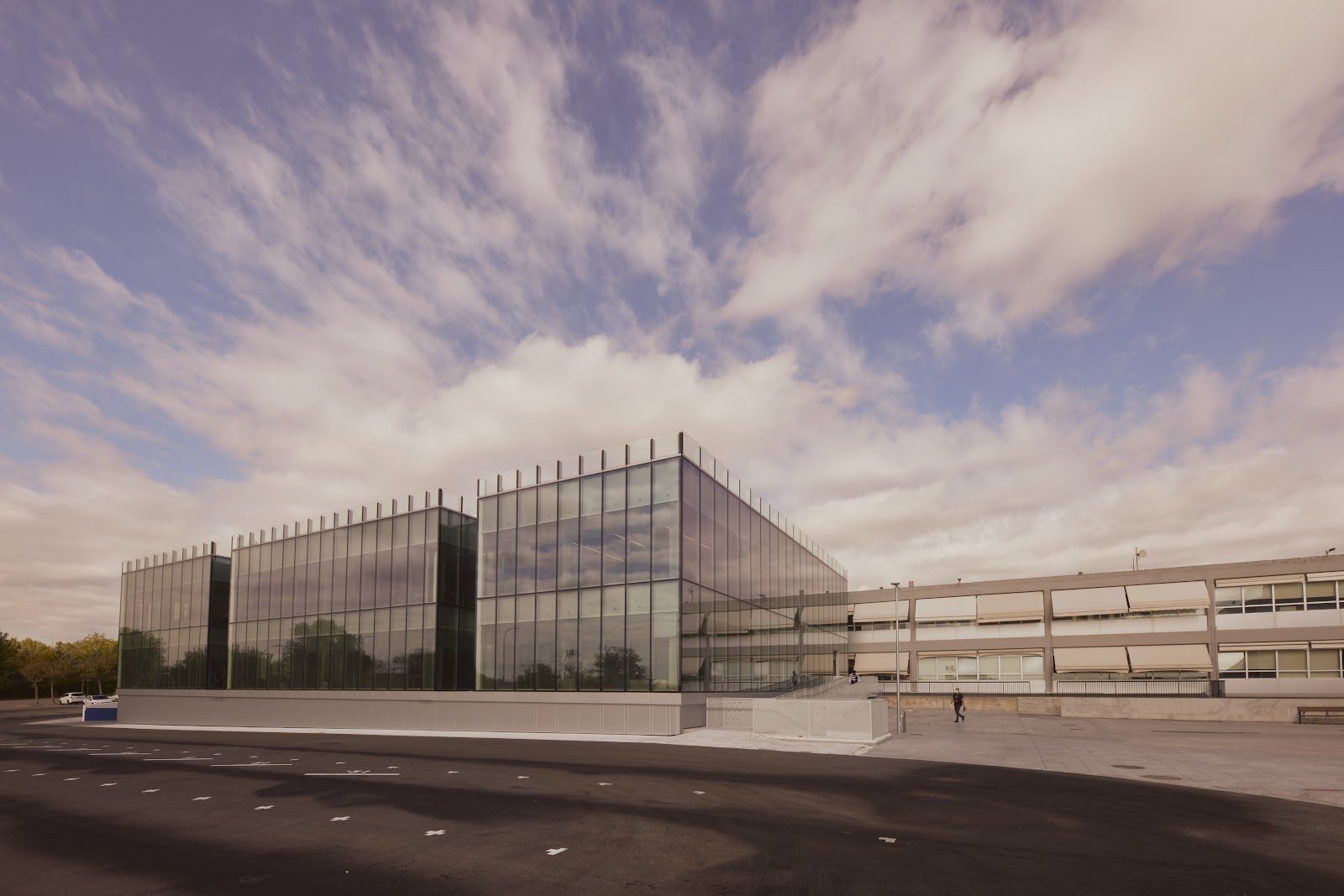
American School of Madrid
Madrid · Spain
On Calle America in Pozuelo, a 1961 founding became the first Spanish school to pair a US diploma with the full IB Diploma Programme.
New Cairo British International School
New Cairo · Egypt
Founded in 1978 by WHO-linked parents, this New Cairo campus runs parallel British and Dutch primary streams into a shared IB sixth form.
Same country and curriculum — closest matches within ±10 points either way