
South Australia
Prince Alfred College
medium confidence· 4/6 cats · 2 avg sourcesA Duke laid its 1867 foundation stone; today this Adelaide college ships Year 9 boys to riverside and peninsula campuses for a term outdoors.
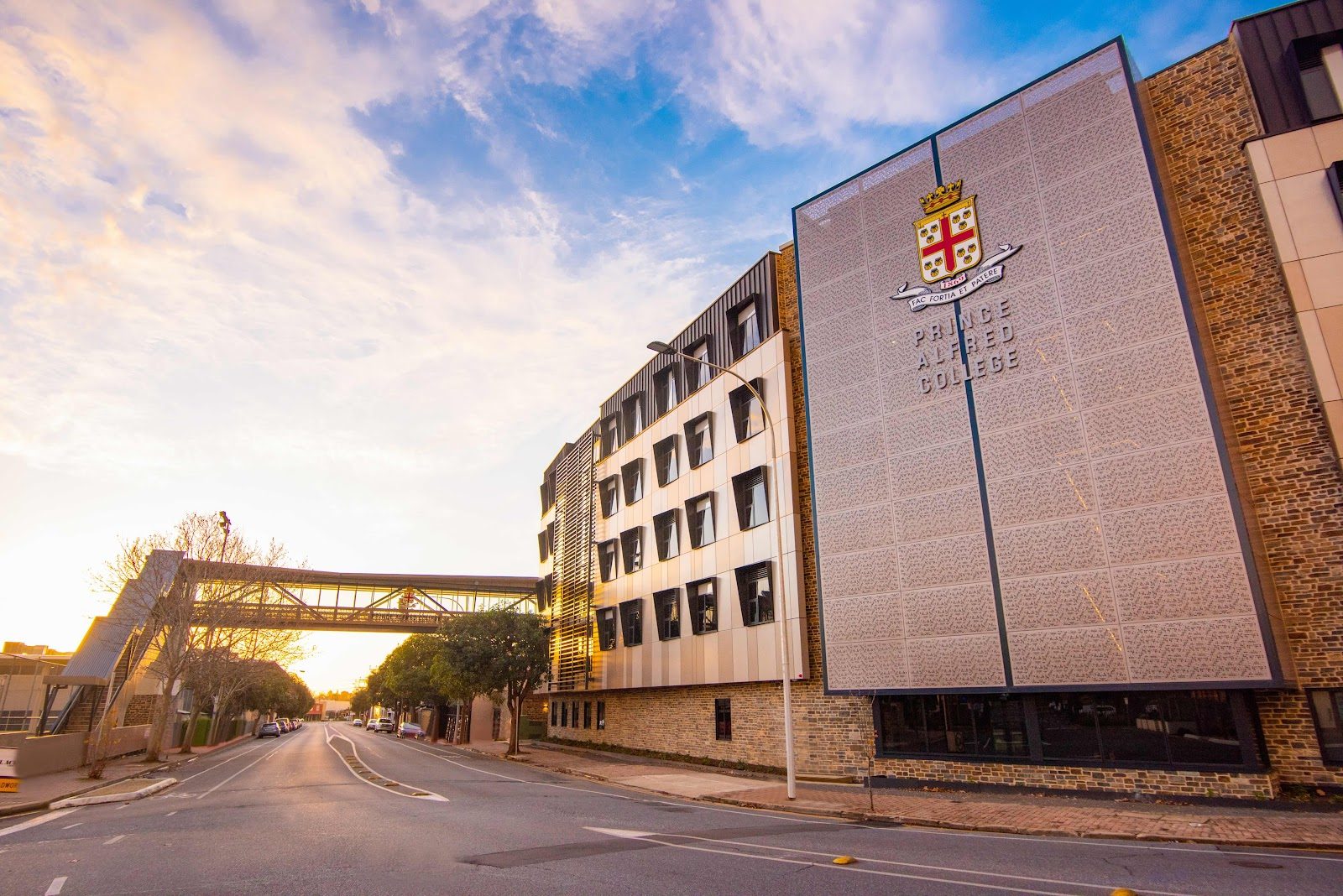
Photo © Prince Alfred College via Google Maps
Type
Both
Ages
3–18
Curriculum
Australian
Qualifications
SACE
Ratio
—
The Verdict
Editor's commitment
Right for
Boys aged 3–18 who want Adelaide day or boarding with Australian schooling and a Year 9 outdoor term beyond campus routines.
Wrong for
Families wanting co-education, a secular setting or anything other than English-medium Australian schooling at this Uniting Church boys’ college.
Watch out for
Founded in 1869 and accredited by AHISA, PAC sells character and breadth; it does not publish hard outcome data here.
Ranking breakdown
Prince Alfred College · #627 of 1591
Composite score 67.5. 8 weighted criteria.
By criterion
Academic Outcomes
Weight 20%
#792
of 1529 scored
University Placement
Weight 16%
#793
of 1529 scored
Prestige & Heritage
Weight 12%
#537
of 1571 scored
Alumni Network
Weight 12%
#338
of 1530 scored
Facilities
Weight 12%
#666
of 1533 scored
Transparency & Communications
Weight 8%
#842
of 1532 scored
Peer & Industry Review
Weight 10%
#793
of 1548 scored
Admissions Selectivity & Demand
Weight 8%
#607
of 1529 scored
Peer & Industry Review
How Prince Alfred College is regarded in the sector
68
Respected · medium confidence
Prince Alfred College is one of Adelaide's leading GPS (Great Public Schools) member institutions, consistently featured in South Australian private school rankings and regarded as a top-tier Adelaide boys' school alongside St Peter's College and Scotch College. It has a notable alumni network including AFL/cricket figures and business leaders, and is referenced in Australian education media (e.g. The Advertiser, InDaily) covering GPS sporting and academic results, though it lacks the national/international profile of Sydney or Melbourne's most prestigious schools and does not feature prominently in global rankings like Tatler or Good Schools Guide, which focus on UK/international schools.
Evidence sources
Editors' overview
Prince Alfred College occupies a clear niche in the Adelaide market: an old-line boys’ school with real boarding depth, a central city site and a serious appetite for structured character-building. Founded in 1869, it carries the weight of South Australian establishment history without needing to advertise it. The proposition is straightforward: Australian curriculum, English-medium teaching, a Uniting Church foundation, boys from early years to Year 12, and a boarding offer that serves rural, interstate and international families as well as day boys. The distinction lies in the school’s insistence on a *well-drilled, tradition-conscious culture* paired with a modern operational polish — redeveloped prep facilities, sport investment and a public emphasis on research-informed teaching rather than vague rhetoric.
What marks PAC out is the way it pushes education beyond the city campus. The school’s own profile leans hard into outdoor education, sport, performing arts, clubs and service, and that matters because this is not a narrow academic hothouse. The editorial hook is stronger still: Year 9 boys spend time off the main campus in term-based outdoor programs on the River Murray and at Scotts Creek on the Yorke Peninsula. That gives PAC a *distinctly South Australian sense of place* and a practical answer to the standard parents’ question of how a boys’ school builds judgement, resilience and independence without lapsing into slogans. Add boarding with more than 150 years of continuity, and the result is a school that understands routine, pastoral management and the demands of boys living away from home.
Parents should shortlist Prince Alfred College if they want a boys’ school with institutional confidence, visible extracurricular range and a coherent all-through structure from age 3–18. It suits families who value tradition, but not inertia; the college is investing in facilities and publicly foregrounding mathematics, science and languages as well as sport. It also suits country families who want Adelaide boarding without the sprawl or anonymity of a giant campus. What PAC does not offer is co-education, progressive looseness or a low-pressure atmosphere. This is a school for boys who respond to expectations, competition, team identity and a strong sense of belonging.
The right student for PAC is a boy who wants to be busy, visible and tested — in the classroom, on stage, on the field and outdoors. He does not need to be a born sportsman, but he will thrive if he can tolerate structure and use it well. Boarders and day boys who want a clear framework for growing up will find one here. Families who want glossy claims and published trophy statistics will find PAC more restrained than some rivals; the school talks more about programmes and formation than headline outcomes. That does not weaken its case. In a crowded independent market, Prince Alfred College stands out as a settled, masculine, full-spectrum school with a long memory and a practical view of how boys mature.
Academic Performance
Prince Alfred College does not publish the aggregate examination data that would let parents place it cleanly against Adelaide’s most overtly results-driven independents. There are no public IB figures to parse, no consolidated ATAR distribution in the public domain, and no schoolwide breakdown of top-band outcomes on its main admissions pages. That matters. In a market where some rivals trade hard on league-table visibility, PAC asks families to trust programme quality, subject breadth and institutional discipline without offering the forensic scorecard that sharp comparison requires. The academic story the school does choose to foreground points elsewhere: an explicitly research-informed teaching model, an innovative mathematics push built around non-routine problem solving, public celebration of language competition success, and external recognition in science.
That profile places PAC in the tier of established all-round boys’ schools where academics matter, but do not monopolise the school’s identity. The message is serious rather than feverish: intellectual ambition sits alongside sport, outdoor education and service, not above them. For some families, that balance is a strength; for others, the lack of published headline outcomes is a real weakness. The safest conclusion is clear. PAC fits best among schools with broad-spectrum aspirations and a disciplined culture, not among the small set of institutions that prosecute an openly exam-maximising brand. If your benchmark is a cold, data-heavy academic pitch, PAC does not supply it.
Facilities
The strongest part of Prince Alfred College’s physical offer is breadth with purpose. The main campus carries the expected infrastructure of an established boys’ school, but the public emphasis falls on active use rather than architectural showmanship: sport, performing arts, clubs, excursions and a boarding house designed as a structured home away from home. Recent capital work matters here. The new preparatory school, refurbishment of the RED Centre and work on a multi-purpose sports field point to a school still spending on its core estate rather than living off inherited reputation. Against peer schools, that places PAC in the well-maintained, fully tooled bracket rather than the ultra-luxury arms race occupied by a few fee-heavy rivals. It has enough facility depth to support a busy all-round education, and the school is right to foreground that.
What lifts PAC above many urban competitors is that its facilities are not confined to the city site. The standout asset is the off-campus outdoor provision: Year 9 boys are sent for term-based learning on the River Murray and at Scotts Creek on the Yorke Peninsula. That is a serious operational commitment, not a token camp programme, and few peer schools integrate outdoor education that deeply into the school experience. Families choosing PAC for polished theatres or headline architecture alone can find flashier campuses elsewhere. Families choosing it for usable, culture-shaping infrastructure — especially sport, boarding and outdoor education — will judge the estate a strong fit.
The strongest part of Prince Alfred College’s physical offer is breadth with purpose
Prestige
Prince Alfred College carries genuine social and institutional weight in South Australia. This is not prestige manufactured through branding; it rests on age, continuity, a central urban setting and a long-established old boys’ network that has been organised since 1878. The school’s own framing is disciplined and traditional, and the wider public record backs that up with an alumni roll that reaches into politics, public service, business and sport. That does not make PAC the state’s most academically fetishised address, and it does not trade with the same glossy inevitability as schools that publish every result in lights. Its prestige is older, steadier and more tribal than that: the prestige of a school whose name carries recognition across professional Adelaide and well beyond it.
I rate it highly because the status has depth and a clear social base. Boarding sharpens that reach by binding country, interstate and international families into the college culture rather than leaving PAC as a narrow metropolitan day school. The result is *establishment prestige with operational substance*: a school with visible reach, durable traditions and enough confidence not to overexplain itself. There is also a hard edge to the proposition. PAC is a boys’ school with a strong internal identity, and that identity will attract families who want belonging, structure and inherited networks. Others will read the same qualities as insular. That tension is real. Prestige here is earned and durable, not universal in appeal.
Prince Alfred College carries genuine social and institutional weight in South Australia
Communications
Prince Alfred College communicates like an established institution that expects parents to meet it halfway. The website is orderly, current and functional: admissions calls to action are easy to find, the school stages are clearly signposted, and the news feed is active enough to show operational life rather than dead air. Recent items on mathematics, science, languages, service learning, transition points and campus works give families a usable read on priorities. That matters more than glossy slogans. The college is telling parents what it is working on, where it is investing and which parts of school life it wants noticed. The tone is controlled, institutionally confident and at times carefully polished. It does not flood the reader with hard outcome data, but it does maintain a clear drumbeat of activity and intent.
For parents, the effect is reassuring but curated. You can track the school’s agenda, see that communications are maintained with discipline, and get a concrete sense of breadth from early years through the senior school. Boarding and international student messaging are handled with the same steady, practical emphasis on care and belonging. The weakness is plain: PAC communicates programmes, updates and ethos more readily than measurable results. Families who want forensic transparency on academic performance will find the public story incomplete. Families who want evidence that the school is organised, active and in command of its own narrative will judge the communications effective. The college publishes enough to project momentum; it does not publish enough to satisfy the most data-hungry parent.
Uniqueness
What sets Prince Alfred College apart is not heritage alone, but the way it uses structure to shape boys’ lives beyond the classroom. The distinctive feature is the Year 9 outdoor term built around the River Murray and Scotts Creek: not an annual camp, not a week of supervised discomfort, but a serious rite of passage folded into the core school experience. That changes the school’s claim on character from slogan to practice. Boys are taken out of the city routine and put into settings that demand judgement, self-management and cooperation. For students, the gain is obvious: resilience gets tested under pressure, friendships get reset outside the pecking order of the main campus, and confidence is built through doing hard things rather than talking about them. In a sector full of schools that promise “whole-person” education, PAC has a concrete, operational answer.
The second point of difference is the combination of that outdoor spine with a deeply embedded boarding culture and an all-through boys’ environment. PAC is not trying to produce polished generalists by accident; it runs on routine, group identity and sustained expectations from the early years to the final school stages. That gives students a strong internal framework: clearer pastoral oversight, more consistent habits, and a stronger sense that sport, service, arts and academics all belong to the same institutional project. For the right boy, that is high-yield formation. For the wrong one, it can feel tight. Either way, it is distinct.
Prince Alfred College communicates like an established institution that expects parents to meet it halfway
Student Profile
The boy who fits Prince Alfred College is comfortable with structure and gains from it. This is a school for students who can handle a high-accountability environment in which adults set expectations clearly and school life extends well beyond lessons. A boy does not need to arrive as a star sportsman or extrovert, but he does need enough stamina to stay engaged across a crowded week of sport, arts, clubs, excursions and house-style belonging. The all-boys setting will suit students who enjoy team identity, direct competition and a culture where visibility matters. It will also suit boarders from rural, interstate and international families who want a school that has done this work for a long time and treats boarding as part of the institution, not an add-on. Entry begins as early as age 2, and the school runs through to Year 12, so boys who thrive here can grow inside one tightly managed culture for the whole journey.
The best match is a student who responds to routine, accepts correction and is willing to be pushed outdoors as well as academically. The Year 9 off-campus term changes the profile sharply: boys who resent disruption, discomfort or communal demands will struggle, while those who benefit from challenge and practical responsibility will gain a lot. PAC suits families who want their sons kept busy, well supervised and expected to contribute. It does not suit boys who need a looser, more anonymous school life or those who resist institutional culture on principle.
What sets Prince Alfred College apart is not heritage alone, but the way it uses structure to shape boys’ lives beyond the classroom
Co-curricular strengths
Arts & sport, on a separate axis
Overall 8.38/10
Scored 0-10 from the school's own published evidence. This axis is editorial-only — it does not feed the main WTS ranking.
Sports
9.5/10
Absolute South Australian athletic giant; fields historically dominant varsity cricket, rowing, and football programs within the elite independent school networks.
Drama
8.8/10
Active theater curriculum staging high-production classical and modern plays inside their primary theater venues.
Dance
6.8/10
Kept strictly as a minor auxiliary component for stage movement in musical theater or physical conditioning matrices.
Music
9.3/10
Strong brass bands, traditional choirs, and jazz ensembles supported by professional-tier performance halls.
Visual Arts
7.5/10
Highly structured fine art layout leaning heavily toward technical drawing, portrait design, and portfolio curation.
Editor-verified · 8/6/2026
Strengths
- +Founded in 1869, making it one of South Australia's oldest and most established independent schools.
- +Affiliated with the Uniting Church, providing a values-based pastoral care framework alongside academic programs.
- +Offers boarding facilities for regional and international students in addition to day schooling from Reception to Year 12.
- +Strong sporting and co-curricular tradition, competing in Adelaide's Associated Schools competitions across multiple disciplines.
- +Located in Kent Town, close to the Adelaide CBD, offering convenient access for day-student families.
Considerations
- −Single-sex boys' school, which rules it out for families wanting a co-educational environment.
- −Fees are substantial, in line with Adelaide's other established independent schools, requiring careful financial planning.
- −Lower international brand recognition compared to larger global schools, reflected in its 'rising star' editorial tier.
- −Boarding cohort size and international student support services are less extensive than at larger boarding-focused schools.
Availability
Primary entry gate & tests
Academic Record + Interview
Gallery
Photo © Prince Alfred College via Google Maps
Photo © Prince Alfred College via Google Maps
Photo © Prince Alfred College via Google Maps
Photo © Prince Alfred College via Google Maps
Photo © Prince Alfred College via Google Maps
Parent reviews
Have you sent your child here?
Voice reviews carry the strongest trust badge — we transcribe them for you to tidy up before they go live. Prefer to type? A written review is fine too.
Add your voice
In 60 seconds, tell other parents: what's the best thing about Prince Alfred College, and what surprised you when your child joined?
We ask for a Google sign-in so every review has a real face behind it — no anonymous drive-by attacks on schools, and no faked positive reviews. Your email is never shown publicly.
Send this profile to a friend
International parents rely on word-of-mouth. Share this review with someone weighing the same decision.
Schools with places
Similar schools to Prince Alfred College with places available now.
Ivanhoe Grammar School
Melbourne · Australia
- 2026-27
- WAITPOOLVacancy-dependent
- 2027-28
- PLACES OPEN
Ascham School
Sydney · Australia
- 2026-27
- WAITPOOLVacancy-dependent
- 2027-28
- PLACES OPEN
Pymble Ladies' College
Sydney · Australia
- 2026-27
- WAITPOOLVacancy-dependent
- 2027-28
- PLACES OPEN
Wesley College
Melbourne · Australia
- 2026-27
- WAITPOOLVacancy-dependent
- 2027-28
- PLACES OPEN
Availability first, then country, area, curriculum, price, co-curricular
Consider also
Also worth looking at alongside Prince Alfred College.
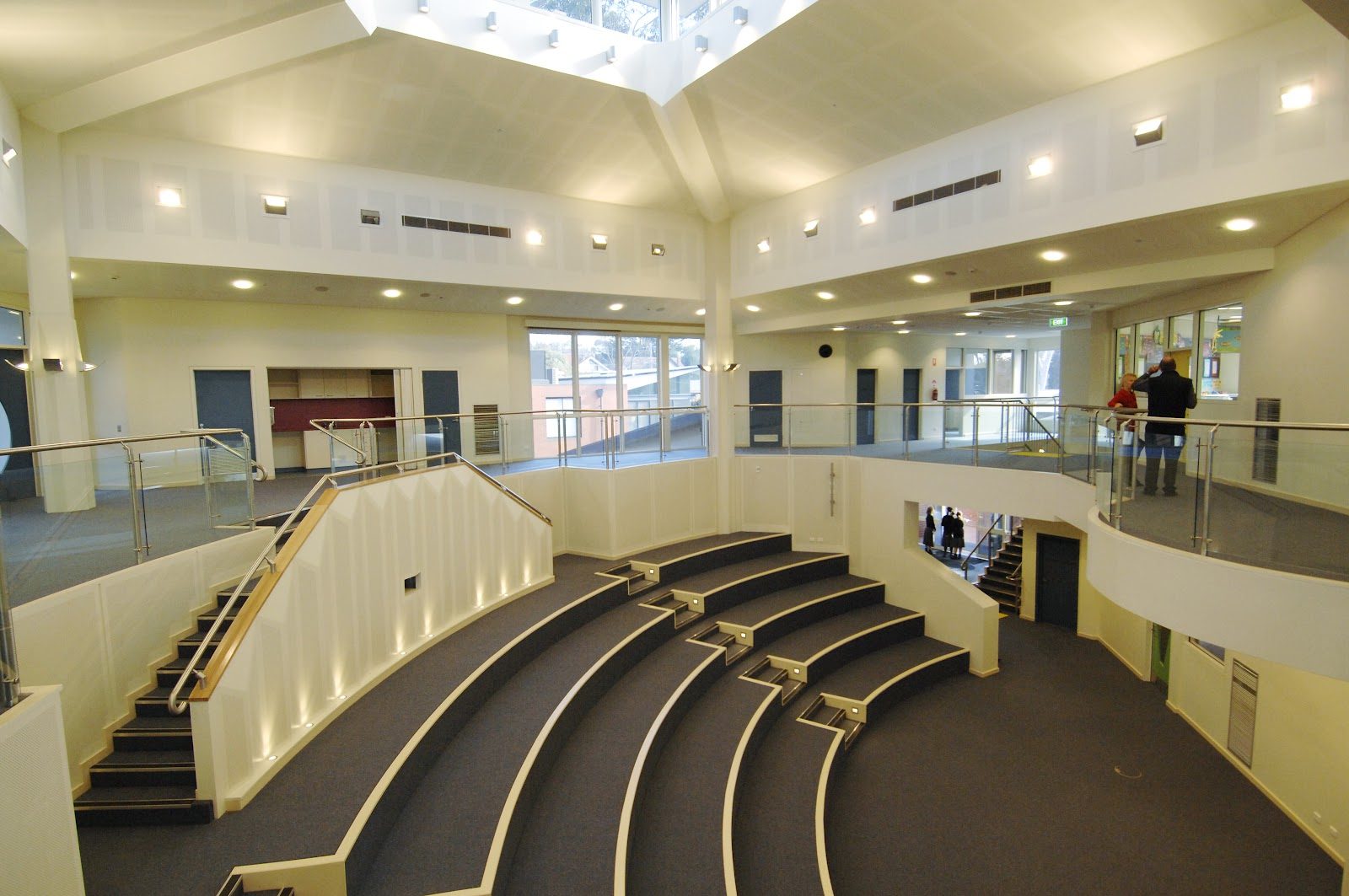
Ivanhoe Grammar School
Melbourne · Australia
A Year 9 campus embedded at La Trobe University anchors a Round Square network across Melbourne's north, offering both VCE and IB pathways.
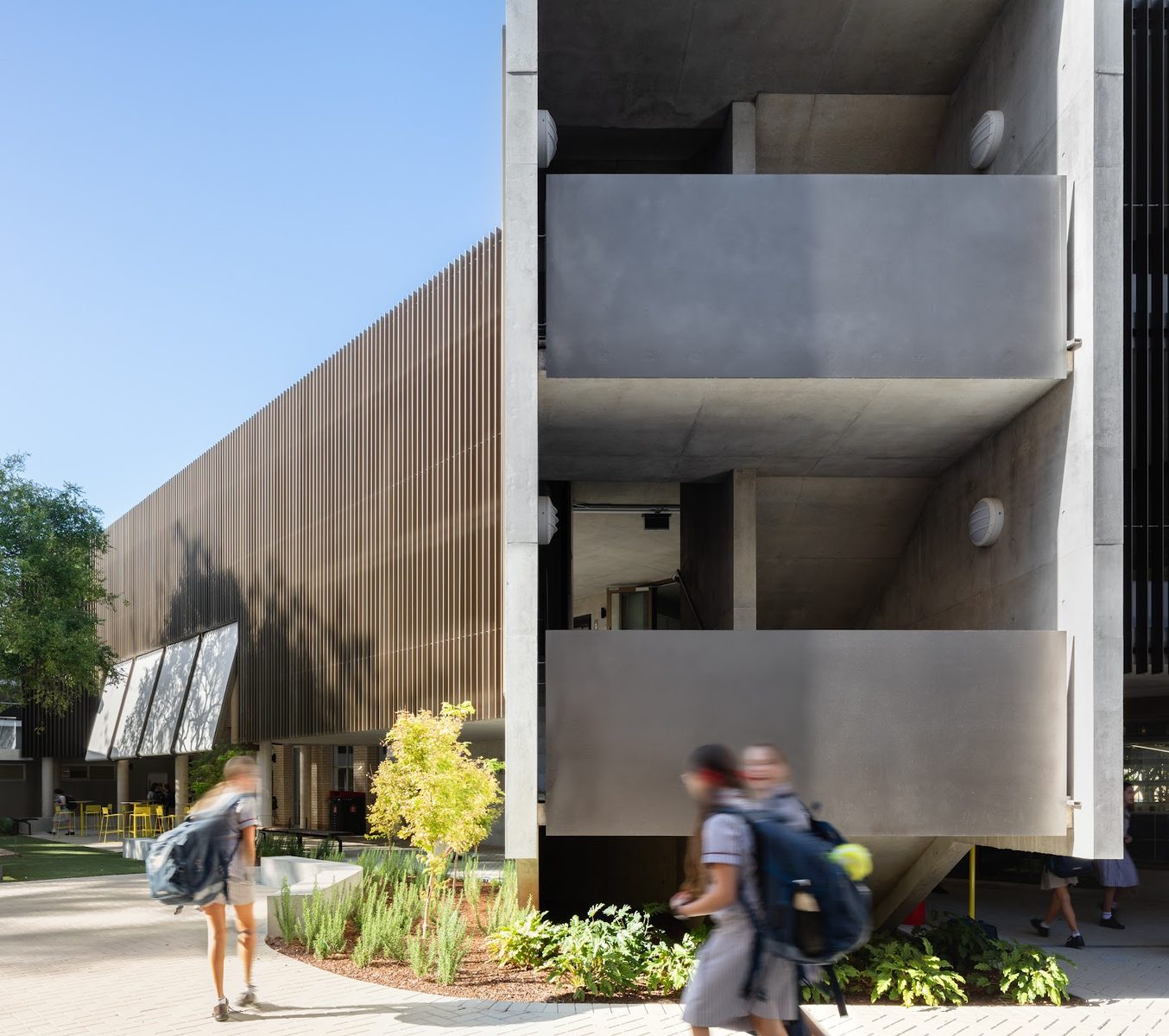
Ascham School
Sydney · Australia
Sydney's storied girls' boarding school, pairing the Dalton Plan with a rigorous HSC pathway.
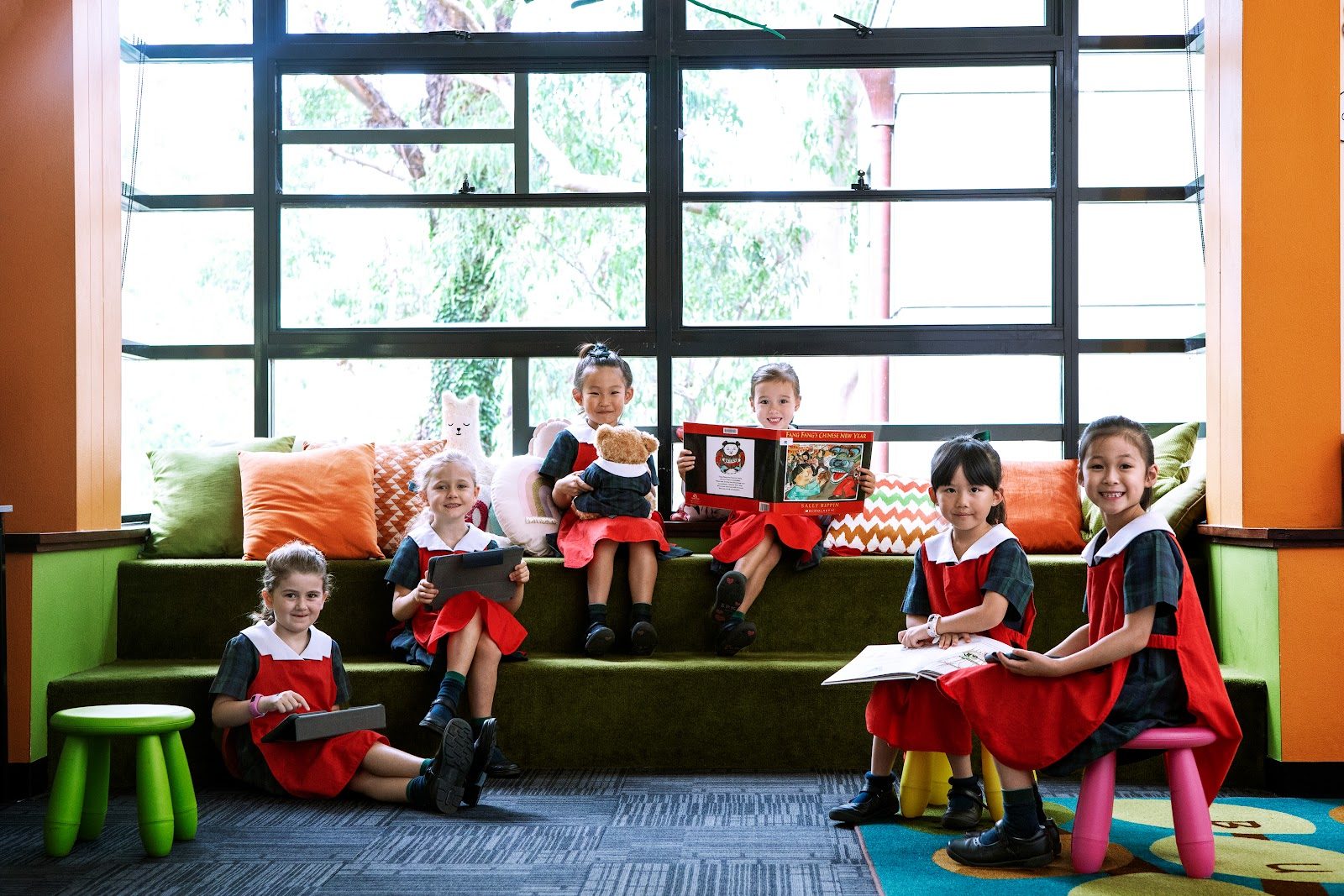
Pymble Ladies' College
Sydney · Australia
On Sydney's Upper North Shore, a non-selective campus of five schools lets girls choose between the IB and HSC pathways.
Cranbrook School
Sydney · Australia
Sydney's first IB Continuum School, pairing Bellevue Hill harbour views with a Blue Mountains bush campus for experiential learning.
Same country and curriculum — closest matches within ±10 points either way