
Pennsylvania
Founded in 1894 by three Quaker sisters to prep girls for Bryn Mawr College next door, now a coed Main Line day school built on Positive Education.
Type
Day
Ages
3–18
Curriculum
American
Qualifications
AP · US High School Diploma
Ratio
5:1
The Verdict
Editor's commitment
Right for
Families wanting a Bryn Mawr day school, founded in 1894, with American college-prep and a lean 1:8 student-teacher ratio.
Wrong for
Anyone needing boarding, religious formation or another curriculum: Shipley is non-religious, day-only, American, and teaches in English from ages 3–18.
Watch out for
Positive Education is the sell, but NAIS accreditation and a 1:8 ratio do not answer the harder question: the school publishes no public outcomes here.
Ranking breakdown
The Shipley School · #899 of 1591
Composite score 63.7. 8 weighted criteria.
By criterion
Academic Outcomes
Weight 20%
#959
of 1529 scored
University Placement
Weight 16%
#965
of 1529 scored
Prestige & Heritage
Weight 12%
#912
of 1571 scored
Alumni Network
Weight 12%
#544
of 1530 scored
Facilities
Weight 12%
#933
of 1533 scored
Transparency & Communications
Weight 8%
#842
of 1532 scored
Peer & Industry Review
Weight 10%
#1216
of 1548 scored
Admissions Selectivity & Demand
Weight 8%
#888
of 1529 scored
Peer & Industry Review
How The Shipley School is regarded in the sector
63
Respected · medium confidence
Within the Philadelphia Main Line hierarchy, Shipley is consistently grouped with Episcopal Academy, Haverford School, Baldwin School and Agnes Irwin as a peer rather than an aspirant; these schools compete for the same applicant pool and meet regularly through the Inter-Ac athletic league, an informal but real peer-recognition network. College admissions patterns, as far as publicly reported, show steady matriculation to selective liberal-arts colleges and flagship state universities with occasional Ivy admits - consistent with how admissions offices generally regard Main Line day schools: reliably prepared, but not a distinct 'feeder' in the way certain New England boarding schools are treated. Shipley draws little attention from UK-oriented outlets such as Good Schools Guide or WhichSchoolAdvisor, whose coverage skews toward British and international schools. Its visibility is largely confined to regional Philadelphia press and Main Line community publications rather than national league tables, indicating a well-regarded but geographically bounded reputation rather than one benchmarked nationally or internationally.
- Chase Coleman III — Founder/CEO, Tiger Global Management, Finance
- Chevy Chase — Actor/Comedian, Entertainment
- Sloane Crosley — Author, Literature
Editors' overview
The Shipley School occupies a distinctive niche on the Main Line: a long-established, academically serious day school with roots that still matter. Founded in 1894 by three Quaker sisters to prepare girls for Bryn Mawr College, it now serves boys and girls from age 3 to 18 in a co-educational, American college-preparatory model. That origin gives Shipley more than a good story. It gives the school an enduring intellectual and moral frame: close attention to character, clear expectations around community life, and a tone that values reflection as much as performance. In a market crowded with polished independents, Shipley has a strong sense of identity.
What sets it apart now is the combination of scale and ethos. With a student-teacher ratio of 1:8, Shipley offers the small-class access and close adult attention that parents paying for an independent school expect. The school also leans hard into Positive Education, which places student wellbeing, emotional literacy and resilience alongside academic work. That will appeal to families who want ambition without a joyless grind. The risk, for some parents, is that the language of wellbeing can drift into jargon or over-management. The test is execution: whether pastoral care sharpens academic confidence or dilutes urgency. Shipley’s attraction lies in the promise of both pastoral seriousness and intellectual discipline.
This school belongs on a shortlist for families who want a grounded, thoughtful school rather than a swaggering one. It suits students who thrive when adults know them well, who want a full pre-K–12 experience, and who benefit from steady mentoring rather than sink-or-swim competition. The best fit is the child who is bright, engaged, and prepared to participate — in class, in community, and in the daily business of school life. Families hunting for a huge campus, a boarding environment, or a high-octane culture built around constant public triumphs may prefer other Main Line options. Families who want a close-knit day school with historical depth, a clear educational philosophy, and access to Philadelphia from Bryn Mawr will find Shipley an intelligent choice.
Academic Performance
Shipley is an academic school by design, but its public reporting on attainment is thin. We have not seen aggregate SAT or ACT data, AP score distributions, matriculation tables by destination tier, or year-on-year exam summaries that would let parents place outcomes cleanly against Main Line competitors. That matters. In this market, schools with serious academic confidence publish enough hard data to show where their top end lands and how broad that success runs. Shipley’s college-preparatory identity carries weight, but identity is not the same as transparent performance reporting.
That does not put the school in a weak bracket; it puts it in an opaque one. The low staffing ratio — 1:8 — points to the conditions for close academic support, and a pre-K–12 structure gives schools room to build habits over time rather than patch gaps late. Parents can infer a culture of high adult involvement and steady preparation. They cannot verify external-exam strength at the level that the most results-conscious families will want. Relative to peers, Shipley fits the group of respected independents whose reputation rests on institutional trust and educational philosophy as much as published numbers. For some families that is enough. For others, especially those comparing selective day schools on measurable outcomes, the absence of disclosed headline results is a real weakness.
Facilities
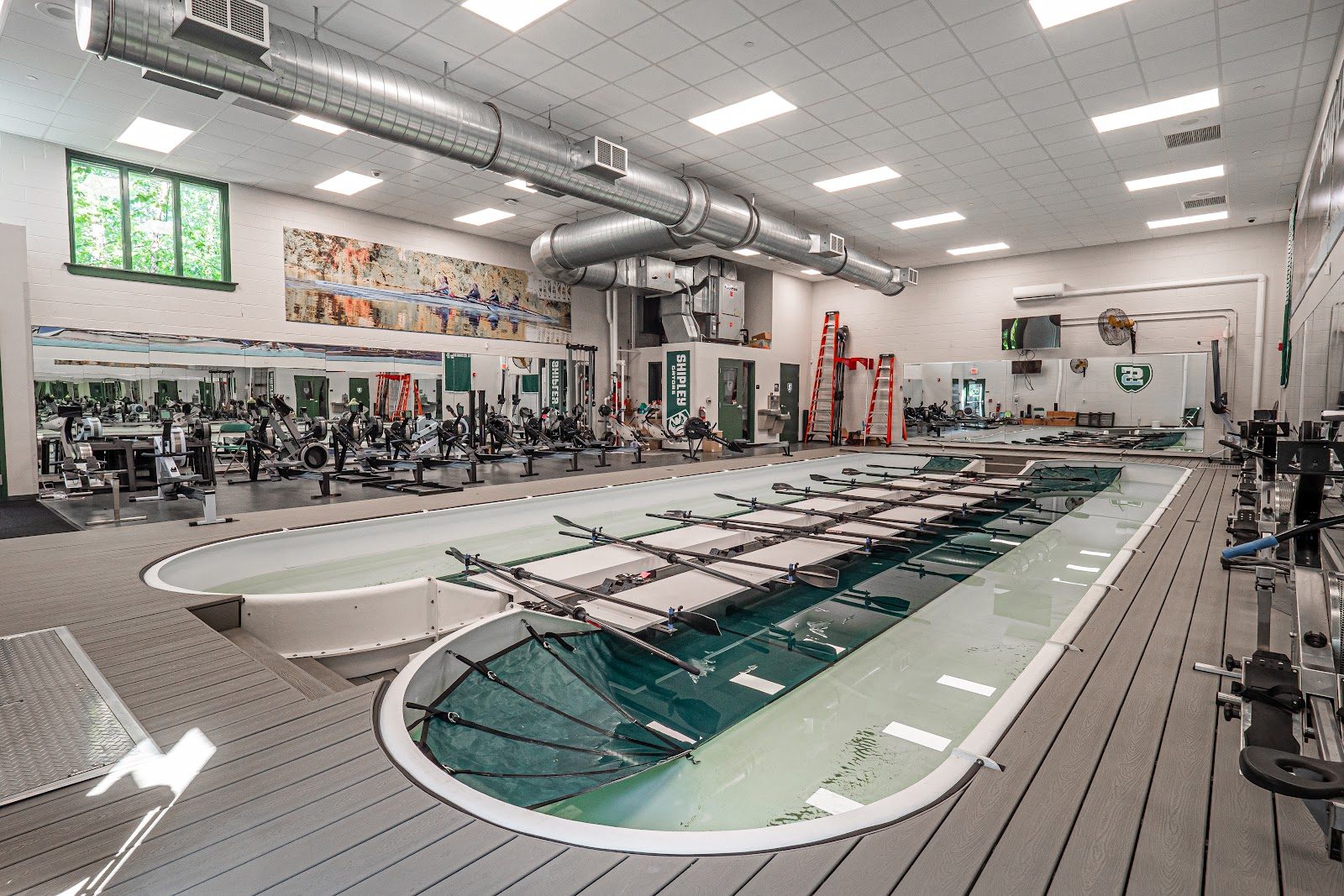
Shipley does not trade on vast grounds or headline-grabbing specialist complexes, and that matters when benchmarking it against the grander Main Line independents. Families should expect a campus built for daily use, close supervision and steady participation rather than architectural theatre. For a school of its scale, that can work well: younger children gain a contained, manageable environment, and older pupils move through the day without the sprawl that turns large campuses into logistical exercises. The key question is not whether Shipley has the flashiest estate in its peer set; it does not. The question is whether its facilities support a full college-preparatory day-school experience with enough room for arts, sport and community life. They do, but without the country-club excess that marks some competitors.
Against peer schools, that places Shipley in the solid middle: more intimate, less expansive, and dependent on careful programming rather than brute physical scale. The school’s low 1:8 staffing ratio eases pressure on space because access can be managed through smaller groups, which matters in studios, performance areas and athletic provision. Parents who want showpiece facilities as proof of value will find stronger hardware elsewhere. Parents who care more about whether children can actually use the spaces, know the adults in them, and avoid getting lost in an oversized plant will read Shipley’s campus as practical, human-scale and aligned with its educational character. Public detail on the estate is thin, so the school leaves too much for parents to verify in person.
The Shipley School occupies a distinctive niche on the Main Line: a long-established, academically serious day school with roots that still matter
Prestige
Shipley’s prestige sits in the quietly established tier rather than the chest-beating one. On the Main Line, that matters. This is a school with deep local legitimacy, a long memory, and the social advantage that comes from serving families who value continuity, discretion and academic polish over institutional showmanship. A low staffing ratio of 1:8 reinforces that premium feel: individual attention is not an aspiration here but part of the offer. The school’s association with Positive Education also gives it a distinctive profile in a crowded independent-school market. That cuts both ways. For some families it reads as serious pastoral intent; for others it risks sounding fashionable unless backed by hard academic evidence.
That qualification keeps Shipley below the very top prestige bracket. The strongest schools at that level pair social standing and name recognition with unambiguous published outcomes. Shipley does not. Its reputation rests more on heritage, community confidence and educational ethos than on a public display of elite results. That still carries weight, especially with families who know the Philadelphia suburbs well and do not need a school to advertise itself aggressively. In that sense, Shipley has old independent-school capital: respected, selective in feel, and credible with informed local parents. It has prestige, but it is measured prestige — strong within its world, less dominant outside it.
In this market, schools with serious academic confidence publish enough hard data to show where their top end lands and how broad that success runs
Communications
Shipley communicates in the idiom of a high-touch independent school: direct parent contact, heavy reliance on relationships, and an expectation that families stay engaged rather than passively informed. That suits the school’s scale and its through-school structure. In a place where adults know children well and pastoral philosophy carries real weight, communication cannot be left to occasional mass emails and polished website copy. Parents need clear reporting on academic progress, conduct, wellbeing and day-to-day logistics, delivered with enough regularity to prevent surprises. The low staffing ratio — 1:8 — supports that model. It gives the school the practical capacity for individualised contact rather than generic broadcast messaging, and that is the standard parents should expect.
The strength of this approach is obvious: families who value access, continuity and close adult attention will get a more personal line into the school than they would at a larger, more bureaucratic institution. The weakness is just as clear. Relationship-driven communication can slide into inconsistency if one teacher writes brilliantly, another sparsely, and a third only when a problem has already hardened. Shipley’s wider public communication also leaves gaps. The school does not publish enough hard academic outcome data, which weakens confidence in how fully it communicates performance to the market. Internally, it has the ingredients for thoughtful, responsive parent communication. Externally, it still asks families to trust too much.
Uniqueness
Shipley’s distinctiveness lies in the way it ties an old Main Line inheritance to a modern pastoral doctrine and treats both as operational, not decorative. Plenty of American independents talk about character; Shipley builds much of its identity around Positive Education and asks families to buy into that frame. That gives the school a clear internal logic. Academic work, pastoral care and conduct sit in one system rather than three separate promises. For students, the benefit is coherence: adults are not only teaching subjects or handling problems as they arise, but working from a shared view of how children grow, fail, recover and contribute. In a crowded day-school market, that is genuinely differentiating. It also makes the school a poor fit for families who want a harder-edged, purely results-first culture.
Its other point of difference is intimacy with reach. A through-school structure and a 1:8 staffing ratio create the conditions for close adult knowledge over many years, which matters more than glossy rhetoric about community. Students get continuity, repeated observation and fewer opportunities to disappear in the system. Done well, that produces steady confidence rather than brittle polish: children know where they stand, teachers know when to push, and support arrives before problems calcify. The trade-off is plain. This kind of school asks for participation and buys heavily into its own ethos. Students who want anonymity, social churn or a more impersonal proving ground will find Shipley too closely held.
The school’s association with Positive Education also gives it a distinctive profile in a crowded independent-school market
Student Profile
Shipley suits students who do well in a school where adults pay attention and expect something back. The best fit is the child who is academically able, emotionally readable, and willing to participate without constant performance theatre. This is not a sink-or-swim environment, nor a place that prizes swagger. It will reward students who can handle feedback, work steadily, and engage with a community that takes conduct and self-management seriously. Children who need warm structure, close monitoring and room to grow into confidence will find a strong pastoral net. Children who want to coast on charm, disappear into the crowd, or treat school as a transactional route to university will hit friction fast.
Socially, Shipley fits families who want a contained, intentional culture rather than a loose one. Students who value trusted adults, durable peer groups and a thoughtful, high-accountability atmosphere will settle well. The school’s low staffing ratio — 1:8 — points to a student experience with little anonymity, and that cuts both ways. Sensitive, reflective children can thrive here because they are known. So can motivated all-rounders who want to try things without being swallowed by a giant institution. More independent-minded teenagers who dislike pastoral language, resist adult oversight, or prefer a sharper competitive edge may find the school too managed and too intimate for comfort.
That qualification keeps Shipley below the very top prestige bracket
Co-curricular strengths
Arts & sport, on a separate axis
Overall 8.48/10
Scored 0-10 from the school's own published evidence. This axis is editorial-only — it does not feed the main WTS ranking.
Sports
8.8/10
Preeminent Main Line day athletic force, fielding nationally competitive cross-country, tennis, and squash programs across state-of-the-art grounds.
Drama
8.8/10
Ambitious theater curriculum staging large-scale classical and contemporary plays inside their primary performing arts spaces.
Dance
7/10
Popular choreographic asset utilized to build movement and synchronization ensembles for large-scale performance showcases.
Music
8.8/10
Outstanding symphonic wind bands, jazz big bands, and orchestral ensembles that highlight major cultural showcases.
Visual Arts
9/10
Highly structured fine art layout leaning heavily toward technical drawing, fine oils, and advanced portfolio mastery.
Strengths
- +Pre-K–12 college preparatory pathway on one campus
- +Bryn Mawr location, about 10 miles from Philadelphia
- +Day school suits families living locally year-round
- +NAIS accreditation offers a recognised quality benchmark
Considerations
- −No boarding; unsuitable for unaccompanied international pupils
- −American curriculum only; no IB or British pathway
- −English-only instruction may limit non-fluent applicants
Availability
Primary entry gate & tests
Application + school records; SSAT for some international
Gallery
Parent reviews
Have you sent your child here?
Voice reviews carry the strongest trust badge — we transcribe them for you to tidy up before they go live. Prefer to type? A written review is fine too.
Add your voice
In 60 seconds, tell other parents: what's the best thing about The Shipley School, and what surprised you when your child joined?
We ask for a Google sign-in so every review has a real face behind it — no anonymous drive-by attacks on schools, and no faked positive reviews. Your email is never shown publicly.
Send this profile to a friend
International parents rely on word-of-mouth. Share this review with someone weighing the same decision.
Schools with places
Similar schools to The Shipley School with places available now.
The Haverford School
Haverford · United States
- 2026-27
- CLOSEDRegular cycle closed
- 2027-28
- OPENS SOONOpens Sept '26
Germantown Friends School
Philadelphia · United States
- 2026-27
- CLOSEDRegular cycle closed
- 2027-28
- OPENS SOONOpens Sept '26
The Hill School
Pottstown · United States
- 2026-27
- CLOSEDRegular cycle closed
- 2027-28
- OPENS SOONOpens Sept '26
The Baldwin School
Bryn Mawr · United States
- 2026-27
- CLOSEDRegular cycle closed
- 2027-28
- OPENS SOONOpens 1 Sept '26
Availability first, then country, area, curriculum, price, co-curricular
Consider also
Also worth looking at alongside The Shipley School.
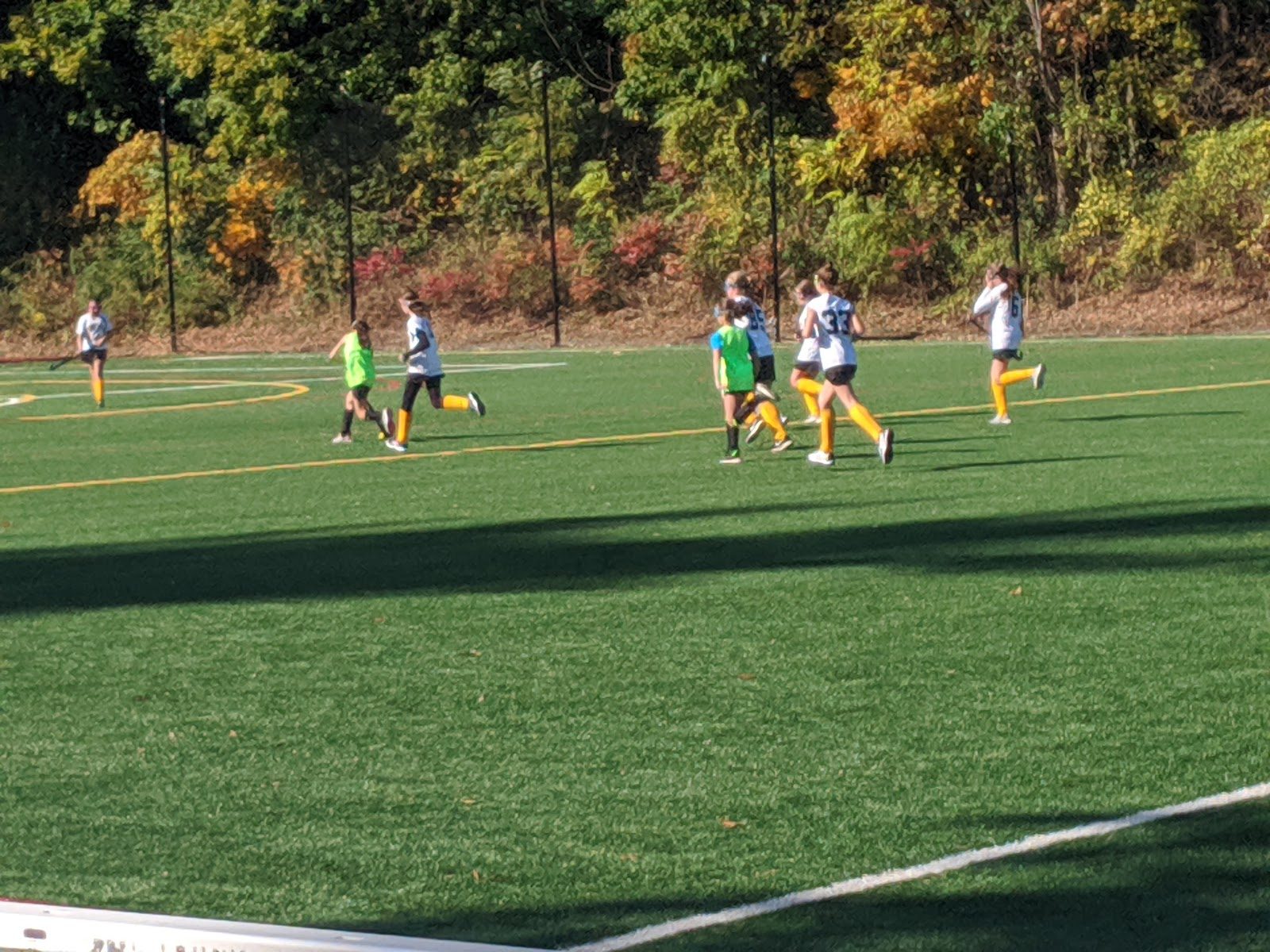
Greenwich Academy
Greenwich · United States
Connecticut's oldest all-girls school pairs single-sex grounding with coeducational upper-school classes shared alongside Brunswick's boys.
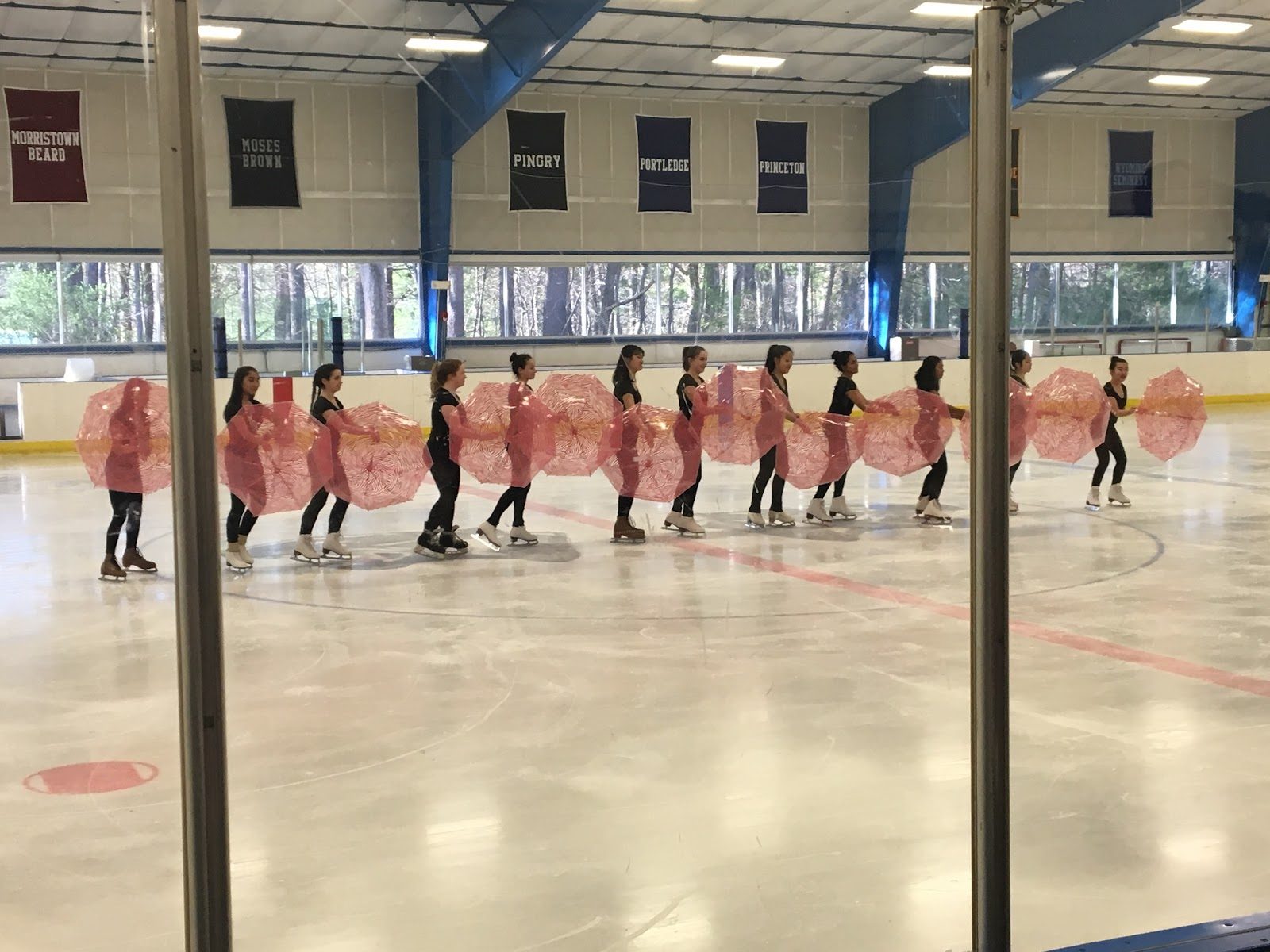
Princeton Day School
Princeton · United States
Formed by a 1965 merger of two century-old Princeton schools, pairing STEAM rigor with a rare four-year architecture program across 106 acres.

The Browning School
New York City · United States
Manhattan's only K-12 all-boys day school, expanding onto East 64th Street after nearly 140 years on the Upper East Side.
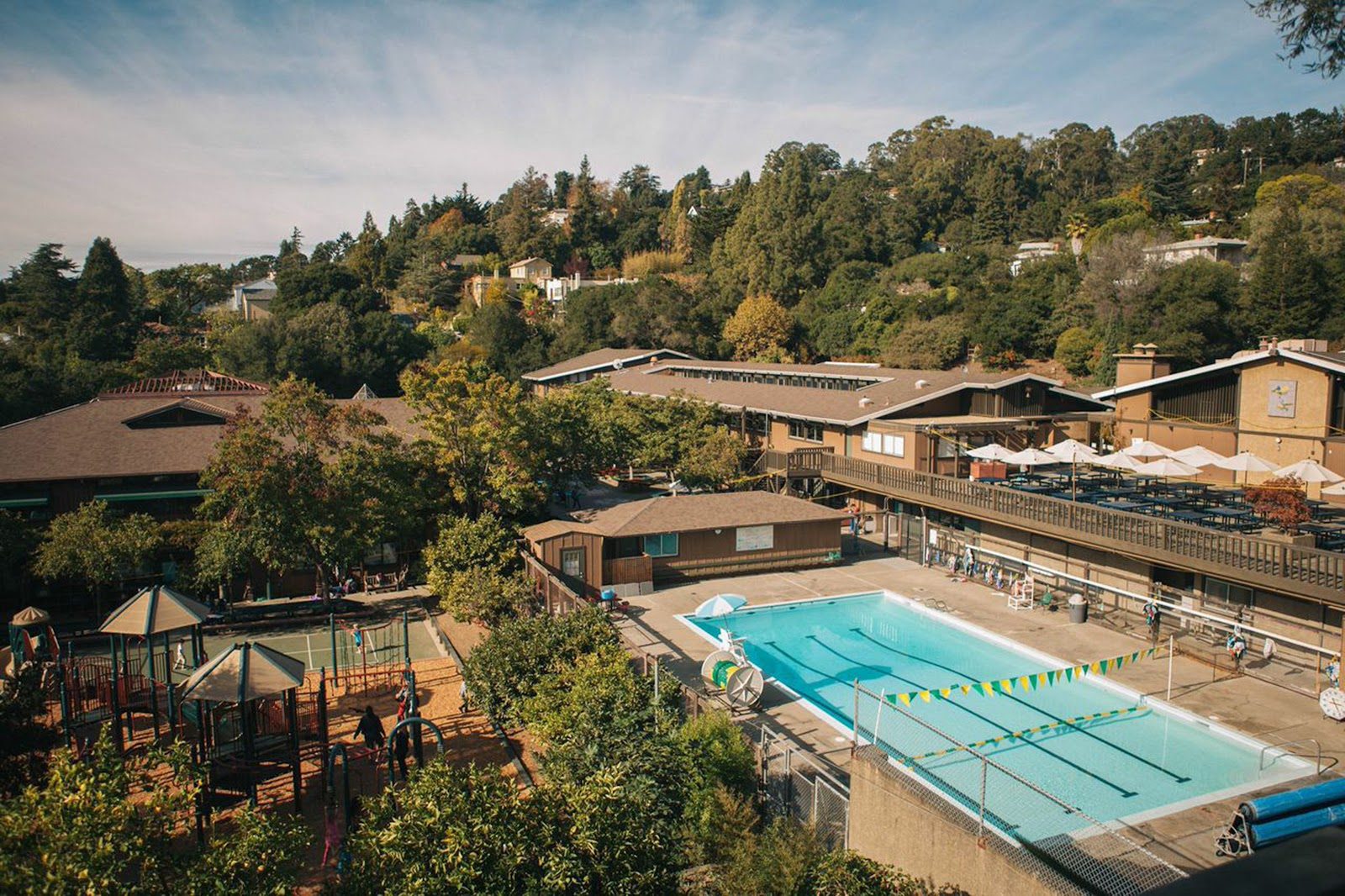
Head-Royce School
Oakland · United States
Since 1887 on a wooded Oakland hills campus, pairing rigorous scholarship with a decades-old public-school partnership that opens college doors for first-generation students
Same country and curriculum — closest matches within ±10 points either way