
Valle del Cauca
Colegio Bilingüe Diana Oese
On a 3-hectare farm campus in La Buitrera, a sensory bilingual method has topped Colombia's Saber 11 rankings twice.
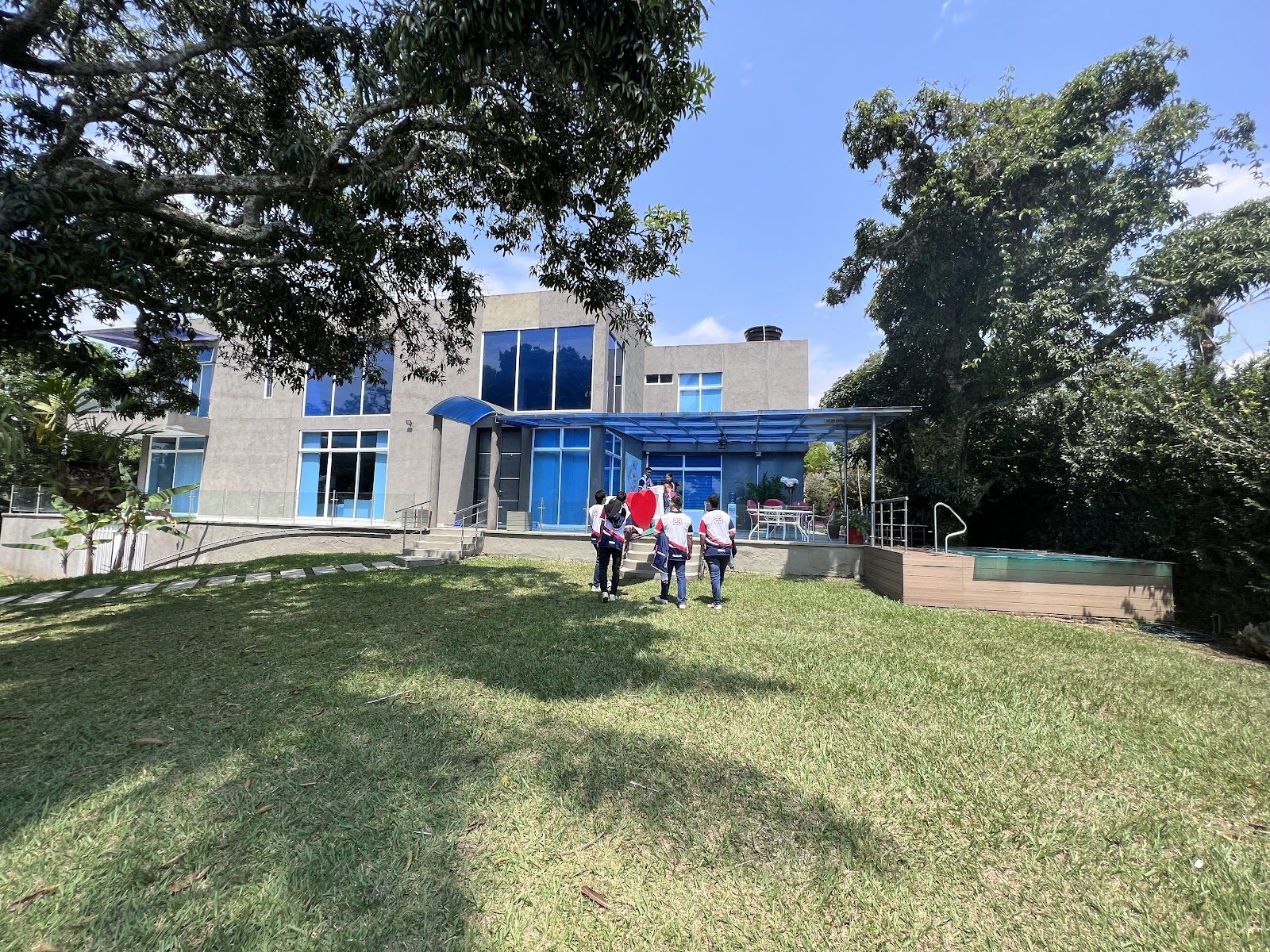
Photo © All-on-4 Zigomatic / OdontoSOAT via Google Maps
Type
Day
Ages
3–18
Curriculum
Colombian · American
Qualifications
Colombian national curriculum · IB Diploma
Ratio
—
The Verdict
Editor's commitment
Right for
Families in Cali who want Spanish-English teaching from ages 3–18 on a 3-hectare La Buitrera campus with IB backing.
Wrong for
Parents who want boarding, a single-curriculum school, or a city-centre location; this is a day school in Cali with Colombian and American strands.
Watch out for
The school trades on topping Saber 11 twice, but it does not publish enough detail here on cohort size or outcomes beyond that claim.
Ranking breakdown
Colegio Bilingüe Diana Oese · #1558 of 1591
Composite score 42.1. 8 weighted criteria.
By criterion
Academic Outcomes
Weight 20%
#1459
of 1529 scored
University Placement
Weight 16%
#1488
of 1529 scored
Prestige & Heritage
Weight 12%
#1544
of 1571 scored
Alumni Network
Weight 12%
#1267
of 1530 scored
Facilities
Weight 12%
#1465
of 1533 scored
Transparency & Communications
Weight 8%
#1497
of 1532 scored
Peer & Industry Review
Weight 10%
#1529
of 1548 scored
Admissions Selectivity & Demand
Weight 8%
#1471
of 1529 scored
Peer & Industry Review
How Colegio Bilingüe Diana Oese is regarded in the sector
40
Regional · medium confidence
Colegio Bilingueue Diana Oese has almost no footprint in the international peer-review ecosystem that typically benchmarks challenger-tier schools. It does not appear in WhichSchoolAdvisor or Good Schools Guide databases, both of which concentrate on UK, Middle Eastern and select Latin American international schools with larger expatriate enrollments, and it is absent from national newspaper league tables such as El Tiempo's or Semana's annual colegios rankings, which tend to favor Bogota- and Medellin-based institutions. No quoted commentary from heads of rival Cali bilingual schools (e.g., Colegio Bolivar, Colegio Alemán) or from university admissions officers referencing Diana Oese graduates could be verified in public sources. Its visibility is largely local: it is recognized within Cali's bilingual-education circuit and holds standard Secretaria de Educacion de Cali certification, but it does not present at regional or international school-leadership conferences (e.g., COBIS, CIS forums) in any documented capacity. In short, the school's reputation is credible but essentially undocumented outside Valle del Cauca, reflecting its challenger-tier status rather than any adverse signal.
Editors' overview
Colegio Bilingüe Diana Oese occupies a distinct niche in Cali: a bilingual day school on a 3-hectare farm campus in La Buitrera, founded in 1983, with a Colombian and American curriculum and IB accreditation. The headline fact is hard to ignore: the school has finished first in Colombia’s Saber 11 rankings twice. That matters. In a market crowded with schools that promise bilingualism and holistic education, Diana Oese has delivered a measurable national result. The setting also sets it apart. A rural-edge campus with animals, open land and younger children learning through a sensory method gives the school a clear identity and a strong sense of place, not the interchangeable feel of an urban college-prep campus.
What is special here is the combination of academic seriousness and environmental texture. Many schools offer bilingual instruction in Spanish and English; fewer pair it with a campus and teaching model that lean so heavily on sensory learning and daily contact with nature. For the right family, that produces a rare mix: rigorous academic ambition without a sterile atmosphere. The school’s age range, 3–18, also gives it continuity from early childhood to university entry, which suits parents who want one institution rather than repeated transitions. The critical caveat is that the same defining features narrow the audience. Families who want a dense city-campus social scene, a conspicuously international student mix, or a broad public data set on outcomes beyond headline distinctions may find the school less compelling. Diana Oese’s appeal rests on its method, campus and top-end local academic credibility.
It belongs on a shortlist for parents who want a school with genuine academic punch and an educational environment that feels grounded rather than performative. This is not the obvious choice for families shopping by brand name alone; it is the sharper choice for those who value a school with a specific educational philosophy and evidence that it can convert that philosophy into results. The best fit is a student who thrives in a structured bilingual setting, responds well to experiential learning, and benefits from a campus that offers space, routine and sensory richness. Children who are curious, observant and comfortable outside the hyper-urban mould will find plenty to work with here. Ambitious students aiming for strong Colombian outcomes, while also wanting English woven into daily schooling, are the core market. For them, Diana Oese offers substance over gloss and a distinctive educational proposition.
Academic Performance
Academic performance is the school’s strongest public claim, and here the claim has weight. Finishing first nationally in Saber 11 on two occasions places Diana Oese in rare company among Colombian schools. That is not a soft distinction or a marketing flourish; it marks a school that has produced students capable of reaching the top of the country’s main university-entry benchmark. In a crowded private-school market, 2 national first-place finishes give it serious academic credibility. For families focused on Colombian university pathways, that matters more than vague language about holistic success or global citizenship.
The limitation is transparency beyond the headline. We have not seen a published run of aggregate external results that would allow a cleaner comparison year after year, across cohorts, or across the school’s IB offer. No public data set here matches the detail that top exam-driven schools sometimes release. That leaves parents with a picture that is impressive but incomplete: exceptional top-end national recognition, without the fuller statistical reporting that would show depth, consistency and score distribution across the whole graduating class. Relative to peers, Diana Oese sits above the mass of bilingual private schools on demonstrated peak attainment, but it does not publish enough for the reader to place it with confidence among the country’s most data-transparent results factories.
Facilities
The campus is the facility story. Set on open rural land rather than a tight urban plot, Diana Oese offers something many bilingual schools in Colombia do not: room for children to move, observe and work outside the classroom without the exercise feeling staged. The farm setting, animals and green space are not decorative add-ons; they shape daily school life and give younger pupils a genuinely tactile environment for sensory learning. Against peers, that stands out. Many competitor schools have competent sports courts, a hall, science rooms and little else to distinguish the physical estate. Diana Oese has a clear physical identity. For families who value nature, routine and lower-noise surroundings, that is a real asset. For families who want the polished theatre of a large metropolitan campus, it is a less glossy proposition.
What we do not see in public is a heavily specified list of specialist infrastructure. There is no prominent public case made for exceptional performing arts provision, advanced laboratories, major aquatics facilities or the sort of high-cost signature buildings that some premium schools use to signal status. That does not make the campus weak; it makes it purpose-built rather than showy. The important comparison is this: peers with flashier construction can offer more visible specialist hardware, while Diana Oese offers space, texture and coherence. If the test is whether facilities serve the school’s educational method, they do. If the test is breadth of high-end specialist amenities, the picture is thinner.
Diana Oese’s appeal rests on its method, campus and top-end local academic credibility
Prestige
Diana Oese has real prestige in the part of the market that values academic proof over social theatre. A school does not finish at the top of Colombia’s main school-leaving benchmark on 2 occasions by accident. That record gives it earned academic status and sets it apart from bilingual schools that trade on image, facilities or imported labels. In Cali, and beyond it among families who track serious local outcomes, that carries weight. This is not prestige built on old-boy networks, diplomatic cachet or a famous international brand. It is prestige built on results, discipline and a school identity that is distinct rather than generic.
That distinction also defines the ceiling. Diana Oese does not sit in the small club of Latin American schools with broad international name recognition, deep public reporting across multiple external exams, or the social signalling power that follows a global chain or elite metropolitan address. Its prestige is substantive, not theatrical. For many parents, that is a strength: the school’s reputation rests on what pupils achieve, not on glossy packaging. For others, it narrows the appeal. Families seeking a school whose name alone opens doors across expatriate circles will find a more locally anchored form of prestige here. Our rating rests on that balance: serious educational esteem, strong regional credibility, and limited international glamour.
For them, Diana Oese offers substance over gloss and a distinctive educational proposition
Communications
Diana Oese’s parent communications are functional rather than polished. The school gives families a clear enough public front door through its website and social channels, with the core identity easy to grasp: bilingual schooling, a nature-led setting, and a serious academic culture. That baseline matters, and many schools fail even there. Here, parents can identify the school’s priorities without wading through empty slogan work. The problem is depth. Communication does not extend to the level of hard-nosed transparency that strong academic schools owe families. We have not seen a robust public run of cohort-level outcomes, detailed university destinations, or the sort of dashboard that lets a parent track performance beyond a few headline distinctions. For a school with 2 top national finishes to its name, that gap is conspicuous.
That points to a broader verdict: communication works best when the school is expressing ethos and day-to-day character, and less well when a parent wants forensic detail. The public messaging has a clear internal logic and avoids the worst excesses of private-school self-congratulation. Yet it lacks the granular confidence of schools that publish more, explain more, and leave less for parents to infer. For current families, direct operational communication may be stronger than the public-facing picture; we have not seen enough evidence to rate that with certainty. For prospective parents, the effect is mixed: the school communicates identity well, but communicates proof less well.
Uniqueness
What marks Diana Oese out is not one feature in isolation but the way its parts lock together. Plenty of schools claim child-centred learning; few embed it in a daily environment where sensory teaching, outdoor routine and academic ambition sit in the same frame. The result is a school with a coherent educational personality. Children do not move between a brochure philosophy and a standard concrete campus; they learn in a setting that reinforces the method. That matters most in the early years, where hands-on experience, contact with the natural world and physical freedom can make learning more immediate and less abstract. At the other end of the school, the institution has already shown that this is not a soft pastoral model dressed up as rigour. The national exam record proves the approach can produce hard results.
For students, that combination brings a rare kind of continuity. A child can start in an environment that prizes observation, movement and sensory richness, then progress into a school culture with clear academic expectations rather than a jarring shift into pure exam drill. That makes Diana Oese distinctive in substance, not branding. It will suit pupils who learn well through experience, benefit from rhythm and routine, and do better in a school with a strong internal logic than in one that tries to be all things to all families. The trade-off is clear: this is a more idiosyncratic model than the polished mainstream bilingual formula, and not every child wants that.
No public data set here matches the detail that top exam-driven schools sometimes release
Student Profile
The best fit is a child who responds to structure without needing a high-gloss, high-status school culture to stay motivated. Diana Oese suits students who learn well through doing, observing and repeated routine, not those who need constant novelty or a heavy dose of urban social buzz. Younger children who benefit from movement, tactile learning and daily contact with the natural environment are well served here; older students need the self-discipline to convert that grounded setting into serious academic work. The school’s public identity points to a student body that is settled rather than flashy, academically intent, and comfortable in a community with a strong internal culture. Families chasing prestige by label alone will miss the point.
This is also a school for parents who want continuity and buy into the method from the start. Pupils who thrive here are not just bright; they are receptive to a school that asks them to engage steadily, respect routine and work within a clear framework. Children who need a vast menu of niche activities, a highly transient international peer group, or a conspicuously cosmopolitan social scene will find the offer narrow. So will students who only switch on under pressure from a more openly competitive hothouse. Diana Oese fits the child who is curious, observant and happy to grow inside a school with a distinctive rhythm and serious expectations—and, at the top end, one with 2 pieces of national-level proof that the model delivers.
A school does not finish at the top of Colombia’s main school-leaving benchmark on 2 occasions by accident
Co-curricular strengths
Arts & sport, on a separate axis
Overall 7.7/10
Scored 0-10 from the school's own published evidence. This axis is editorial-only — it does not feed the main WTS ranking.
Sports
8.5/10
Drama
7.5/10
Dance
7.5/10
Music
7/10
Visual Arts
8/10
Strengths
- +The school has been ranked first nationally among Calendar-B private schools in Colombia's ICFES Saber 11 exam in multiple years, including 2013, 2016, 2019 and again in a recent year, with a second historic first-place finish among Calendar B institutions.
- +Campus sits on more than 40,000 square metres where art, play, literature and exploration are woven into the formative process, including a farm, several animal species, a vegetable garden, fruit trees and a stream forming its educational ecosystem.
- +Founded in 1983 by educator Esperanza Rivas Montes, a bilingualism specialist and teacher by vocation, giving the school four decades of continuity under its founding leadership.
- +The school was named the top-ranked institution nationally for educational quality in the 2025 Col-Sapiens Ranking, one of the country's most recognised studies for evaluating educational institutions.
- +Received formal national recognition when Colombia's Congress awarded the school the Order of Boyaca, one of the country's civic honours.
Considerations
- −Operates on Colombia's Calendar B academic cycle, a minority scheduling system domestically, which can complicate transfers to or from the more common Calendar A schools.
- −Campus is located in the rural corregimiento of La Buitrera, about 3 minutes from Holguines Trade Center on the road south out of the city, meaning families based in central or northern Cali face a real commute.
- −Publicly available school materials describe the curriculum in bilingual and values-based terms but do not clearly document a specific US accreditation body or American diploma partnership, so the 'American curriculum' label should be verified directly with the school.
- −Reported tuition figures vary considerably across sources and years -- one survey cites an average preschool enrolment fee of 640,000 pesos while another lists an enrolment fee of 851,000 pesos -- indicating fee transparency requires a direct, up-to-date quote from the school rather than reliance on published averages.
Availability
Primary entry gate & tests
Academic Record
Gallery
Photo © All-on-4 Zigomatic / OdontoSOAT via Google Maps
Photo © All-on-4 Zigomatic / OdontoSOAT via Google Maps
Photo © Darwin Medicis via Google Maps
Photo © Darwin Medicis via Google Maps
Photo © Darwin Medicis via Google Maps
Photo © Lucia Zambrano via Google Maps
Photo © JUAN CARLOS Chaparro via Google Maps
Parent reviews
Have you sent your child here?
Voice reviews carry the strongest trust badge — we transcribe them for you to tidy up before they go live. Prefer to type? A written review is fine too.
Add your voice
In 60 seconds, tell other parents: what's the best thing about Colegio Bilingüe Diana Oese, and what surprised you when your child joined?
We ask for a Google sign-in so every review has a real face behind it — no anonymous drive-by attacks on schools, and no faked positive reviews. Your email is never shown publicly.
Send this profile to a friend
International parents rely on word-of-mouth. Share this review with someone weighing the same decision.
Schools with places
Similar schools to Colegio Bilingüe Diana Oese with places available now.
Availability first, then country, area, curriculum, price, co-curricular
Consider also
Also worth looking at alongside Colegio Bilingüe Diana Oese.
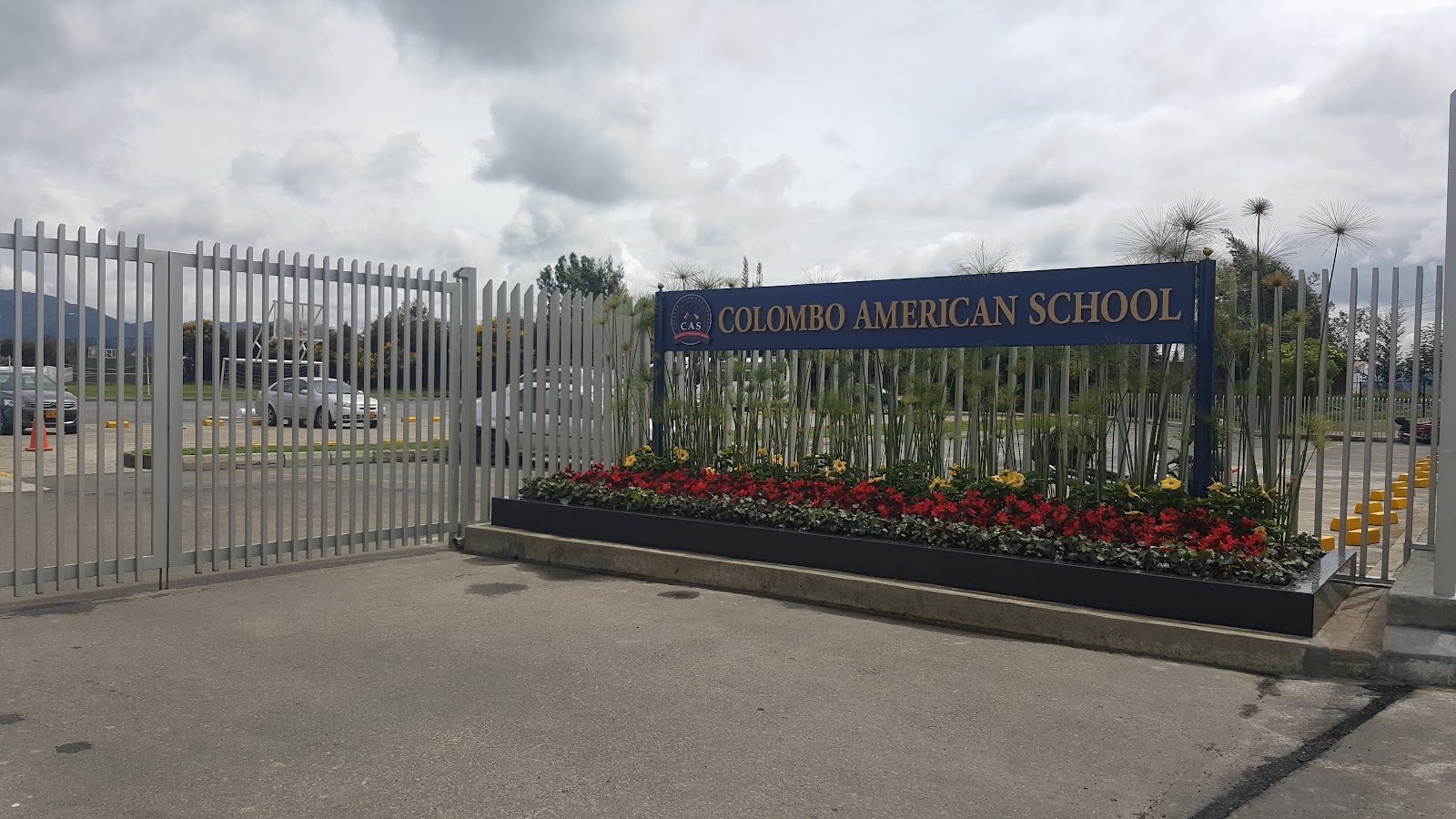
Colegio Colombo Americano CAS
Bogotá · Colombia
In northern Bogota, a Colombian-American day school pairs dual-diploma rigor with a student symphony orchestra streamed to global audiences.
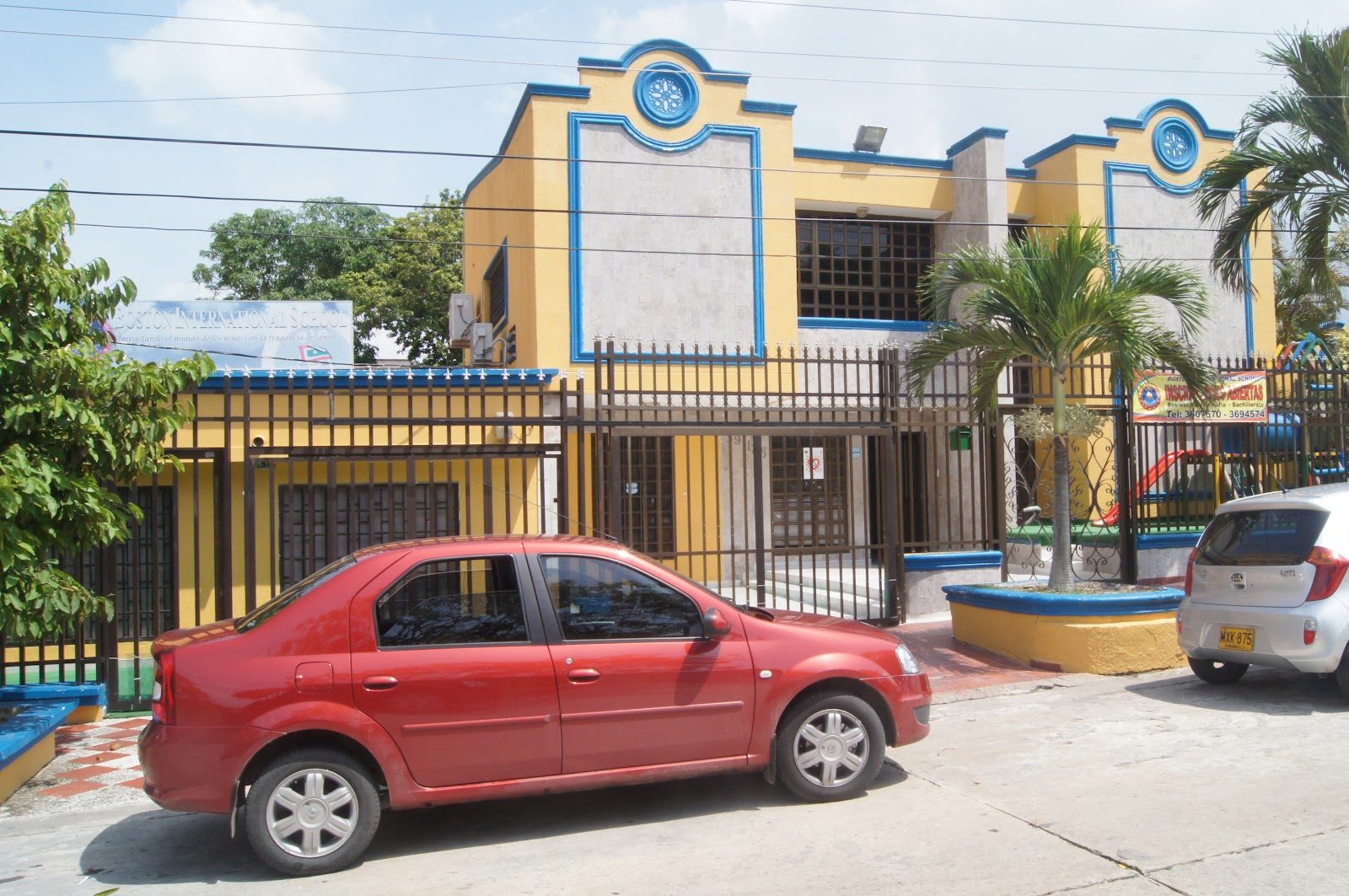
Colegio Boston Internacional
Barranquilla · Colombia
From a rented house with 20 pupils in 2002 to Colombia's top-ranked school in the 2025-2026 Col-Sapiens survey
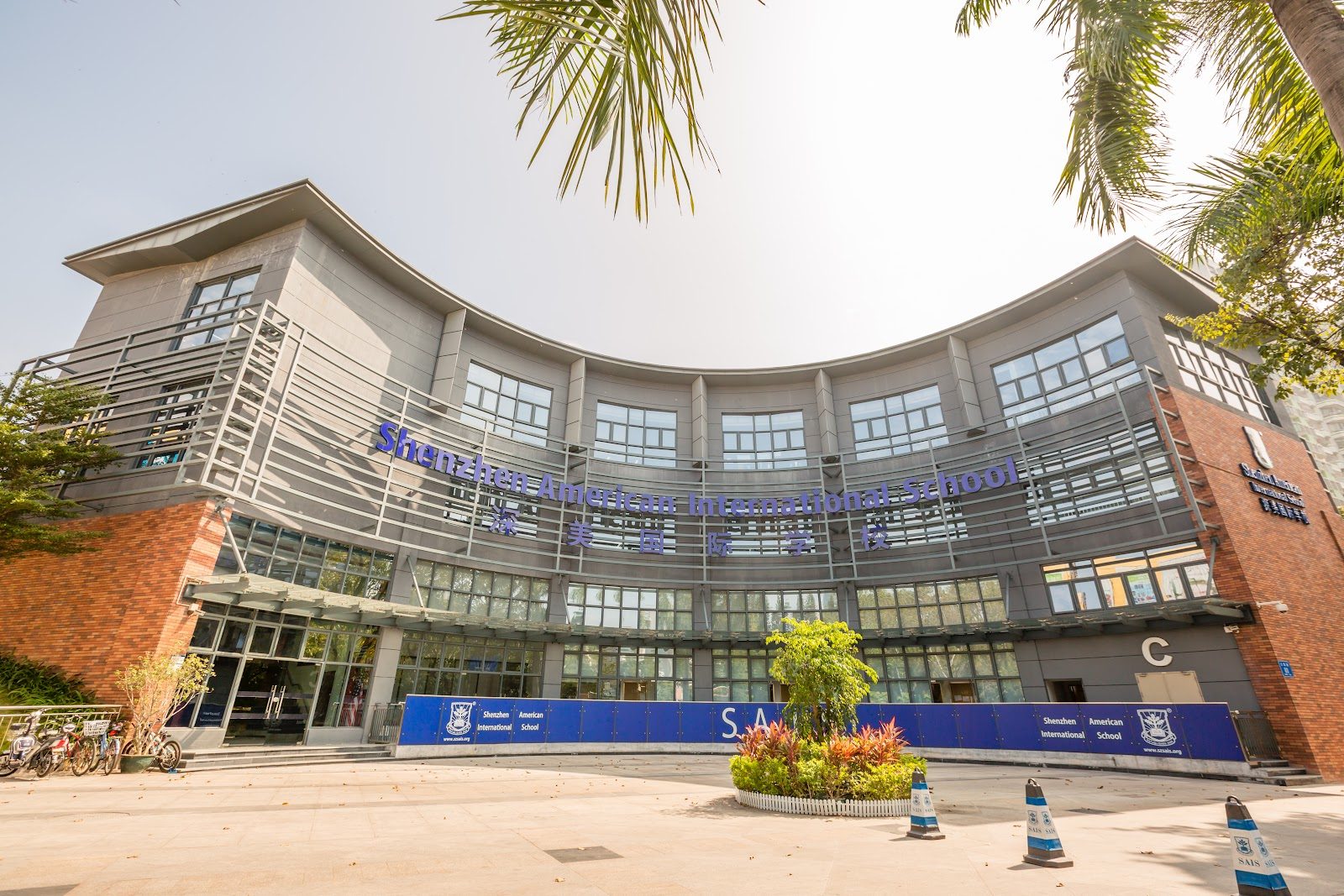
Shenzhen American International School
Shenzhen · China
In China's electronics capital, a Shekou campus swaps lecture halls for a maker space, fusing Common Core rigor with hands-on invention.
Wuhan Yangtze International School
Wuhan · China
In Hanyang on the Yangtze, this foreign-passport-only campus rallies students into four house teams: Viper, Tiger, Crane, Panda.
Same country and curriculum — closest matches within ±10 points either way