
Madrid
Colegio San Patricio Madrid
Three Madrid campuses pair Spain's national Bachillerato with the IB Diploma, adding German and French from age three.
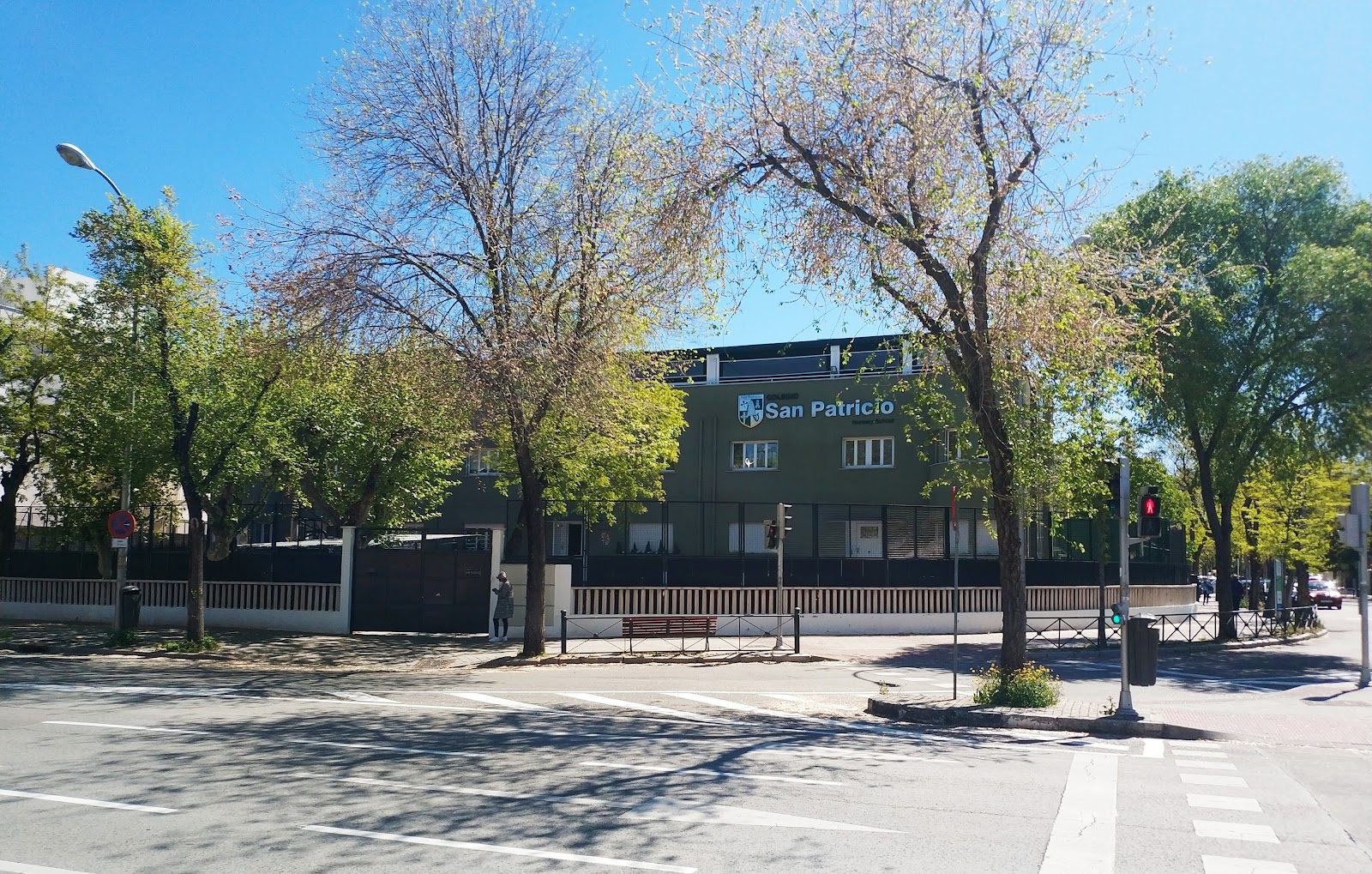
Photo © Emilio pp via Google Maps
Type
Day
Ages
3–18
Curriculum
Spanish National · British
Qualifications
Bachillerato
Ratio
—
The Verdict
Editor's commitment
Right for
Madrid families wanting a Catholic day school from ages 3–18, with Spanish National plus British strands and the IB Diploma.
Wrong for
Parents who want a secular school, boarding, or a single-curriculum route; San Patricio runs three Madrid campuses and a multi-track model.
Watch out for
The average annual day fee is EUR 11,457, and the website makes grand claims on rankings and IB results without publishing aggregate figures.
Ranking breakdown
Colegio San Patricio Madrid · #1552 of 1591
Composite score 42.1. 8 weighted criteria.
By criterion
Academic Outcomes
Weight 20%
#1455
of 1529 scored
University Placement
Weight 16%
#1455
of 1529 scored
Prestige & Heritage
Weight 12%
#1515
of 1571 scored
Alumni Network
Weight 12%
#1216
of 1530 scored
Facilities
Weight 12%
#1509
of 1534 scored
Transparency & Communications
Weight 8%
#1514
of 1532 scored
Peer & Industry Review
Weight 10%
#1536
of 1548 scored
Admissions Selectivity & Demand
Weight 8%
#1456
of 1529 scored
Peer & Industry Review
How Colegio San Patricio Madrid is regarded in the sector
38
Regional · medium confidence
Colegio San Patricio Madrid does not feature prominently in the independent education press that typically covers Spain's top international schools; there is no verifiable listing in Good Schools Guide International or WhichSchoolAdvisor, and no traceable quotes from rival heads or university admissions officers referencing the school specifically. This absence itself is a signal: within Madrid's competitive British-curriculum sector, dominated by long-established names such as King's College, British Council School and Runnymede, San Patricio operates as a smaller, locally-oriented institution rather than a peer-recognised heavyweight. It is not a regular presence at bilingual or British international schools' conferences (e.g., NABSS/COBIS circuits) in any documented capacity, and no Spanish national newspaper (El Mundo, El Pais) league table entries could be confirmed. Absent independent verification of university placement data or third-party press commentary, its standing should be read as modest and regional rather than nationally benchmarked, consistent with its challenger_300 tier rather than an established elite reputation among peer schools or receiving universities.
Editors' overview
What distinguishes Colegio San Patricio Madrid is the combination of Spain’s national system with a serious international track, delivered across three Madrid campuses and anchored by the IB Diploma at the top end. This is not a generic bilingual school. It is a Catholic day school in Madrid for ages 3 to 18, with Spanish and English as languages of instruction, and it adds German and French from age three. That gives it a broader linguistic ambition than many Madrid competitors that stop at Spanish-English bilingualism. The school also makes a point of running an exclusive programme for highly able pupils, recognised by Spain’s Ministry of Education, which marks it out in a market where extension provision is common but formal specialist provision is not. For parents who want a route that keeps one foot in the Spanish system while preserving an international university profile, that dual structure is genuinely useful.
The school’s own case for academic strength rests heavily on outcomes in the IB Diploma and university entrance examinations. It states that pupils score above national and global averages in the IB and in Spanish university entrance tests, and that it has produced students with the maximum IB score, an outcome achieved by less than 1% of candidates worldwide. It also states that mathematics results run 30% above the global average. Those are striking claims, even if the school does not publish the aggregate data needed to test them in detail. Parents should read that carefully: San Patricio talks confidently about results, rankings and honours, but public disclosure is thinner than the rhetoric. The average annual day fee across the full age range is €11,457, which places it in an interesting middle ground: expensive by local standards, but not at the very top of Madrid’s international fee market.
This school belongs on a shortlist for families who want academic pace, multilingualism and a Spanish setting without giving up the option of the IB Diploma. It will suit children who are comfortable in a structured, high-expectation environment and families who value traditional schooling with a clear Catholic identity. It will also appeal to ambitious bilingual or internationally minded Spanish families who want more stretch than a standard local private school offers. It is less convincing for parents who want radical educational progressivism, a deliberately relaxed culture or full transparency on published outcomes. The ideal San Patricio pupil is academically strong, linguistically agile and happy in a school that pushes hard for credentials. For the right child, that is a serious proposition; for the wrong one, it risks feeling too tightly drawn.
Academic Performance
San Patricio sells academic performance hard, and the public claims are ambitious. The school says its pupils score above both national and global averages in the IB, that mathematics runs 30% above the worldwide benchmark, and that it has produced candidates with the top IB score, an outcome reached by fewer than 1% of students globally. It also points to strong EvAU performance and cites pupils achieving the 13+ range. That places the school in the results-driven end of Madrid’s private market, closer to the city’s credential-conscious academic operators than to softer bilingual schools that market atmosphere first and outcomes second. For families who care about external validation, that matters.
The problem is disclosure. San Patricio does not publish the aggregate IB average, cohort size, subject-by-subject breakdowns, pass rates, or a multi-year EvAU profile in the public domain. That makes peer comparison less clean than it should be. The school may well be strong; its claims are too specific to dismiss. But schools that want full credit for academic excellence publish the numbers in full and publish them every year. Against Madrid competitors that disclose detailed sixth-form outcomes, San Patricio asks parents to accept a high-assertion, low-granularity account of performance. That keeps it in the conversation for ambitious families, but not in the very top tier for transparency.
Facilities
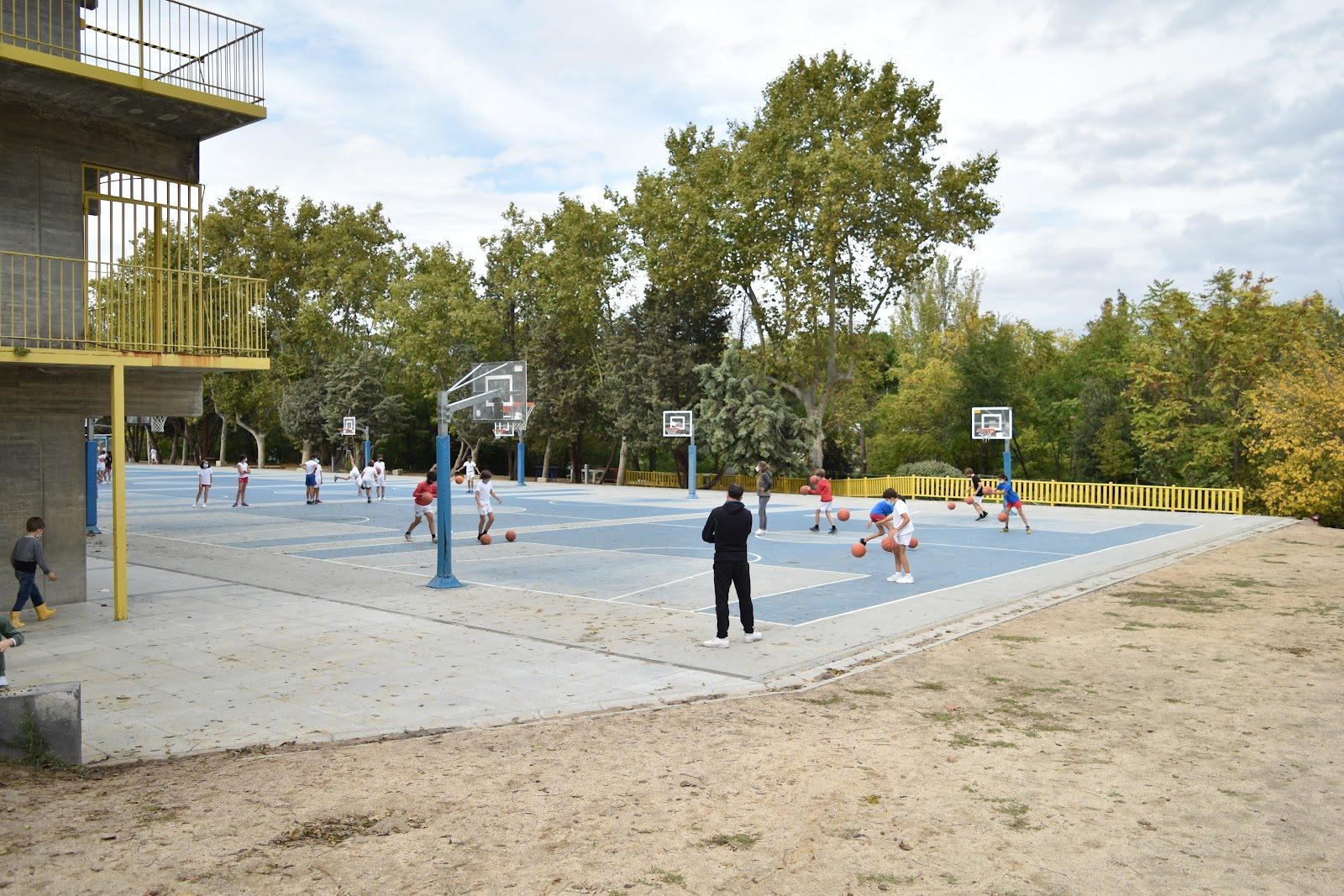
Facilities are spread across 3 campuses, and that structure matters. The Serrano and La Moraleja sites handle the younger years; El Soto carries pupils through secondary and the final academic stage. For parents, the practical implication is clear: this is not one self-contained campus where a child grows up in a single physical setting. It is a staged model, with facilities aligned to age rather than concentrated in one flagship estate. The school pushes its state-of-the-art line hard, but the more useful point is breadth. It claims spaces designed for academic, sporting, technological and artistic development, and that fits the programme on offer: not a minimalist urban school with a few specialist rooms, but a full-service private operation built to support sport, arts, technology and languages alongside classroom teaching.
Against Madrid peers, that places San Patricio above the many city schools constrained by tight central sites and thin outdoor provision. A 3-campus footprint gives it more room to separate phases and specialist activity than a single-building bilingual school. The trade-off is fragmentation. Families do not get the all-through campus cohesion that some rivals deliver, and the website gives no serious public detail on square footage, theatre capacity, sports inventory, lab provision or design technology spaces. That lack of precision matters. Strong facilities are part of the school’s pitch, but the public case stays high-gloss and light on measurable substance. In this bracket, the better schools show parents exactly what they have.
San Patricio writes in a hard-sell register: “best school”, elite destinations, top rankings, exceptional results, superior PISA outcomes
Prestige
San Patricio has real standing in the Madrid private-school market. The school trades on more than old-family familiarity or polished branding: it has sustained visibility in Spanish school rankings, cites repeated placement in El Mundo’s top group, and has accumulated public honours that carry weight in Spain’s education establishment, including the Civil Order of Alfonso X the Wise and a regional silver medal. That gives it a level of recognition beyond the usual bilingual-school chest-thumping. The three-campus structure also matters reputationally. This is a school with scale, continuity and a clear route from early years to university entry, not a boutique upstart or a single-site vanity project. Among ambitious Madrid families, that counts.
That said, prestige here is institutional rather than rarefied. San Patricio has cachet, but not the cloistered social mystique of Europe’s most selective old-guard schools, nor the radical global glamour of the most internationally branded operators. Its status rests on a mix of exam ambition, traditional values, multilingual reach and sustained public profile. The school’s own rhetoric is unapologetically grand: top-tier rankings, elite university destinations, maximum IB outcomes, even PISA superiority over every other centre. Some of that reads self-congratulatory. The central point still holds. A San Patricio education carries serious local prestige in Madrid and strong recognition in Spain, especially for families who value conventional academic status backed by visible honours and a long record in the upper end of the private sector.
That gives it a broader linguistic ambition than many Madrid competitors that stop at Spanish-English bilingualism
Communications
San Patricio communicates with confidence and volume. The public-facing site is bilingual, easy to navigate, and built to sell a coherent story: rankings, honours, university ambition, multilingualism and specialist provision all sit near the front. Parents do not need to hunt for the school’s priorities; the message is loud and disciplined. Contact routes are clear, campus progression is explained cleanly, and the school gives each site a defined role rather than burying practical structure in dense copy. There is also enough programme detail to understand the broad educational offer, including the route onward to the senior campus and the existence of the high-abilities provision. For an initial read, that is competent and controlled.
Where communication weakens is in evidence and tone. San Patricio writes in a hard-sell register: “best school”, elite destinations, top rankings, exceptional results, superior PISA outcomes. That style will reassure families who want institutional certainty and put off those who prefer plain speaking. More importantly, the school withholds the data that serious parents use to test grand claims. We have not seen aggregate IB averages, cohort-level exam tables, or a clean annual outcomes dashboard. The result is polished but selective communication: strong on narrative, thin on verification. As a marketing operation it is effective. As a model of parent transparency, it falls short. The school tells families what it values; it does not yet show enough of the numbers that prove it.
Uniqueness
San Patricio’s clearest point of difference is not the bilingual label or the Catholic identity; Madrid has both in abundance. It is the school’s multi-track ambition. Few schools combine the Spanish route to university with an international sixth-form exit, start third-language teaching in both French and German from the early years, and add a dedicated pathway for pupils with high abilities across all campuses. That mix gives academically quick children more room than the standard bilingual private model, which too often settles for competent language teaching and broad claims about “personalisation”. San Patricio builds a more deliberately demanding structure: mainstream schooling, multilingual stretch, selective academic aspiration and specialist provision for gifted pupils under one institutional roof.
For students, the gain is range with direction. A child can stay inside a recognisable Spanish educational culture while building the linguistic and academic profile needed for an outward-facing university application. The high-abilities programme matters here. Schools talk endlessly about challenge; San Patricio has turned it into a named offer, with specialist support and tailored workshops. That creates a clearer route for intellectual stretch than families get at rivals where the brightest pupils are simply given extra worksheets and praise. The risk is equally clear. This is a school built for families who value pace, structure and credentials. For the right pupil, that combination is distinctive and powerful; for a child who needs looseness, ambiguity or a less rankings-conscious culture, it will feel tight.
That keeps it in the conversation for ambitious families, but not in the very top tier for transparency
Student Profile
The San Patricio pupil is driven, school-comfortable and happy being measured. This is not the right setting for a child who needs a loose, anti-competitive atmosphere or a great deal of freedom from structure. It suits pupils who enjoy clear expectations, steady academic pressure and a culture that treats results, university access and formal achievement as central, not incidental. Children with strong verbal ability and a taste for languages will find more room here than in a standard bilingual school: the offer extends beyond the usual pair, with French and German introduced from age 3. The dedicated provision for high-ability pupils also gives intellectually quick children a more defined route for stretch than most schools offer. For that group, San Patricio has real bite.
Socially, the best fit is a family that wants ambition wrapped in convention. The Catholic frame, the polished seriousness and the emphasis on excellence all point to a high-expectation intake rather than an experimental or bohemian one. Pupils who thrive here will cope well with adult direction, move confidently between academic and extracurricular demands, and take rankings-conscious culture in stride. The school’s scale across 3 campuses also means children need to manage transition well as they move through phases. In short: this is a strong fit for upward-looking, academically able children who like pace, standards and external goals. It is less forgiving for pupils who need gentleness, anonymity or a lower-pressure read of school life.
It is a staged model, with facilities aligned to age rather than concentrated in one flagship estate
Co-curricular strengths
Arts & sport, on a separate axis
Overall 8.46/10
Scored 0-10 from the school's own published evidence. This axis is editorial-only — it does not feed the main WTS ranking.
Sports
9/10
Drama
8.5/10
Dance
7.5/10
Music
8.5/10
Visual Arts
8.8/10
Strengths
- +Established in 1958 and expanded with a second campus in 1967, giving the school over six decades of operating history in Madrid rather than being a recent market entrant, per the school's own institutional timeline: Colegio San Patricio opened doors in 1958 in Calle Serrano and expanded with the inauguration of San Patricio El Soto in 1967.
- +Offers a genuine dual exit pathway at 16-18, letting families choose between the Spanish state qualification or an internationally recognised diploma: the school at sixth form offers Spain's national Bachillerato, the International Baccalaureate (IB) Diploma Program, or the Bilingual International Baccalaureate (IB).
- +Multilingual provision goes beyond the core Spanish-English bilingual model, with two further languages introduced from early childhood: MULTILINGUALISM: in addition to English, German and French are taught from the age of three, and students can sit external Cambridge, Goethe and DELE certifications.
- +Has featured in independently compiled domestic league tables rather than relying solely on self-promotion, with the school ranked in the Top 5 among the best 50 schools in Spain according to Forbes Espana.
- +Broad co-curricular offering for a day school of its size, including a dedicated arts facility and a large competitive sports program: Health and sports are offered from pre-school through the Sports Project and Health Education program, with more than 30 sports teams in the school and official competitions.
Considerations
- −The school operates on three separate sites rather than one campus, meaning children must change location partway through their schooling: Serrano and La Moraleja host Nursery and Primary; El Soto hosts Secondary and High School, including the IB Diploma Programme.
- −Despite an open-enrolment stance, the school retains an explicit Catholic religious dimension in daily life: Colegio San Patricio is a Catholic school teaching important Christian values, and prepares students for the reception of the sacraments with the assistance of school priests, which will not suit every secular or non-Christian family.
- −Much of the 'top school in Spain' positioning circulates through the school's own marketing pages and single-outlet domestic rankings, with limited independent or international benchmarking beyond national press features.
- −Editorially, the school sits in the 'challenger' tier rather than among Madrid's most internationally established names, indicating a more modest global profile than its promotional language suggests.
Availability
Primary entry gate & tests
Academic Record
Gallery
Photo © Emilio pp via Google Maps
Photo © Rodolfo Cuadros via Google Maps
Photo © Sr. Mayor via Google Maps
Photo © Sr. Mayor via Google Maps
Photo © Un opinante delirante via Google Maps
Photo © Alexis Plaz via Google Maps
Photo © Cristian Cortes via Google Maps
Parent reviews
Have you sent your child here?
Voice reviews carry the strongest trust badge — we transcribe them for you to tidy up before they go live. Prefer to type? A written review is fine too.
Add your voice
In 60 seconds, tell other parents: what's the best thing about Colegio San Patricio Madrid, and what surprised you when your child joined?
We ask for a Google sign-in so every review has a real face behind it — no anonymous drive-by attacks on schools, and no faked positive reviews. Your email is never shown publicly.
Send this profile to a friend
International parents rely on word-of-mouth. Share this review with someone weighing the same decision.
Schools with places
Similar schools to Colegio San Patricio Madrid with places available now.
Availability first, then country, area, curriculum, price, co-curricular
Consider also
Also worth looking at alongside Colegio San Patricio Madrid.
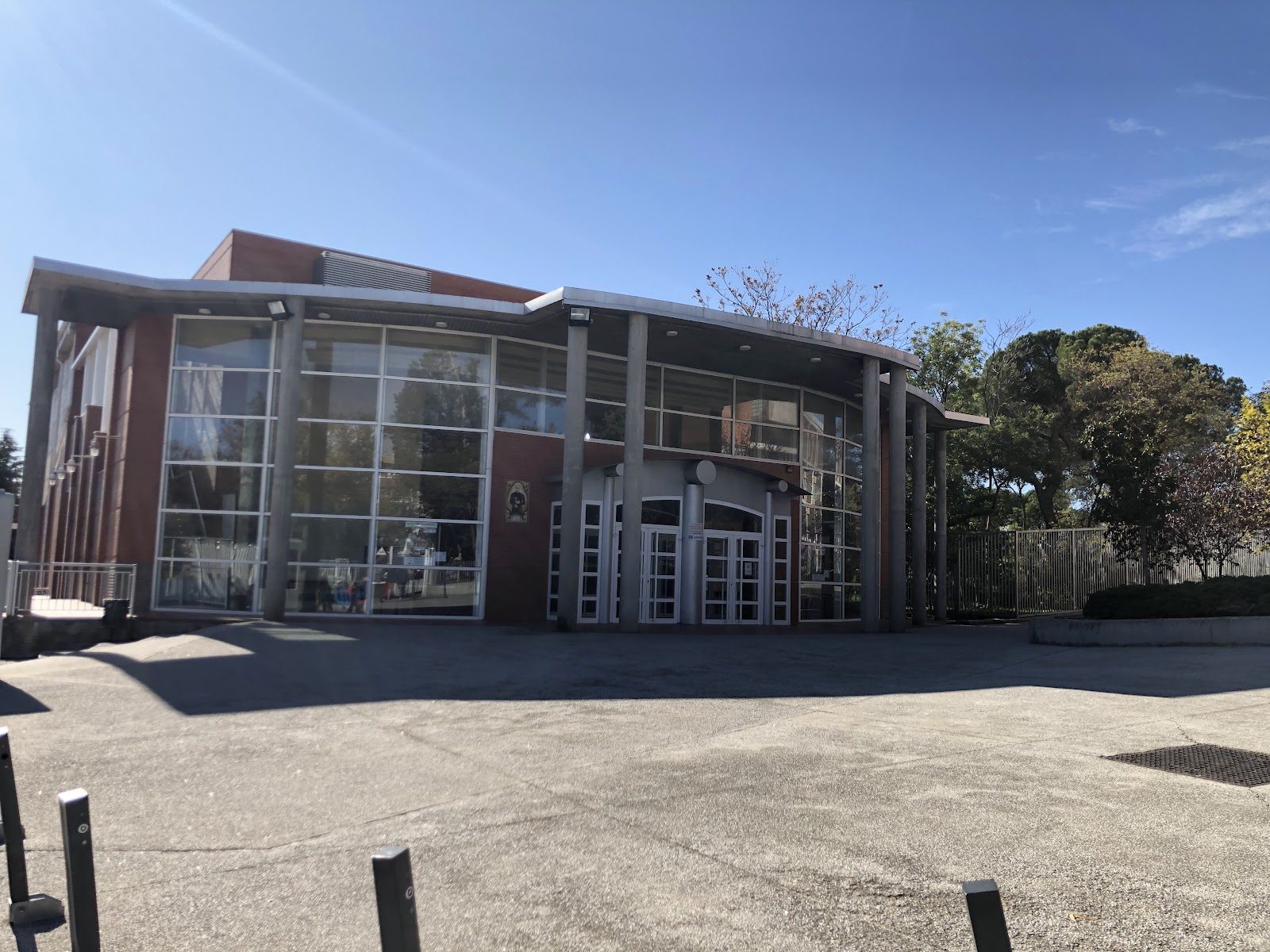
Colegio Nuestra Señora del Recuerdo
Madrid · Spain
In Chamartin since 1880, this Jesuit day school carries forward a Madrid teaching tradition traced to the 1572 Colegio Imperial.
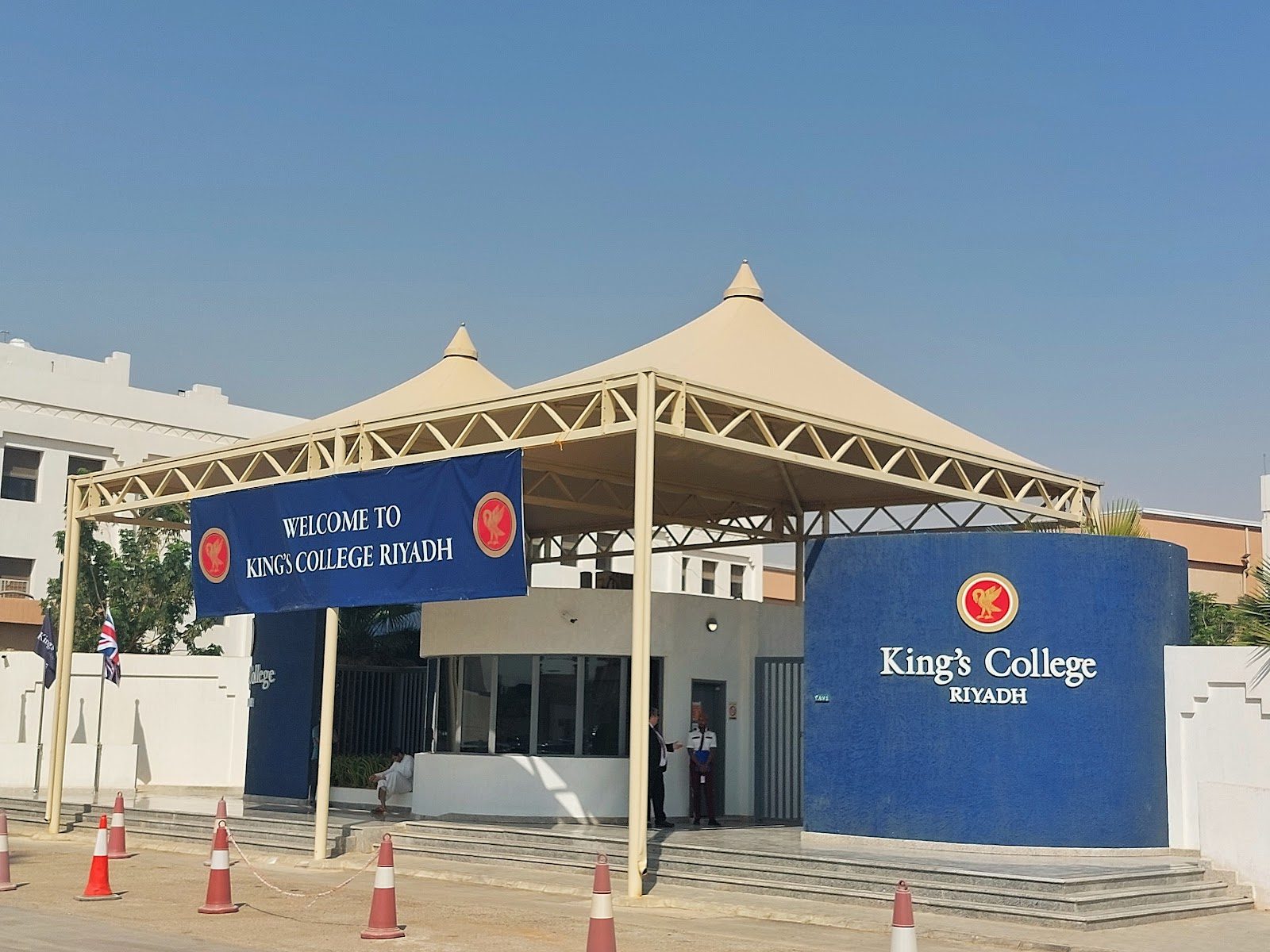
King's College Riyadh
Riyadh · Saudi Arabia
Riyadh's first British day school anchors a 140-year King's lineage in historic Diriyah, building toward iGCSE and A Level provision.
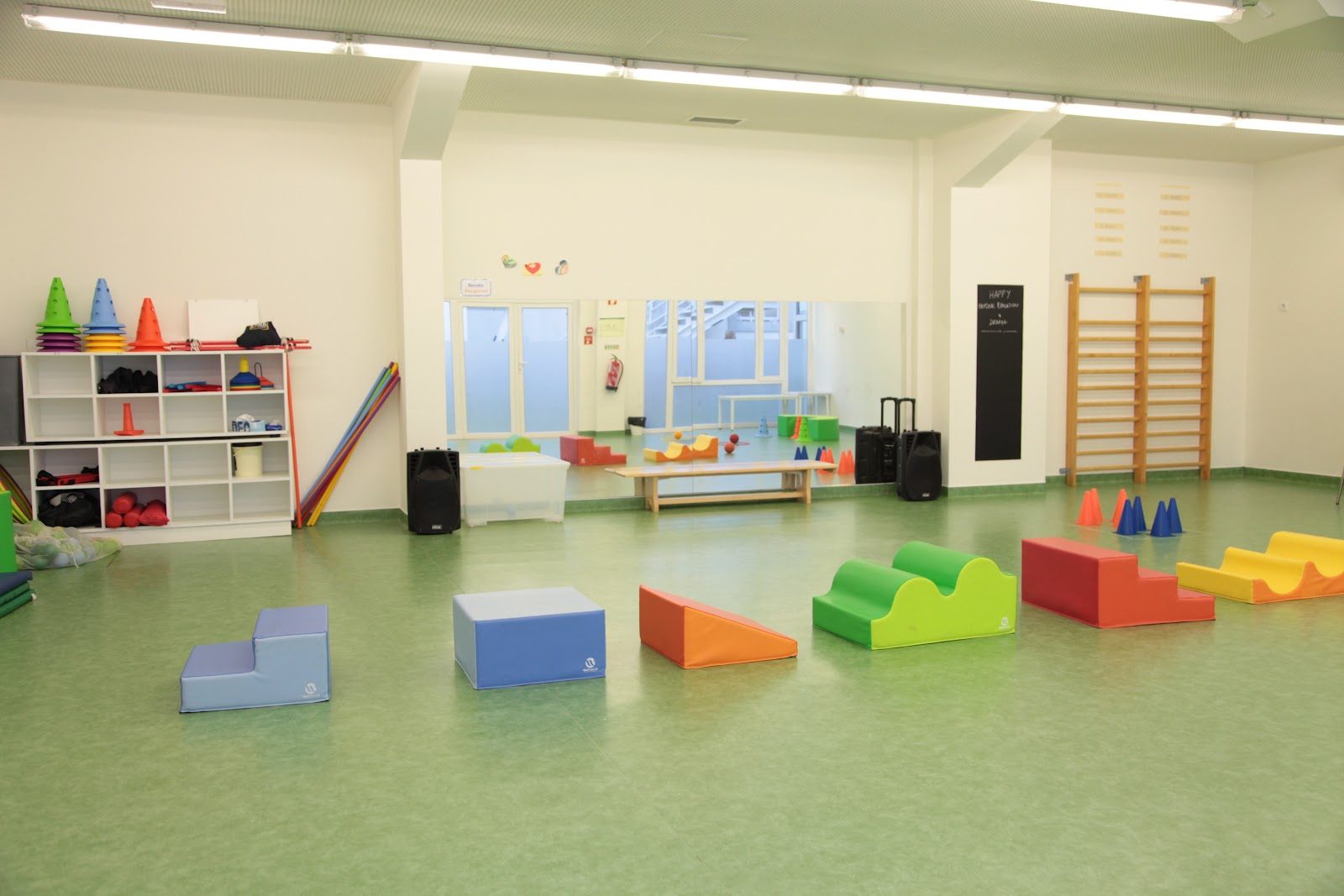
PaRK International School
Lisbon · Portugal
Bilingual immersion to Grade 4 gives way to Cambridge IGCSE and the IB Diploma, inside Lisbon's global Inspired Education network.
Colegio Estudio Madrid
Madrid · Spain
Founded in 1940 by three women to keep Spain's Institucion Libre de Ensenanza tradition alive, on a campus built by architect Fernando Higueras
Same country and curriculum — closest matches within ±10 points either way