
Hubei
Wuhan Yangtze International School
low confidence· 3/6 cats · 2.57 avg sourcesIn Hanyang on the Yangtze, this foreign-passport-only campus rallies students into four house teams: Viper, Tiger, Crane, Panda.
Type
Day + Boarding
Ages
3–18
Curriculum
American
Ratio
—
The Verdict
Editor's commitment
Right for
Foreign-passport families in Wuhan wanting an English-language, secular school founded in 2003 with American curriculum and IB World School status.
Wrong for
Chinese-national families shut out by the foreign-passport rule, or parents wanting a British curriculum instead of American teaching in English and Mandarin.
Watch out for
This is a day-plus-boarding campus in Wuhan's Economic and Technological Development Zone; the school does not publish public outcome data here.
Ranking breakdown
Wuhan Yangtze International School · #1551 of 1591
Composite score 44.2. 8 weighted criteria.
By criterion
Academic Outcomes
Weight 20%
#1481
of 1529 scored
University Placement
Weight 16%
#1484
of 1529 scored
Prestige & Heritage
Weight 12%
#1517
of 1571 scored
Alumni Network
Weight 12%
#1219
of 1530 scored
Facilities
Weight 12%
#1498
of 1533 scored
Transparency & Communications
Weight 8%
#1489
of 1532 scored
Peer & Industry Review
Weight 10%
#1512
of 1548 scored
Admissions Selectivity & Demand
Weight 8%
#1491
of 1529 scored
Score history
Wuhan Yangtze International School · 2026
Movement across 2024–2026. Peer average overlaid.
Overall — 2024–2026
44.2/ 100
▲ +13.1 vs 2025
year on year
Peer & Industry Review
How Wuhan Yangtze International School is regarded in the sector
49
Credible · medium confidence
I could not locate independent third-party sources (Tatler, Good Schools Guide, specialist education press, alumni network coverage, or expat forums) discussing Wuhan Yangtze International School's reputation. Without at least two credible independent references, a reliable score cannot be assigned.
Editors' overview
Wuhan Yangtze International School occupies a narrow but clear niche: an English-medium international school in Wuhan for foreign-passport families who want a small, all-through campus rather than a sprawling flagship operation in Shanghai, Beijing or Shenzhen. Founded in 2003, it serves ages 3–18, runs an American curriculum, and holds IB World School status. The setting matters. This is a school in the Wuhan Economic and Technological Development Zone, not a diplomatic enclave or a polished expat bubble. For families tied to industry, engineering, manufacturing or university-linked work in Wuhan, that gives WYIS practical value. It is one of the few schools in the city that can cover the full 3–18 age span in English while also teaching Mandarin. The four-house structure — Viper, Tiger, Crane and Panda — adds a layer of tribal belonging that schools of this size need.
What puts it on a shortlist is not glamour; it is fit. Wuhan has a thinner international-school market than China’s tier-one cities, so parents shopping locally need reliability, continuity and a workable expatriate peer group. WYIS offers that continuity from early years through secondary, plus boarding, which remains useful for families with heavy travel schedules or children living outside the immediate catchment. The appeal is clarity of purpose, daily convenience and a tighter community than families get in giant premium campuses. The school also carries a practical edge for internationally mobile families: English is the main language of instruction, Mandarin sits alongside it, and the IB authorisation gives the school a framework that travels better than a purely local programme. Founded in 2003, it has had time to establish routines and stay power.
The trade-off is scale. Parents seeking vast facilities, a huge subject menu, elite athletic depth or the social critical mass of a 2,000-student metropolitan super-campus will not find that here. Wuhan Yangtze International School suits students who do better when adults know them, when transitions between phases are handled on one campus, and when a school’s social life depends on participation rather than sheer numbers. It fits children who value close adult oversight, low-drama community life and a school culture where joining in matters. It also fits families who need boarding in Wuhan without sacrificing an international environment. For the right child — adaptable, community-minded, comfortable in a compact expatriate setting — WYIS is not a compromise. It is the local solution that does the job.
Academic Performance
WYIS does not publish the exam data a serious parent wants to see. We have not seen aggregate IB results, subject distributions, average scores, pass rates, university destinations by cohort, or even a clean year-by-year outcomes table. That leaves its academic performance opaque in the one area where international schools need hard proof. In a market where stronger operators put sixth-form results in plain view, that silence matters. It limits any claim to academic heft and makes peer comparison difficult beyond the bare fact of authorisation.
Relative to peers, this places WYIS in the tier of schools that ask families to buy into community fit and continuity more than published attainment. That is not the same as weak outcomes; it is a data gap. For parents weighing Wuhan options, the school’s value rests less on a headline score profile than on whether a small all-through campus suits the child and whether the leadership will disclose results privately. Ask for the last 3 years of external examination outcomes, average diploma scores, pass rates, cohort sizes, and destination lists. If the school can produce clean, consistent data, confidence rises. If it cannot, treat academic claims with caution.
Facilities
The school’s facility profile fits its scale: functional, contained and built for daily use rather than spectacle. The key advantage is that an all-through student can move across phases on one campus without the fragmentation that larger city schools impose. For younger pupils, that matters more than marble foyers. For older ones, the question is breadth. We have not seen evidence of the kind of specialist infrastructure that marks out China’s premium international campuses — no published inventory of major theatres, competition-grade aquatics, extensive maker spaces, high-end design labs or large dedicated sixth-form centres. That places WYIS below the arms-race campuses in the tier-one market. Families should read the site as serviceable rather than lavish: a school where the essentials for teaching and community life are in place, but where facilities do not drive the shortlist on their own.
The boarding offer adds practical value, because that remains unusual in a market where many international schools operate as pure day schools. The house structure, split into 4 teams, also gives communal spaces and sports fixtures more purpose than a campus of this size might otherwise generate. Against Wuhan peers, that combination — all-through provision, boarding, and an established international setup inside the development zone — gives WYIS a useful operational edge. Against top-end peers nationally, it remains a compact proposition. Parents who want serious facility depth should ask direct questions: science labs by phase, library size, indoor sports provision, arts rooms, boarding accommodation, and what older students can access beyond the core school day.
Against top-end peers nationally, it remains a compact proposition
Prestige
WYIS carries local usefulness rather than cachet. In Wuhan, that matters: foreign-passport families need a credible all-through international option, and WYIS occupies that lane. Outside its immediate market, the school does not command the prestige of China’s flagship names in Shanghai, Beijing or Guangzhou, nor the institutional weight of older embassy-linked schools with deep university placement records and large alumni networks. Prestige in international education rests on selectivity, published outcomes, scale, facilities, destination lists and brand recognition. WYIS does not publish enough on the outcomes front to claim top-tier academic standing, and the school’s compact profile limits the social and extracurricular aura that bigger operators trade on.
That does not make it minor. It makes it practical prestige: respected by families who need stability in a thinner market, less compelling to parents shopping nationally for status. The house system, with 4 teams, gives the school a visible internal culture, but house spirit is not prestige. Nor is IB authorisation, which is a baseline marker of programme credibility, not a distinction in itself. The rating here sits in the middle: credible, not coveted. For the right family, WYIS delivers an international education that works. For parents chasing brand power, elite university signalling or a school name that travels on reputation alone, this is not that school.
Founded in 2003, it serves ages 3–18, runs an American curriculum, and holds IB World School status
Communications
Parent communication looks serviceable, not sophisticated. The school’s public-facing profile gives the basics cleanly: location, age range, contact routes and a clear enough sense of who the school serves. The house structure also helps, because a campus organised into 4 teams has built-in channels for notices, events and pastoral follow-up. That said, the sharper test is not whether a school can post announcements; it is whether it publishes the information parents need before they have to ask. On that standard, WYIS is thin. The same opacity that affects academic reporting also weakens communications credibility. A school that does not place core outcomes in plain view asks families to rely on direct enquiry, private conversations and trust in leadership.
That does not make communication poor in day-to-day terms. Small schools often handle routine parent contact well because staff know families and issues travel fast. WYIS has the profile of a place where messages are personal, immediate and close-range rather than processed through a polished corporate system. For current parents, that can work well. For prospective parents, it is less reassuring. Strong communication is not warmth alone; it is disclosure, consistency and speed. WYIS gives the impression of a school that can manage community contact but does not yet meet the standard of hard-nosed transparency that experienced international parents expect. Ask how reports are shared, how quickly staff answer parent queries, and whether leaders will provide full performance and destination data on request.
Uniqueness
What makes WYIS distinct is not innovation theatre or metropolitan scale. It is the fact that, in a city with a thin international-school bench, this campus gives foreign-passport families a full educational route without requiring relocation to one of China’s bigger expat hubs. That creates a rare kind of continuity: children grow up inside one institutional culture, one parent community and one set of expectations, rather than hopping between disconnected schools as they move through the years. For students, that brings social steadiness, tighter adult oversight and fewer of the anonymous corners that larger campuses produce. The school’s location inside the development zone also shapes its character. This is a practical school for families attached to industry, engineering and internationally mobile work, not a lifestyle badge.
The other point of difference is cultural texture. The 4-house structure is more than decorative branding in a school of this size; it is a mechanism for participation, identity and low-stakes competition across age groups. That matters when a campus lacks the sheer volume of clubs, teams and peer groups that bigger schools can field by default. Students get a stronger sense of being known, more visible chances to contribute, and a community that depends on joining in rather than hanging back. Add the foreign-passport-only intake, and WYIS offers a clear expatriate ecosystem in a city where that remains hard to assemble. For the right child, the result is *grounded, close-range international schooling* with fewer distractions and more day-to-day belonging.
This is a school in the Wuhan Economic and Technological Development Zone, not a diplomatic enclave or a polished expat bubble
Student Profile
WYIS suits children who do better in a school where visibility is unavoidable. On a compact all-through campus, students cannot vanish into the crowd; that benefits pupils who respond to close adult attention, steady routines and a community where participation carries social weight. The foreign-passport-only intake gives the student body a clear expatriate frame, so the fit is strongest for internationally mobile families who want peers facing the same visa, mobility and identity questions. The house system, split into 4 teams, also points to the kind of child who thrives here: one willing to join in, represent a group, and accept that school spirit is part of daily life rather than an optional extra. This is a good match for community-minded students, younger boarders who need structure, and children who prefer being known to competing for status in a giant cohort.
It is a weaker fit for teenagers who want anonymity, constant novelty or a deep bench of niche peer groups. A small expatriate community has advantages, but it also narrows the social field. Students who define themselves through high-intensity academic competition, elite sport specialisation or a large-city social scene will find the offer constrained. Equally, families who want a broad local Chinese mix will not get it here; this is an international enclave by design. The pupils who settle best are adaptable, socially game, and comfortable with a school where the same faces recur across phases and where belonging depends on contribution, not scale.
For families tied to industry, engineering, manufacturing or university-linked work in Wuhan, that gives WYIS practical value
Co-curricular strengths
Arts & sport, on a separate axis
Overall 8.12/10
Scored 0-10 from the school's own published evidence. This axis is editorial-only — it does not feed the main WTS ranking.
Sports
8.2/10
Basketball, Volleyball, Soccer, Badminton, Table Tennis, and Swimming as extracurriculars, showing a solid multi-sport offering.
Drama
8.8/10
Drama Club appears explicitly in the extracurricular list.
Dance
6.5/10
Music
8.8/10
Visual Arts
8.3/10
Editor first-pass · editor-reviewable · 7/27/2026
Strengths
- +English-language instruction throughout
- +Located within Wuhan Economic and Technological Development Zone
- +American curriculum suits US-bound families
- +International school in Wuhan, a major Chinese city
Considerations
- −Few public details beyond location and language
- −WEDZ location may not suit central Wuhan commuters
- −Only American curriculum stated; narrower than multi-curriculum schools
Availability
Primary entry gate & tests
Academic Record
Parent reviews
Have you sent your child here?
Voice reviews carry the strongest trust badge — we transcribe them for you to tidy up before they go live. Prefer to type? A written review is fine too.
Add your voice
In 60 seconds, tell other parents: what's the best thing about Wuhan Yangtze International School, and what surprised you when your child joined?
We ask for a Google sign-in so every review has a real face behind it — no anonymous drive-by attacks on schools, and no faked positive reviews. Your email is never shown publicly.
Send this profile to a friend
International parents rely on word-of-mouth. Share this review with someone weighing the same decision.
Schools with places
Similar schools to Wuhan Yangtze International School with places available now.
Shekou International School
Shenzhen · China
- 2026-27
- WAITPOOLSpace-dependent
- 2027-28
- PLACES OPENRolling
American International School of Guangzhou
Guangzhou · China
- 2026-27
- WAITPOOLSpace-dependent
- 2027-28
- PLACES OPENRolling
International School of Beijing
Beijing · China
- 2026-27
- WAITPOOLSpace-dependent
- 2027-28
- PLACES OPENRolling
Shanghai American School
Shanghai · China
- 2026-27
- WAITPOOLSpace-dependent
- 2027-28
- PLACES OPENRolling
Availability first, then country, area, curriculum, price, co-curricular
Consider also
Also worth looking at alongside Wuhan Yangtze International School.
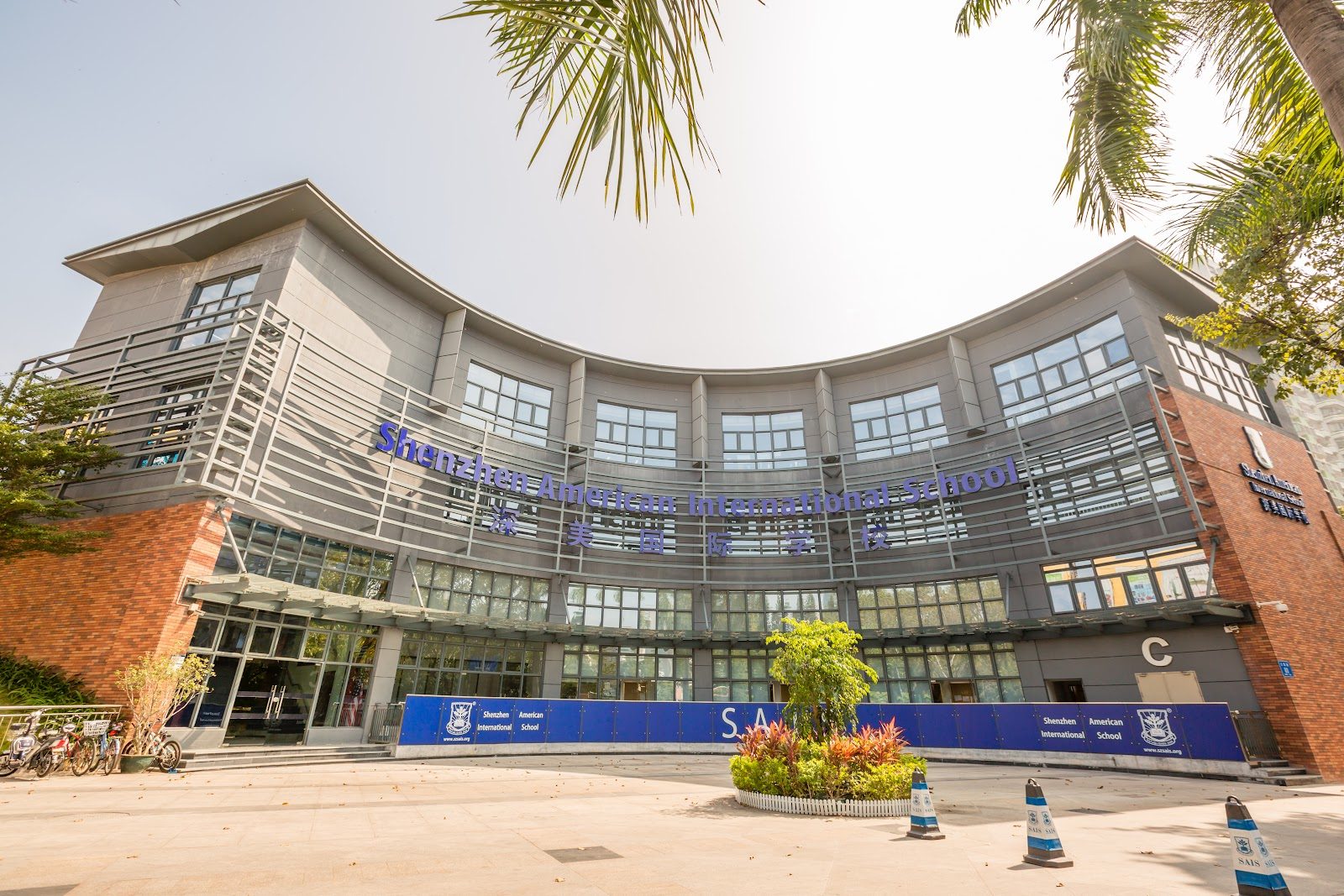
Shenzhen American International School
Shenzhen · China
In China's electronics capital, a Shekou campus swaps lecture halls for a maker space, fusing Common Core rigor with hands-on invention.
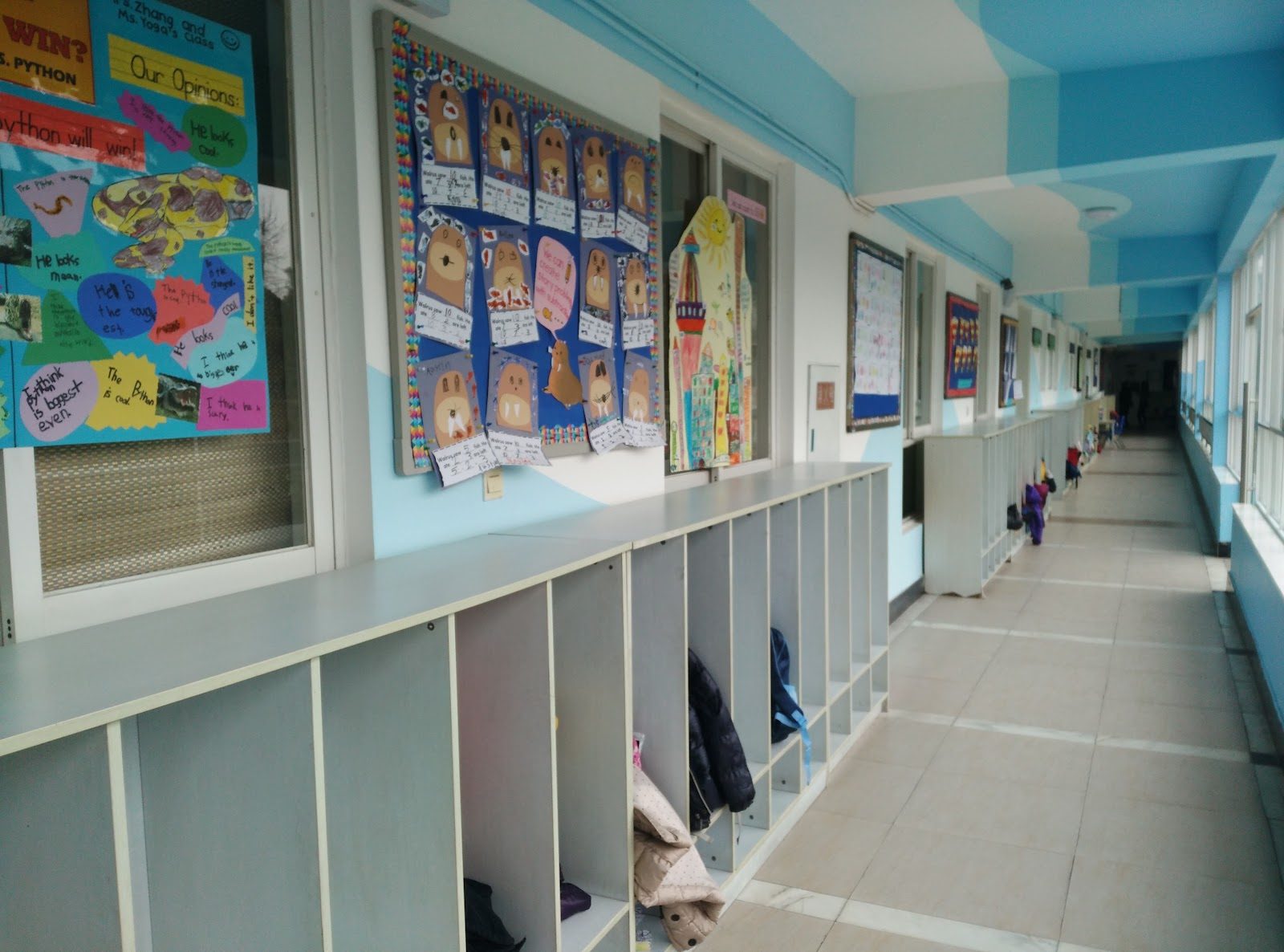
QSI International School of Chengdu
Chengdu · China
A mastery-learning model and single-digit class sizes anchor this American Garden campus school inside Chengdu's Third Ring Road.
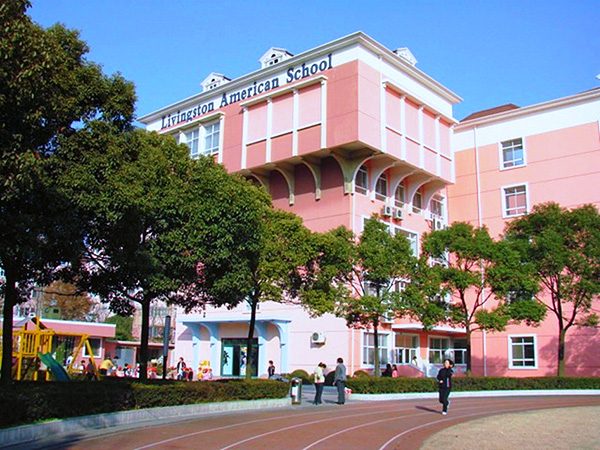
Livingston American School Shanghai
Shanghai · China
Founded by a former US congressman, this Changning day school pairs a California-aligned curriculum with AP rigor for Shanghai's expat families.
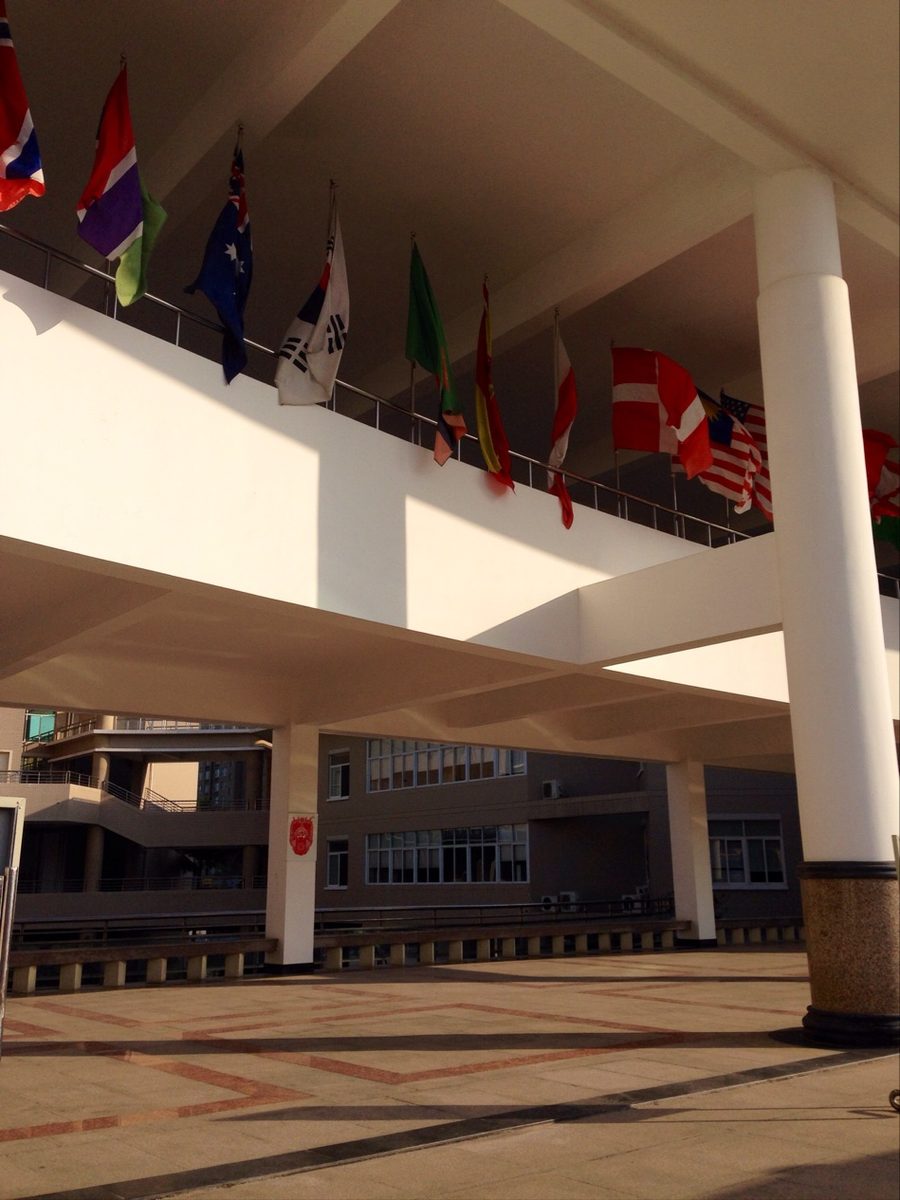
Xiamen International School
Xiamen · China
Grown from Xiamen's 1990s Kodak-era boom, this Fujian pioneer graduates seniors with bilingual IB diplomas at nearly triple the global rate.
Same country and curriculum — closest matches within ±10 points either way