
Bogotá
Colegio Colombo Americano CAS
In northern Bogota, a Colombian-American day school pairs dual-diploma rigor with a student symphony orchestra streamed to global audiences.
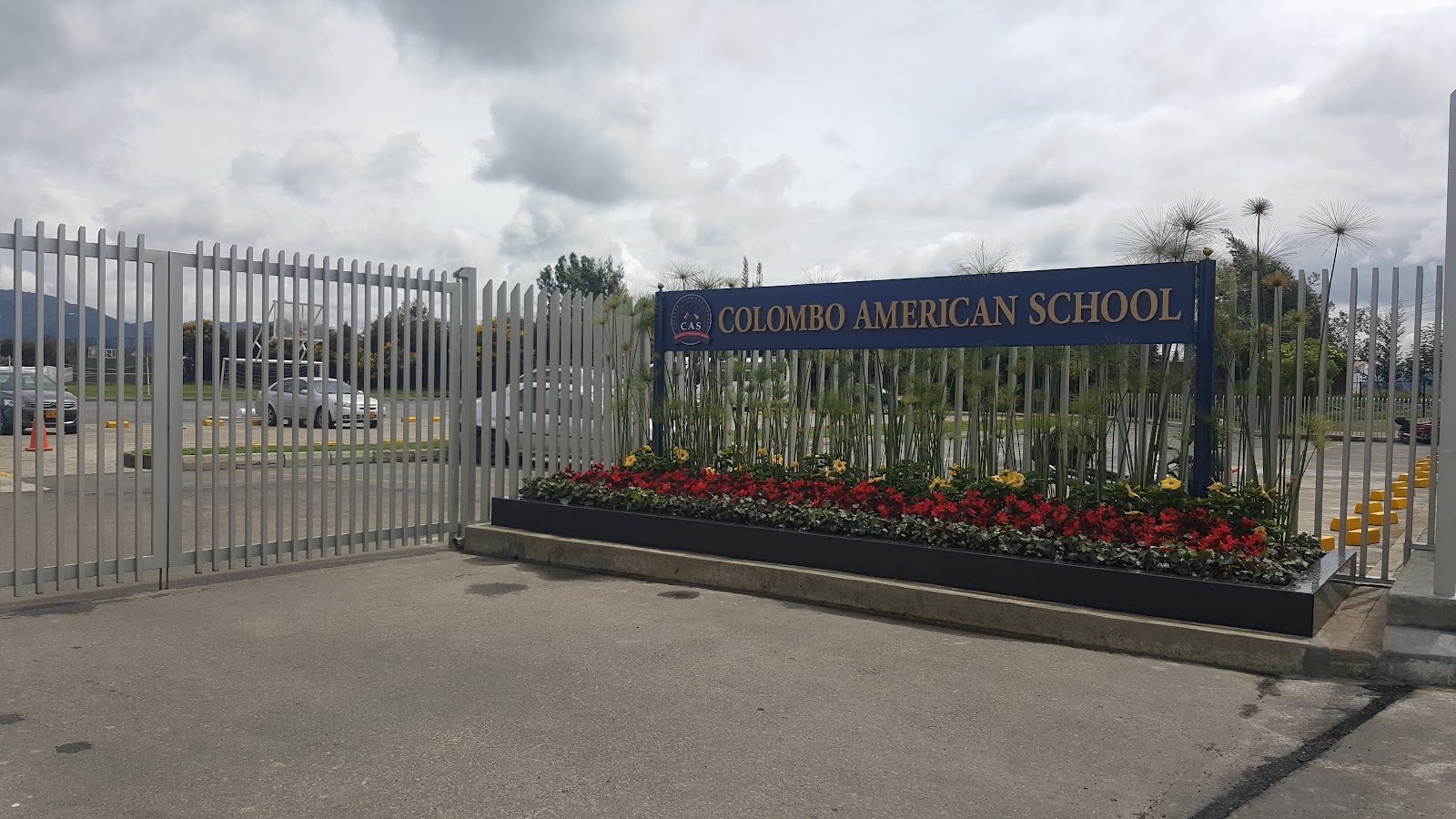
Photo © Yeinson R via Google Maps
Type
Day
Ages
3–18
Curriculum
Colombian · American
Qualifications
Colombian national curriculum
Ratio
—
The Verdict
Editor's commitment
Right for
Bogotá families who want a secular day school, ages 3–18, with Colombian and American curricula taught in Spanish and English.
Wrong for
Families seeking boarding, a faith framework, or a single national system; CAS is a secular Bogotá day school with dual Colombian-American aims.
Watch out for
Cognia accreditation gives external validation, but CAS does not publish headline exam outcomes here; test the dual-diploma substance before signing.
Ranking breakdown
Colegio Colombo Americano CAS · #1555 of 1591
Composite score 43.4. 8 weighted criteria.
By criterion
Academic Outcomes
Weight 20%
#1459
of 1529 scored
University Placement
Weight 16%
#1462
of 1529 scored
Prestige & Heritage
Weight 12%
#1526
of 1571 scored
Alumni Network
Weight 12%
#1247
of 1530 scored
Facilities
Weight 12%
#1465
of 1533 scored
Transparency & Communications
Weight 8%
#1497
of 1532 scored
Peer & Industry Review
Weight 10%
#1529
of 1548 scored
Admissions Selectivity & Demand
Weight 8%
#1471
of 1529 scored
Peer & Industry Review
How Colegio Colombo Americano CAS is regarded in the sector
40
Regional · medium confidence
Colombo Americano CAS sits within Bogota's established bi-national school landscape alongside institutions such as Colegio Nueva Granada, Colegio Anglo Colombiano and Gimnasio Moderno, but it does not feature prominently in the international independent-schools press: it has no listing or review on WhichSchoolAdvisor, Good Schools Guide International or similar outlets, and it is absent from global league tables that cover peer Bogota schools. Its standing rests mainly on Cognia/AdvancED-linked accreditation, common among Colombian-American network schools, rather than on quoted commentary from rival heads or admissions officers at destination universities. Local Colombian press (e.g., El Tiempo's annual ICFES/Saber 11 school rankings) occasionally references bilingual Bogota schools in aggregate, but Colombo Americano CAS rarely appears individually in these analyses compared with the capital's top-tier bilingual institutions. There is no evidence of presence at recognized peer conferences such as ECIS or CIS forums, nor of named university admissions staff publicly discussing its graduates. Overall, the school's reputation appears to be regional and parent-driven rather than substantiated by independent editorial or academic peer review, consistent with its challenger-tier classification.
Editors' overview
Colegio Colombo Americano CAS occupies a clear niche in Bogotá’s crowded bilingual market: a Colombian-American day school that runs a dual diploma route from ages 3–18 and does it without the religious frame or imported-brand theatrics that dominate parts of the sector. Founded in 1993, it offers Spanish and English instruction and carries Cognia accreditation, which gives international families a clean external reference point. The attraction is straightforward: pupils work within both Colombian and American academic structures, which matters for families who want local continuity without closing off overseas university options. In practical terms, this is a school for parents who want academic breadth without gimmicks and for students who can handle two systems running in parallel.
What distinguishes CAS is not novelty for its own sake, but the combination of dual-curriculum demands with a visible music culture. The school’s student symphony orchestra gives it a sharper identity than many bilingual competitors, and the fact that performances are streamed to international audiences adds public-facing artistic seriousness. That matters because many schools advertise “holistic education” and deliver a few assemblies and an annual concert; CAS has a more defined cultural proposition. For the right child, that creates *a rare sense of intellectual and artistic balance*: strong bilingual academic training, then serious ensemble work rather than decorative extracurricular padding.
Parents should still read CAS accurately. This is a day school in northern Bogotá, not a sanctuary campus insulated from city life, and not a small specialist conservatoire disguised as a school. Its value rests on disciplined bilingual schooling, dual-diploma structure and an arts offer with genuine profile. That makes it strongest for students who are organised, resilient and comfortable switching between Spanish and English across the week. The best fit is the pupil who wants two academic doors kept open and who gains energy from performance, structure and a cosmopolitan, high-output environment. Children who need a softer pace, a narrower academic track or a less demanding bilingual load will find better fits elsewhere.
Academic Performance
CAS does not publish the kind of exam data that lets parents rank it cleanly against Bogotá’s strongest bilingual competitors. We have not seen aggregate ICFES Saber 11 results, AP score distributions, SAT averages, IB results or university matriculation breakdowns. That gap matters. In a market where academically serious schools use outcomes to prove claims, silence leaves families relying on narrative rather than evidence. For a school running a dual-diploma model, the absence of public headline results is a material weakness in the academic story and makes direct peer comparison needlessly opaque.
That does not mean weak outcomes; it means unproven outcomes in public. The school’s academic proposition still carries weight because two parallel systems demand organisation, stamina and consistent internal tracking. Schools that cannot sustain that load tend to show cracks fast. CAS’s external credibility rests more on structure than on disclosed results, which places it in the credible but unverified tier rather than the city’s results-led elite. Parents who prize hard academic evidence should ask for recent graduating-cohort data, including ICFES percentile bands, AP participation and score ranges, and destination lists split by country and course. Until CAS publishes that level of detail, its academic reputation rests on trust, not proof.
Facilities
CAS’s facilities story centres on performance and student production rather than architectural spectacle. The school gives unusual prominence to its symphony orchestra, and that points to dedicated rehearsal and presentation capacity rather than the token music room many bilingual schools settle for. For families with musically serious children, that matters more than a glossy atrium. A school that streams performances to international audiences has to manage acoustics, staging, technical coordination and audience-facing standards at a higher level than the average campus concert. That gives CAS a clear specialist edge in the arts. By contrast, we have not seen the kind of published detail that would let parents judge science labs, design spaces, sports infrastructure or specialist sixth-form facilities with confidence. On those fronts, CAS is less transparent than it should be.
Against peer schools in Bogotá, that places CAS in an interesting middle ground. It has a sharper cultural identity than many academically similar bilingual day schools, but not a publicly documented facilities package that competes on scale alone with the city’s best-resourced campuses. Parents choosing between top-fee competitors will want direct answers on indoor and outdoor sports provision, laboratory stock, library depth, theatre capacity and technology access. If those spaces are strong, the school should say so plainly. At present, the strongest visible asset is the infrastructure behind ensemble music and public performance, which gives CAS more substance than brochure schools but leaves the wider campus offer under-explained.
That leaves it with earned respect rather than top-table cachet
Prestige
CAS carries real local credibility in Bogotá’s bilingual market, but not the kind of prestige that travels on name alone across continents. It has a defined identity, a dual-diploma structure and a visible arts profile, which gives it more substance than schools that rely on glossy bilingual branding. The orchestra work and international streaming add cultural seriousness and public proof of student performance, and that matters. Prestige, though, rests on more than atmosphere and activity. In the upper tier of international schooling, status is reinforced by published outcomes, selective university destinations, deep alumni networks and recognisable institutional clout. CAS does not put enough of that into the public domain. That leaves it with earned respect rather than top-table cachet.
We rate its prestige as solid rather than dominant. For families rooted in the city who want a disciplined Colombian-American education without religious framing, CAS holds a persuasive position. For families chasing instant brand recognition abroad, it has less force. Cognia accreditation gives external reassurance, but accreditation is a baseline competence marker, not a prestige engine. The same applies to longevity: useful, but not decisive. What lifts CAS above the crowded middle is coherence — a school that knows what it is and gives students a serious, high-output experience. What stops it joining the most prestigious bracket is opacity around results and destinations. Prestige without proof stays partial.
What stops it joining the most prestigious bracket is opacity around results and destinations
Communications
CAS communicates with parents in the way many urban day schools now do: through a busy public website, active social channels and a steady stream of event-led updates. The school gives prominence to performances, student life and community activity, which tells parents a lot about the rhythm of the place and the value it places on visibility. That works well for atmosphere. It does less well for hard operational clarity. We have not seen the sort of parent-facing detail that matters when families are making or managing a school choice: published response standards, named academic leadership contacts, clear complaints pathways, or a robust archive of policy documents in one easy place. For a school asking families to commit to a demanding, high-accountability education, that gap is hard to excuse.
The effectiveness, then, is mixed. CAS is strong at showing life on campus and sustaining a public, outward-facing identity; parents will get a vivid sense of concerts, celebrations and student activity. It is weaker at the colder, less glamorous side of communication: structure, transparency and retrieval. That distinction matters. Schools earn trust not only by broadcasting successes but by making routine information easy to find and responsibility easy to trace. CAS communicates culture with real confidence. It communicates process with less discipline. For current families, that can translate into dependence on informal channels and direct queries rather than a clean, well-signposted information system.
Uniqueness
What marks CAS out is not the existence of an arts programme, but the scale of commitment behind it. Plenty of bilingual schools offer music; far fewer build a student symphony orchestra strong enough to perform for audiences beyond the campus and sustain that work as a public standard, not an internal pastime. That creates a school culture with real performance pressure, collective discipline and a more exacting idea of what extracurricular life can be. Students do not just join clubs to decorate an application file; they rehearse, coordinate, listen, adjust and produce work that has to stand up in front of others. That matters because ensemble training teaches habits classrooms alone do not: timing, accountability, stamina and the ability to subordinate ego to the group without losing individual responsibility.
The second point of difference is the school’s refusal to split academic seriousness from artistic identity. CAS asks pupils to manage a high-output school day in which intellectual demand and cultural production sit side by side, and that combination gives it a clearer internal character than competitors built on generic bilingual promises. For the right student, the benefit is substantial: two strong modes of development at once — analytical rigour and public expression. The result is a more formed teenager: organised, articulate, resilient under scrutiny and comfortable moving between study, rehearsal and performance. That is a distinctive educational shape, and not an easy one.
That is a distinctive educational shape, and not an easy one
Student Profile
The right pupil for CAS is high-capacity, self-managing and comfortable with pressure that does not switch off at the classroom door. This is not the natural home for a child who needs constant prompting, a loose timetable or a forgiving attitude to missed deadlines. The dual-schooling structure already asks students to hold more than one set of expectations in mind; add serious ensemble work and the profile sharpens further. Pupils who thrive here tend to be the ones who can move briskly between academic tasks, rehearsal commitments and public performance without drama. They do not need to be prodigies. They do need stamina, consistency and the ability to take correction without collapsing or grandstanding. Families looking for a soft-landing school should look elsewhere.
Socially, CAS suits children who like being busy, visible and part of a collective effort. The orchestra culture points to a student body that rewards discipline, timing and follow-through, not just charm or extroversion. That creates a good fit for musicians, diligent bilingual learners and students who gain confidence from structure. It also suits internationally minded families who want two university pathways kept open without sending their child into a brand-name school built on image first. The weaker fit is the teenager who wants a narrow academic lane, minimal extracurricular obligation or a low-stakes environment. CAS works best for students ready for a demanding, performance-conscious school life from 3 to 18.
Founded in 1993, it offers Spanish and English instruction and carries Cognia accreditation, which gives international families a clean external reference point
Co-curricular strengths
Arts & sport, on a separate axis
Overall 8.12/10
Scored 0-10 from the school's own published evidence. This axis is editorial-only — it does not feed the main WTS ranking.
Sports
7.8/10
Drama
8/10
Dance
7.5/10
Music
8.8/10
Visual Arts
8.5/10
Strengths
- +Placed second nationally and first among Bogota schools in the 2025-2026 Col-Sapiens ranking, a respected Colombian schools index based on ICFES performance and accreditation.
- +Authorized to deliver the IB Diploma Programme since August 2021, adding an internationally recognised qualification alongside the Colombian bachillerato.
- +Operating continuously since 1993, giving the school over three decades of institutional history and an established alumni base in Bogota.
- +Reported to be the first Colombian school to reach 6 stars under the EFQM quality-management model, an external benchmark for institutional management.
- +Mid-sized school (roughly 1,050 students and 132 teachers) with an ICFES A+ rating, suggesting manageable class sizes relative to some larger Bogota institutions.
Considerations
- −IB Diploma authorization dates only to 2021, so the programme has a shorter track record than at longer-established IB schools in the capital.
- −The school describes itself as having a Catholic orientation, which may not suit families seeking a strictly secular or multi-faith environment.
- −Monthly tuition has been reported in the range of roughly 2 million Colombian pesos, a significant recurring cost for many local and expat families.
- −Editorial rank of 497 and challenger-tier classification indicate it sits outside the internationally best-known Bogota schools, with a more nationally focused profile than globally oriented competitors.
Availability
Primary entry gate & tests
Academic Record + Interview
Gallery
Photo © Yeinson R via Google Maps
Photo © Claudia C via Google Maps
Photo © Yeinson R via Google Maps
Photo © Yeinson R via Google Maps
Photo © Yeinson R via Google Maps
Photo © Colegio Colombo Americano - CAS via Google Maps
Photo © Colegio Colombo Americano - CAS via Google Maps
Parent reviews
Have you sent your child here?
Voice reviews carry the strongest trust badge — we transcribe them for you to tidy up before they go live. Prefer to type? A written review is fine too.
Add your voice
In 60 seconds, tell other parents: what's the best thing about Colegio Colombo Americano CAS, and what surprised you when your child joined?
We ask for a Google sign-in so every review has a real face behind it — no anonymous drive-by attacks on schools, and no faked positive reviews. Your email is never shown publicly.
Send this profile to a friend
International parents rely on word-of-mouth. Share this review with someone weighing the same decision.
Schools with places
Similar schools to Colegio Colombo Americano CAS with places available now.
Availability first, then country, area, curriculum, price, co-curricular
Consider also
Also worth looking at alongside Colegio Colombo Americano CAS.
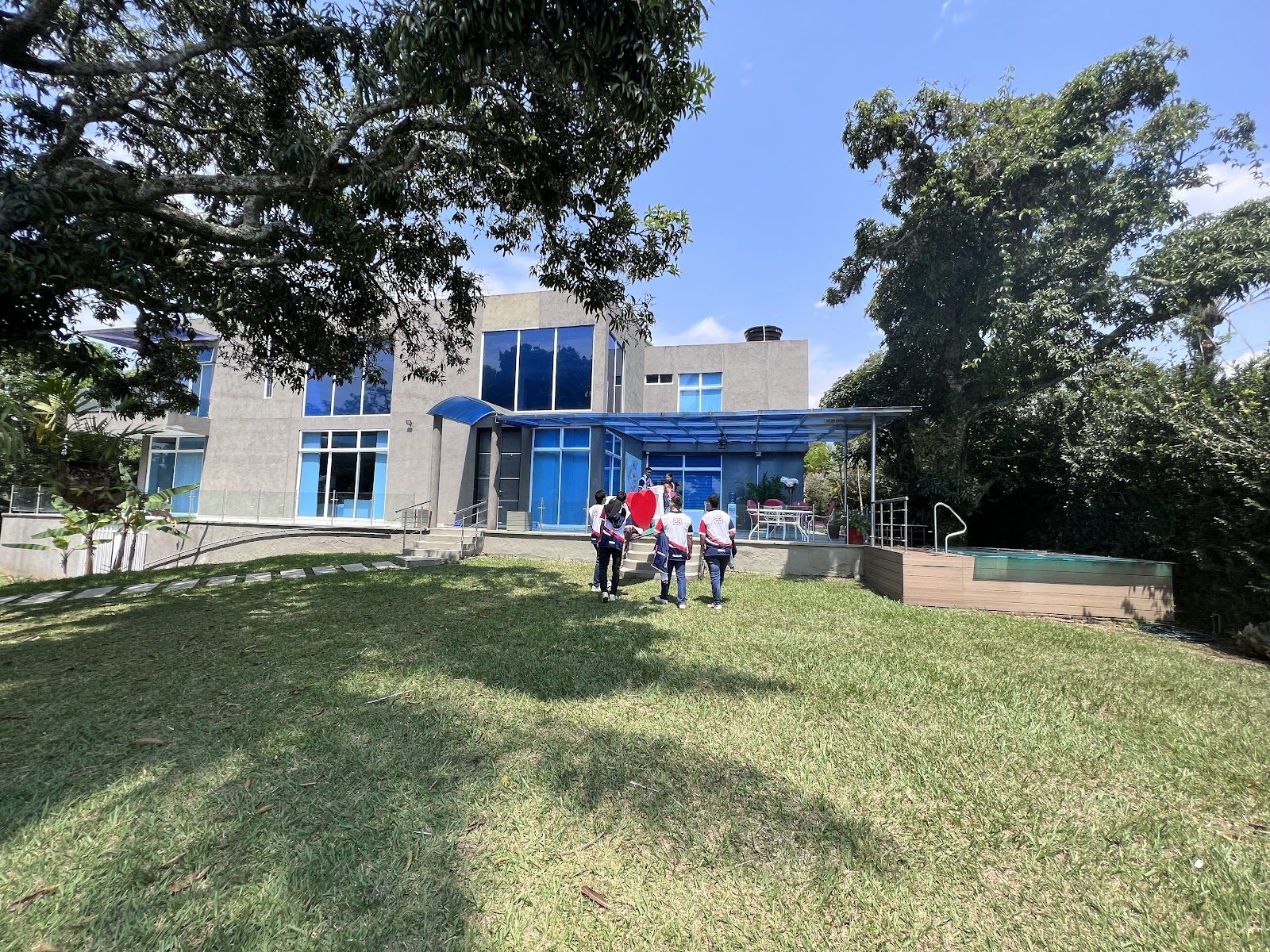
Colegio Bilingüe Diana Oese
Cali · Colombia
On a 3-hectare farm campus in La Buitrera, a sensory bilingual method has topped Colombia's Saber 11 rankings twice.
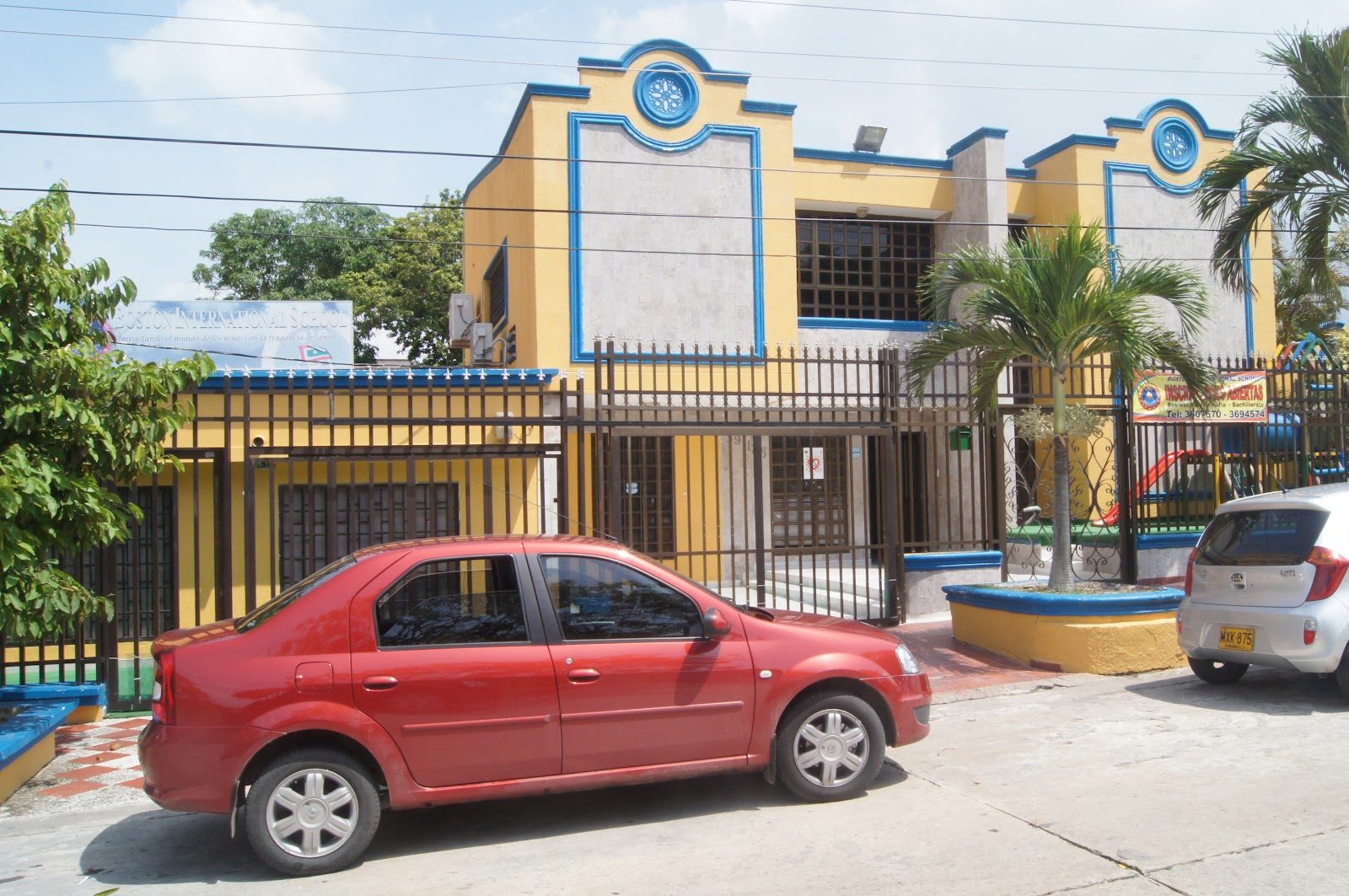
Colegio Boston Internacional
Barranquilla · Colombia
From a rented house with 20 pupils in 2002 to Colombia's top-ranked school in the 2025-2026 Col-Sapiens survey
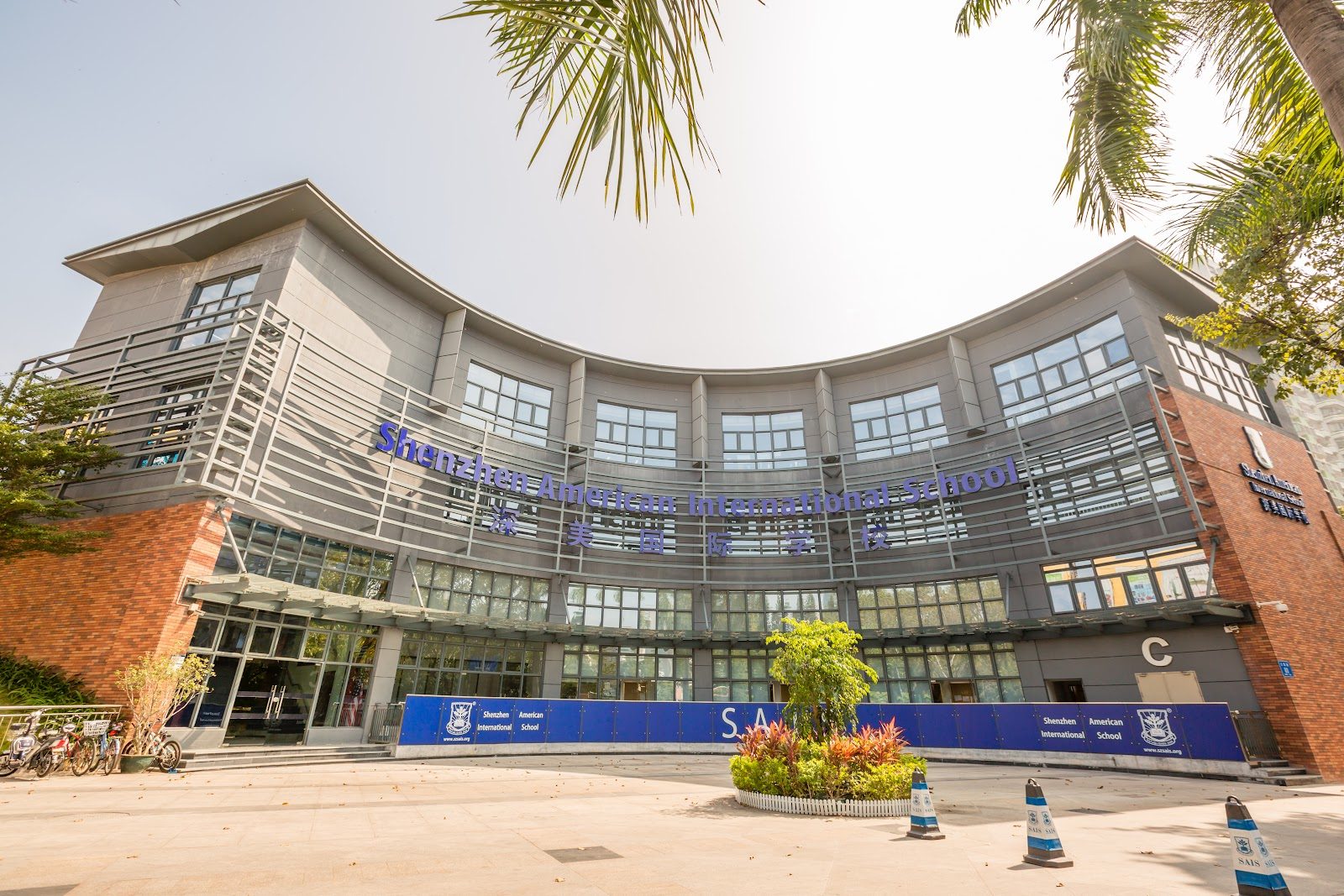
Shenzhen American International School
Shenzhen · China
In China's electronics capital, a Shekou campus swaps lecture halls for a maker space, fusing Common Core rigor with hands-on invention.
Wuhan Yangtze International School
Wuhan · China
In Hanyang on the Yangtze, this foreign-passport-only campus rallies students into four house teams: Viper, Tiger, Crane, Panda.
Same country and curriculum — closest matches within ±10 points either way