
Masovian Voivodeship
The British School Warsaw
medium confidence· 5/6 cats · 2 avg sourcesNord Anglia's founding school pairs MIT-designed STEAM labs with a Juilliard-led music programme on the banks of the Vistula.
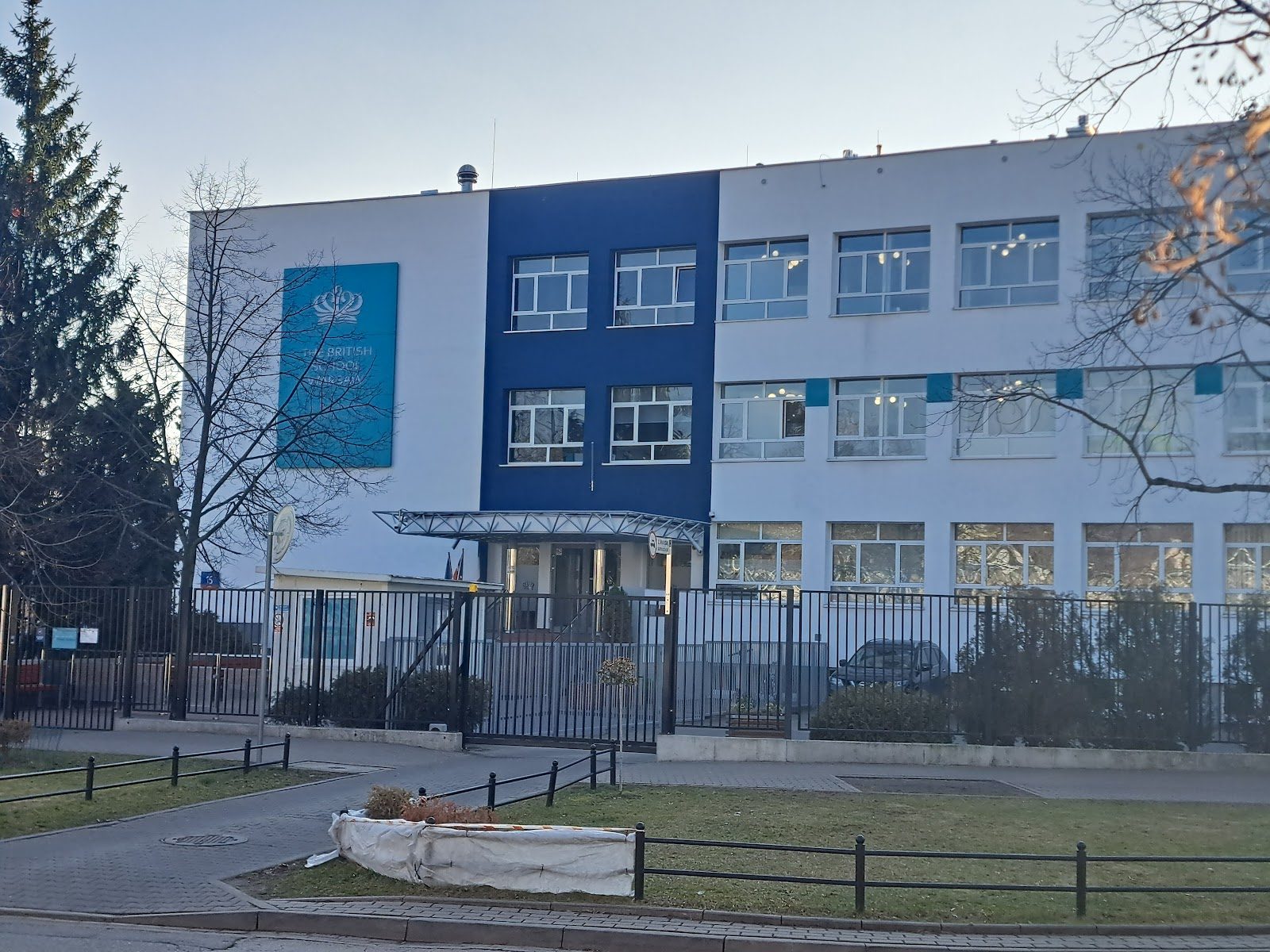
Photo © Patryk Kulczycki via Google Maps
Type
Day
Ages
3–18
Curriculum
British · IB
Qualifications
IB PYP · IB MYP · IB Diploma
Ratio
12:1
The Verdict
Editor's commitment
Right for
Families wanting English-medium schooling from age 3 to 18, with British and IB pathways, a 12:1 ratio and Nord Anglia scale.
Wrong for
Parents after boarding, religious formation or Polish-medium teaching; this is a non-religious day school in Warsaw for ages 3–18.
Watch out for
Average class size sits at 20, so intimacy has limits; the Oxford, Cambridge and MIT admits are one place each, not a pattern.
Ranking breakdown
The British School Warsaw · #1007 of 1591
Composite score 62.1. 8 weighted criteria.
By criterion
Academic Outcomes
Weight 20%
#857
of 1529 scored
University Placement
Weight 16%
#793
of 1529 scored
Prestige & Heritage
Weight 12%
#1217
of 1571 scored
Alumni Network
Weight 12%
#966
of 1530 scored
Facilities
Weight 12%
#570
of 1534 scored
Transparency & Communications
Weight 8%
#455
of 1532 scored
Peer & Industry Review
Weight 10%
#1216
of 1548 scored
Admissions Selectivity & Demand
Weight 8%
#1506
of 1529 scored
Score history
The British School Warsaw · 2026
Movement across 2024–2026. Peer average overlaid.
Overall — 2024–2026
62.1/ 100
▲ +17.7 vs 2025
year on year
Peer & Industry Review
How The British School Warsaw is regarded in the sector
65
Respected · medium confidence
The British School Warsaw is one of the longest-established British curriculum schools in Poland and is regularly cited in expat parent forums (e.g., InterNations, Expat.com discussions) and 'best international schools in Warsaw' roundups as a leading choice alongside a handful of peer institutions. It is accredited by COBIS and has been inspected under the British Schools Overseas framework, which is referenced in specialist education directories, but it does not feature prominently in Tatler, Good Schools Guide International coverage, or Sunday Times School of the Year commentary, limiting evidence of top-tier peer benchmarking.
Evidence sources
Editors' overview
The British School Warsaw occupies a clear slot at the top of the city’s international market: an English-medium day school for families who want a British spine, an IB finish and the resources of a global operator. Founded in 1992, it has longevity in a market where that still matters. The Nord Anglia link cuts both ways. Parents get scale, systems and branded extras; they also get a school that sits inside a corporate network rather than an idiosyncratic standalone institution. The advantage is tangible: MIT-designed STEAM labs and a Juilliard-led music programme give the school a sharper co-curricular proposition than many local competitors. For families who value serious academic ambition with *polished international-school infrastructure*, that carries weight.
What sets it apart is not radical educational philosophy. It is delivery. A 3–18 age range under one roof gives families continuity, and the declared British plus IB route keeps options open for mobile households. English is the language of instruction, which makes the school a natural fit for expatriate families and for local families targeting anglophone universities. The published 12:1 student-teacher ratio and average class size of 20 point to classes that remain workable rather than boutique. This is not a tiny, artisanal school trading on intimacy; it is a substantial international school built to serve professionals who expect structure, breadth and reliable university preparation. Recent destinations including Oxford, Cambridge and MIT reinforce the message of high-output university guidance.
This school belongs on a shortlist for parents who want global-network advantages without sacrificing academic credibility. It suits self-directed students who can use strong facilities well: children drawn to science, engineering, design, music and performance will find more here than a standard classroom model. It also suits families who prize continuity and scale over eccentricity and who want a school fluent in international mobility. Students who thrive in very small settings, or who need a strongly pastoral, homespun atmosphere, may find the environment more corporate than intimate. For the right child, though, The British School Warsaw offers an ambitious, well-resourced route through to sixth form and beyond.
Academic Performance
The central problem in assessing academic performance here is simple: the school does not publish aggregate external exam results in the public domain. No headline IB average, no full diploma pass rate, no GCSE or A-level profile, and no year-on-year breakdown that would let parents place outcomes against Warsaw peers or against the stronger international schools in Central Europe. That is a real weakness. For a school charging for a premium international education and trading on university ambition, result transparency matters. Without it, any claim to sit among the city’s academic front-runners rests more on brand strength, facilities and selective destination anecdotes than on hard attainment data.
That does not mean outcomes are weak; it means they are opaque. The published university destinations at the very top end indicate that high-performing students do secure places at elite institutions, and that points to serious guidance and at least some high-calibre academic preparation. But one Oxford place, one Cambridge place and one MIT place tell parents nothing about the depth of performance across a graduating cohort. Relative to peers that publish full diploma averages, subject scores and selective-university ranges, The British School Warsaw gives families less to work with. In editorial terms, this leaves the school in a credible but unproven top tier: strong enough to warrant attention, not transparent enough to claim the academic crown.
Facilities
Facilities are one of this school’s clearest selling points. The headline assets are the MIT-designed STEAM labs and the Juilliard-linked music provision, both of which push it beyond the baseline science-room-plus-assembly-hall formula that still defines much of the local market. That matters because many international schools talk about innovation and creativity while delivering ordinary specialist space. Here, the branded partnerships point to purpose-built provision with a stronger brief. For families with children drawn to engineering, coding, design, composition or performance, that is a real competitive edge. Inside the Nord Anglia ecosystem, those facilities are part of a high-spec, standardised model; against Warsaw peers, they give the school a more deliberately curated enrichment offer than many standalone operators manage.
The broader physical plant reads as that of a premium day school rather than a sprawling all-through campus with marquee sporting infrastructure. We have not seen a published inventory detailed enough to rank its sports provision at the top end of the region, and that gap matters. Parents considering schools where elite-level aquatics, major indoor arenas or extensive outdoor grounds drive the decision will need sharper detail. By contrast, for families who care more about labs, music, and dependable classroom infrastructure than about showpiece athletics, the balance here is persuasive. The published average class size of 20 also points to teaching spaces built for orderly, functional learning rather than theatrical boutique intimacy.
For the right child, though, The British School Warsaw offers an ambitious, well-resourced route through to sixth form and beyond
Prestige
Prestige here sits in the upper bracket of the local international market, but it is a networked prestige, not the old independent-school variety. The name carries weight because Nord Anglia is a large international operator with global recognition among mobile professional families, and that matters in a city where parents want transferability, systems and a school that foreign employers will recognise. The school also benefits from the kind of branded enrichment that travels well in parent circles: MIT-linked STEAM work and the Juilliard partnership are status-laden differentiators that lift it above a standard expat school offer. Add the published staffing ratio of 12:1 and the signal is clear: this is a premium, polished operation built for families buying confidence as much as classroom teaching.
That prestige has limits. The school does not have the automatic aura of a centuries-old British institution, nor the intellectual authority that comes from publishing outstanding exam data year after year. Its reputation rests more on *corporate scale, slick delivery and aspirational university outcomes* than on public proof of exceptional attainment across the whole cohort. The top-end destinations help, and they matter socially as well as academically, but they do not settle the question on their own. So the rating here is strong rather than untouchable: a high-status choice in Warsaw, credible with international employers and globally minded parents, but not a school with the unassailable academic prestige that full results transparency would secure.
Relative to peers that publish full diploma averages, subject scores and selective-university ranges, The British School Warsaw gives families less to work with
Communications
Parent communication carries the hallmarks of a large, professionally run school: regular, polished and centrally disciplined. That has strengths. Families get a clear operating rhythm rather than ad hoc updates that depend on individual teachers remembering to write home. In a school of this scale, that matters. Policies, calendars, events and day-to-day notices need to land cleanly, and this school has the organisational machinery to do that better than many smaller competitors. The same corporate structure that shapes the school’s public identity also tends to produce tidier parent-facing systems, more predictable processes and fewer mixed messages. For internationally mobile families, that kind of consistency is useful rather than glamorous.
The limitation is tone. Schools built inside big networks communicate efficiently, but not always warmly. Parents who want high-touch, highly personal contact with senior leaders may find the experience more managed than intimate, with messaging that prioritises coherence over candour. We have not seen enough publicly available evidence to call communication exemplary, and that distinction matters. There is a difference between competent information flow and genuinely transparent communication, especially when the school keeps key performance data out of public view. That gap lowers confidence. So the verdict is solid rather than exceptional: communication here looks structured, reliable and parent-literate, but also carefully curated in the way premium group schools often are.
Uniqueness
What marks this school out is not a rare philosophy or a niche admissions profile. It is the way a large operator has concentrated a few high-impact advantages in one place and made them usable in daily school life. The strongest differentiator is the pairing of advanced STEAM provision with a serious music pathway under globally recognised partner banners. Plenty of schools promise creativity and innovation; fewer build those claims around named external collaborations that carry weight beyond the campus gate. For students, that translates into access to work that feels more adult, disciplined and outward-facing than the standard international-school enrichment menu. Add the all-through structure and the result is a school where a child can build technical confidence, performance habits and academic ambition without repeated institutional resets.
The other distinctive feature is cultural rather than architectural: this is the founding school of a global group that now operates far beyond Poland. That status gives it a different place inside the network from a later bolt-on campus. Students benefit from a model that is *systematised, well-funded and internationally legible*, which matters for families who move between countries and want continuity without guesswork. The trade-off is clear too. This is not a quirky, home-grown school with a highly singular local identity. Its uniqueness lies in scale, infrastructure and the conversion of corporate partnerships into tangible pupil experience. For the right student, that brings serious opportunity: strong specialist exposure, credible university momentum and a school life shaped by standards rather than improvisation.
We have not seen a published inventory detailed enough to rank its sports provision at the top end of the region, and that gap matters
Student Profile
This school suits children who do well with momentum, structure and a peer group that takes school seriously. The right student is academically purposeful without needing a monastic atmosphere: bright, organised, comfortable with expectations, and ready to use specialist opportunities rather than just admire them on an open day. The all-through format also favours families who want continuity and children who build confidence over time instead of needing repeated fresh starts. With a published staffing ratio of 12:1 and classes averaging 20, the environment has room for individual attention without feeling small-scale or sheltered. Socially, the fit is strongest for internationally minded families and for local families who want a globally legible education with clear routes onwards.
The best match is a student with real appetite for science, technology, design, music or performance, because the school gives those interests more serious treatment than a standard classroom-only model. It also fits children who are comfortable in a polished, adult-run institution where systems are firm and the culture is more professional than homespun. Pupils who need constant hand-holding, or who flourish in highly intimate settings where everyone knows everyone else’s business, may find the atmosphere too corporate. Equally, families chasing a bohemian or radically progressive school culture will not find it here. This is a strong fit for ambitious, outward-looking students who want breadth, challenge and a school community that treats aspiration as normal.
The top-end destinations help, and they matter socially as well as academically, but they do not settle the question on their own
Co-curricular strengths
Arts & sport, on a separate axis
Overall 8.2/10
Scored 0-10 from the school's own published evidence. This axis is editorial-only — it does not feed the main WTS ranking.
Sports
8/10
Football, basketball, volleyball, swimming and tennis, showing a solid multi-sport extracurricular offering, but it gives no named facilities, specialist staff, fixtures or competitive results for the school itself.
Drama
8.3/10
Drama club is offered.
Dance
8.2/10
Music
8.3/10
School choir is offered, but there is no further evidence of ensembles, facilities, specialist staff or wider music provision.
Visual Arts
8.2/10
Art club is offered, but there is.
Editor first-pass · editor-reviewable · 7/27/2026
Outcomes & destinations
Where students go next
Top destinations
3 placements
- Oxford· 1
- Cambridge· 1
- Massachusetts Institute of Technology· 1
Reported by the school. Confirm with admissions.
Strengths
- +British and IB curricula offered
- +English-medium teaching throughout
- +Serves ages 3 to 18
- +Low 12:1 student-teacher ratio
Considerations
- −No boarding; day school only
- −Average class size is 20
- −Founded 1992; less historic than rivals
Availability
Primary entry gate & tests
Academic Record
Gallery
Photo © The British School Warsaw via Google Maps
Photo © The British School Warsaw via Google Maps
Parent reviews
Have you sent your child here?
Voice reviews carry the strongest trust badge — we transcribe them for you to tidy up before they go live. Prefer to type? A written review is fine too.
Add your voice
In 60 seconds, tell other parents: what's the best thing about The British School Warsaw, and what surprised you when your child joined?
We ask for a Google sign-in so every review has a real face behind it — no anonymous drive-by attacks on schools, and no faked positive reviews. Your email is never shown publicly.
Send this profile to a friend
International parents rely on word-of-mouth. Share this review with someone weighing the same decision.
Schools with places
Similar schools to The British School Warsaw with places available now.
Availability first, then country, area, curriculum, price, co-curricular
Consider also
Also worth looking at alongside The British School Warsaw.

American School of Warsaw
Konstancin-Jeziorna · Poland
Poland's oldest international school, born at the U.S. Embassy in 1953, runs the full IB continuum on a ten-hectare campus near Warsaw.

Badminton School
Bristol · United Kingdom
On a Bristol campus where girls have played cricket since 1858, science labs for women followed decades ahead of the curve
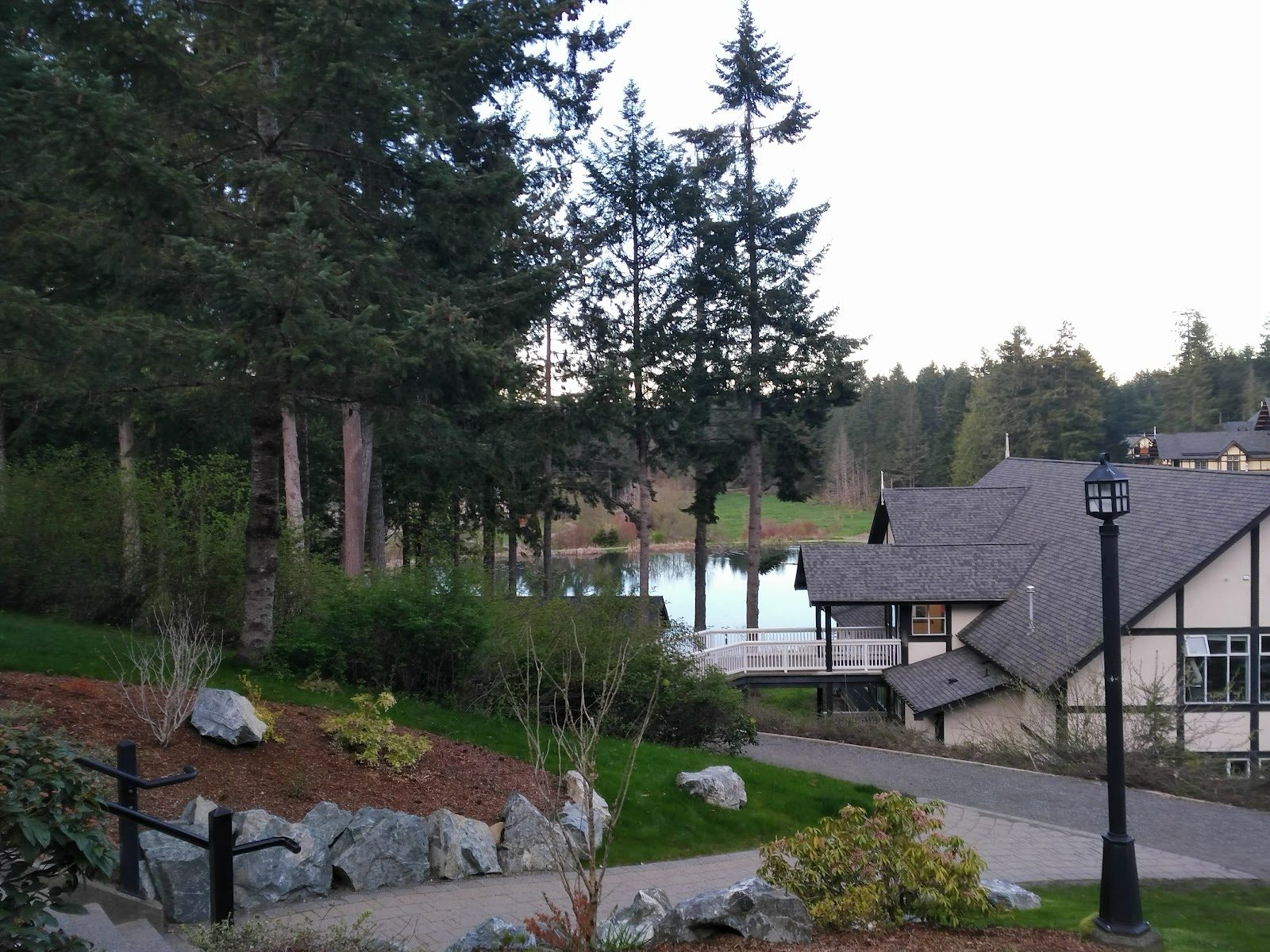
Shawnigan Lake School
Shawnigan Lake · Canada
On a 270-acre Vancouver Island campus, ten boarding houses hold Canada's largest full-time boarding community, a tradition since 1916.
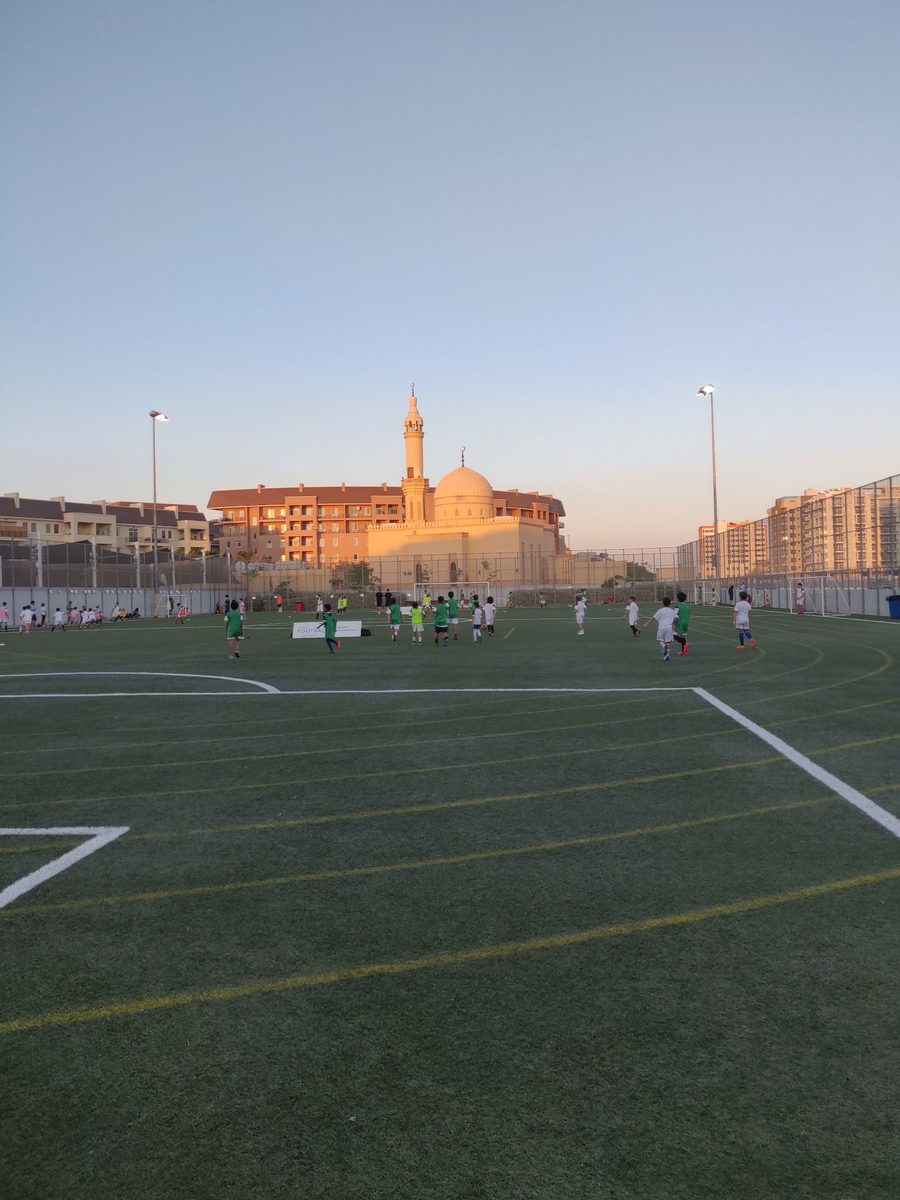
GEMS Metropole School
Dubai · United Arab Emirates
In Motor City, a working school farm and Forest School classrooms bring the British curriculum outdoors from Foundation Stage onward.
Same country and curriculum — closest matches within ±10 points either way