
Bristol
Badminton School
high confidence· 5/6 cats · 3 avg sourcesOn a Bristol campus where girls have played cricket since 1858, science labs for women followed decades ahead of the curve

Photo © Badminton School via Google Maps
Type
Boarding
Ages
11–18
Curriculum
British
Qualifications
A-Level
Ratio
—
The Verdict
Editor's commitment
Right for
Girls 11–18 who want serious academic intent: 82% of 85 leavers reached top-100 universities, with 9 to Oxford or Cambridge.
Wrong for
Families wanting co-ed or a cheaper route: Badminton is girls-only, Anglican, and average annual boarding fees run to £38,000.
Watch out for
HMC and ISI credentials matter less than fit; Bristol sent 10 leavers there in 2024, so local pull rivals Oxbridge prestige.
Ranking breakdown
Badminton School · #919 of 1591
Composite score 62.1. 8 weighted criteria.
By criterion
Academic Outcomes
Weight 20%
#449
of 1529 scored
University Placement
Weight 16%
#459
of 1529 scored
Prestige & Heritage
Weight 12%
#438
of 1571 scored
Alumni Network
Weight 12%
#1454
of 1530 scored
Facilities
Weight 12%
#559
of 1534 scored
Transparency & Communications
Weight 8%
#551
of 1532 scored
Peer & Industry Review
Weight 10%
#598
of 1548 scored
Admissions Selectivity & Demand
Weight 8%
#369
of 1529 scored
Score history
Badminton School · 2026
Movement across 2024–2026. Peer average overlaid.
Overall — 2024–2026
62.1/ 100
▲ +14.5 vs 2025
year on year
Peer & Industry Review
How Badminton School is regarded in the sector
68
Respected · medium confidence
Badminton School is widely regarded as Bristol's most academic girls' school, a standing the Good Schools Guide affirms by crediting its selective entry and small classes with producing a reputation as the city's academic leader. Independent sector reviewer Best Schools Guide places it as a regular fixture in the Top 10 of its girls' boarding schools league table, while the school's historic third-place finish in the Financial Times top 1,000 schools ranking underscores a genuine, if not top-tier national, academic pedigree. Its alumnae network carries unusual cultural weight, counting former Indian Prime Minister Indira Gandhi and Booker Prize-winning novelist Iris Murdoch among Old Badmintonians, both commemorated with blue plaques at the school gates. Coverage remains largely UK-specialist rather than global, and there is no dedicated WhichSchoolAdvisor or SchoolsCompared verdict, so its footprint sits below the handful of nationally ubiquitous UK girls' schools despite a solid regional and specialist-press profile.
- Indira Gandhi — Prime Minister, Politics, India
- Iris Murdoch — Novelist/Philosopher, Literature
- Nova Pilbeam — Actress, Film
Editors' overview
Girls have played cricket here since 1858, and that matters because Badminton still carries the stamp of a school that gave serious intellectual and physical space to girls early, and has kept doing it without fuss. This is an Anglican boarding school in Bristol for ages 11 to 18, teaching a British curriculum in English, and its public face is strikingly broad: classics, philosophy, religion and ethics, history of art, computer science, psychology, business and economics, plus a full boarding structure with named houses and a separate sixth form centre. That breadth is the point. Badminton is not a narrow hot-house built around a single result metric; it is a properly academic girls’ school with enough range to suit students who want strong sciences without surrendering languages, arts or humanities. ISI and HMC membership place it firmly inside the established independent-school mainstream, but the older story here is sharper than the badge collection: this is a school with a long record of taking girls’ education seriously before that became standard.
The university outcomes are strong and concrete. In the Class of 2024, from 85 leavers, 82% went to top-100 universities, with 9 Oxbridge places and 32 Russell Group destinations; Oxford took 5 and Cambridge 4, while Bristol took 10. That tells you two things. First, Badminton delivers for the girl aiming at selective UK admissions. Second, it does not operate as a one-note Oxbridge factory; the Bristol figure points to a school that also serves students making sensible high-grade choices close to home or in disciplines where fit matters more than prestige theatre. Fees put it in the serious-buying category rather than the stratospheric one: an average annual day fee of £13,395 and an average annual boarding fee of £38,176 across the full ladder it covers. For a UK boarding school, that boarding figure reads as competitive rather than grandiose.
Who will want it? A girl who likes structure, substance and the company of other bright girls; a student who wants boarding without a faux-glamour finish; a sixth former who values subject choice and academic enrichment over branding noise. Badminton belongs on a shortlist because it offers a clear, durable proposition: historic girls’ education, real boarding, credible top-university outcomes and a curriculum broad enough to keep able students alive to multiple futures. The caveat is plain. Families hunting for a co-ed environment, a progressive educational experiment or a school built around flash facilities and constant self-advertisement will find stronger fits elsewhere. Badminton suits the student who is intellectually serious, steady under expectations and happy in a school that values depth over performance.
Academic Performance
Badminton sits in the upper tier of academically strong UK girls’ schools, with an exam profile that carries real weight beyond local reputation. The public result we have is the school’s A-level outcome for the most recent year cited on Wikipedia: 48.5% of entries at A/A. That is a serious sixth-form result*. It does not place Badminton in the tiny national cluster of schools posting the most extreme headline scores, but it does place it firmly among schools where high grades are routine rather than exceptional. The university destinations already point in the same direction: this is a school that converts strong teaching into selective admissions, not one that trades on heritage while leaving the hard academic evidence vague.
Set against peers, Badminton reads as securely high-performing rather than feverishly exam-drilled. That distinction matters. Some parents want the absolute top statistical finish and will compare it with the most ruthless London day schools or the sharpest super-selective boarding names. Badminton’s profile is different. Its subject range is broad, extending from classics and history of art to computer science, psychology and business, and schools that keep that breadth while still generating *A/A** rates at this level are doing substantial academic work. The missing piece is fuller publication: we have not seen a run of multi-year GCSE and A-level data in the public domain. That leaves the picture strong but not fully transparent by the standards of the most data-forward competitors.
Facilities
Badminton’s facilities read as those of a proper all-round academic school rather than a campus built to impress on open day. The strongest signal is subject infrastructure. The senior school lists dedicated teaching across the full academic spread: separate departments for the three sciences, computer science, classics, business and economics, psychology, politics, history of art, food and nutrition, dance, drama and music, with philosophy, religion and ethics in the main school and religious studies in sixth form. That matters because plenty of peer girls’ schools still thin out minority subjects or fold them into broader umbrellas. Badminton does not. The presence of a named sixth form centre and a library underwrites that academic seriousness. Science outreach also points to working lab capacity rather than decorative STEM branding.
For boarding families, the important facility question is domestic, not theatrical. Here the school offers named boarding houses and guardianship provision, which places it in the serious full-boarding tradition rather than the token weekly-boarding bracket. The public site also highlights a sports centre, and the school’s long sporting history gives that some credibility, but we have not seen the sort of detailed facilities inventory top rivals now publish for pools, rowing, theatres or elite performance centres. That is the gap. Against peers, Badminton looks *well equipped where teaching and boarding count most, less showpiece-driven* in major capital assets, and stronger for families who value usable academic space over facility theatre.
A school sending 9 pupils to Oxbridge in one cycle and placing 82% of leavers into top-100 universities commands attention in the admissions world
Prestige
Badminton has real prestige, but it is a specific kind of prestige. This is not a fame-first school that dominates public conversation in the way a handful of London brands do. Its standing rests on substance: a long record as a serious girls’ school, a durable boarding culture, and academic outcomes that carry weight with universities. The top-end destinations matter here. A school sending 9 pupils to Oxbridge in one cycle and placing 82% of leavers into top-100 universities commands attention in the admissions world. That level of conversion gives Badminton more than local cachet; it gives it credible national standing. The older Financial Times placing adds historical signal, but the stronger point is current relevance: selective universities still take this school seriously.
Why not rate it higher still? Because prestige has layers, and Badminton sits below the ultra-elite glamour tier. Its public profile is quieter, its brand reach narrower, and its results, while strong, do not carry the relentless statistical dominance that defines the most ferocious names in the market. That is not a weakness for every family. For many, it is a strength. Badminton offers *earned prestige rather than theatrical prestige*: respected by people who know girls’ education, taken seriously by admissions tutors, and free of the overheated status performance that can make more famous schools exhausting. In plain terms, it is a high-status school with proper educational credibility, not a trophy label.
Badminton’s distinctiveness starts with its place in the history of girls’ education, but the sharper point is what survives from that history now
Communications
Badminton’s parent communication has the structure you want from a school with moving parts. The website gives clear routes to the people and processes that matter: admissions pages split by entry point, direct sections for parents, term dates, transport, fees, registration forms, policies, inspection reports, open days, guardianship and secure payments. That is not glamorous, but it is properly functional. For current families, that matters more than marketing polish. A school running day pupils, boarders and international admissions needs clean signposting and predictable logistics; Badminton provides that. The presence of named boarding houses and a separate parents’ area also points to organised operational communication, not a single generic front door for every query.
The limitation is plain. The public-facing tone is controlled to the point of blandness. There is news, events and social media, but little depth on how the school communicates the lived reality of teaching, boarding routines or pastoral follow-through once a girl is inside. Nor does the site publish the richer dashboard of calendars, academic reporting rhythms or parent-handbook detail that the best-run competitors now surface openly. So the verdict is mixed in a precise way: the essentials are there, and the school handles the administrative brief with quiet competence; what is missing is the granular transparency that reassures demanding parents before they need to ask. That makes communication effective at the practical level, less strong at building full confidence in day-to-day delivery.
Uniqueness
Badminton’s distinctiveness starts with its place in the history of girls’ education, but the sharper point is what survives from that history now. This is a school that still gives girls a full intellectual runway. The subject map is unusually wide for a school of its kind: classics sits alongside computer science; history of art alongside physics; psychology and business alongside philosophy, religion and ethics. That breadth gives students real room to be *seriously academic without becoming narrow*. A scientifically strong pupil does not need to shed the arts to keep pace, and a humanities-minded sixth former does not get pushed into a token menu. The school’s science outreach reinforces that culture of scholarship as something to be used, not merely examined.
The second point of difference is tone. Badminton does not trade in the hard-sell glamour that clings to parts of the boarding market. Named houses, a separate sixth form centre and a campus history tied to girls’ sport give it a settled, lived-in identity rather than a manufactured brand. For students, that brings two advantages. First, boarding and day pupils enter a school with enough structure to hold ambition steady. Second, able girls get permission to aim high without constant theatrical pressure. The destinations profile already proves that the school converts that model into outcomes, but the deeper value is cultural: pupils grow up in an environment where female seriousness in study, sport and leadership is normal, old and deeply embedded.
First, Badminton delivers for the girl aiming at selective UK admissions
Student Profile
Badminton suits girls who like intellectual range and do not need a school to turn every ambition into a public performance. The pupil who fits here is self-possessed, academically committed and comfortable in an environment where seriousness is normal. She does not need to choose between sciences and the humanities too early; the school’s subject menu leaves room for both, and that breadth will matter to girls whose interests are still expanding in the middle years. Sixth formers with a clear university aim will fit well too, especially those targeting selective courses and willing to work steadily for them. The destinations record, with 9 Oxbridge places in one cycle and 82% moving on to top-100 universities, tells you this is a school for girls who intend to use school as a route to the next stage, not as a finishing school with better marketing.
Socially, the best fit is a girl who values structure, routine and a community centred on other girls. This is not the right school for a pupil who wants a louder co-ed social scene, a highly casual culture or a campus built around flashy self-display. It will suit boarders who want a settled weekday rhythm and day girls who are happy inside a school with a clear internal culture rather than a porous, urban feel. Creative students, linguists and classicists can thrive here, but so can mathematicians and scientists; the common thread is not one talent type but a willingness to join a serious-minded, grounded peer group.
For a UK boarding school, that boarding figure reads as competitive rather than grandiose
Co-curricular strengths
Arts & sport, on a separate axis
Overall 8.42/10
Scored 0-10 from the school's own published evidence. This axis is editorial-only — it does not feed the main WTS ranking.
Sports
8.8/10
Netball, hockey, tennis and swimming, plus only a broad note that sports were encouraged, which supports an explicitly present but not elaborated sports programme.
Drama
9/10
Drama productions, and verified alumni evidence includes Rosamund Pike with a Primetime Emmy plus other notable actress alumni, which anchors drama at least at 7.
Dance
6.5/10
Music
9.3/10
Orchestra and choir, and verified laureate/alumni evidence connected to performance includes Rosamund Pike with a Laurence Olivier Award plus musician alumna Shirley Hopkins Civil, which supports a pedigree at least at 7.
Visual Arts
8.5/10
An art club, which is clear evidence of visual-arts provision but without further detail on facilities, specialist staff or exhibition strength.
Editor-verified · 8/6/2026
Outcomes & destinations
Where students go next
Editorial estimateClass of 2024
85 graduates
A-Level distribution
98% covered
- A*32%
- A32%
- B28%
- C6%
Top destinations
41 placements
- Oxford· 5
- Cambridge· 4
- Bristol· 10
- Durham· 6
- Exeter· 5
- Cardiff· 4
- Warwick· 4
- Bath· 3
Bristol girls' full-boarding; strong medical school pipeline.
Editor-approximated from the school's own leavers report. Awaiting school-attested figures.
Notable alumni · Wikidata
11notable alumni
4 historic (born pre-1930) · 2 modern (born post-1970)wikidata:2026-07-28 How we source this
The story in one line
48% achieved ≥ AAB in 2+ facilitating subjects·ISI Routine Inspection 2025
AAB with 2 facilitating subjects is the Department for Education's published predictor of admission to a top-third UK university: the pupil has scored high grades in at least two of the classic Russell-Group subjects (maths, sciences, English, history, geography, or a modern language). Independent schools don't appear in the state-only HE-destinations dataset, so this is the strongest DfE-verified sixth-form signal available. Source: DfE 16-18 school and college performance data · 2023/24. Value-added +0.27
DfE-verified statistics
Official GCSE data · 2024/2025
Progress 8
—
Value-added score. State-schools only; 0 = expected progress, +1 = one grade above.
Attainment 8
22.2
Average grade across 8 GCSEs (score out of 90). National ≈ 46.
EBacc average score
1.34
Avg grade across the 5 EBacc pillars (English, Maths, Sciences, Language, Humanity).
EBacc slots filled
1.2
How many of the 5 EBacc pillars pupils typically enter (max 5).
A-Level attainment
Cohort · 2023/24
Avg A-Level grade
A-
APS per entry: 45.70
Best 3 grade
A-
Best-3 APS: 45.80
≥ AAB + 2 fac.
48.0%
Russell-Group predictor.
Progress (value-added)
+0.27
Above average
Read with care. Independent schools frequently sit IGCSEs or Pre-U qualifications instead of standard GCSEs — DfE data only counts standard GCSEs, so these numbers may reflect a partial cohort. For a fuller picture, cross-check with the school's own annually-published results.
URN 109337Verified · DfE 2024/2025
Official inspection
ISI report · 2025
Inspectorate
Independent Schools Inspectorate
The Government-approved inspectorate for English independent schools.
Latest report
2 December 2025
Routine Inspection
Report history
Verified · Independent Schools InspectorateSource-of-truth
Strengths
- +A private boarding and day school for girls that consistently performs well at A-Level, with 64% of 2024 grades at A*/A.
- +In 2024, 82% of leavers progressed to top-tier universities, including nine Oxbridge places split between Oxford and Cambridge.
- +World-class provision in music (9.3) and drama (9.0), plus elite sport (8.8) and visual arts (8.5) on our co-curricular scoring.
- +A 10:1 student-teacher ratio and average class size of 18 support close individual attention.
- +Notable alumnae include novelist Dame Iris Murdoch and former Indian Prime Minister Indira Gandhi.
Considerations
- −The school is single-sex (girls only), so it is not an option for families wanting a co-educational environment or with sons to place alongside daughters.
- −At £30,000 day and £55,000 boarding a year, the school sits firmly in the premium fee bracket.
- −It is a comparatively small school, which may mean a narrower range of subject sets and sports fixtures than at larger boarding rivals.
- −Bristol lies outside the traditional Home Counties boarding belt, a logistical factor for families based overseas or in London.
- −Dance provision (6.5) is only strong, behind the school's world-class music and drama.
Availability
Primary entry gate & tests
11+/13+ Written Exams (Girls)
Gallery
Photo © Badminton School via Google Maps
Photo © Badminton School via Google Maps
Photo © Badminton School via Google Maps
Photo © Badminton School via Google Maps
Photo © Badminton School via Google Maps
Photo © Badminton School via Google Maps
Photo © Lorenzo via Google Maps
Photo © Lorenzo via Google Maps
Photo © Lorenzo via Google Maps
Recommended reading
Independent write-ups of this school from editorial outlets we trust.
- Badminton School reviewGood Schools Guide
Parent reviews
Have you sent your child here?
Voice reviews carry the strongest trust badge — we transcribe them for you to tidy up before they go live. Prefer to type? A written review is fine too.
Add your voice
In 60 seconds, tell other parents: what's the best thing about Badminton School, and what surprised you when your child joined?
We ask for a Google sign-in so every review has a real face behind it — no anonymous drive-by attacks on schools, and no faked positive reviews. Your email is never shown publicly.
Send this profile to a friend
International parents rely on word-of-mouth. Share this review with someone weighing the same decision.
Schools with places
Similar schools to Badminton School with places available now.
Christ's Hospital
Horsham · United Kingdom
- 2026-27
- CLOSEDStandard route closed
- 2027-28
- PLACES OPEN2027 entry assessment timetable active
St Swithun's School
Winchester · United Kingdom
- 2026-27
- CLOSEDStandard route closed
- 2027-28
- PLACES OPENCloses Nov '26
Thomas's Battersea
London · United Kingdom
- 2026-27
- CLOSEDStandard route closed
- 2027-28
- PLACES OPENRegistration open for Sept 2027 and beyond
Royal Grammar School, Guildford
Guildford · United Kingdom
- 2026-27
- CLOSEDStandard route closed
- 2027-28
- PLACES OPEN11+ / 13+ / 16+ active
Availability first, then country, area, curriculum, price, co-curricular
Consider also
Also worth looking at alongside Badminton School.
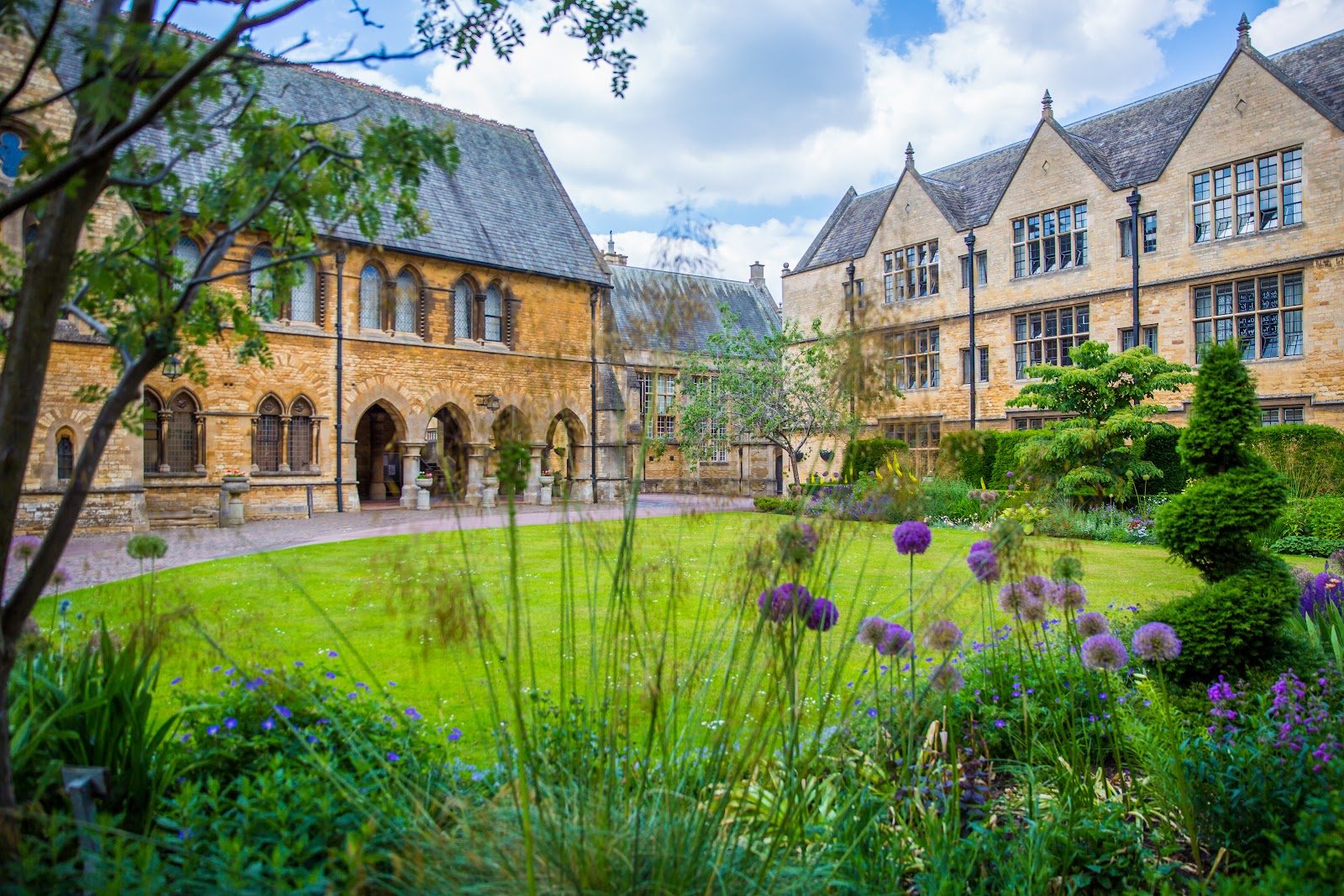
Uppingham School
Uppingham · United Kingdom
A Rutland boarding school where Thring's music-first Victorian philosophy still shapes seven-day house life today
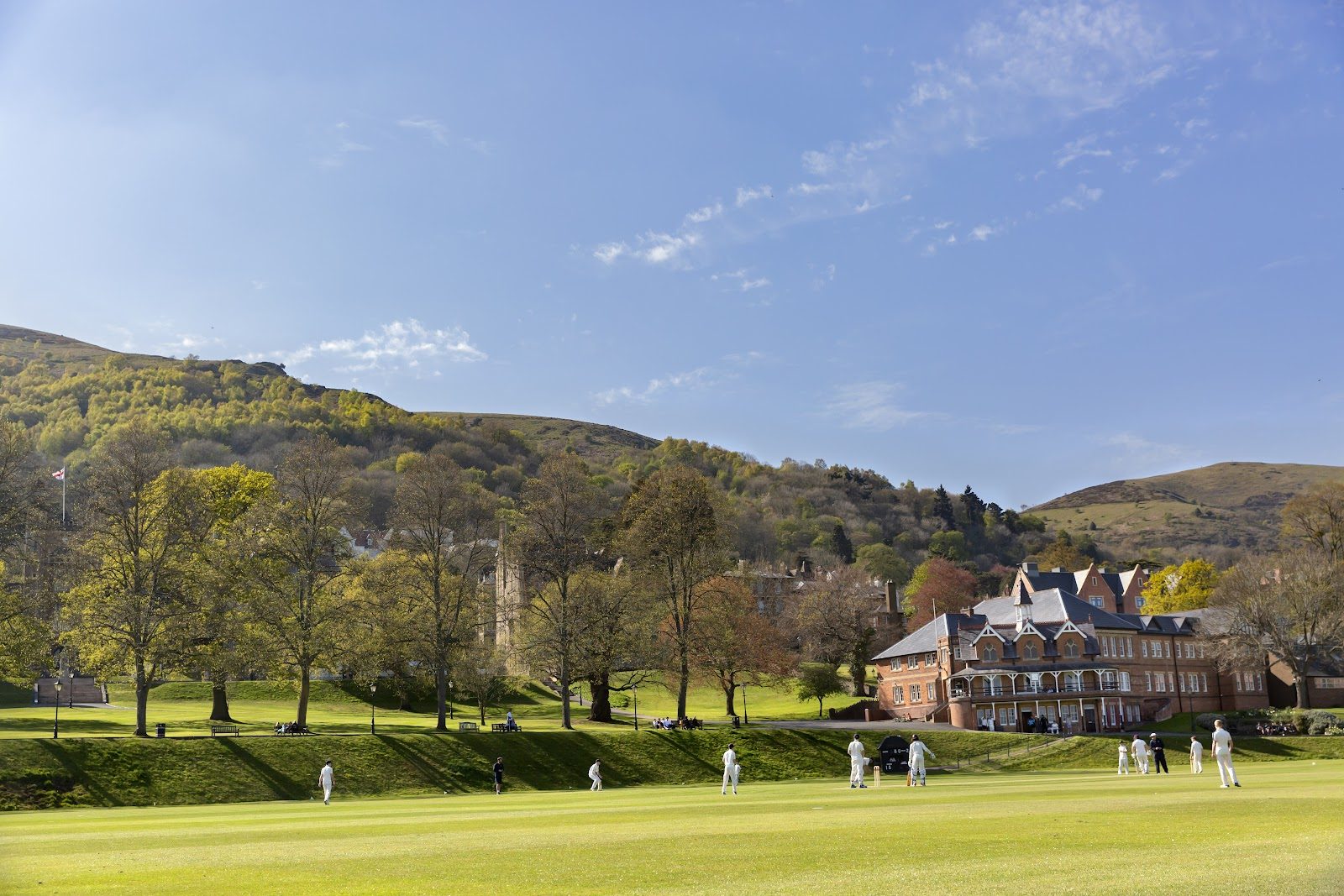
Malvern College
Malvern · United Kingdom
Beneath the Malvern Hills, a campus that once housed wartime radar research has produced four Nobel Prize winners.

Lady Eleanor Holles School
Hampton · United Kingdom
Since 1710 on a 24-acre Hampton site, a Thames boathouse has bred record-holding rowing eights alongside Oxbridge-track academics.
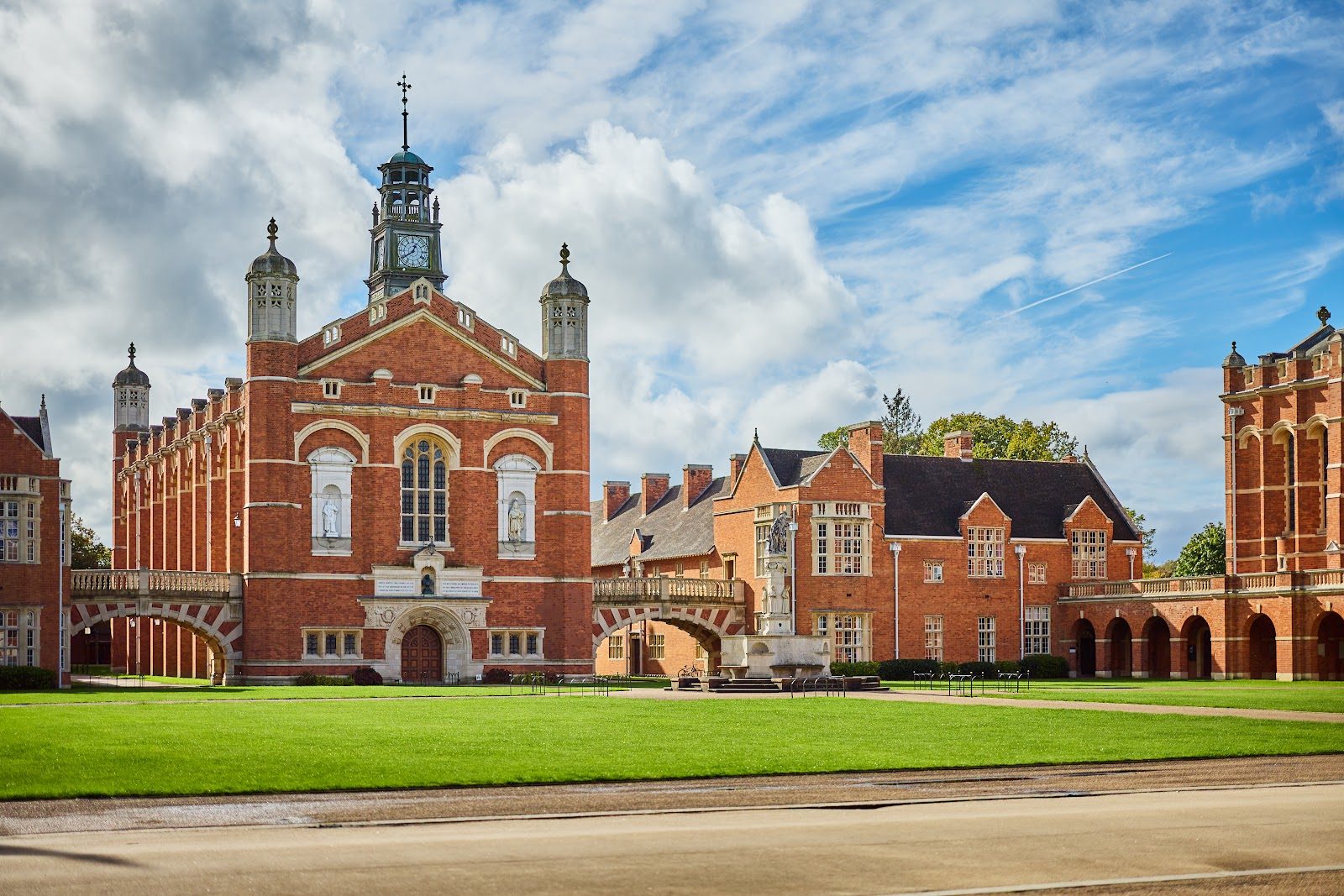
Christ's Hospital
Horsham · United Kingdom
Tudor bluecoat uniforms unchanged since 1552 meet a bursary scheme that funds most pupils, set across 1,200 acres of Sussex countryside.
Same country and curriculum — closest matches within ±10 points either way