
Perak
Malay College Kuala Kangsar
Since 1905, royal Perak patronage shaped this Eton-inspired boarding school, home to Asia's only Eton Fives court and a storied rugby tradition.
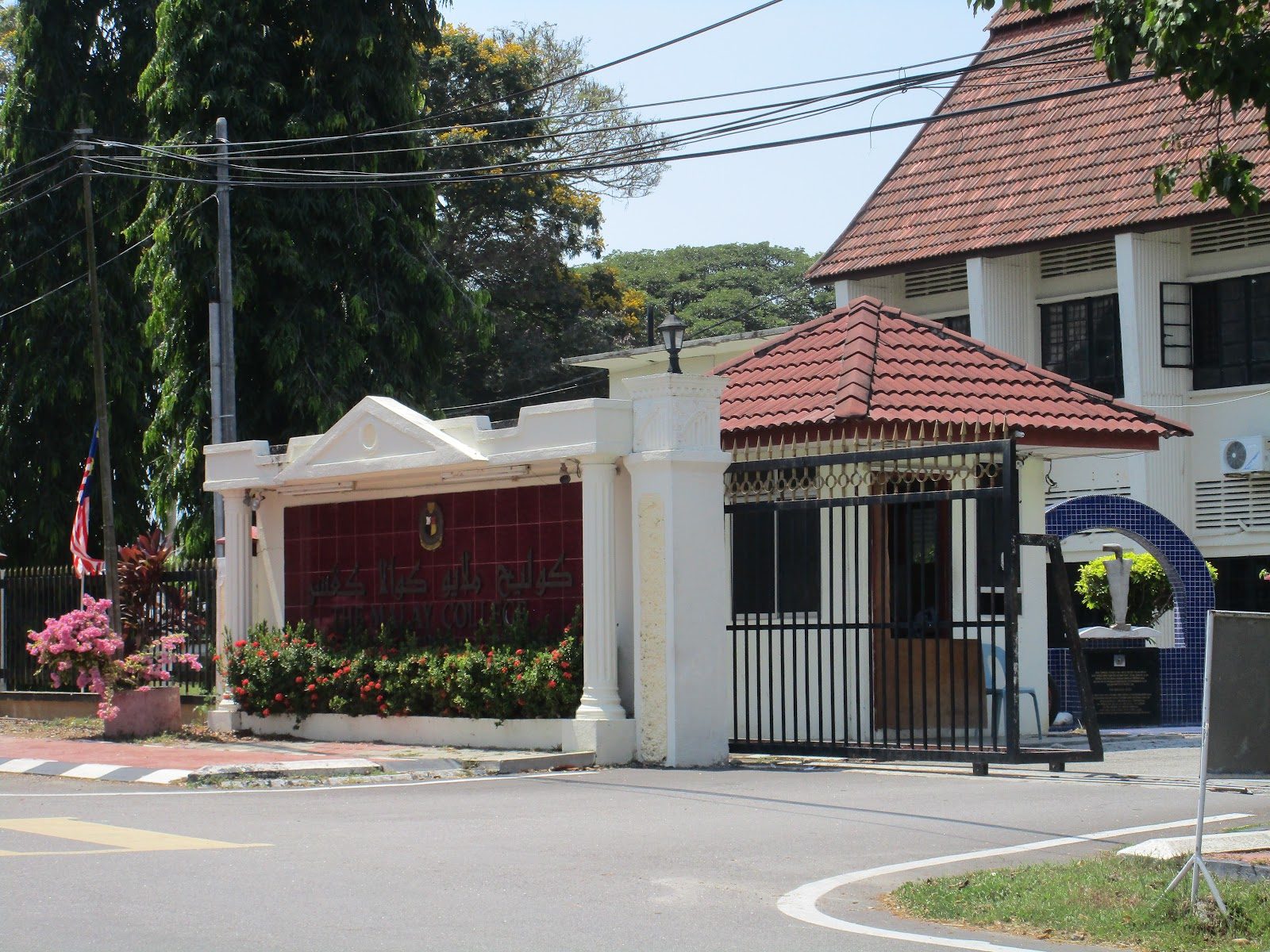
Photo © Wooi Chun via Google Maps
Type
Boarding
Ages
13–18
Curriculum
Malaysian · Cambridge
Qualifications
SPM · STPM · IGCSE
Ratio
—
The Verdict
Editor's commitment
Right for
Boys aged 13–18 who want full boarding in Kuala Kangsar, with Malaysian and Cambridge study in English and Malay.
Wrong for
Girls, non-boarders and families wanting a co-educational or non-Muslim school; MCKK is a boys-only Muslim boarding school founded in 1905.
Watch out for
MCKK trades heavily on its 1905 history and 'Eton of the East' tag, but it does not publish aggregate academic outcomes.
Ranking breakdown
Malay College Kuala Kangsar · #902 of 1591
Composite score 62.1. 8 weighted criteria.
By criterion
Academic Outcomes
Weight 20%
#1005
of 1533 scored
University Placement
Weight 16%
#736
of 1529 scored
Prestige & Heritage
Weight 12%
#9
of 1580 scored
Alumni Network
Weight 12%
#1258
of 1530 scored
Facilities
Weight 12%
#1113
of 1540 scored
Transparency & Communications
Weight 8%
#1347
of 1547 scored
Peer & Industry Review
Weight 10%
#222
of 1564 scored
Admissions Selectivity & Demand
Weight 8%
#153
of 1529 scored
Peer & Industry Review
How Malay College Kuala Kangsar is regarded in the sector
76
Strong · medium confidence
Malay College Kuala Kangsar is consistently referenced in Malaysian education commentary as the country's most prestigious residential school, carrying the long-standing nickname 'Eton of the East' used repeatedly in local press profiles and alumni histories. Its standing rests heavily on documented output: alumni include multiple Malaysian Prime Ministers (Tunku Abdul Rahman, Hussein Onn, Najib Razak) and numerous Sultans and senior civil servants, a lineage frequently cited by Malaysian commentators and rival premier schools (Victoria Institution, Penang Free School) as benchmarking evidence of its historic elite status. Within Malaysia's boarding-school and MARA/MRSM circuit, MCKK is treated as the reference institution against which newer full-residential schools are measured. Coverage in national outlets (New Straits Times, The Star) around Merdeka anniversaries and old-boy reunions routinely frames it as a nation-building institution rather than an academic-results powerhouse in the GSG/WhichSchoolAdvisor sense, since it does not feature in Western independent-school guides given its non-fee-paying, government-linked status. Its reputation is thus regional and historical/political rather than internationally benchmarked, strong domestically but with limited independent verification in global education press.
- Tunku Abdul Rahman — 1st Prime Minister of Malaysia, Politics
- Najib Razak — 6th Prime Minister of Malaysia, Politics
- Azman Hashim — Founder and Chairman, AmBank Group, Finance
Editors' overview
Malay College Kuala Kangsar occupies a singular place in Malaysia’s school landscape. Founded in 1905, it is one of the country’s old residential schools and carries the weight of royal Perak patronage, ritual and national memory. The comparison with Eton is not empty branding: this is an all-boys, all-Malay boarding school with a long house tradition, a formal institutional culture and a strong sense of inherited status. For parents, that matters if they want history with force behind it, not a newly assembled international-school identity. It also matters that the school teaches in English and Malay and states a Malaysian and Cambridge curriculum. That gives it a foot in national and international academic frameworks, while the boarding model keeps the school’s social and disciplinary influence strong across the full week.
What puts MCKK on a shortlist is not breadth of market appeal but sharp distinctiveness. It serves boys aged 13–18 and does so through a boarding environment built around loyalty, competition and public leadership. The school’s public profile leans heavily on co-curricular achievement, student leadership and institutional ceremony; the rugby tradition and Asia’s only Eton Fives court are not decorative details but signs of a school that values old-school confidence, physical culture and continuity with British colonial-era forms. Parents looking for a polished international campus with a co-educational, liberal atmosphere should look elsewhere. MCKK offers discipline, hierarchy and belonging in a much narrower, more charged form.
The right student for MCKK is a boy who wants structure, identity and institutional pride. He will thrive if he enjoys boarding life, team sport, formal expectations and a school culture where tradition carries real authority. He will also need to be comfortable in a Muslim environment and in a student body defined by a specific cultural identity. This is not a school for a family seeking maximum personal latitude or a light-touch pastoral model. It is for those drawn to prestige with edges, ritual that means something and a campus life where standards are public, competition is visible and the school identity runs deep.
Academic Performance
MCKK does not publish a clear public dashboard of external examination performance. That matters. For a school with this level of status, parents need more than news posts and institutional reputation; they need cohort outcomes, subject distributions and trend lines. We have not seen aggregate Cambridge results, national examination summaries, top-grade rates or university destination data set out in a way that allows clean comparison with Malaysia’s stronger academically selective schools. In academic terms, that leaves the school opaque where it should be precise. The public story tilts towards leadership events, symposiums, co-curricular recognition and individual student distinction. That is useful colour, but it is not a substitute for hard academic disclosure.
Relative to peers, MCKK sits in a prestige-heavy category where tradition and selectivity carry weight, but the published evidence for exam strength is thin. That does not mark weak performance; it marks poor transparency. The school’s standing, long institutional memory and selective identity give it a serious academic presumption, yet presumption is not proof. Parents comparing it with high-performing day and boarding schools that publish A*/A rates, mean point scores or full destination lists will find MCKK less informative and harder to benchmark. The conclusion is straightforward: this is a school with strong inherited authority and insufficient public exam data.
Facilities
The standout facility is the Eton Fives court. In Asia, that is a field of 1. For parents, the point is not niche sport for its own sake; it is what that court says about the school’s physical plant and priorities. MCKK keeps infrastructure that preserves inherited games culture rather than flattening everything into generic multipurpose provision. That places it closer to old British-style boarding institutions than to newer schools built around glossy STEM blocks and interchangeable sports halls. The rugby tradition points in the same direction: outdoor sports provision matters here, and the school’s facilities carry a hard-edged, tradition-bound sporting identity that few regional peers can match.
What we do not see in public is a clear, detailed account of specialist academic facilities. The school’s website foregrounds assemblies, leadership events, co-curricular awards and student travel more than laboratories, libraries, performance venues or design spaces. That does not mean those facilities are weak; it means the school does not make them easy to evaluate. Against strong peer boarding schools, that is a real weakness. Schools competing at the top end publish campus plans, subject-specific spaces and boarding detail with precision. MCKK’s facilities profile is therefore symbolically powerful but operationally under-explained: parents can identify the singular heritage asset and the sports culture, but not the full academic estate with confidence.
Malay College Kuala Kangsar occupies a singular place in Malaysia’s school landscape
Prestige
MCKK carries rare national prestige because its status runs deeper than academic branding. This is not another ambitious private school borrowing British imagery; it is a school whose identity sits inside Malaysia’s elite institutional history. The all-boys, all-Malay intake makes it socially narrow, but that narrowness is part of the prestige equation: admission buys entry into a high-status brotherhood with deep symbolic weight in public life. The “Eton College of the East” label, attached to the school for years, is not a throwaway nickname. It signals a reputation built on hierarchy, tradition, sporting code and old establishment confidence. For the right family, that carries real cachet.
The prestige rating also rests on scarcity and recognisability. Few schools in the region have such a distinct profile, and fewer still can point to cultural markers as singular as Asia’s only Eton Fives court. Add the school’s public-facing emphasis on leadership, ceremony and high-level co-curricular representation, and the picture is clear: MCKK confers institutional distinction, not just schooling. The limit is also clear. Its prestige is strongest within Malaysia and among families who value legacy, formality and Malay-Muslim institutional identity. It has less universal appeal than a globally legible international school and less academic transparency than a top exam-led competitor. Even so, as a badge of old power and continuity, it ranks high.
What puts MCKK on a shortlist is not breadth of market appeal but sharp distinctiveness
Communications
Parent communication is functional, not rich. The public website gives the essentials — contact phone number, email, Facebook access and a steady stream of school news — but the information architecture is thin. The “About” page, which should anchor understanding, reads more like a noticeboard than a serious parent guide. Recent posts carry the load: anti-bullying initiatives, leadership activity, principal announcements, co-curricular recognition and student representation abroad. That creates a clear sense of school life, and it keeps the school visibly active. It does not give parents a disciplined information system. We do not see a strong public bank of policies, academic reporting detail, boarding explanation, routine parent guidance or a clean route into practical day-to-day information. For a full-boarding school, that gap is material.
The tone of communication is institutional and event-driven. That suits a school with a strong internal culture, but it leaves outsiders doing too much interpretive work. Parents can infer priorities from the feed — student leadership, conduct, competition, ceremony — and the launch of SAFE at MCKK gives one concrete sign of pastoral messaging around bullying. The problem is balance. News is plentiful; structure is weaker. There is 1 visible central email contact and 1 main phone line, which is enough for access but not enough to demonstrate high-grade parent communications. The result is serviceable but narrow: effective at projecting school activity, weaker at answering the practical questions careful parents ask before and during enrolment.
Uniqueness
What makes MCKK unique is the concentration of identity. This is not just a boys’ boarding school with history; it is an all-boys, all-Malay institution in a sector that now prizes breadth, flexibility and international mix. That gives the school a singular social character: students are inducted into a tightly bounded tradition with its own codes of conduct, loyalties and pecking order. For the right boy, that brings real force of belonging. He does not drift through an anonymous campus. He joins a culture that asks for allegiance, rewards stamina and ties status to contribution in public life, sport and school ritual. The result is institutional intensity, not consumer choice.
The other point of difference is the way inherited British boarding culture survives here in living form rather than as decorative branding. The Eton comparison has substance because the school still carries old establishment markers that other schools borrow but do not own. The clearest example is Asia’s only Eton Fives court: a memorable 1 that tells parents this school protects esoteric tradition instead of sanding it down for market appeal. That brings students a rare education in continuity, confidence and performance under scrutiny. It also narrows the fit. Boys who want latitude, informality or a broad social mix will find MCKK restrictive and high-pressure. Boys who want a forged identity will find few equivalents.
Schools competing at the top end publish campus plans, subject-specific spaces and boarding detail with precision
Student Profile
The student who fits here wants belonging with rules. MCKK is for a boy who does not bristle at hierarchy, house loyalty, collective standards and public scrutiny. He will cope well with a campus culture built around male peer competition and shared ritual, and he will gain from it if he enjoys being measured in front of others rather than protected from comparison. The school’s identity is unusually tight: 1 sex, 1 ethnic group, 1 residential culture. That concentration gives boys a forged sense of self inside a high-pressure brotherhood. It also leaves little room for students who want distance from school culture, fluid self-definition or a casual relationship with authority.
A good fit is robust, team-minded and comfortable in a Muslim environment where institutional identity carries weight. He does not need to be a rugby obsessive or a natural extrovert, but he does need stamina for communal life and a thick skin for a setting where status, contribution and conduct are visible. Boys who thrive in looser, more individualised schools will find this place constraining. Boys who want discipline with teeth, strong peer allegiance and the charge that comes from belonging to something larger than themselves will fit well. This is not for the faint-hearted.
Few schools in the region have such a distinct profile, and fewer still can point to cultural markers as singular as Asia’s only Eton Fives court
Co-curricular strengths
Arts & sport, on a separate axis
Overall 6.16/10
Scored 0-10 from the school's own published evidence. This axis is editorial-only — it does not feed the main WTS ranking.
Sports
8.8/10
Drama
6/10
Dance
3/10
Music
7.5/10
Visual Arts
5.5/10
Strengths
- +Malaysia's first fully residential school, established in 1905, and one of only two Malaysian boarding schools operating under direct royal patronage from the Conference of Rulers.
- +Alumni network includes former Prime Minister Tun Abdul Razak Hussein and former Deputy Prime Minister Dato' Seri Anwar Ibrahim, along with the Sultans of Pahang and Perak.
- +Achieved titles like Cluster School of Excellence and High-Performance School in 2010, both official Ministry of Education recognitions.
- +Follows the Malaysian standard curriculum but also offers the IB programme to students, who achieve consistently high results; in 2024, one boy achieved a perfect score.
- +Broad co-curricular offering spanning traditional sports and modern interests, including hockey, volleyball, tennis, rugby and basketball, plus clubs such as robotics, the UNESCO club, the neuroscience club and the Arabic language society.
Considerations
- −Admission is restricted by nationality and ethnicity: applicants must be Malaysian Citizens and students of Sekolah Kebangsaan (SK), and the school itself is described as an all-boys and all-Malay school, closing the door entirely to expatriate or non-Malay families.
- −Single-sex education only - it is an all-boys... school, so there is no option for daughters or a co-educational environment.
- −As a government-linked SBP institution, the school does not publish transparent fee schedules; one directory notes this school does not make their fees public for the academic year 2026/2027, making cost planning difficult for outside enquirers.
- −Historic commentary has suggested the school's aristocratic intake in earlier eras produced students who were mainly below par compared to their less-privileged peers... and had no willingness to strive for a better future, a reputational quirk tied to its elite founding purpose, even though the intake base has broadened considerably since 1955.
Availability
Primary entry gate & tests
PKSK Exam (Boys / Malay Elite)
Gallery
Photo © Fidzamil Basarudin via Google Maps
Photo © Fidzamil Basarudin via Google Maps
Photo © Azrie Tamjis via Google Maps
Photo © Azrie Tamjis via Google Maps
Photo © Hafizin Jamil via Google Maps
Photo © Rizal Yaakub via Google Maps
Photo © Khadeeja Khadeeja via Google Maps
Parent reviews
Have you sent your child here?
Voice reviews carry the strongest trust badge — we transcribe them for you to tidy up before they go live. Prefer to type? A written review is fine too.
Add your voice
In 60 seconds, tell other parents: what's the best thing about Malay College Kuala Kangsar, and what surprised you when your child joined?
We ask for a Google sign-in so every review has a real face behind it — no anonymous drive-by attacks on schools, and no faked positive reviews. Your email is never shown publicly.
Send this profile to a friend
International parents rely on word-of-mouth. Share this review with someone weighing the same decision.
Schools with places
Similar schools to Malay College Kuala Kangsar with places available now.
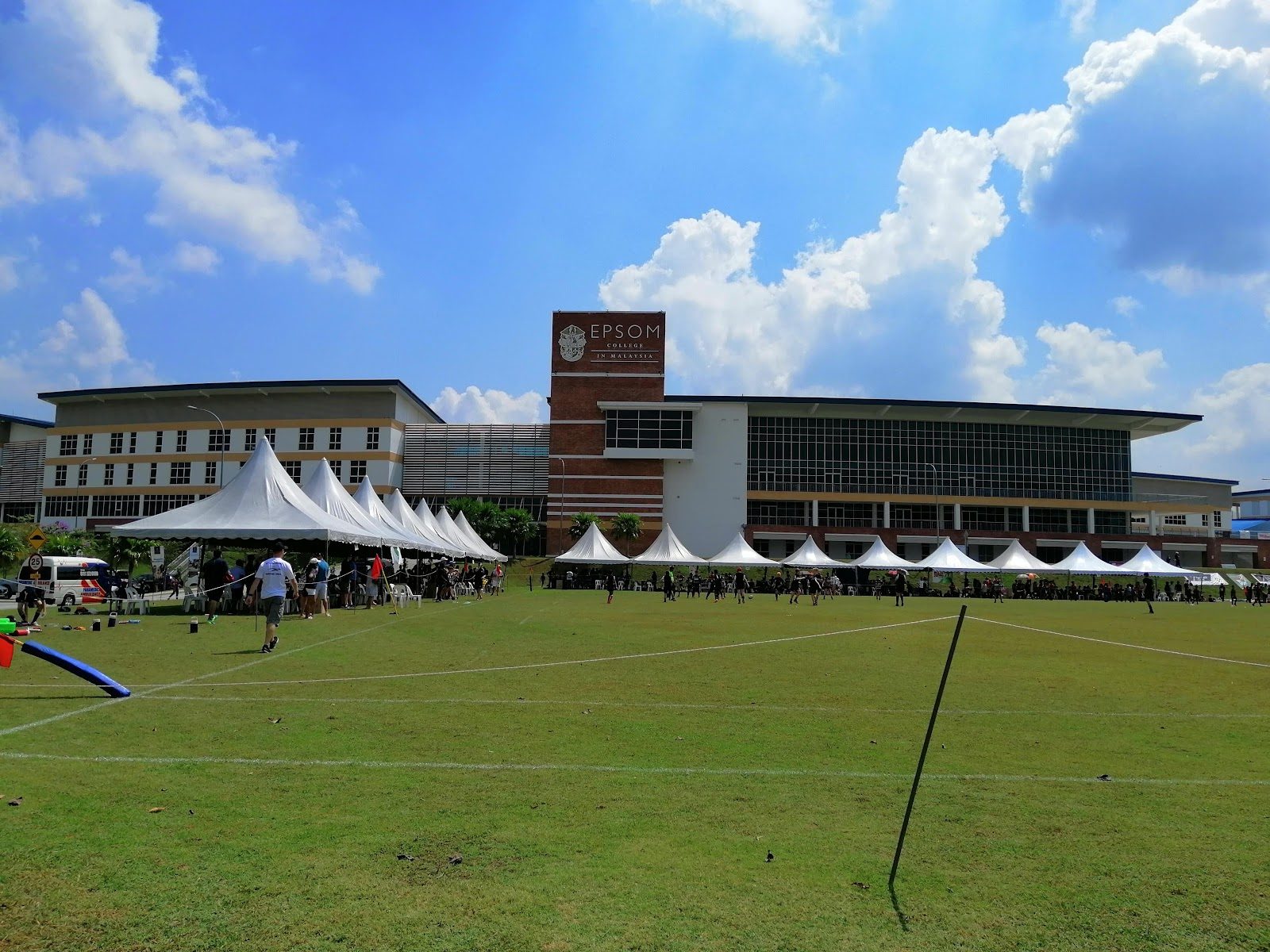
Epsom College in Malaysia
Negeri Sembilan · Malaysia
- 2026-27
- WAITPOOLSpace-dependent
- 2027-28
- PLACES OPENRolling
Marlborough College Malaysia
Johor · Malaysia
- 2026-27
- WAITPOOLVacancy-dependent
- 2027-28
- PLACES OPENRolling
Alice Smith School
Kuala Lumpur · Malaysia
- 2026-27
- WAITPOOLSpace-dependent
- 2027-28
- PLACES OPENRolling
International School of Kuala Lumpur
Kuala Lumpur · Malaysia
- 2026-27
- WAITPOOLSpace-dependent
- 2027-28
- PLACES OPENRolling
Availability first, then country, area, curriculum, price, co-curricular
Consider also
Also worth looking at alongside Malay College Kuala Kangsar.
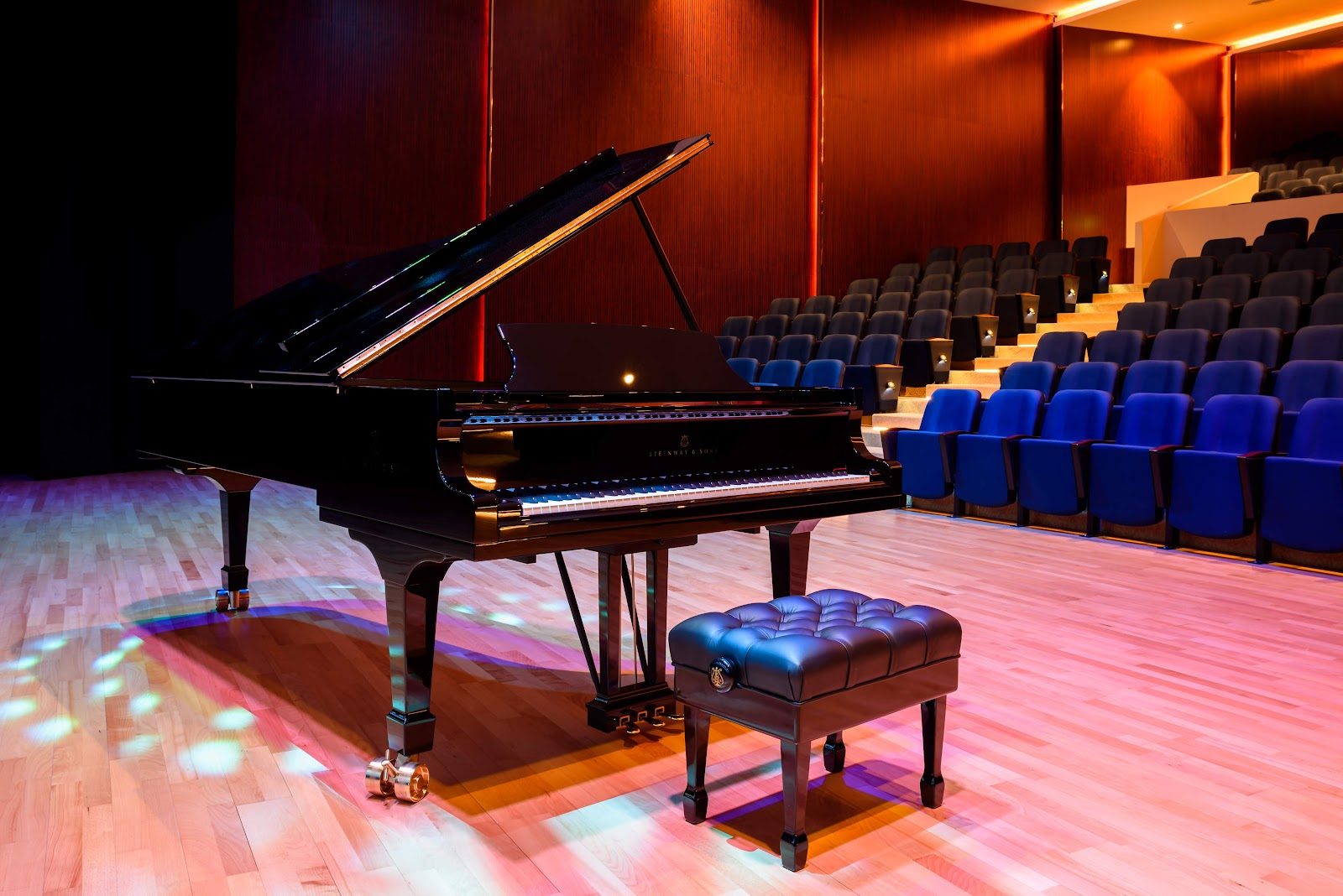
Fairview International School
Kuala Lumpur · Malaysia
In Wangsa Maju since 1978, the first Malaysian campus to run the full IB continuum, from PYP to Diploma, alongside a character-building Falcon expedition programme.
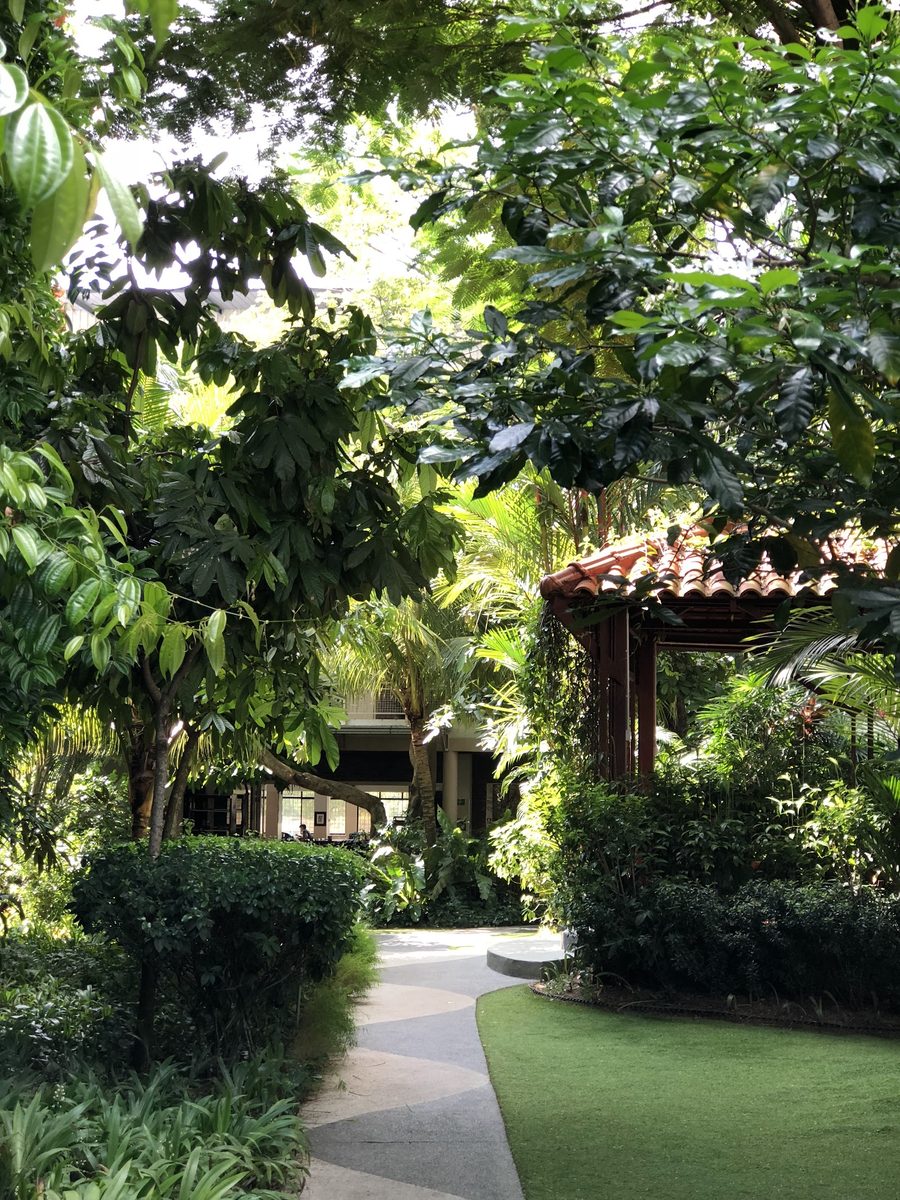
Uplands School
Penang · Malaysia
Born on Penang Hill in 1955, Malaysia's oldest international school now anchors IB rigor to a beachfront campus in Batu Ferringhi.
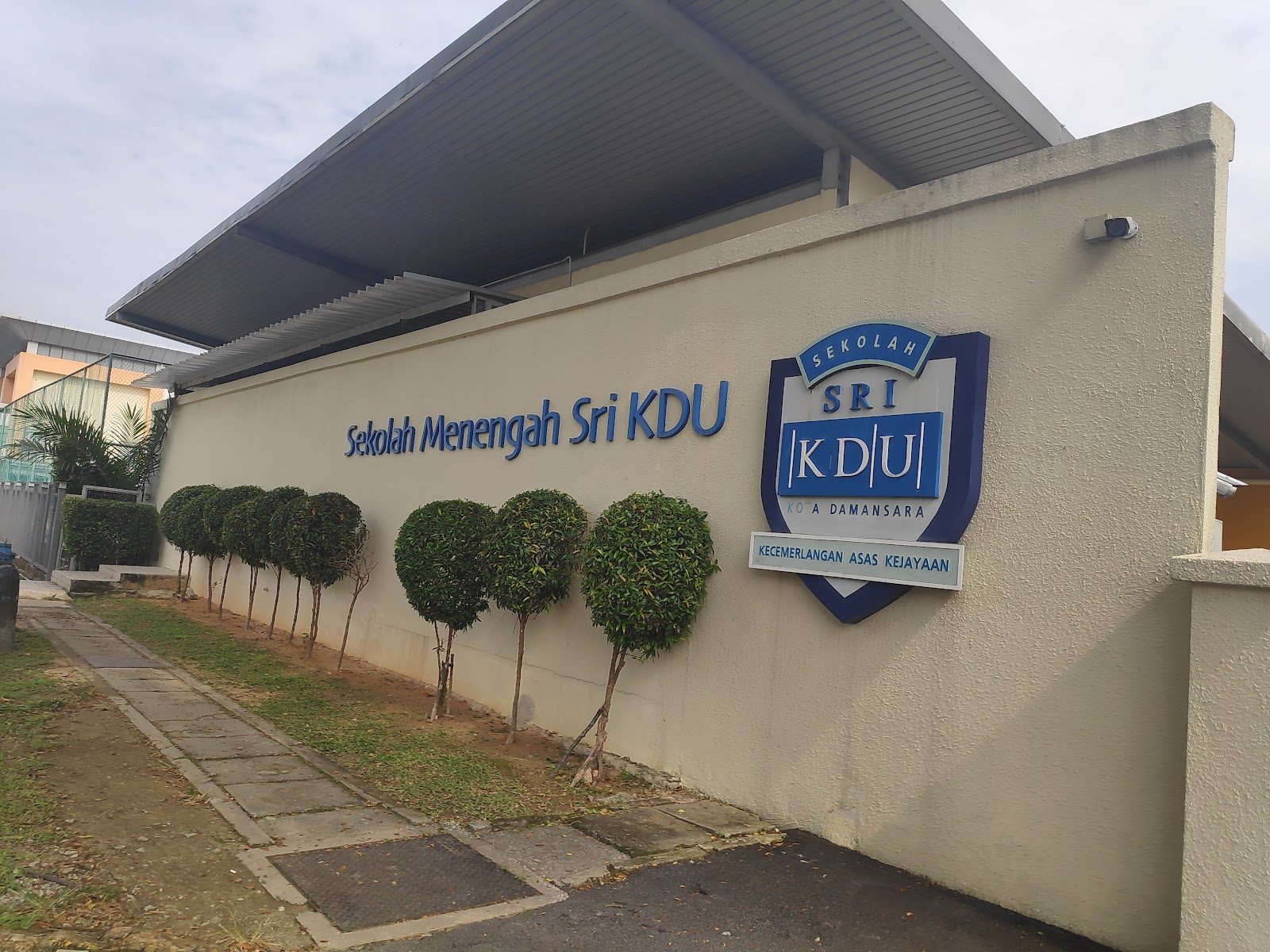
Sri KDU International School
Kota Damansara · Malaysia
In Kota Damansara, a bilingual English-Chinese co-teaching model runs alongside the British-to-IB pathway through Sixth Form.
Epsom College in Malaysia
Negeri Sembilan · Malaysia
The lone Asian sister campus of a 170-year-old Surrey boarding school, its British house system anchors a 50-acre Negeri Sembilan estate.
Same country and curriculum — closest matches within ±10 points either way