
Masovian Voivodeship
American School of Warsaw
medium confidence· 4/6 cats · 3.33 avg sourcesPoland's oldest international school, born at the U.S. Embassy in 1953, runs the full IB continuum on a ten-hectare campus near Warsaw.
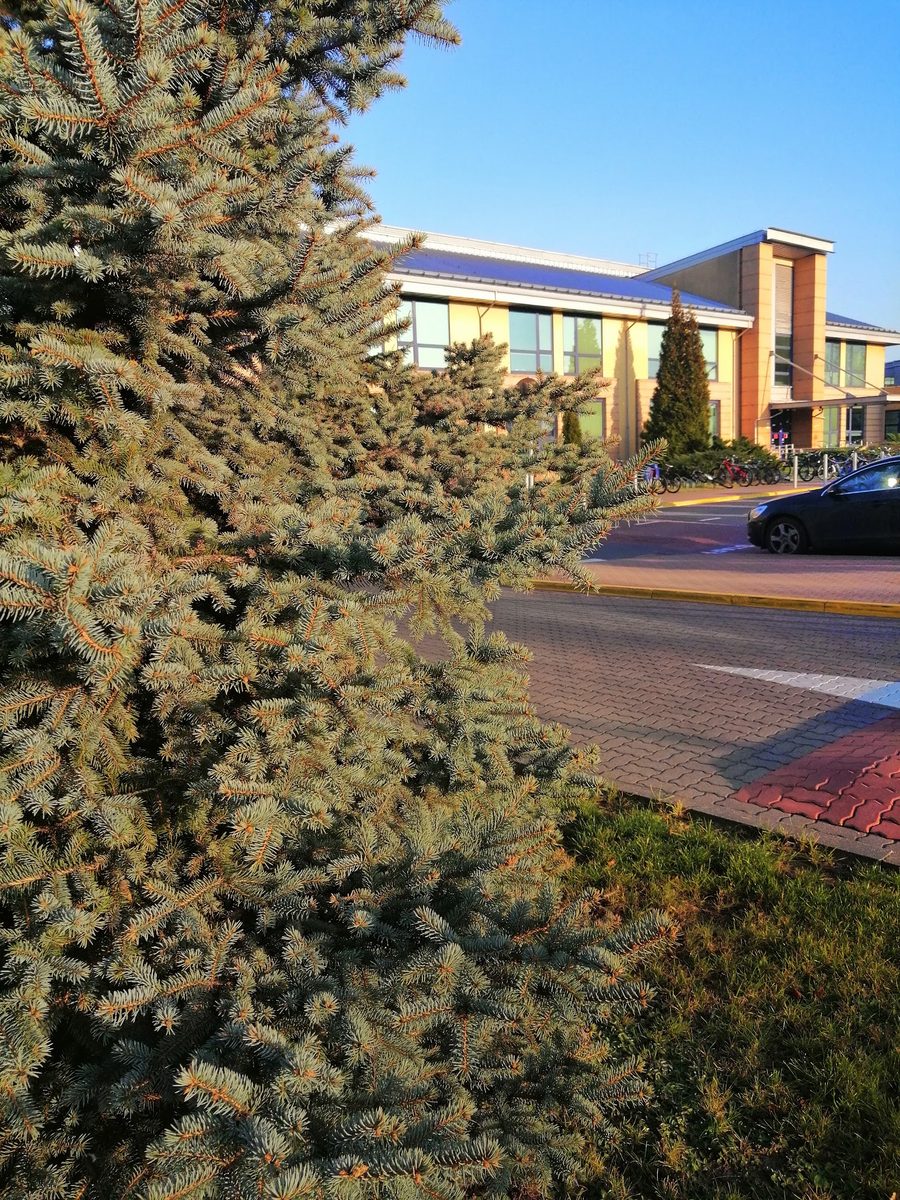
Photo © Monika Rabczyńska via Google Maps
Type
Day
Ages
3–18
Curriculum
American
Qualifications
AP · IB Diploma
Ratio
7:1
The Verdict
Editor's commitment
Right for
Families wanting Warsaw's oldest international school, founded in 1953, with English-medium teaching and the full IB continuum from age 3 to 18.
Wrong for
Parents set on a cheaper option, faith-based schooling or boarding; this is a non-religious day school averaging $11,028 a year.
Watch out for
Recent destinations listed are thin — American University, Bates and Binghamton with one student each — so headline outcomes lack depth.
Ranking breakdown
American School of Warsaw · #880 of 1591
Composite score 65.2. 8 weighted criteria.
By criterion
Academic Outcomes
Weight 20%
#857
of 1529 scored
University Placement
Weight 16%
#848
of 1529 scored
Prestige & Heritage
Weight 12%
#870
of 1529 scored
Alumni Network
Weight 12%
#738
of 1529 scored
Facilities
Weight 12%
#867
of 1529 scored
Transparency & Communications
Weight 8%
#919
of 1529 scored
Peer & Industry Review
Weight 10%
#784
of 1529 scored
Admissions Selectivity & Demand
Weight 8%
#647
of 1529 scored
Score history
American School of Warsaw · 2026
Movement across 2024–2026. Peer average overlaid.
Overall — 2024–2026
65.2/ 100
▲ +16.9 vs 2025
year on year
Peer & Industry Review
How American School of Warsaw is regarded in the sector
65
Respected · medium confidence
The American School of Warsaw is consistently cited as the leading international/American curriculum school in Poland, regularly referenced in expat parenting forums (InterNations, ExpatFocus) and international school directories (International Schools Database, ISC Research) as the top choice for diplomatic and corporate expat families in Warsaw. It is accredited by CIS and NEASC, which are widely recognized third-party quality benchmarks in international education circles, though it lacks coverage in UK-centric outlets like Tatler or Good Schools Guide, which don't systematically cover Poland-based international schools.
Evidence sources
Editors' overview
The American School of Warsaw has two claims that matter in this market: it is the city’s oldest international school, founded in 1953 by members of the US Embassy, and it is the only IB Continuum school in Warsaw, running the PYP, MYP and Diploma Programme from pre-K to Grade 12. That combination gives it a rare institutional weight. Many schools can offer an English-medium international education; far fewer can point to seven decades of operation, embassy roots and a full through-school IB structure on one site. ASW also keeps an American spine: students can graduate with both the American High School Diploma and the IB Diploma. For internationally mobile families, that dual exit route is practically useful, not decorative.
The school’s strongest selling point is coherence. Children enter at age 3 and can stay to 18 in an English-language, non-religious, non-profit setting with a stated balance between academics, arts, athletics, activities and service learning. Parents who value a school that runs as a community rather than a franchise operation will notice the governance history too: the school remains connected to the US Embassy, and the US Ambassador holds the honorary chair of the board under the bylaws. That does not guarantee quality by itself, but it does place ASW in a distinct bracket in Warsaw: established, internationally legible and structurally stable. Accreditation matters here as well. ASW holds IB World School status and accreditation listed in the verified context as MSA.
What is less satisfying is the thin public disclosure on outcomes. The school cites recent university destinations including American University, Bates College and Binghamton University, SUNY, but it does not publish a wider destinations profile here, nor aggregate IB results in the public domain. Parents hunting for league-table theatre will not find it. Parents who care more about continuity, governance and a full-spectrum international programme will. The average annual day fee across the full age range is $11,028, which places ASW in a strikingly good-value position for a long-established international school on a ten-hectare campus near Warsaw.
ASW suits students who thrive in a broad, college-preparatory environment and families who want flexibility at the end of school: American diploma, IB diploma, or both. It will appeal to diplomatic, expatriate and internationally minded Polish families who want an English-medium education without a religious frame and without the churn of newer market entrants. It is less suited to families who want a narrowly exam-drilled, UK-style academic culture or a school that trades heavily on published headline results. ASW’s case for a shortlist is simpler than that: serious history, a full IB pipeline, American academic architecture, and a market position in Warsaw that few direct competitors can match.
Academic Performance
Academic performance is the area where ASW asks parents for trust rather than proving its case in public. The school offers two external end points — the American High School Diploma and the IB Diploma — but it does not publish aggregate IB scores, pass rates, cohort averages, subject breakdowns or a fuller university destinations list. That leaves a real transparency gap. In a market where serious international schools use results to establish academic range and consistency, ASW’s public record is noticeably thin. The handful of recent destinations named publicly do not tell a parent much about depth across the cohort, selectivity at scale, or how reliably the school converts strong students into top-tier offers.
That does not place ASW in a weak academic bracket; it places it in an opaque one. The school’s structure, its through-school model and its dual qualification route point to a broad college-preparatory programme rather than a narrow exam factory. For some families, that balance will matter more than scoreboard culture. For others, the absence of hard data will be a sticking point. Relative to peers, ASW sits in the group of established international schools whose reputation rests on continuity, governance and programme breadth, not on published headline results. If academic outcomes drive the shortlist, parents need to ask directly for recent IB averages, pass rates, score distribution, diploma uptake and destination patterns over at least 3 years.
Facilities
Facilities are a serious part of ASW’s case. The school sits on a 10-hectare campus, which gives it something many urban international schools cannot offer: space that changes how a day feels. That matters most for sport, outdoor play and the practical logistics of running a through-school from the early years to graduation on one site. Parents looking at Warsaw peers will recognise the difference. Many competitors operate from tighter footprints or more fragmented premises; ASW has the physical ease of a school built for continuity rather than compression. The school also states a deliberate balance between academics, arts, athletics, activities and service learning, which points to facilities that support more than classroom delivery alone. This is not a boutique city campus trying to fake breadth.
What the school does not do publicly is itemise those facilities in much detail. There is no clear published breakdown here of specialist labs, performing arts spaces, indoor sports provision or design and technology capacity. That weakens the school’s pitch, because established peers with strong estates usually document them properly. So the verdict on facilities is two-part: the campus footprint itself is a genuine asset and places ASW in a strong bracket locally, but the public presentation is oddly underpowered. Parents should ask for a direct tour of science, arts and sports spaces rather than relying on general claims about holistic education.
The school gives enough to establish trust at first glance, then stops short of the specificity that would turn interest into confidence
Prestige
ASW carries real prestige in Warsaw, but it is a specific kind of prestige. It does not rest on published scoreboards, celebrity alumni or global brand machinery. It rests on institutional standing: deep roots in the city’s international community, a non-profit structure, and enduring ties to the American diplomatic world. That matters. In a market where many schools trade on freshness, ASW trades on permanence. The board structure, with the US Ambassador as honorary chair, gives the school a distinct diplomatic cachet that few local rivals can match. For internationally mobile families, that makes ASW feel less like a private business and more like a civic institution with a long memory and a stable centre.
The academic prestige is solid rather than glittering. The full through-school IB structure and the option of the American diploma give the school serious educational legitimacy and widen its appeal with embassy, expatriate and internationally minded local families. The average annual fee of $11,028 adds another layer to the school’s standing: ASW is not a luxury-status purchase dressed up as education. It is conspicuously good value for a school with this history and this level of institutional recognition. The limit on its prestige is straightforward. Public outcomes are thin, and that blunts academic lustre. So the verdict is clear: ASW has earned social and institutional prestige in Warsaw; it has not built the same public authority on published results.
ASW also keeps an American spine: students can graduate with both the American High School Diploma and the IB Diploma
Communications
ASW’s parent communication has strengths, but the public-facing standard is uneven. The core identity is clear enough: non-profit status, college-preparatory framing, dual graduation routes and the school’s place in Warsaw’s international ecosystem all come through without much confusion. That matters, because parents first need to know what a school is trying to do. The website also gives a straightforward sense of governance and community structure, including the board’s embassy link, which adds institutional clarity rather than mystique. For a school with a long-established reputation, that baseline coherence counts. So does the absence of hard-sell language. ASW does not read like a school straining for attention; it reads like one that expects to be taken seriously.
Where communication weakens is depth. The school talks in broad institutional claims — holistic education, personalised support, balanced co-curricular life — but gives too little hard detail underneath. We have not seen a strong public account of outcomes, a properly developed destinations picture, or a granular explanation of facilities and programme delivery across age phases. That leaves parents with the right headlines and too few workings. For current families, direct school-to-home communication may be stronger than the public website; many established schools operate that way. But for a prospective parent judging transparency, ASW’s communications are competent rather than exacting. The school gives enough to establish trust at first glance, then stops short of the specificity that would turn interest into confidence.
Uniqueness
What marks ASW out is not a single programme or a glossy niche. It is the combination of embassy roots, non-profit governance and an all-through structure that gives the school a rare civic weight in its market. This is not a founder-led private venture built around one charismatic phase of schooling; it is an institution with a long-established governing framework and a board structure that still carries formal diplomatic connection. For students, that brings more than status. It tends to produce a school culture with a steady centre: less commercial churn, fewer abrupt identity shifts, and a clearer sense that the school exists to serve a community rather than a brand. In a city with newer entrants and more overtly sales-driven operators, that difference is material.
The other point of distinction is breadth with continuity. ASW gives students a single educational journey from the early years to graduation, while still preserving an American academic spine and dual graduation routes at the end. That combination is practically valuable. It gives families flexibility without forcing a transfer at a critical stage, and it gives students the chance to grow inside one coherent set of expectations, relationships and routines. Add the estate size — 10 hectares — and the result is a school that can offer room, permanence and institutional memory in one package. For students, the benefit is plain: a more grounded school experience, with fewer structural breaks and a stronger sense of belonging across the full age range.
For internationally mobile families, that dual exit route is practically useful, not decorative
Student Profile
ASW suits children who do well in an internationally mixed, mobile community and who value continuity more than swagger. The fit is strongest for families who want a school with a settled institutional culture rather than a high-pressure, status-anxious atmosphere. Students who like to combine classroom work with sport, arts, activities and service will have room to do that here; the school’s own framing is broad rather than narrowly exam-drilled. The all-through structure from age 3 to 18 also favours children who benefit from staying in one place across multiple phases instead of resetting socially and academically every few years. Diplomatic families, expatriate professionals and globally minded local families all sit comfortably in that mix.
The less obvious point is temperament. This is a better fit for students who are self-directed, adaptable and comfortable in a community that prizes responsibility and independence. It is less well suited to children who need a relentlessly competitive academic culture to stay motivated, or families who want constant public proof of elite outcomes. ASW’s public identity rests on stability, breadth and community confidence, not on results theatre. For the right student, that can be quietly liberating: strong adult support, a clear college-preparatory track, and enough institutional maturity to let a child grow up without the school turning every achievement into a spectacle.
That does not guarantee quality by itself, but it does place ASW in a distinct bracket in Warsaw: established, internationally legible and structurally stable
Co-curricular strengths
Arts & sport, on a separate axis
Overall 8.52/10
Scored 0-10 from the school's own published evidence. This axis is editorial-only — it does not feed the main WTS ranking.
Sports
9/10
The extracurriculars explicitly list Football and Volleyball, which is clear evidence of sports provision.
Drama
8.5/10
Theater productions, which goes beyond a bare listing of drama by indicating recurring staged output, but provides no named department, facility or specialist staff.
Dance
7.5/10
Music
8.8/10
Both School choir and Jazz band, showing multiple named music ensembles and visible participation, though no dedicated facility, department or competitive distinction is described.
Visual Arts
8.8/10
Editor first-pass · editor-reviewable · 7/27/2026
Outcomes & destinations
Where students go next
Class of 2016
Top destinations
95 placements
- American University· 1
- Bates College· 1
- Binghamton University, SUNY· 1
- Boston University· 1
- Brown University· 1
- Cal State Poly Pomona· 1
- Clark University· 1
- Connecticut College· 1
- Elon University· 1
- Fordham University· 1
- Frostburg State University· 1
- Gettysburg College· 1
- Hult International Business School· 1
- Lake Forest College· 1
- Loyola Marymount University· 1
- Loyola University Chicago· 1
- Marist College· 1
- New York University· 1
- Northeastern University· 1
- Pace University· 1
- Pennsylvania State University· 1
- Pratt Institute· 1
- Purdue University· 1
- Rhode Island School of Design· 1
- Sarah Lawrence College· 1
- Suffolk University· 1
- Syracuse University· 1
- The New School· 1
- Wesleyan University· 1
- University of California, Davis· 1
- University of California, San Diego· 1
- University of Chicago· 1
- University of Colorado, Boulder· 1
- University of Iowa· 1
- University of Miami· 1
- University of Nevada, Las Vegas· 1
- University of Tampa· 1
- Brunel University London· 1
- City University London· 1
- Coventry University· 1
- Durham University· 1
- Edinburgh Napier University· 1
- Glasgow Caledonian University· 1
- Glasgow School of Art· 1
- Goldsmith’s University of London· 1
- Hult International Business School· 1
- Instituto Marangoni London· 1
- King’s College London· 1
- Leeds College of Art & Design· 1
- Liverpool John Moores University· 1
- Loughborough University· 1
- Middlesex University· 1
- Nottingham Trent University· 1
- Oxford Brookes University· 1
- Queen Mary University of London· 1
- Regent’s University London· 1
- Royal Holloway, Univ. of London· 1
- University College London· 1
- University of Aberdeen· 1
- University of the Arts London· 1
- University of Bath· 1
- University of Birmingham· 1
- University of Brighton· 1
- University of Cambridge· 1
- University of Derby· 1
- University of Edinburgh· 1
- University of Essex· 1
- University of Exeter· 1
- University of Glasgow· 1
- University of Greenwich· 1
- University of Hertfordshire· 1
- University of Leeds· 1
- University of Manchester· 1
- University of Oxford· 1
- University of Plymouth· 1
- University of Reading· 1
- University of Salford· 1
- University of St. Andrews· 1
- University of Surrey· 1
- University of Warwick· 1
- University of Westminster· 1
- Dalhousie University· 1
- McGill University· 1
- University of Regina· 1
- University of Toronto· 1
- Hong Kong University of Science & Technology· 1
- Manipal University· 1
- Vellore Institute of Technology· 1
- Universita Bocconi· 1
- Erasmus University College· 1
- Leiden University· 1
- Rotterdam School of Management, Erasmus University· 1
- Chung-Ang University· 1
- Ewha Womans University· 1
- Korea Advanced Institute of Technology (KAIST)· 1
Reported by the school. Confirm with admissions.
Strengths
- +Founded in 1953; unusually established for Poland.
- +English-language teaching suits mobile international families.
- +American curriculum offers continuity for US-linked families.
- +MSA and IB World School accreditation add external oversight.
Considerations
- −Day school only; no boarding option.
- −American curriculum may not suit non-US university paths.
- −Embassy-linked governance may feel unusually political to some families.
Availability
Primary entry gate & tests
Academic Record
Gallery
Photo © Monika Rabczyńska via Google Maps
Photo © Bartłomiej Żbikowski via Google Maps
Photo © Bartłomiej Żbikowski via Google Maps
Photo © Bartłomiej Żbikowski via Google Maps
Photo © Bartłomiej Żbikowski via Google Maps
Parent reviews
Have you sent your child here?
Voice reviews carry the strongest trust badge — we transcribe them for you to tidy up before they go live. Prefer to type? A written review is fine too.
Add your voice
In 60 seconds, tell other parents: what's the best thing about American School of Warsaw, and what surprised you when your child joined?
We ask for a Google sign-in so every review has a real face behind it — no anonymous drive-by attacks on schools, and no faked positive reviews. Your email is never shown publicly.
Send this profile to a friend
International parents rely on word-of-mouth. Share this review with someone weighing the same decision.
Schools with places
Similar schools to American School of Warsaw with places available now.
Availability first, then country, area, curriculum, price, co-curricular
Consider also
Also worth looking at alongside American School of Warsaw.
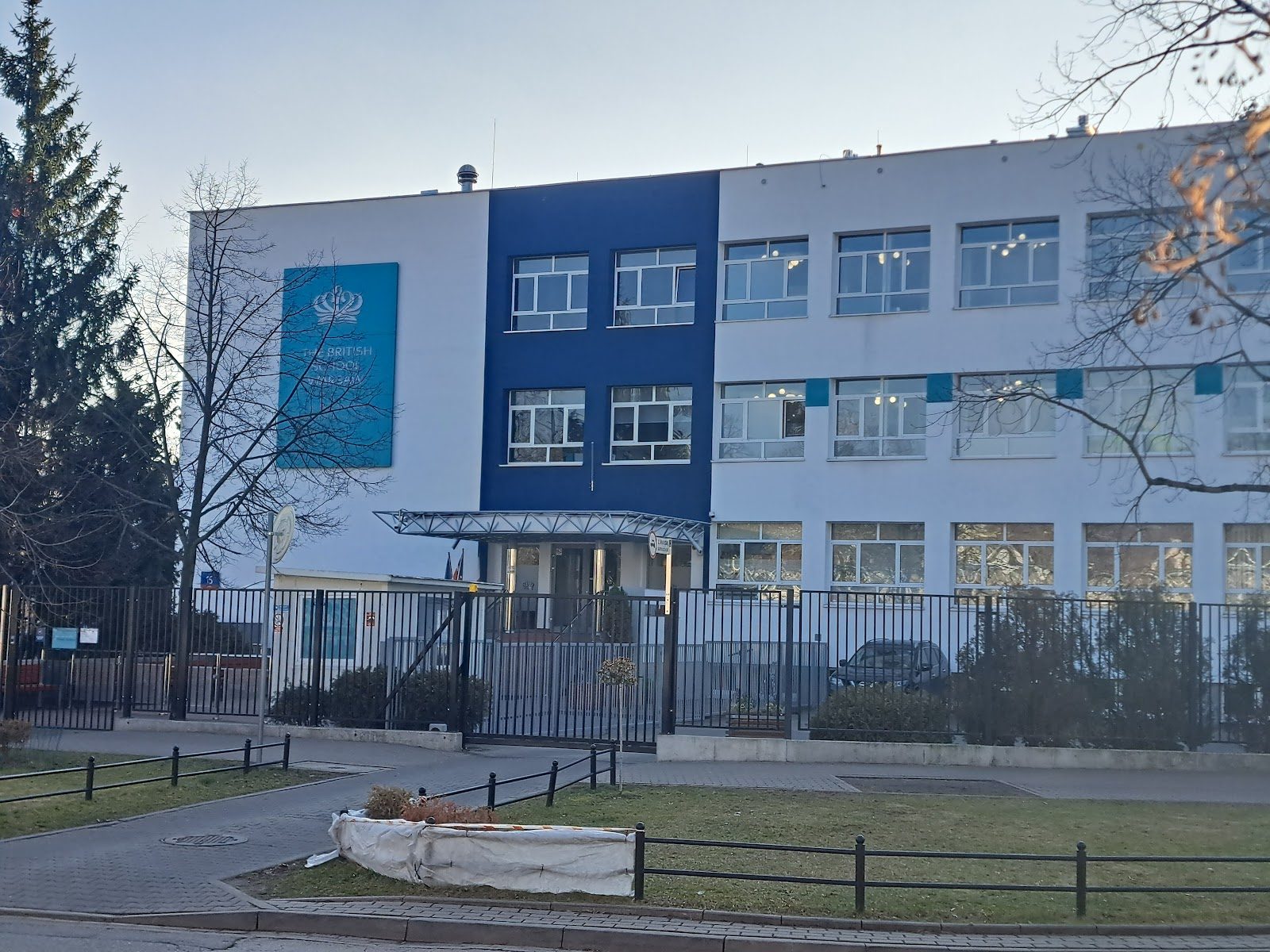
The British School Warsaw
Warsaw · Poland
Nord Anglia's founding school pairs MIT-designed STEAM labs with a Juilliard-led music programme on the banks of the Vistula.
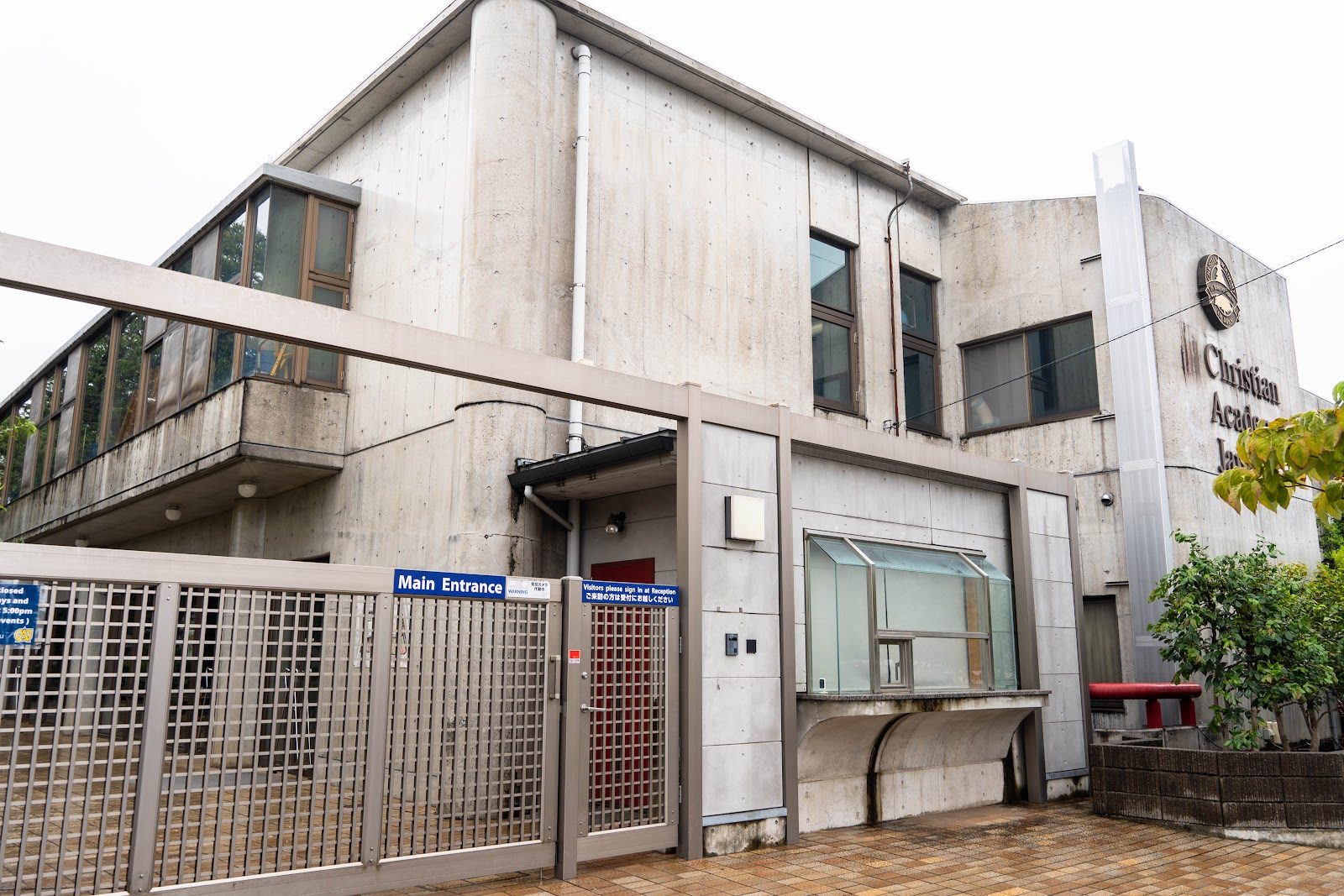
Christian Academy in Japan
Tokyo · Japan
Born from postwar missionary schooling on former imperial dairy land, now pairing AP rigor with a campus-wide week of off-site service leadership.
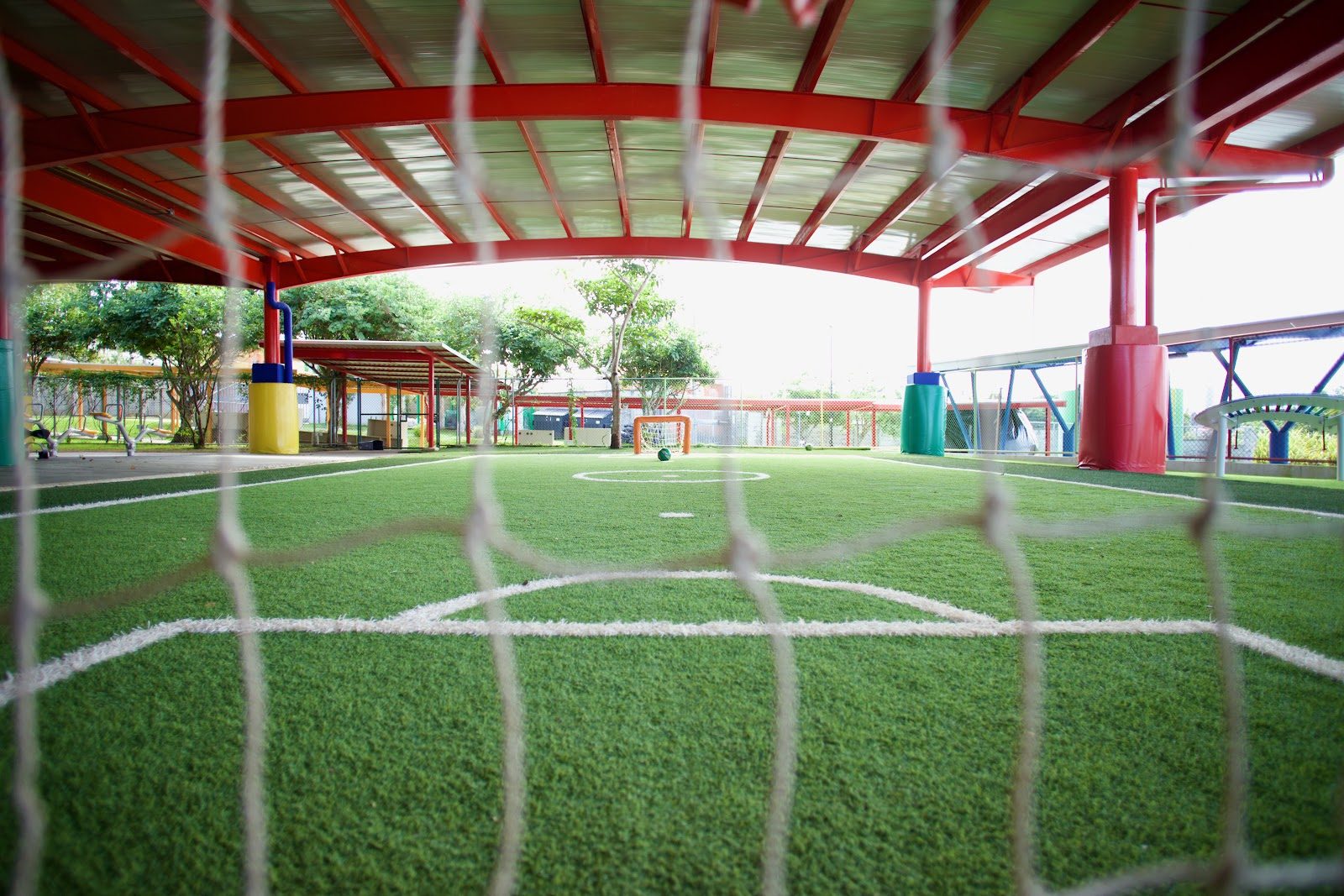
Lincoln School
San José · Costa Rica
Since 1945, a bicultural Costa Rican campus where graduates can earn American, IB, and national diplomas side by side.
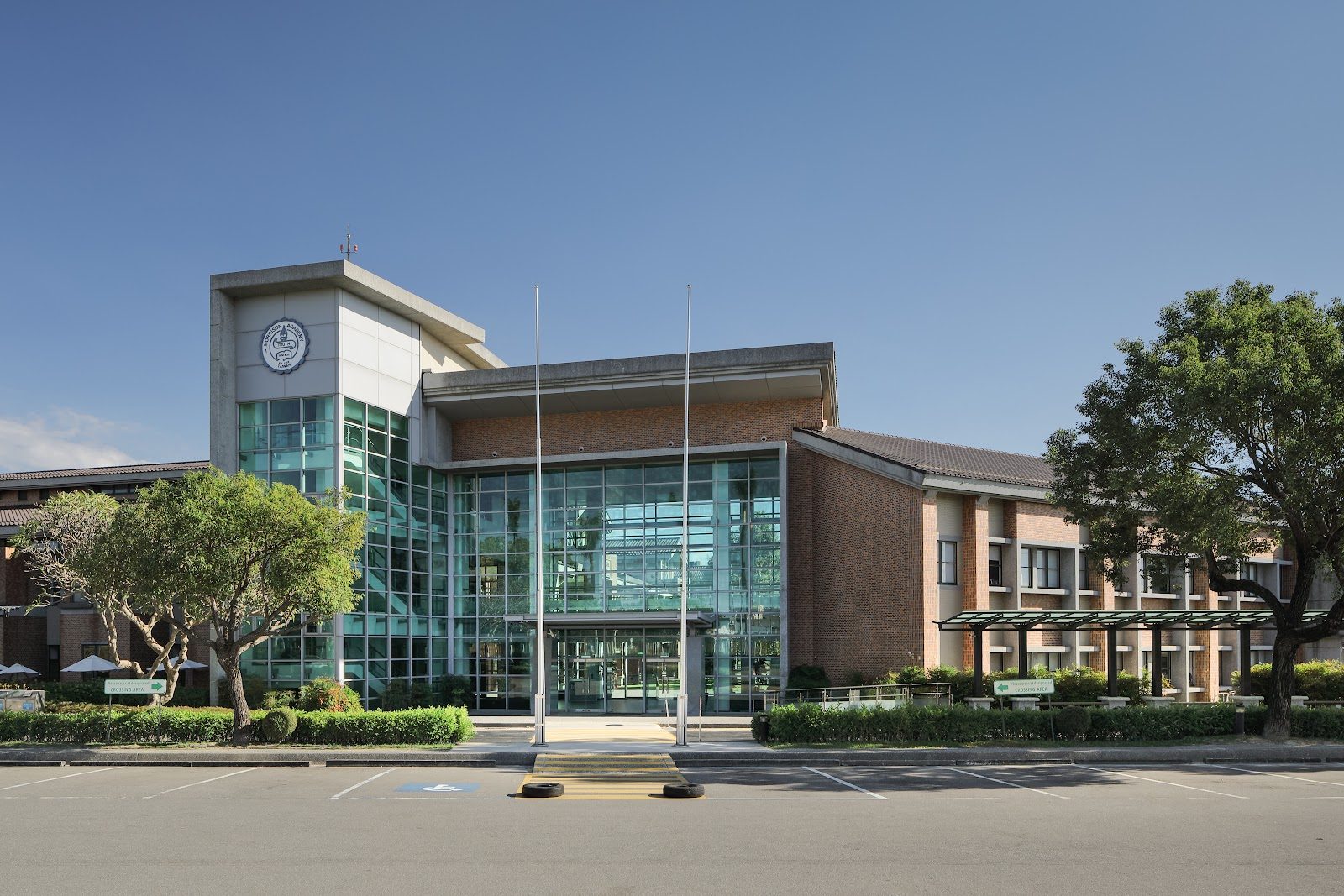
Morrison Academy
Taichung · Taiwan
Born in a 1952 bamboo hut for missionary kids, this Taichung campus now pairs AP rigor with home-style boarding halls.
Same country and curriculum — closest matches within ±10 points either way