
British Columbia
Shawnigan Lake School
low confidence· 5/6 cats · 1 avg sourcesOn a 270-acre Vancouver Island campus, ten boarding houses hold Canada's largest full-time boarding community, a tradition since 1916.
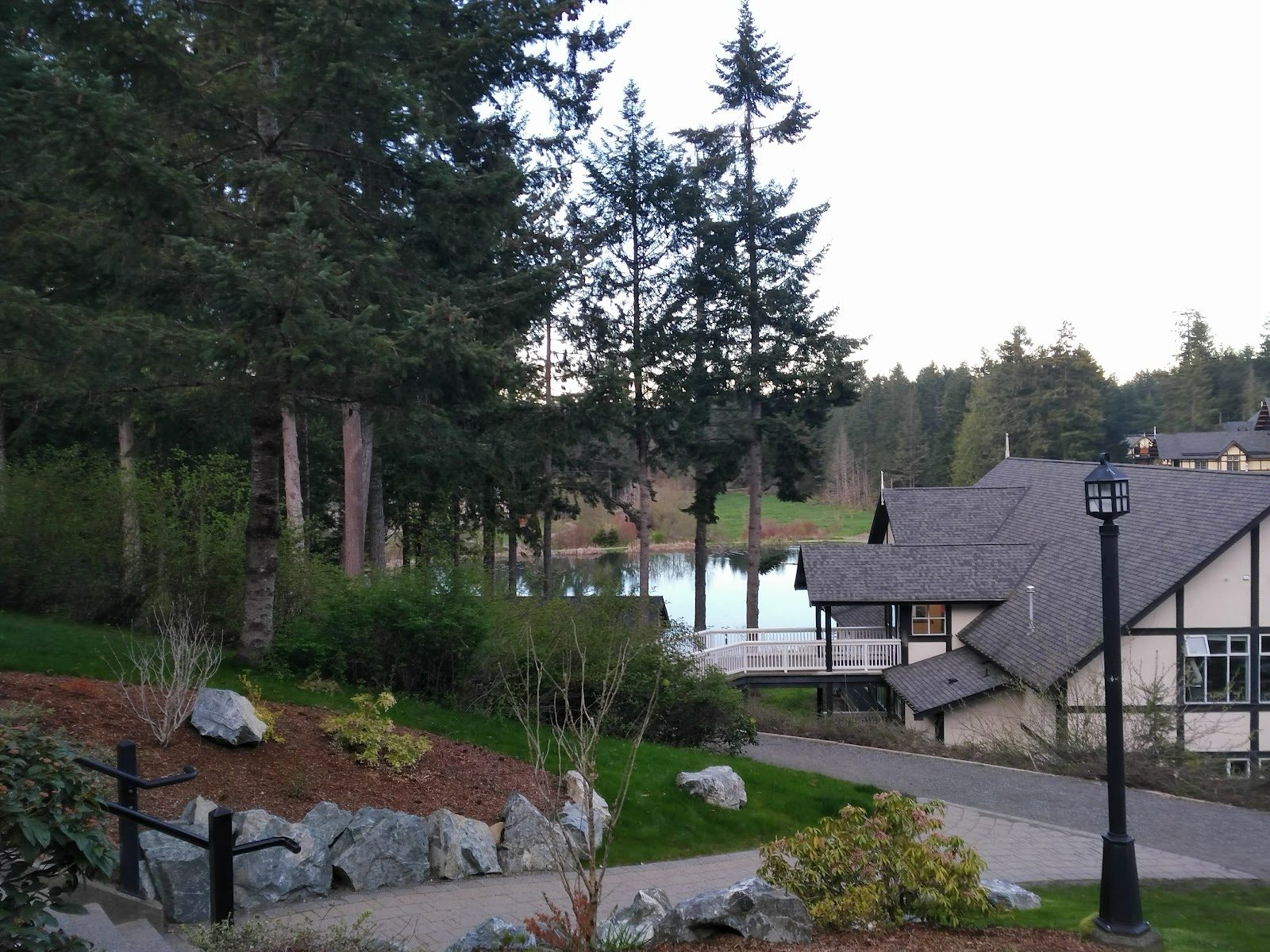
Photo © Sebastian Stowe via Google Maps
Type
Both
Ages
3–18
Curriculum
Canadian · IB · American
Qualifications
AP
Ratio
8:1
The Verdict
Editor's commitment
Right for
Families who want Canada's largest full-time boarding community: 500 students from 30-plus nations, ten houses, an 8:1 ratio and IB/CIS status.
Wrong for
Parents seeking a compact day school or a single-curriculum route; Shawnigan runs from age 3 to 18 and declares Canadian, IB and American pathways.
Watch out for
This is expensive by Canadian standards: average annual fees are CAD 43,810 day and CAD 75,320 boarding, on a 270-acre Vancouver Island campus.
Ranking breakdown
Shawnigan Lake School · #712 of 1591
Composite score 67.8. 8 weighted criteria.
By criterion
Academic Outcomes
Weight 20%
#791
of 1529 scored
University Placement
Weight 16%
#793
of 1529 scored
Prestige & Heritage
Weight 12%
#552
of 1529 scored
Alumni Network
Weight 12%
#454
of 1529 scored
Facilities
Weight 12%
#502
of 1529 scored
Transparency & Communications
Weight 8%
#841
of 1529 scored
Peer & Industry Review
Weight 10%
#784
of 1529 scored
Admissions Selectivity & Demand
Weight 8%
#607
of 1529 scored
Score history
Shawnigan Lake School · 2026
Movement across 2024–2026. Peer average overlaid.
Overall — 2024–2026
67.8/ 100
▲ +11.3 vs 2025
year on year
Peer & Industry Review
How Shawnigan Lake School is regarded in the sector
65
Respected · medium confidence
Shawnigan Lake School is a well-known Canadian private boarding school, frequently listed among Canada's top boarding schools in independent education directories (e.g., Boarding School Review, Cardis, and CIS Canada accreditation lists) and has a notable rowing/athletics reputation that draws regional and some international recognition. However, it lacks the consistent presence in top-tier global rankings (Tatler, Good Schools Guide) that would place it in the 75+ tier, and it faced significant reputational damage from a 2019 hazing scandal that was widely covered in Canadian press (CBC, Globe and Mail), which tempered its standing among peer institutions and expat communities.
Evidence sources
- Chip Wilson — Founder, Lululemon Athletica
- Terry Hui — CEO, Concord Pacific Group
- David Radler — Businessman, Hollinger International
Editors' overview
A 270-acre Vancouver Island campus and ten boarding houses give Shawnigan Lake School a scale that few Canadian boarding schools match. This is a full-immersion boarding culture, not a day school with dormitories attached. The school has run as a boarding institution since 1916, serves ages 3 to 18, and enrols about 500 students from more than 30 nations. That combination matters: the setting is expansive, the community is small enough to know, and the social life is structured around houses rather than around dispersal at 3.30 pm. Parents looking for a school with real residential heft, rather than a token boarding offer, should take Shawnigan seriously.
Academically, the offer is broader than a single-label school. Shawnigan declares Canadian, IB and American pathways, and it holds IBO and CIS accreditation. The 8:1 student-teacher ratio points to close supervision and strong access to staff, which matters in a school where adolescents live as well as study. The school also pushes a conspicuously broad co-curricular line: arts, athletics, applied arts, experiential learning, global exchange, French immersion and English language support all sit in the core structure rather than at the fringe. That makes Shawnigan attractive for students who want a properly rounded education and for families who do not want to choose between university preparation and a busy boarding-school life.
It is not cheap. The average annual fee across all year groups is CAD 43,810 for day pupils and CAD 75,320 for boarders, which puts Shawnigan in the premium bracket. The question, then, is whether the school delivers something distinct. It does: a large, established boarding community in a dramatic natural setting, co-education done at full scale, and a house-based experience that will suit students who are independent, energetic and happy to commit to communal life. This is not for timid children who need a loose, anonymous environment. It suits the student who wants structure, belonging and breadth; the sporty pupil who will use the campus and house system fully; the internationally minded boarder who wants Canada without giving up a globally legible school profile; and the teenager who thrives when adults know them well and expect them to join in.
Academic Performance
Shawnigan does not publish the kind of hard outcomes data that lets parents place it cleanly against top boarding peers. We have not seen aggregate IB scores, AP results, provincial exam distributions, university destination tables with depth, or multi-year leavers’ data broken out in a serious way. That is a real weakness in the school’s academic case. For a school charging premium fees and selling a broad, university-facing education, the absence of public results leaves too much to trust. Parents comparing Shawnigan with academically transparent independents in Canada, the US and the UK will find the picture frustratingly opaque.
That does not mean weak academics; it means unproven academics in the public domain. The structure around study is substantial: university guidance, a learning centre, English language support, French immersion, and a course menu that sits alongside arts, athletics and experiential programmes rather than beneath them. That points to a school built for balanced high achievers rather than a narrow exam factory. Relative to peers, Shawnigan fits the bracket of schools where the educational experience and residential formation carry as much weight as league-table signalling. Families who want a results-first shop window will find stronger public evidence elsewhere. Families who value breadth, adult oversight and a serious school culture can still make a rational case for it — but they need to press admissions hard for destination lists, score ranges and subject-level outcomes before signing.
Facilities
The facilities story starts with the residential estate. Ten boarding houses give the school a level of house-based infrastructure that many Canadian independents simply do not have, and that matters more than a glossy sports centre in a boarding school. Daily life has places to happen: sleeping, studying, supervision, house identity and weekend routine all sit inside a mature residential framework rather than in a token dormitory add-on. The amphitheatre, chapel, main building and school museum add institutional depth and ritual space, which strengthens the sense that this is a fully lived-in school rather than a campus hired for classes. On sheer land and boarding capacity, Shawnigan sits above most domestic peers and closer to the serious boarding tradition associated with established British schools.
Beyond the houses, the school’s own structure points to strong provision for arts, athletics, applied arts, experiential learning, university guidance, learning support, French immersion and English language support. That breadth matters because it indicates dedicated spaces and staffing across multiple domains, not a narrow academic plant with extras bolted on. The drawback is that the school does not publish a crisp, parent-facing inventory of standout facilities in the way top competitors often do. There is no sharp public accounting of theatre, studio, lab or performance spaces, nor the kind of detailed sports-specification sheet that lets families benchmark provision cleanly. So the verdict is mixed: the campus and residential fabric are exceptionally strong; the published facilities detail is less rigorous than at peers who document every asset.
A 270-acre Vancouver Island campus and ten boarding houses give Shawnigan Lake School a scale that few Canadian boarding schools match
Prestige
Shawnigan carries real national standing in the Canadian independent-school market, but its prestige rests more on heritage, boarding culture and social recognition than on publicly demonstrated academic dominance. The school’s alumni footprint includes at least 7 notable figures catalogued in Wikidata, including 3 elite athletes, which fits its long-established reputation for producing accomplished all-rounders rather than a conveyor belt of public intellectuals or exam celebrities. That matters. Among parents who know boarding schools, Shawnigan has name recognition beyond British Columbia; among families shopping globally, it has enough profile to register as a serious Canadian option. The house system, the scale of the boarding community and the breadth of student life give it a proper institutional weight that many smaller independents do not have.
It does not sit in the very top prestige tier occupied by schools that combine deep historical cachet with indisputable public academic outcomes and a long roster of globally prominent alumni. Shawnigan’s weakness is opacity: the school asks families to buy into culture, care and formation without publishing the hard results that would elevate its standing from respected to formidable. Still, prestige is not only about exam tables. A co-educational boarding school with about 500 pupils from more than 30 nations, set in a campus environment built around belonging and participation, offers a distinctive social and educational stamp. In plain terms: Shawnigan is prestigious, but in a rounded, traditional, community-first way rather than as a ruthless academic status symbol.
Shawnigan does not publish the kind of hard outcomes data that lets parents place it cleanly against top boarding peers
Communications
Shawnigan communicates like a school that expects parents to stay in touch with the institution, not just with a class teacher. The public-facing structure is clear: admissions routes, tuition and payments, financial aid, safeguarding procedures, calendars, publications, news, leadership contacts and an organisational chart are all easy to find. That matters in a boarding environment, where families need more than marketing copy; they need lines of responsibility. The site also gives direct access to the Head’s office and names senior leadership, which signals proper institutional accountability. News output is active, and the school uses reflective addresses, updates and event information to reinforce a strong internal culture. Parents who value tradition, visible leadership and a school speaking in one voice will find that reassuring.
The weakness is precision. Shawnigan communicates ethos, belonging and school life far better than it communicates measurable outcomes. There is plenty on values, journey and community; less on the hard evidence parents use to test claims. That imbalance carries into parent communications as a whole. The school looks organised, high-touch and serious about pastoral structures, but not forensically transparent in the academic register. For some families, that will be enough: they want responsiveness, clarity on procedures and confidence that adults are in charge. For others, especially those paying the boarding average of CAD 75,320, communication needs to do more than convey atmosphere. It needs to publish the numbers that let parents judge performance without chasing admissions for answers.
Uniqueness
What sets Shawnigan apart is not a single programme but the way the school organises adolescent life. This is a house-centred community with ten boarding houses and about 500 pupils living and studying together in one place, which gives it a density of shared routine that many North American schools never reach. The social architecture matters as much as the timetable: meals, evenings, weekend activity, inter-house identity and adult supervision all sit inside one continuous framework. Students do not just attend Shawnigan; they inhabit it. That creates a high-commitment, all-in environment that can be transformative for confident, sociable teenagers and claustrophobic for those who need more distance from school life.
The second point of difference is the school’s blend of Canadian setting and old boarding-school ritual with an explicitly global student body drawn from more than 30 nations. There is a chapel, amphitheatre, museum, founder mythology and a strong sense of inherited custom, but the school also builds in exchange, service, outdoor learning and applied programmes that push students beyond a narrow classroom identity. The result is a full-spectrum adolescence: academic work, sport, arts, expeditions, house loyalties and constant peer contact all carry weight. For students, that brings resilience, social fluency and the habit of participation. It also brings pressure. In a school built on belonging, opting out is hard. For the right child, that is exactly the point.
The drawback is that the school does not publish a crisp, parent-facing inventory of standout facilities in the way top competitors often do
Student Profile
This school suits the student who wants to be busy, visible and woven into a community, not the child who prefers to drift at the edges. Daily life is structured, supervised and collective. With around 500 pupils drawn from more than 30 nations, Shawnigan offers a social mix that is international without becoming anonymous. The best fit is a teenager who can handle constant proximity to peers, accepts adult oversight and is willing to join in across the day rather than protect a private silo of interests. Sporty, outward-going pupils will find a natural home here, but so will students with range: the school gives real space to arts, applied work, exchange and outdoor experiences, so the ideal Shawnigan pupil is game for things, socially robust and comfortable being known.
It is a weaker fit for the highly self-directed scholar who wants a stripped-back academic culture and clear public proof of top-flight results. Shawnigan’s centre of gravity sits in all-round formation, shared life and participation. Students who thrive here tend to have energy, resilience and a tolerance for communal pressure; in a house-centred school, opting out carries a social cost. Children who need lots of unstructured independence, who dislike institutional ritual, or who find dense peer environments draining will struggle. Families should read this plainly: Shawnigan suits the engaged joiner, the confident boarder and the adolescent who grows through belonging. It does not suit the retreating individualist who wants school on their own terms.
It is a weaker fit for the highly self-directed scholar who wants a stripped-back academic culture and clear public proof of top-flight results
Co-curricular strengths
Arts & sport, on a separate axis
Overall 8.88/10
Scored 0-10 from the school's own published evidence. This axis is editorial-only — it does not feed the main WTS ranking.
Sports
9.6/10
Canadian athletic force featuring its own world-class ice hockey arena, sprawling rugby pitches, and elite search-and-rescue tracks.
Drama
8.8/10
Active theater curriculum staging high-production classical and modern plays inside their primary theater venues.
Dance
8.3/10
Primarily used as an ensemble component to support physical performance blocks inside large musical numbers.
Music
8.7/10
Traditional focus running robust classical wind ensembles, jazz bands, and specialized vocal tracks.
Visual Arts
9/10
Highly technical studio spaces specializing in woodworking design, ceramics, and advanced photography portfolios.
Editor-verified · 8/6/2026
Notable alumni · Wikidata
7notable alumni
1 historic (born pre-1930) · 3 modern (born post-1970)wikidata:2026-07-28 How we source this
Strengths
- +Co-educational boarding school since 1916
- +Offers Canadian, IB and AP curricula
- +English-language teaching throughout
- +Student-teacher ratio of 10:1
Considerations
- −Annual boarding fee: 78,000 CAD
- −Annual day fee: 38,000 CAD
- −Average class size is 18
Availability
Primary entry gate & tests
SSAT / Internal + Interview
Gallery
Photo © Rea Sauter via Google Maps
Photo © Rea Sauter via Google Maps
Photo © Rea Sauter via Google Maps
Photo © cindy amimer via Google Maps
Photo © cindy amimer via Google Maps
Photo © cindy amimer via Google Maps
Photo © Hailay Teklemariam via Google Maps
Photo © Rea Sauter via Google Maps
Photo © Rea Sauter via Google Maps
Parent reviews
Have you sent your child here?
Voice reviews carry the strongest trust badge — we transcribe them for you to tidy up before they go live. Prefer to type? A written review is fine too.
Add your voice
In 60 seconds, tell other parents: what's the best thing about Shawnigan Lake School, and what surprised you when your child joined?
We ask for a Google sign-in so every review has a real face behind it — no anonymous drive-by attacks on schools, and no faked positive reviews. Your email is never shown publicly.
Send this profile to a friend
International parents rely on word-of-mouth. Share this review with someone weighing the same decision.
Schools with places
Similar schools to Shawnigan Lake School with places available now.
Ridley College
St Catharines · Canada
- 2026-27
- WAITPOOLLimited Lower/Middle day
- 2027-28
- PLACES OPENActive now
Upper Canada College
Toronto · Canada
- 2026-27
- PLACES OPENBoarding open; Day closed
- 2027-28
- OPENS SOONOpens Sept '26
Availability first, then country, area, curriculum, price, co-curricular
Consider also
Also worth looking at alongside Shawnigan Lake School.
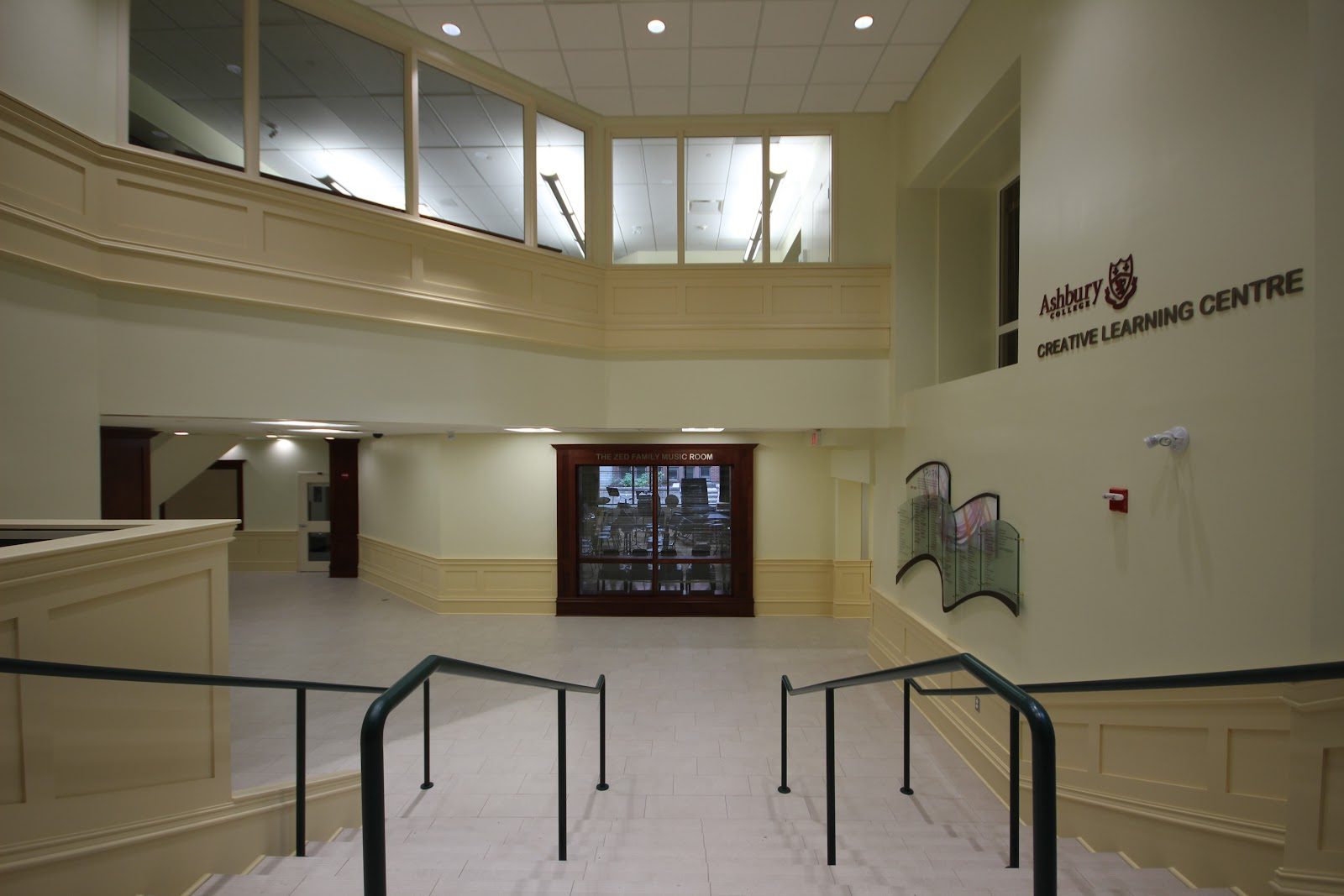
Ashbury College
Ottawa · Canada
Tucked among Rockcliffe Park's embassy residences, this century-old IB pioneer turns diplomatic proximity into a genuine global classroom.
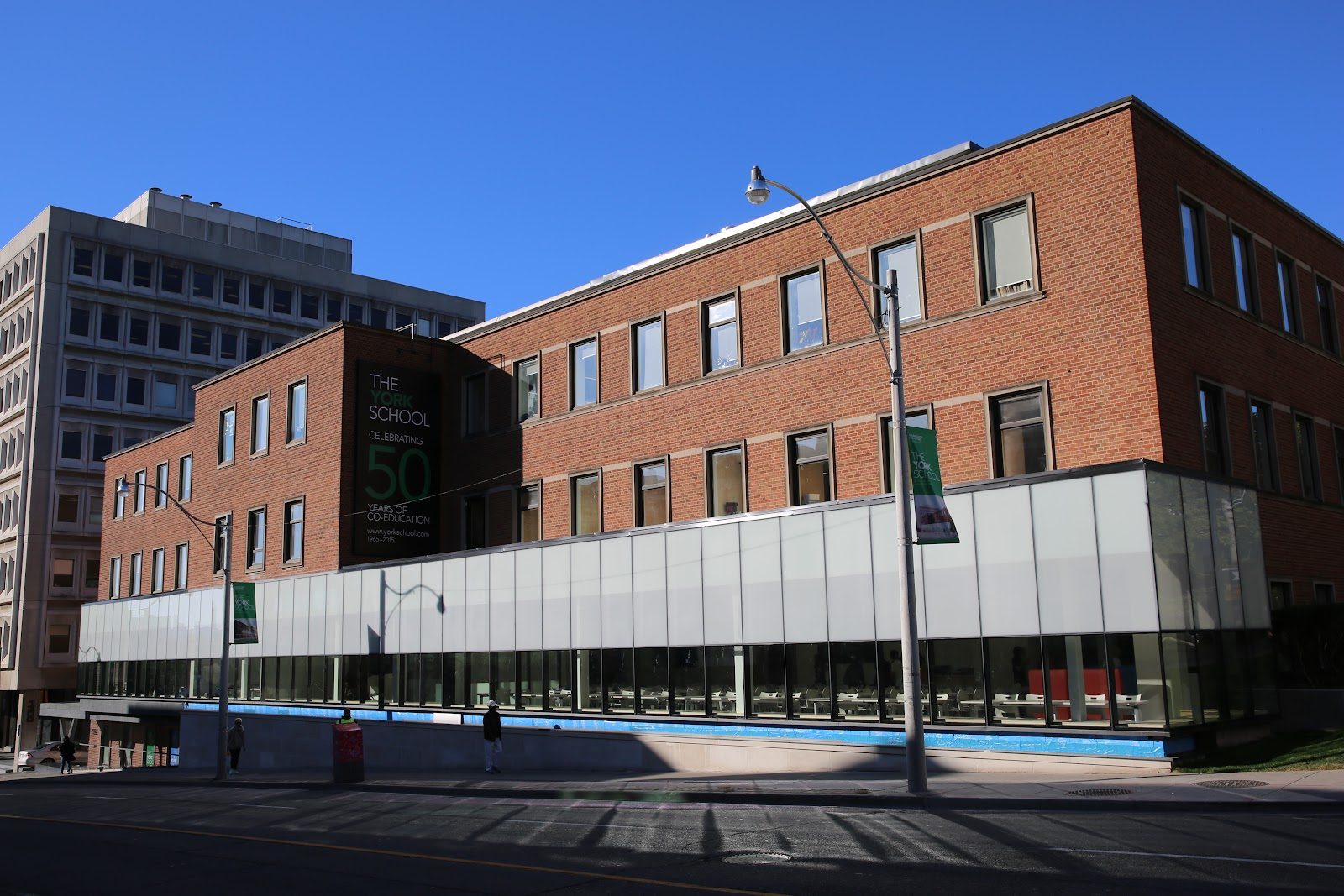
The York School
Toronto · Canada
First English-speaking school in Canada certified for the full IB continuum, JK to Grade 12, on midtown Toronto's Yonge Street corridor.
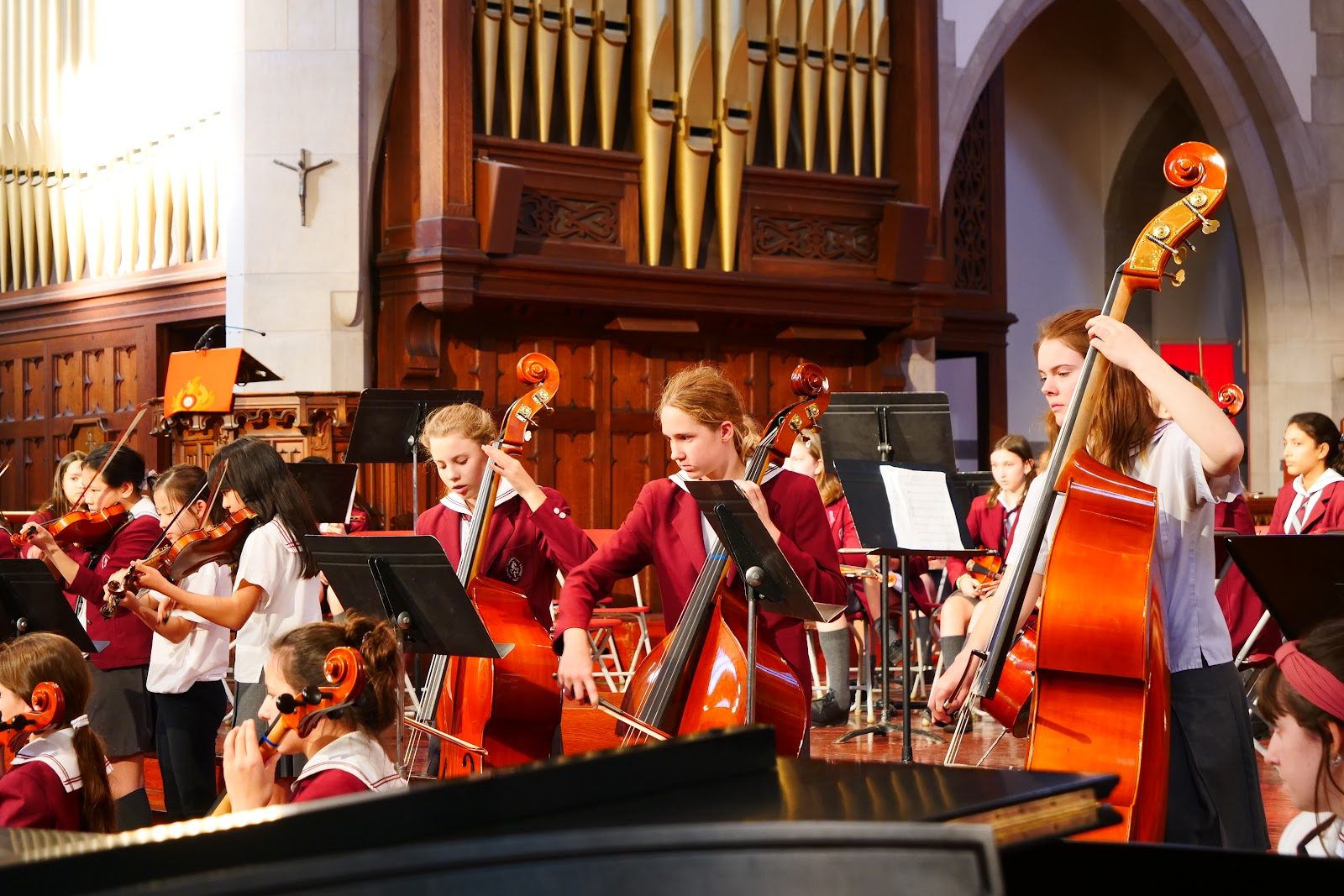
The Bishop Strachan School
Toronto · Canada
Founded in 1867 in Forest Hill, this Anglican school remains Canada's oldest continuously operating girls' day and boarding institution.
Havergal College
Toronto · Canada
A 22-acre Anglican foundation since 1894, where ten storied houses anchor a rigorous, wellbeing-driven liberal arts curriculum for girls in midtown Toronto.
Same country and curriculum — closest matches within ±10 points either way