
Lesser Poland
International School of Kraków
low confidence· 4/6 cats · 1.2 avg sourcesA forested Lusina campus outside Krakow pairs an American diploma with the IB, drawing more than 35 nationalities since 1993.
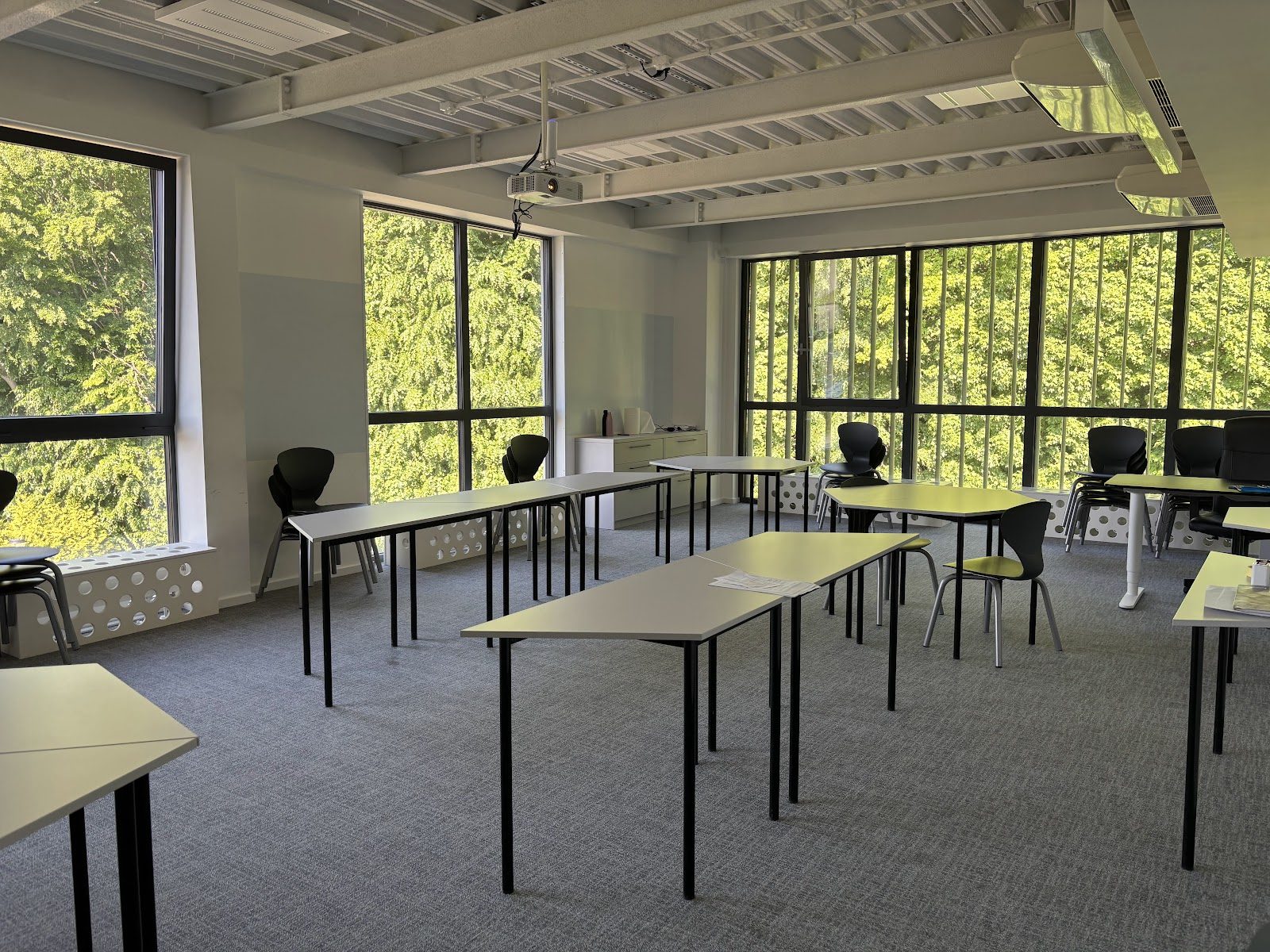
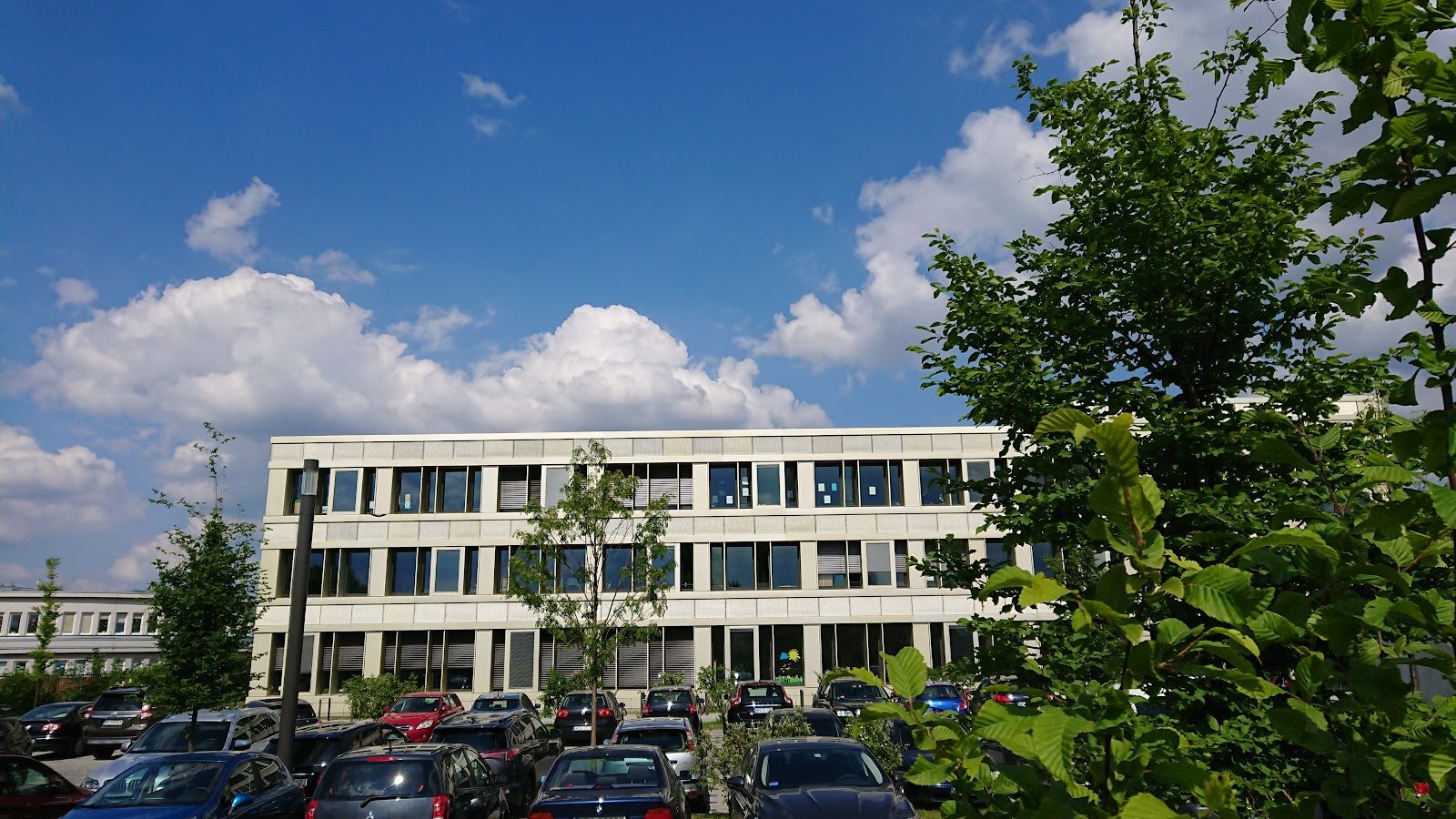
Photo © monkey via Google Maps
Type
Day
Ages
3–18
Curriculum
American · IB
Qualifications
US High School Diploma · IB Diploma
Ratio
—
The Verdict
Editor's commitment
Right for
Families wanting English-medium day schooling from ages 3–18, with an American curriculum plus the IB on a Lusina campus near Kraków.
Wrong for
Anyone wanting boarding, a religious ethos, or a single-curriculum route: ISK is non-religious, day-only, and runs American plus IB.
Watch out for
Founded in 1993 and accredited by IB, CIS and MSA, it has credibility; the phrase 'belonging to the Polish Embassy of United States' needs clarifying.
Ranking breakdown
International School of Kraków · #1478 of 1591
Composite score 49.0. 8 weighted criteria.
By criterion
Academic Outcomes
Weight 20%
#1423
of 1529 scored
University Placement
Weight 16%
#1414
of 1529 scored
Prestige & Heritage
Weight 12%
#1456
of 1571 scored
Alumni Network
Weight 12%
#1103
of 1530 scored
Facilities
Weight 12%
#1464
of 1534 scored
Transparency & Communications
Weight 8%
#1467
of 1532 scored
Peer & Industry Review
Weight 10%
#1216
of 1548 scored
Admissions Selectivity & Demand
Weight 8%
#1394
of 1529 scored
Peer & Industry Review
How International School of Kraków is regarded in the sector
63
Respected · medium confidence
I could not identify at least two independent, verifiable third-party sources (e.g., Tatler, Good Schools Guide, specialist education press, or established expat forums) that specifically assess the reputation of International School of Kraków. Without such corroborating independent evidence, a reliable score cannot be assigned.
Editors' overview
International School of Kraków occupies a distinctive niche in southern Poland: a small, international day school in Lusina, outside the city, with an American curriculum feeding into the IB. Founded in 1993, it has had time to settle into its market without acquiring the bloat or complacency that can afflict older institutions. The setting matters. A forested campus outside central Kraków gives the school a calmer physical footprint than many urban competitors, and that changes the daily experience for children who do better with space, routine and a contained community. The school’s other point of difference is its constituency: more than 35 nationalities create a genuinely international intake rather than a local school with English added on top. For mobile families, embassy-linked households and parents who want continuity into other international schools, that mix has real value. A quieter proposition, a serious international mix.
What puts ISK on a shortlist is not flash but structure. It offers English-medium education from ages 3 to 18, with the American diploma alongside the IB, and it holds the accreditations parents expect in this tier: IB World School, CIS and MSA. That combination gives families two things at once: an accessible US-style school culture and an internationally legible leaving qualification. In the Kraków market, that is a strong position. It serves parents who want an international education without the scale, spectacle or heavy branding that define parts of the sector. The trade-off is clear too: families seeking a vast campus, extensive boarding provision or the social energy of a very large school will not find it here. ISK is a day school, and its appeal rests in coherence rather than range. No grandstanding, more grounded than glossy.
The pupils who thrive here are those who value community, stability and an internationally mixed peer group over status display. This suits globally mobile children, returnees from other international systems, and academically capable students who want the breadth of the IB without the impersonality of a large institution. It also suits younger children who benefit from a contained environment and older students who need a clear academic runway to university. Families who want a school that feels intimate, outward-facing and practical will find ISK compelling. Families chasing maximum scale, elite sports infrastructure or a metropolitan buzz should look elsewhere.
Academic Performance
Academic performance is hard to judge because the school does not publish the figures that matter. We have not seen aggregate IB Diploma results, average point scores, pass rates, subject breakdowns or university destination lists in the public domain. That matters. In this market, schools competing for internationally mobile families need clean, current exam data. Without it, parents cannot place ISK with confidence against stronger-reporting rivals in Poland or the wider central European international-school circuit. The school’s academic proposition still has logic: an American pathway feeding into the IB gives students range, and a smaller setting can support close monitoring. But opaque outcomes blunt that case. For a school serving pupils through to graduation, results transparency is not optional.
Relative to peers, ISK sits in the category of schools that ask families to trust the framework rather than inspect the numbers. That is a weaker position than schools that publish full IB summaries every year and track destinations with precision. It does not mean results are poor; it means the school has chosen not to substantiate its claims publicly. For some families, especially those prioritising community and continuity, that gap will not be decisive. For academically hard-nosed parents comparing sixth-form value, it will be. The verdict is mixed but clear: the qualifications on offer carry weight, the public outcomes record does not. Until ISK publishes hard data, its academic standing remains under-evidenced beside more transparent competitors.
Facilities
The campus itself is the key facility here. A forested site in Lusina gives ISK something many city schools cannot offer: room, separation from traffic and a calmer daily rhythm. For early years and primary pupils, that matters immediately; for older students, it strips away some of the noise and compression that urban campuses impose. The setting reads as practical rather than showy. That is a strength if a family values outdoor space, manageable movement around school and a less frantic atmosphere. It is a limitation if they want the kind of high-spec, high-visibility specialist plant that larger international schools use to sell themselves. We have not seen a published facilities inventory covering science labs, performing arts spaces, sports provision or maker spaces in enough detail to rank them strongly on breadth.
Against peers, ISK’s facilities profile sits in the contained, functional tier rather than the flagship one. The memorable physical advantage is the natural setting, not a landmark theatre, elite aquatics complex or vast indoor sports centre. For a school drawing families from more than 35 nationalities, that can still work well: a smaller campus with clear boundaries often supports community better than a sprawling estate. But parents comparing hard infrastructure across Kraków and the wider central European market need more disclosure. Without detailed public information, the facilities case rests on environment and scale, not on sector-leading hardware. That makes the offer appealingly grounded for some families and plainly less ambitious for others.
International School of Kraków occupies a distinctive niche in southern Poland: a small, international day school in Lusina, outside the city, with an American curriculum feeding into the IB
Prestige
ISK carries modest prestige, not top-tier cachet. Its reputation rests on fit and credibility, not on social pull, published academic dominance or old-brand magnetism. In southern Poland, a genuinely international pupil body from more than 35 nationalities gives it standing with globally mobile families; that matters more than polish or spectacle. The association noted in the public record with the Polish Embassy of the United States adds a degree of institutional seriousness, though not the kind of elite aura that, on its own, transforms a school into a destination brand. This is a school parents choose for continuity, manageability and international peer mix, not for conspicuous status. That distinction matters. Prestige in this market comes either from outstanding disclosed outcomes, extreme selectivity or a name that travels instantly across borders. ISK does not occupy that bracket.
Why rate it this way? Because the school has clear structural strengths and weak prestige signals. It has longevity, a defined international constituency and recognised external validation, which gives it solid legitimacy. But prestige hardens into reputation through proof, and the missing public results data undercuts that. Schools with serious academic clout publish IB outcomes and university destinations cleanly; ISK does not. Nor does it command the scale, facilities narrative or social mythology that can compensate for opaque outcomes. The result is respectable but restrained: a school with real substance for the right family, but not one that sets the pace in status terms.
Against peers, ISK’s facilities profile sits in the contained, functional tier rather than the flagship one
Communications
Parent communication reads as functional rather than polished. The school’s public profile is thin, and that has consequences: when a school does not publish key outcome data or detailed facilities information, parents get a narrower window into day-to-day standards than they should. That does not mean communication with current families is weak inside the gate, but it does mean external communication lacks the clarity and completeness that internationally mobile parents expect. The school’s small scale and internationally mixed community point to a setting where direct contact with staff can carry more weight than slick systems or heavy messaging. For many families, that brings faster human access and a less bureaucratic experience. For others, it will read as underpowered.
Effectiveness, then, looks uneven. ISK communicates the broad identity of the school clearly enough: intimate community, international intake, contained setting. It communicates proof less well. Parents choosing a school for the long haul need more than ethos; they need published substance, regular institutional self-explanation and hard information that answers difficult questions before they ask them. On that front, the school is too opaque. A community spanning more than 35 nationalities demands communication that is crisp, timely and explicit, because assumptions travel badly across borders. The strongest schools in this bracket combine warmth with documentary discipline. ISK shows more of the first than the second.
Uniqueness
What sets ISK apart is the combination of a wooded out-of-city setting with a genuinely international intake and an institutional link that gives the school an unusual shape in the Polish market. It is not an urban expat school squeezed into a commercial block, and it is not a local private school with international branding layered on top. The public record ties it to the Polish Embassy of the United States, which gives the school a distinct civic and diplomatic flavour. Add a pupil body spanning more than 35 nationalities and the result is a community that is genuinely transnational, less provincial than many rivals and more anchored in international mobility than schools that draw from one dominant local elite.
For students, that translates into something concrete. Daily school life carries more cross-border fluency, more exposure to families who move between countries, and more practice in navigating difference without fuss. In a smaller school, that kind of mix has force because pupils cannot disappear into enclaves; they know each other across age groups, backgrounds and parent professions. The campus setting reinforces that difference. Space, greenery and distance from the city give the school a quieter social temperature and a more contained childhood than high-pressure metropolitan campuses. For the right child, that brings confidence, steadier peer relationships and a sense of internationalism without theatre. For families chasing social display or a big-city buzz, it will feel too restrained.
Without detailed public information, the facilities case rests on environment and scale, not on sector-leading hardware
Student Profile
The students who fit best here are children who do not need a crowd to define them. In a school drawing families from more than 35 nationalities, the social centre of gravity sits with internationally mobile, adaptable pupils who are used to difference and do not treat it as novelty. Children from embassy, consular, academic and corporate families will recognise the rhythm: parents with cross-border careers, classmates arriving from other systems, friendships formed fast because movement is normal. That makes ISK a strong match for pupils who value easy cross-cultural fluency, low-drama community and a peer group that is diverse in background without being performative about it.
It is less suited to children chasing scale, hierarchy or a big social stage. Extroverts can thrive here, but the school suits self-possessed pupils better than status-seekers, and grounded families better than those who want a glossy international badge. Younger children who benefit from routine and known adults across the school will find this a reassuringly contained environment. Older students who want close visibility from teachers, and who work well in a community where people know one another, also fit the mould. The weak match is the teenager who wants anonymity, constant novelty or a vast choice of friendship circles and niches. This is a compact, internationally minded school for families who prize substance over spectacle.
It is not an urban expat school squeezed into a commercial block, and it is not a local private school with international branding layered on top
Co-curricular strengths
Arts & sport, on a separate axis
Overall 7.6/10
Scored 0-10 from the school's own published evidence. This axis is editorial-only — it does not feed the main WTS ranking.
Sports
8.5/10
Drama
8/10
Dance
5.5/10
Music
8/10
Visual Arts
8/10
Editor first-pass · editor-reviewable · 7/30/2026
Strengths
- +Offers both an American-style curriculum and the IB Diploma Programme, giving families a dual pathway to US and international universities.
- +Kraków is a safer, lower-cost European base than Warsaw, with a well-established expatriate and academic community around the school.
- +As a small international school, class sizes are generally modest, allowing more individual teacher attention than larger city schools.
- +Long-standing presence in Kraków's international education scene, giving it institutional continuity compared to newer entrants.
Considerations
- −Small overall size limits the breadth of extracurricular activities, sports leagues, and elective subject choice compared to larger international schools.
- −Kraków's international school market is thin, so families relocating elsewhere in Poland or Europe may find fewer easy transfer options.
- −Public data on outcomes, university placement, and accreditation reports is limited, making it harder to independently verify academic results.
- −As a lower-profile institution outside the major international school hubs (Warsaw, Prague, Vienna), it lacks the scale and resources of larger regional competitors.
Availability
Primary entry gate & tests
Academic Record
Gallery
Photo © International School of Kraków via Google Maps
Photo © Marek Palichleb via Google Maps
Photo © Ortolani domenico via Google Maps
Photo © Ortolani domenico via Google Maps
Photo © Ortolani domenico via Google Maps
Parent reviews
Have you sent your child here?
Voice reviews carry the strongest trust badge — we transcribe them for you to tidy up before they go live. Prefer to type? A written review is fine too.
Add your voice
In 60 seconds, tell other parents: what's the best thing about International School of Kraków, and what surprised you when your child joined?
We ask for a Google sign-in so every review has a real face behind it — no anonymous drive-by attacks on schools, and no faked positive reviews. Your email is never shown publicly.
Send this profile to a friend
International parents rely on word-of-mouth. Share this review with someone weighing the same decision.
Schools with places
Similar schools to International School of Kraków with places available now.
Availability first, then country, area, curriculum, price, co-curricular
Consider also
Also worth looking at alongside International School of Kraków.
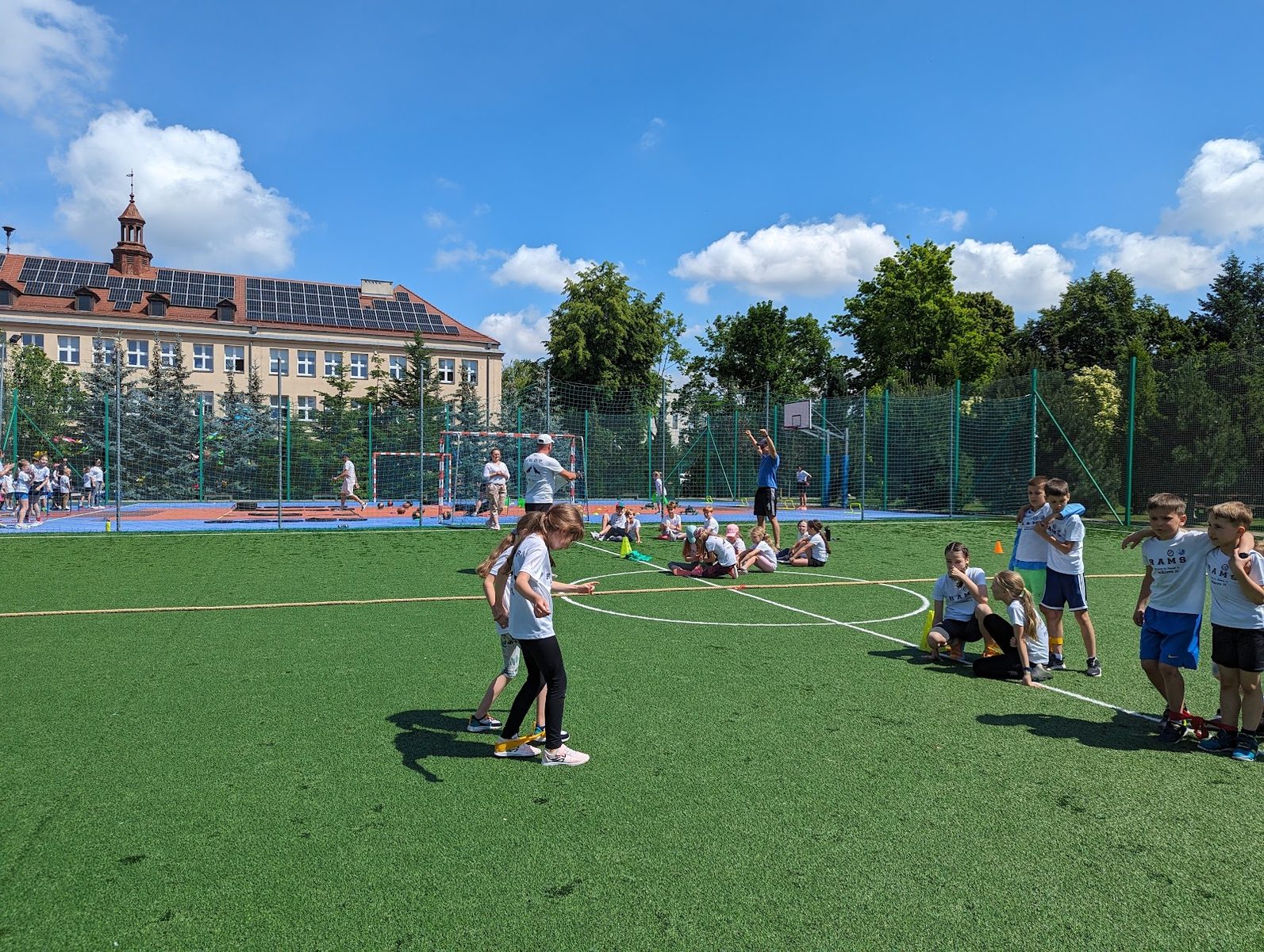
International School of Poznań
Poznań · Poland
Poznan's original IB Diploma authorization, now closing in on a full PYP-MYP-DP continuum via its own induction year for newcomers.
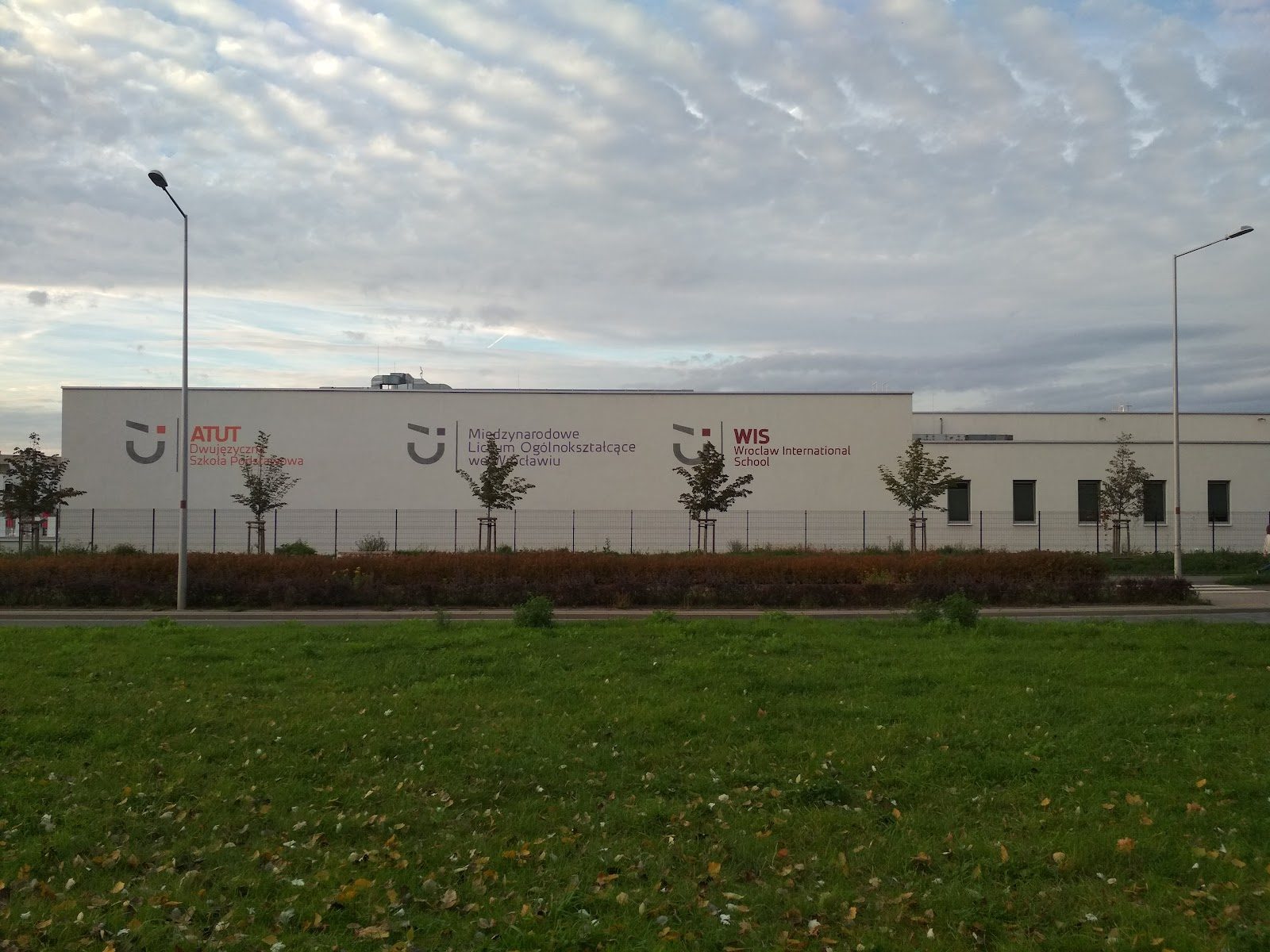
Wrocław International School
Wrocław · Poland
Lower Silesia's inquiry-led IB pioneer, the first in Poland authorised for both the Primary and Middle Years Programmes.
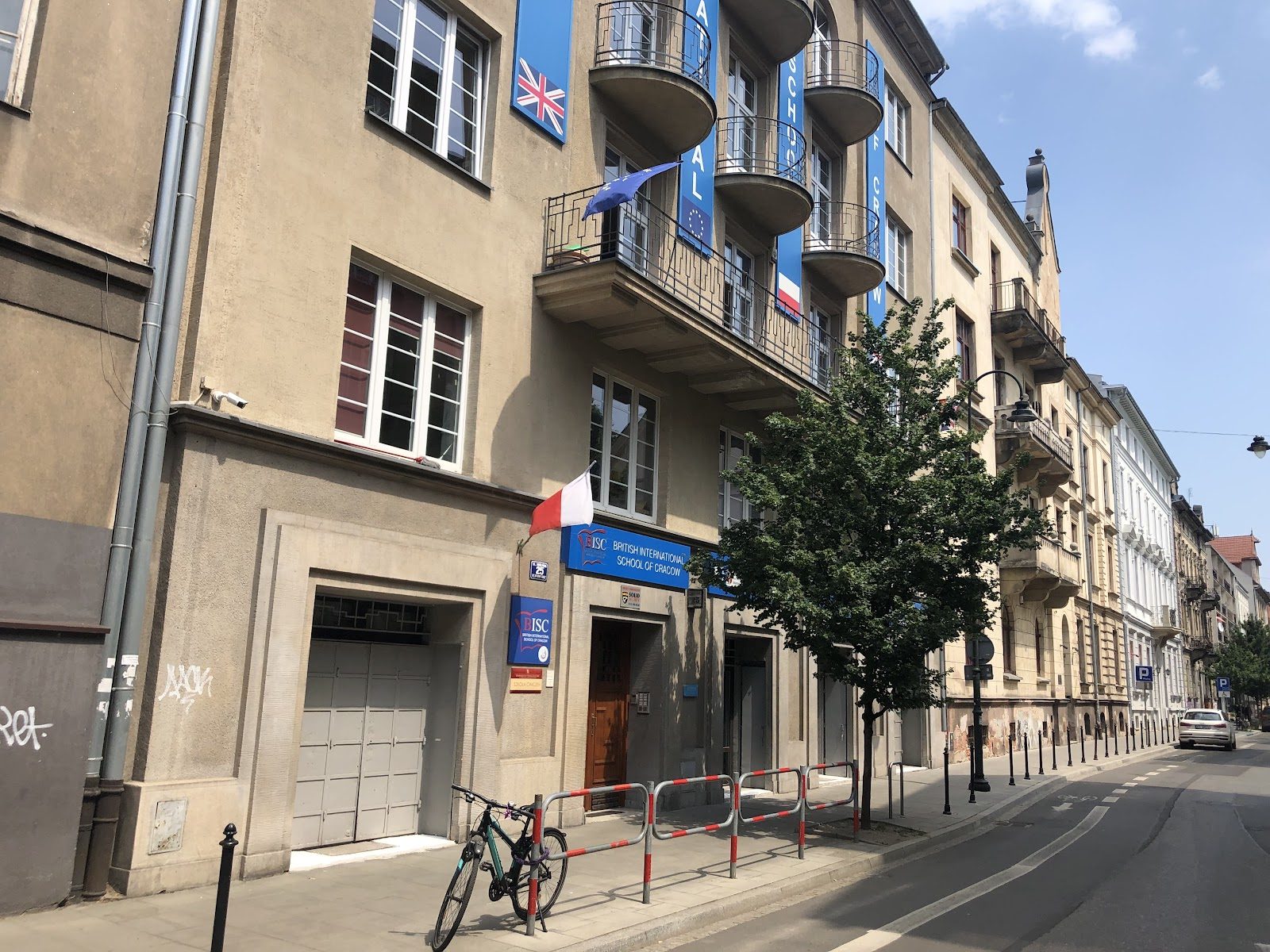
British International School of Cracow
Kraków · Poland
In Krakow's Old Town, three decades of British schooling meet the IB Diploma, small classes, and Tatra ski-week traditions.
Willy Brandt German School
Warsaw · Poland
Poland's only German Auslandsschule, pairing Abitur rigor with a namesake built on Cold War reconciliation
Same country and curriculum — closest matches within ±10 points either way