
Mazovia
Lycée Français de Varsovie
low confidence· 4/6 cats · 1.2 avg sourcesFounded in 1919 as a diplomatic bridge between Paris and a newly independent Poland, its Baccalaureate classrooms still run on trilingual rigor.
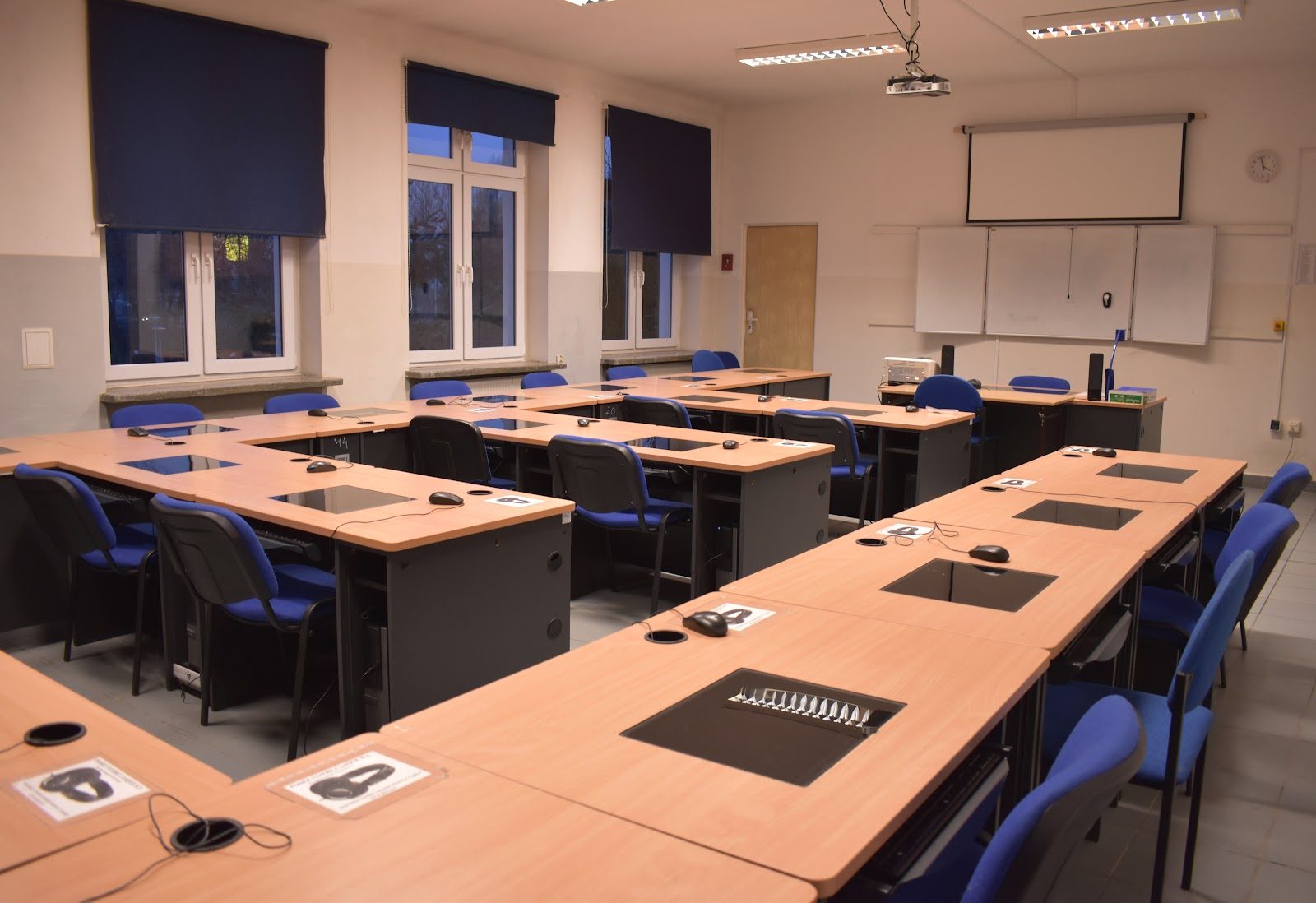
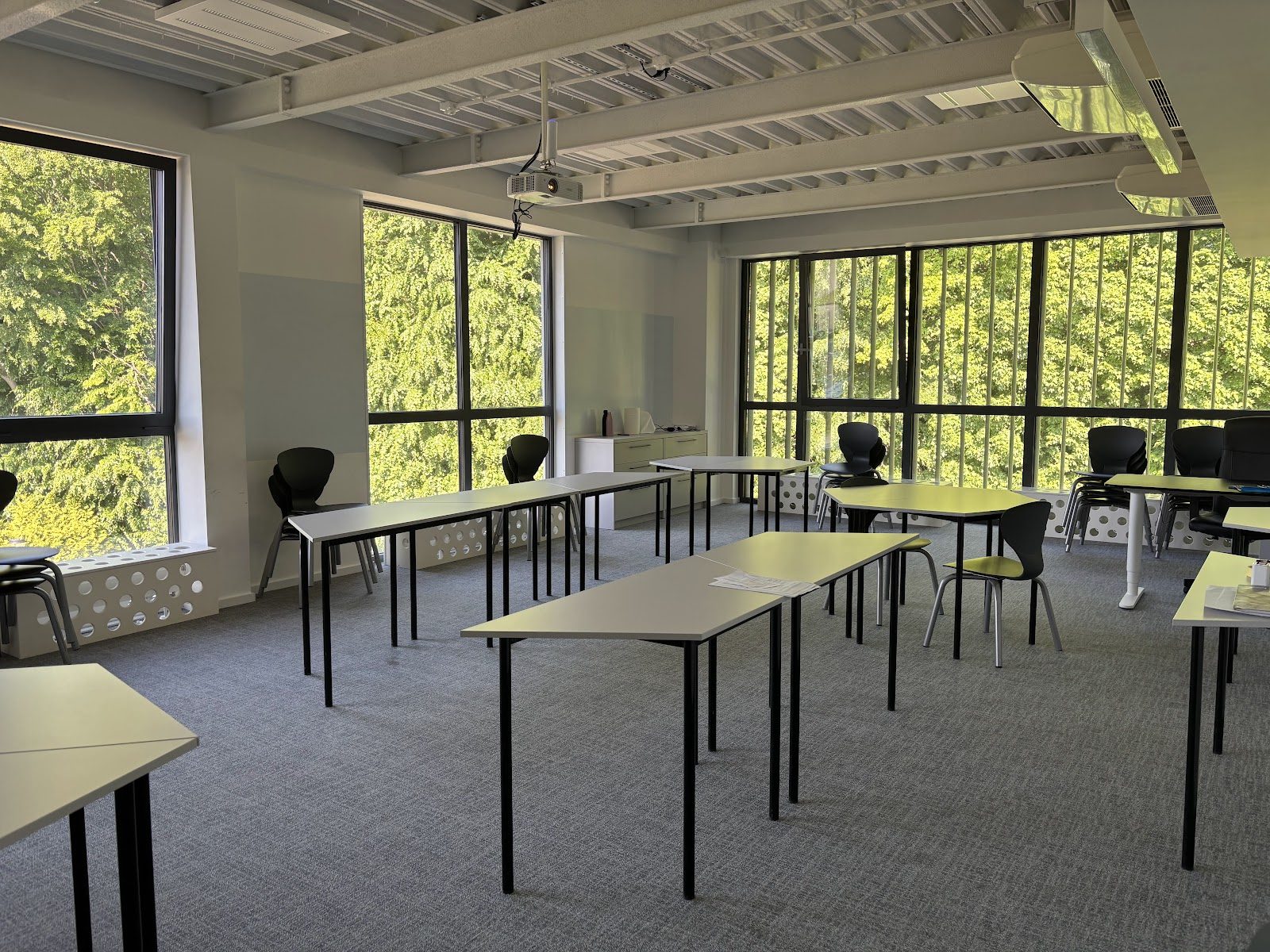
Photo © Lycée français de Varsovie (LFV) via Google Maps
Type
Day
Ages
3–18
Curriculum
French Baccalaureate
Ratio
—
The Verdict
Editor's commitment
Right for
Families in Warsaw who want AEFE oversight, French instruction from ages 3–18, and the French Baccalaureate without boarding.
Wrong for
Parents wanting English-medium teaching, a religious ethos, or boarding; this is a non-religious day school in Warsaw with French instruction.
Watch out for
Founded in 1997 despite a 1919 backstory, LFV trades on heritage; the school does not publish aggregate French Baccalaureate results.
Ranking breakdown
Lycée Français de Varsovie · #1439 of 1591
Composite score 50.7. 8 weighted criteria.
By criterion
Academic Outcomes
Weight 20%
#1382
of 1529 scored
University Placement
Weight 16%
#1371
of 1529 scored
Prestige & Heritage
Weight 12%
#1426
of 1571 scored
Alumni Network
Weight 12%
#1082
of 1530 scored
Facilities
Weight 12%
#1465
of 1533 scored
Transparency & Communications
Weight 8%
#1437
of 1532 scored
Peer & Industry Review
Weight 10%
#1216
of 1548 scored
Admissions Selectivity & Demand
Weight 8%
#1326
of 1529 scored
Peer & Industry Review
How Lycée Français de Varsovie is regarded in the sector
63
Respected · medium confidence
I could not identify at least two independent, verifiable third-party sources (e.g., Tatler, Good Schools Guide, expat forum threads with substantive discussion, or specialist press) that specifically assess the reputation of Lycée Français de Varsovie. Most available information traces back to the school's own materials or AEFE network listings rather than independent peer or press evaluation.
Editors' overview
Lycée Français de Varsovie occupies a precise niche in Warsaw: a French state-linked education inside the AEFE network, with the continuity and discipline that network brings. For families who want the French Baccalaureate rather than an international hybrid, this is one of the clearest options in the city. The school runs from age 3 to 18, teaches in French, and spans two campuses: one for preschool and primary, the other for administration, lower secondary and sixth form. That split matters. It gives younger children a distinct setting, while older students work in a more senior academic environment. The school also states that it offers a welcome programme for non‑Francophone children, plus a Polish international section for pupils planning to study in Poland. That combination gives LFV a practical edge for international families who need both linguistic immersion and a route into local higher education.
What puts it on a shortlist is not glitz but structure. AEFE membership ties LFV into a network of 580 French schools in more than 139 countries, which carries real value for diplomatic, expatriate and mobile families: transfers are simpler, the curriculum stays coherent, and the school is plugged into a system larger than itself. The school also pushes multilingualism, intercultural exchange and civic education hard, and that is consistent with the French model at its best: intellectual seriousness, secular values and a curriculum that does not dilute itself to chase fashion. There are more than 30 extracurricular activities for nursery and primary pupils, and the school highlights sustainability projects, student life initiatives and anti-violence work. What it does not publish here is the data hard-headed parents also want: aggregate Baccalaureate outcomes, university destinations, or detailed cohort sizes. That opacity does not negate the school’s strengths, but it does leave parents to ask sharper questions at enquiry stage.
The right child for LFV is one who thrives with academic structure, explicit expectations and French as the working language. This suits francophone families first, but also internationally minded households ready to commit to full French-medium schooling and the demands that come with it. It will also appeal to students who value cultural fluency over a loose international-school atmosphere, and to families who want Poland kept in view through Polish language, history and literature. Children who need constant pastoral hand-holding, broad public disclosure of outcomes, or a more flexible Anglo-style curriculum will find stronger fits elsewhere. LFV is for parents who want institutional depth, cross-border continuity and a school with a clear educational spine.
Academic Performance
Academic performance is the point where public information thins out. The school does not publish aggregate French Baccalaureate results, pass rates, mention rates, subject distributions, or a university destinations list. That is a real weakness for an academically selective audience, because French schools competing for international families need to show how pupils perform at the end of the cycle, not just describe ethos and provision. The same applies lower down the school: no published brevet outcomes, no cohort-level attainment data, and no trend line across recent years. For parents trying to place LFV against other French schools in Europe, that leaves a blind spot where the hard evidence belongs.
What can be said with confidence is structural rather than statistical. LFV sits inside the AEFE network of 580 schools across 139 countries, which gives its examinations external consistency and a known standard of scrutiny. That matters: results, when strong, sit inside a system parents already understand, and transfers across the network do not involve curricular improvisation. The school also runs a welcome programme for non‑Francophone pupils and offers a Polish international section, both of which add academic complexity rather than reduce it. Still, without published outcomes, LFV cannot claim a top academic tier on evidence in the public domain. It fits better as a school with credible institutional backing and opaque results reporting than one making a data-led academic case.
Facilities
The physical set-up is practical rather than showy. LFV operates across two campuses, with younger children separated from the older years; that matters more than glossy architecture. It gives nursery and primary pupils a setting scaled to early childhood, while secondary students work in a more adult academic environment. The school promotes a virtual tour, lists a sports hall, canteen, after-school care, medical support and school bus service, and gives visible space to its library-documentation provision, arts activity and educational projects. There is also a school orchestra and a stream of extracurricular options for younger pupils, with 30+ activities across sport, arts, languages and culture. Against Warsaw peers, that reads as sound and functional rather than lavish. Parents hunting for theatre-grade performance spaces, elite aquatics or a campus built to impress will not find evidence of that here.
Where LFV does have an edge is in facilities tied to educational purpose. The Polish international section, support for non-francophone entrants and sustainability projects all point to spaces used for language acquisition, integration and project work, not just timetable delivery. That gives the campus a working-school seriousness that many international schools claim and fewer sustain. Still, the public picture lacks detail on science labs, specialist design spaces, senior study centres and outdoor provision. That gap matters. Peer schools at the top end publish those assets clearly because facilities are part of the academic offer. LFV’s estate looks competent, split-site and serviceable; it does not make a premium facilities case in public.
Still, without published outcomes, LFV cannot claim a top academic tier on evidence in the public domain
Prestige
LFV carries solid prestige inside the circles that matter to French and internationally mobile families, but it is institutional prestige, not glamour. The value sits in network recognition, transferability and the credibility that follows a school tied into a French public education system abroad. For diplomatic households, French corporate expatriates and families planning moves between countries, that counts for a great deal. Being part of a network spanning 580 schools in 139 countries gives the school a status marker that smaller independents cannot match. In Warsaw, that makes LFV a serious, state-linked option rather than a lifestyle school trading on facilities and branding.
That said, prestige here has clear limits. Outside francophone and French-international circles, the name does not carry the same broad-market cachet as the most visible Anglo-American schools. Nor does the school help itself by withholding the outcome data that turns institutional standing into earned academic prestige. Parents can see the network, the civic ethos and the multilingual ambitions; they cannot see published aggregate exam performance or destination patterns. So the rating rests on system stature and constituency reputation, not on public proof of elite results. That still gives LFV weight, but it is a narrower, more functional prestige than the headline status some international schools cultivate.
Peer schools at the top end publish those assets clearly because facilities are part of the academic offer
Communications
Parent communication is active, centralised and easy to find. The website does the heavy lifting: admissions steps, fees, financial rules, internal regulations, school calendar, school supplies, newsletter sign-up, family portal access and a contact route through the secretariat all sit in plain view in the main navigation. That matters because schools with split sites and a broad age range need clear operational signalling, not vague warmth. LFV also runs a steady news feed, publishes event notices, and keeps a dedicated family area online. The welcome guide is a useful inclusion. So is the virtual tour, which helps families who cannot visit in person. There is enough here to support day-to-day logistics without forcing parents into detective work. The overall impression is orderly, practical and adult.
The limitation is depth, not frequency. LFV communicates ethos, events and procedures well; it communicates outcomes and strategic substance less well. Parents can find open days, extracurricular life and school services, but they cannot find the academic reporting that serious comparison requires: aggregate exam results, destination patterns, or richer programme detail beyond broad claims. That makes the school good at information management and weaker at evidential transparency. The multilingual public face also matters: the site carries Polish-facing and international-facing messaging, which fits the school’s constituency and widens accessibility. Still, the communications style stays institutional rather than conversational. For some families that reads as reassuringly formal; for others, too controlled. The essentials are there. The proof points are thin.
Uniqueness
What distinguishes LFV is not novelty for its own sake, but a rare institutional mix: a French school with a declared commitment to civic and secular education, a real multilingual setting, and a deliberate bridge into Polish academic life. Many international schools talk about intercultural exchange; LFV builds it into the school’s actual operating model. The welcome programme for non-francophone children matters here. It gives families a route into a demanding system without requiring children to arrive fully formed for it. The Polish international section does something equally important in the other direction: it keeps local language, history and literature in serious view for students who intend to continue into Polish higher education. That makes LFV more strategically bicultural than schools that offer host-country language as an add-on.
The other point of difference is the scale of the network behind it. AEFE is not just a badge; it gives pupils access to a highly portable education across 580 French schools in 139 countries. For children in mobile families, that continuity reduces disruption and protects academic progression. For less mobile families, it still delivers a clear institutional spine: shared standards, a recognisable educational culture and a school identity tied to something larger than a single campus. Add the school’s stated emphasis on citizenship, political and religious tolerance, and sustainability work, and the result is a disciplined internationalism that feels more substantive than the glossy globalism common elsewhere.
Lycée Français de Varsovie occupies a precise niche in Warsaw: a French state-linked education inside the AEFE network, with the continuity and discipline that network brings
Student Profile
The pupil mix is international in the literal sense, not the branding sense. The school states 0 nationalities on its homepage placeholder counter, but the more useful point is structural: this is a community built around a French educational frame with room for children arriving from outside it. The welcome programme for non-francophone pupils widens the intake beyond native speakers, but it does not turn the school into a soft-landing international school. The child who fits here learns fast, copes with clear authority, and does not need lessons endlessly repackaged for engagement. Families who value secular civic education, multilingual development and a school day with firm boundaries will fit more naturally than parents hunting for a loose, highly personalised atmosphere.
The strongest fit is with diplomatic, binational, francophone and internationally mobile families who want continuity and who accept the demands that continuity brings. Pupils aiming to keep a serious foothold in Poland also have a tangible advantage through the Polish international section, which gives local language and culture real academic weight rather than token treatment. This will suit children who are adaptable, academically durable and comfortable in a community where cultural identity is part of the work of schooling. It is a weaker match for pupils who need heavy pastoral cushioning, a broad menu of curricular choice at every turn, or a school culture built around constant affirmation. LFV suits students ready for *structure, rigour and belonging earned through participation*.
For families who want the French Baccalaureate rather than an international hybrid, this is one of the clearest options in the city
Co-curricular strengths
Arts & sport, on a separate axis
Overall 7.1/10
Scored 0-10 from the school's own published evidence. This axis is editorial-only — it does not feed the main WTS ranking.
Sports
7.5/10
Drama
7/10
Dance
6/10
Music
8/10
Visual Arts
7/10
Editor first-pass · editor-reviewable · 7/30/2026
Strengths
- +Accredited by AEFE (Agence pour l'enseignement français a l'etranger), giving access to the official French national curriculum and Baccalaureate.
- +Continuous schooling pathway from maternelle through terminale under one institution, easing transitions for long-term expat families.
- +Graduates receive the French Baccalaureate, a qualification recognised for direct entry to French and many European universities.
- +Location in Warsaw offers a lower cost of living than major Western European capitals where French lycees typically operate.
- +Part of a global AEFE network, which can ease transfers for French diplomatic and corporate families relocating between postings.
Considerations
- −Tuition and fee structures are not transparently published in detail on the school website, making budgeting harder for prospective families.
- −Instruction is predominantly in French, which can be a barrier for non-Francophone children without strong prior language preparation.
- −As a single-curriculum French Baccalaureate school, it offers less flexibility than IB or bilingual schools for families uncertain of long-term country plans.
- −Being a niche expat-oriented school in Warsaw, it has a smaller applicant pool and less independent inspection or league-table data available than larger international hubs.
Availability
Primary entry gate & tests
Academic Record
Gallery
Photo © Lycée français de Varsovie (LFV) via Google Maps
Photo © Lycée français de Varsovie (LFV) via Google Maps
Photo © Lycée français de Varsovie (LFV) via Google Maps
Photo © Tomasz Wieruszewski via Google Maps
Photo © Lycée français de Varsovie (LFV) via Google Maps
Parent reviews
Have you sent your child here?
Voice reviews carry the strongest trust badge — we transcribe them for you to tidy up before they go live. Prefer to type? A written review is fine too.
Add your voice
In 60 seconds, tell other parents: what's the best thing about Lycée Français de Varsovie, and what surprised you when your child joined?
We ask for a Google sign-in so every review has a real face behind it — no anonymous drive-by attacks on schools, and no faked positive reviews. Your email is never shown publicly.
Send this profile to a friend
International parents rely on word-of-mouth. Share this review with someone weighing the same decision.
Schools with places
Similar schools to Lycée Français de Varsovie with places available now.
Availability first, then country, area, curriculum, price, co-curricular
Consider also
Also worth looking at alongside Lycée Français de Varsovie.
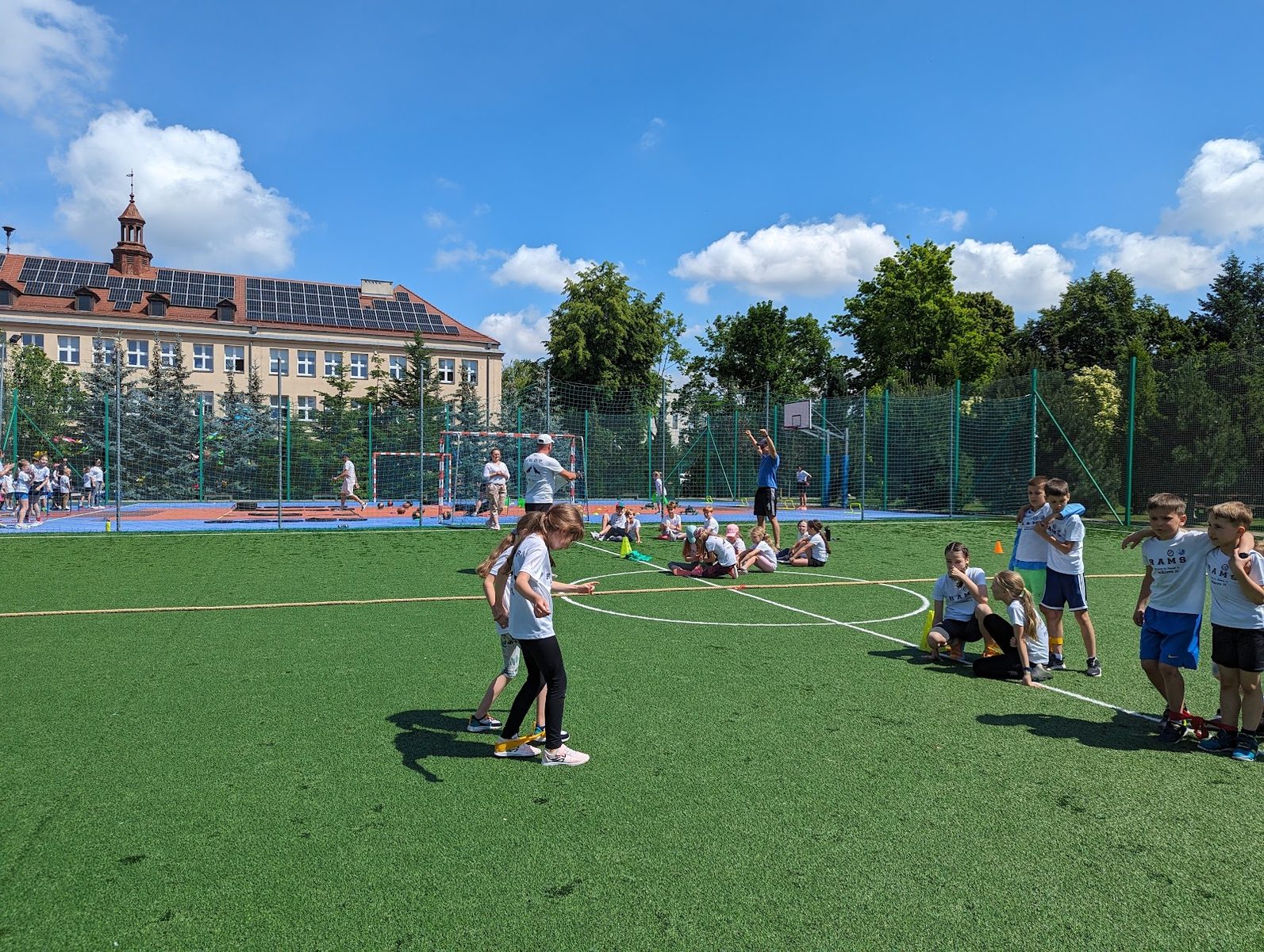
International School of Poznań
Poznań · Poland
Poznan's original IB Diploma authorization, now closing in on a full PYP-MYP-DP continuum via its own induction year for newcomers.
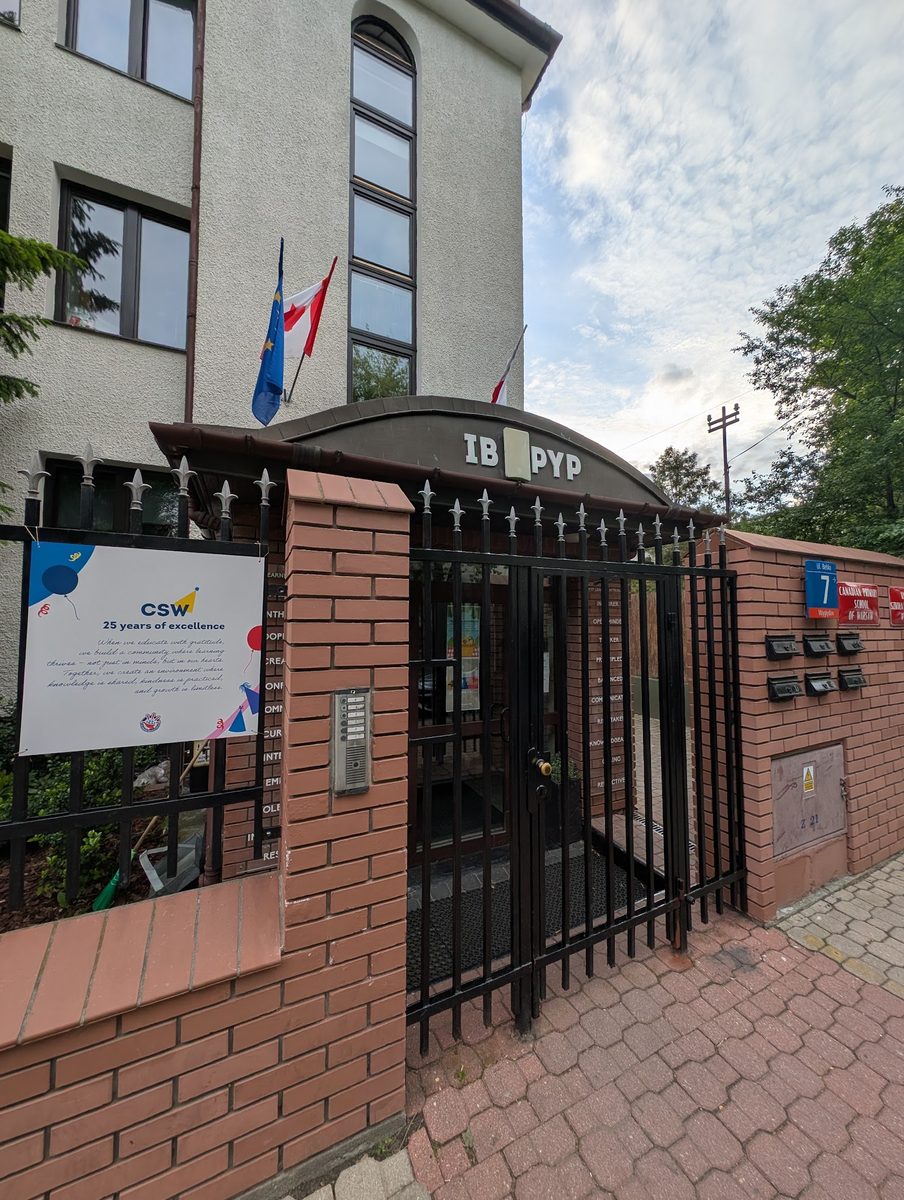
Canadian School of Warsaw
Warsaw · Poland
In Warsaw's Mokotow district, a Canadian-founded IB Primary Years school pairs Polish curriculum rigor with English-Polish-French fluency.
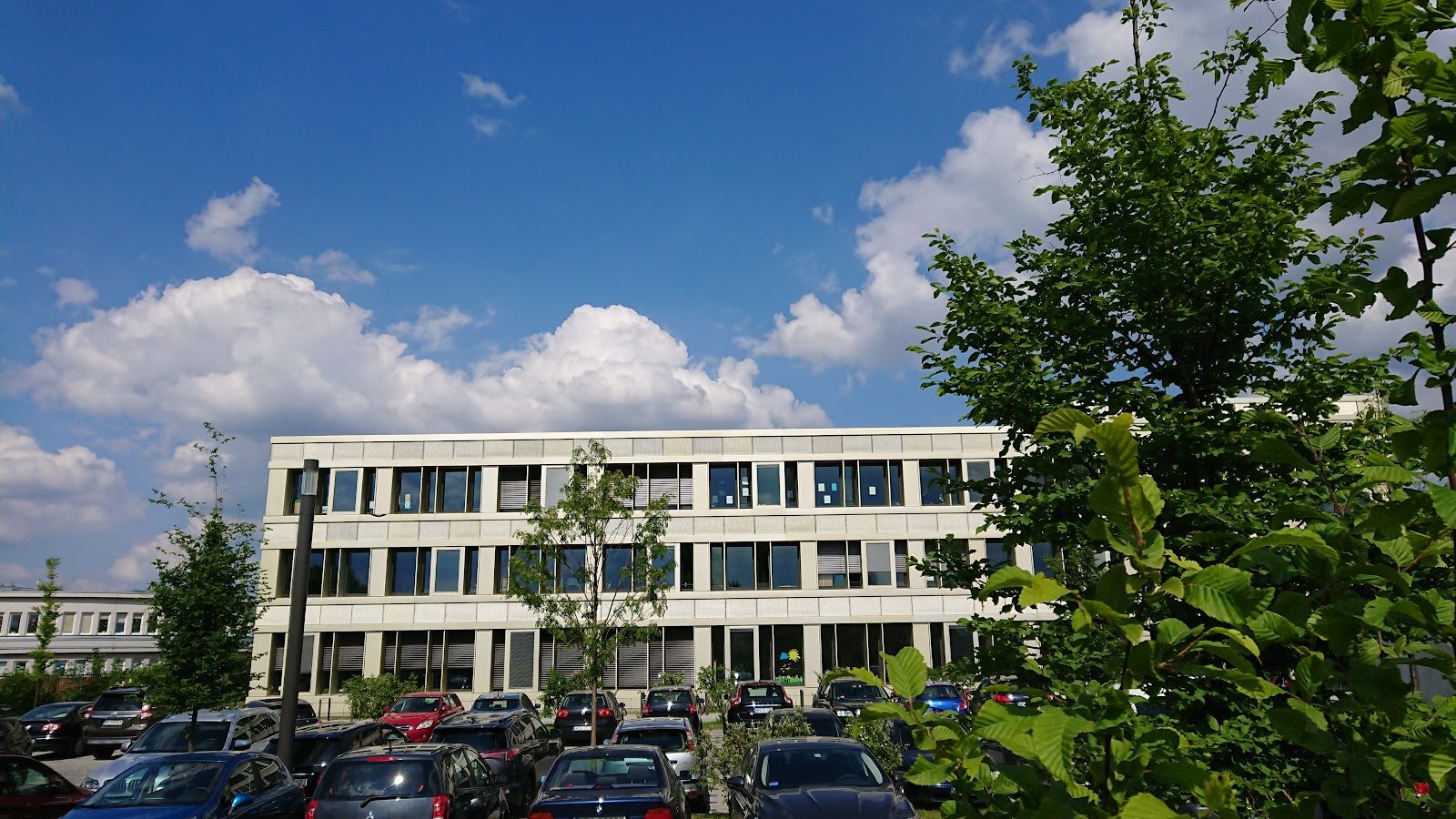
Willy Brandt German School
Warsaw · Poland
Poland's only German Auslandsschule, pairing Abitur rigor with a namesake built on Cold War reconciliation
International School of Kraków
Kraków · Poland
A forested Lusina campus outside Krakow pairs an American diploma with the IB, drawing more than 35 nationalities since 1993.
Same country and curriculum — closest matches within ±10 points either way