
Tokyo
Toyoshimaoka Girls' High School
Five minutes of traditional needlework open every school day, discipline behind one of Tokyo's toughest routes into the University of Tokyo.
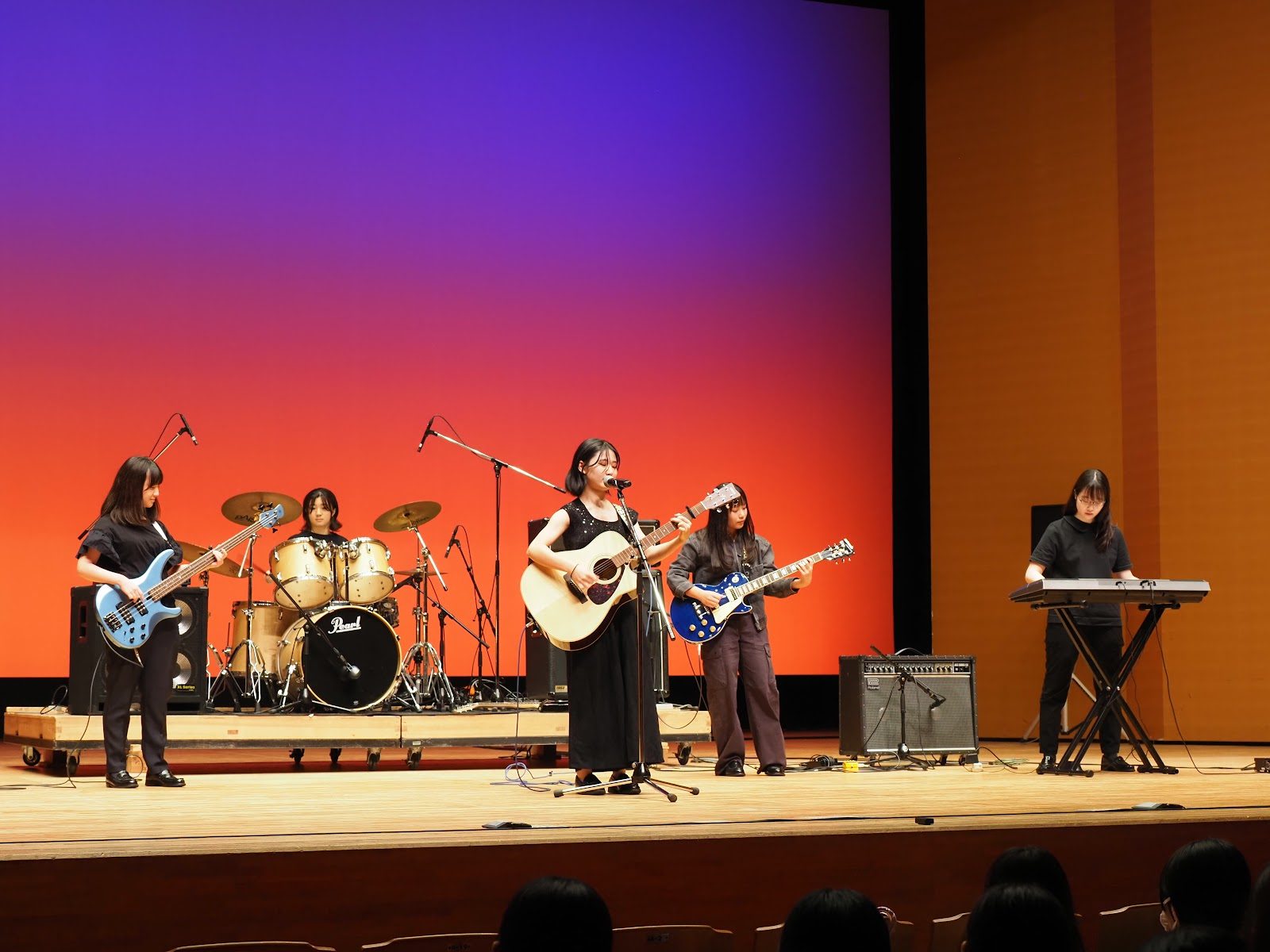
Photo © 東洋女子高等学校 via Google Maps
Type
Day
Ages
15–18
Curriculum
Japanese National
Qualifications
Japanese Senior HS Diploma
Ratio
—
The Verdict
Editor's commitment
Right for
Girls, 15–18, who want a Japanese National day school in Tokyo with MEXT accreditation and a serious academic culture.
Wrong for
Families wanting English-medium teaching, boarding, co-education or an international curriculum; instruction is Japanese and the school is girls-only, ages 15–18.
Watch out for
Founded in 1892, this is an old, disciplined institution; the website foregrounds SSH, inquiry work and overseas programmes, but publishes no outcome data.
Ranking breakdown
Toyoshimaoka Girls' High School · #347 of 1591
Composite score 71.4. 8 weighted criteria.
By criterion
Academic Outcomes
Weight 20%
#92
of 1529 scored
University Placement
Weight 16%
#24
of 1529 scored
Prestige & Heritage
Weight 12%
#212
of 1571 scored
Alumni Network
Weight 12%
#1082
of 1530 scored
Facilities
Weight 12%
#1110
of 1533 scored
Transparency & Communications
Weight 8%
#922
of 1532 scored
Peer & Industry Review
Weight 10%
#645
of 1548 scored
Admissions Selectivity & Demand
Weight 8%
#72
of 1529 scored
Peer & Industry Review
How Toyoshimaoka Girls' High School is regarded in the sector
68
Respected · medium confidence
Within Tokyo's competitive girls'-school landscape, Toshimagaoka is consistently ranked by Japanese education press such as Weekly Toyo Keizai and Weekly Diamond among the top handful of girls' schools for university placement, frequently cited alongside Ochanomizu University Senior High and Sakuragaoka Joshi as a benchmark 'juken meimon' (elite exam school). Its outsized share of graduates entering the University of Tokyo, Tokyo Institute of Technology, and national medical faculties is regularly noted in annual matriculation-data features, where it is singled out for punching above its enrollment size in medical-school admissions. Cram-school (juku) rankings and parent-facing guides used by Tokyo families treat it as a serious rival to the metropolitan's most selective girls' schools, citing its rigorous STEM curriculum and daily writing discipline as differentiators. Coverage tends to be data-driven rather than promotional, focused on admissions statistics rather than anecdote, reflecting its reputation as an academically rigorous, results-oriented institution rather than a broadly international or extracurricular showcase school.
Editors' overview
Toyoshimaoka Girls' High School is one of Tokyo’s hardest-driving academic schools for girls: old, disciplined and unapologetically selective in spirit, even if this listing concerns the senior high years only. Founded in 1892, it operates in Japanese, follows the Japanese National curriculum, and carries the weight of a long-established institutional culture. The school’s signature ritual still matters: five minutes of daily needlework, a small practice that signals the larger point. This is a place built on habit, precision and self-command, not on progressive rhetoric or lifestyle branding. The website also shows a school that has added contemporary layers to that old structure: Super Science High School activity, sustained inquiry work, philosophy cafés, library programming, overseas study options and a visible pattern of student reporting from inside the school. The result is steel-framed seriousness with more intellectual range than the stereotype allows.
What puts Toyoshimaoka on a shortlist is not warm ambience or international polish. It is academic pressure, institutional coherence and a clear sense that work gets done here. Families looking for a soft landing, broad pastoral messaging or English-medium access should look elsewhere. This is a Japanese day school for girls aged 15–18, and the language of instruction is Japanese throughout. For the right student, that directness is the attraction. The school combines old Tokyo rigour with structured enrichment: SSH-linked research, concentrated inquiry programmes, global education, and overseas experiences including a three-month New Zealand placement and a Honolulu inquiry trip cited on the school site. That mix gives high-achieving students more than exam preparation; it gives them a system in which scholarship, routine and extracurricular commitment reinforce each other.
The best fit is the girl who wants intensity and does not need hand-holding. She will value standards, tolerate repetition, and treat discipline as a tool rather than an insult. She may be headed for Japan’s most competitive universities; she may also be drawn to science, research, choirs, debate-style discussion or serious club life. She will not need classrooms dressed up as limitless creativity if the underlying work is strong. She will respond to a school that prizes earned confidence, quiet competitiveness and habit over hype. Parents should shortlist Toyoshimaoka if they want an academically formidable girls’ school with a distinct culture, deep roots and no interest in pretending that excellence arrives without effort.
Academic Performance
Toyoshimaoka’s academic reputation in Japan sits at the top end of the selective girls’ sector, and parents read it through university destinations rather than glossy score tables. The school does not publish aggregate external examination results on the public site excerpts here, so anyone looking for a neat dashboard of pass rates, mean scores or national percentiles will not get one. What it does show is the machinery behind strong outcomes: sustained SSH activity, structured inquiry across year groups, concentrated research practice in the senior years, and an institutional timetable that gives academic work clear priority. In the Tokyo market, that places Toyoshimaoka among the serious exam schools: demanding, organised and built for students who can carry a heavy load without constant pastoral cushioning.
Relative to peers, the comparison is less with warm, broad-spectrum independent schools and more with the hard-driving university-track schools that feed elite Japanese higher education. Its edge lies in coherence. Daily routine, subject seriousness, club life and extension activity point in the same direction rather than competing for attention. The result is a school with a forensic academic culture, not a relaxed all-rounder ethos. The missing piece is public data: no aggregate university admissions figures, no published headline success rates, and no clean external-results summary in the excerpts we have seen. That opacity matters. Even so, within its competitive set, Toyoshimaoka holds a formidable standing and attracts families who value proof in destinations and institutional rigour over marketing-friendly statistics.
Facilities
The school gives clear prominence to three facility areas: the library, science-research infrastructure tied to its SSH work, and specialist spaces that support organised club culture rather than decorative “campus experience”. The library has its own dedicated section on the site and hosts a long-running philosophy café series, which tells you more than a stock photo of shelves ever could: this is a working academic space, not a quiet backdrop. The science side also carries weight. SSH activity, Academic Day reporting and year-group inquiry programmes point to labs and presentation spaces used for real project work, not just standard timetable practicals. Add art and music rooms that support national-level choir and art activity, and the picture is of a campus geared to serious use, intellectual routine and performance under structure.
Against peer schools in Tokyo’s selective girls’ sector, Toyoshimaoka’s facilities read as purpose-built for scholarship rather than luxurious. The public face does not trade on theatres, atriums, maker-space jargon or resort-style sports provision. That restraint is telling. Families choosing this school are not buying architectural theatre; they are buying spaces that keep students working. The overseas and inquiry programmes also show that learning extends beyond the classroom, with a 3-month New Zealand placement and a Honolulu research trip adding external range to an otherwise high-discipline school environment. If you want sprawling grounds or premium lifestyle hardware, stronger options exist elsewhere. If you want facilities that serve a hard-driving academic culture, Toyoshimaoka is well aligned.
The other distinctive feature is that the school resists the false choice between elite exam preparation and wider intellectual life
Prestige
Toyoshimaoka carries serious domestic prestige in the Japanese school market because it sits in the small group of girls’ schools associated with high academic selectivity, hard work and strong routes into the country’s top universities. That reputation does not rest on lifestyle gloss. It rests on a school culture that treats discipline as non-negotiable and scholarship as the main event. The daily 5-minute needlework practice matters here not as quaint tradition but as a public signal of institutional values: order, concentration, patience and exactness. Add the school’s visible Super Science High School activity, concentrated inquiry work, philosophy café programme, and overseas research-linked trips, and the picture sharpens. This is not a narrow cram factory. It is a high-pressure, high-status academic institution with enough intellectual breadth to keep able students stretched.
I rate its prestige highly because the school’s name carries weight with informed local families, and because its status has substance behind it. The site shows a school confident enough to foreground academic practice, student research and internal culture rather than selling a diluted version of internationalism. That gives Toyoshimaoka a hard-earned authority that many polished schools lack. The limits are clear too. Its prestige is strongest inside Japan and among families who understand the hierarchy of selective Tokyo schools; it does not trade on global brand recognition. For the right student, that distinction barely matters. In its own arena, Toyoshimaoka is formidable, tradition-steeped and not remotely casual.
Founded in 1892, it operates in Japanese, follows the Japanese National curriculum, and carries the weight of a long-established institutional culture
Communications
Toyoshimaoka communicates with parents in a way that matches its culture: formal, regular and school-led rather than conversational. The public site is busy with dated updates across admissions, school life, inquiry activity, global programmes, alumni notices and student-facing information. There is a web briefing for prospective families, a digital brochure, an enquiries route, official social channels and a steady run of school reports. The school also publishes a principal’s blog, a student blog and alumni mailouts through the TG network. That breadth matters. Parents are not left guessing whether things are happening on campus; the school documents them in a disciplined, high-frequency stream. The daily needlework ritual, the research events, overseas activity and club achievements all sit inside a communications structure built to reinforce institutional identity.
Effective, then, but not intimate. This is not the language of a hand-holding pastoral school, nor of a hyper-polished international operator that reduces everything to parent-friendly dashboards. The volume of updates is strong; the curation is weaker. Important notices, event reports and promotional items sit close together, which makes the front end feel crowded and at times administratively dense. For current families who already understand the school’s rhythms, that will work. For outsiders, it demands effort. Another limit: the school publishes activity well, but public communication on outcomes is thinner than it needs to be. Parents can track what students do; they get less help judging results at a glance. That makes Toyoshimaoka’s communications serious, transparent in activity, and less sharp on synthesis.
Uniqueness
What marks Toyoshimaoka out is the way it binds old-school discipline to modern intellectual extension without diluting either. The daily 5-minute needlework is the obvious emblem: not charming trivia, but a hard statement of method. Precision is practised, not admired from afar. Many academically selective schools talk about resilience, focus and executive function; Toyoshimaoka bakes them into the day. That produces a student body trained to tolerate repetition, sustain attention and take exacting standards seriously. The same culture runs through the rest of school life: inquiry intensives, philosophy cafés, SSH-linked research, and clubs that compete at national level. This is discipline with purpose, ritual turned into training, and an unfashionably demanding view of what education is for.
The other distinctive feature is that the school resists the false choice between elite exam preparation and wider intellectual life. It offers both, but on its own terms. Overseas study and research trips widen the frame; a 3-month New Zealand placement and work in Honolulu push students beyond a narrow domestic track, while joint inquiry events and science presentation days force them to articulate ideas in public. Students gain more than credentials. They learn how to work under pressure without melodrama, how to belong to a high-expectation female environment, and how to convert effort into earned self-command. For the right girl, that is formative in the strongest sense: less about self-expression, more about building a mind that can hold its shape.
The school’s signature ritual still matters: five minutes of daily needlework, a small practice that signals the larger point
Student Profile
The girl who fits Toyoshimaoka does not need coaxing to work. She is self-propelling, high-tolerance for pressure and comfortable in an environment where routine is part of the training, not an optional extra. She will cope with a school day that opens with 5-minute needlework because she understands the point: concentration, neatness, compliance with method. She does not roll her eyes at ritual if the academic substance is real. She is also the sort of student who can move between serious classroom study and organised extracurricular commitment without demanding constant emotional cushioning. The school’s public life points to girls who join in, keep up, and accept that standards apply across the board.
The best match is an academically ambitious student with stamina and a strong internal motor. Science-minded pupils have clear room to grow through SSH and inquiry work, but this is not a single-track science enclave; students drawn to music, art, reading and discussion also have credible outlets, from national competition-level clubs to the philosophy café culture. What matters more than narrow specialism is temperament. A girl who wants low-friction schooling, soft pastoral framing or endless choice without constraint will chafe here. A girl who wants earned status, clear rules and peers who take school seriously will thrive. Toyoshimaoka suits the student who treats effort as normal, competition as information, and discipline as a tool, not a trauma.
This is a place built on habit, precision and self-command, not on progressive rhetoric or lifestyle branding
Co-curricular strengths
Arts & sport, on a separate axis
Overall 8.5/10
Scored 0-10 from the school's own published evidence. This axis is editorial-only — it does not feed the main WTS ranking.
Sports
8/10
Drama
8.5/10
Dance
8.5/10
Music
9/10
Visual Arts
8.5/10
Strengths
- +Consistently produces strong University of Tokyo and medical-school admission numbers, placing it on par with Tokyo's traditional elite girls' schools despite not being one of the historic "joshi gosanke" trio.
- +Designated a Super Science High School (SSH) by Japan's education ministry, reflecting institutional investment in advanced science curricula.
- +Annual tuition is notably lower than comparable academically elite Tokyo girls' schools, and the school does not operate a compulsory donation (kifukin) system.
- +The school's chorus club has won silver and bronze awards at national choir competitions, including the NHK national music contest's Tokyo rounds.
- +Its autumn cultural festival, Torisai, is unusually open to the public without prior reservation, a rarity among elite private girls' schools in Tokyo.
Considerations
- −Since abolishing its high-school-level external entry route after the 2021 intake, the school is now a fully closed six-year junior-senior high, meaning students who arrive in Japan after roughly age 12 cannot enroll at all.
- −It is a girls-only environment with no co-educational option, which will not suit every relocating family's preferences.
- −Instruction follows the Japanese national curriculum with no bilingual or international track, so a high level of Japanese fluency is required from day one.
- −Entry is via a single, highly competitive Grade 7 written examination, favouring families who can commit years in advance to Japan's local "juken" exam-preparation system.
Availability
Primary entry gate & tests
High-Stakes Winter Exam (Girls)
Gallery
Photo © 東洋女子高等学校 via Google Maps
Photo © 神山隆英 via Google Maps
Photo © 神山隆英 via Google Maps
Photo © Satoko via Google Maps
Photo © 東洋女子高等学校 via Google Maps
Photo © まく via Google Maps
Photo © 東洋女子高等学校 via Google Maps
Parent reviews
Have you sent your child here?
Voice reviews carry the strongest trust badge — we transcribe them for you to tidy up before they go live. Prefer to type? A written review is fine too.
Add your voice
In 60 seconds, tell other parents: what's the best thing about Toyoshimaoka Girls' High School, and what surprised you when your child joined?
We ask for a Google sign-in so every review has a real face behind it — no anonymous drive-by attacks on schools, and no faked positive reviews. Your email is never shown publicly.
Send this profile to a friend
International parents rely on word-of-mouth. Share this review with someone weighing the same decision.
Schools with places
Similar schools to Toyoshimaoka Girls' High School with places available now.
International School of the Sacred Heart
Tokyo · Japan
- 2026-27
- WAITPOOLSpace-dependent
- 2027-28
- PLACES OPENRolling
K. International School Tokyo
Tokyo · Japan
- 2026-27
- WAITPOOLSpace-dependent
- 2027-28
- PLACES OPENRolling
Kaisei Academy
Tokyo · Japan
- 2026-27
- CLOSEDStandard route
- 2027-28
- OPENS SOONOpens Late '26
The British School in Tokyo
Tokyo · Japan
- 2026-27
- WAITPOOLSpace-dependent
- 2027-28
- PLACES OPENRolling
Availability first, then country, area, curriculum, price, co-curricular
Consider also
Also worth looking at alongside Toyoshimaoka Girls' High School.
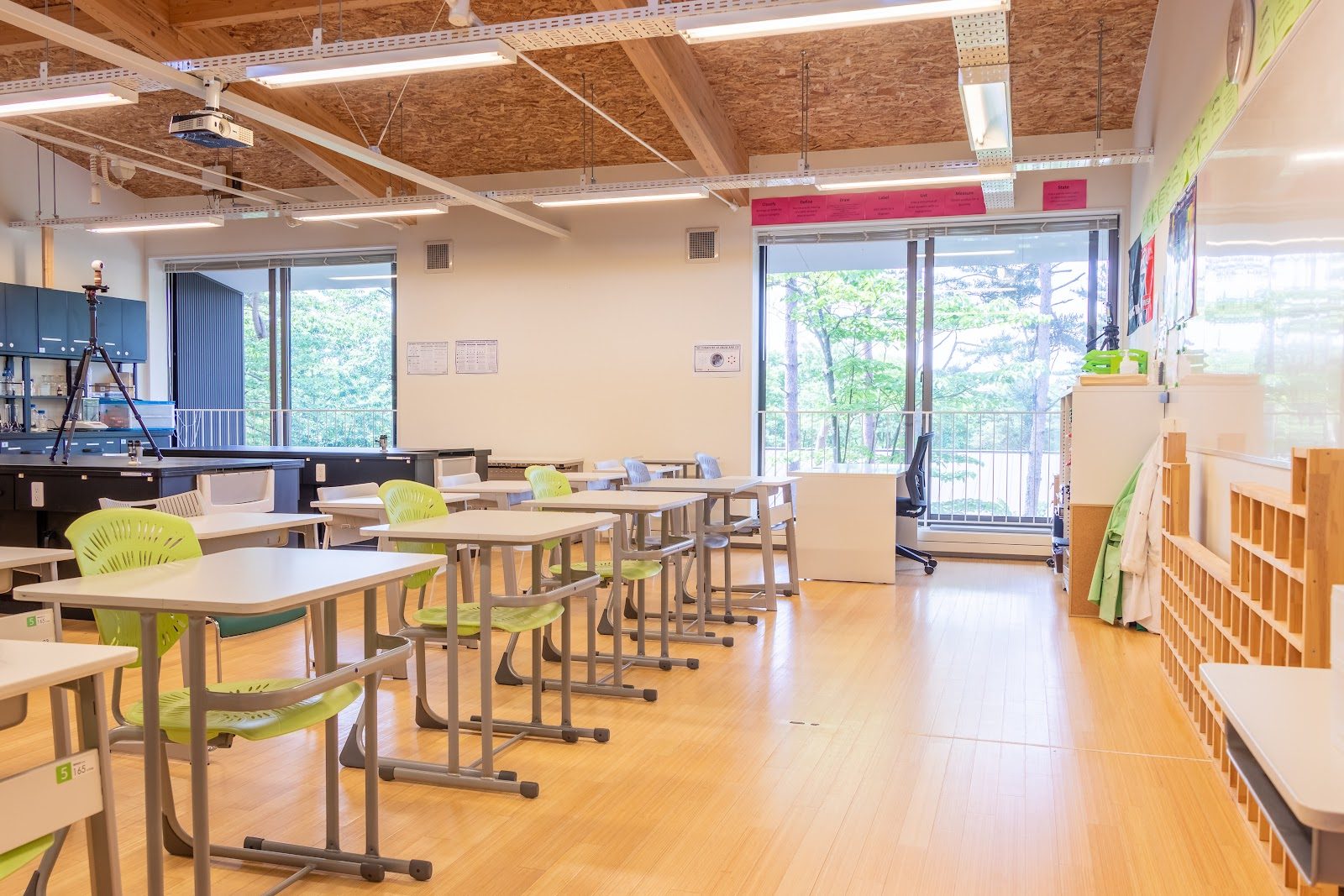
UWC ISAK Japan
Karuizawa · Japan
Japan's only UWC campus, tucked on Mount Asama, where seven in ten students study on need-based scholarship.
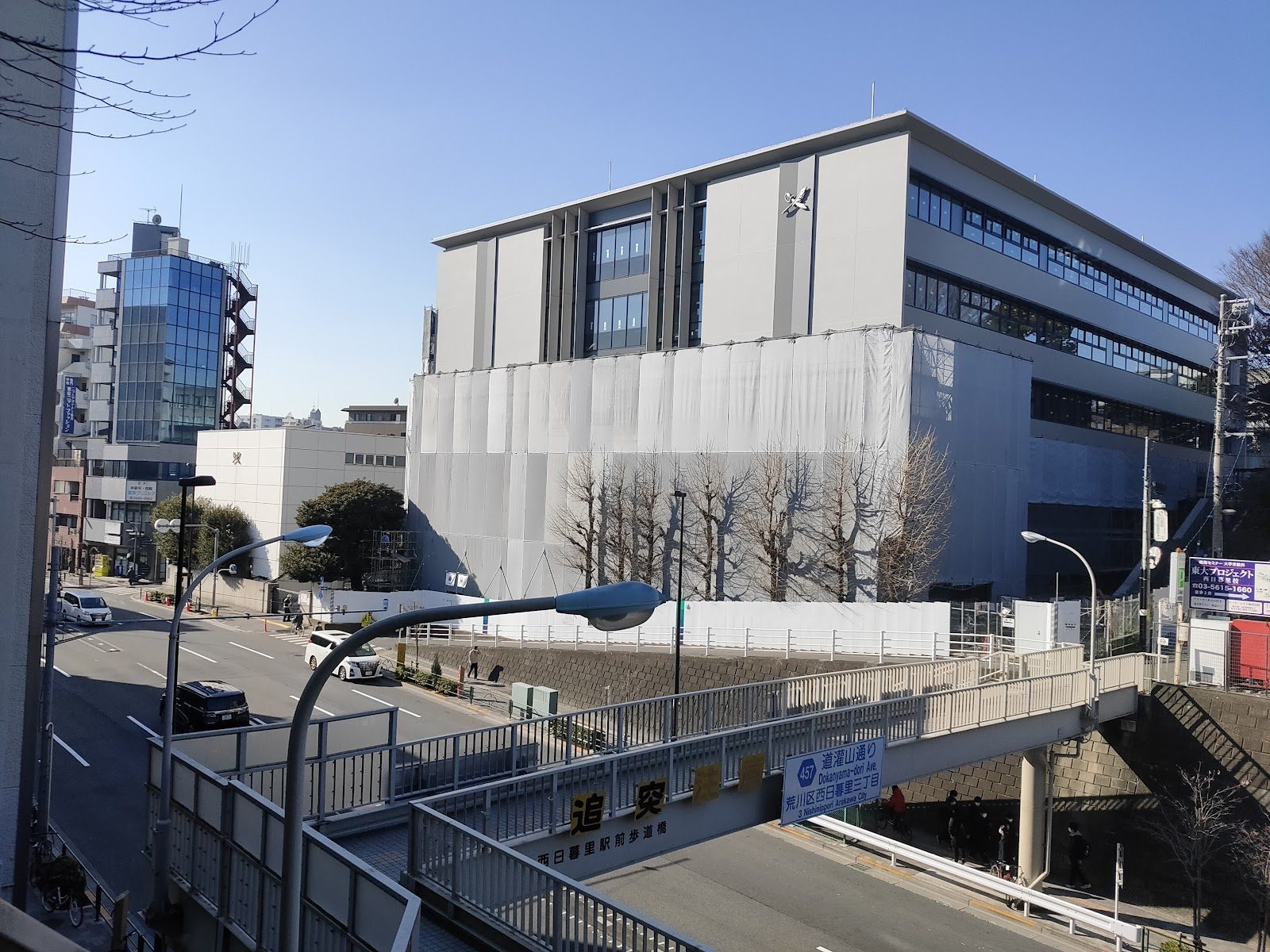
Kaisei Academy
Tokyo · Japan
An 1871 all-boys day school in one of Tokyo's densest wards, a perennial University of Tokyo feeder now adding IB and AP tracks abroad.
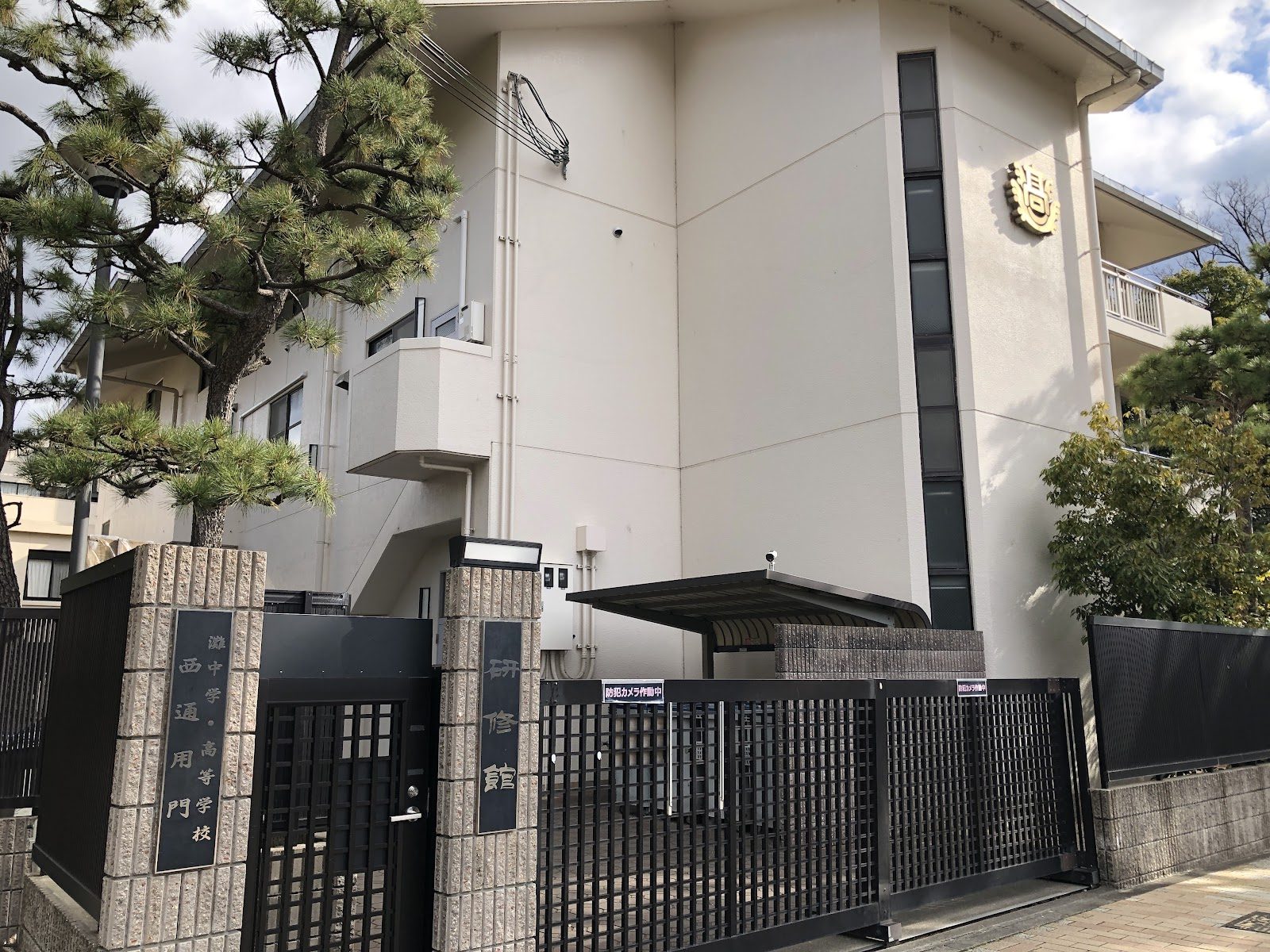
Nada High School
Kobe · Japan
Founded by Kobe sake brewers with judo's creator as an advisor, this uniform-free campus channels students straight into Tokyo and Kyoto University.
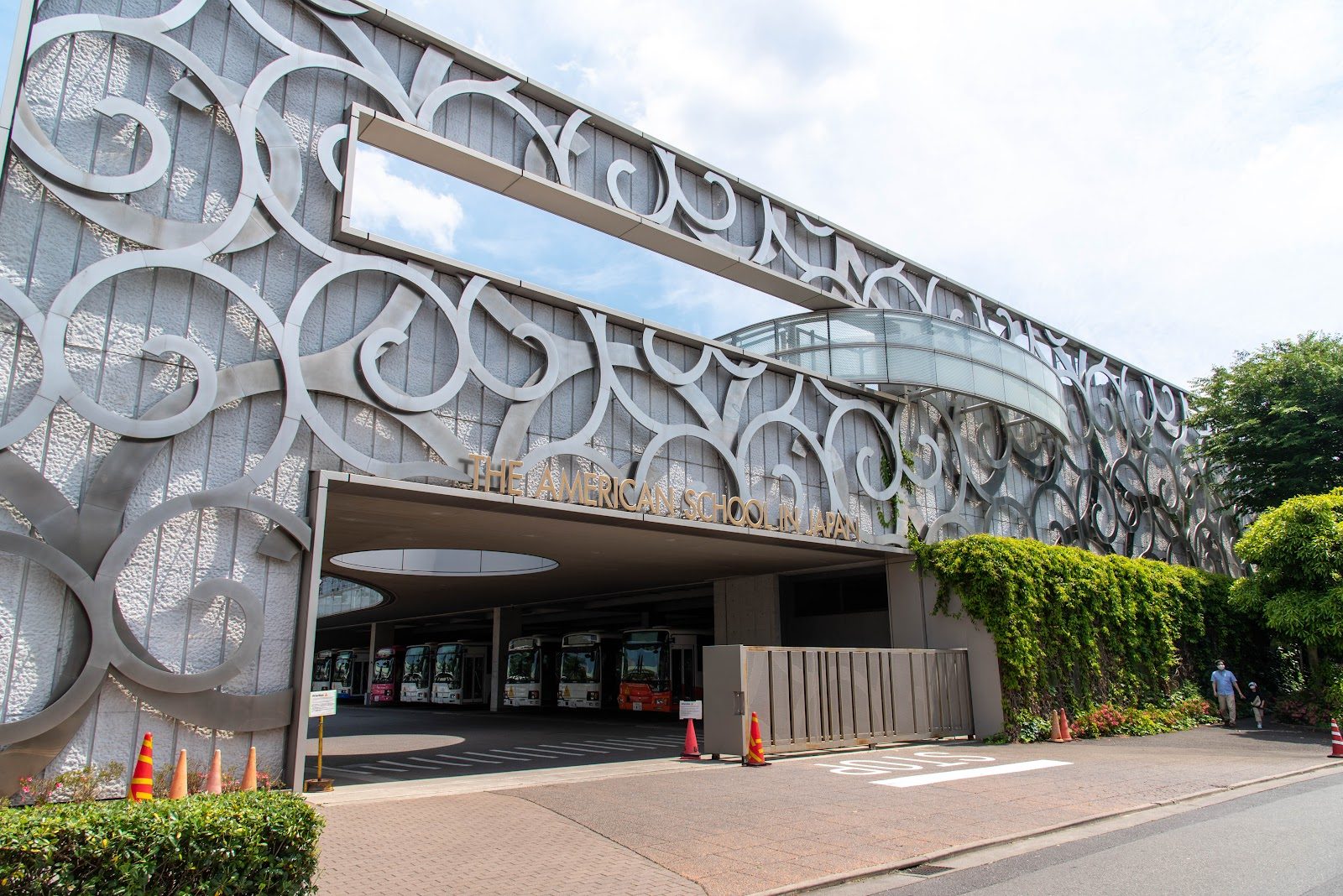
The American School in Japan
Tokyo · Japan
Rooted in Chofu since 1902, its early campus plans once drew sketches from Frank Lloyd Wright himself.
Same country and curriculum — closest matches within ±10 points either way