
United States
NOCCA Academic Studio – Visual Arts
New · 2026/27Type
Ages
—
Curriculum
—
Ratio
—
The Verdict
Editor's commitment
Right for
United States families seeking a visual-arts focus and nothing diluted by generalist branding at NOCCA Academic Studio – Visual Arts.
Wrong for
Parents wanting published accreditations, named curricula or destination data; this United States listing provides none for NOCCA Academic Studio – Visual Arts.
Watch out for
NOCCA Academic Studio – Visual Arts sits in the United States, but the public profile omits basics: founding year, outcomes, fees and oversight.
Ranking breakdown
NOCCA Academic Studio – Visual Arts · #1438 of 1591
Composite score 50.8. 8 weighted criteria.
By criterion
Academic Outcomes
Weight 20%
No data yet
1529 of 1591 scored
University Placement
Weight 16%
No data yet
1529 of 1591 scored
Prestige & Heritage
Weight 12%
#1288
of 1571 scored
Alumni Network
Weight 12%
No data yet
1530 of 1591 scored
Facilities
Weight 12%
No data yet
1533 of 1591 scored
Transparency & Communications
Weight 8%
No data yet
1532 of 1591 scored
Peer & Industry Review
Weight 10%
No data yet
1548 of 1591 scored
Admissions Selectivity & Demand
Weight 8%
No data yet
1529 of 1591 scored
Peer & Industry Review
How NOCCA Academic Studio – Visual Arts is regarded in the sector
Insufficient peer signal
We couldn't find enough independent third-party evidence to score this school's peer & industry standing with confidence. It doesn't mean the school isn't well regarded — only that public reputation sources we trust don't yet cover it. This axis is left blank for now and the composite score is median-imputed from the other six categories.
Award
Elite Visual & Fine Arts 76
World's Top School · The Global Ranking
NOCCA Academic Studio – Visual Arts is featured on our Global Top 76 ranking at #52. This seal is available for the school's marketing team to use on their website, prospectus and social channels.
Editors' overview
NOCCA Academic Studio – Visual Arts sits in a narrow and valuable niche: a serious arts pathway inside a public specialist setting, aimed at students who want studio practice to sit at the centre of their education rather than at the edge of it. For parents scanning the US market, that matters. Most schools treat visual art as an elective; this model gives it institutional weight. That changes the daily experience for a young artist: more time on craft, stronger peer standards, and a culture that treats drawing, painting, design and portfolio development as real work rather than decorative enrichment. The attraction is clear for families who want artistic intensity, serious studio discipline and a peer group that cares about making things well.
What is special here is not scale or prestige signalling, but focus. A dedicated visual arts studio within a specialist academy gives students a more exact fit than a conventional comprehensive school can offer. That brings strengths and trade-offs. The strength is immersion: students work among others who value process, critique and repetition. The trade-off is breadth. Families looking for the all-in-one experience of a large independent school — extensive athletics, broad co-curricular menus, polished campus theatre — are looking in the wrong place. NOCCA belongs on a shortlist for a different reason: it offers purposeful creative training in a public setting, with the kind of concentrated environment that can sharpen both technical skill and artistic confidence. In market terms, it occupies a selective space between the standard public school art room and the expensive private arts school.
The right student for NOCCA Academic Studio – Visual Arts is not the child who merely “likes art”. It is the student who wants sustained practice, accepts criticism, and gains energy from working around other committed young artists. This suits teenagers with clear creative ambition, patience for revision, and enough self-possession to handle a specialist environment where comparison with talented peers is part of the deal. It also suits families who value substance over status display. If your child wants an education built around studio work, and if creative seriousness matters more than school-brand theatre, NOCCA merits close attention. The key parental question is simple: does your child want art to be a class, or the spine of their school life? Here, it is the spine.
An Elite Visual & Fine Arts 76 school
NOCCA Academic Studio - Visual Arts, based in New Orleans, Louisiana, sits at rank fifty-two on the Elite Visual & Fine Arts 76 because it is a genuinely audition-only, pre-professional arts conservatory rather than a school that merely offers art classes alongside academics. Admission to the Visual Arts discipline requires a portfolio audition built on direct observation work, and the school's own track record shows 95-98% of graduates matriculate to college or conservatory programs annually, with roughly 80% receiving scholarships. That is a serious, verifiable outcome, not marketing.
The specialism is structured as a four-level progression (Levels I-IV) built around two- and three-dimensional studio practice, regular critique sessions, and a portfolio culture rather than exam-driven coursework. Students work across drawing, painting, ceramics, printmaking and digital art, taught by practicing artist-faculty such as Sarah House (ceramics/installation, MFA Tulane), Keith Perelli (painting and printmaking, MFA Cincinnati) and Terry DeRoche (digital/photographic work). The parallel Academic Studio track layers a fully accredited, state-recognized diploma onto the arts training, with courses structured closely enough to college-level work that students have earned transfer credit in subjects like English Composition and Environmental Studies.
The visual arts alumni record is real but quieter than NOCCA's famous music and drama lineage (Wynton Marsalis, Harry Connick Jr., Jon Batiste, Wendell Pierce). Named visual-arts graduates include Wanda Boudreaux, and current visual-arts faculty member Abdalian, a NOCCA alum who went on to earn an MFA from California College of the Arts after a Tulane BA - a genuine studio-to-teaching pipeline. The Ogden Museum's 2024 fiftieth-anniversary exhibition featured work from many of these visual-arts alumni, confirming an active exhibiting community rather than isolated success stories.
International openness is where families must be realistic. NOCCA is a Louisiana state-funded, tuition-free public conservatory; admission is by audition and, while students travel in from more than 100-150 regional schools, there is no boarding facility, no dedicated ESL track, and no established visa-sponsorship pathway for overseas applicants, since attendance is fundamentally tied to Louisiana residency and the regional day-school model. This is not a relocation destination for a family abroad in the way a residential arts boarding school would be. Our honest recommendation: treat NOCCA as an aspirational benchmark for curriculum design and audition standards, not as an admissions target, unless your family is already establishing Louisiana residency ahead of the annual fall application and spring audition cycle.
Academic Performance
NOCCA’s public case on academic performance is thin where parents need precision. We have not seen published aggregate results for AP, IB, A-levels, SAT or ACT, and the school does not disclose cohort-wide attainment data that would let families place its academic outcomes cleanly against specialist arts peers or strong academic magnet schools. That matters. In a specialist setting, the serious question is not only whether students produce good portfolios, but whether the academic side holds up with equal discipline. On that point, the public picture is opaque. Parents who care about external benchmarks need to ask for recent score distributions, university destinations by discipline, and the balance between studio intensity and academic stretch.
That does not make the school weak; it makes it hard to verify. Specialist arts institutions often judge success through conservatory entry, portfolio strength and progression into creative study, but those indicators do not replace published examination data. Relative to academically transparent peers, NOCCA is at a disadvantage because families cannot test marketing language against hard numbers. Relative to ordinary public schools, its focused cohort and selective ethos may create a stronger working culture, but that is not the same as published performance. The school fits best for families who prioritise serious artistic development and are prepared to interrogate the academic record directly rather than rely on a ready-made performance narrative.
Facilities
For a visual-arts specialist, the key facilities are the studios themselves: room to work, proper light, storage for ongoing pieces, surfaces that tolerate mess, and a timetable structure that lets work stay out between sessions. That matters more here than showpiece amenities. A serious art school does not need a grand sports complex to serve its core users; it needs hard-working studio space, equipment that students can use without ceremony, and a culture in which making work is part of the daily rhythm. Against private arts schools, the probable weakness is breadth of capital spend: fewer polished extras, less architectural theatre, and less of the immaculate finish that high-fee campuses use to impress touring parents. Against ordinary public schools, the specialist advantage is clear: visual art has dedicated space and institutional priority rather than being squeezed into a general classroom.
The question for parents is whether the facilities support real production rather than decorative display. Strong peer schools in this niche offer discipline-specific rooms, exhibition opportunities, critique areas and enough specialist kit to move students beyond hobby level. We have not seen a detailed public inventory for this studio, which leaves a gap where families need facts. Ask directly about wet and dry studios, digital provision, printing, photography access, portfolio storage, kiln or fabrication resources where relevant, and how much independent studio time students get. If the answers are concrete, the facilities will do the job. If the answers stay vague, treat that as a serious red flag.
The right student for NOCCA Academic Studio – Visual Arts is not the child who merely “likes art
Prestige
Prestige here is specialist rather than grand. In the hierarchy of American schooling, NOCCA Academic Studio – Visual Arts does not trade on old-money cachet, athletic fame or the social signalling that attaches to expensive independents. Its standing comes from something narrower and more defensible: admission into a public arts environment where visual art carries real institutional weight. For the right student, that has serious credibility. Among families, teachers and university art departments who value portfolio quality, disciplined studio habits and evidence of commitment, this route carries more weight than a standard school transcript padded with a few art electives. That is real prestige, but it is earned prestige, not decorative prestige.
That distinction drives the rating. In mainstream status terms, the school sits below the American names that dominate international parent chatter, because it lacks the broad reputational machinery those schools use: glossy campuses, mass-market brand recognition and heavily publicised destination data. In visual arts circles, the equation changes. A student who thrives in critique, produces strong work and uses the specialist training properly leaves with a profile that can command respect. The school’s prestige therefore rests on output, not theatre. That makes it high-value for committed young artists and less compelling for families who want a school name to do the talking. In plain terms: strong niche prestige, limited general prestige, and a reputation that depends on what the student makes of it.
That does not stop day-to-day communication from working, but it leaves prospective parents with too much to infer for themselves
Communications
Parent communication matters more in a specialist arts setting than in a standard school, because timetables shift around rehearsals, exhibitions, critiques, portfolio deadlines and public events. Families need plain, punctual communication on logistics, expectations and how the artistic side intersects with academic obligations. Here, the public picture is serviceable rather than rich. We have not seen a strong published communications architecture for parents: no conspicuous depth of parent-facing guidance, no detailed public roadmap for how families track progress, and no expansive transparency on outcomes or programme mechanics. That does not stop day-to-day communication from working, but it leaves prospective parents with too much to infer for themselves. For a school built around serious specialist training, that lack of visible structure is a weakness.
The test is simple: does the school tell parents what is happening, what is required, and what standards apply, without fluff or delay? In this kind of environment, effective communication means clear calendar management, fast notice on performances and showcases, concrete explanations of assessment, and honest discussion of workload and student readiness. NOCCA’s specialist identity raises the stakes. Parents are not buying a generic school experience; they are committing to a demanding pathway. That demands disciplined communication, not warm words. At present, the public-facing standard reads as adequate but thin. Families considering entry should press for specifics: response times, reporting routines, event schedules, portfolio review processes, and who to contact when artistic and academic pressures collide.
Uniqueness
What sets this pathway apart is structural, not cosmetic: visual art is not an add-on bolted to a standard school day, but the organising discipline around which a student’s working life turns. That produces a different kind of teenager. Students learn to tolerate repetition, defend decisions in critique, and treat unfinished work as part of the job rather than evidence of failure. In a general school, the talented artist is the outlier squeezing practice around everything else. Here, that student works inside a peer group where sustained making is normal. The benefit is creative seriousness, higher peer calibration and a stronger sense of what professional standards feel like before university.
That intensity also changes identity. Young artists develop in public, among other students who can actually judge the work, and that is not for the thin-skinned. For the right child, it is invaluable. Standards rise faster when classmates care about composition, process and finish, not just grades. The school’s public status adds another distinction: this is specialist training without the fee-charged packaging that defines much of the arts-school market. That gives access to families who want substance over display and a route shaped by practice rather than polish. The trade-off is plain. Students who want a broad, conventional school experience with every extra under one roof will find this narrow. Students who want art to shape their days will find it rarely this central in a US school setting.
Most schools treat visual art as an elective; this model gives it institutional weight
Student Profile
The best fit is a teenager who wants art to govern the week, not decorate it. This student works steadily, tolerates long stretches of practice, and does not crumble when a teacher or peer dismantles a weak piece in critique. Talent matters less than stamina. A flashy child who enjoys praise but resists correction will struggle. A quieter student with concentration, patience and the nerve to start again after failure will do better. The social profile is also narrower than at a conventional school: students need to be comfortable among other young artists who care about line, form, process and finish, and who will notice when the work is lazy. That makes the environment demanding, peer-exposed and not for the ego-fragile.
Families who fit here value direction over abundance. They are content with a specialist public route if the artistic training is real, and they do not need the smoothing effects of a broad private-school experience to feel reassured. The strongest candidates bring self-management, punctuality, and enough academic discipline to keep the non-studio side from slipping when deadlines bunch. The weakest fit is the student who wants endless variety, abundant hand-holding or a school identity built around status display. This pathway suits the adolescent with serious creative intent, thick skin and a willingness to have their work judged in the open.
The attraction is clear for families who want artistic intensity, serious studio discipline and a peer group that cares about making things well
Co-curricular strengths
Arts & sport, on a separate axis
Overall 8.42/10
Scored 0-10 from the school's own published evidence. This axis is editorial-only — it does not feed the main WTS ranking.
Sports
4.5/10
Drama
9.4/10
Dance
9.4/10
Music
9.4/10
Visual Arts
9.4/10
Parent reviews
Have you sent your child here?
Voice reviews carry the strongest trust badge — we transcribe them for you to tidy up before they go live. Prefer to type? A written review is fine too.
Add your voice
In 60 seconds, tell other parents: what's the best thing about NOCCA Academic Studio – Visual Arts, and what surprised you when your child joined?
We ask for a Google sign-in so every review has a real face behind it — no anonymous drive-by attacks on schools, and no faked positive reviews. Your email is never shown publicly.
Send this profile to a friend
International parents rely on word-of-mouth. Share this review with someone weighing the same decision.
Schools with places
Similar schools to NOCCA Academic Studio – Visual Arts with places available now.
Germantown Friends School
Philadelphia · United States
- 2026-27
- CLOSEDRegular cycle closed
- 2027-28
- OPENS SOONOpens Sept '26
Poly Prep Country Day School
Brooklyn · United States
- 2026-27
- CLOSEDRegular cycle closed
- 2027-28
- OPENS SOONOpens Sept '26
Marymount School of New York
New York City · United States
- 2026-27
- CLOSEDConfirmed full
- 2027-28
- PLACES OPENApplications opened 1 Aug '26
Boston University Academy
Boston · United States
- 2026-27
- CLOSEDRegular cycle closed
- 2027-28
- OPENS SOONOpens Sept '26
Availability first, then country, area, curriculum, price, co-curricular
Consider also
Also worth looking at alongside NOCCA Academic Studio – Visual Arts.
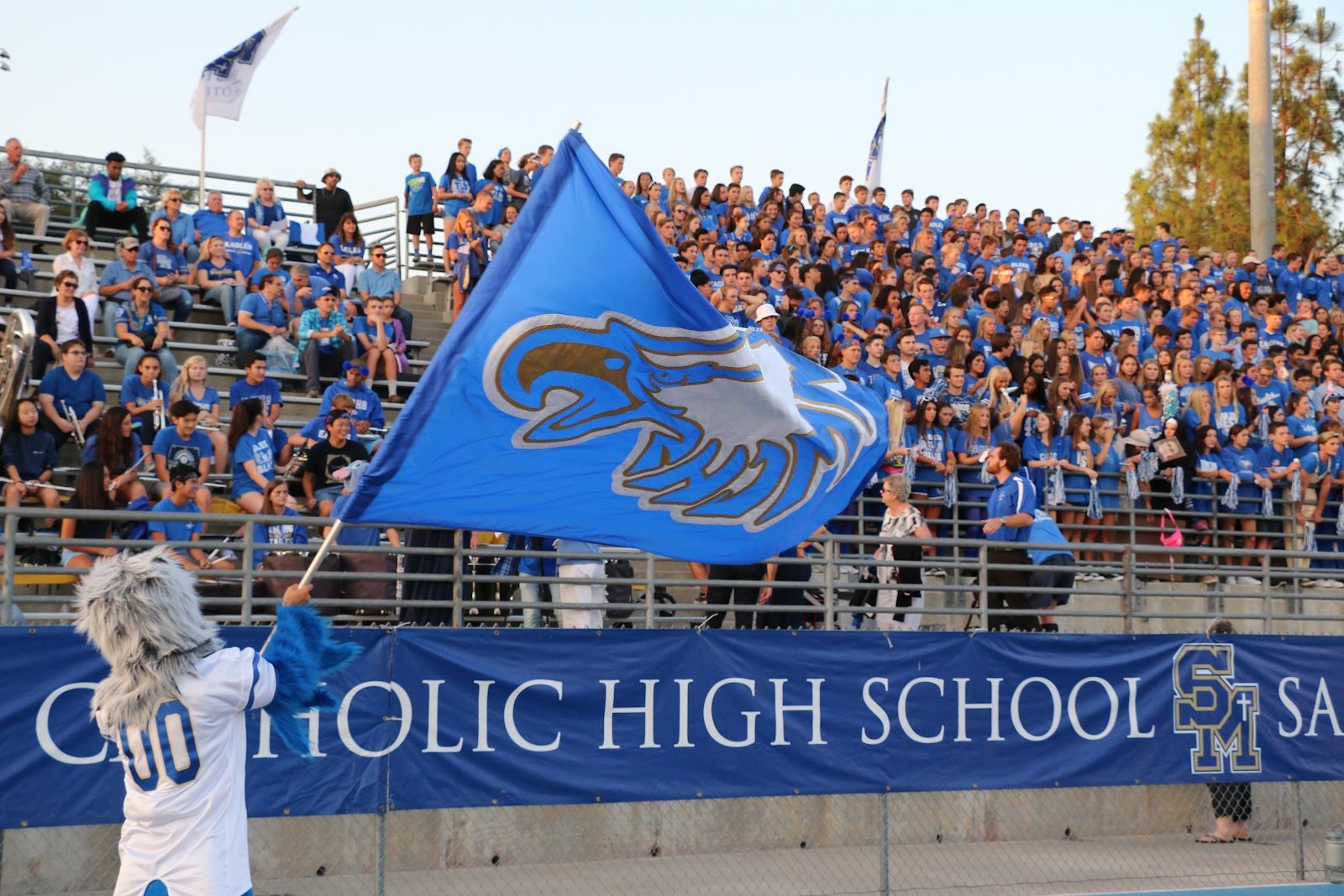
Santa Margarita Catholic High School
Rancho Santa Margarita · United States
In the Saddleback foothills, Orange County's only Catholic IB Diploma track meets a decade of CIF Commissioner's Cups.
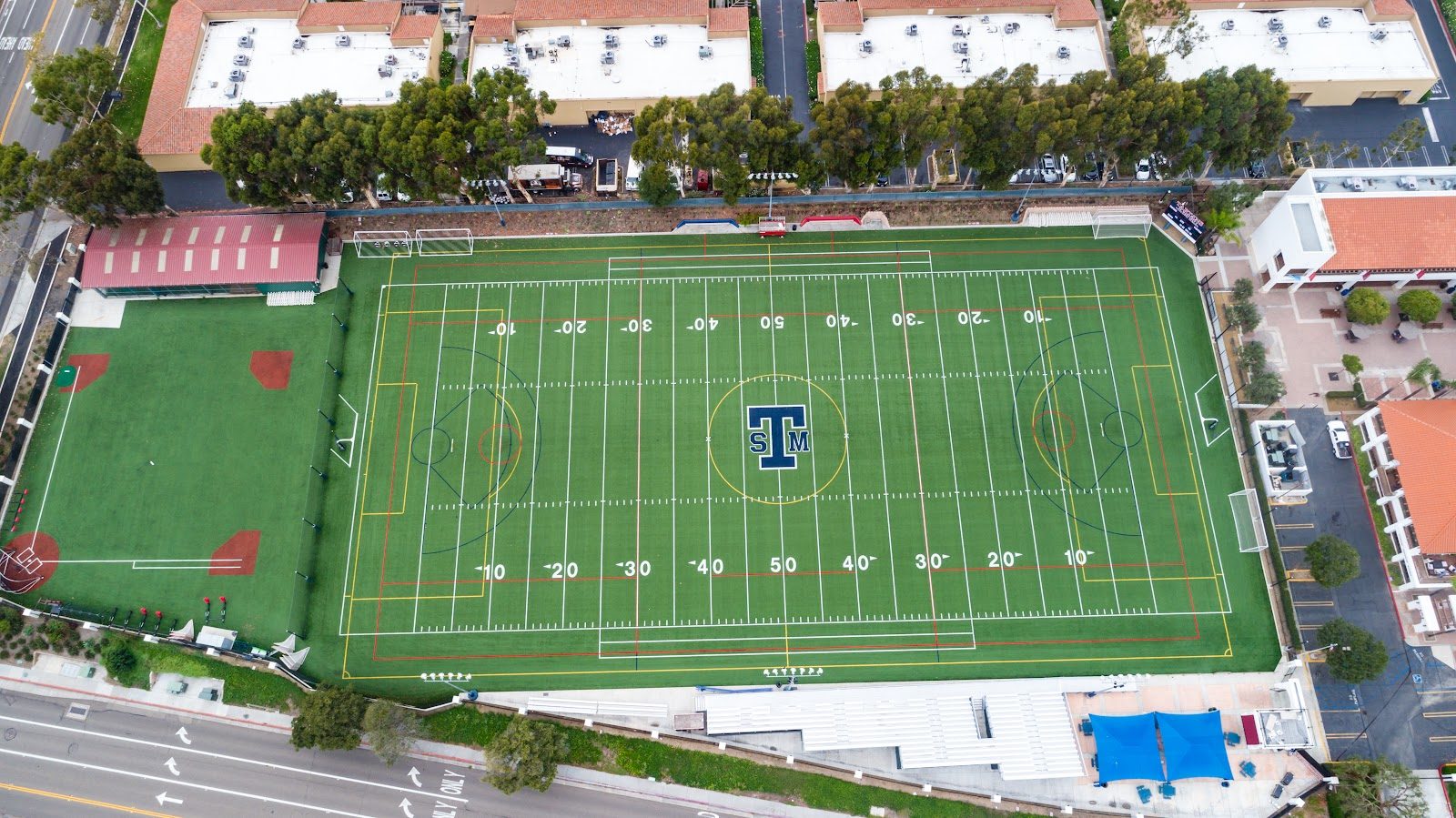
St. Margaret's Episcopal School
San Juan Capistrano · United States
Named for Scotland's patron saint of education, this mission-town day school builds Tartan identity into STEAM and service.
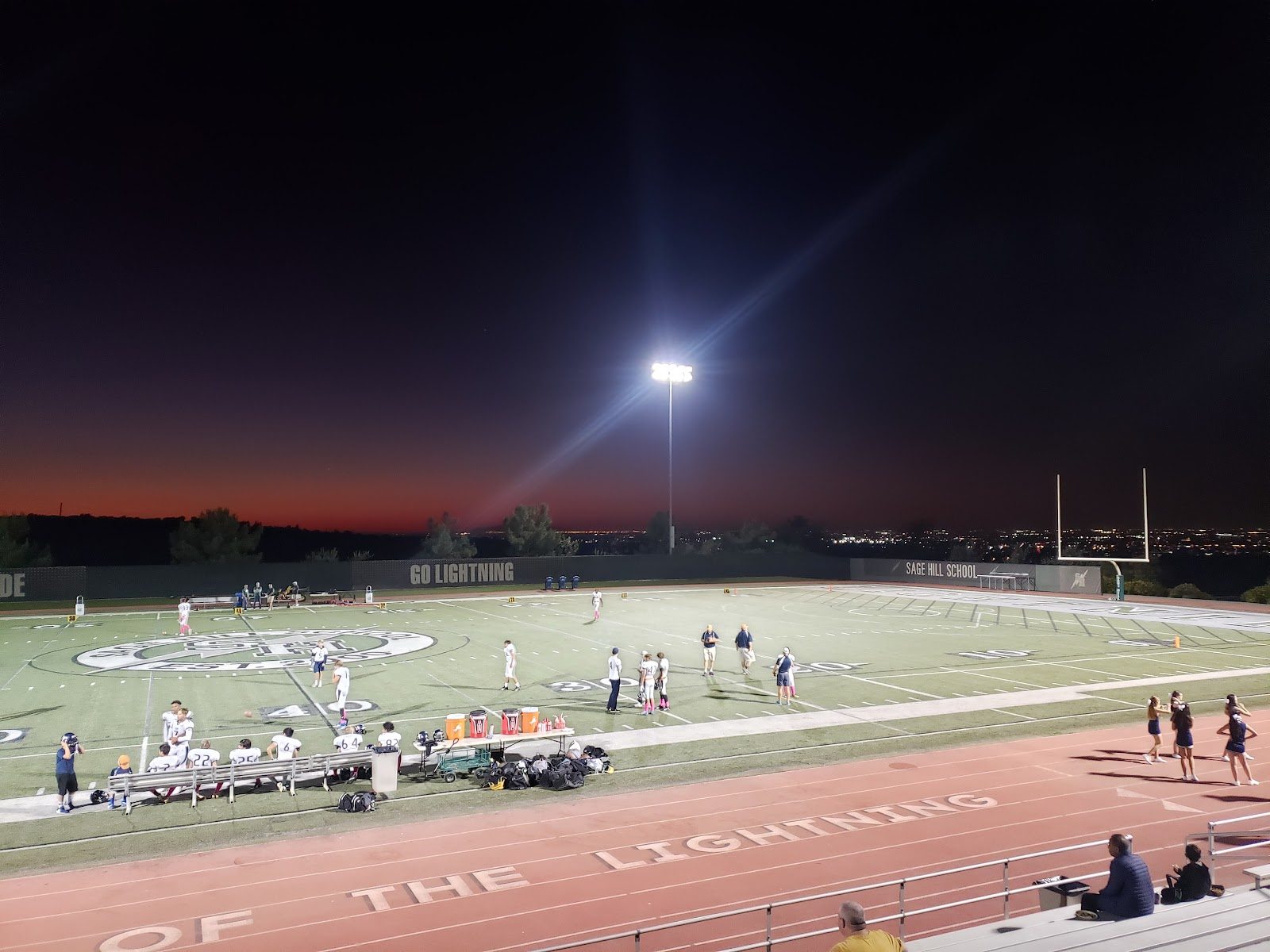
Sage Hill School
Newport Coast, CA · United States
A no-bells, ocean-view campus in Newport Coast where a year-end 'Spring at Sage' term sends students chasing passions worldwide.

Interlochen Arts Academy
Interlochen · United States
Set on 1,200 wooded acres between two lakes, teenagers major in music, dance, film, or writing alongside college-prep academics.
Same country and curriculum — closest matches within ±10 points either way