
Europe
Mill Hill School
London co-educational day and boarding school founded in 1807
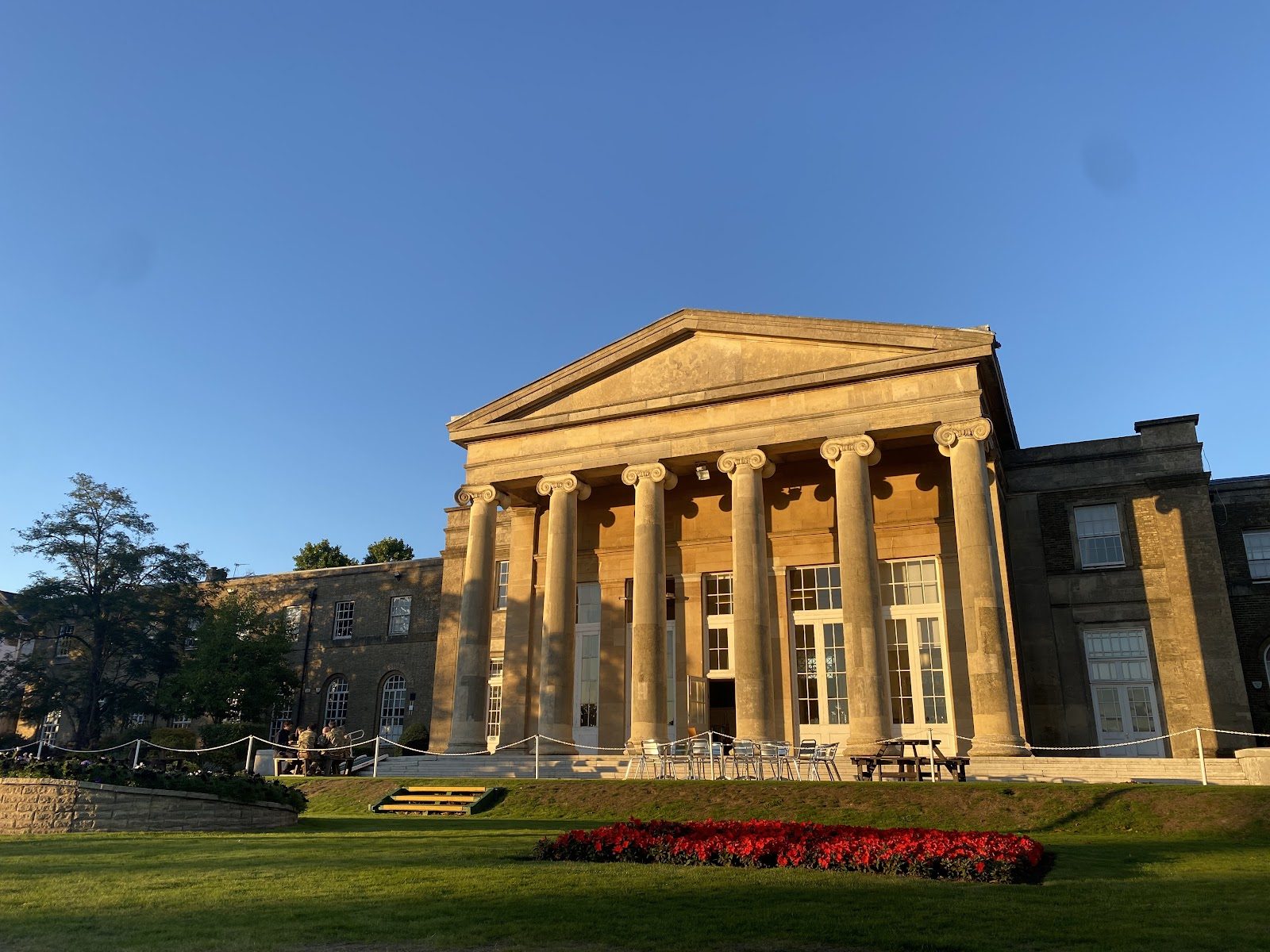
Photo © D. M. via Google Maps
Type
Both
Ages
13–18
Curriculum
British
Ratio
—
The Verdict
Editor's commitment
Right for
Families wanting a London co-educational school for ages 13–18, with day and boarding in one campus and a clear British curriculum.
Wrong for
Anyone seeking a through-school before 13, a faith-driven ethos, or teaching in anything other than English at this 1807 school.
Watch out for
Boarding averages £53,000 a year, and the school publishes little beyond basics: no public exam data, no disclosed inspection grade.
Ranking breakdown
Mill Hill School · #472 of 1591
Composite score 70.7. 8 weighted criteria.
By criterion
Academic Outcomes
Weight 20%
#902
of 1529 scored
University Placement
Weight 16%
#911
of 1529 scored
Prestige & Heritage
Weight 12%
#628
of 1571 scored
Alumni Network
Weight 12%
#280
of 1530 scored
Facilities
Weight 12%
#14
of 1533 scored
Transparency & Communications
Weight 8%
#22
of 1532 scored
Peer & Industry Review
Weight 10%
#794
of 1548 scored
Admissions Selectivity & Demand
Weight 8%
#760
of 1529 scored
Peer & Industry Review
How Mill Hill School is regarded in the sector
Insufficient peer signal
We couldn't find enough independent third-party evidence to score this school's peer & industry standing with confidence. It doesn't mean the school isn't well regarded — only that public reputation sources we trust don't yet cover it. This axis is left blank for now and the composite score is median-imputed from the other six categories.
Editors' overview
Mill Hill School trades on two hard facts that matter in this market: it has been open since 1807, and it offers the full senior boarding-school mix for ages 13–18 in London rather than in a remote rural setting. That combination is unusual. Parents looking for a British secondary education with boarding, but without sending a child deep into the shires, will put Mill Hill on the list for that reason alone. It is a co-educational, non-denominational day and boarding school in Mill Hill Village, with English as the language of instruction and a declared British curriculum. It is also a member of HMC, which places it squarely in the established independent-school mainstream rather than in the newer, more corporate end of the sector.
What is special here is less a single flashy selling point than the proposition itself: an old London boarding school with a broad brief. Mill Hill offers a rare London boarding option for families who want city access, international transport links and a conventional British school structure in one package. That will suit expatriate families, full boarders who need a stable base during term, and UK-based parents who want flexibility between day and boarding arrangements. The average annual boarding fee is £53,130, which puts it in the expensive end of the UK independent market, but not at the very top of the London pile. Parents are paying for heritage, boarding infrastructure and location.
The school will appeal most to students who want a traditional senior-school framework without the social and cultural narrowness that can attach to older single-sex or more insular boarding schools. Co-education matters here. So does the age range: this is a focused 13–18 school, which gives it a more sixth-form-facing, adolescent atmosphere than an all-through school. Students who thrive at Mill Hill will want a school with clear structure, a serious peer group and the independence that boarding or a boarding-influenced culture brings. Children who need an intimate, highly sheltered environment, or parents who want published headline outcomes and heavy public data, will find the picture less satisfying: the school does not publish the kind of detailed academic-performance information that now settles arguments quickly. Mill Hill still deserves shortlist status because the core proposition is *coherent, established and hard to replicate*: London, boarding, co-education, British curriculum, and over two centuries of institutional continuity.
Academic Performance
Mill Hill does not publish headline public exam data in the source set here, and that matters. In a market where many senior independents push A-level and GCSE distributions hard, opaque outcomes make precise comparison harder than it needs to be. That does not place the school in the academic top tier by default; schools with truly dominant results advertise them relentlessly. Mill Hill sits more convincingly in the broad HMC mainstream: established, credible, and academically serious, but not trading publicly on the kind of exam profile that settles its position among the most selective London competitors. For parents who want hard proof in the form of grade percentages, subject-by-subject strength, or university destination tables, the school leaves a material gap.
That gap does not mean weak performance. It means the school asks families to trust institutional reputation more than disclosed data. For some, that is enough. For others, it is not. Relative to peers, Mill Hill fits best as a solid independent senior school rather than a results-machine with a sharply public academic identity. The key question for parents is straightforward: does the school produce strong external examination results consistently across the cohort? The public domain does not answer that clearly. Until it does, Mill Hill’s academic standing rests on history, peer-group reputation and HMC membership rather than on hard-edged published evidence.
Facilities
Publicly disclosed detail on facilities is thin, which limits any hard ranking against direct competitors. That said, the school’s physical proposition is clear enough: this is a senior day-and-boarding operation on its own site, with the boarding and pastoral infrastructure that entails, rather than a compact urban day school borrowing its sense of space from the surrounding city. In London terms, that matters. Many peer schools in and around the capital trade excellent academics against constrained footprints; Mill Hill’s attraction sits in giving teenagers more room, more separation between school and home life, and a campus structure that supports a proper boarding routine. For families comparing it with central London independents, that is a genuine operational advantage, not a branding flourish.
Against full-boarding peers outside the capital, the picture is more mixed. The school has the rare strength of a London boarding base, but we have not seen the kind of detailed public inventory that would let parents judge whether its science provision, arts spaces or sports plant outgun the stronger country-boarding competitors. Some schools publish theatres, high-spec labs, elite indoor sports provision and specialist performance spaces in exhaustive detail; Mill Hill does not do that here. The result is a facilities case built more on overall setting and boarding functionality than on a showpiece arms race. That will suit parents who value daily liveability over brochure spectacle. It gives less comfort to those who want hard evidence of sector-leading specialist provision.
The average annual boarding fee is £53,130, which puts it in the expensive end of the UK independent market, but not at the very top of the London pile
Prestige
Mill Hill carries real establishment prestige, though not the rarefied aura of the London names that dominate elite university pipelines and social cachet in one stroke. Its standing rests on three durable markers: deep institutional age, HMC membership, and the scarcity of a senior boarding school within the capital. That combination gives it serious parent recognition in the independent sector. Among internationally mobile families, the appeal is practical as much as social: a child can board in London rather than vanish into a distant countryside campus. The average annual boarding fee of £53,130 reinforces the point. This is an expensive school with an established clientele, not a budget independent competing on price or novelty.
Why not rate it higher? Because prestige at the top end of British education depends on public academic dominance, fierce selectivity and name-recognition that extends far beyond informed school-watchers. Mill Hill has a solid upper-tier reputation inside the private-school world, but it does not command the same automatic deference as the most famous boarding schools or the most academically brutal London day schools. The school’s refusal to publish strong headline outcomes also caps its status. Prestige without disclosed results has limits. Mill Hill still offers a valuable kind of prestige: traditional, credible, and socially legible, with the added pull of a hard-to-find London boarding base for teenagers.
That does not place the school in the academic top tier by default; schools with truly dominant results advertise them relentlessly
Communications
Mill Hill’s parent-facing communication gives a mixed picture. The public site covers the essentials cleanly: contact details are easy to find, admissions and safeguarding are visible, and practical links such as term dates, calendar information, boarding and pastoral care sit in plain view rather than buried in a maze. That counts in the school’s favour. Parents do not need a forensic search to work out who runs the place or how to make contact. The tone, though, is more institutional than illuminating. There is little public depth on outcomes, day-to-day academic rhythm or the sharper evidence that helps families judge a senior school with confidence. For a school charging an average annual boarding fee of £53,130, that restraint reads as under-explained rather than admirably discreet.
That matters because this is not a simple local day-school decision. Families weighing boarding, pastoral oversight and adolescent independence need communication that is precise, regular and trust-building. Mill Hill signals structure, but not much candour. We can see the operational framework; we get less sense of how the school reports progress, handles concerns, or keeps parents informed once a child is in the system. The result is competent front-end communication with a noticeable lack of texture. Some parents will accept that on the strength of the school’s established name. Others will want more than navigable webpages and a reception number before committing to a high-cost, high-stakes senior education.
Uniqueness
Mill Hill’s distinctiveness lies in a combination few schools can match: it gives teenagers a full senior-school boarding life without removing them from the capital’s orbit. That changes the lived experience. Pupils get the structure, independence and social intensity that boarding creates, but with London still functioning as a real backdrop rather than an occasional excursion. For international families, that makes arrivals, departures and guardianship logistics cleaner. For pupils, it means access to a wider world beyond the school gate while still living inside a firmly organised school routine. The school’s age range sharpens that identity further. With no younger children on site, the culture centres on adolescents, sixth-form ambitions and the pace of a school built for that stage of life.
That proposition brings advantages and trade-offs. Students gain a more adult atmosphere than in an all-through school, and boarders in particular benefit from a setting that can feel less cut off, less ritualised and less rural than the classic British model. Day pupils also enter a community shaped by boarding rhythms, which can create a stronger after-hours culture than at a conventional commuter school. The price, at an average of £53,130 for boarding, confirms that this is a premium model, and families are paying for rarity as much as provision. What students get in return is not novelty or educational experimentation, but a hard-to-replicate blend of metropolitan access, institutional continuity and serious teenage independence.
It gives less comfort to those who want hard evidence of sector-leading specialist provision
Student Profile
Mill Hill suits teenagers who want a school with visible structure and enough self-command to use it well. The age span starts at 13, so pupils join at the point when schools stop cushioning every transition and start expecting more judgement, more organisation and more social stamina. Boarders and day pupils both need to be comfortable in a community shaped by older adolescents rather than by younger children. That favours students who are ready for a more adult social rhythm: busy days, independence away from lessons, and a peer culture that carries weight. Children who need constant hand-holding, or who flourish best in a tiny, intensely protected environment, will find the fit harder.
The strongest fit is a pupil who wants a traditional senior-school life without the isolation of a remote boarding campus. International families, mobile professional families and London-based parents who want flexibility all make sense here. So do students who value a mixed social setting and can handle the demands that come with living or studying alongside a broad 13–18 cohort. This does not read as a school for eccentrics who want a radically alternative education, nor for single-track academic obsessives chasing a publicly advertised results machine. It fits pupils who are socially capable, pastorally manageable and ready to thrive in an established, high-expectation environment where independence is part of the deal.
It is also a member of HMC, which places it squarely in the established independent-school mainstream rather than in the newer, more corporate end of the sector
Co-curricular strengths
Arts & sport, on a separate axis
Overall 8.6/10
Scored 0-10 from the school's own published evidence. This axis is editorial-only — it does not feed the main WTS ranking.
Sports
9.4/10
120 acres, multiple pitches, a 25m pool, strength and conditioning, golf, Eton Fives and performance pathways; coaching links include Middlesex Cricket and Saracens. Independent School of the Year for Sporting Achievement 2025.
Drama
8.9/10
The Patrick Troughton Theatre, multiple major productions each year and serious performance provision; recent leavers have progressed into institutions including RADA.
Dance
7.7/10
Available and supported by excellent physical facilities, but not an institutional specialist strength.
Music
8.7/10
Chapel choir, string orchestra, jazz and significant ensemble activity; arts and music progression includes Guildhall.
Visual Arts
8.3/10
Solid provision within a school whose clearest strengths lie elsewhere.
Editor-verified · 8/27/2026
Gallery
Photo © D. M. via Google Maps
Parent reviews
Have you sent your child here?
Voice reviews carry the strongest trust badge — we transcribe them for you to tidy up before they go live. Prefer to type? A written review is fine too.
Add your voice
In 60 seconds, tell other parents: what's the best thing about Mill Hill School, and what surprised you when your child joined?
We ask for a Google sign-in so every review has a real face behind it — no anonymous drive-by attacks on schools, and no faked positive reviews. Your email is never shown publicly.
Send this profile to a friend
International parents rely on word-of-mouth. Share this review with someone weighing the same decision.
Schools with places
Similar schools to Mill Hill School with places available now.
City of London School
London · United Kingdom
- 2026-27
- CLOSEDStandard route
- 2027-28
- PLACES OPEN11+/16+ Active
Latymer Upper School
London · United Kingdom
- 2026-27
- CLOSEDStandard route
- 2027-28
- PLACES OPENCloses Nov
Emanuel School
London · United Kingdom
- 2026-27
- CLOSEDStandard route closed
- 2027-28
- PLACES OPEN11+ / 16+ active
University College School
London · United Kingdom
- 2026-27
- CLOSEDStandard route
- 2027-28
- PLACES OPEN11+ (9 Nov); 16+ (28 Sept)
Availability first, then country, area, curriculum, price, co-curricular
Consider also
Also worth looking at alongside Mill Hill School.
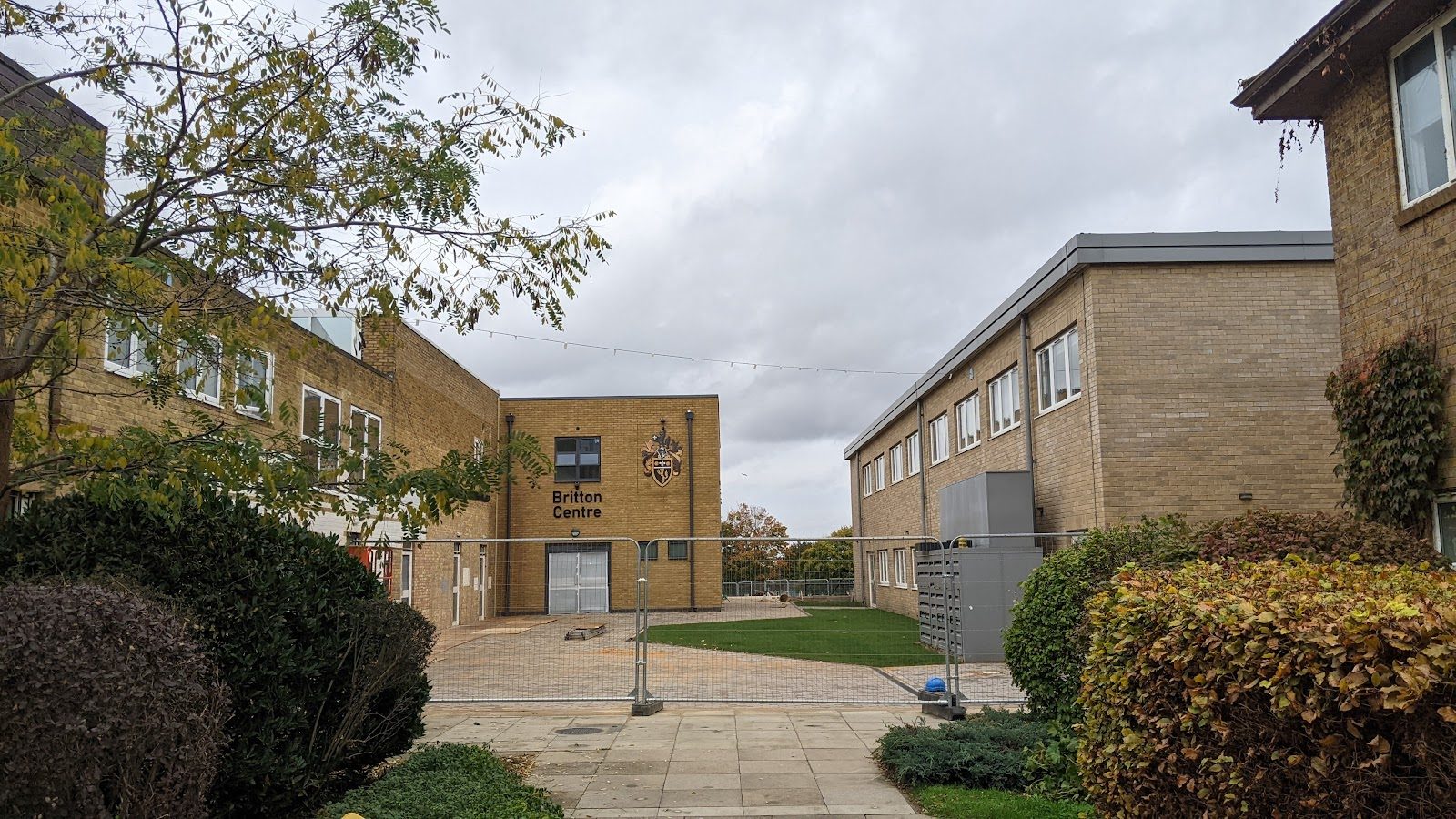
Wilson's School
Sutton · United Kingdom
A 1615 charity foundation turned super-selective grammar, thriving on a former Croydon airfield with a sharp focus on maths and computing.
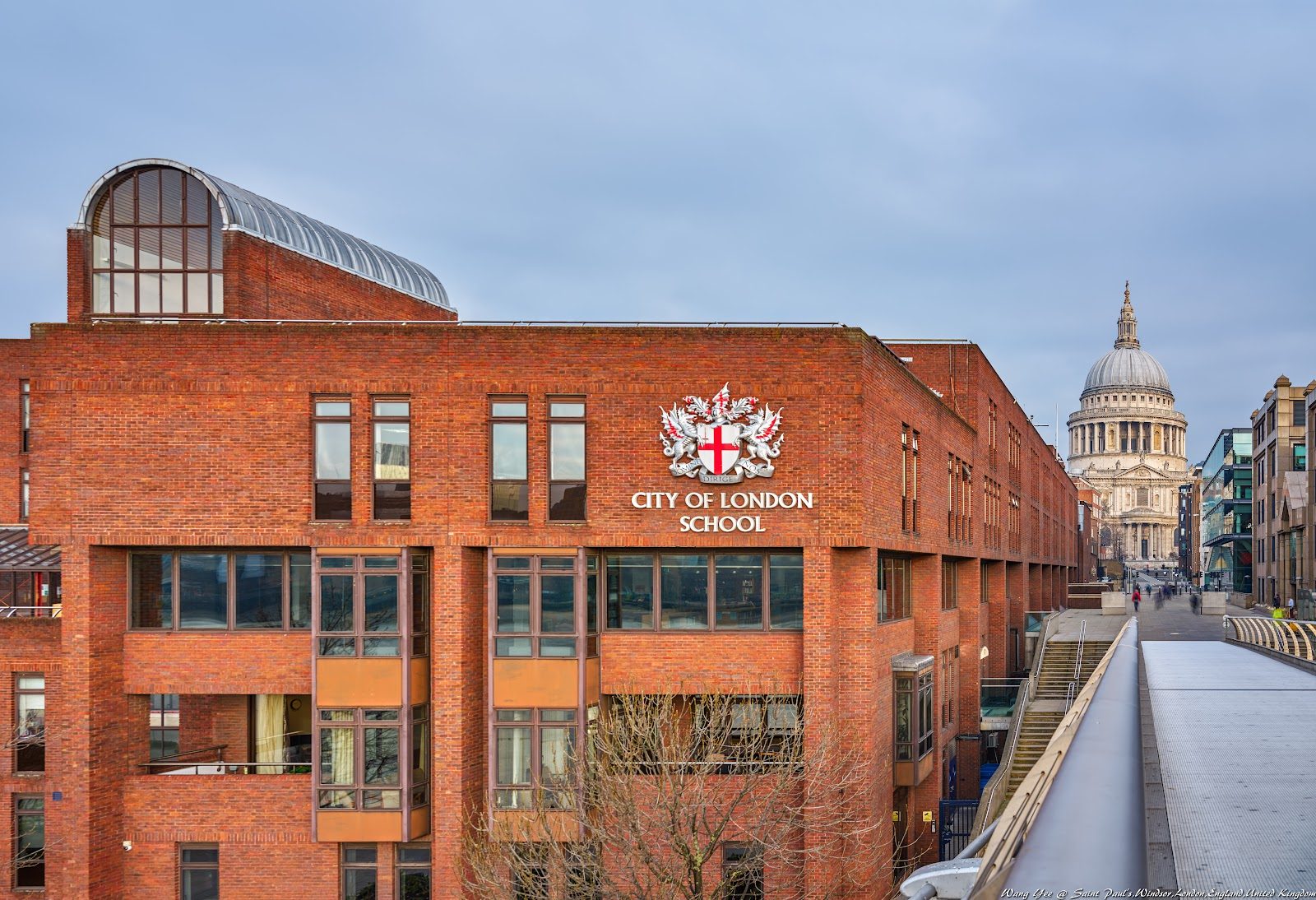
City of London School
London · United Kingdom
A 1442 bequest from the City's own Town Clerk still funds this rigorous day school perched on the Thames at Blackfriars.

Badminton School
Bristol · United Kingdom
On a Bristol campus where girls have played cricket since 1858, science labs for women followed decades ahead of the curve
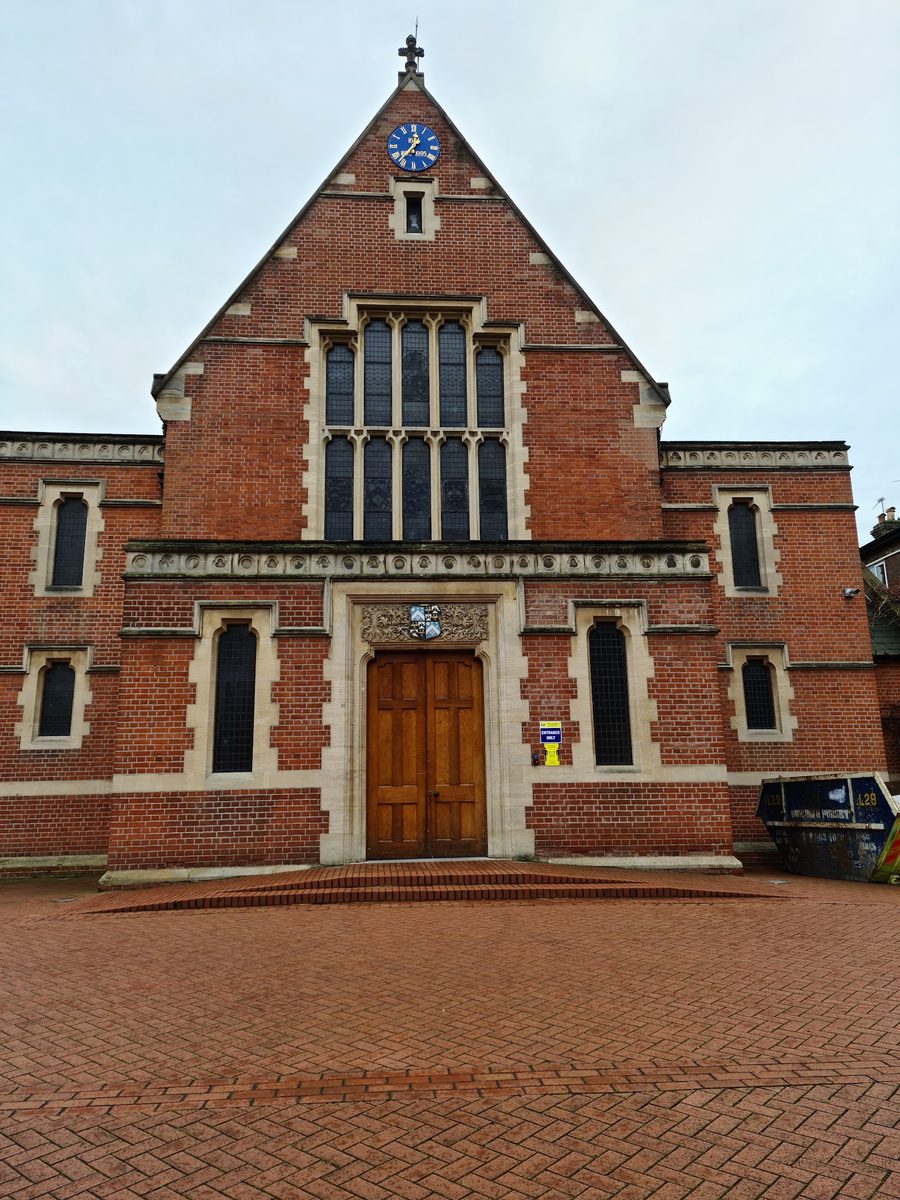
Latymer Upper School
London · United Kingdom
A 1624-founded, non-denominational day school in Hammersmith prized for its stellar Oxbridge and Russell Group outcomes.
Same country and curriculum — closest matches within ±10 points either way