
Connecticut
An all-boys Greenwich day school since 1902, building character alongside a coeducational bond with Greenwich Academy.
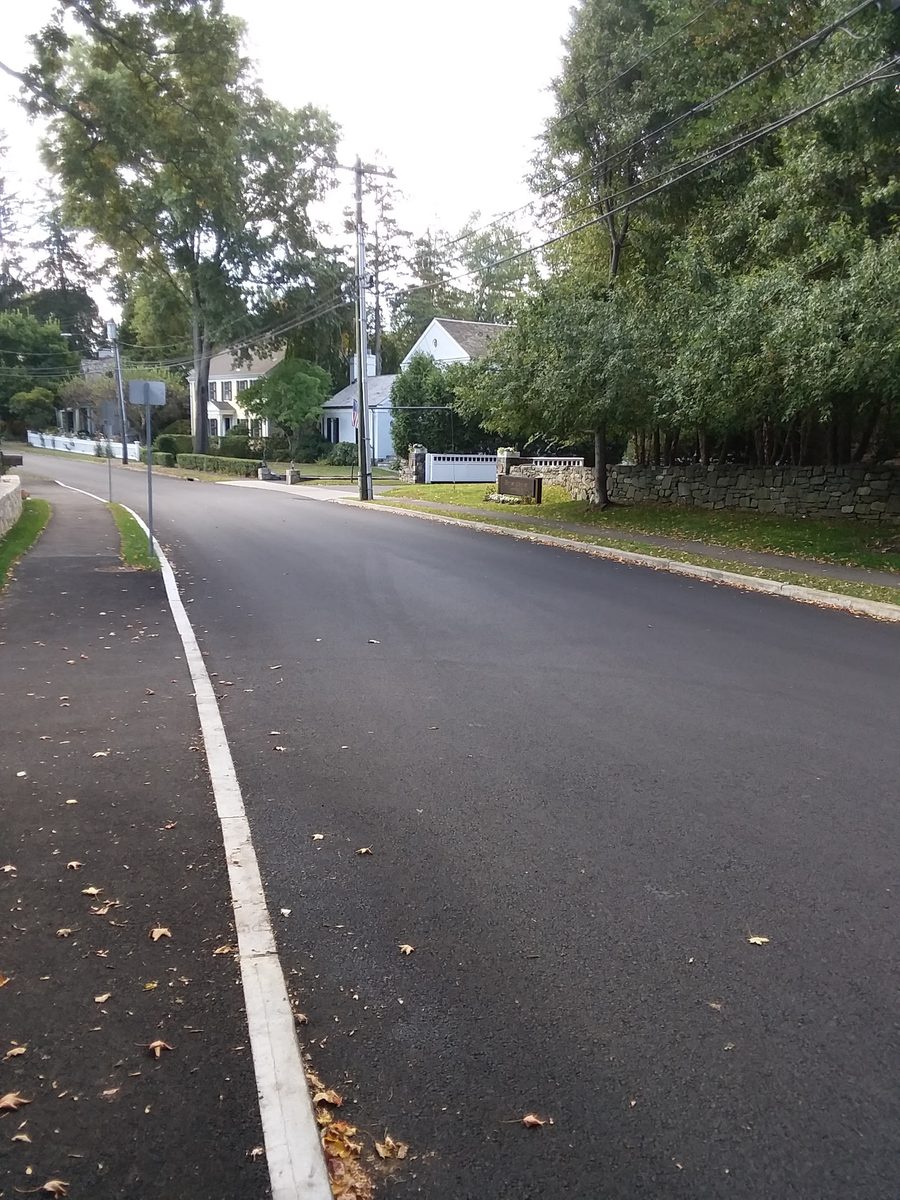
Type
Day
Ages
3–18
Curriculum
American
Qualifications
AP
Ratio
—
The Verdict
Editor's commitment
Right for
Families wanting a boys' day school founded in 1902, with American curriculum and a deliberate 'whole boy' brief in Greenwich.
Wrong for
Anyone wanting coeducation, boarding or a bargain: Brunswick is boys-only, day-only, and the average annual fee is $55,750.
Watch out for
NEASC and NAIS accreditation give baseline credibility, but the school does not publish aggregate exam or university outcomes here.
Ranking breakdown
Brunswick School · #158 of 1591
Composite score 75.5. 8 weighted criteria.
By criterion
Academic Outcomes
Weight 20%
#294
of 1529 scored
University Placement
Weight 16%
#263
of 1529 scored
Prestige & Heritage
Weight 12%
#188
of 1571 scored
Alumni Network
Weight 12%
#117
of 1530 scored
Facilities
Weight 12%
#193
of 1533 scored
Transparency & Communications
Weight 8%
#288
of 1532 scored
Peer & Industry Review
Weight 10%
#335
of 1548 scored
Admissions Selectivity & Demand
Weight 8%
#247
of 1529 scored
Score history
Brunswick School · 2026
Movement across 2024–2026. Peer average overlaid.
Overall — 2024–2026
75.5/ 100
▲ +15.5 vs 2025
year on year
Peer & Industry Review
How Brunswick School is regarded in the sector
78
Strong · medium confidence
Brunswick School is consistently listed among the top independent boys' day schools in the U.S., frequently appearing in Niche.com and Business Insider rankings of elite Connecticut/Fairfield County prep schools alongside Greenwich Academy and Deerfield, and is known for strong Ivy League matriculation rates cited in regional education press. It has a robust alumni and parent network among Greenwich's financial elite, though it lacks the truly universal name recognition of boarding powerhouses like Exeter or Andover.
Evidence sources
Editors' overview
Brunswick trades on a model that remains unusual in the American market: an all-boys day school from age 3 to 18, in Greenwich, with a declared mission to educate the “whole boy” and a long-standing coeducational link with Greenwich Academy. That combination matters. Parents who want the focus and traditions of a boys’ school without cutting their sons off from regular contact with girls will find the Brunswick–Greenwich Academy bond a serious draw. Founded in 1902, Brunswick is not a lifestyle brand dressed up as a school; it is an established independent college-preparatory school with a clear view of what it is for. The line on “personal, intellectual and physical training” is not decorative. It signals a deliberately old-fashioned belief that school is for forming habits as well as producing transcripts.
Its market position is straightforward: this is a top-tier American independent day school, expensive at an average annual fee of $55,750, and aimed at families who want structure, ambition and a strong peer culture rather than progressive looseness. The school teaches the American curriculum in English, runs from Pre-K through Grade 12, and holds NEASC and NAIS accreditation. Those are useful markers of institutional seriousness, though not a substitute for published outcomes; Brunswick does not publish aggregate exam-style data in the way international parents sometimes expect. What it does have is a visible alumni footprint, with 28 notable alumni catalogued in Wikidata across business, science, journalism and the arts, including 2 star-tier drama award winners. That record does not prove day-to-day quality on its own, but it does show reach.
The boy who will want Brunswick is competitive, energetic and comfortable in a culture that talks openly about character, responsibility and contribution. This is not the place for a child who wants anonymity, a loose behavioural frame or a deliberately anti-traditional atmosphere. It suits families who value clear institutional identity, adult expectations and the social confidence that comes from a strong school community. On a shortlist, Brunswick earns its place because it offers a coherent proposition: single-sex education for boys, genuine longevity, a college-preparatory academic frame, and a built-in coeducational dimension through Greenwich Academy. In a crowded US private-school market, that is a distinctive and defensible position.
Academic Performance
Brunswick is a college-preparatory school, but parents hunting for the hard public proof of that claim will hit a wall. The school does not publish aggregate AP, SAT, ACT or matriculation-rate tables in the way many ambitious American independents now do, and that matters. In academic-performance terms, Brunswick sits in the camp of high-trust, low-disclosure schools: institutions with strong reputations, selective parent demand and no instinct to reduce themselves to dashboards. The one public data point in the source set points to a capable top end — a recent graduate was named one of just 10 Connecticut semifinalists for the U.S. Presidential Scholars Program — but a single distinction is not a school-wide outcomes profile.
Relative to peers, that leaves Brunswick in an opaque position. Among top private day schools, the strongest operators publish enough external-results data to let families judge consistency across cohorts, not just celebrate individual standouts or college-prep branding. Brunswick does not do that here. That does not mark weak performance; it marks institutional confidence and a reluctance to play the public-scorecard game. For some families, especially those already fluent in the Northeast independent-school market, that will be acceptable. For international parents comparing schools across borders, it is a clear weakness in the evidence base. The academic case rests on reputation, selectivity and anecdotal distinction, not on a transparent results ledger.
Facilities
Brunswick’s physical set-up is spread across separate divisions rather than compressed into a single showpiece campus, and that matters in daily use. The school operates dedicated sites for pre-school, lower school, lower middle, upper middle and upper school, with the senior campus on Maher Avenue and the younger divisions on Lake Avenue and King Street. In practice, that gives each age group room to function on its own terms instead of forcing small children and adolescents into one institutional machine. Peer schools at this level often advertise “campus continuity”; Brunswick offers something different: age-specific organisation, clear separation and a stronger sense of progression through the school. The trade-off is logistical. Families are dealing with a multi-site school, not a single front gate.
What stands out in the source set is less a list of trophy facilities than an infrastructure built around student life: Baker Theater in the upper school, named spaces for admissions and parent events, a visible athletics operation, summer sports camps, photo and media platforms, and a “Safe ’Wick” reporting channel that signals a school paying attention to supervision and conduct. That is serious operational depth, even if Brunswick does not publish the kind of glossy facility inventory that some rivals use to sell themselves. Against top American independents, that counts as a measured weakness in transparency, not a weakness in plant. The school plainly has the space and systems to run a large all-day operation across 5 divisions; it just leaves parents to infer more than some competitors do.
In a crowded US private-school market, that is a distinctive and defensible position
Prestige
Brunswick carries *genuine social and institutional prestige* in the American independent-school world. Part of that rests on longevity and wealth, but prestige here is not only about old money or a polished campus. It comes from a school culture that is unapologetically status-conscious, strongly networked and built around a clear idea of what successful boys should grow into: confident, competitive, articulate and useful. The all-boys format sharpens that identity, and the long-running relationship with Greenwich Academy adds another layer of cachet. In parent terms, this is the kind of school whose name travels well in selective university, finance, law and East Coast professional circles. The notable-alumni record reinforces that point: 28 catalogued figures across business, scholarship, journalism and the arts is a serious signal of reach.
I rate its prestige highly because the school has the ingredients that drive durable reputation: an established place in a rich and educated community, a coherent mission, visible alumni outcomes and the confidence to operate without public over-explanation. That said, Brunswick’s prestige is market-specific. It lands hardest with families who understand the codes of the northeastern private-school ecosystem. International parents without that cultural map may find the brand less instantly legible than a famous New England boarding school or a global-name university feeder. The result is high prestige, but not universal glamour: powerful in the circles that matter to its constituency, less broad in public visibility beyond them.
The one public data point in the source set points to a capable top end — a recent graduate was named one of just 10 Connecticut semifinalists for the U.S
Communications
Brunswick communicates with parents like an established independent school that expects families to stay engaged. The public-facing structure is clear: separate contact points for admissions and for each division, a full calendar, parent association events, photo galleries, video, a parent login, and direct channels for careers, alumni and safety reporting. That matters in a school split across multiple sites and age groups. Parents are not left hunting for one generic office to solve every problem. The existence of “Safe ’Wick” is also worth noting. A named reporting route for unsafe situations signals serious institutional control and a willingness to formalise concerns rather than bury them in house culture. The volume of event notices and operational updates points to a school that runs on constant parent touchpoints, not occasional set-piece communication.
How effective is it? Operationally, effective. The basics are covered and the architecture is well-drilled. Families get clear routes into the school’s systems, and the communications footprint supports a complex organisation serving boys from the earliest years to the end of school. Editorially, though, Brunswick communicates inward better than outward. It publishes a lot of community news and event traffic, but less of the hard explanatory information an international parent may want when comparing schools at this fee level. That produces a clubbable, insider-heavy tone: strong for current families, less strong for outsiders who want sharper public disclosure on outcomes, academic detail and the school’s day-to-day substance beyond community life.
Uniqueness
Brunswick’s distinctive feature is not single-sex education on its own; plenty of schools offer that. The differentiator is the combination of an all-boys structure with a sustained coeducational link to Greenwich Academy. That gives boys the intensity, camaraderie and directness of a boys’ school without turning daily life into a social silo. For students, that matters. Boys get a culture built expressly around how boys work, compete and mature, while still developing ease with girls through a relationship that sits inside the school’s institutional fabric rather than at the level of occasional joint events. In a market crowded with schools that promise everything to everyone, Brunswick offers a clear-edged, tradition-conscious model with a real social logic behind it.
The other point of difference is its insistence on educating the “whole boy”. Many schools use that language loosely; here it sits at the centre of the project, alongside explicit attention to personal, intellectual and physical training. That produces a school where character is not an add-on to academic work but part of the main brief. Boys who thrive in structured, high-expectation environments gain from that coherence. They are pushed to perform, to contribute and to handle responsibility in public, not just collect credentials. The result is not a soft, therapeutic version of schooling. It is a deliberate, old-school proposition for families who want formation as well as preparation, and who are willing to pay $55,750 a year on average for that clarity.
Against top American independents, that counts as a measured weakness in transparency, not a weakness in plant
Student Profile
The Brunswick boy is not a drifter. He fits best if he likes clear rules, public expectations and a culture that rewards drive. This is a school for boys who can handle being known, pushed and held to account from the earliest years through to graduation. Sport, performance, leadership and community participation all sit close to the centre of school life, so the strongest fit is a child who wants to join in rather than disappear at the back. The atmosphere reads high-expectation, socially confident and tradition-conscious. Boys who bristle at hierarchy, resist competition or want a loose, self-directed environment will find it a hard match. The all-boys setting also sharpens the tone: energy runs high, peer culture matters, and the social world carries a distinct sense of male group identity.
Family fit matters almost as much as student fit. Brunswick suits parents who value structure, character formation and adult authority, and who are comfortable with a school culture that has real social weight in its community. It is expensive at $55,750 on average each year, and that price buys entry into a high-status, closely networked world as much as a classroom experience. The bond with Greenwich Academy broadens the social frame, which helps boys who want single-sex schooling without total separation from girls. For the right child, that mix is unusually coherent. For a boy who wants anonymity, a softer culture or a less coded social environment, it is not.
Brunswick’s distinctive feature is not single-sex education on its own; plenty of schools offer that
Co-curricular strengths
Arts & sport, on a separate axis
Overall 7.98/10
Scored 0-10 from the school's own published evidence. This axis is editorial-only — it does not feed the main WTS ranking.
Sports
9.3/10
A premier athletic force in New England's FAA league; fields historically dominant ice hockey, squash, and lacrosse squads utilizing college-grade arenas.
Drama
8.5/10
Ambitious theater curriculum staging collaborative productions in close partnership with neighboring girls' schools.
Dance
4.5/10
Maintained strictly as a minor auxiliary component for stage movement in musical theater rather than an independent elective.
Music
8.8/10
Active symphonic bands, jazz combos, and choral ensembles supported by high-quality performance suites.
Visual Arts
8.8/10
Advanced technical focus housed within custom studio environments, prioritizing architecture, fine painting, and portfolio creation.
Editor-verified · 8/7/2026
Notable alumni · Wikidata
28notable alumni
0 historic (born pre-1930) · 17 modern (born post-1970)wikidata:2026-07-28 How we source this

WTS 300 badge
2025/26 editionBrunswick School is one of the World's Top 300 Schools for 2025/26. Claim your listing to add it to your site →
Strengths
- +Long-established all-boys day school founded in 1902, with a low student-to-teacher ratio of about 6:1.
- +Offers a broad Advanced Placement programme, with roughly 35 AP courses available across the upper grades.
- +Runs a dedicated 650-acre Vermont Program campus for outdoor and experiential learning alongside the main Greenwich site.
- +Maintains a formal sister-school relationship with Greenwich Academy (all-girls) for shared social, academic and college-panel events.
- +Operates a need-based financial aid program intended to make places accessible beyond the immediate tuition sticker price.
Considerations
- −Single-sex (boys-only) from Pre-K through 12, which rules the school out for families wanting a co-educational environment.
- −Tuition is high, reported in the $55,750-$58,120 range for upper grades, plus additional fees for international families.
- −Located in the wealthy Greenwich, CT enclave, roughly 27 miles from New York City, so families based in Manhattan face a real commute.
- −As a boys' school tied to old Greenwich institutions and traditions, the social culture may feel narrow or insular to newly arrived expat families unfamiliar with the local private-school ecosystem.
Availability
Primary entry gate & tests
ISEE/SSAT + Interview (Boys)
Parent reviews
Have you sent your child here?
Voice reviews carry the strongest trust badge — we transcribe them for you to tidy up before they go live. Prefer to type? A written review is fine too.
Add your voice
In 60 seconds, tell other parents: what's the best thing about Brunswick School, and what surprised you when your child joined?
We ask for a Google sign-in so every review has a real face behind it — no anonymous drive-by attacks on schools, and no faked positive reviews. Your email is never shown publicly.
Send this profile to a friend
International parents rely on word-of-mouth. Share this review with someone weighing the same decision.
Schools with places
Similar schools to Brunswick School with places available now.
Hopkins School
New Haven · United States
- 2026-27
- CLOSEDRegular cycle
- 2027-28
- OPENS SOONOpens Sept '26
Loomis Chaffee School
Windsor · United States
- 2026-27
- WAITPOOLLate/Rolling Space Available
- 2027-28
- OPENS SOONOpens 1 Sept '26
Taft School
Watertown · United States
- 2026-27
- CLOSEDRegular cycle
- 2027-28
- PLACES OPENInterviews underway
The Hotchkiss School
Lakeville · United States
- 2026-27
- CLOSEDRegular cycle
- 2027-28
- PLACES OPENFall '27 interviews open
Availability first, then country, area, curriculum, price, co-curricular
Consider also
Also worth looking at alongside Brunswick School.
School for the Talented and Gifted
Dallas · United States
A Dallas ISD magnet in Oak Cliff pairs a 12-course AP mandate with interim electives like glass blowing and ballroom dance.
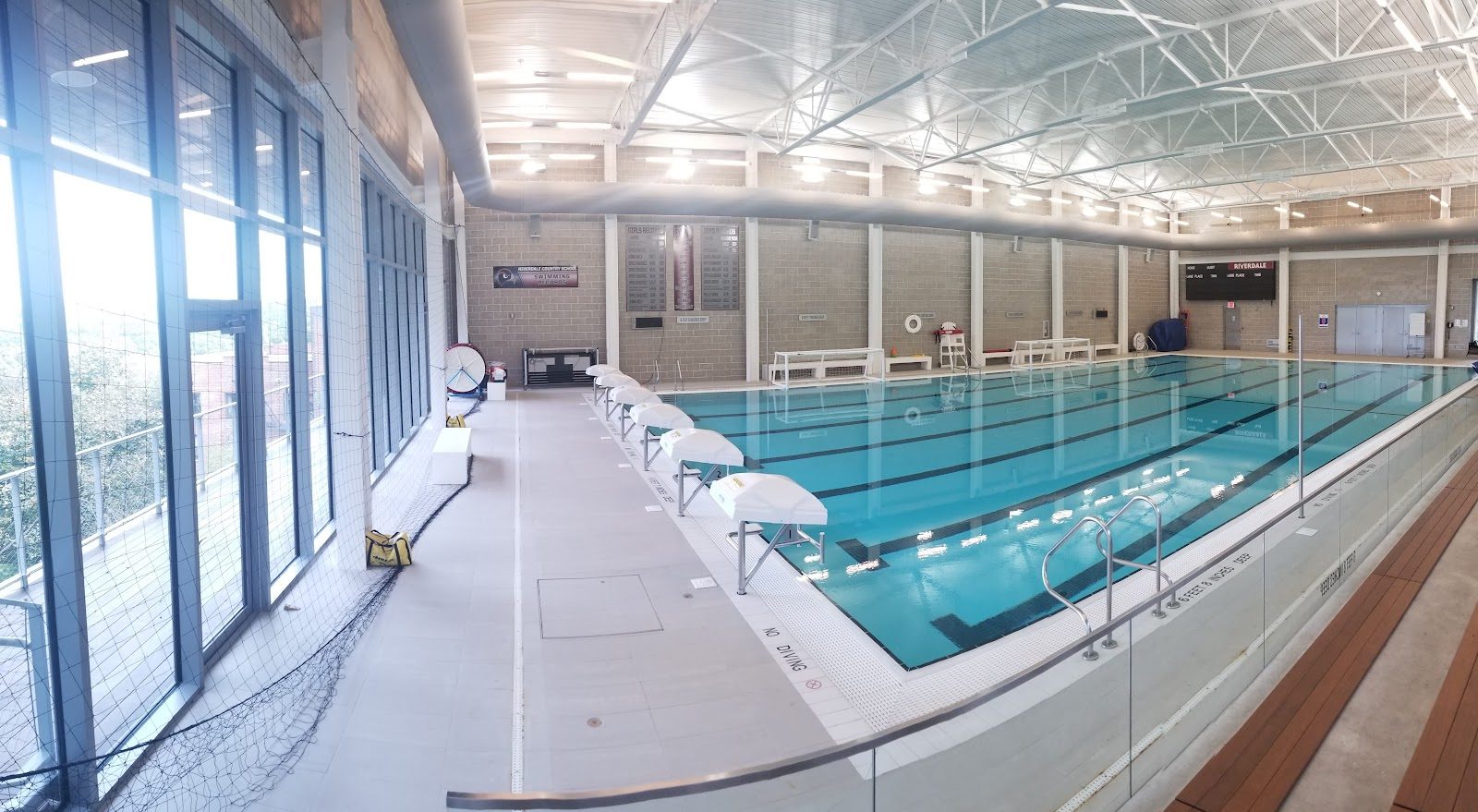
Riverdale Country School
New York City · United States
A century-old Bronx country day school split between a Hudson River campus and a Van Cortlandt Park hilltop, built on the motto Mind, Character, Community.
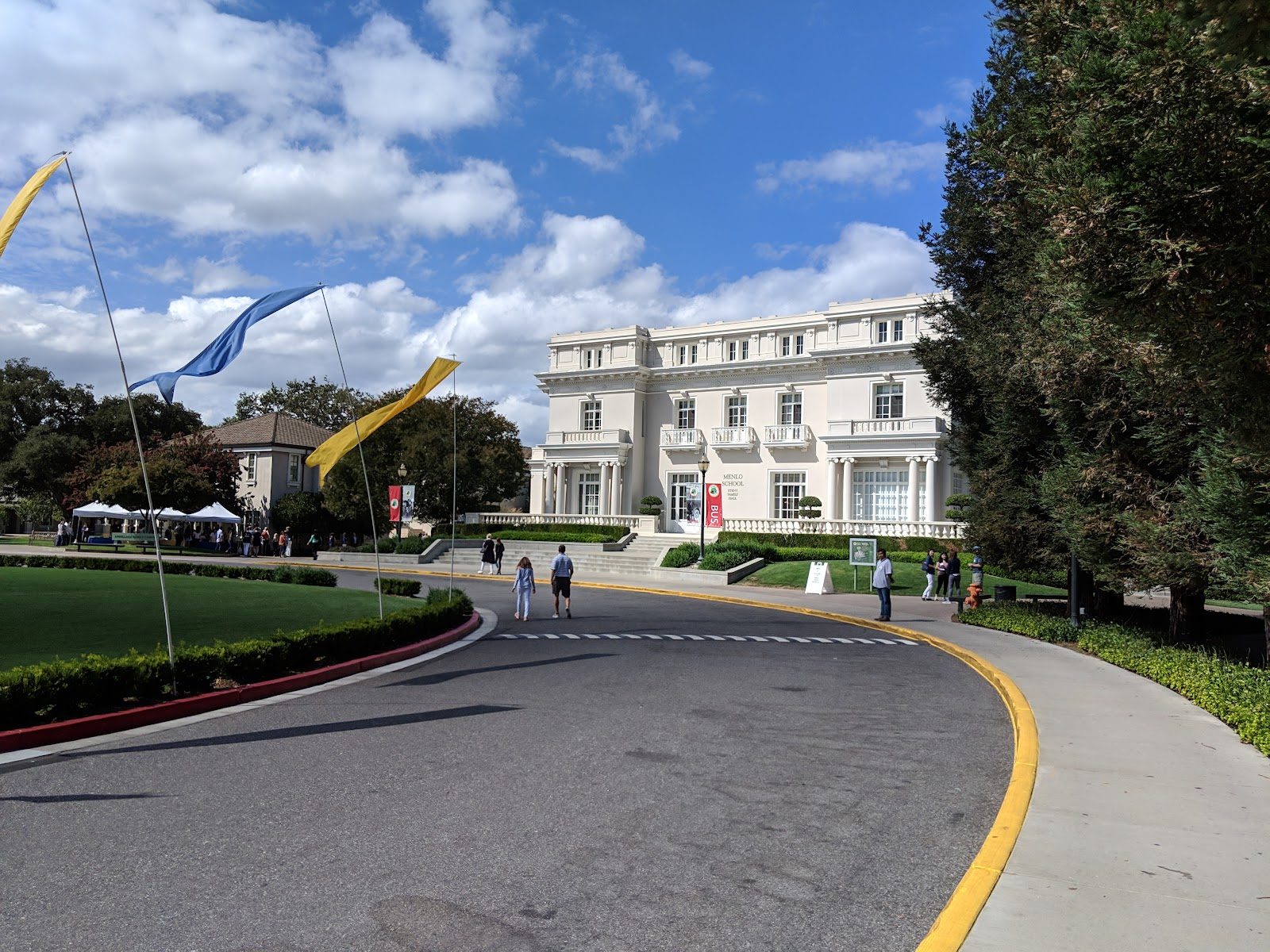
Menlo School
Atherton · United States
A 1915 Atherton campus near Stanford where an 8:1 ratio lets students chart their own humanities, STEM, or arts path.
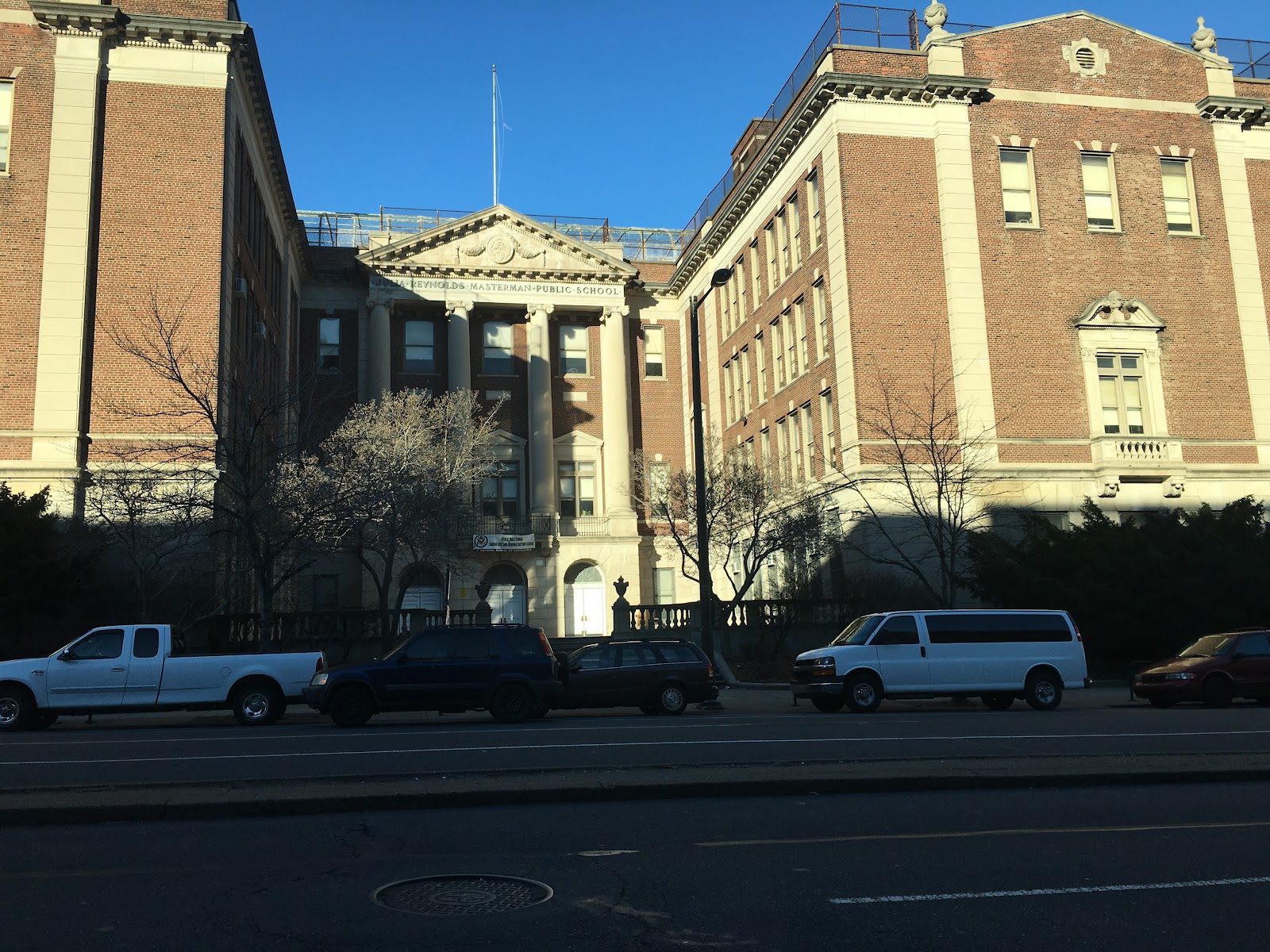
Julia R. Masterman Secondary School
Philadelphia · United States
A North Philadelphia public magnet where fifth-graders enter at a 3 percent acceptance rate and the payoff is a top-10 U.S. News ranking.
Same country and curriculum — closest matches within ±10 points either way