
California
A 1915 Atherton campus near Stanford where an 8:1 ratio lets students chart their own humanities, STEM, or arts path.
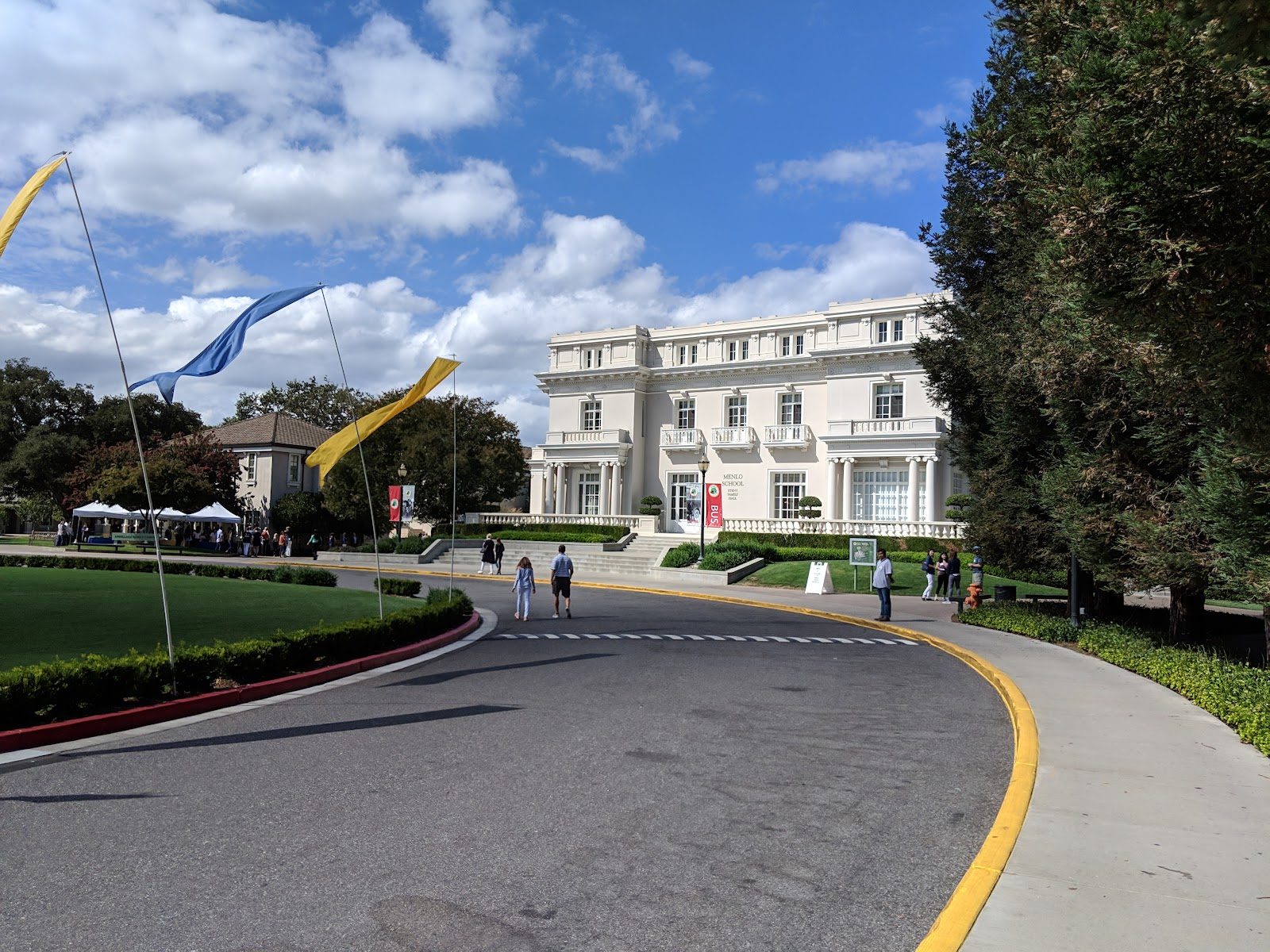
Photo © PAY via Google Maps
Type
Day
Ages
11–18
Curriculum
American
Qualifications
AP
Ratio
—
The Verdict
Editor's commitment
Right for
Students aged 11–18 who want American-school breadth on a 1915 Atherton campus, with an 8:1 ratio and serious arts, STEM and sport.
Wrong for
Families wanting boarding, religious formation or a narrower exam-track model; Menlo is day-only, non-religious, and built around choice.
Watch out for
The average annual day fee is $67,792, and Menlo does not publish headline academic outcomes in the information here.
Ranking breakdown
Menlo School · #152 of 1591
Composite score 75.7. 8 weighted criteria.
By criterion
Academic Outcomes
Weight 20%
#183
of 1529 scored
University Placement
Weight 16%
#187
of 1529 scored
Prestige & Heritage
Weight 12%
#296
of 1571 scored
Alumni Network
Weight 12%
#195
of 1530 scored
Facilities
Weight 12%
#279
of 1533 scored
Transparency & Communications
Weight 8%
#254
of 1532 scored
Peer & Industry Review
Weight 10%
#335
of 1548 scored
Admissions Selectivity & Demand
Weight 8%
#198
of 1529 scored
Score history
Menlo School · 2026
Movement across 2024–2026. Peer average overlaid.
Overall — 2024–2026
75.7/ 100
▲ +22.3 vs 2025
year on year
Peer & Industry Review
How Menlo School is regarded in the sector
78
Strong · medium confidence
Menlo School is consistently ranked among the top private high schools in California and the Bay Area by Niche.com and similar education-ranking aggregators, and is well-regarded among Silicon Valley families for its academics and college matriculation to elite universities (Stanford, Ivy League). It has a strong regional reputation as a highly selective independent school and is frequently mentioned alongside peer schools like Castilleja and Harker in Bay Area private school discussions, though it lacks the international brand recognition or extensive specialist press coverage (Tatler, Good Schools Guide) that characterizes globally top-tier institutions.
Evidence sources
Editors' overview
At Menlo, the useful starting point is the shape of the school: a non-religious American day school in Atherton for ages 11 to 18, founded in 1915, with a campus market position tied as much to geography as to programme. Atherton places it in the heart of the Peninsula, near Stanford and in the orbit of the Bay Area’s technology and venture economy. That matters, because Menlo’s offer is built around breadth with permission to specialise. The school advertises upper school pathways in computer science, applied science and engineering, media production, photography, studio art, vocal and instrumental music, drama and dance, alongside a full academic core. Add Global Learning, Catalyst Semester, MTerm and the Menlo IP Internship Program, and the picture is clear: this is a school for students who want an education with range, not a narrow college-prep conveyor belt. The 1:8 student-teacher ratio sharpens that promise. In a school of this type, that ratio gives pupils room to build a distinctive profile rather than disappear into a high-performing crowd.
Menlo belongs on a shortlist because it combines serious academic infrastructure with a conspicuous willingness to let teenagers test themselves outside the standard timetable. Plenty of American independents talk about interdisciplinarity; Menlo has named structures for it. The inclusion of AI at Menlo, an Innovation Lab, a 9th Grade Seminar, formal learning support and accommodation support points to a school that has paid attention to how students work now, not how schools worked twenty years ago. The athletics programme is also extensive, with a deep upper school roster and a proper middle school pipeline, which tells you sport is part of the institution rather than an ornamental extra. Accreditation by NEASC and NAIS gives parents the expected external reassurance, but the more important point is cultural: this is an ambitious, high-functioning school with enough scale to offer choice and enough intimacy to keep that choice usable.
The price matches that ambition. At an average annual day fee of $67,792, Menlo sits in the top tier of the US private day market. Parents are paying for access, programme density and individual attention, not for old-world boarding-school theatre. That makes Menlo a strong fit for self-directed students who will exploit electives, arts, internships and advanced STEM options, and a weaker fit for children who need heavy institutional steering or a simpler, more traditional school structure. The ideal Menlo student is bright, organised and ready to make decisions early: humanities students who want serious writing and discussion, engineers who want applied work, artists who want real facilities, and athletes who value a team-first culture without surrendering academic ambition. The school’s catalogue of 24 notable alumni on Wikidata adds useful evidence of reach, but Menlo’s real selling point is not celebrity output. It is a high-agency environment for students who want to do more than move neatly from class to class.
Academic Performance
Menlo’s public case on academic performance rests more on structure than on published outcomes. The school lays out a dense upper-school architecture — college counselling, standardised test guidance, a full course catalogue, applied science and engineering, computer science, world languages, seminar provision and off-timetable programmes such as Catalyst Semester, MTerm and internships. That points to a school built for high-ceiling students who want to assemble a demanding secondary profile. What is missing is the hard comparative data parents often want most. Menlo does not publish aggregate AP, SAT or ACT results in the material here, and no university destination list is quoted in the primary sources. That leaves its external-results story less transparent than that of peer independents that put score ranges and matriculation patterns plainly in the public domain.
Relative to competitors, Menlo fits the selective, college-preparatory end of the Bay Area market, but with a results narrative that depends on trust in programme quality rather than disclosed score tables. The school’s small overall enrolment and low staffing ratio support close academic supervision, and the presence of formal learning support and accommodation support adds substance beyond the usual elite-school rhetoric. Still, for a school charging an average of $67,792 a year, the absence of headline examination data is a real weakness. Parents comparing top US day schools need to ask directly for AP participation, score distribution, testing medians and university outcomes. Menlo gives plenty of reasons to expect strong performance; it does not publish enough to prove it.
Facilities
Menlo’s facilities story is strongest where the school has made visible investments in making teenagers do things, not just study them. The named infrastructure matters: the Whitaker Lab for hands-on middle-school build work, an Innovation Lab, dedicated media production and photography provision, studio art, dance, drama, instrumental and vocal music, and a Spieker Center auditorium that anchors performances and assemblies. That adds up to a campus with real working space for engineering, making and the arts, not a token black-box room plus a computer lab. The athletics side also reads as substantial. The school fields a long upper-school team list, supports it with sports medicine and performance and wellness provision, and runs a full middle-school pipeline. For a school with an 8:1 ratio, that breadth is impressively dense.
Against peer US independents, Menlo looks strongest in programme-specific specialist spaces and weakest in the public explanation of scale and finish. Many rivals publish polished detail on science suites, libraries, maker spaces, theatres, gyms and acreage; Menlo names key venues and activities but gives less hard description of the physical plant itself. That leaves parents with a clear sense of function and a less precise sense of physical wow-factor. Still, the spread of arts, engineering and sport facilities is serious and internally coherent. This is not a campus selling faux grandeur. It is a campus built for students who want to rehearse, code, build, compete and perform in the same week.
In a school of this type, that ratio gives pupils room to build a distinctive profile rather than disappear into a high-performing crowd
Prestige
Menlo carries real local prestige and a narrower national profile than the oldest East Coast boarding names. In the Bay Area independent-school market, that still counts for a great deal. The school sits in a wealthy, hyper-educated parent ecosystem and offers the kind of programme breadth that ambitious families read as institutional seriousness: internships, off-calendar academic terms, a substantial arts roster, deep athletics provision, learning support, and a visible commitment to belonging. The alumni floor in Wikidata — 24 notable former pupils across business and music — adds external evidence that the school’s network has substance. This is not a mass-brand school trading on nostalgia; it is a high-status, high-expectation day school with strong regional pull.
The rating stops short of the very top prestige bracket for one reason: Menlo does not publish the hard outcome data that would turn reputation into a fully evidenced claim. For a school charging an average of $67,792 a year, opacity on aggregate exam results and university destinations matters. Prestige built on geography, selectivity and parent word-of-mouth is still prestige, but it is less bulletproof than prestige backed by plainly disclosed results. The low staffing ratio strengthens the school’s standing, and the breadth of upper-school options gives it a serious intellectual identity. Even so, Menlo’s reputation rests more on market position and programme design than on publicly documented outcomes. That puts it in the upper tier, not the untouchable one.
At an average annual day fee of $67,792, Menlo sits in the top tier of the US private day market
Communications
Menlo communicates with parents through a dense, well-organised digital front door. The website carries a live calendar, daily schedule, faculty and staff listings, handbooks, transport information, health office details, admissions events, college counselling resources, athletics livestreams, coaches’ contacts and back-to-school pages for both divisions. That range matters. It tells parents where to go for operational detail without forcing them through a maze of vague messaging. The school also splits information cleanly by middle and upper school, which is a practical choice in a school serving very different age groups. News output is active and current, with dated updates, event notices and video content. Communication here is not ornamental; it is built to keep a busy parent body informed.
The strengths are clarity, frequency and functional breadth. A parent can track orientations, performances, fixtures and school priorities with little friction, and the inclusion of school-family partnership, counselling and belonging pages adds a serious signal that communication extends beyond logistics. The weakness is that Menlo communicates culture and programming more fully than outcomes. It publishes plenty on events, student life and distinctive initiatives, and less on the hard academic data many fee-paying families want. For a school charging an average of $67,792 a year, that gap is conspicuous. The result is an operation that feels highly competent in day-to-day parent communication, but more guarded when the discussion turns to measurable academic results.
Uniqueness
What sets Menlo apart is not raw scale or old-school institutional theatre, but the way it gives adolescents formal permission to build a personalised secondary education inside a tightly managed structure. Many US independents offer electives; Menlo has built named vehicles for divergence. Catalyst Semester, MTerm, the Menlo IP Internship Program, Global Learning, a dedicated seminar for pupils entering upper school, and visible provision around AI and innovation push students beyond the standard run of classes, homework and college counselling. That makes the school unusually good for teenagers with direction. A student interested in engineering, media, performance, social inquiry or cross-disciplinary work does not need to squeeze those interests into the margins. The school has routes for them. Backed by an 8:1 ratio, that freedom is practical rather than rhetorical.
The benefit is clear: students can assemble a school life with shape, not just volume. Menlo’s middle years also carry a distinct internal language — Habits of Heart and Mind, Habits of Learning, Human Skills — which gives the school a more explicit developmental framework than many academically ambitious peers. That matters because choice without pastoral scaffolding turns into drift. Here, the offer is high-agency but not laissez-faire. The trade-off is also clear. Menlo suits pupils who will use complexity well and who want to make serious decisions about their interests before graduation. For students who prefer a fixed path and heavy institutional steering, that same freedom can feel demanding and exposed.
Parents comparing top US day schools need to ask directly for AP participation, score distribution, testing medians and university outcomes
Student Profile
Menlo fits students who want range and know how to use it. The best match is the teenager who wants a full academic core but also wants room for engineering, coding, writing, performance, design, sport or internships without treating those interests as extras. This is a school for pupils with initiative: children who will sign up for auditions, pursue team commitments, use office hours, handle a busy calendar and take advantage of named programmes outside the standard lesson grid. The low staffing ratio — 1:8 — matters here because it supports high-agency students with close adult contact rather than leaving them to fend for themselves. Children who enjoy intellectual stretch, independence and a full-throttle school week will fit well.
The social fit is narrower than the glossy language of “belonging” implies. Menlo suits confident, organised students who can navigate a high-expectation peer culture without constant hand-holding. It also works for thoughtful quieter pupils, provided they are self-possessed and ready to participate. The middle school’s emphasis on habits, human skills and relationships gives younger pupils a better runway into that culture than many hard-driving independents manage. The weaker fit is the child who wants a simpler, more prescribed school life or who resists choice, visibility and performance pressure. At this fee level — $67,792 on average each year — families are buying a demanding, opportunity-rich environment, not a soft landing.
It publishes plenty on events, student life and distinctive initiatives, and less on the hard academic data many fee-paying families want
Co-curricular strengths
Arts & sport, on a separate axis
Overall 8.84/10
Scored 0-10 from the school's own published evidence. This axis is editorial-only — it does not feed the main WTS ranking.
Sports
9.2/10
Absolute athletic powerhouse in Silicon Valley; fields historically dominant varsity tennis, water polo, and track squads.
Drama
8.5/10
High-quality seasonal theater tracker utilizing the comprehensive venues inside their performance complexes.
Dance
9/10
Offered as a dedicated afternoon co-curricular activity, providing strong choreography tracking for school events.
Music
8.5/10
Deeply institutionalized choral and string tracking modules feeding active regional touring groups and seasonal events.
Visual Arts
9/10
Highly structured fine art layout leaning heavily toward technical drawing, fine oils, and advanced portfolio mastery.
Editor-verified · 8/6/2026
Notable alumni · Wikidata
24notable alumni
0 historic (born pre-1930) · 8 modern (born post-1970)wikidata:2026-07-28 How we source this

WTS 300 badge
2025/26 editionMenlo School is one of the World's Top 300 Schools for 2025/26. Claim your listing to add it to your site →
Strengths
- +Independent, coeducational day school in Atherton with a low student-to-teacher ratio of 8:1 in the upper school and 9:1 in the middle school.
- +Long-established institution founded in 1915, giving it more than a century of operating history and alumni network in Silicon Valley.
- +Broad co-curricular offering, including 14 interscholastic sports and a wide range of clubs and creative-arts programs alongside academics.
- +Notable alumni include GoPro founder and CEO Nick Woodman, reflecting the school's presence in the technology and entrepreneurship sector.
- +Located in the heart of Silicon Valley near Palo Alto and Menlo Park, giving families proximity to major technology employers and Stanford University.
Considerations
- −Annual tuition of $64,718 for 2025-26 places it among the more expensive independent day schools in the United States, a significant and rising cost for relocating families.
- −Admission is described by the school itself as highly selective, meaning places are not guaranteed even for well-qualified applicants.
- −As a day school only, it offers no boarding option, so families must secure separate local housing in one of the most expensive real-estate markets in the country.
- −Middle and upper school combined enrollment is modest at roughly 805 students, which limits elective breadth compared with much larger day schools.
Availability
Primary entry gate & tests
STAR Assessment + Kira/interview/review
Gallery
Photo © PAY via Google Maps
Photo © PAY via Google Maps
Photo © David Chang via Google Maps
Photo © Stan Baginskis via Google Maps
Photo © TheCHIEF BIGFAITH via Google Maps
Parent reviews
Have you sent your child here?
Voice reviews carry the strongest trust badge — we transcribe them for you to tidy up before they go live. Prefer to type? A written review is fine too.
Add your voice
In 60 seconds, tell other parents: what's the best thing about Menlo School, and what surprised you when your child joined?
We ask for a Google sign-in so every review has a real face behind it — no anonymous drive-by attacks on schools, and no faked positive reviews. Your email is never shown publicly.
Send this profile to a friend
International parents rely on word-of-mouth. Share this review with someone weighing the same decision.
Schools with places
Similar schools to Menlo School with places available now.
The College Preparatory School
Oakland · United States
- 2026-27
- CLOSEDRegular cycle
- 2027-28
- OPENS SOONOpens early Sept '26
San Francisco University High School
San Francisco · United States
- 2026-27
- CLOSEDRegular cycle
- 2027-28
- OPENS SOONOpens 28 Aug '26
Marlborough School (LA)
Los Angeles · United States
- 2026-27
- CLOSEDRegular cycle
- 2027-28
- OPENS SOONOpens Early Sept '26
The Bishop's School
La Jolla · United States
- 2026-27
- CLOSEDConfirmed full
- 2027-28
- OPENS SOONOpens Sept '26
Availability first, then country, area, curriculum, price, co-curricular
Consider also
Also worth looking at alongside Menlo School.
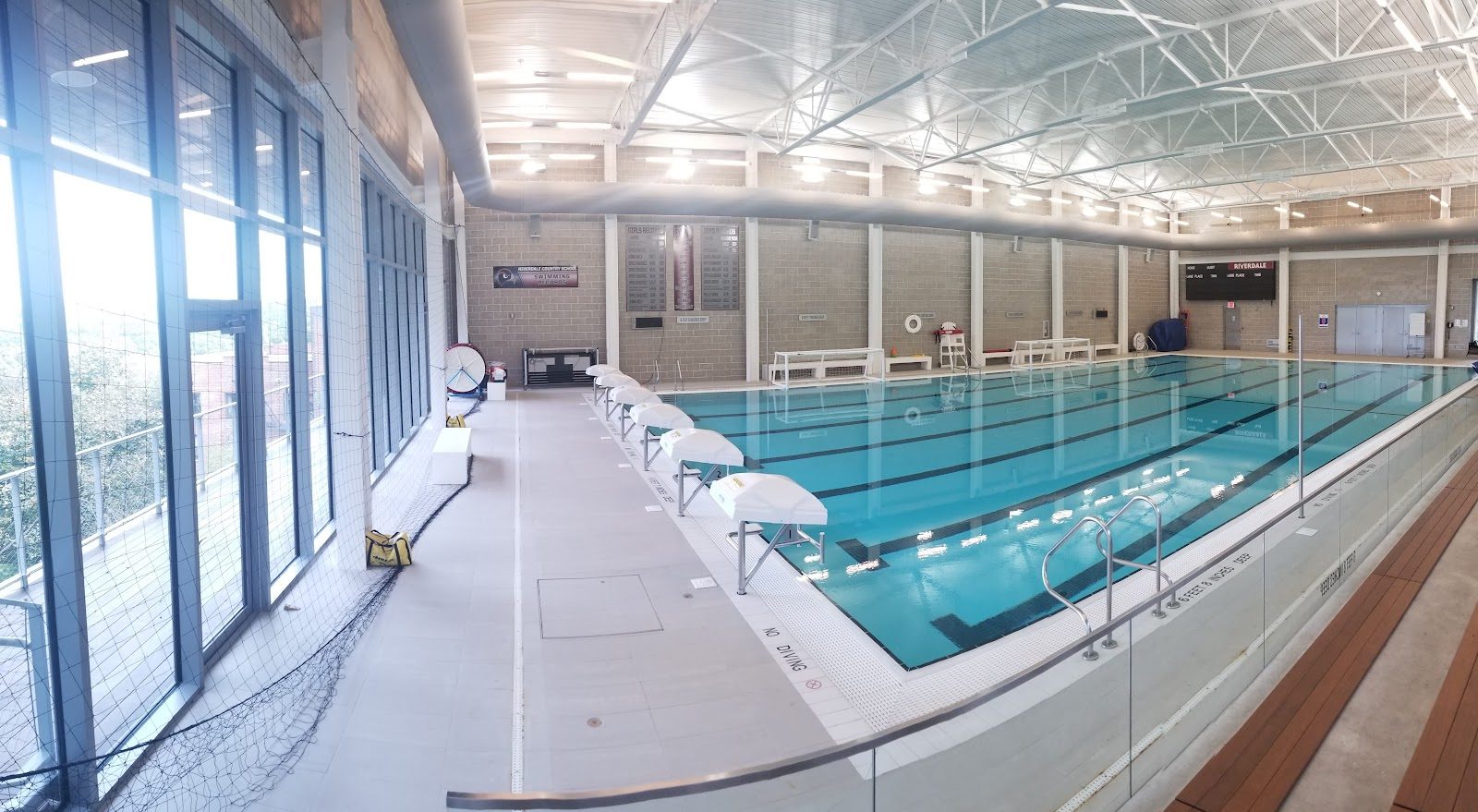
Riverdale Country School
New York City · United States
A century-old Bronx country day school split between a Hudson River campus and a Van Cortlandt Park hilltop, built on the motto Mind, Character, Community.
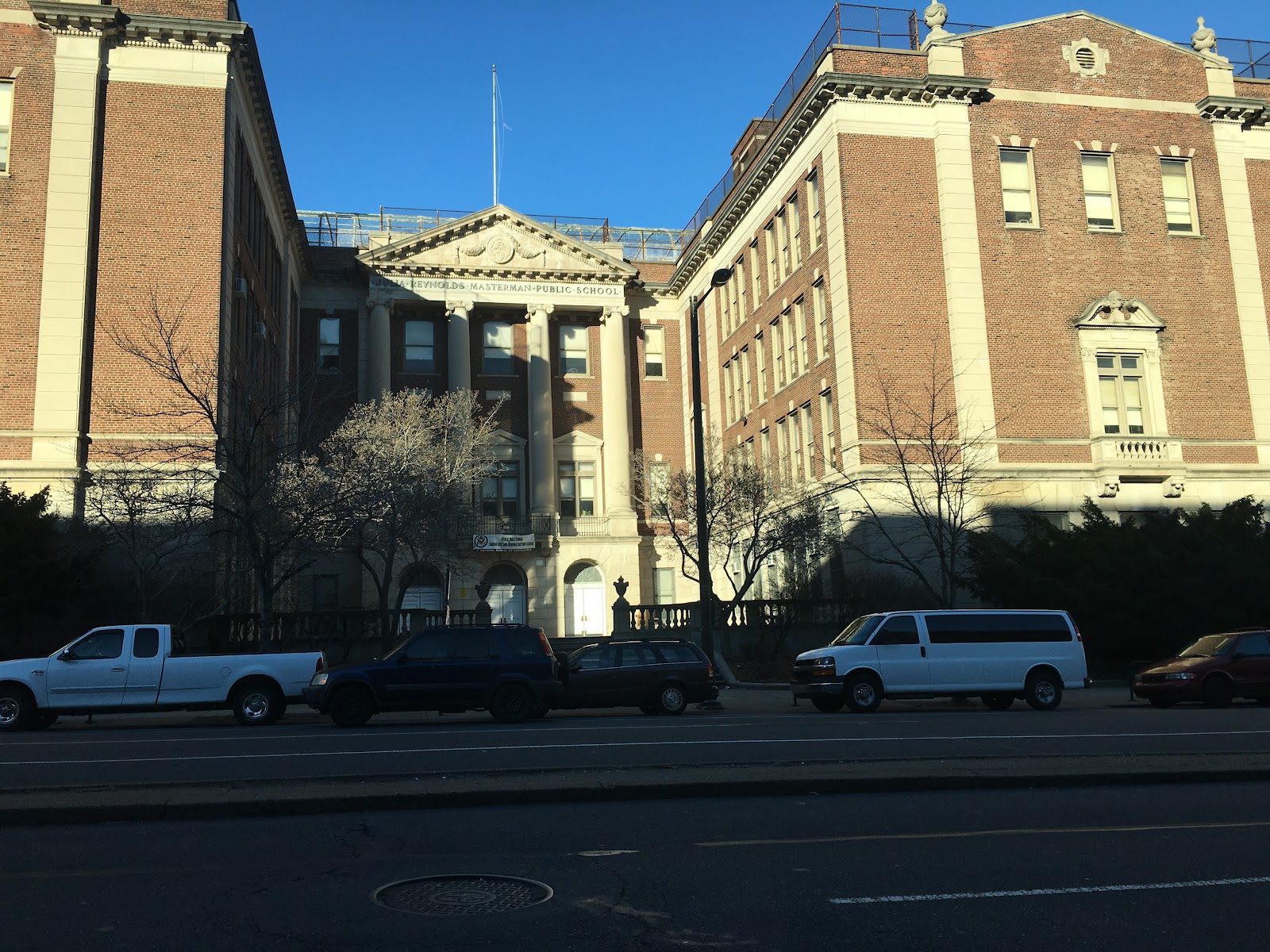
Julia R. Masterman Secondary School
Philadelphia · United States
A North Philadelphia public magnet where fifth-graders enter at a 3 percent acceptance rate and the payoff is a top-10 U.S. News ranking.
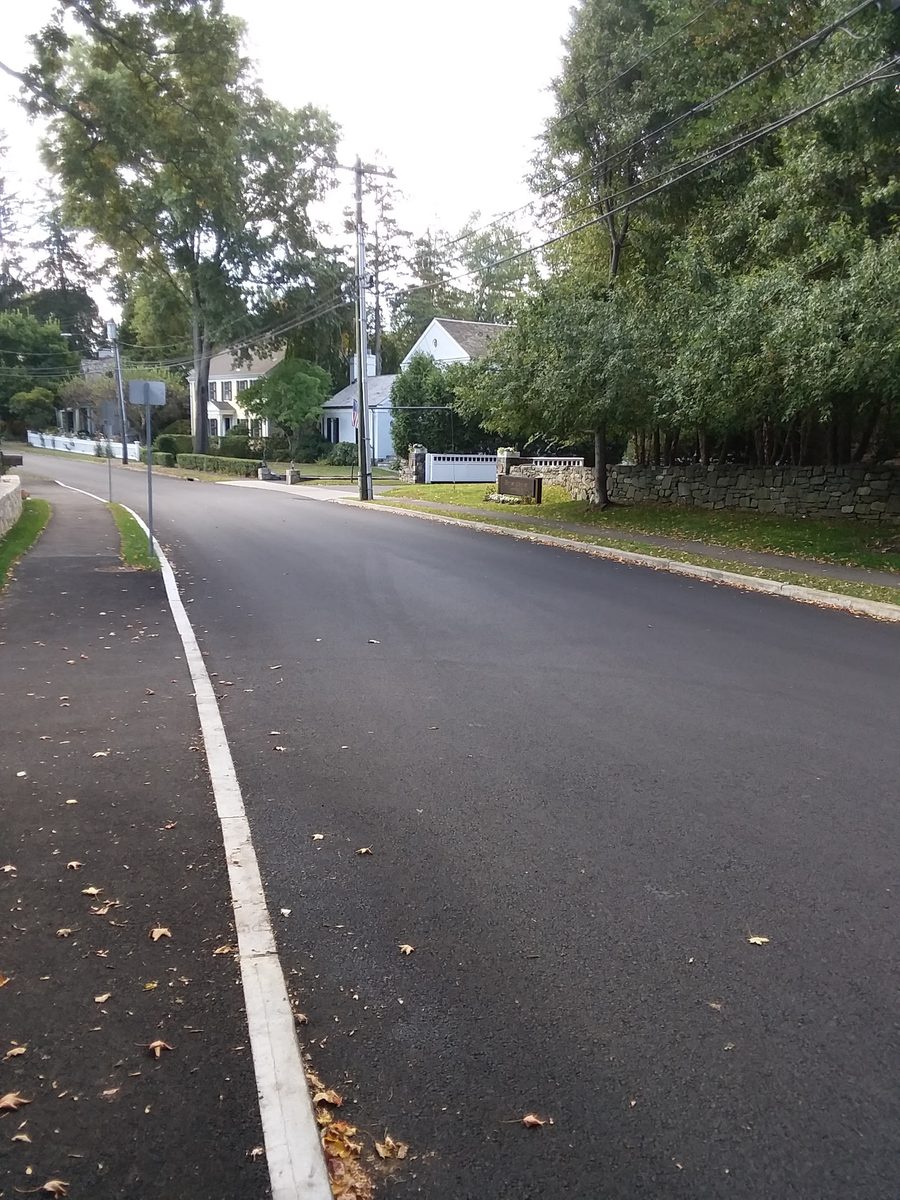
Brunswick School
Greenwich · United States
An all-boys Greenwich day school since 1902, building character alongside a coeducational bond with Greenwich Academy.
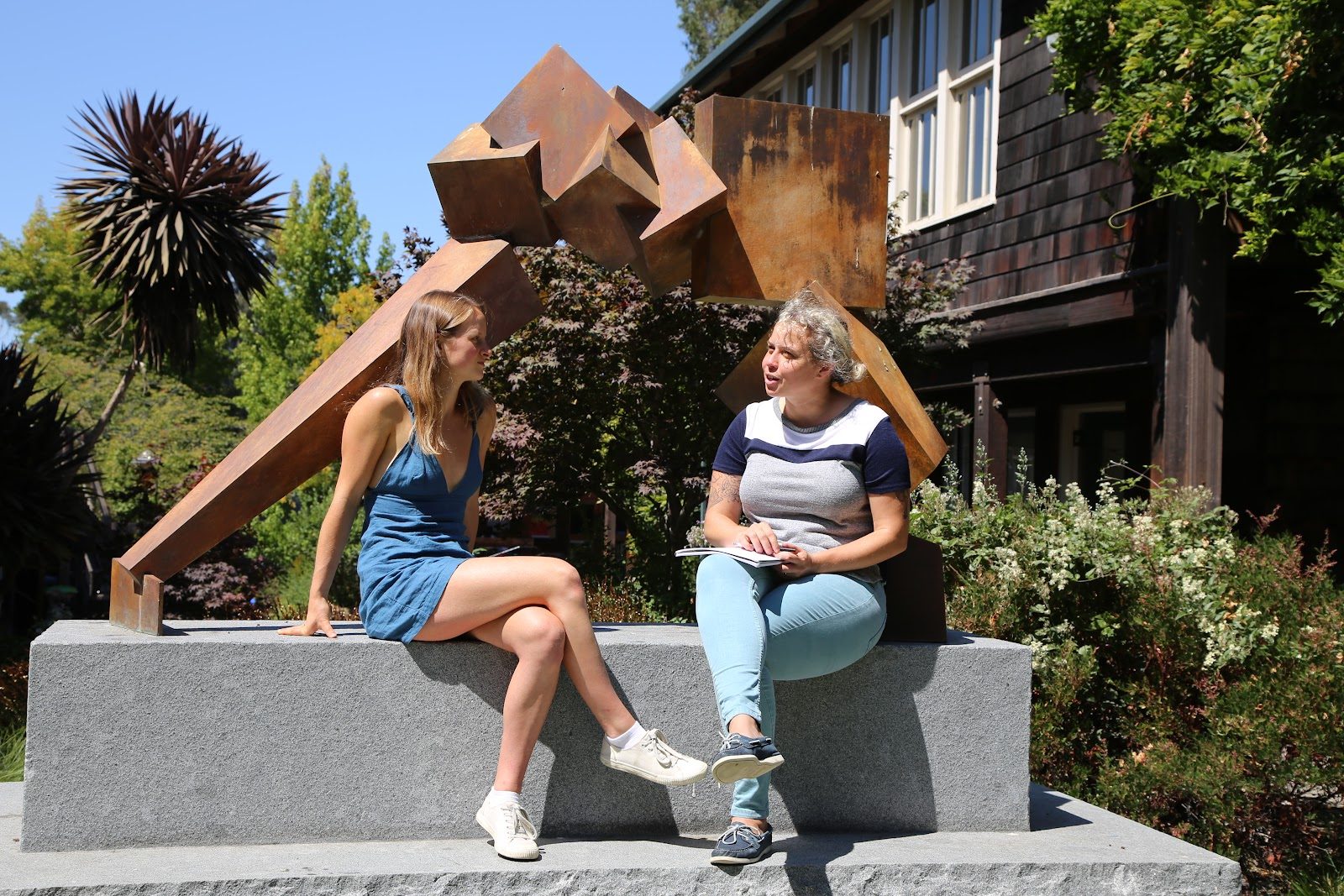
The College Preparatory School
Oakland · United States
Seminar-style rigor in Rockridge, where an 8:1 ratio once helped earn a Wall Street Journal top-six national ranking
Same country and curriculum — closest matches within ±10 points either way