
São Paulo
Colégio Visconde de Porto Seguro
Since 1878 in Morumbi, a Brazilian-German campus where students can sit both the ENEM and the German Abitur.
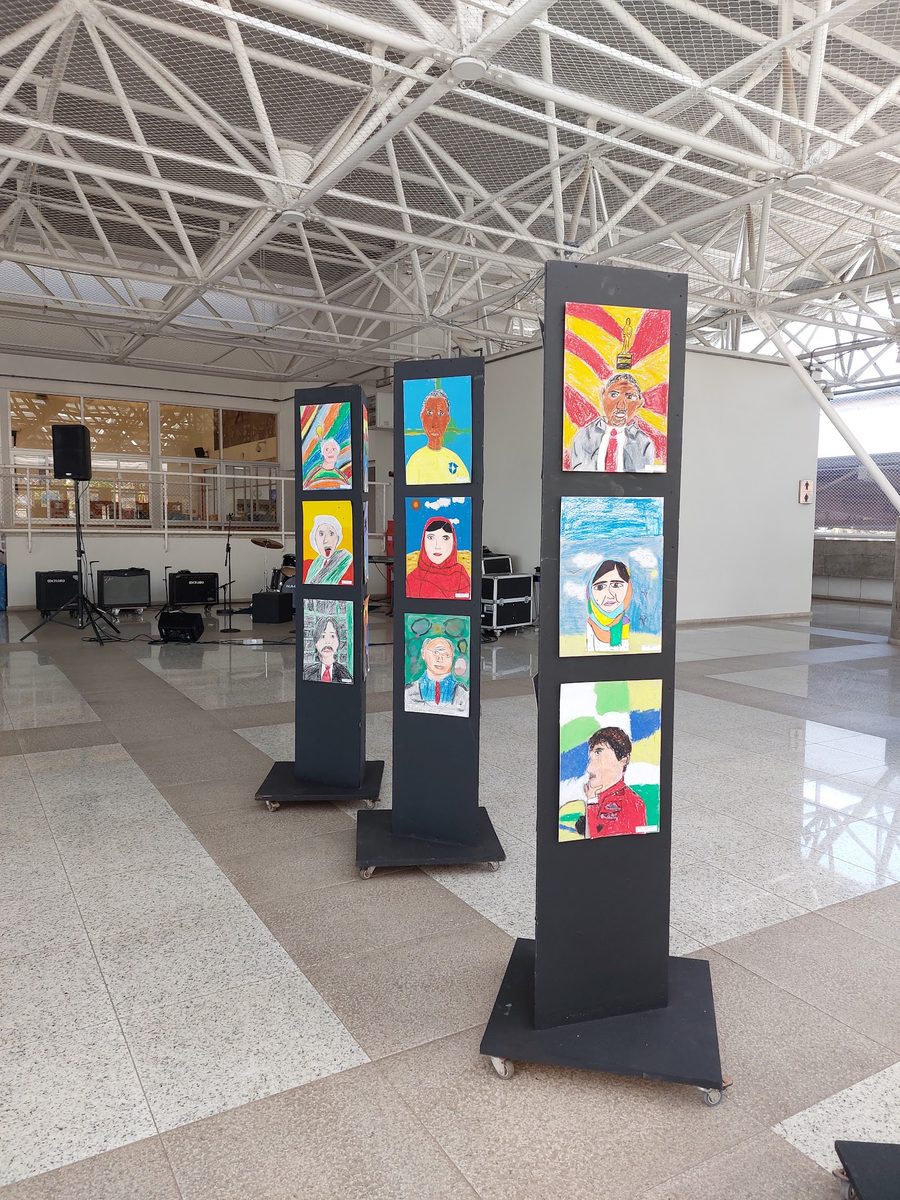
Photo © Dra. Vanise Zimmer Psicóloga via Google Maps
Type
Day
Ages
3–18
Curriculum
Brazilian · German
Qualifications
ENEM · German Abitur · IB Diploma
Ratio
—
The Verdict
Editor's commitment
Right for
Families in São Paulo who want a day school, ages 3–18, with Brazilian and German curricula and a real Abitur route.
Wrong for
Anyone wanting boarding, a religious frame, or a single-system education; this 1878 secular school runs Brazilian and German strands in Portuguese, German and English.
Watch out for
IB and ZfA accreditation add weight, but the school does not publish aggregate exam results; headline anecdotes on USP and German admissions are not enough.
Ranking breakdown
Colégio Visconde de Porto Seguro · #760 of 1591
Composite score 65.7. 8 weighted criteria.
By criterion
Academic Outcomes
Weight 20%
#792
of 1529 scored
University Placement
Weight 16%
#793
of 1529 scored
Prestige & Heritage
Weight 12%
#608
of 1571 scored
Alumni Network
Weight 12%
#785
of 1530 scored
Facilities
Weight 12%
#569
of 1533 scored
Transparency & Communications
Weight 8%
#821
of 1532 scored
Peer & Industry Review
Weight 10%
#645
of 1548 scored
Admissions Selectivity & Demand
Weight 8%
#888
of 1529 scored
Peer & Industry Review
How Colégio Visconde de Porto Seguro is regarded in the sector
68
Respected · medium confidence
Porto Seguro's standing rests less on tabloid league tables (Brazil publishes none for K-12) and more on institutional accreditation signals recognized across the German-school-abroad network and Brazilian bilingual-education circles. As one of the largest Deutsche Auslandsschulen, it holds continuous 'Exzellente Deutsche Auslandsschule' style accreditation from Germany's Federal Foreign Office/ZfA, placing it alongside Corcovado (Rio) and Humboldt (Sao Paulo) as a reference institution other German-curriculum schools in Latin America benchmark against at ZfA regional conferences. Its IB Diploma authorization gives it standing in the Association of Brazilian International Schools circuit alongside Chapel School and St. Paul's. University-facing regard shows in consistent graduate placement into USP, Unicamp, FGV, and German public universities via Abitur recognition, which German admissions offices treat as a reliable feeder credential. Coverage in Brazilian press (Estadao, Veja Sao Paulo school guides) and parent forums consistently ranks it among Sao Paulo's top bilingual options, though it lacks the Anglo-American independent-school press coverage (Good Schools Guide, WhichSchoolAdvisor) that shapes reputation for UK/US-oriented schools, since its identity is German-Brazilian rather than Anglophone international.
Editors' overview
Colégio Visconde de Porto Seguro occupies a rare position in São Paulo: an old, academically serious Brazilian-German day school with real scale, multiple campuses and a route to both Brazilian university entry and the German system. Founded in 1878, it has longevity that matters in a market full of newer “international” operators. The distinctive point is not a vague global outlook; it is the concrete combination of Brazilian and German curricula, teaching in Portuguese, German and English, and the chance for students to pursue the Abitur alongside Brazilian pathways such as the ENEM. For families who want doors open in two systems, that matters more than branding. The school also carries ZfA and IB accreditation, with the Panamby campus identified by the school as an IB World School for the Diploma Programme.
What puts Porto Seguro on a shortlist is breadth backed by visible outcomes. The school publicises 826 university offers, including 207 international offers across 8 countries, and it highlights students progressing to USP, Unicamp, Unesp, FGV, Insper, LMU and German medical and foundation routes. Those figures do not replace aggregate exam data, which the school does not publish in the excerpts we have seen, but they do show a large institution with genuine university traction. This is also a school that leans hard into languages, digital education, financial education, reading, social-emotional development and parent committees. That package has substance, even if the public-facing case studies focus more on standout individual success than on cohort-wide transparency. This is not a boutique school. It is a big, ambitious one.
The best fit is a student who is academically strong, organised and comfortable in a structured environment with high expectations. Porto Seguro suits families who value German language and culture, or who want a credible route into higher education in Germany without giving up Brazilian options. It also suits students who thrive when a school offers many avenues at once: competitions, interdisciplinary projects, strong university preparation and a broad co-curricular life across large campuses. Serious linguists, internationally minded high-achievers and students with the stamina to handle parallel demands will get the most from it. Children who need a very intimate setting or a softer academic culture may find the scale less forgiving. *The great advantage here is range with rigour. The trade-off is that parents need to like big-school complexity as much as big-school opportunity.*
Academic Performance
Porto Seguro publicises university outcomes more readily than it publishes clean, cohort-level exam data. That matters. We have not seen aggregate ENEM averages, full Abitur distributions, IB Diploma point averages, pass rates or subject-by-subject breakdowns. For a school of this scale and ambition, that is a real gap in transparency. What is visible points to strong attainment at the top end: the school highlights individual students reaching USP, Unicamp, Unesp, FGV, Insper and German higher-education routes, including a student scoring 1.0 in the Abitur and another taking top place overall at Poli-USP. The school also cites 826 university offers, with 207 international offers, which signals depth of university placement even if it does not answer the harder question of whole-cohort academic performance.
Against São Paulo peers, Porto Seguro fits the category of large, academically serious schools with credible exam traction across more than one system. The Wikipedia ENEM reference is dated, but it still places the Morumbi and Valinhos units in the upper reaches nationally rather than in the merely respectable middle. That does not make Porto Seguro the city’s most data-transparent academic powerhouse; schools that publish fuller exam distributions earn that distinction. Still, the pattern here is clear: strong university conversion, visible top-end performers and a demanding dual-track proposition that carries weight with families targeting both Brazilian and German destinations.
Facilities
The school’s public site points to a campus network with real physical breadth rather than a single flagship building. Morumbi, Panamby, Valinhos and Vila Andrade all have dedicated sites, and the school offers virtual tours for the main campuses as well as separate early-years “Portinho” units. That matters because it signals a large operational footprint with age-specific space, not an all-through school squeezing nursery children and sixth-formers into the same environment. The one facility named with any substance is the Academia da Família, a parent-education initiative rather than a bricks-and-mortar asset, which tells you something about priorities: Porto Seguro puts visible weight on community programming as well as classrooms. The announcement of a new campus reinforces the sense of expansion and institutional confidence.
Against São Paulo peers, the facilities story is strong in scale, weak in disclosure. Many rival schools publish detailed information on science labs, theatres, sports halls, maker spaces and specialist art rooms. Porto Seguro does not do that in the extracts here. Parents can therefore conclude that the estate is extensive across 7 named units, but they cannot yet judge from public information whether the specialist provision matches the best-resourced competitors room for room. For a school with this stature, that opacity is a notable weakness. The likely reality is a campus system built to handle a big-school ecosystem with serious academic and co-curricular traffic; the public evidence falls short of proving more than that.
The school’s public site points to a campus network with real physical breadth rather than a single flagship building
Prestige
Porto Seguro carries real standing in São Paulo’s private-school market. The source of that prestige is not hype. It rests on three things parents recognise quickly: longevity, a serious Brazilian-German identity that few schools can match with any credibility, and visible traction into selective universities in Brazil and abroad. The school trades on an old immigrant foundation and has kept that inheritance useful rather than ornamental. Its name still signals cultural capital, academic ambition and access to a network of families who value discipline, languages and university outcomes. The school also has the scale to project influence: multiple campuses, a prominent Morumbi base and a public narrative built around national medal winners, elite university entries and German higher-education routes. In that sense, Porto Seguro sits in the upper tier of São Paulo schools with a brand that carries weight beyond the school gate.
That prestige has limits, and they matter. Porto Seguro projects institutional heft, not exclusivity of the rarefied boutique kind. It is a large operation, and large operations win status through breadth and results rather than intimacy. The school’s own publicity leans heavily on standout success stories and headline counts such as 826 university offers and 207 international offers. That supports a reputation for ambition and reach. It does not deliver the cleaner cohort-level proof that the most data-confident schools publish as standard. So the verdict is clear: Porto Seguro is high-prestige, well-established and socially recognisable, with extra cachet for families who value Germany-linked education, but its aura rests more on history, scale and pathways than on ruthless transparency.
What students gain from that uniqueness is breadth with consequence
Communications
Porto Seguro communicates with parents as a large, organised institution rather than a hand-holding boutique school. The public-facing structure is clear: an “Área exclusiva” parent portal, frequent news updates, campus-specific contact details and visible channels for participation through parent committees and a teachers’ forum. That matters. Schools that invite families into formal committee structures are signalling that communication is not confined to fee notices and calendar reminders. The school also gives parents plenty to track: reading competitions, science-fair appearances, digital-education initiatives, student achievements, media interviews and new-campus announcements. The volume is high. Parents who want a steady stream of school life will get it.
Effectiveness is mixed but serious. Porto Seguro does a strong job on activity, visibility and institutional rhythm; it keeps families aware that things are happening across a complex multi-campus operation. It is weaker on the communication that many demanding parents value most: clean comparative data, especially whole-cohort academic outcomes and fuller facility detail. The school is happy to publicise standout stories and headline totals such as 826 university approvals and 207 international approvals. It is less forthcoming with the hard numbers that let parents judge performance at scale. So the verdict is straightforward: communication is active, structured and community-minded, but also selective. Families who prize news, access points and visible engagement will be satisfied. Families who want forensic transparency will push for more.
Uniqueness
What marks Porto Seguro out is not “international mindedness” in the generic São Paulo sense. It is a school built on a living Brazilian-German inheritance that still shapes concrete student pathways. The clearest expression of that is the route into German higher education: the school does not merely teach German well, it produces students who move into German university and Studienkolleg routes, and it publicises outcomes that include medicine and science destinations there. That gives the school a rare practical edge. For the right student, Germany is not an abstract aspiration pinned to a poster in a corridor; it is a plausible next step. Add to that a large, organised ecosystem of reading competitions, science fairs, entrepreneurship projects, digital education and parent committees, and Porto Seguro offers more than exam preparation. It offers a serious institutional culture.
What students gain from that uniqueness is breadth with consequence. A strong linguist or academically ambitious child gets access to more than one national frame of reference, more than one university route and a school culture that treats high attainment as normal. The public case studies range from top Brazilian admissions to a student scoring 1.0 in the Abitur, plus 207 international university offers across 8 countries. Those are headline figures, not full-cohort disclosure, but they still show a school with real outward reach. The trade-off is clear: this is a demanding, big-system school, not a cosy enclave. Students who relish structure, competition and hard academic goals will get the most from it.
The public case studies range from top Brazilian admissions to a student scoring 1.0 in the Abitur, plus 207 international university offers across 8 countries
Student Profile
The best fit is a student with stamina, self-command and a real appetite for languages. Porto Seguro suits children who do not need coaxing to engage with demanding work, and who can keep pace in a school that expects them to handle more than one frame of reference at once. The public culture points to students who enter reading competitions, science fairs, interdisciplinary projects and high-level university preparation without treating any of that as exceptional. This is a place for the driven, the methodical and the intellectually ambitious. It also suits families who want education tied to clear outward routes, whether that means Brazil’s top universities or Germany’s higher-education pipeline.
The social fit is less soft-edged than many schools claim. A child who needs constant individual cushioning, or who flourishes only in a tiny, intensely personalised environment, will feel the pressure of a large-system school. Porto Seguro rewards organisation, resilience and the confidence to make use of a broad institutional machine. The school’s own success stories span elite local admissions, German university access and international offers across 8 countries, so the student body is not short on aspiration. That creates a high-expectation atmosphere. Students who enjoy structure, visible achievement and serious academic company will fit well. Students who want a gentler, less performance-conscious culture will not.
It also suits families who want education tied to clear outward routes, whether that means Brazil’s top universities or Germany’s higher-education pipeline
Co-curricular strengths
Arts & sport, on a separate axis
Overall 8.38/10
Scored 0-10 from the school's own published evidence. This axis is editorial-only — it does not feed the main WTS ranking.
Sports
8.8/10
Drama
8.5/10
Dance
7/10
Music
8.8/10
Visual Arts
8.8/10
Strengths
- +Long-established institution founded in 1878 by German immigrants, giving it over 140 years of continuous operation as one of Sao Paulo's oldest private schools.
- +Offers a genuine trilingual pathway, with a German International Curriculum leading to a dual Brazilian-German certification and Abitur under an official agreement with the German government.
- +The Panamby campus is authorised as an IB World School for the Diploma Programme, giving families a recognised globally portable exit qualification alongside the German and Brazilian tracks.
- +Was named the best school in Sao Paulo by Veja magazine, and its main unit and Valinhos unit posted strong national ENEM placings among thousands of Brazilian schools.
- +Large multi-campus network across Morumbi, Panamby, Vila Andrade, Portinho and Valinhos gives access to extensive facilities, over 50 extracurricular offerings, and dedicated student counselling support.
Considerations
- −A very large, multi-campus operation serving thousands of students network-wide, which can mean less individualised attention than at a smaller international school.
- −Fee information is not uniformly published; third-party listings quote annual tuition ranges that vary considerably by campus and curricular track, making budgeting less transparent for arriving families.
- −Entry to popular grades at some campuses is oversubscribed enough to require a public lottery/waiting-list draw rather than guaranteed placement, adding uncertainty to admissions timing.
- −The German-medium track historically runs in smaller classes than the standard Brazilian-curriculum track, meaning families seeking the German pathway specifically should confirm current class sizes and availability, as provision is not uniform across every campus.
Availability
Primary entry gate & tests
Entrance Exam / Assessment
Gallery
Photo © Dra. Vanise Zimmer Psicóloga via Google Maps
Photo © Dra. Vanise Zimmer Psicóloga via Google Maps
Photo © Marcio Neves via Google Maps
Photo © Marcio Neves via Google Maps
Photo © Colégio Visconde de Porto Seguro via Google Maps
Photo © César Kiel via Google Maps
Photo © Giovane Pereira via Google Maps
Parent reviews
Have you sent your child here?
Voice reviews carry the strongest trust badge — we transcribe them for you to tidy up before they go live. Prefer to type? A written review is fine too.
Add your voice
In 60 seconds, tell other parents: what's the best thing about Colégio Visconde de Porto Seguro, and what surprised you when your child joined?
We ask for a Google sign-in so every review has a real face behind it — no anonymous drive-by attacks on schools, and no faked positive reviews. Your email is never shown publicly.
Send this profile to a friend
International parents rely on word-of-mouth. Share this review with someone weighing the same decision.
Schools with places
Similar schools to Colégio Visconde de Porto Seguro with places available now.
Graded - The American School of São Paulo
São Paulo · Brazil
- 2026-27
- WAITPOOLGrade-specific
- 2027-28
- PLACES OPENLocal Oct 2; Intl relocators now
St. Paul's School
São Paulo · Brazil
- 2026-27
- WAITPOOLVacancy-dependent
- 2027-28
- PLACES OPENNursery Active; Others available
Availability first, then country, area, curriculum, price, co-curricular
Consider also
Also worth looking at alongside Colégio Visconde de Porto Seguro.
Graded - The American School of São Paulo
São Paulo · Brazil
Born in 1920 as a corporate venture of Citibank, Ford and GE, this Morumbi campus still sends seniors off with three diplomas at once.
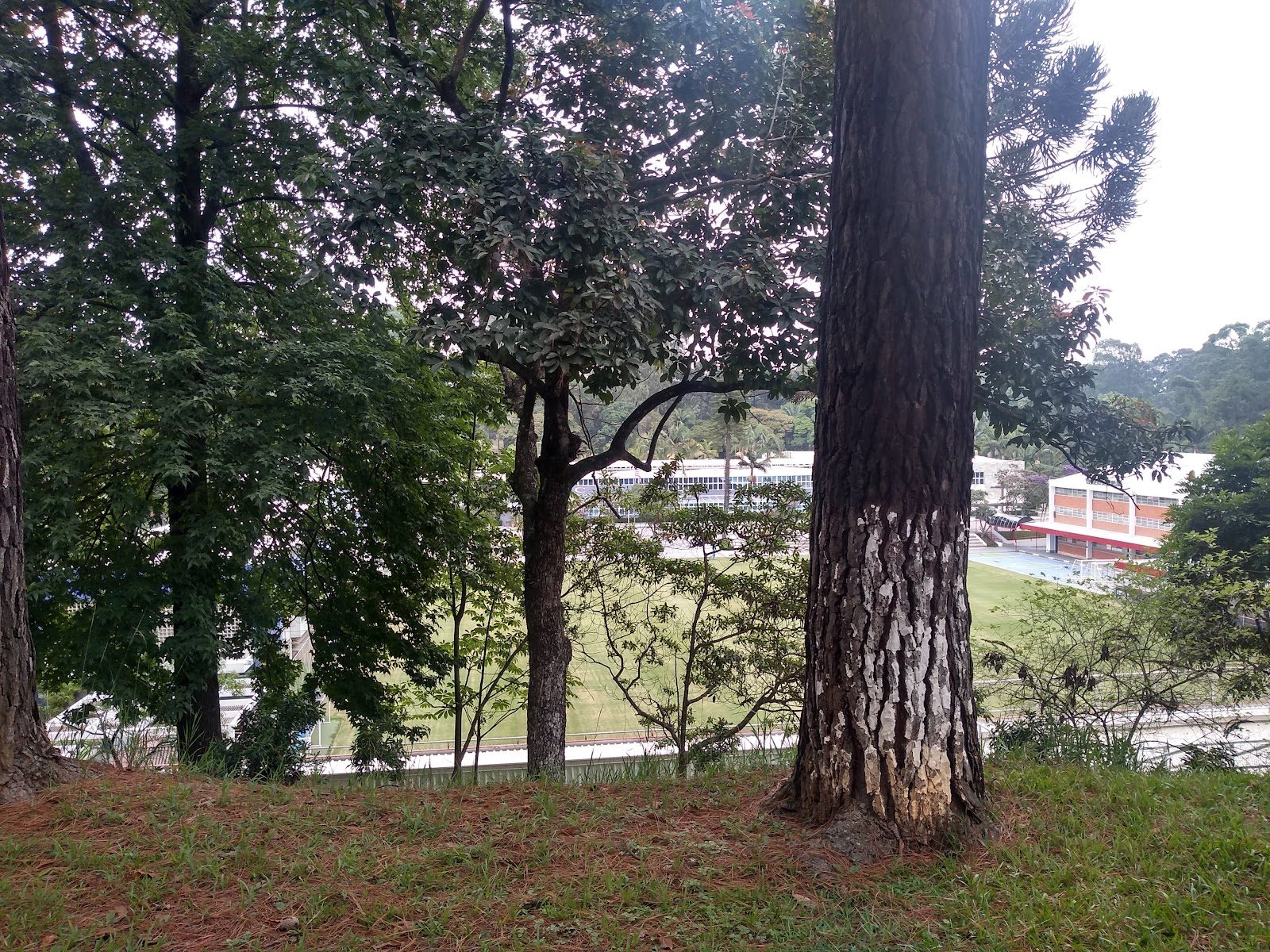
Chapel School
São Paulo · Brazil
Founded in 1947 by Oblate priests for American Catholic families, this Sao Paulo day school runs American, Brazilian and IB diplomas side by side.
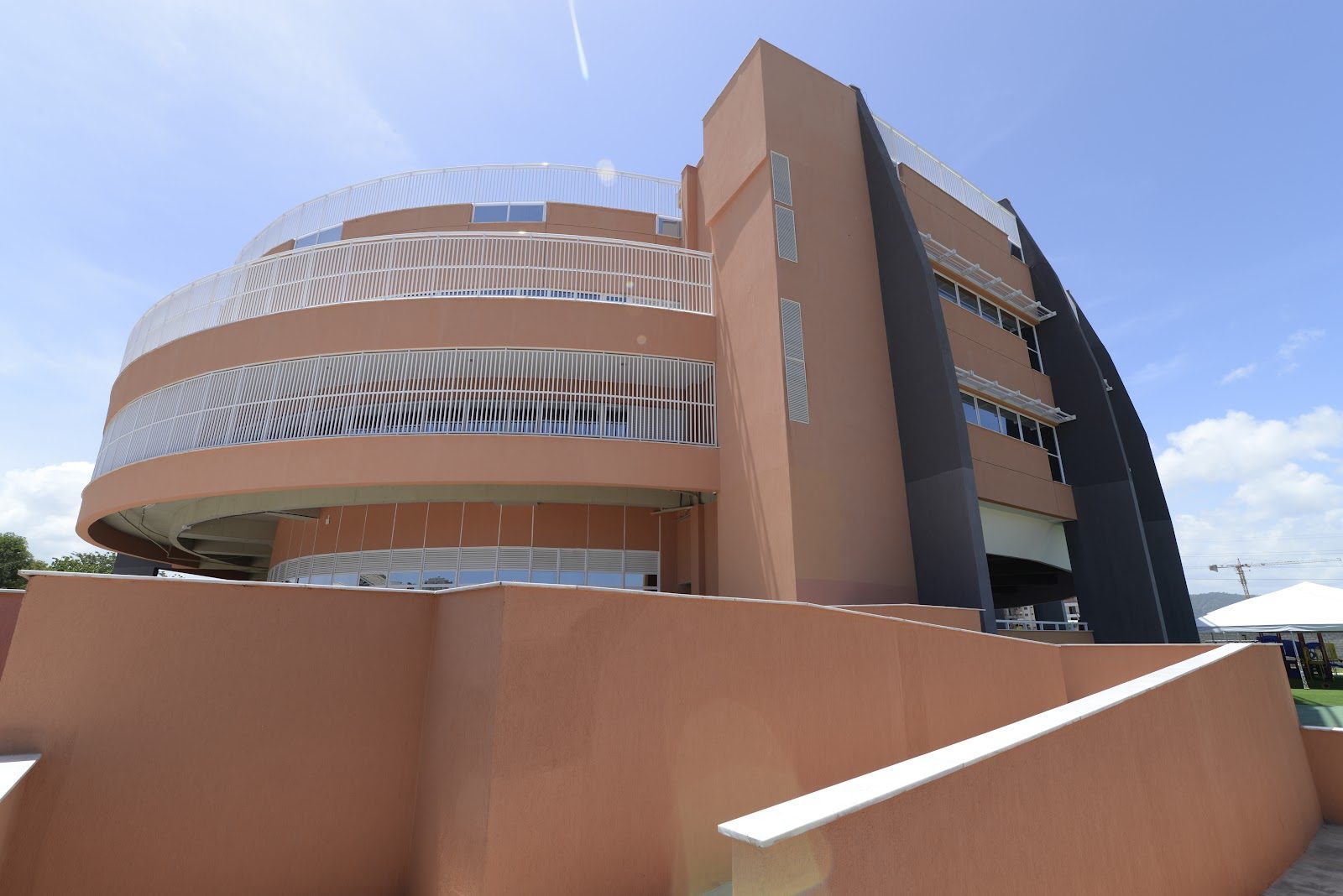
Escola Americana do Rio de Janeiro
Rio de Janeiro · Brazil
Perched at the edge of Tijuca National Forest with Christ the Redeemer in view, a 1937 campus layers IB, American and Brazilian diplomas.
Taipei European School
Taipei · Taiwan
British, French and German national curricula run in parallel here, converging on Yangmingshan into one shared IB Diploma.
Same country and curriculum — closest matches within ±10 points either way