
Western Cape
Paul Roos Gimnasium
Beside the Eerste River, a rugby dynasty that has produced more Springboks than any other school meets rigorous IEB scholarship.
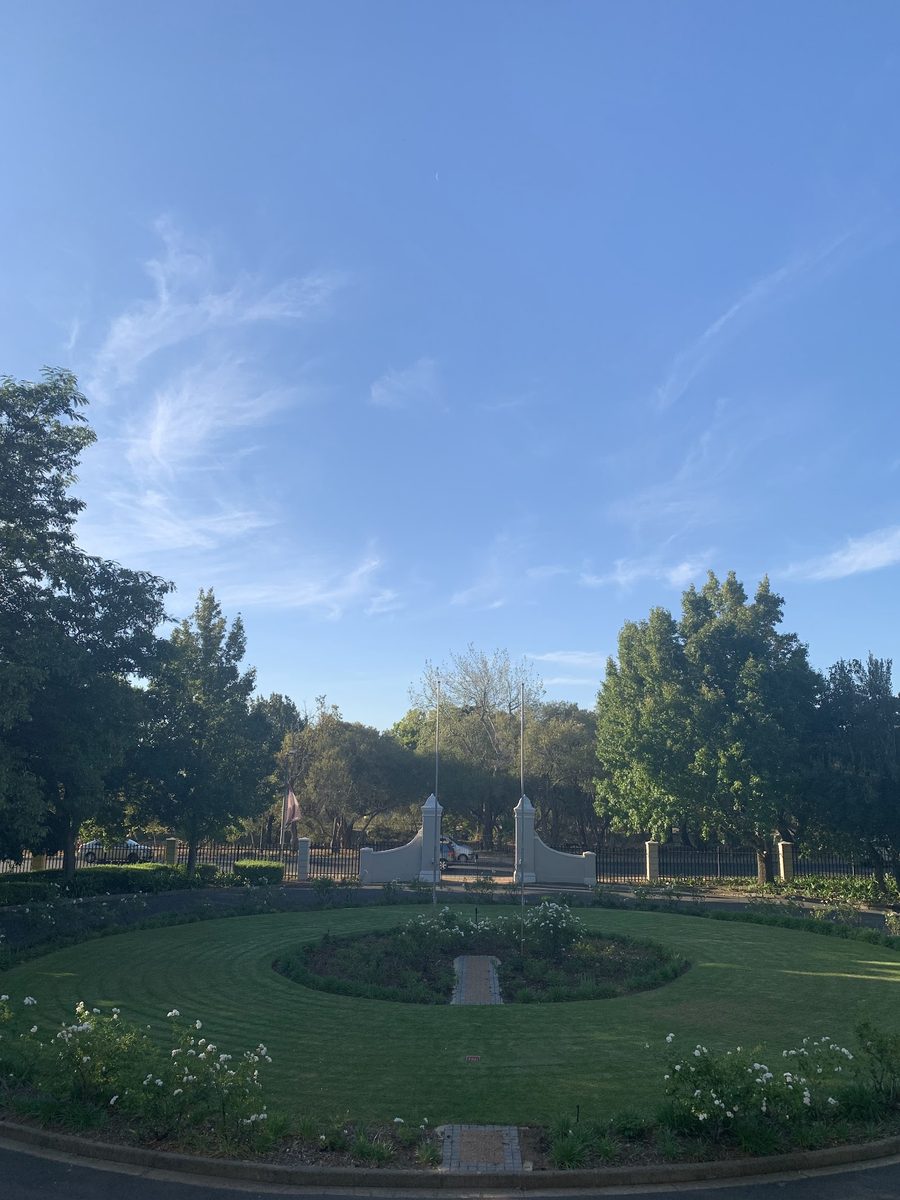
Photo © Ben Du Toit via Google Maps
Type
Day + Boarding
Ages
13–18
Curriculum
IEB · NSC
Qualifications
NSC · IEB
Ratio
—
The Verdict
Editor's commitment
Right for
Boys aged 13–18 who want IEB and NSC academics in English and Afrikaans, with serious sport on a Stellenbosch campus.
Wrong for
Families wanting a co-educational or religious school; Paul Roos is non-religious, boys-only, and its public identity revolves around competition.
Watch out for
Founded in 1866 and ISASA-accredited, with day and boarding, it shares amenities with Stellenbosch University; that scale brings energy, not intimacy.
Ranking breakdown
Paul Roos Gimnasium · #761 of 1591
Composite score 57.4. 8 weighted criteria.
By criterion
Academic Outcomes
Weight 20%
#902
of 1529 scored
University Placement
Weight 16%
#1164
of 1529 scored
Prestige & Heritage
Weight 12%
#212
of 1571 scored
Alumni Network
Weight 12%
#1468
of 1530 scored
Facilities
Weight 12%
#1054
of 1533 scored
Transparency & Communications
Weight 8%
#938
of 1532 scored
Peer & Industry Review
Weight 10%
#19
of 1548 scored
Admissions Selectivity & Demand
Weight 8%
#1232
of 1529 scored
Peer & Industry Review
How Paul Roos Gimnasium is regarded in the sector
85
Strong · medium confidence
Paul Roos Gimnasium is regarded, within South Africa's network of historic Afrikaans-medium public schools, as a benchmark alongside Grey College, Affies and Monument, particularly in the annual school-rugby press coverage carried by Rapport, Netwerk24 and Die Burger, which regularly ranks it among the country's leading rugby-producing schools (alumni include Springboks Eben Etzebeth, Francois Louw and Frans Malherbe). Its Stellenbosch location gives it a strong informal feeder relationship with Stellenbosch University, whose sport and academic faculties draw heavily on local schools including Paul Roos, though no university admissions office has publicly quantified this pipeline. Because it is a fee-paying public (former Model C) school rather than an independent one, it falls outside the coverage universe of WhichSchoolAdvisor and the Good Schools Guide, which focus on private and international schools; its reputation is instead built through Western Cape matric league tables and Afrikaans-language press rather than global independent-school review platforms. Overall regard is strong nationally and rugby-specific, but international peer-conference or league-table visibility is limited.
Award

Elite Sport 80
World's Top School · The Global Ranking
Paul Roos Gimnasium is featured on our Global Top 80 ranking at #14. This seal is available for the school's marketing team to use on their website, prospectus and social channels.
- Danie Craven — Rugby administrator/player, Sports
- Dawie de Villiers — Former Minister of Foreign Affairs, Politics
- Eben Etzebeth — Professional rugby player, Sports
Editors' overview
Paul Roos Gimnasium occupies a rare place in the South African market: a historic boys’ school founded in 1866, academically anchored in the IEB and NSC, and culturally defined by sport without being reduced to it. The setting matters. The school sits beside the Eerste River, a step from Stellenbosch University, and shares amenities with the university. It also offers some subjects in conjunction with Bloemhof and Rhenish, which gives pupils access to a broader academic menu than many single-sex schools can manage alone. Instruction runs in English and Afrikaans, and the school states that all activities function in a fully bilingual way. That makes Paul Roos a serious option for families who want a school with institutional weight, old-school discipline and genuine academic breadth, not a heritage brand trading on nostalgia.
What sets Paul Roos apart is the force of its sporting culture combined with a busy, public record of performance across other fields. Rugby drives the school’s reputation, and no parent considering Paul Roos should pretend otherwise: this is one of South Africa’s rugby citadels. Yet the school’s own news flow also records wins in hockey, golf, tennis, debating, public speaking, choir and theatre. The message is clear. Paul Roos rewards boys who want a full programme and can handle a campus where competition is normal, visible and relentless. The school’s day and boarding structure, its boys-only environment, and its ties to Stellenbosch give it tribal loyalty, competitive seriousness and a strong sense of continuity from one generation to the next. For the right family, that is a major draw. For others, it is a warning label.
This school belongs on a shortlist for parents seeking a high-functioning, high-expectation boys’ school with national stature, bilingual delivery and a proven co-curricular engine. It does not suit every child. Paul Roos suits boys aged 13–18 who enjoy structure, cope well with comparison, and want to test themselves in a setting where performance carries social value. It suits ambitious sportsmen, certainly, but also boys who will use the scale of the institution well: the debater, the musician, the actor, the student who wants access to a wider subject range through cross-school cooperation. A boy who wants constant stretch, visible standards and a school identity bigger than himself will thrive here. A boy who needs a softer, quieter culture will not.
An Elite Sport 80 school
Paul Roos Gymnasium in Stellenbosch is one of South Africa's great rugby schools and sits at rank fourteen on the Elite Sport 80 because its Springbok pipeline has been sustained at world-class density for a full century. Over the past decade alone, roughly fifteen alumni have appeared in Springbok squads, and the school's 1st XV is a fixture at every South African schoolboy rugby final. Cricket, athletics and hockey round out an unusually strong all-round sport department.
The specialism is rugby union, delivered with a level of professional infrastructure that would embarrass many senior clubs: full-time coaching, in-house strength-and-conditioning, video analysis and a match schedule that is effectively a mini professional season. Cricket has produced a steady stream of Proteas contracted players, and athletics has fed the SA national junior squads for decades.
Notable alumni across sport include Jean de Villiers, Schalk Burger, Duane Vermeulen, Frans Malherbe, Herschel Jantjies and Pieter-Steph du Toit (a World Rugby Player of the Year) among many others. Sport is folded into an academic culture that has also produced Nobel prize winners and heads of state — a genuinely rare combination.
International openness is genuine but managed. Paul Roos admits pupils from Namibia, Zimbabwe, the UK, Europe and the Americas, and operates a substantial boarding house on site. Fees are very modest by international-boarding standards — the school is a public gymnasium — sitting around ZAR 100,000-130,000 per year including boarding, which makes it one of the very best-value elite-sport pathways in the world. Overseas admissions go through a standard application plus a rugby or cricket trial, and the residency permit process for South Africa is straightforward. Language of instruction is Afrikaans and English (dual medium), and pupils are expected to acquire functional Afrikaans over their first year. For a family targeting a Springbok trajectory this is one of two or three most efficient schools on earth.
Academic Performance
Paul Roos gives parents less public exam data than the strongest academic schools in its bracket. We have not seen aggregate NSC or IEB outcomes, no subject-by-subject breakdowns, no distribution of bachelor passes, and no published run of distinctions. That matters. In a market where serious schools use results to prove academic weight, this level of opacity weakens direct comparison. The school’s academic case therefore rests less on disclosed external exam numbers and more on structural advantages: access to a wider subject menu through collaboration with neighbouring girls’ schools, proximity to Stellenbosch University, and an institutional culture that prizes high performance across the board. Those are real strengths, but they are not exam statistics.
Relative to peers, Paul Roos sits in an unusual category: a school with unmistakable national stature and a hard-driving culture, yet without the public results reporting that top academic competitors use to settle the argument. The public record on the school site shows boys winning in debating, public speaking and other intellectually demanding fields, which supports the view that this is not a one-code sports factory. Even so, parents who rank academics first and want forensic evidence should ask for the last 3 years of NSC and IEB outcomes, bachelor-pass rates, top subject scores and distinction counts before treating Paul Roos as an academic equal of South Africa’s most results-transparent boys’ schools.
Facilities
The key facility advantage here is not architectural glamour but access. Paul Roos sits next to Stellenbosch University and the school states that amenities, from sport to internet facilities, are shared with the university. That is a serious asset. At peer boys’ schools, parents often get strong in-house sports provision but a narrower academic and technical ecosystem. Here, university adjacency expands what the campus can functionally offer without the school needing to build every specialist resource itself. The same applies to subject access through cooperation with sister schools. For a single-sex school, that matters: it can widen the timetable in ways many rivals cannot. Families looking for flashy capital projects or a resort-style campus pitch will not find that emphasis here. The facilities story is more institutionally embedded and more practical than decorative.
Sport infrastructure still sits at the centre of the offer. The school’s public record shows sustained activity and success across rugby, hockey, golf, tennis and even underwater hockey, which points to broad usable provision rather than one prestige field kept immaculate while the rest lag. Against peers, that breadth places Paul Roos in the serious top tier of South African boys’ schools for athletic infrastructure and programme depth. Boarding adds another layer of intensity to campus life, though the school does not publish much granular detail about house amenities or pastoral spaces. That gap matters. Parents can infer a lot from the output; they should still ask to see the boarding environment, strength and conditioning spaces, music and theatre venues, and the standard of everyday classrooms before treating the facilities as fully proven.
Against peers, that breadth places Paul Roos in the serious top tier of South African boys’ schools for athletic infrastructure and programme depth
Prestige
Paul Roos carries real national prestige. In South Africa, that prestige rests first on the old-boy hierarchy of established boys’ schools, and Paul Roos sits securely inside it. The school’s name has reach well beyond the Western Cape because the rugby tradition is not decorative; it is central, durable and widely recognised. The editorial tagline’s claim matters here: more Springboks than any other school is not a minor brag but a marker of deep cultural status. Add the school’s long-standing relationship with Stellenbosch and its proximity to the university, and you get a school with institutional heft, social visibility and a powerful local network. For families who value standing, identity and access to a serious alumni culture, Paul Roos delivers.
That prestige is not confined to one field, but sport drives the public image. The school’s own record of recent wins in hockey, golf, tennis, debating, choral music and theatre strengthens the case that this is a high-status all-rounder, not a single-code machine. Still, prestige here has a specific flavour: masculine, competitive, tradition-bound. It is strongest for families who admire elite boys’ schooling in its South African form and want a school whose badge carries instant recognition. I rate it highly because the name commands attention, the co-curricular record is broad, and the school occupies a rarefied place in the country’s school culture. I do not rate it at the absolute top for academic prestige alone, because the school does not publish the level of exam evidence that settles that part of the argument.
The school sits beside the Eerste River, a step from Stellenbosch University, and shares amenities with the university
Communications
Paul Roos communicates with parents in a steady, high-volume stream, but not in a polished, parent-first way. The website functions as the main public channel and carries a constant run of notices, fixtures, results, assembly files, PDFs and achievement updates. Parents do not struggle for activity. They get dates, transport and event information, sports schedules, competition outcomes and regular signs of what boys are doing across the term. The school also publishes its annual magazine and year programme, which adds institutional continuity and useful reference points. There is no shortage of output. There is, however, a difference between volume and clarity. Much of the communication reads as internal bulletin traffic for families already fluent in the school’s rhythms, codes and abbreviations. For current parents inside the culture, that works. For outsiders or newly arrived families, it is less forgiving.
What lifts the communication above the mediocre tier is frequency and breadth. The school records everything from hockey and golf to debating, choir and theatre, which tells parents that the institution does not go silent outside rugby. The bilingual format also matters: the site states that school activities operate in that way, and the website follows suit. That widens access across the parent body. Still, the communication style is functional rather than elegant. Key information sits among celebratory notices, downloadable files and school-specific shorthand, so parents need to track details actively. My verdict: effective for engaged families, hard-driving in tempo, and not especially hand-holding.
Uniqueness
What makes Paul Roos distinct is the way it fuses three things that rarely sit together this tightly: a tribal boys’-school identity, direct access to a university environment, and a timetable that reaches beyond the limits of a single-sex campus by teaching some subjects with 2 neighbouring girls’ schools. That combination gives pupils a wider academic and social field without dissolving the school’s own character. The result is not a closed fortress but a high-pressure ecosystem with more outlets than the stereotype allows. Boys get the intensity, loyalty and internal standards of a historic all-boys institution, while still operating at the edge of a larger educational network.
For students, that brings concrete advantages. A boy with range does not have to choose between scholarship and school identity; he can stay inside a deeply competitive culture while accessing broader subject options, shared amenities and a public-facing programme that rewards performance in many forms. The bilingual operating model also sets the school apart in a country where language still shapes belonging and confidence. Here, that dual-medium structure is not cosmetic; it expands who can thrive and how boys move through the school’s academic and social life. The payoff is a pupil body trained to handle scrutiny, rivalry and expectation from an early stage. For the right student, that produces unusual resilience, institutional confidence and a strong sense that standards matter every day.
Instruction runs in English and Afrikaans, and the school states that all activities function in a fully bilingual way
Student Profile
The boy who thrives at Paul Roos wants to belong to something bigger than himself and can tolerate the price that comes with that. This is a strong fit for students who enjoy visible standards, take competition personally and do not wilt when peers are faster, louder or more decorated. Sport matters here inescapably, and boys who resent that hierarchy will feel the pressure quickly. That does not make Paul Roos a school only for rugby types. The public record shows success across hockey, golf, tennis, debating, public speaking, choir and theatre, so the better description is a school for boys who want a demanding arena and are ready to be measured in it. A self-motivated all-rounder, a disciplined boarder, and an ambitious day pupil can all do well; the common requirement is appetite for pace and scrutiny.
The less suitable student is easy to identify. A boy who needs anonymity, low social comparison or gentle handling will find the culture abrasive. The rituals of belonging, the brotherhood language around the younger intake, and the steady stream of fixtures and achievements all point to a school with a tribal pulse. That attracts families who value loyalty, structure and institutional pride. It repels families who want looseness, informality or a more emotionally cushioned atmosphere. Entry starts at Grade 8, and by the final years the expectation is plain: pull your weight, represent the school properly, and cope with a campus where performance is public. Paul Roos suits hard-driving boys with stamina. It does not suit the thin-skinned.
What sets Paul Roos apart is the force of its sporting culture combined with a busy, public record of performance across other fields
Co-curricular strengths
Arts & sport, on a separate axis
Overall 8.12/10
Scored 0-10 from the school's own published evidence. This axis is editorial-only — it does not feed the main WTS ranking.
Strengths
- +Paul Roos Gymnasium has produced more Springbok rugby players than any other school in the country, with a record 56 capped players, underscoring an exceptional depth of sporting pathway for rugby-focused boys.
- +Matric results have remained strong in recent years, with matriculation pass rates consistently above 98%, with 99.6% in 2024 among 231 candidates, many achieving distinctions and university exemptions.
- +The alumni roll includes prime ministers J.B.M. Hertzog and D.F. Malan, and too many Springboks to mention, plus Dr Leon Schreiber, South Africa's Minister of Home Affairs, giving the school a long record of producing national figures.
- +The campus sits adjacent to Stellenbosch University, and this school is only a step away from the University of Stellenbosch and a variety of amenities, from sport to internet facilities, is shared with this institution, easing progression to tertiary study locally.
- +As a public institution, Paul Roos Gimnasium has minimal fees; contact the school directly for the current fee structure, making core tuition markedly cheaper than comparable private boarding schools, though boarding costs are separate.
Considerations
- −It is a single-sex boys' school within a leading public dual-medium high school for boys setup, so it will not suit families wanting co-education.
- −The school's identity is heavily bound up with exceptional rugby tradition, and boys with little interest in sport, especially rugby, may find the culture intense or unwelcoming.
- −As a dual-medium school, some teaching and school life takes place in Afrikaans, which can be an adjustment for English-only or non-Afrikaans-speaking expat families.
- −Published fee and cost information is limited online; as a public school it has minimal fees, and families must contact the school directly for the current fee structure, complicating budgeting for relocating families.
Availability
Primary entry gate & tests
Internal Assessment (Boys)
Gallery
Photo © Craig Shalekoff via Google Maps
Photo © george schweitzer via Google Maps
Photo © Robbie Taylor via Google Maps
Photo © Michael Edward Manning via Google Maps
Photo © Michael Edward Manning via Google Maps
Photo © Michael Edward Manning via Google Maps
Photo © Michael Edward Manning via Google Maps
Parent reviews
Have you sent your child here?
Voice reviews carry the strongest trust badge — we transcribe them for you to tidy up before they go live. Prefer to type? A written review is fine too.
Add your voice
In 60 seconds, tell other parents: what's the best thing about Paul Roos Gimnasium, and what surprised you when your child joined?
We ask for a Google sign-in so every review has a real face behind it — no anonymous drive-by attacks on schools, and no faked positive reviews. Your email is never shown publicly.
Send this profile to a friend
International parents rely on word-of-mouth. Share this review with someone weighing the same decision.
Schools with places
Similar schools to Paul Roos Gimnasium with places available now.
Availability first, then country, area, curriculum, price, co-curricular
Consider also
Also worth looking at alongside Paul Roos Gimnasium.
Glenwood High School
Durban · South Africa
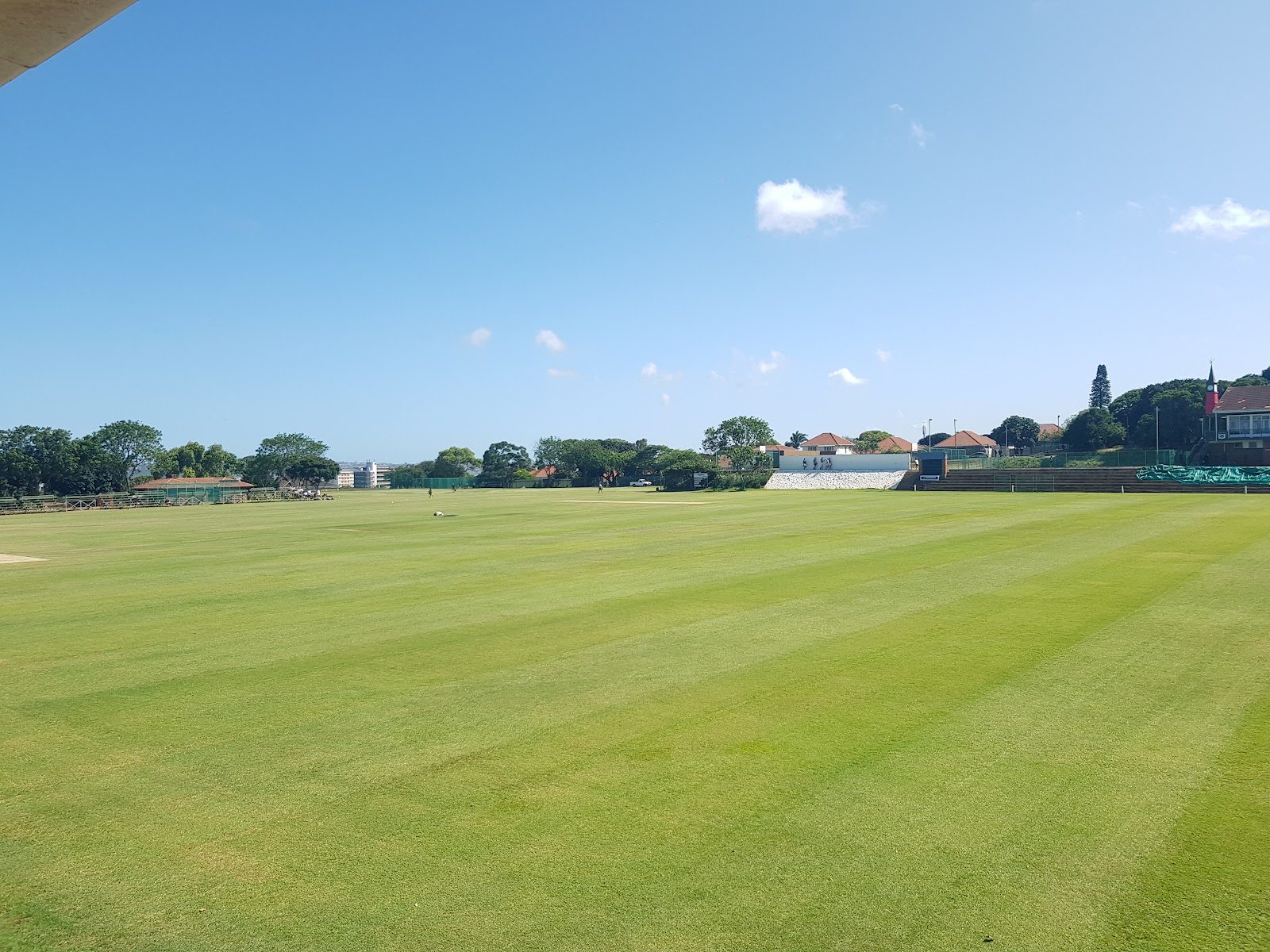
A century-old Durban boys' school where sport is prized as 'the other half' of an education, not an afterthought
South African College Schools (SACS)
Newlands, Cape Town · South Africa
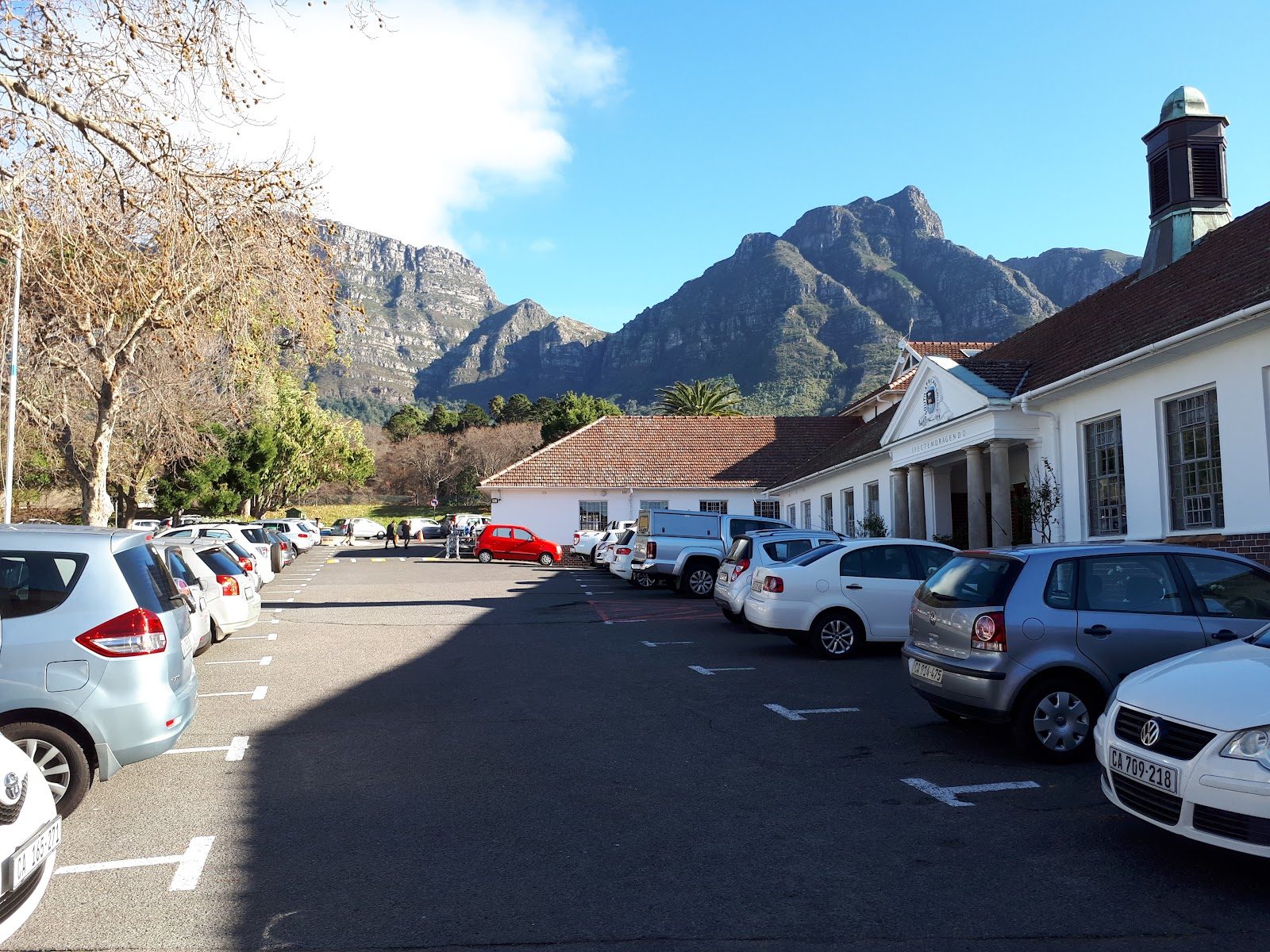
Founded in 1829 beneath Devil's Peak, the Cape Town institution whose academic wing became the University of Cape Town.
Maritzburg College
Pietermaritzburg · South Africa
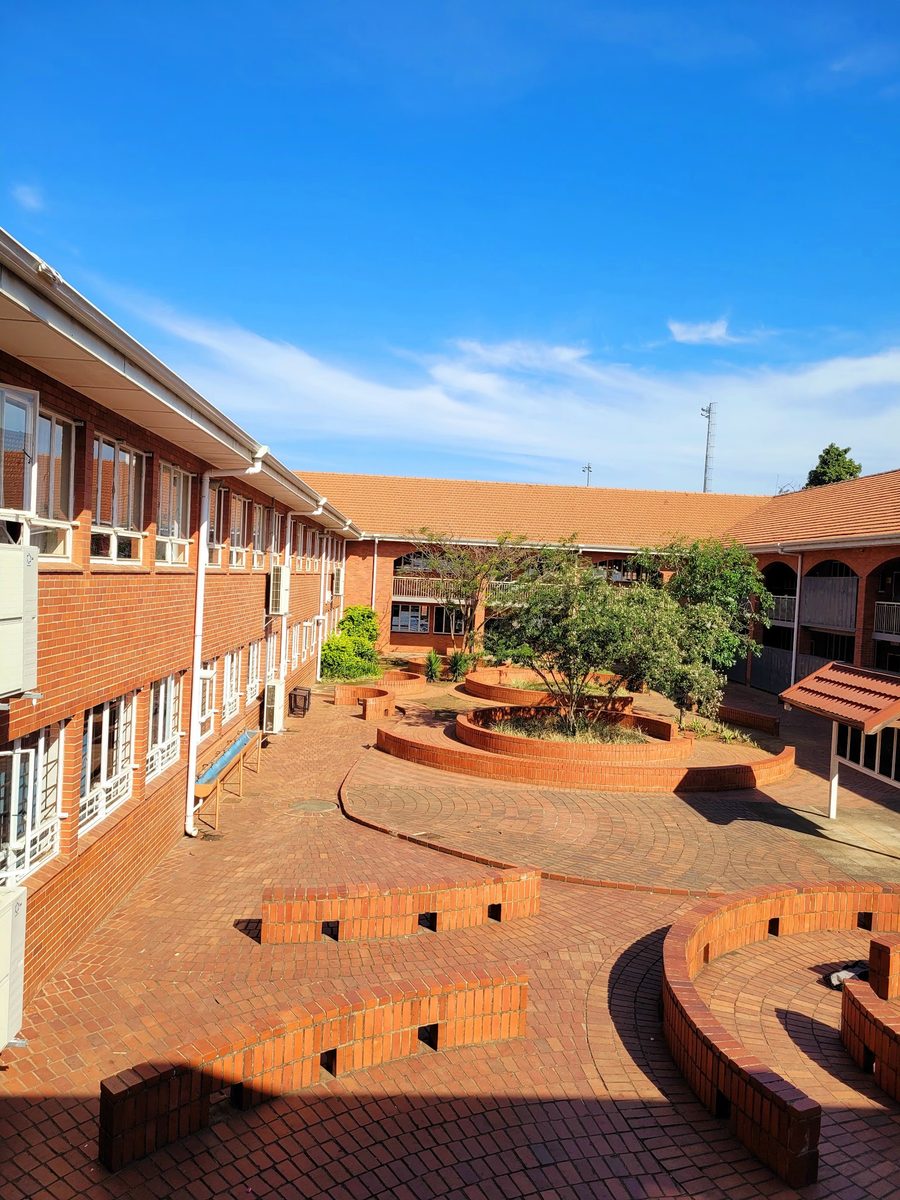
Since 1863, KwaZulu-Natal's oldest boys' school has turned Victorian-era tradition into a rugby pedigree few provincial rivals can match.
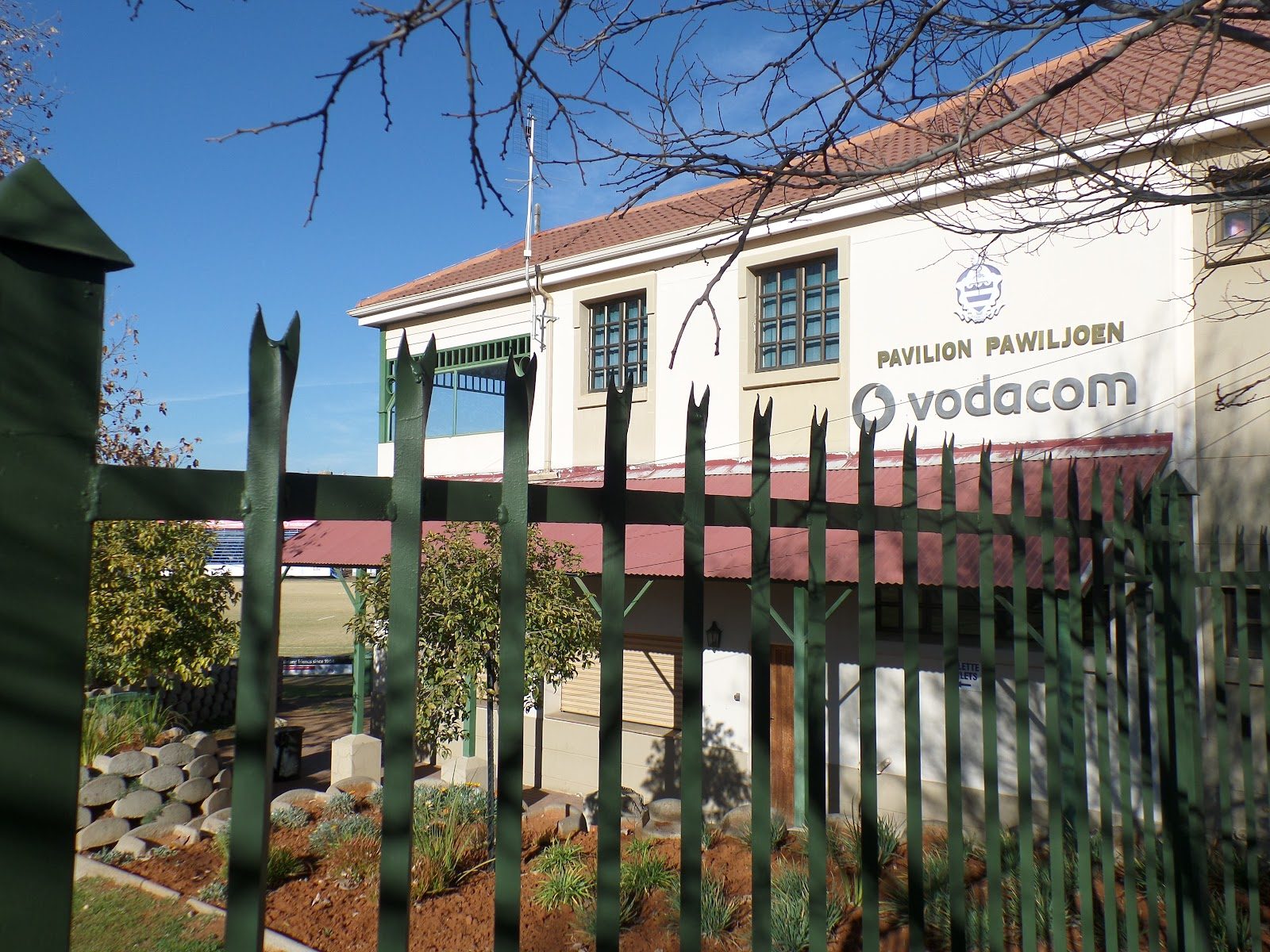
Grey College Bloemfontein
Bloemfontein · South Africa
Since 1855, this parallel-medium Free State boarding school has produced more Springboks than any other in South Africa.
Same specialism, country and curriculum — closest matches within ±10 points either way