
São Paulo
Chapel School
high confidence· 5/6 cats · 3.18 avg sourcesFounded in 1947 by Oblate priests for American Catholic families, this Sao Paulo day school runs American, Brazilian and IB diplomas side by side.
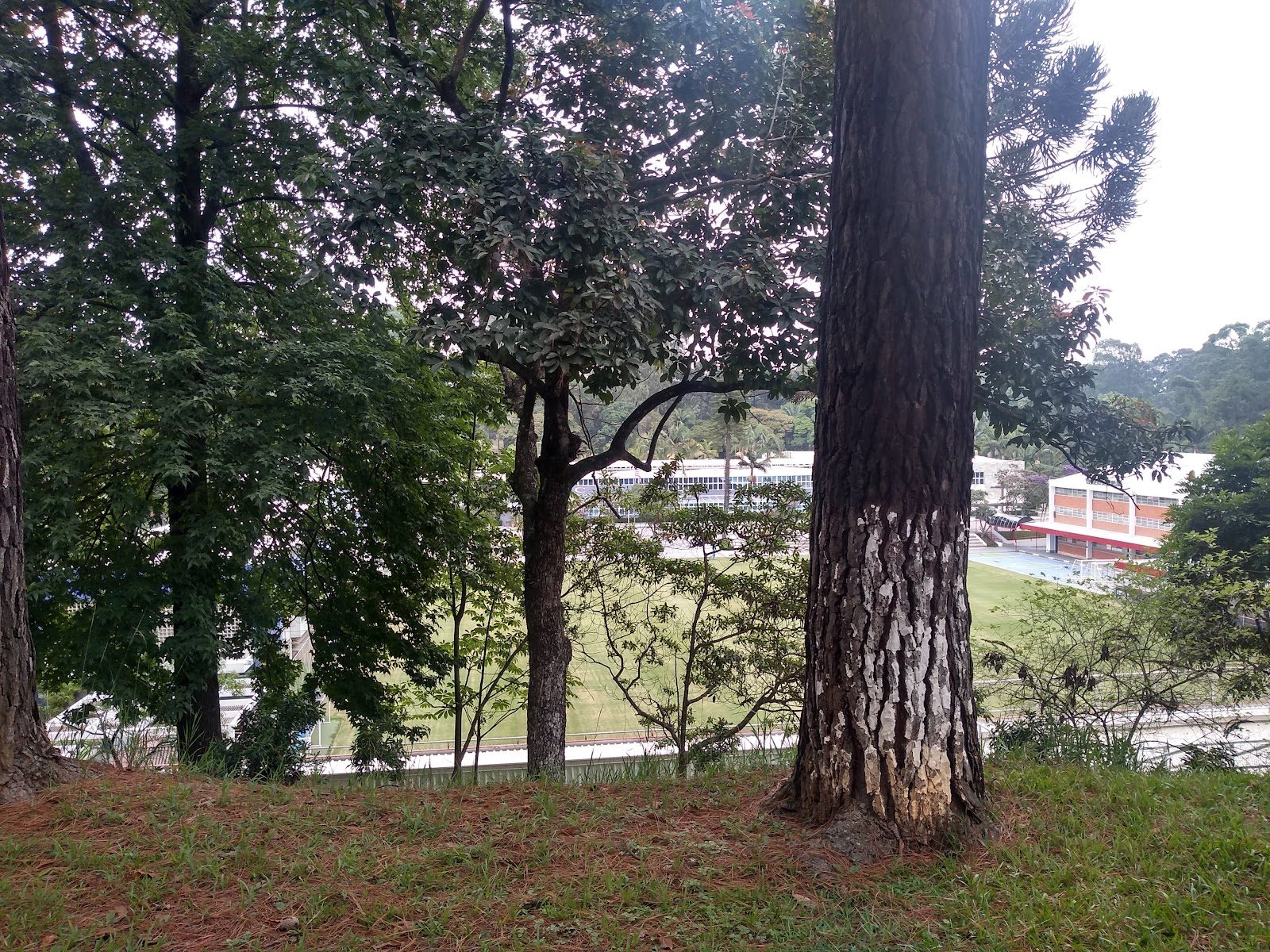
Photo © Geovanni Junior via Google Maps
Type
Day
Ages
3–18
Curriculum
American
Qualifications
AP · US High School Diploma
Ratio
—
The Verdict
Editor's commitment
Right for
São Paulo families wanting one school from ages 3–18 with American, Brazilian and IB diplomas under CIS and NEASC accreditation.
Wrong for
Families who want boarding, a confessional Catholic school, or a university pipeline deeper than one place each at PUC Argentina and Universidad Austral.
Watch out for
Founded in 1947, Chapel sells breadth; the published destinations list is thin, and day-only schooling limits appeal beyond São Paulo.
Ranking breakdown
Chapel School · #1007 of 1591
Composite score 62.7. 8 weighted criteria.
By criterion
Academic Outcomes
Weight 20%
#1002
of 1529 scored
University Placement
Weight 16%
#1015
of 1529 scored
Prestige & Heritage
Weight 12%
#977
of 1529 scored
Alumni Network
Weight 12%
#825
of 1529 scored
Facilities
Weight 12%
#1013
of 1529 scored
Transparency & Communications
Weight 8%
#995
of 1529 scored
Peer & Industry Review
Weight 10%
#883
of 1529 scored
Admissions Selectivity & Demand
Weight 8%
#760
of 1529 scored
Score history
Chapel School · 2026
Movement across 2024–2026. Peer average overlaid.
Overall — 2024–2026
62.7/ 100
▲ +9.3 vs 2025
year on year
Peer & Industry Review
How Chapel School is regarded in the sector
66
Respected · medium confidence
I could not verify at least two independent third-party sources (e.g., Tatler, Good Schools Guide, specialist press, or established expat forums) discussing Chapel School São Paulo's reputation. Without direct access to search tools to confirm current coverage, I cannot substantiate a score based solely on general knowledge, which risks relying on unverifiable or marketing-adjacent claims.
Editors' overview
Chapel School occupies a narrow and valuable niche in São Paulo: an English-medium day school with deep local roots, a long history dating to 1947, and a rare three-track senior offer spanning the American diploma, the Brazilian diploma and the IB Diploma. That combination matters. It gives internationally mobile families a clean route into overseas universities, while preserving access to Brazilian higher education for families who want to keep both doors open. In a market crowded with bilingual schools and newer international entrants, Chapel’s distinction lies in continuity, academic optionality and a clear sense of whom it serves. This is not a finishing school for status display; it is a serious K–12 institution for families who want choice without chaos.
What puts it on a shortlist is the structure. Few schools in the city can offer ages 3–18 on one campus pathway with English as the language of instruction and recognised international accreditation through 2 major bodies, CIS and NEASC. For parents, that translates into fewer compromises: children can stay in one system, then choose the leaving qualification that fits their university plans and academic profile. The school’s origins with American Catholic families still explain part of its character even though it is now non-religious: there is an old-established confidence here, a sense of institutional memory, and a community that values stability over reinvention. Families who want aggressive brand-building, glossy innovation rhetoric or a hyper-selective pressure cooker will find more conspicuous options elsewhere.
The students who fit Chapel best are academically capable, internationally minded and steady rather than theatrical. This suits children who benefit from clear academic routes, a coherent peer group and a school culture that is grounded rather than showy. It also suits Brazilian families who want English-medium schooling without abandoning local university eligibility, and expatriate families who need an American framework but do not want a transient school experience. The trade-off is straightforward: Chapel offers substance over spectacle. Parents drawn to high-drama facilities races or headline-chasing university placement lists will want more public data than the school currently puts forward. Parents who care more about educational range, institutional stability and a quietly durable model will understand its appeal quickly.
Academic Performance
Chapel does not publish the kind of external-results data that lets parents place it cleanly against São Paulo’s strongest international competitors. We have not seen aggregate IB averages, diploma pass rates, AP participation or score distributions, SAT/ACT profiles, or a university destinations list with enough scale to read as an outcomes statement rather than anecdote. That leaves an opaque academic picture at the point where many families want hard proof. The school’s three leaving routes give students flexibility, but flexibility is not the same thing as published performance. In a market where some peers put headline exam figures front and centre, Chapel’s public stance is conspicuously restrained.
That does not mean weak outcomes; it means unverified outcomes. The school’s senior structure creates multiple pathways, which can suit mixed cohorts and reduce the distortion that comes from forcing every student through one exam system. That is educationally sensible, and for many families more serious than flashy. Still, relative to peers, Chapel sits in the group that asks parents to trust institutional reputation rather than inspect a full results ledger. For some, that is acceptable. For others, especially families comparing IB performance school by school, it is a material drawback. The decisive question in admissions meetings is straightforward: ask for recent cohort-level results across all exit qualifications, not isolated success stories or selective anecdotes.
Facilities
Chapel’s facilities profile reads as functional rather than flamboyant. The school highlights dedicated spaces for science, arts, sport and early years provision, with the practical advantage of keeping a full age range on one campus rather than fragmenting children across separate sites. For parents, that matters more than brochure drama: younger pupils get purpose-built rooms, older students get specialist teaching spaces, and the day-to-day experience benefits from proximity rather than sprawl. The campus also carries the advantage of institutional maturity; schools with long-settled sites in dense urban markets tend to have facilities shaped by use, not architectural vanity. The drawback is obvious too. Chapel does not trade on the kind of arms-race infrastructure that newer premium competitors use to signal status, and families hunting for showpiece architecture or resort-style sports provision will find louder options elsewhere.
Against São Paulo peers, this places Chapel in the solid middle-to-upper band for usefulness, but not the front rank for spectacle. What counts here is whether the laboratories are fit for serious secondary work, whether performance and visual arts spaces support real production rather than token enrichment, and whether sport provision sustains a full school week without chronic scheduling strain. Chapel clears that bar from its public presentation. It does not clear the bar for facility-led prestige. The school gives the impression of a campus built to serve teaching first and image second — sensible, serviceable and credible, without the luxury-campus theatre that defines the city’s most aggressively marketed rivals.
Its second distinctive feature is cultural rather than curricular
Prestige
Chapel carries real local standing, but not the kind of prestige that travels instantly across global admissions markets. Its reputation rests on durability, a well-defined expatriate-and-Brazilian niche, and the practical value of running 3 senior leaving routes under one roof. In São Paulo, that counts for a great deal: parents know the school has been part of the city’s international education fabric for decades, and that continuity matters more than branding theatre. The prestige here is earned rather than manufactured. It comes from institutional steadiness, a coherent identity and a model that serves families with cross-border ambitions without forcing them into a single academic path.
That said, Chapel does not operate in the top prestige tier occupied by schools with louder university placement records, more aggressive public positioning and a stronger international name beyond Brazil. Its public profile is restrained to a fault. The school does not publish the hard outcomes data that would convert respect into full market authority, and that limits how far its reputation can stretch with hard-nosed comparison shoppers. So the rating sits in the upper-middle band: serious, established, credible, but not a status symbol and not a school whose name alone closes the argument. For many families, that is a strength. Chapel attracts parents who value substance, continuity and academic options over social display.
This is not a finishing school for status display; it is a serious K–12 institution for families who want choice without chaos
Communications
Chapel’s parent communication is orderly, service-minded and low on spin. The public-facing side does the basics well: admissions routes are clear, key contacts are easy to find, and the school explains day-to-day operations without drowning parents in slogans. That matters more than glossy branding. Families choosing between multiple senior pathways need plain instruction, fast answers and documents that do not require translation from marketing into reality. Chapel gives that impression. Its website also carries the marks of an established institution rather than a growth-stage operator chasing attention: the tone is steady, the navigation is functional, and the school does not bury practical information beneath image-heavy theatre. For many parents, that reads as competent rather than performative.
The limit is depth. Chapel does not use its communications to publish the kind of hard academic and destination data that sharp comparison-shopping parents expect. That weakens confidence at the exact point where communication needs to do more than reassure. A school running 3 senior exit routes needs to explain outcomes with precision; Chapel explains structure better than proof. We have also not seen a strong public habit of putting headline evidence, cohort statistics or broad performance summaries in front of families. So the verdict is mixed but clear: operational communication looks disciplined and usable, strategic communication is too guarded, and parents doing serious due diligence will need to press for detail rather than wait for the school to volunteer it.
Uniqueness
Chapel’s real point of difference is not novelty; it is structural usefulness. Very few schools in this market run 3 recognised leaving routes inside one institution and do it without turning the upper years into a fragmented menu of parallel mini-schools. That matters because families do not all need the same exit. Some want overseas portability; some need local university eligibility; some want to keep both in play until late in secondary. Chapel gives students that room to manoeuvre inside one settled community, with less disruption and fewer forced transfers than families face when a school’s senior offer narrows too early. The benefit to students is practical academic agency: a stronger chance of landing in the pathway that fits their profile, rather than contorting themselves to fit the school’s single preferred route.
Its second distinctive feature is cultural rather than curricular. Chapel serves a specific, durable constituency: internationally minded families who want an American-style education but do not want the social churn, branding noise or transient feel that marks parts of the expatriate market. That creates a student experience with more continuity, less theatre. Children grow up in a school that has a clear sense of itself, and that steadiness has value. It supports friendships that last, parent communities that know the school well, and older students who can make consequential academic choices without a surrounding culture of performative prestige. For the right child, that is a serious advantage.
Families who want aggressive brand-building, glossy innovation rhetoric or a hyper-selective pressure cooker will find more conspicuous options elsewhere
Student Profile
The children who do best at Chapel are the ones who value steadiness over display. This is a strong fit for families who want a school community with low social theatre, a predictable academic culture and peers who take school seriously without turning every assessment into a blood sport. Students who need constant novelty, high-volume rah-rah spirit or a campus culture built around status signalling will find the atmosphere too restrained. Chapel suits internationally minded pupils who want options kept open into the senior years, and Brazilian families who want an outward-facing education without cutting ties to the local system. The fact that the school sends graduates to only 3 named recent destinations in its published list also tells its own story: this is not a place trading on a giant public outcomes machine or a headline-chasing university brand narrative.
Socially, the best fit is a child who is comfortable in a grounded, mixed community rather than a school dominated by one narrow tribe. Chapel works well for dependable students: those who turn up ready to work, build long friendships and benefit from adults who prize order and continuity. It is less well suited to children who need a highly selective pressure-cooker, a flashy social ladder or relentless external validation. The right student here is self-possessed, adaptable and happy to make use of 3 possible end-of-school routes without treating choice itself as a performance.
The students who fit Chapel best are academically capable, internationally minded and steady rather than theatrical
Co-curricular strengths
Arts & sport, on a separate axis
Overall 7.3/10
Scored 0-10 from the school's own published evidence. This axis is editorial-only — it does not feed the main WTS ranking.
Sports
8.2/10
The extracurriculars explicitly list 'Varsity sports' but provide no further detail on teams, facilities, competitions, or programme depth.
Drama
7.5/10
'Theater productions', which goes beyond a bare listing of drama by indicating recurring staged productions.
Dance
5.5/10
Music
7.5/10
Both 'Choir' and 'Band', showing more than a bare music mention through named ensembles, but with no cited facilities, department, staff, or notable distinctions.
Visual Arts
7.8/10
The extracurriculars explicitly list 'Visual arts' but provide.
Editor first-pass · editor-reviewable · 7/27/2026
Outcomes & destinations
Where students go next
Top destinations
324 placements
- Pontificia Universidad Católica Argentina· 1
- Universidad Austral· 1
- Universidad Católica Argentina· 1
- Universidad de San Andrés· 1
- Universidad Del Salvador· 1
- Centro Universitário São Camilo· 1
- Escola Superior de Propaganda e Marketing· 1
- Faculdade Albert Einstein· 1
- Faculdade Casper Líbero· 1
- Fundação Armando Alvares Penteado· 1
- Fundação Getúlio Vargas· 1
- Ibmec· 1
- Insper· 1
- Instituto Mauá de Tecnologia· 1
- Link School of Business· 1
- Pontifícia Universidade Católica, RJ· 1
- Pontifícia Universidade Católica, SP· 1
- Universidade de Santo Amaro· 1
- Universidade de São Paulo· 1
- Universidade Federal de São Carlos· 1
- Universidade Presbiteriana Mackenzie· 1
- Carleton University· 1
- Concordia University· 1
- Dalhousie University· 1
- McGill University· 1
- Memorial University of Newfoundland· 1
- University of Alberta· 1
- University of British Columbia· 1
- University of Calgary· 1
- University of Ontario· 1
- University of Prince Edward Island· 1
- University of Saskatchewan· 1
- University of Toronto· 1
- New York University, Shanghai· 1
- The Hong Kong University of Science and Technology· 1
- Universidad de La Sabana· 1
- Universidad de los Andes· 1
- American University of Paris· 1
- EICAR· 1
- Sciences Po· 1
- University of London Institute, Paris· 1
- Cologne Business School· 1
- St. George's University· 1
- National University of Ireland Galway· 1
- Trinity College Dublin· 1
- University of College Cork· 1
- John Cabot University· 1
- Luiss University· 1
- Politecnico di Milano· 1
- Politecnico di Torino· 1
- Universitá Bocconi· 1
- Universitá Cattolica del Sacro Cuore· 1
- Universitá di Trento· 1
- HOSEI University· 1
- International Christian University· 1
- Osaka Univeristy· 1
- Sophia University· 1
- Tohoku University· 1
- WASEDA University· 1
- American University of Beirut· 1
- Lebanese American University· 1
- Queen Mary University of London, Malta· 1
- Instituto Tecnologico Monterrey· 1
- Universidad Anahuac Mexico Norte· 1
- Universidad Iberoamericana· 1
- Eindhoven University of Technology· 1
- Erasmus University Rotterdam· 1
- Leiden University· 1
- University of Amsterdam· 1
- University of Groningen· 1
- Utrecht University· 1
- Nova School of Business and Economics· 1
- NYU Abu Dhabi· 1
- Nanyang Technological University· 1
- Yale – NUS· 1
- Hanyang University· 1
- Esade Business & Law Schools· 1
- European University of Madrid· 1
- IE University· 1
- Saint Louis University, Madrid· 1
- Suffolk University, Madrid· 1
- University of Navarra· 1
- EHL Hospitality Business School· 1
- Franklin University of Switzerland· 1
- Les Roches International School of Hotel Management· 1
- Brunel University· 1
- Cambridge School of Visual and Performing Arts· 1
- Cardiff Metropolitan University· 1
- City University of London· 1
- Coventry University· 1
- Exeter University· 1
- Heriot-Watt University· 1
- Hult International Business School· 1
- Istituto Marangoni London· 1
- King's College· 1
- Kingston University· 1
- Lancaster University· 1
- London Metropolitan University· 1
- London South Bank University· 1
- Loughborough University· 1
- Newcastle University· 1
- Plymouth University· 1
- Queen Mary University of London· 1
- Regent’s College· 1
- Richmond University, The American Univ. in London· 1
- Royal Holloway, University of London· 1
- St. Mary's University, Twickenham· 1
- The University of Bradford· 1
- The University of Edinburgh· 1
- The University of Manchester· 1
- University of Bristol· 1
- University of Buckingham· 1
- University of Central Lancashire· 1
- University of Essex· 1
- University of Exeter· 1
- University of Kent· 1
- University of Leeds· 1
- University of London· 1
- City University of Nottingham· 1
- University of Plymouth· 1
- University of Portsmouth· 1
- University of Reading· 1
- University of Sheffield· 1
- University of Southampton· 1
- University of Westminster· 1
- University of York· 1
- American University· 1
- Amherst College· 1
- Arizona State University, Tempe· 1
- Augustana College· 1
- Babson College· 1
- Ball State University· 1
- Bard College· 1
- Barnard College· 1
- Bates College· 1
- Baylor University· 1
- Bentley University· 1
- Berklee College of Music· 1
- Boston College· 1
- Boston University· 1
- Bowdoin College· 1
- Bradley University· 1
- Brown University· 1
- California College of the Arts· 1
- California Polytechnic State University· 1
- California State University, Fresno· 1
- California State University, Long Beach· 1
- California State University, Pueblo· 1
- Calvin College· 1
- Case Western Reserve University· 1
- Chapman University· 1
- Clark University· 1
- Clemson University· 1
- College of the Holy Cross· 1
- College of William & Mary· 1
- Colorado Christian University· 1
- Colorado College· 1
- Colorado Mesa University· 1
- Colorado State University· 1
- Columbia College of Chicago· 1
- Concordia College· 1
- DePaul University· 1
- Drexel University· 1
- Duquesne University· 1
- Eckerd College· 1
- Elon University· 1
- Emerson College· 1
- Emory University - Oxford College· 1
- Emory University· 1
- Eugene Lang College - The New School of Liberal Arts, NY· 1
- Fashion Institute of Technology· 1
- Ferrum College· 1
- Flagler College· 1
- Florida Institute of Technology· 1
- Florida International University· 1
- Florida Southern College· 1
- Florida State University· 1
- Fordham University· 1
- Full Sail University· 1
- George Washington University· 1
- Georgetown University· 1
- Georgia Institute of Technology· 1
- Haverford College· 1
- Hawaii Pacific University· 1
- Hofstra University· 1
- Illinois Institute of Technology· 1
- Indiana Institute of Technology· 1
- Indiana University Bloomington· 1
- Iona College· 1
- Iowa State University· 1
- Johnson and Wales University· 1
- Kent State University at Kent· 1
- Kent State University· 1
- Kenyon College· 1
- Lasell College· 1
- Lehigh University· 1
- Lesley University· 1
- Louisiana State University· 1
- Loyola Marymount University· 1
- Loyola University Chicago· 1
- Loyola University New Orleans· 1
- Lubbock Christian University· 1
- Lynn University· 1
- Marist College· 1
- Marymount Manhattan College· 1
- Massachusetts College of Pharmacy and Health Sciences· 1
- Merrimack College· 1
- Miami University in Oxford· 1
- Michigan State University· 1
- Midwestern State University· 1
- Mount Ida College· 1
- Mount York University· 1
- New York School of Interior Design· 1
- Newburry College· 1
- Northeastern University· 1
- Northwestern University· 1
- Notre Dame University· 1
- Nova Southeastern University· 1
- Occidental College· 1
- Pace University· 1
- Pennsylvania State University· 1
- Pepperdine University· 1
- Pomona College· 1
- Pratt Institute· 1
- Purdue University, Fort Wayne· 1
- Purdue University· 1
- Rensselaer Polytechnic Institute· 1
- Rice University· 1
- Rochester Institute of Technology· 1
- Roger Williams University· 1
- Rollins College· 1
- Saint Peter's University· 1
- San Diego State University· 1
- Savannah College of Art & Design SCAD· 1
- School of the Art Institute of Chicago· 1
- Seattle University· 1
- Seton Hall University· 1
- Skidmore College· 1
- Smith College· 1
- St. John’s University· 1
- St. Leo University· 1
- St. Thomas University· 1
- Stetson University· 1
- Suffolk University· 1
- SUNY at Buffalo· 1
- SUNY Stony Brook University· 1
- Syracuse University· 1
- Temple University· 1
- Texas A & M University – College Station· 1
- The George Washington University· 1
- The New School – Parsons· 1
- The Ohio State University· 1
- The University of North Carolina of Chapel Hill· 1
- The University of Texas at Austin· 1
- Thomas Jefferson University· 1
- Tufts University· 1
- Tulane University· 1
- University of California, Los Angeles· 1
- University of Arizona· 1
- University of California, San Diego· 1
- University of California, Berkeley· 1
- University of California, Davis· 1
- University of California, Irvine· 1
- University of California, Riverside· 1
- University of California, Santa Barbara· 1
- University of California, Santa Cruz· 1
- University of Chicago – Illinois· 1
- University of Chicago· 1
- University of Cincinnati· 1
- University of Colorado Boulder· 1
- University of Colorado, Colorado Springs· 1
- University of Delaware· 1
- University of Denver· 1
- University of Georgia· 1
- University of Illinois - Chicago· 1
- University of Illinois- Urbana Champaign· 1
- University of Illinois Urbana, Champaign· 1
- University of Indianapolis· 1
- University of Iowa· 1
- University of Louisiana· 1
- University of Massachusetts, Amherst· 1
- University of Massachusetts, Boston· 1
- University of Miami· 1
- University of Michigan, Ann Arbor· 1
- University of Michigan· 1
- University of Minnesota - Twin Cities· 1
- University of Nebraska, Lincoln· 1
- University of Nebraska· 1
- University of Nevada - Las Vegas· 1
- University of New Hampshire· 1
- University of New Haven· 1
- University of North Carolina at Chapel Hill· 1
- University of North Carolina at Charlotte· 1
- University of North Florida· 1
- University of Notredame· 1
- University of Oregon· 1
- University of Pennsylvania· 1
- University of Pittsburgh· 1
- University of Portland· 1
- University of Redlands· 1
- University of Richmond· 1
- University of Rochester· 1
- University of San Diego· 1
- University of San Francisco· 1
- University of South Florida· 1
- University of Southern California· 1
- University of Tampa· 1
- University of Texas at Austin· 1
- University of Vermont· 1
- University of Virginia· 1
- University of Washington, Seattle· 1
- University of Washington· 1
- University of Wisconsin at Platteville· 1
- University of Wisconsin Madison· 1
- Villanova University· 1
- Virginia Polytechnic Institute and State University· 1
- Wake Forest University· 1
- Wellesley College· 1
- Wentworth Institute of Technology· 1
- Wesleyan University· 1
- Wheaton College· 1
- Whittier College· 1
- Worcester Polytechnic Institute· 1
- Yale University· 1
Reported by the school. Confirm with admissions.
Strengths
- +American curriculum offers continuity for US-bound families.
- +English instruction suits non-Portuguese-speaking expatriate families.
- +Day school avoids boarding for younger international children.
- +Christian ethos may appeal to faith-based families.
Considerations
- −Day-only model limits options for relocating boarding families.
- −English-only instruction may slow Portuguese integration locally.
- −Christian identity may not suit secular families.
Availability
Primary entry gate & tests
Academic Record
Gallery
Photo © Pascal via Google Maps
Photo © Pascal via Google Maps
Photo © Pascal via Google Maps
Photo © Pascal via Google Maps
Photo © Dennis Marques via Google Maps
Parent reviews
Have you sent your child here?
Voice reviews carry the strongest trust badge — we transcribe them for you to tidy up before they go live. Prefer to type? A written review is fine too.
Add your voice
In 60 seconds, tell other parents: what's the best thing about Chapel School, and what surprised you when your child joined?
We ask for a Google sign-in so every review has a real face behind it — no anonymous drive-by attacks on schools, and no faked positive reviews. Your email is never shown publicly.
Send this profile to a friend
International parents rely on word-of-mouth. Share this review with someone weighing the same decision.
Schools with places
Similar schools to Chapel School with places available now.
Availability first, then country, area, curriculum, price, co-curricular
Consider also
Also worth looking at alongside Chapel School.
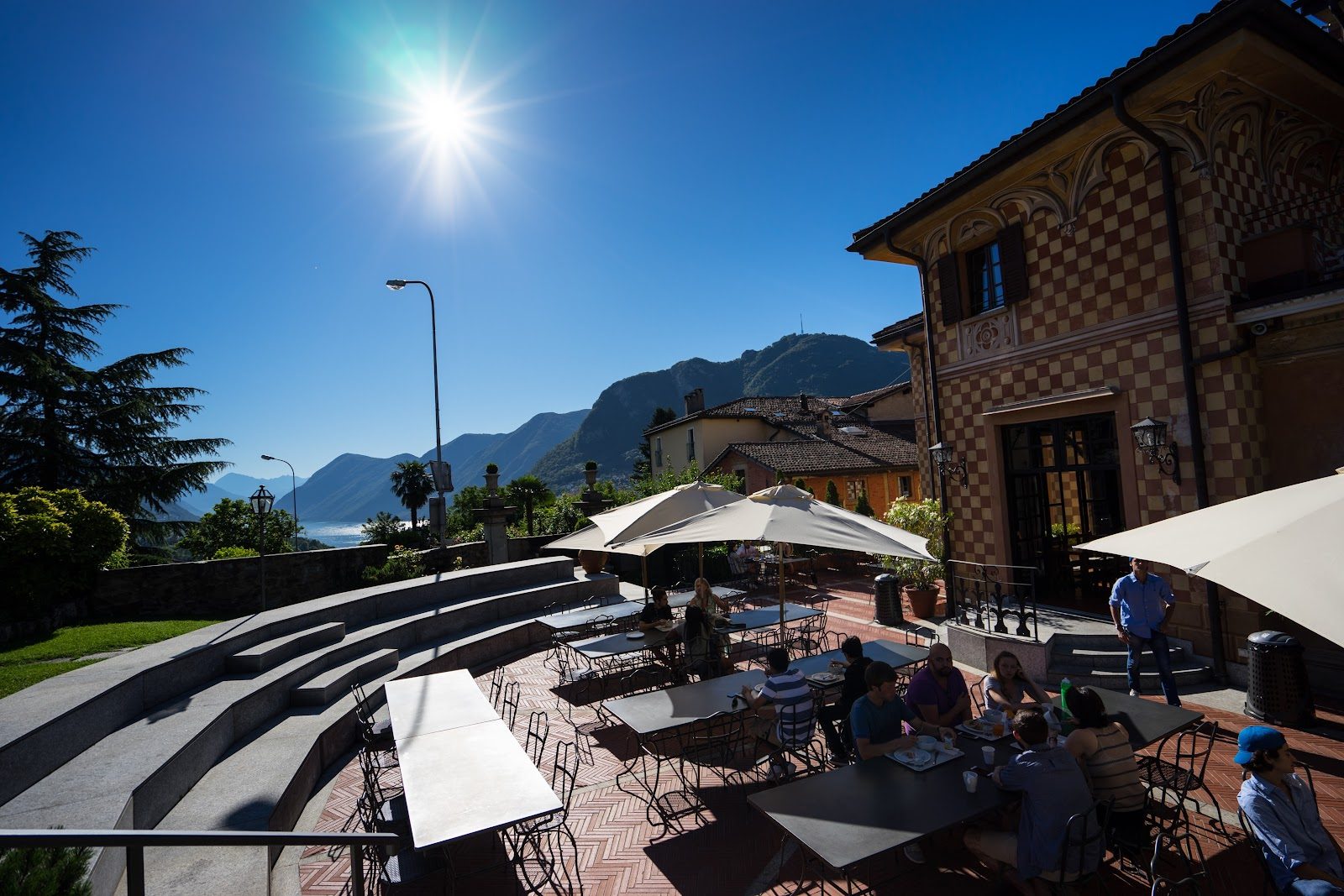
TASIS The American School in Switzerland
Montagnola · Switzerland
Founded in 1956 as Europe's first American boarding school, perched above Lake Lugano with academic travel woven into the curriculum.
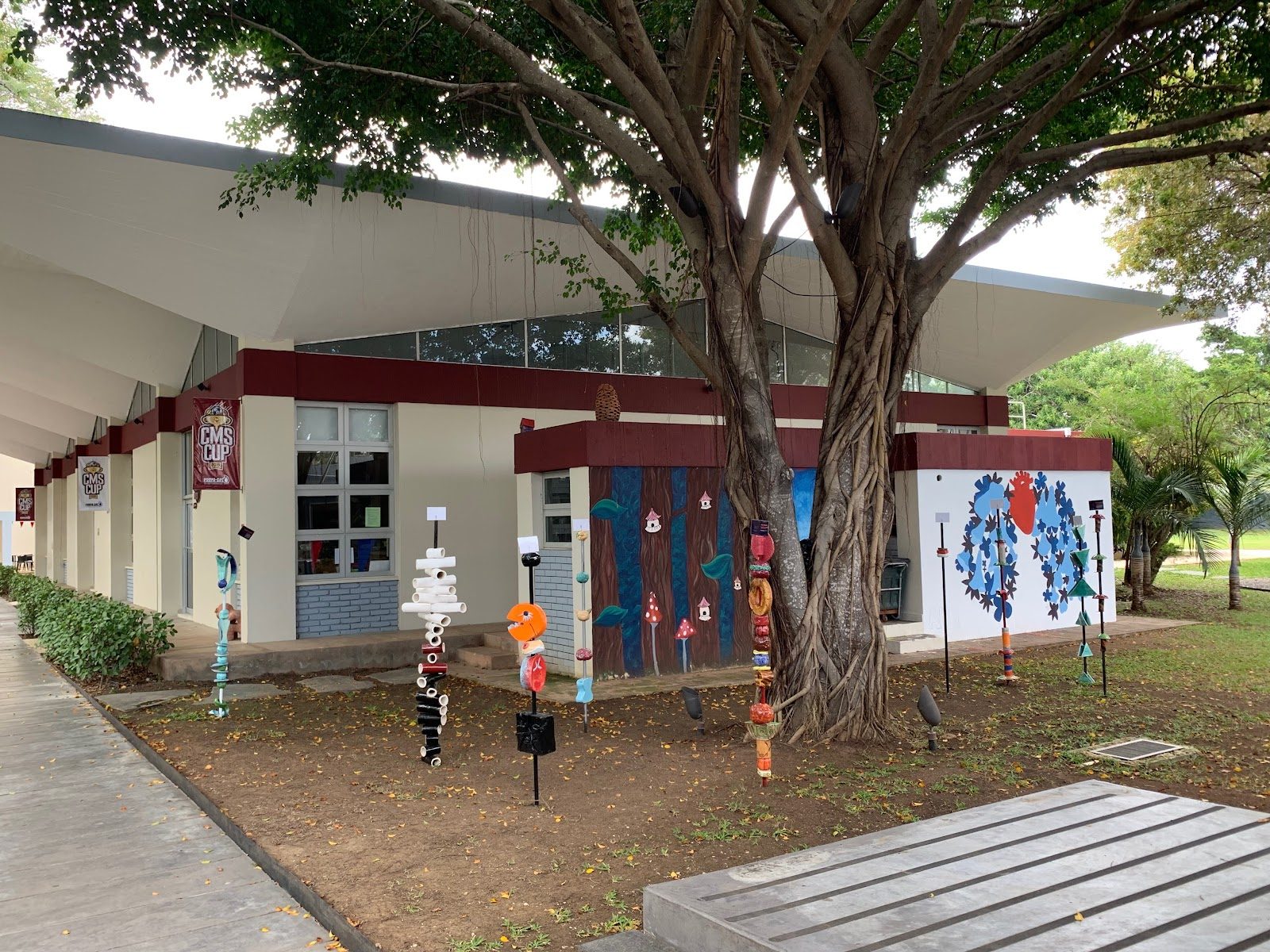
Carol Morgan School
Santo Domingo · Dominican Republic
Founded in 1933 by a missionary's wife, this Mirador Park campus still sends nearly all its graduates to US and European universities.
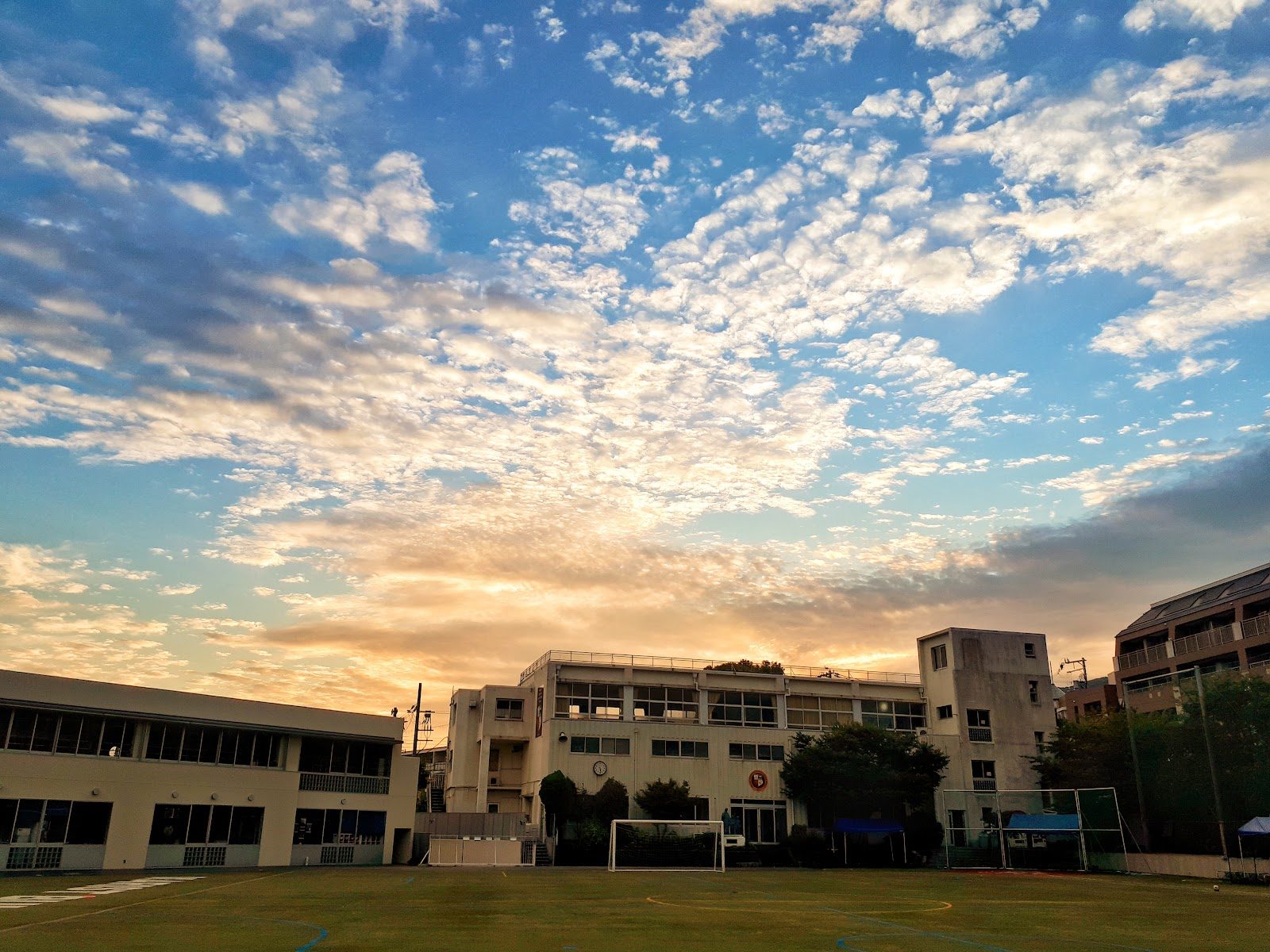
Marist Brothers International School
Kobe · Japan
The only international school run by the Marist Brothers, rebuilt from Kobe's 1995 quake into an American-IB dual pathway.

Leysin American School
Leysin · Switzerland
On a ski-in, ski-out Alpine campus above Lake Geneva, slope time is timetabled into the American-IB week itself.
Same country and curriculum — closest matches within ±10 points either way