
Ciudad Autónoma de Buenos Aires
Escuela Superior de Comercio Carlos Pellegrini
Argentina's first school of commerce, founded in 1890, still issues its diplomas straight from the University of Buenos Aires.
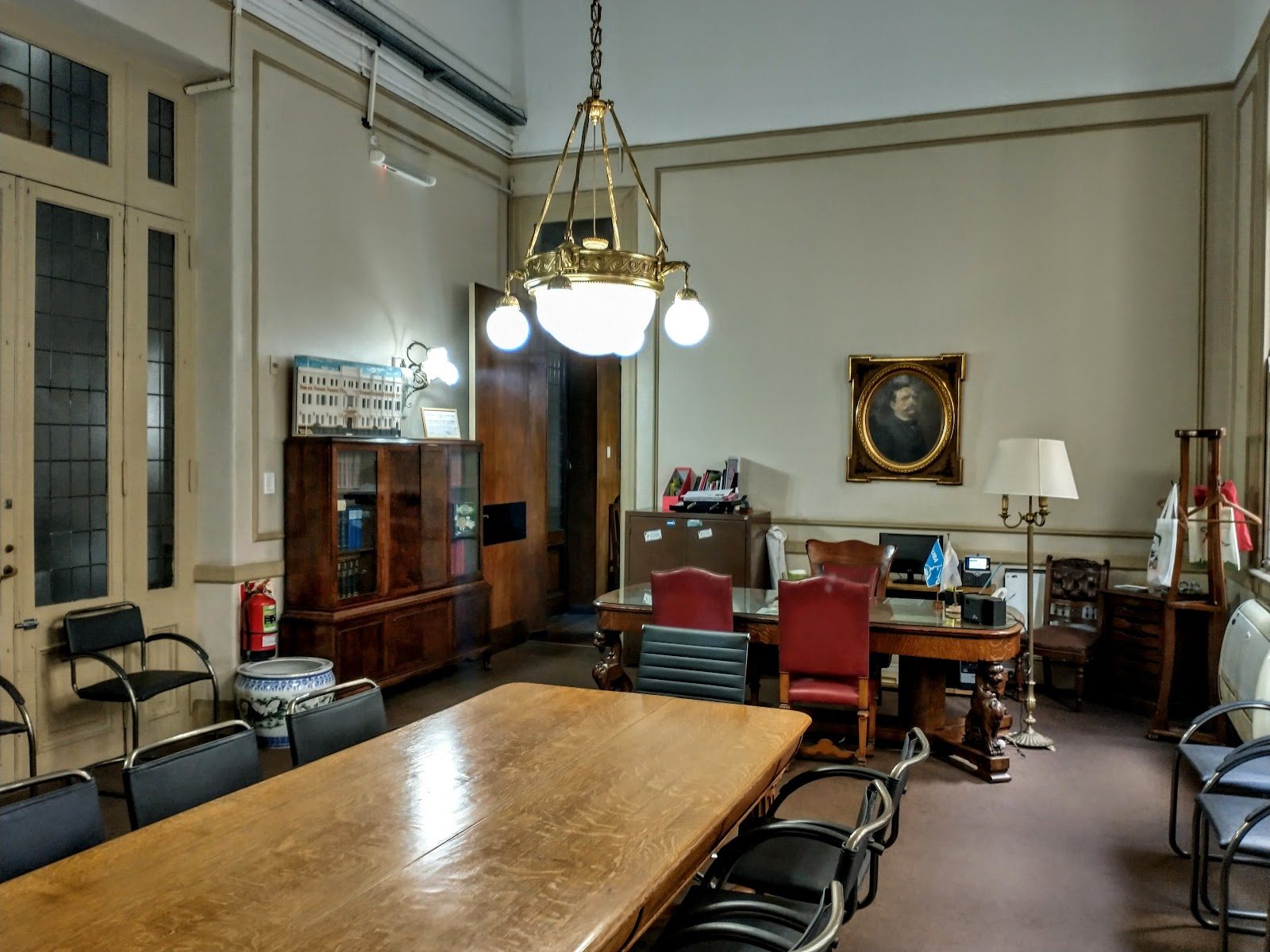
Photo © Cristian Gabriel Sebille via Google Maps
Type
Day
Ages
13–18
Curriculum
Argentinian
Qualifications
Argentinian national curriculum (commerce/UBA-affiliated)
Ratio
—
The Verdict
Editor's commitment
Right for
Families who value a public, secular Buenos Aires day school, founded in 1890, with diplomas issued by the University of Buenos Aires.
Wrong for
Parents wanting a private-school cocoon, boarding, or teaching beyond Spanish, English and French for ages 13–18 will not find it here.
Watch out for
The school does not publish outcomes in the public domain; what it does publish is institutional notices, entrance information and calendar changes.
Ranking breakdown
Escuela Superior de Comercio Carlos Pellegrini · #846 of 1591
Composite score 65.7. 8 weighted criteria.
By criterion
Academic Outcomes
Weight 20%
#667
of 1529 scored
University Placement
Weight 16%
#793
of 1529 scored
Prestige & Heritage
Weight 12%
#144
of 1529 scored
Alumni Network
Weight 12%
#1005
of 1529 scored
Facilities
Weight 12%
#1386
of 1529 scored
Transparency & Communications
Weight 8%
#1151
of 1529 scored
Peer & Industry Review
Weight 10%
#883
of 1529 scored
Admissions Selectivity & Demand
Weight 8%
#81
of 1529 scored
Peer & Industry Review
How Escuela Superior de Comercio Carlos Pellegrini is regarded in the sector
66
Respected · medium confidence
Within Argentina, Carlos Pellegrini is consistently grouped with Buenos Aires and Nacional Buenos Aires as the trio of elite, tuition-free UBA-affiliated colegios preuniversitarios, entry to which is decided by a fiercely competitive public examination; education journalists and rival school directors regularly cite this triad when discussing the country's most academically selective secondary institutions. Because it is legally tied to the Universidad de Buenos Aires, its bachillerato comercial and perito mercantil graduates receive recognized preparatory standing for UBA faculties, and alumni networks in accounting, economics and law repeatedly reference Pellegrini training as a strong foundation for UBA's Facultad de Ciencias Economicas. Argentine press (Clarin, La Nacion, Infobae) periodically profiles the school in coverage of the notoriously demanding admission exam and of its centenary-plus history, treating it as a benchmark for public secondary excellence rather than an obscure institution. International boarding-school comparison sites (WhichSchoolAdvisor, Good Schools Guide) do not cover it, since it is a non-fee-paying public school outside their private-school remit, so independent Anglophone commentary is essentially absent.
- Fernando de la Rua — President of Argentina, Politics
- Adolfo Perez Esquivel — Nobel Peace Laureate, Human Rights Activism
- Marcelo Tinelli — TV Host and Media Producer, Entertainment/Business
Editors' overview
Escuela Superior de Comercio Carlos Pellegrini holds a singular place in Argentine education. Founded in 1890, it was the country’s first school of commerce, and the connection to the University of Buenos Aires still matters: the school issues its diplomas through UBA, not as a loose branding exercise but as an institutional fact. For parents, that gives Pellegrini a market position that few secondary schools can match: a public, secular day school for ages 13–18 with real university affiliation and a long civic pedigree. This is not a polished international school selling a global lifestyle. It is a serious Buenos Aires institution with intellectual weight, public purpose and academic gravity.
What distinguishes Pellegrini is not a glossy campus story but its identity as a working public school embedded in the life of the city and the national university system. The school site reads like a live institution rather than a marketing brochure: exam notices, academic calendar adjustments, family workshops on digital upbringing, study trips, Model UN activity, sports events, and repeated institutional communications on misuse of digital images and digital media. That tells parents two useful things. First, this is an active, crowded school with a real internal culture. Second, leadership communicates in direct terms when problems arise. The public language on the site — including a prominent defence of university funding — also places the school firmly inside Argentina’s public-education tradition. That will appeal to families who want civic seriousness over polish.
Pellegrini belongs on a shortlist for families who value reputation, history and substance more than concierge-style service. It teaches in Spanish, English and French, but this remains an Argentinian school, not an expatriate bubble. Parents who need heavy hand-holding, campus theatre or extensive English-medium provision should look elsewhere. Students who thrive here will be academically ambitious, comfortable in a large urban institution and ready for a school culture with high expectations, strong identity and a measure of institutional toughness. The best fit is the teenager who wants standing as well as schooling: a place with earned prestige, deep roots in Buenos Aires, and a diploma that carries the name of UBA.
Academic Performance
Pellegrini’s academic reputation is formidable, but public exam data are opaque. The school does not publish aggregate pass rates, grade distributions, university placement figures or any equivalent set of external results that would let parents benchmark it cleanly against other leading secondary schools. That gap matters. In a market where many fee-charging schools use examination outcomes as their main proof of quality, Pellegrini asks families to trust institutional standing and selectivity rather than a spreadsheet. For a school with this level of prestige, that is a conspicuous omission. Parents who want hard comparative data will not find it here.
That said, the school’s position relative to peers is still clear. It sits in the top tier of Argentine public secondary education by reputation and historical weight, and the continuing university link gives its diploma unusual status. The texture of the school’s public communications also points to a serious academic machine: examining boards, calendar adjustments, support classes, academic notices and a constant operational rhythm across 53 pages of updates. That is not the language of a lightweight institution. The better comparison is not with polished international schools selling small classes and intensive pastoral packaging, but with high-pressure meritocratic schools that expect students to keep up. Academic strength is real; transparent published outcomes are not. For some families, that trade-off is acceptable. For others, it is a deal-breaker.
Facilities
Pellegrini does not trade on a glossy facilities pitch, and that itself tells you something. The public face of the school foregrounds institutional life rather than buildings: a library, extension activity, entrance-course operations, academic administration, sports olympiads, support classes, Model UN, study trips and a steady stream of examination logistics. There are 53 pages of updates on the site, which points to a campus used hard and organised around throughput rather than theatre. The library matters here because schools of this type live or die by access to study space and academic routine, not by showpiece architecture. The repeated references to informática exams also indicate dedicated computing provision, though the school does not publish a clean inventory of labs, specialist rooms or performance spaces. That lack of disclosure is a real weakness for parents trying to compare infrastructure in detail.
Against peer schools, the picture is clear. Pellegrini offers the facilities of a serious public academic institution, not the manicured abundance of a top-fee international campus with aquatics centres, black-box theatres and brochure-ready maker spaces. Its strengths sit in functional academic infrastructure, city-based activity and institutional reach rather than luxury hardware. The study trips, sports programming and co-curricular machinery give students more than classroom-only schooling, but families expecting campus spectacle will find a thinner public account than rivals provide. For the right student, that is irrelevant. For parents benchmarking pure physical plant, Pellegrini is credible, active and opaque.
Escuela Superior de Comercio Carlos Pellegrini holds a singular place in Argentine education
Prestige
Pellegrini carries serious prestige in Argentina because its status rests on institutional weight, not lifestyle branding. This is a public school attached to the country’s premier university ecosystem, and that connection gives the diploma a standing that few secondary schools can match. Wikipedia calls it one of the most prestigious schools in Argentina and Latin America; the school’s own site reinforces that stature in a less theatrical way, through the sheer volume of institutional life on show. There are 53 pages of notices, exam arrangements, academic updates, family briefings, trips, student activities and formal communiqués. That constant traffic signals a school with real gravity, high visibility and a public role bigger than ordinary campus housekeeping.
The prestige also has a harder edge. Pellegrini is not admired because it is cosy, boutique or internationally packaged. It is admired because it belongs to a small class of schools that function as civic institutions and academic filters at once. The prominent defence of public university funding on the homepage places the school inside a broader national argument about education, not outside it in a fee-paying enclave. That matters. A Pellegrini education carries earned status: it tells universities, employers and Argentine families that the student has worked inside a demanding, high-profile institution with standards to defend. For parents, the rating here is clear: elite in standing, public in ethos, and *not for families seeking polish over substance*.
What makes Pellegrini distinctive is the combination of school and state institution
Communications
Pellegrini communicates like a public institution with a busy internal life, not like a client-service operation. The website functions as the main parent-facing channel and it is active to the point of overload: notices on exam boards, rescheduled assessments, school recess, support classes, study trips, sports events, family workshops and repeated institutional statements on digital misconduct. The volume matters. With 53 pages of updates, parents get a running picture of school operations rather than a polished summary after the fact. That is useful, direct and administratively serious. It also tells you that leadership does not hide awkward issues. When problems around misuse of digital images and digital media arose, the school published formal communications and action protocols in plain sight.
The weakness is clarity. A homepage packed with notices serves existing families better than new ones, and the navigation reads more like a bureaucratic portal than a carefully structured parent information system. Contact details are easy enough to find, but the site prioritises institutional traffic over explanation. That means strong day-to-day signalling, weaker synthesis. Parents who want a tidy dashboard of policies, calendars, expectations and performance data in one place will find the communication dense, reactive and at times hard work. Parents who value candour, frequency and evidence that the school is actually running will judge it effective. The tone is grown-up; the user experience is not elegant.
Uniqueness
What makes Pellegrini distinctive is the combination of school and state institution. This is not a private college borrowing university prestige; it sits inside the University of Buenos Aires orbit in a formal, operational way, and that changes the texture of student life. The school’s public communications read less like enrolment theatre and more like the noticeboard of a working civic body: exam boards, support classes, family sessions, study trips, Model UN activity, sports fixtures, calendar revisions and repeated institutional statements when digital misconduct demands action. With 53 pages of updates, the impression is of a place with real institutional density, public accountability and no appetite for cosmetic messaging. Students do not move through a curated adolescence here. They learn to function inside a demanding organisation with rules, scrutiny and consequences.
That brings clear gains. Teenagers get early exposure to the habits of a large academic bureaucracy: deadlines, formal processes, collective standards and the expectation that they can manage themselves. The university connection also gives the diploma unusual weight and places students closer to the intellectual culture of higher education than most secondary schools manage. Just as important, the school’s openly civic tone — including its defence of public university funding and its direct handling of digital misuse — teaches that education is not a consumer service but a public good. For the right student, that is formative in the best sense: less comfort, more seriousness, and a stronger sense of belonging to something older, tougher and more consequential than an ordinary school brand.
This is not a polished international school selling a global lifestyle
Student Profile
The students who thrive at Pellegrini are self-directed, academically competitive and comfortable in institutions that do not revolve around individual reassurance. This is a strong fit for teenagers who can manage deadlines, absorb formal procedures and keep their footing in a school that runs at scale. The public rhythm of the place tells you a lot: exam boards, support classes, study travel, sports programming, family workshops and a relentless stream of notices across 53 pages. That points to a student body with high tolerance for structure, serious academic stamina and enough independence to navigate a busy system without constant hand-holding. Pupils who need boutique attention, soft landings or a highly curated pastoral atmosphere will struggle.
The best match is the student who wants intellectual status without private-school packaging. Pellegrini suits adolescents with civic curiosity as well as academic ambition: the kind who will engage with Model UN, cope with institutional rules and accept that standards are defended in public. It also suits families who value substance over polish and do not expect the school to flatter them. Socially, this is not an expatriate enclave or a lifestyle campus; it is a hard-edged public meritocracy with a strong internal culture and little patience for passivity. Students who want to be stretched, tested and treated as members of a real institution will fit well. Students looking for comfort-first schooling will not.
It is a serious Buenos Aires institution with intellectual weight, public purpose and academic gravity
Co-curricular strengths
Arts & sport, on a separate axis
Overall 6.82/10
Scored 0-10 from the school's own published evidence. This axis is editorial-only — it does not feed the main WTS ranking.
Sports
7.8/10
Drama
6.5/10
Dance
5/10
Music
8/10
Visual Arts
6.8/10
Strengths
- +Founded in 1890 as the first commerce school in Argentina, it is directly affiliated with the University of Buenos Aires (UBA), which issues its diplomas.
- +As a public school under UBA control, there is no tuition fee, removing cost as a barrier despite the highly competitive entry process.
- +Central Recoleta location is well served by multiple bus routes and two Buenos Aires Subte (metro) lines, easing daily commuting.
- +Graduates have gone on to prominent public roles, including former Buenos Aires Province governor Daniel Scioli and historian Felipe Pigna.
- +Students run an active, long-standing student union (CECaP) with annual elections, offering genuine early experience in organisation and civic life.
Considerations
- −Admission requires passing a lengthy, highly competitive entrance course and exam shared with Colegio Nacional de Buenos Aires, effectively demanding months of prior preparation.
- −As a state-funded institution dependent on national university financing, the school has publicly flagged budget pressures tied to university funding disputes.
- −The school has a pronounced, historically left-leaning and politically activist student culture that will not suit every family's preferences.
- −Instruction is entirely in Spanish under the Argentine national curriculum, with no bilingual or international-baccalaureate pathway for families needing curriculum continuity abroad.
Availability
Primary entry gate & tests
UBA Merit Entry Course
Gallery
Photo © Cristian Gabriel Sebille via Google Maps
Photo © Cristian Gabriel Sebille via Google Maps
Photo © Cristian Gabriel Sebille via Google Maps
Photo © Cristian Gabriel Sebille via Google Maps
Photo © Cristian Gabriel Sebille via Google Maps
Photo © Cristian Gabriel Sebille via Google Maps
Photo © Cristian Gabriel Sebille via Google Maps
Parent reviews
Have you sent your child here?
Voice reviews carry the strongest trust badge — we transcribe them for you to tidy up before they go live. Prefer to type? A written review is fine too.
Add your voice
In 60 seconds, tell other parents: what's the best thing about Escuela Superior de Comercio Carlos Pellegrini, and what surprised you when your child joined?
We ask for a Google sign-in so every review has a real face behind it — no anonymous drive-by attacks on schools, and no faked positive reviews. Your email is never shown publicly.
Send this profile to a friend
International parents rely on word-of-mouth. Share this review with someone weighing the same decision.
Schools with places
Similar schools to Escuela Superior de Comercio Carlos Pellegrini with places available now.
Availability first, then country, area, curriculum, price, co-curricular
Consider also
Also worth looking at alongside Escuela Superior de Comercio Carlos Pellegrini.

Belgrano Day School
Buenos Aires · Argentina
Since 1912, four houses have anchored a Belgrano campus blending English immersion from age two with Cambridge A-levels.
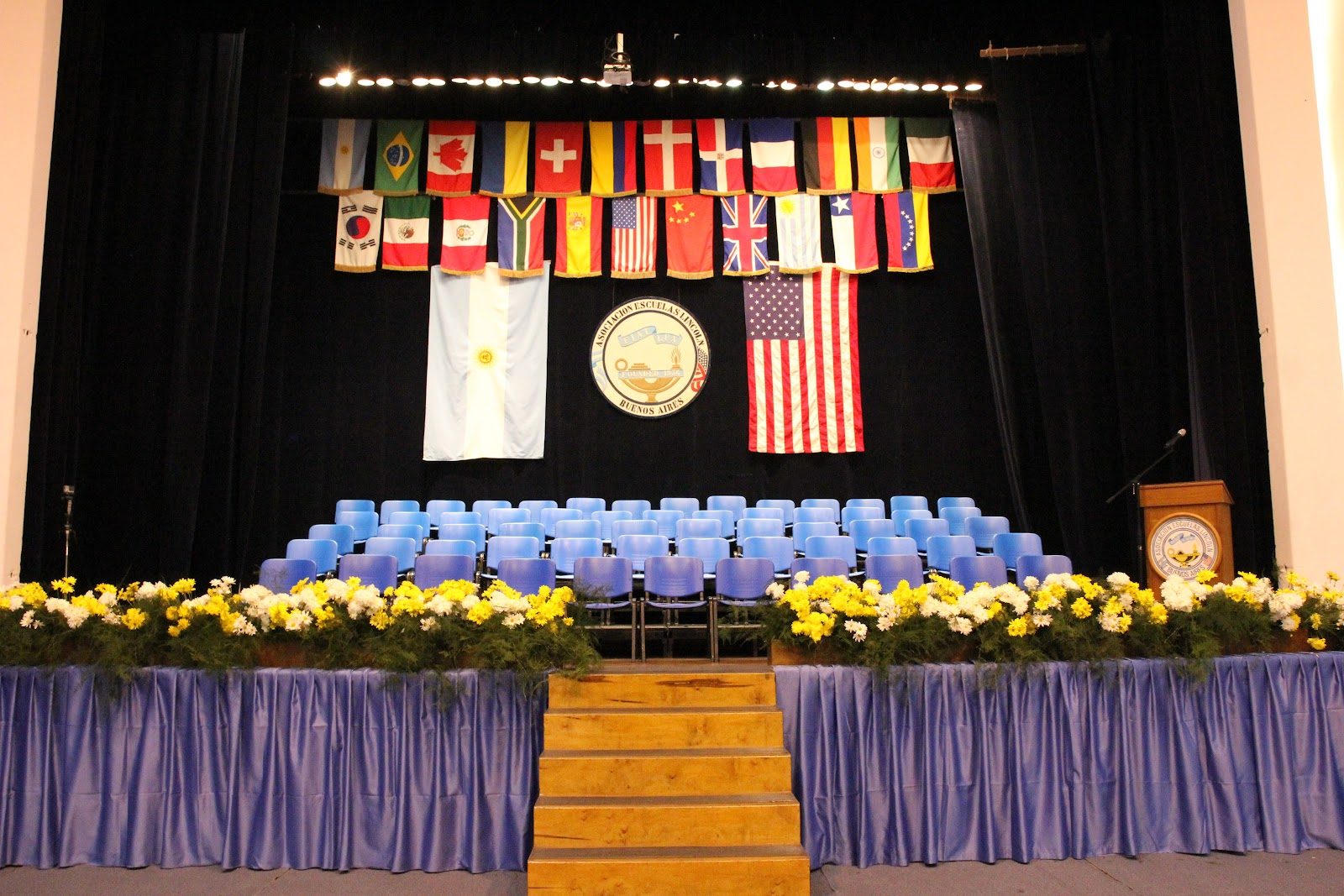
Asociación Escuelas Lincoln
Buenos Aires · Argentina
Where a Rio de la Plata campus in La Lucila delivers American, Argentine, and IB diplomas under Argentina's only US accreditation.
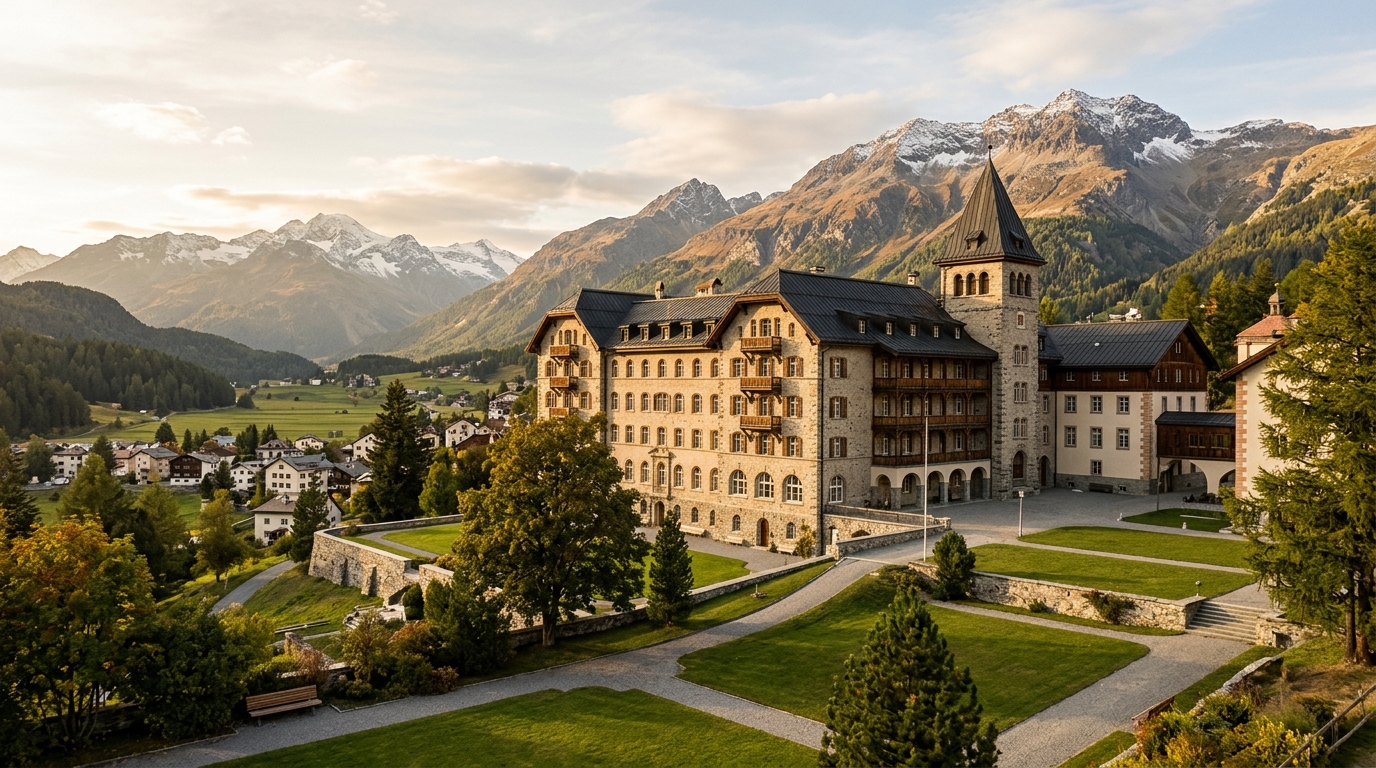
Lyceum Alpinum Zuoz
Zuoz · Switzerland
At 1,750 metres in the Engadine, IB and Swiss Matura classes share the calendar with cricket on Europe's highest pitch, in play since 1922.
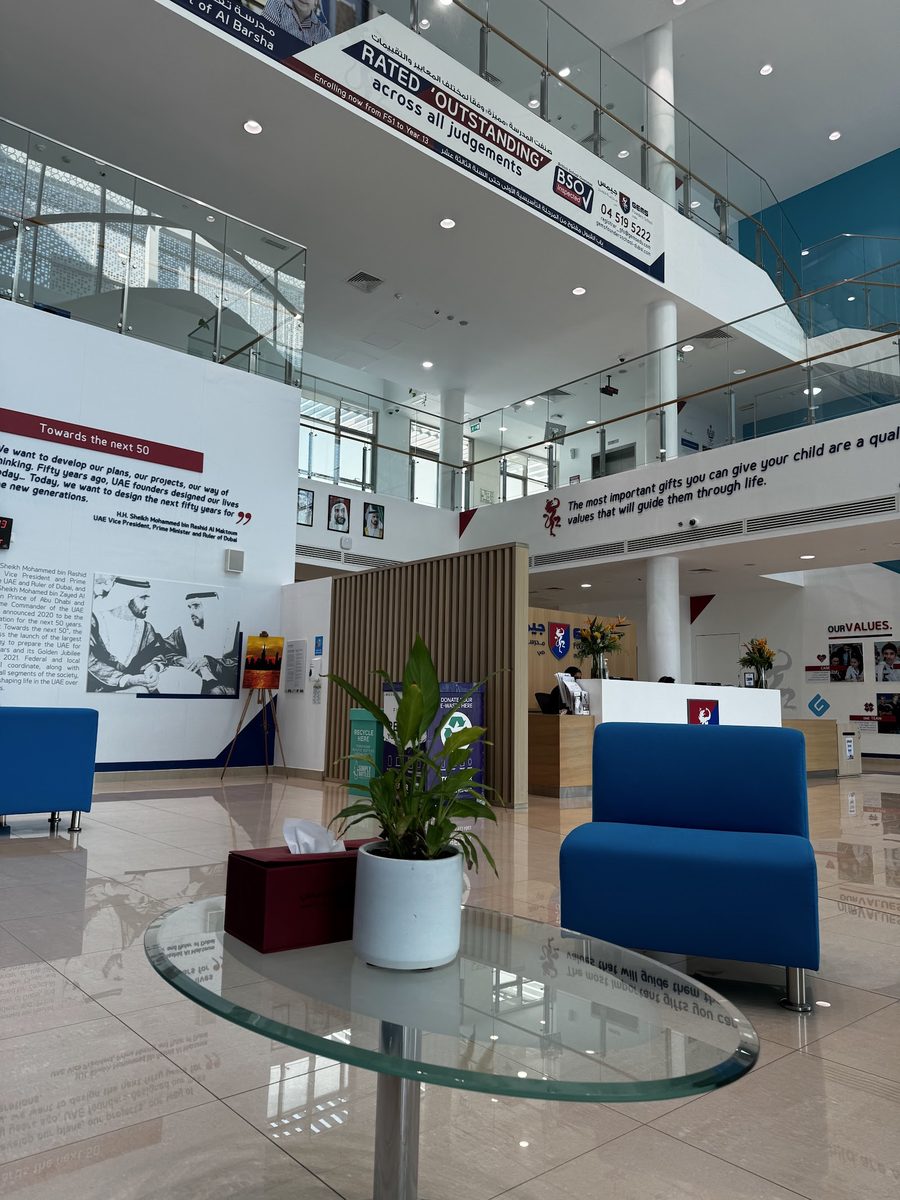
GEMS Founders School Al Barsha
Dubai · United Arab Emirates
Grown from a record-breaking 2016 launch into the UAE's largest National Curriculum for England school, now rated Very Good by the KHDA.
Same country and curriculum — closest matches within ±10 points either way