
Île-de-France
Scientific and economics prep classes taught inside an 18th-century convent listed as a historic monument steps from the chateau
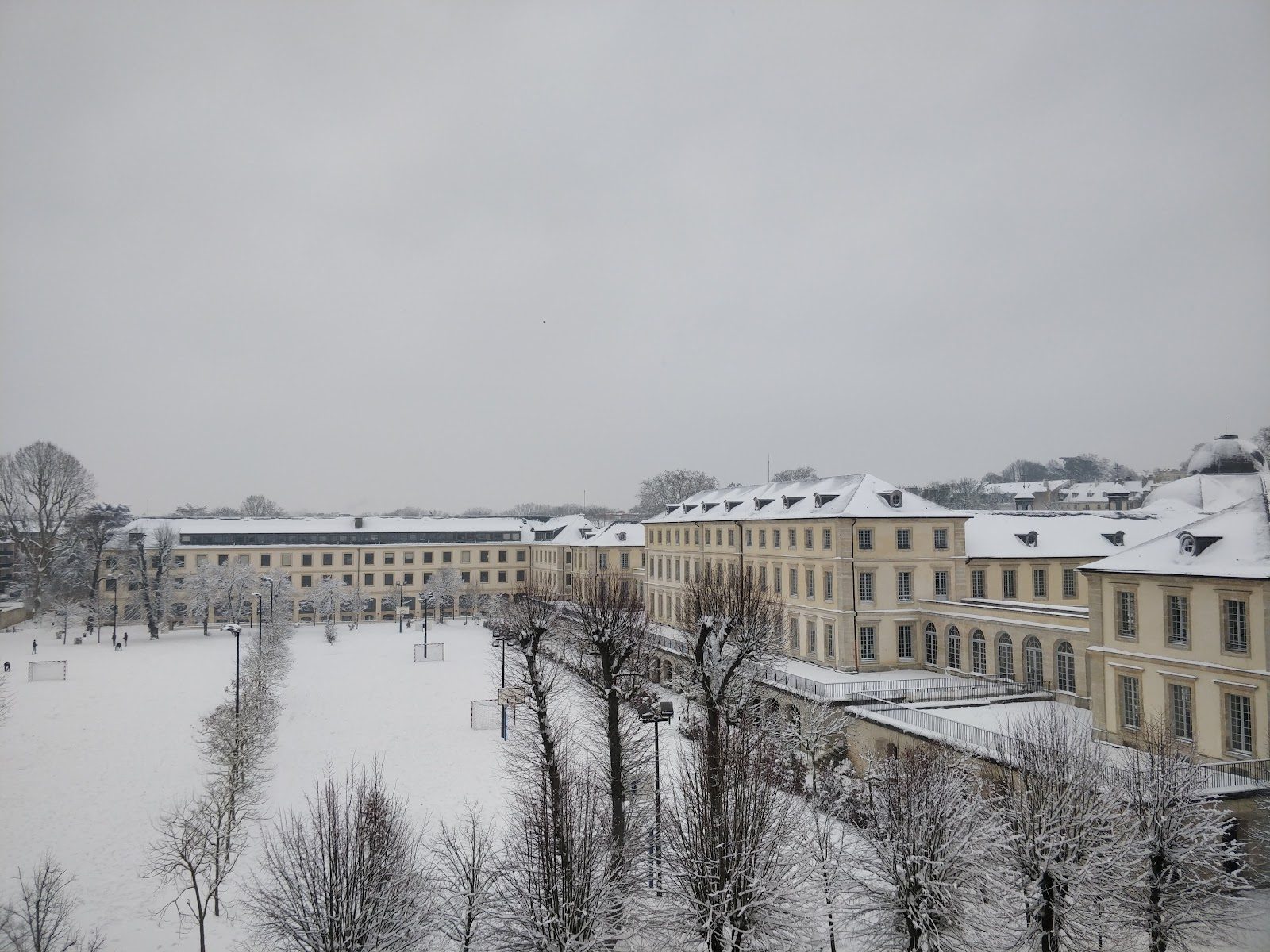
Photo © Alexandre MARTIN via Google Maps
Type
Day
Ages
15–20
Curriculum
Baccalauréat · Classes préparatoires
Ratio
—
The Verdict
Editor's commitment
Right for
French-speaking sixth-formers aiming straight at École Polytechnique, ENS Ulm or HEC Paris, with Baccalauréat and classes préparatoires under one roof.
Wrong for
Families needing English-medium teaching, boarding or a broad all-through model; Lycée Hoche is a French day lycée for ages 15–20.
Watch out for
The British Section uses the Cambridge International curriculum, but the school is public, French and academically narrow; historic Versailles setting changes none of that.
Ranking breakdown
Lycée Hoche · #204 of 1591
Composite score 74.3. 8 weighted criteria.
By criterion
Academic Outcomes
Weight 20%
#66
of 1529 scored
University Placement
Weight 16%
#59
of 1529 scored
Prestige & Heritage
Weight 12%
#262
of 1571 scored
Alumni Network
Weight 12%
#195
of 1530 scored
Facilities
Weight 12%
#1193
of 1533 scored
Transparency & Communications
Weight 8%
#938
of 1532 scored
Peer & Industry Review
Weight 10%
#300
of 1548 scored
Admissions Selectivity & Demand
Weight 8%
#93
of 1529 scored
Peer & Industry Review
How Lycée Hoche is regarded in the sector
85
Strong · medium confidence
Lycée Hoche is consistently listed among France's top public lycées in the annual Le Figaro and L'Étudiant classements des lycées, particularly praised for its classes préparatoires (CPGE) results feeding into top Grandes Écoles. It has a long-standing reputation as one of the elite feeder schools for French higher education, frequently cited alongside Louis-le-Grand and Henri-IV in national rankings, though it has less international/expat visibility than Anglophone-oriented schools.
Evidence sources
Editors' overview
Lycée Hoche occupies a rare niche in the French state system: a public lycée in central Versailles with serious sixth-form academic intent and a direct line into the country’s most selective higher routes. Founded in 1803 in a former convent later named for Lazare Hoche in 1888, it offers the Baccalauréat and classes préparatoires in French, with a British Section following the Cambridge International curriculum. The setting matters. This is not a generic suburban campus but a historic monument near the château, and that lends the place a sense of inheritance and institutional gravity that many newer schools cannot match.
What puts Hoche on a shortlist is not romance but outcomes. The recent destination figures are concrete: 12 students to École Polytechnique, 8 to ENS Ulm and 14 to HEC Paris. Those numbers place the school in the small group of lycées that feed France’s top grandes écoles with consistency. Parents looking at Hoche are not shopping for pastoral gloss or an expansive co-curricular sales pitch. They are choosing intellectual pressure, competitive ambition and a structure built for students who can handle a demanding French academic culture. It is expensive in effort, not fees: this is a public lycée, and the real price is the workload.
The right student for Lycée Hoche is academically fast, resilient and happy in a selective atmosphere where prestige follows performance. This suits pupils aiming at mathematics, science, economics or elite business and public-sector pathways, and who want classes préparatoires inside the same institutional orbit as the lycée. It also suits families who value the credibility of the French public system over international-school polish, provided the child can work in French at a high level. Students who need broad hand-holding, softer pacing or an all-rounder school identity will find Hoche unsentimental, high-stakes and narrow by design. For the right teenager, that focus is the attraction.
Academic Performance
Lycée Hoche sits in the top flight of French academic selection. The clearest public evidence is not a glossy pass-rate claim but where students end up after the school’s most demanding pathways: recent destinations include 12 entrants to École Polytechnique, 8 to ENS Ulm and 14 to HEC Paris. That is a serious yield into institutions that define the national elite. In French terms, this places Hoche among the lycées that convert strong pupils into grandes écoles admissions with hard-edged consistency. For parents comparing it with ordinary state lycées, the gap is stark. This is not a school whose reputation rests on local convenience or heritage alone.
There is, however, a limit to the school’s public transparency on examination performance. We have not seen aggregate Baccalauréat score distributions, subject-level distinctions, or published prep-class success rates set against national benchmarks. That omission matters, because selective destinations tell you a great deal about the top end and less about the full academic spread. Even so, the destination data are strong enough to place Hoche in a rarefied bracket: high-pressure, results-driven and geared to students chasing France’s most competitive academic and business routes, rather than broad-based international benchmarking.
Facilities
The setting is the main facility story here. Lycée Hoche operates in a former convent close to the château, and that gives it spaces few peer schools can match: historic-monument architecture, institutional gravitas and a built environment shaped for scholarship rather than campus theatre. For some families, that distinction matters. Many academically selective French lycées work from dense urban sites with limited grounds and functional buildings; Hoche offers the same central-city compactness but with more symbolic weight and a stronger sense of place. The trade-off is obvious too. Parents should not expect the sprawling sports fields, glossy performing-arts centres or resort-style amenities that private international schools advertise. This is a serious academic site, not an amenity-led one.
What matters most, then, is whether the physical plant supports demanding older students, and on that front Hoche clears the bar. The presence of classes préparatoires raises the academic utility of the site: classrooms and study areas serve a student body working at a high-pressure level, and the school benefits from a layout tied to long-established sixth-form habits rather than broad all-age provision. Against peer institutions in the public French system, that combination of heritage setting and advanced post-bac study on site is distinctive. Against top-fee international schools, the facilities package is narrower, less polished and more austere. Families choosing Hoche are choosing substance over spectacle.
Lycée Hoche sits in the top flight of French academic selection
Prestige
Lycée Hoche carries the kind of prestige that matters in France: not lifestyle prestige, but institutional prestige tied to selection, difficulty and credibility with the grandes écoles. Its status rests on the fact that ambitious pupils and families already know the name, and know what it implies: a school built for serious academic competition, with expectations set by national standards rather than international-school branding. The public-sector setting sharpens that reputation. Hoche does not trade on exclusivity through fees; it trades on intellectual selectivity and on a long-established place inside the French meritocratic ladder. That gives it a cleaner, harder form of standing than many private schools with grander marketing and weaker academic consequence.
The rating also follows from outcomes at the sharpest end. Recent destinations to École Polytechnique, ENS Ulm and HEC Paris — 12, 8 and 14 respectively — mark Hoche out as a school with elite conversion power. Those are not decorative placements; they are the admissions prizes that define national academic prestige in science, scholarship and business. The historic setting adds symbolic weight, but the real source of status is performance under pressure. There is one caveat: the school does not publish enough whole-cohort attainment data to prove equal strength across every pupil group. Even so, for families targeting France’s upper academic tier, Hoche has first-rank domestic prestige and a reputation earned the hard way.
The right student for Lycée Hoche is academically fast, resilient and happy in a selective atmosphere where prestige follows performance
Communications
Communication at Lycée Hoche carries the stamp of the French public system: functional, institution-led and short on hand-holding. Parents choosing this school should not expect the concierge style of a fee-paying international campus, with constant newsletters, polished storytelling and a stream of pastoral reassurance. Hoche’s audience is older students and families already acclimatised to academic independence, so the communication burden shifts towards essentials: timetables, administrative notices, examination logistics and formal points of contact. That fits the school’s culture. A lycée serving ages 15–20 and operating advanced post-secondary study on site does not need to narrate every step of school life to parents; it needs to transmit information clearly and on time.
How effective is it? Effective for disciplined families, less so for parents who want warmth, context or persuasive framing. The public-facing footprint gives a plain-dealing impression rather than a curated one, and that has value: it signals a school with better things to do than market itself. The weakness is obvious too. A school with this level of academic pressure needs communication that is not just efficient but precise under strain, especially around deadlines, expectations and routes through demanding programmes. We have not seen rich public evidence of a parent-communications culture that goes beyond administration. That does not make Hoche opaque; it makes it austere. Families comfortable with a no-frills, high-demand institution will cope well. Others will find the tone sparse.
Uniqueness
What marks Lycée Hoche out is the conjunction of three things that rarely sit together in one institution: a French public lycée, a historic former convent at the heart of royal Versailles, and prep-class ambition at the sharp end of the national system. Plenty of schools have heritage buildings; plenty claim academic seriousness. Hoche has both, in a form that feeds directly into the country’s most selective post-school routes. The result is a place with unusual institutional density: older pupils work in an environment built around scholarship, competition and long memory, not around customer comfort. For students, that creates something valuable and demanding — daily exposure to a culture where academic effort is normalised, prestige is earned internally, and the horizon is set high from the start.
The British Section adds a second point of difference. Inside a resolutely French public institution, it offers an international strand without turning the school into an international-school hybrid with diluted identity. That matters for families who want access to French academic seriousness and public-sector credibility, but also want a child to retain a foothold in a different system. The gain for students is intellectual clarity and high-calibre peer pressure: they study in a school whose strongest pathways have a proven record of sending pupils to the summit of French higher education, with recent headline destinations of 12, 8 and 14 to three of the country’s most competitive institutions. That mix is rare, high-stakes and not remotely soft-edged.
Communication at Lycée Hoche carries the stamp of the French public system: functional, institution-led and short on hand-holding
Student Profile
The student who fits Hoche is bright, disciplined and unromantic about schooling. This is for teenagers who draw energy from competition rather than protection, who can work without constant prompting, and who do not need a school to flatter them into effort. Intellectual confidence matters, but so does stamina. The pace bites, the comparison with strong peers is unavoidable, and the institution rewards students who can absorb correction without drama. Pupils aiming at the upper reaches of science, mathematics, economics or business will find the culture legible. Pupils who want breadth, display or a softer definition of success will not. Hoche suits the self-propelled, the thick-skinned and the seriously ambitious.
It also suits families who understand the French academic compact: the school provides a demanding framework; the student carries a large share of the burden. Older adolescents ready for independence will benefit from that arrangement. More fragile pupils, chronic procrastinators and those who need intensive pastoral buffering will struggle. The British Section widens the profile a little, but not by changing the school’s core temperament. The decisive fact is the level of destination ambition embedded in the place, with 12, 8 and 14 recent entries to three of France’s toughest institutions. That pattern attracts a high-performing, prestige-aware cohort and creates a social atmosphere that is not for the faint-hearted.
Those numbers place the school in the small group of lycées that feed France’s top grandes écoles with consistency
Co-curricular strengths
Arts & sport, on a separate axis
Overall 7.2/10
Scored 0-10 from the school's own published evidence. This axis is editorial-only — it does not feed the main WTS ranking.
Sports
8/10
Drama
6.5/10
Dance
4.5/10
Music
8.5/10
Visual Arts
8.5/10
Editor first-pass · editor-reviewable · 7/27/2026
Outcomes & destinations
Where students go next
260 graduates
Top destinations
127 placements
- École Polytechnique· 12
- ENS Ulm· 8
- HEC Paris· 14
- ESSEC Business School· 10
- École Centrale Paris· 10
- Mines ParisTech· 8
- Sciences Po· 18
- Sorbonne University· 25
- Université Paris-Saclay· 22
Reported by the school. Confirm with admissions.
WTS 300 badge
Lycée Hoche is one of the World's Top 300 Schools. Claim your listing to add it to your site →
Strengths
- +Founded in 1803 as a school on the site of a former royal convent, and renamed Lycee Hoche in 1888 after the Versailles-born general Lazare Hoche
- +Offers a broad range of CPGE tracks - MPSI, MP2I, PC/PSI and BCPST on the scientific side plus ECG on the economic side - feeding into engineering and business grandes ecoles
- +Baccalaureat pass rate of 100%, with 96% of candidates achieving a mention, ranking the school 24th among general lycees nationally
- +As a public establishment, schooling is free of charge
- +Prepa students have access to a mixed boarding house with 230 places plus half-board and day-boarder catering
Considerations
- −CPGE entry is acutely competitive: in 2025 the MPSI track offered only 48 places while ranking 1,227 terminale candidates, with the rest turned away
- −The boarding house closes every weekend from Saturday midday to Sunday evening, so boarders from outside the Paris region must arrange separate weekend accommodation
- −The offer is a purely French academic pathway (Baccalaureat plus CPGE) with no IB or bilingual stream, which limits options for families wanting English-medium schooling
- −Some pupil reviews describe teaching as demanding without always being effective, with occasional complaints about unhelpful or dismissive staff
Availability
Primary entry gate & tests
Affelnet / Academic Dossier
Gallery
Photo © Mahery Rausem via Google Maps
Photo © Francis Hyperion via Google Maps
Photo © Alexandre MARTIN via Google Maps
Photo © carlos MARTINEZ via Google Maps
Photo © carlos MARTINEZ via Google Maps
Photo © Jean Francois DURANT via Google Maps
Photo © Arseen Wercken via Google Maps
Photo © // Sarah // via Google Maps
Photo © Alexandre MARTIN via Google Maps
Parent reviews
Have you sent your child here?
Voice reviews carry the strongest trust badge — we transcribe them for you to tidy up before they go live. Prefer to type? A written review is fine too.
Add your voice
In 60 seconds, tell other parents: what's the best thing about Lycée Hoche, and what surprised you when your child joined?
We ask for a Google sign-in so every review has a real face behind it — no anonymous drive-by attacks on schools, and no faked positive reviews. Your email is never shown publicly.
Send this profile to a friend
International parents rely on word-of-mouth. Share this review with someone weighing the same decision.
Schools with places
Similar schools to Lycée Hoche with places available now.
École Jeannine Manuel
Paris · France
- 2026-27
- CLOSEDStandard route
- 2027-28
- OPENS SOONOpens Oct '26
École Saint-Louis de Gonzague
Paris · France
- 2026-27
- CLOSEDStandard route
- 2027-28
- OPENS SOONOpens Oct/Nov '26
American School of Paris
Saint-Cloud · France
- 2026-27
- WAITPOOLSpace-dependent
- 2027-28
- PLACES OPENRolling
International School of Paris
Paris · France
- 2026-27
- WAITPOOLSpace-dependent
- 2027-28
- PLACES OPENRolling
Availability first, then country, area, curriculum, price, co-curricular
Consider also
Also worth looking at alongside Lycée Hoche.
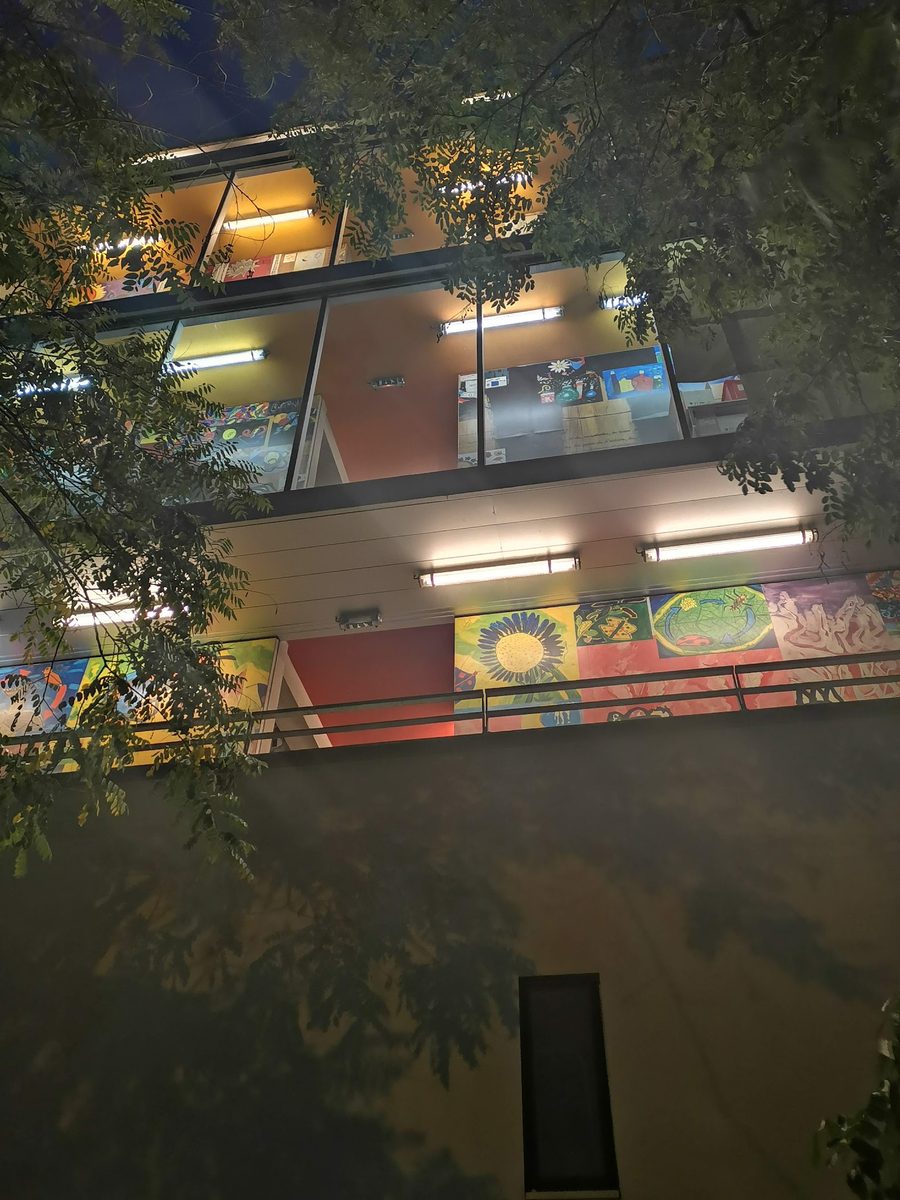
École Jeannine Manuel
Paris · France
Founded by a Resistance veteran, this Left Bank lycee teaches core subjects bilingually and has topped France's rankings for a decade.
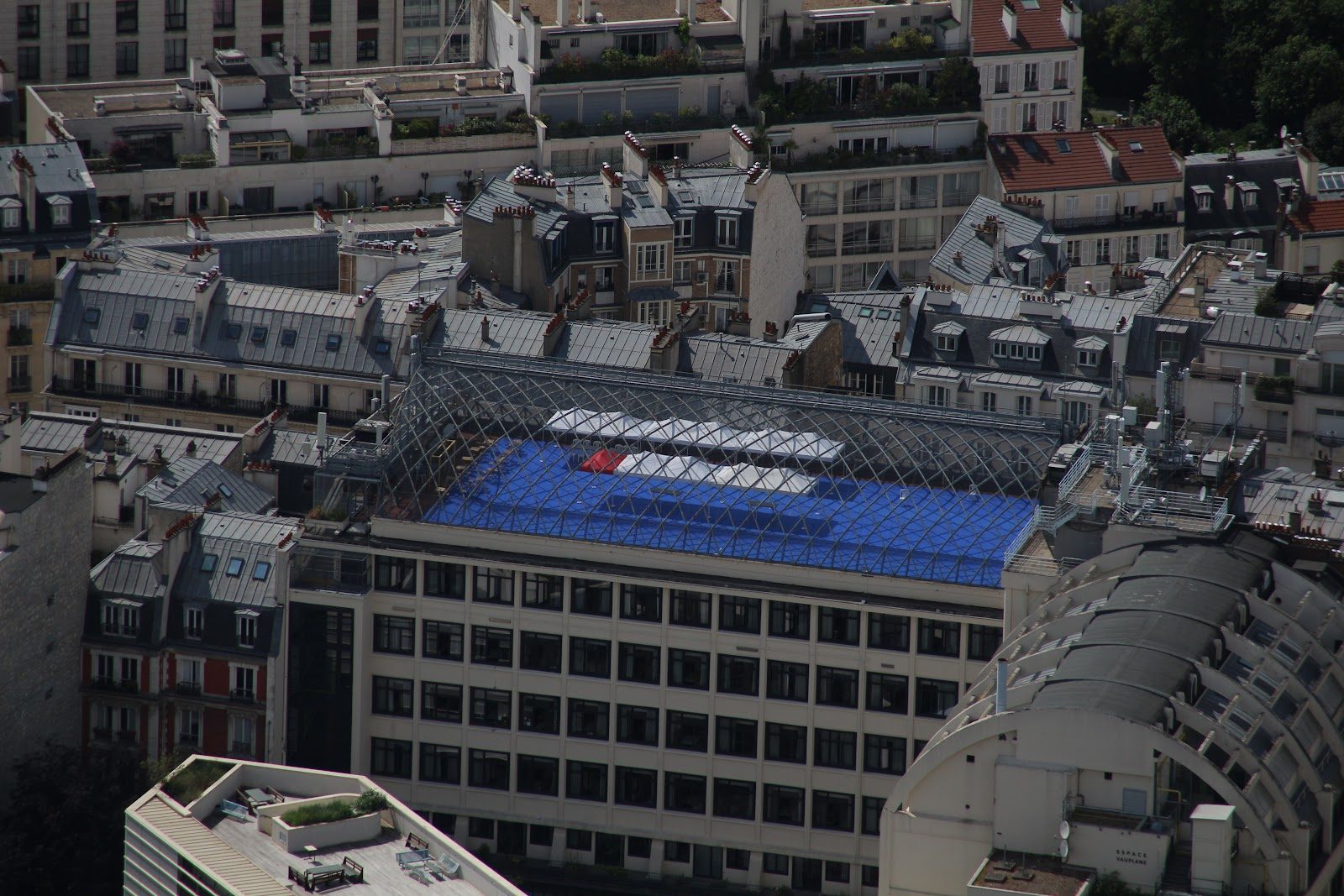
École Saint-Louis de Gonzague
Paris · France
Jesuit since 1894 on the Chaillot hill, still teaching Ignatian rigor into France's top-ranked lycee and its elite prep classes.
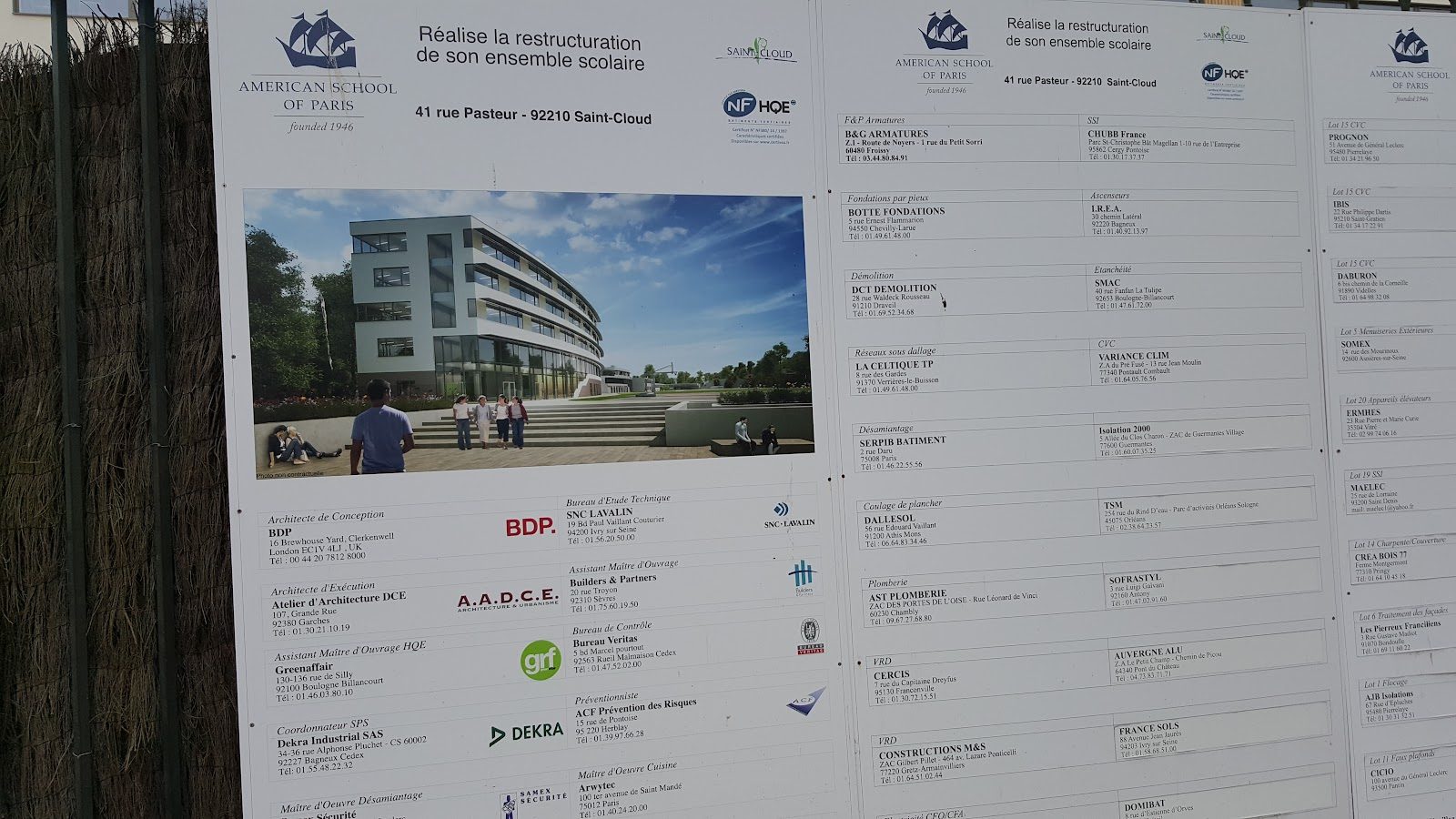
American School of Paris
Saint-Cloud · France
A founding IB school since 1946, this Saint-Cloud campus is the only Paris-area school offering a dual-track IB and AP curriculum.
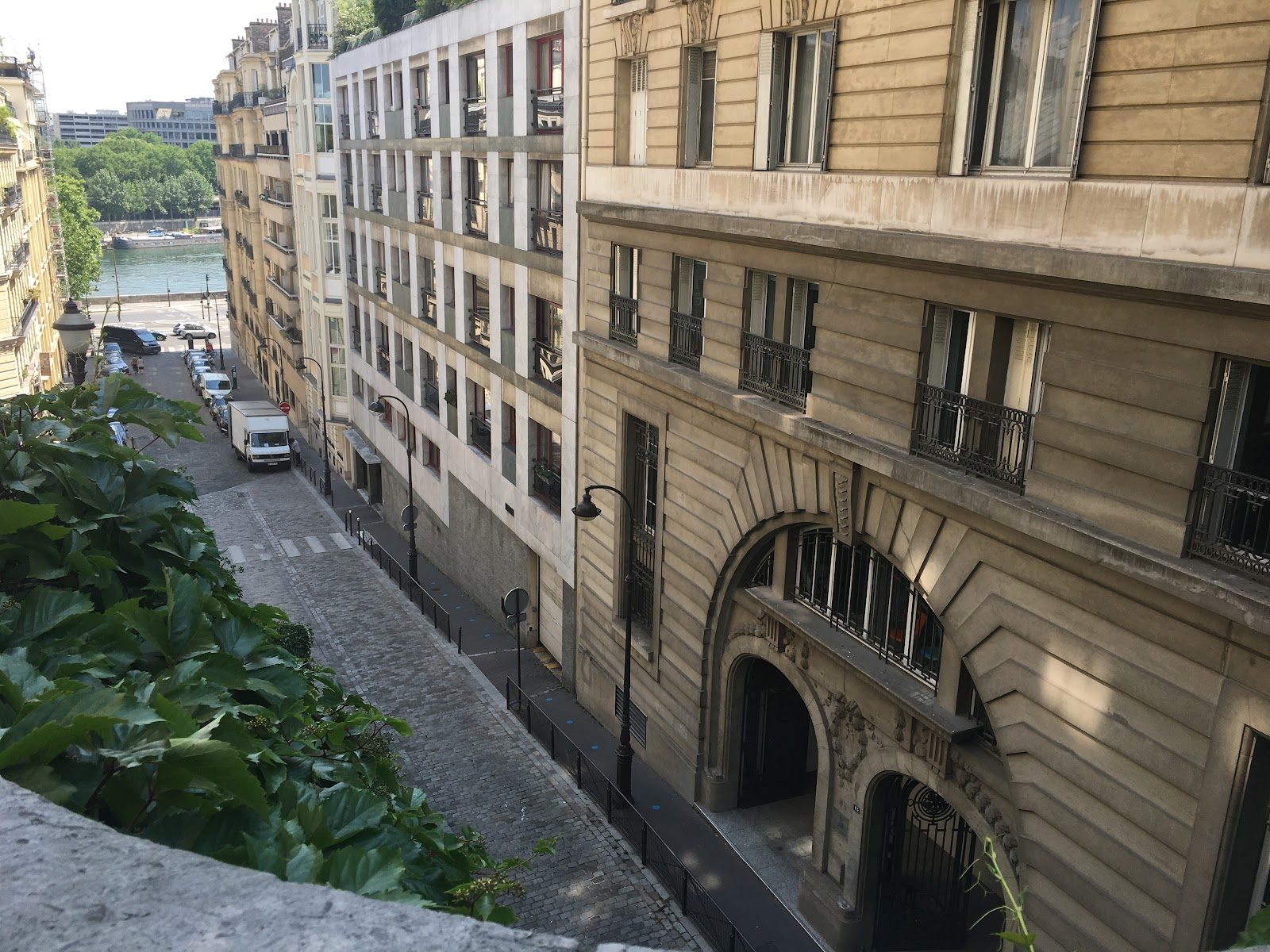
International School of Paris
Paris · France
France's only school running all three IB programmes, housed in twin converted townhouses in the 16th arrondissement.
Same country and curriculum — closest matches within ±10 points either way