
Singapore
A 36-acre Woodlands campus with a rainforest classroom and AP breadth, run on an American blueprint with IB rigor at the edges
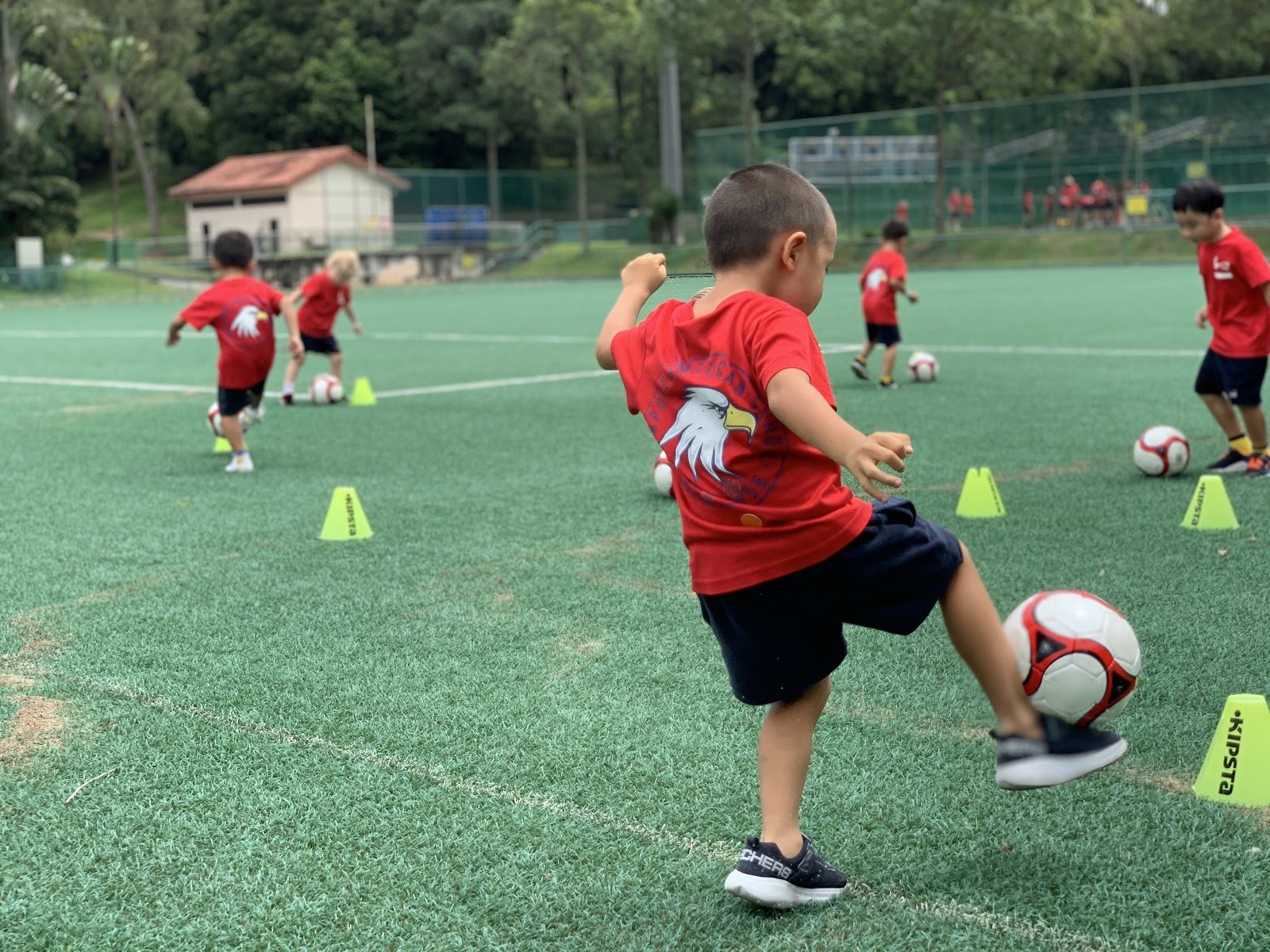
Photo © Euro Soccer Academy via Google Maps
Type
Day
Ages
3–18
Curriculum
IB
Ratio
—
The Verdict
Editor's commitment
Right for
Families who want an American day school founded in 1956, with IB in the mix, CIS accreditation and a 3–18 runway.
Wrong for
Parents seeking a small campus culture: SAS enrols over 4,000 students, runs in Marsiling, and operates on a full American blueprint.
Watch out for
The average annual day fee is SGD 50,000, and recent listed destinations include Adelphi, American and Arizona State — not a prestige-university roll call.
Ranking breakdown
Singapore American School · #267 of 1591
Composite score 74.0. 8 weighted criteria.
By criterion
Academic Outcomes
Weight 20%
#385
of 1529 scored
University Placement
Weight 16%
#305
of 1529 scored
Prestige & Heritage
Weight 12%
#393
of 1529 scored
Alumni Network
Weight 12%
#386
of 1529 scored
Facilities
Weight 12%
#27
of 1529 scored
Transparency & Communications
Weight 8%
#92
of 1529 scored
Peer & Industry Review
Weight 10%
#255
of 1529 scored
Admissions Selectivity & Demand
Weight 8%
#991
of 1529 scored
Score history
Singapore American School · 2026
Movement across 2024–2026. Peer average overlaid.
Overall — 2024–2026
74.0/ 100
▲ +15.8 vs 2025
year on year
Peer & Industry Review
How Singapore American School is regarded in the sector
90
Top-tier · high confidence
Singapore American School sits at the very top of the island's international school hierarchy, cited across multiple independent guides as one of the region's most established and prestigious campuses. WhichSchoolAdvisor lists it as a "Best of" ranked school on the strength of parent surveys, noting that "demand for places is high" and that its 36-acre Woodlands site is among the largest in the region. The Good Schools Guide's international edition, which does not accept paid listings, praises its breadth of "academic and extracurricular opportunities" and singles out sport, music and drama as consistently strong. Tatler Asia separately profiles the school as an "epitome of world-class education," reflecting its stature among Singapore's expat community, though as an American-curriculum school its peer set is naturally narrower than the island's broader IB and British cohort.
Editors' overview
A 36-acre campus in Woodlands with a rainforest classroom gives Singapore American School a physical scale that few city schools can match, and that scale matters because SAS is built on an unapologetically American model: broad co-curricular life, extensive course choice and a big-school social ecosystem. Founded in 1956, it is one of Singapore’s earliest international schools and now serves over 4,000 students from preschool through high school. The academic spine is American, while the school-declared IB status and CIS and IBO accreditations add external weight at the rigorous end. This is not a boutique operation. It is a large, confident institution with the staffing, facilities and timetable breadth that smaller schools struggle to replicate.
What puts SAS on a shortlist is that combination of breadth and infrastructure. Parents looking for a compact, highly personalised environment will find it impersonal by design; parents looking for choice will find serious value in the scale. The average annual day fee is SGD 50,000, which places SAS firmly in Singapore’s premium tier, and the school needs to justify that price through programme depth, specialist spaces and consistent delivery across ages 3 to 18. It has the history, non-profit structure and market presence to do that. The weakness is the same as the strength: a school this big demands initiative from students and close attention from parents during the early settling-in phase.
The student who thrives here is independent, energetic and comfortable in a busy, high-expectation setting. SAS suits children who want an American-style school culture without giving up international credibility, and it suits families who value university preparation within a broad school life rather than a narrow exam factory. The published recent destinations in this dataset are thin — Adelphi University, American University and Arizona State University each with one student — so parents should not expect a polished public boast-sheet here. More persuasive is the school’s durability, accreditations and alumni floor: at least 9 notable alumni are catalogued in Wikidata, including 3 scientists or scholars. SAS is a strong fit for students who will use a big-platform school properly; it is a poor fit for children who need constant hand-holding or a small, intimate community.
Academic Performance
Academic performance at SAS sits in an awkward place editorially: the school has the scale, course breadth and university-preparation machinery of a serious academic operation, but public exam transparency is thin. The key point for parents is straightforward. SAS runs on an American model, so the external measure that matters most is Advanced Placement rather than a headline set of GCSE or A-level tables. The school does not publish aggregate AP outcomes in the material here, and that limits clean comparison with top US-curriculum rivals in Asia that disclose average scores, pass rates or counts of top grades. The absence of those figures does not erase academic strength, but it does block a hard-nosed ranking based on external results alone.
Relative to peers, SAS fits the group of large, high-demand international schools where breadth is itself part of the academic offer: more subjects, more levels, more routes for strong students to build demanding transcripts. That matters for university admissions, especially in the US system, because course selection and transcript rigour carry real weight alongside test scores and APs. Parents should read SAS as academically credible rather than numerically proven in public. Schools that publish a full results dashboard earn an advantage on transparency. SAS’s advantage lies elsewhere: institutional heft, a deep timetable and the capacity to stretch many kinds of student at once. For families who want forensic data, this is a weak spot. For families who value a broad American preparation at scale, it remains a formidable contender.
Facilities
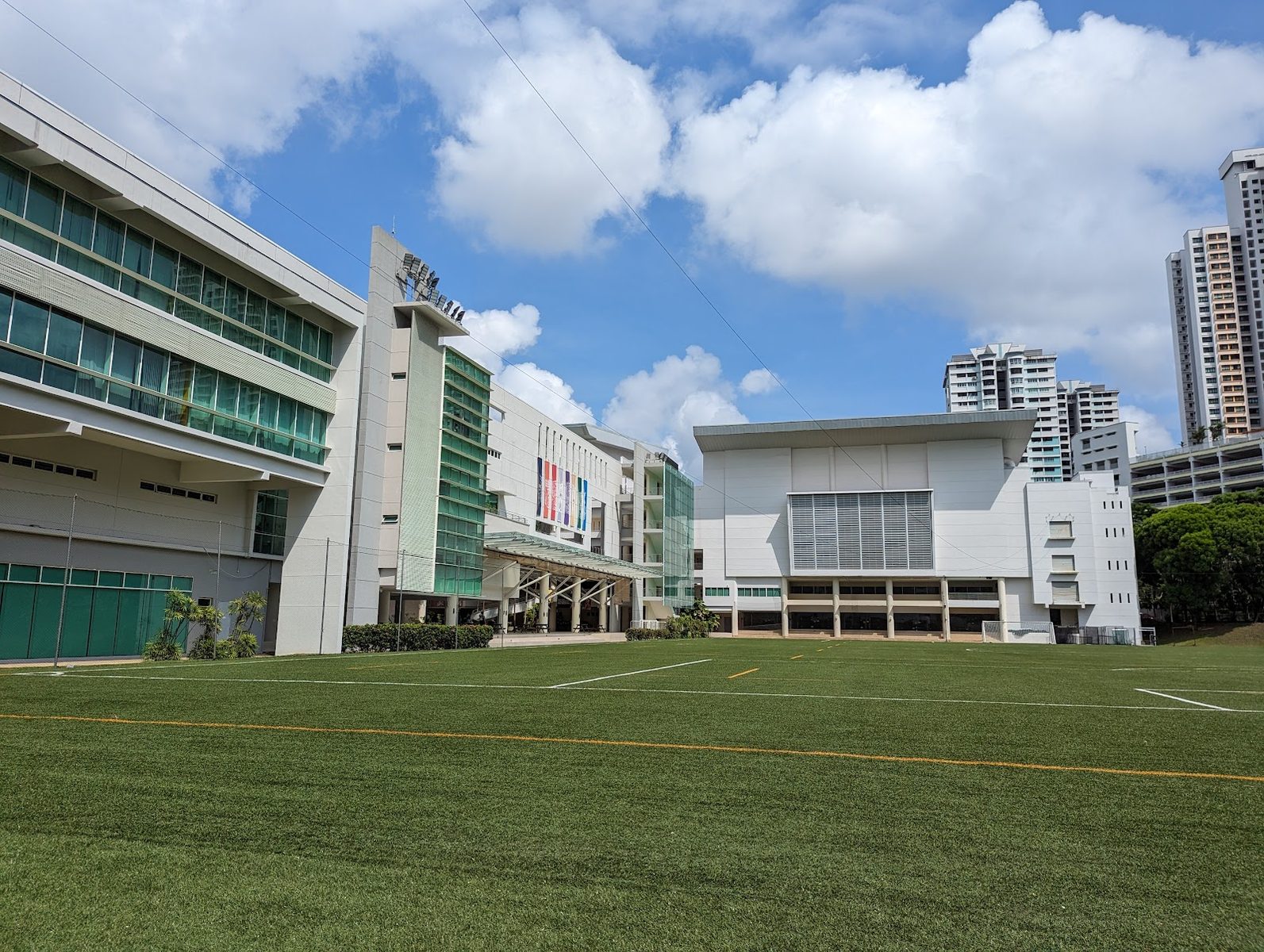
Facilities are one of SAS’s clearest strengths. The campus includes a rainforest classroom, a detail that risks sounding gimmicky until you place it in context: in land-scarce Singapore, outdoor teaching space with that kind of ecological texture is rare. The wider site gives the school room for the sort of infrastructure that large American schools need to function properly rather than symbolically — specialist teaching areas, sports provision, arts space and the circulation capacity to handle a population of more than 4,000 without the whole place feeling compressed. Against peer schools in the city, that matters. Many competitors offer polished buildings; fewer offer genuine sprawl, and fewer still can use that space to support day-to-day movement, informal student life and outdoor learning in a way that does not feel tacked on.
The benchmark question is not whether SAS has good facilities. It does. The sharper question is whether the estate gives students access to a richer, more varied school day than rivals with tighter urban footprints. Here the answer is yes. A campus of 36 acres changes what a school can stage, schedule and sustain. It allows for breadth without constant compromise over room bookings and shared space, and that has practical consequences for sport, performance, labs and extracurricular life. Parents choosing between top-end international schools in Singapore should read SAS as a facilities-led option: less intimate, less architecturally theatrical than some newer campuses, but more operationally powerful where scale translates into daily use.
In a school of this size, parents do not need warmth first; they need clarity, cadence and systems that stop important notices getting buried
Prestige
SAS carries real prestige in Singapore’s international-school market, but its prestige rests on scale, longevity and institutional reach rather than mystique. A student body of over 4,000 gives it weight: universities know the school, expatriate employers know the name, and families moving through American corporate and diplomatic circuits know what they are buying. The non-profit structure adds credibility because it signals a school built to run a large educational operation, not a boutique brand exercise. Prestige here is also practical. A school this size can sustain a serious spread of courses, activities and student leadership opportunities, and that breadth feeds reputation over time. The campus footprint, the long-established place in Singapore’s international sector and the alumni floor all reinforce the sense of SAS as a major institution, not a newcomer trading on marketing gloss.
That said, prestige at SAS is not the same thing as exclusivity. This is not a rarefied school with tiny cohorts and cachet built on scarcity; it is a high-visibility American school whose standing comes from consistency, throughput and market recognition. That distinction matters. For some families, the name carries immediate value because it travels well within US-facing admissions and relocation networks. For others, the absence of published aggregate external-results data dulls the shine, because top-tier prestige holds up best when reputation and hard outcomes are both public. Even with that caveat, SAS remains one of the heavyweights in its segment, and an education here carries clear status in the region’s international-school hierarchy.
Founded in 1956, it is one of Singapore’s earliest international schools and now serves over 4,000 students from preschool through high school
Communications
Communications at SAS need to work across a large, fast-moving parent body, and scale changes the standard. In a school of this size, parents do not need warmth first; they need clarity, cadence and systems that stop important notices getting buried. SAS has an advantage here because big institutions build process into daily life: calendars, activity sign-ups, division-level updates, university guidance, transport changes and event notices all need disciplined handling or chaos follows quickly. That does not guarantee excellence, but it does create a strong incentive to communicate methodically and in detail. The school’s long-established footprint and non-profit governance also matter: families are dealing with an institution built for continuity, not a slick but flimsy marketing operation.
The trade-off is obvious. Large-school communication is efficient before it is personal. Parents who want direct, informal access to every teacher will find the model bureaucratic at points, because a community of more than 4,000 cannot run on ad hoc reassurance. The real test is whether parents can understand who to contact, what matters now and where decisions sit. SAS clears that bar because schools at this scale have no alternative. Where it will frustrate some families is tone: communication in big American schools can feel transactional during busy periods, and new parents who need heavy hand-holding may find the volume demanding. For organised families, that structure is a strength. For anxious ones, it can feel relentless.
Uniqueness
What makes SAS distinct is not a single programme but the way American-school abundance operates at full scale. This is a school where choice is structural: a very large student body, a deep activities culture and the timetable capacity to run many things at once. For students, that brings real gains. Children who want to test themselves across academics, sport, arts and service do not need to squeeze into a narrow lane; they can build a broad profile without the school feeling overstretched. The campus also adds a layer few urban rivals can match. A rainforest classroom is more than a branding flourish when it sits inside a 36-acre site; it widens the school day beyond sealed classrooms and gives younger pupils, in particular, a more tactile relationship with science and the natural world.
The other point of difference is institutional confidence. SAS has the big-platform character of a mature non-profit: systems, scale and enough demand to sustain serious breadth over time. That brings students access to peers, mentors and opportunities across a community of more than 4,000, which can be energising and formative. It also brings trade-offs. This is a high-volume environment, and children who need constant adult prompting or a tightly held small-school atmosphere can get lost in it. Students who thrive here are self-starting, socially agile and ready to use a busy, opportunity-rich school properly.
The academic spine is American, while the school-declared IB status and CIS and IBO accreditations add external weight at the rigorous end
Student Profile
The students who do best here are confident joiners. In a school with more than 4,000 children, social life does not organise itself around a tight tutor group or a small-year intimacy; it runs through teams, productions, clubs, leadership posts and friendship circles that shift as pupils grow. That suits children who are comfortable stepping forward, trying things in public and recovering quickly when not every bid for a place or role works out. The culture rewards self-direction, social fluency and stamina. Ambitious all-rounders fit well. So do students who enjoy building a crowded timetable and can handle peers who are equally busy, equally accomplished and not waiting to be managed.
The weaker fit is clear. Children who need a high-touch, closely sheltered environment, or who struggle to advocate for themselves with teachers and peers, face a harder landing. This is not the school for families seeking a small-circle community where every adult knows every child in detail. It suits internationally mobile families who value a familiar American-style school rhythm and students who want choice without apology. The best SAS pupils are not passive consumers of opportunity; they are active operators who know how to use a big institution. For the right child, that is liberating. For the wrong one, it is easy to drift.
It is a large, confident institution with the staffing, facilities and timetable breadth that smaller schools struggle to replicate
Co-curricular strengths
Arts & sport, on a separate axis
Overall 9.5/10
Scored 0-10 from the school's own published evidence. This axis is editorial-only — it does not feed the main WTS ranking.
Sports
9.5/10
Extensive sports provision and strong aquatics, while the external evidence adds multiple gyms, playing fields, swimming pools, tennis courts, a large representative athletics programme across many sports, and ACSIS competition as a founding member.
Drama
9.5/10
Theater productions and serious performance spaces, and the external evidence adds an auditorium/theatre, purpose-designed drama spaces, drama electives, annual spring play or musical, and participation in IASAS cultural conventions, which clears the 7 band through dedicated facilities plus recurring productions.
Dance
9.5/10
Although dance is not extracurricular list, the external evidence explicitly shows dance classes, specially designed dance rooms, an annual fall dance show, and IASAS cultural convention participation in dance, supporting a notable programme with dedicated spaces and recurring performances.
Music
9.5/10
Jazz band, orchestra and choir, and the external evidence adds music classrooms, specially designed rooms for band/orchestra/choir, and broad music participation across divisions, giving both structured ensembles and dedicated specialist spaces.
Visual Arts
9.5/10
Visual arts, and the external evidence adds art classrooms and specially designed art spaces plus fine arts activities, which is enough to clear the dedicated-facility threshold but without stronger evidence of exhibitions, awards, or museum-level provision.
Editor first-pass · editor-reviewable · 7/28/2026
Outcomes & destinations
Where students go next
Top destinations
244 placements
- Adelphi University· 1
- American University· 1
- Arizona State University· 1
- Babson College· 1
- Barnard College· 1
- Bates College· 1
- Baylor University· 1
- Bentley University· 1
- Berklee College of Music· 1
- Biola University· 1
- Boise State University· 1
- Boston College· 1
- Boston University· 1
- Bowdoin College· 1
- Brandeis University· 1
- Brigham Young University· 1
- Brigham Young University - Idaho· 1
- Brown University· 1
- Bryn Mawr College· 1
- Bucknell University· 1
- California Polytechnic State University, San Luis Obispo· 1
- California State University, Channel Islands· 1
- Carleton College· 1
- Carnegie Mellon University· 1
- Castleton University· 1
- Clark University· 1
- Colby College· 1
- Colgate University· 1
- College of Charleston· 1
- College of the Holy Cross· 1
- College of William & Mary· 1
- Colorado College· 1
- Columbia University· 1
- Connecticut College· 1
- Cornell University· 1
- Dartmouth College· 1
- Davidson College· 1
- Denison University· 1
- Drexel University· 1
- Duke University· 1
- Eckerd College· 1
- Elon University· 1
- Embry-Riddle Aeronautical University-Daytona Beach· 1
- Embry-Riddle Aeronautical University-Prescott· 1
- Emory University· 1
- Fashion Institute of Technology· 1
- Fordham University· 1
- Franklin Olin College of Engineering· 1
- George Washington University· 1
- Georgetown University· 1
- Georgia Institute of Technology· 1
- Harvard University· 1
- Harvey Mudd College· 1
- Haverford College· 1
- Howard University· 1
- Indiana University Bloomington· 1
- Iowa State University· 1
- Ithaca College· 1
- James Madison University· 1
- Johns Hopkins University· 1
- Knox College· 1
- Lehigh University· 1
- Loyola Marymount University· 1
- Loyola University Chicago· 1
- Macalester College· 1
- Marion Military Institute· 1
- Marist College· 1
- Middlebury College· 1
- Minneapolis College of Art and Design· 1
- New York University· 1
- Norfolk State University· 1
- Northeastern University· 1
- Northwestern University· 1
- Nova Southeastern University· 1
- Occidental College· 1
- Old Dominion University· 1
- Oxford College at Emory University· 1
- Pasadena City College· 1
- Pennsylvania State University - Abington· 1
- Pennsylvania State University, University Park· 1
- Pepperdine University· 1
- Pitzer College· 1
- Pomona College· 1
- Pratt Institute· 1
- Princeton University· 1
- Purdue University· 1
- Purdue University Northwest - Hammond Campus· 1
- Queens University of Charlotte· 1
- Rhode Island School of Design· 1
- Rhodes College· 1
- Rice University· 1
- Ringling College of Art and Design· 1
- Rochester Institute of Technology· 1
- Rutgers University - New Brunswick· 1
- Saint Louis University· 1
- San Diego State University· 1
- San José State University· 1
- Santa Clara University· 1
- Savannah College of Art and Design· 1
- School of the Art Institute of Chicago· 1
- School of Visual Arts· 1
- Scripps College· 1
- Seattle University· 1
- Skidmore College· 1
- Stanford University· 1
- SUNY at Albany· 1
- SUNY Purchase College· 1
- Syracuse University· 1
- Tallahassee Community College· 1
- Texas A&M University· 1
- The Catholic University of America· 1
- The New School· 1
- The Ohio State University· 1
- The University of Texas at Arlington· 1
- The University of Texas at Austin· 1
- Tidewater Community College· 1
- Trinity College· 1
- Tufts University· 1
- Tulane University· 1
- United States Naval Academy· 1
- University of Alabama· 1
- University of Arkansas· 1
- University of California, Berkeley· 1
- University of California, Davis· 1
- University of California, Irvine· 1
- University of California, Los Angeles· 1
- University of California, Riverside· 1
- University of California, San Diego· 1
- University of California, Santa Barbara· 1
- University of California, Santa Cruz· 1
- University of Chicago· 1
- University of Colorado Boulder· 1
- University of Delaware· 1
- University of Florida· 1
- University of Georgia· 1
- University of Hartford· 1
- University of Houston· 1
- University of Illinois at Urbana Champaign· 1
- University of Maryland· 1
- University of Massachusetts, Amherst· 1
- University of Miami· 1
- University of Michigan Ann Arbor· 1
- University of Minnesota Twin Cities· 1
- University of Mississippi· 1
- University of Nebraska Lincoln· 1
- University of North Georgia· 1
- University of North Texas· 1
- University of Northwestern - St. Paul· 1
- University of Notre Dame· 1
- University of Oklahoma· 1
- University of Oregon· 1
- University of Pennsylvania· 1
- University of Pittsburgh· 1
- University of Puget Sound· 1
- University of Rochester· 1
- University of San Diego· 1
- University of San Francisco· 1
- University of South Carolina· 1
- University of South Florida, St. Petersburg· 1
- University of Southern California· 1
- University of Tampa· 1
- University of Tennessee, Knoxville· 1
- University of Vermont· 1
- University of Virginia· 1
- University of Washington· 1
- University of West Florida· 1
- University of Wisconsin, Madison· 1
- Vanderbilt University· 1
- Vassar College· 1
- Virginia Commonwealth University· 1
- Virginia Polytechnic Institute and State University· 1
- Washington University in St. Louis· 1
- Wayne State University· 1
- Wellesley College· 1
- Wesleyan University· 1
- Western Washington University· 1
- Whitman College· 1
- Williams College· 1
- Yale University· 1
- Bath Spa University· 1
- Brunel University· 1
- Imperial College London· 1
- King's College London· 1
- London College of Fashion· 1
- London Film Academy· 1
- London School of Economics and Political Science· 1
- Loughborough University· 1
- Newcastle University· 1
- Northeastern University, London· 1
- Queen Mary University of London· 1
- Rose Bruford College· 1
- School of Oriental and African Studies, University of London· 1
- University College London· 1
- University of Bristol· 1
- University of Dundee· 1
- University of Edinburgh· 1
- University of Glasgow· 1
- University of Oxford· 1
- University of Southampton· 1
- University of St Andrews· 1
- University of Stirling· 1
- University of the Arts London· 1
- University of the West of England· 1
- University of Warwick· 1
- Chulalongkorn University· 1
- De La Salle University· 1
- ESSEC Business School, Singapore· 1
- Hong Kong University of Science and Technology· 1
- Keio University, Mita· 1
- Keio University, Shonan Fujisawa· 1
- Korea University· 1
- Manipal Academy of Higher Education· 1
- Nanyang Technological University· 1
- National University of Singapore· 1
- New York University, Abu Dhabi· 1
- Peking University· 1
- Seoul National University· 1
- Singapore Management University· 1
- Sophia University· 1
- Dalhousie University· 1
- La Trobe University· 1
- McGill University· 1
- Queen's University· 1
- The University of British Columbia, Okanagan· 1
- The University of British Columbia, Vancouver· 1
- The University of Sydney· 1
- Trent University· 1
- University of Melbourne· 1
- University of New South Wales· 1
- University of Newcastle· 1
- University of Toronto· 1
- University of Toronto Mississauga· 1
- University of Victoria· 1
- University of Waterloo· 1
- Western University· 1
- York University· 1
- IE University· 1
- John Cabot University, Rome· 1
- Queen Mary, University of London, Malta· 1
- The American University of Paris· 1
- Trinity College Dublin - The University of Dublin· 1
- University of Kassel· 1
- University of Otago, Dunedin· 1
- Victoria University of Wellington· 1
Reported by the school. Confirm with admissions.
Notable alumni · Wikidata
9notable alumni
0 historic (born pre-1930) · 2 modern (born post-1970)wikidata:2026-07-28 How we source this
WTS 300 badge
2025/26 editionSingapore American School is one of the World's Top 300 Schools for 2025/26. Claim your listing to add it to your site →
Strengths
- +Enrolls over 4,000 students from 66 nationalities across pre-K to Grade 12, making it one of the largest American international schools in the world. Singapore American School (SAS) is one of the world's largest American international schools, enrolling over 4,000 students from 66 nationalities in pre-K to Grade 12.
- +Offers a full US-style Advanced Placement program alongside SAT/ACT preparation and dedicated college counselling on an August-to-June calendar aligned with US admissions cycles. Most American schools in Singapore offer a full suite of Advanced Placement (AP) courses, typically 15 to 25 AP subjects, along with SAT and ACT preparation, dedicated US college counselling teams, and an August-to-June academic calendar that aligns with American university admissions timelines.
- +Fully accredited by the Western Association of Schools and Colleges (WASC), a recognised US accreditation body. Accredited by the Western Association of Schools and Colleges (WASC)
- +High school seniors complete Quest, a year-long, self-directed capstone project mentored by faculty rather than a standard elective. One distinct aspect is the Quest program, a year-long, self-directed initiative for high school seniors to pursue in-depth, personalized projects under faculty mentorship.
- +One of the longest-established American schools in Asia, having opened in 1956. Opening year - 1956
Considerations
- −Fees sit in the ultra-premium band, with published annual tuition running roughly SGD 46,530-61,690 depending on grade, plus a separate non-refundable SGD 2,500 application fee. Annual fees SGD 46,530-61,690, Price band help, Ultra-premium A non-refundable fee of $2,500 is required for consideration of each application.
- −Admission runs on a priority-lane system that favours US citizens, Green Card holders and corporate-sponsored families over other applicants. To uphold our mission as an American school in Singapore, SAS utilizes a priority lane system. This ensures we remain a home for US citizens and corporate partners while fostering a globally diverse student body that represents over 60 nationalities.
- −Applicants outside the priority lanes can be placed in a waitpool for up to two years with no guarantee of an eventual offer. All other admissible applicants will be placed in a waitpool until space is available to offer. The applications of waitpooled applicants remain active for two years beginning on the family's application fee receipt date.
- −Singapore citizens, including dual nationals, need Ministry of Education approval to attend and can be required to leave if that approval is refused or runs short. Singapore Citizens SAS students who are five and turning six years of age must obtain MOE approval to continue attending SAS. Should MOE at this point deny an SAS student this required approval to attend, or if there is a shortage of MOE approvals to offer all applicable students, the Singapore Citizen student will need to discontinue their enrollment at SAS.
Availability
Primary entry gate & tests
Academic Record + Priority Lanes
Gallery
Photo © Leela L via Google Maps
Photo © General Twilight via Google Maps
Photo © Singapore American School via Google Maps
Photo © Singapore American School via Google Maps
Photo © Singapore American School via Google Maps
Photo © Singapore American School via Google Maps
Photo © Singapore American School via Google Maps
Photo © Singapore American School via Google Maps
Photo © Singapore American School via Google Maps
Recommended reading
Independent write-ups of this school from editorial outlets we trust.
- Singapore American School ReviewWhichSchoolAdvisor
Parent reviews
Have you sent your child here?
Voice reviews carry the strongest trust badge — we transcribe them for you to tidy up before they go live. Prefer to type? A written review is fine too.
Add your voice
In 60 seconds, tell other parents: what's the best thing about Singapore American School, and what surprised you when your child joined?
We ask for a Google sign-in so every review has a real face behind it — no anonymous drive-by attacks on schools, and no faked positive reviews. Your email is never shown publicly.
Send this profile to a friend
International parents rely on word-of-mouth. Share this review with someone weighing the same decision.
Schools with places
Similar schools to Singapore American School with places available now.
Overseas Family School
Singapore · Singapore
- 2026-27
- WAITPOOLSpace-dependent
- 2027-28
- PLACES OPENRolling
Chatsworth International School
Singapore · Singapore
- 2026-27
- WAITPOOLSpace-dependent
- 2027-28
- FUTURE CYCLERolling claim not independently verified for 2027/28
Availability first, then country, area, curriculum, price, co-curricular
Consider also
Also worth looking at alongside Singapore American School.
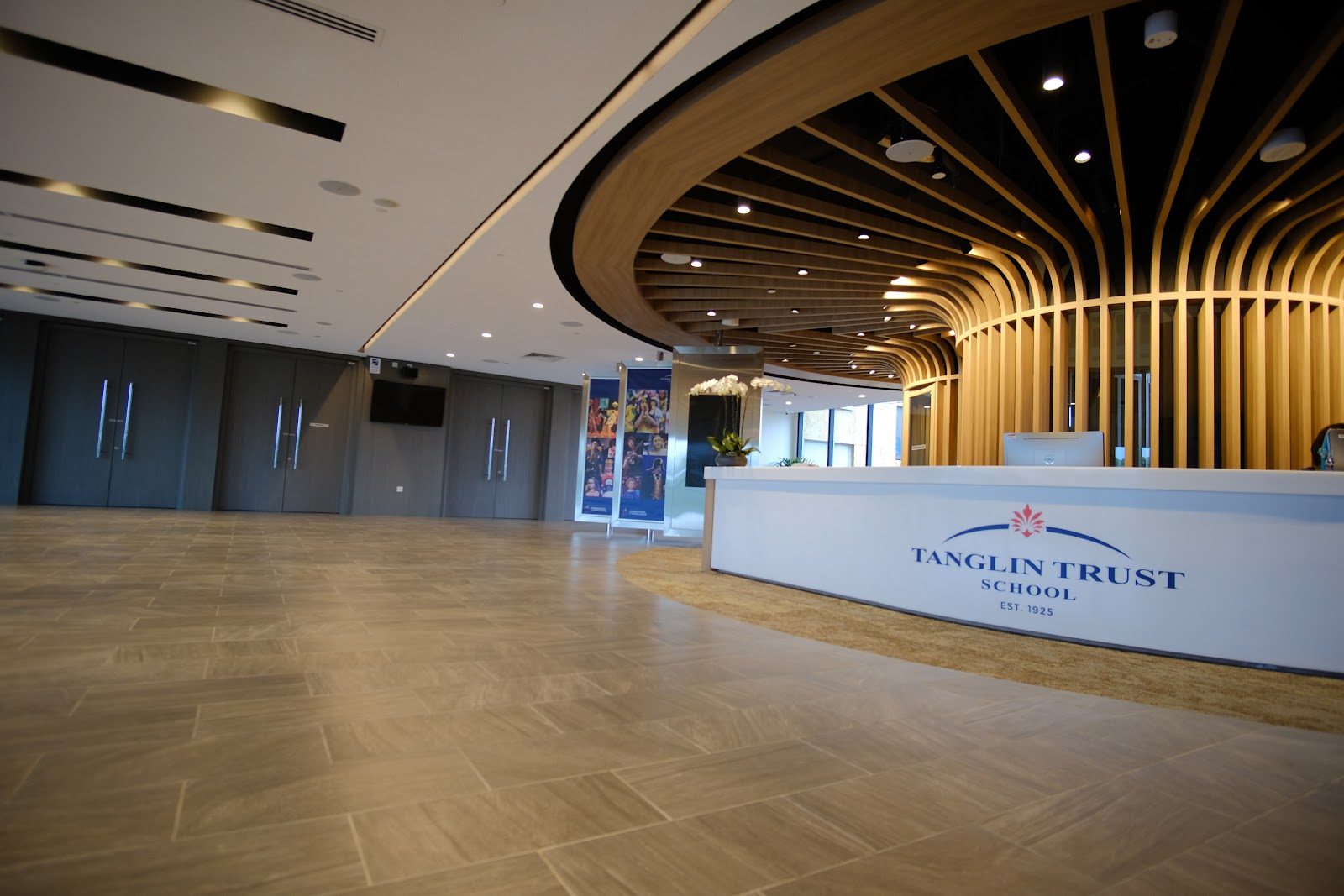
Tanglin Trust School
Singapore · Singapore
Southeast Asia's oldest British school pairs IB with A-Levels, then sends every Year 9 to the Australian bush for five weeks.
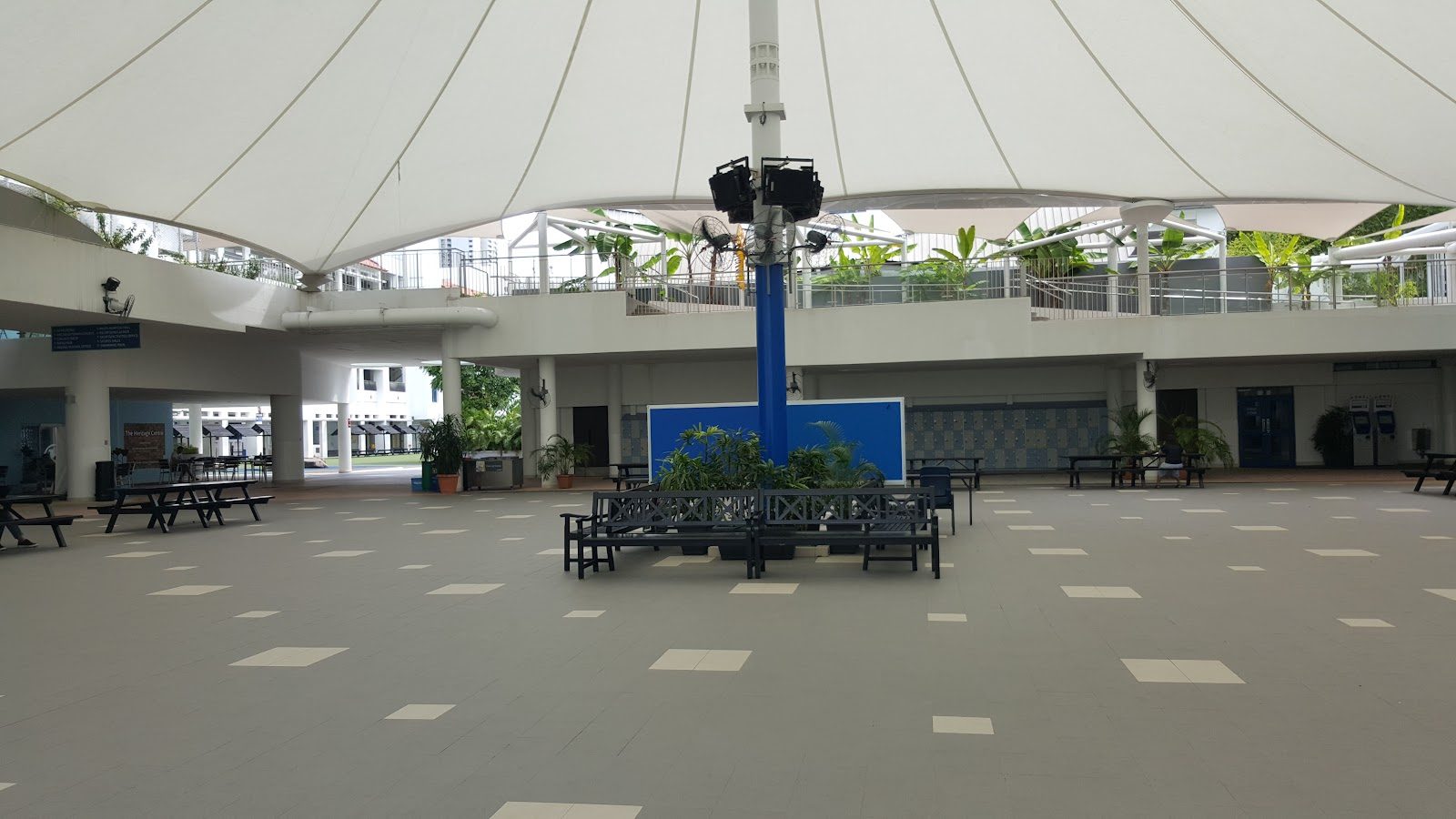
United World College of South East Asia
Singapore · Singapore
Across two Singapore campuses, service learning anchors an IB path capped by a rare Systems Transformation course for change leadership.
Anglo-Chinese School (Independent)
Singapore · Singapore
Singapore's first IB Diploma school, this Methodist boys' campus on Dover Road has ranked among the world's top three IB scorers for years.
Hwa Chong Institution
Singapore · Singapore
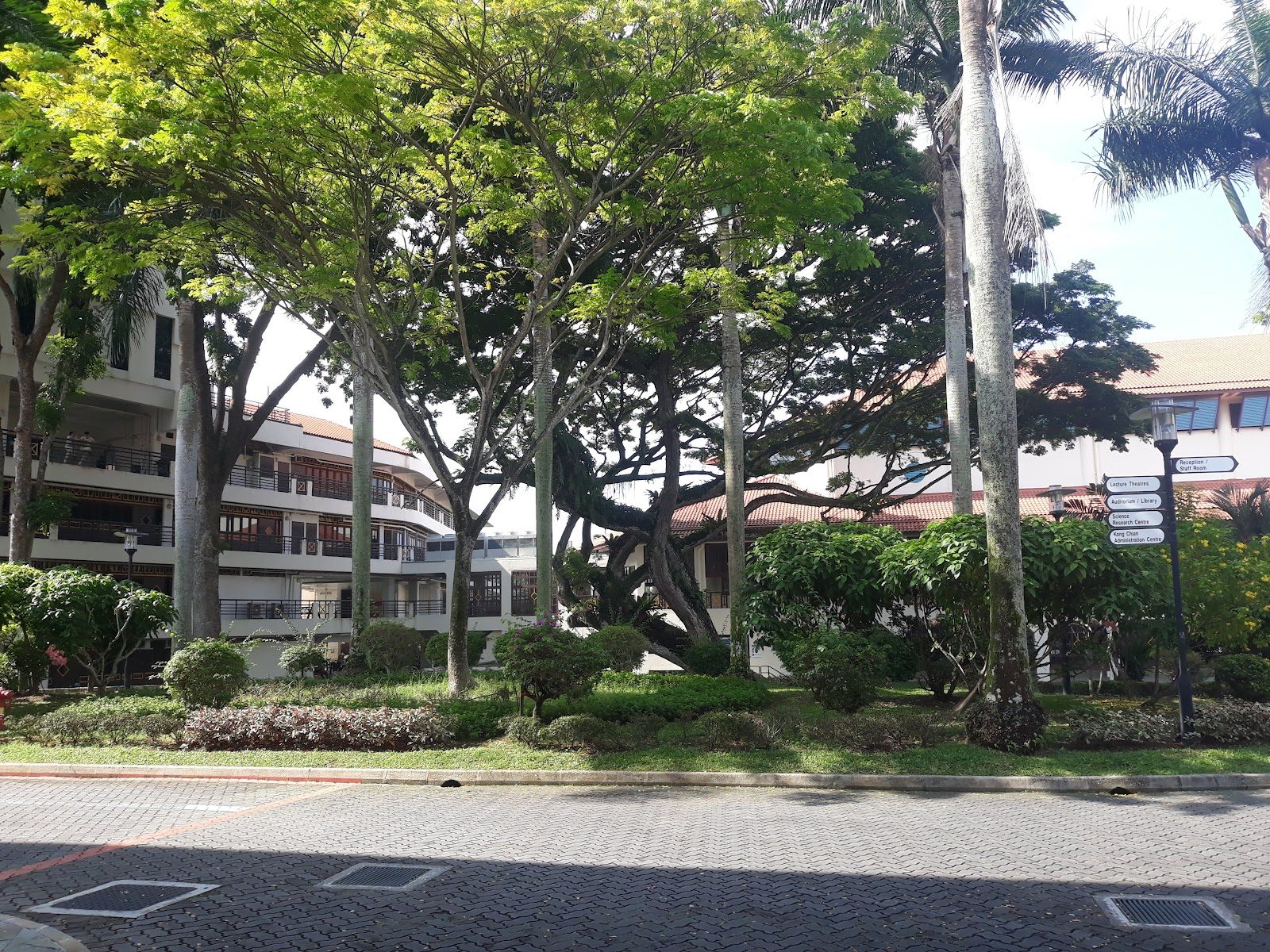
Singapore's storied merged independent school, pairing its Integrated Programme with an IB track at its Bukit Timah campus.
Same country and curriculum — closest matches within ±10 points either way